

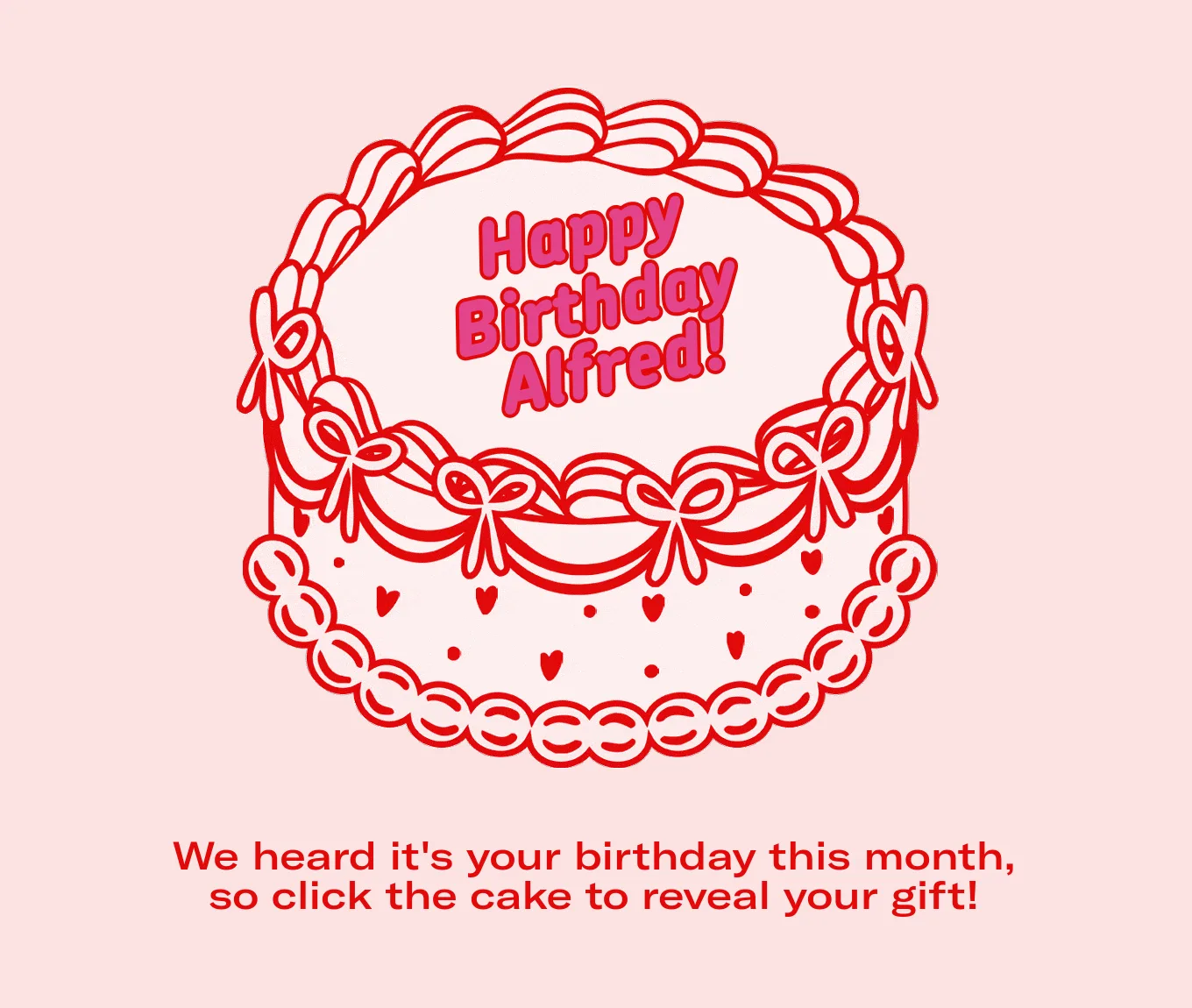
In an era defined by hyper-personalization and the relentless pursuit of customer loyalty, birthday email campaigns stand out as a uniquely potent, yet often underutilized, tool in the digital marketer’s arsenal. A recent comprehensive analysis, simulating a customer’s journey across numerous brands, has illuminated both the significant potential and the pervasive shortcomings within current birthday marketing strategies, revealing a critical disconnect between data collection and actionable engagement. This study, which involved tracking over fifty "happy birthday" emails from global brands to a designated "email birthday" persona, serves as a compelling case study on what truly constitutes an effective personalized message versus a token gesture.
The Unseen Potential: A Deep Dive into Personalized Engagement
The digital landscape is increasingly saturated with generic marketing messages, making genuine personalization a coveted asset for brands aiming to forge deeper connections with their customer base. The concept of an "email birthday" – a specific date provided to brands upon signup – offers a controlled environment to assess how effectively companies leverage personal data for celebratory outreach. While the study observed a substantial volume of such communications, the quality and strategic intent behind them varied dramatically. Some messages genuinely resonated, fostering a sense of appreciation and strengthening brand affinity, while others appeared perfunctory, raising questions about the true value placed on customer data. This disparity underscores the urgent need for brands to move beyond mere acknowledgment and embrace a more sophisticated approach to lifecycle marketing.
Beyond the Greeting: The Dual Benefits of Birthday Data
The collection of a customer’s date of birth represents a powerful piece of personal data, yielding mutual benefits when employed thoughtfully and strategically. For brands, this information is invaluable for enhancing life-stage segmentation and personalization efforts. Knowing a customer’s age or birth month allows for more targeted campaigns, helping to predict purchasing behaviors and tailor product recommendations more accurately. Critically, birthday messages consistently outperform generic promotional campaigns in key metrics such as open rates and click-through rates, indicating a higher level of recipient engagement. This heightened interaction translates directly into improved campaign performance and a more efficient allocation of marketing resources.
For consumers, birthday rewards are not merely transactional; they evoke a sense of genuine anticipation and delight. These rewards, which can range from exclusive discounts and free products to bonus loyalty points or access to age-restricted benefits, transform into tangible expressions of appreciation. Beyond the material incentive, there is an intrinsic pleasure in feeling "known" and "seen" by a brand. Birthday marketing, when executed thoughtfully, deepens the emotional connection between the customer and the brand, fostering loyalty that extends beyond a single transaction. It’s a moment where a brand can transcend its commercial role and connect on a more personal, celebratory level.
The Alarming Gap: Data Collection vs. Data Utilization
Despite the clear advantages, a significant challenge remains: the underutilization of collected birthday data. Data from Validity, a leading authority in email intelligence, paints a stark picture of this widespread oversight. In the observed experiment, for instance, a staggering 124 birthday emails should have been triggered based on the provided "email birthday" data. However, only 43 actually arrived, representing a mere 35% delivery rate. This substantial gap highlights a critical flaw in many brands’ customer relationship management systems and email automation workflows. Collecting sensitive personal data like a date of birth implies a promise of personalized engagement, and failing to deliver on this promise not only wastes valuable data but also risks eroding customer trust and goodwill. The principle is unequivocal: if data is collected, it must be utilized effectively.
Tactics Worthy of Celebration: A Spectrum of Engagement Strategies
Birthday email campaigns typically fall into several distinct categories, each with varying degrees of effectiveness:
-
Thoughtful Acknowledgements: Predominantly employed by premium brands catering to high-net-worth clientele, these emails prioritize sentiment over material offers. The "gift" often manifests as an exclusive message, a personalized content recommendation, or even a subtle suggestion to indulge in further brand experiences. In these contexts, the gesture itself, rather than a discount, is paramount, reinforcing the brand’s luxury positioning and the perceived value of the relationship.
-
Strategic Discounts: By far the most common approach, birthday discounts are a straightforward incentive. These often come with a minimum spend requirement but rarely an upper limit, encouraging larger purchases. The key to success here lies in the generosity of the offer. A discount that feels insignificant can be perceived as a token gesture, undermining the celebratory spirit. Brands must ensure the percentage or monetary value is substantial enough to genuinely entice and reward the customer.
-
Experiential Rewards and Free Products: The restaurant industry notably excels in this tactic, with many establishments offering a free birthday dessert. However, these offers frequently come with a stipulation, such as the purchase of an entrée. A closer examination of average entrée and dessert prices reveals the true economic value of these "gifts":
- Seasons 52: Average Entrée $28, Average Dessert $4–$9, Effective Discount 12–24%
- Olive Garden: Average Entrée $18.50, Average Dessert $12, Effective Discount ~39%
- Yard House: Average Entrée $21, Average Dessert $10, Effective Discount ~32%
- Cheddar’s: Average Entrée $18, Average Dessert $7.50, Effective Discount ~29%
- LongHorn Steakhouse: Average Entrée $26, Average Dessert $11, Effective Discount ~30%
- Applebee’s: Average Entrée $17, Average Dessert $6, Effective Discount ~26%
Viewed through this lens, the average effective discount across these restaurant chains is approximately 30%, with Olive Garden notably leading at 39%, positioning it as a highly attractive option for birthday celebrations. These offers are not merely about the free item but about driving foot traffic and encouraging group dining, thereby increasing overall revenue.
-
Optimized Redemption Windows and Multi-Stage Campaigns: Most brands wisely provide customers with a generous window, typically 30 days, to redeem their birthday gift. However, truly effective campaigns elevate this by transforming it into a multi-stage sequence. For example, brands like Calvin Klein send an advance notification, a dedicated message on the actual birthday, and a follow-up reminder. This strategic cadence significantly increases the likelihood of the gift being redeemed, ensuring the customer feels valued throughout the celebratory period and reducing missed opportunities.
-
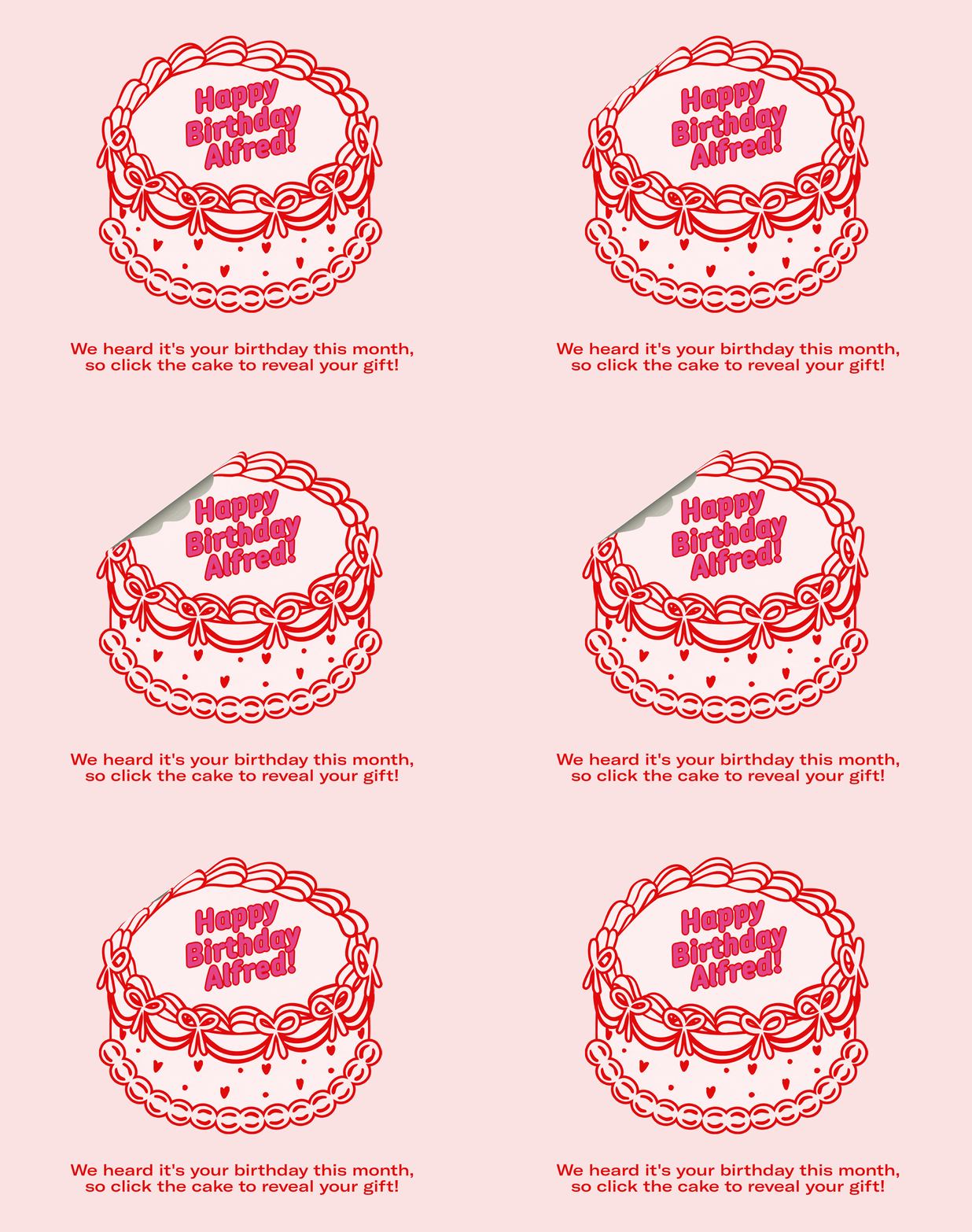
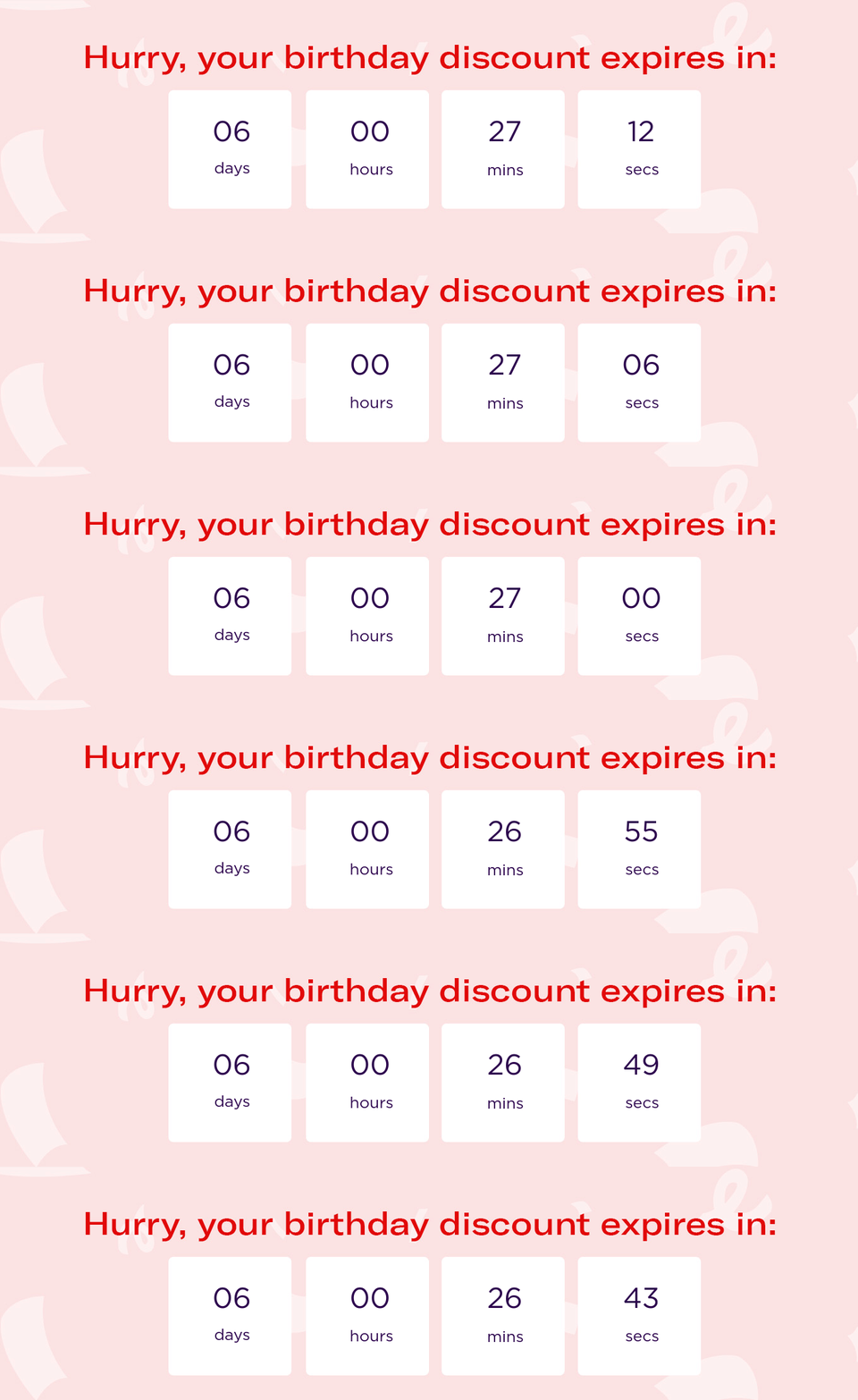
Leveraging Interactivity and Dynamic Content: Surprisingly, many brands overlook the potential of animation and dynamic content in birthday emails. Birthdays, with their inherent joy and celebratory nature, are perfectly suited for elements like flickering candles, animated confetti, or "open your present" interactive features. Virgin Australia stands out in this regard, with an on-the-day email featuring an animated cake that cleverly reveals the discount, followed by a reminder email incorporating a countdown timer to instill urgency. Such creative use of technology enhances engagement, makes the email more memorable, and reinforces the festive mood.
Benchmarking Success: Top Performers and Best Practices
Amidst the influx of "here’s your birthday discount" emails, certain brands excelled in making the customer feel genuinely valued. Burger King, for instance, earned top marks for its straightforward and unconditional offer: "Enjoy a free bday Whopper." The absence of minimum spend requirements or complex conditions made this offer exceptionally appealing and demonstrated a clear commitment to customer delight.
Other brands also demonstrated commendable strategies:
- Sephora, Tarte, The Body Shop, Clinique, Kiehl’s, L’Occitane: These beauty and wellness brands consistently offered attractive discounts or free gifts, often tied to a small purchase, enhancing the perceived value and encouraging product exploration.
- Hilton: Demonstrated loyalty program integration by offering bonus points, appealing directly to repeat customers and travelers.
- Starbucks: Provided a free drink or food item, a highly popular and easily redeemable reward that aligns perfectly with its product offering.
These examples highlight that the most effective birthday emails are not just about the monetary value of the offer, but also about its simplicity, relevance, and alignment with the brand’s identity and customer expectations.
The Commercial Imperative: Quantifying ROI in Customer Retention
The average discount or discount equivalent observed across the 50+ emails was approximately 18%. While this figure appears reasonable, especially for businesses operating on tight net margins, its true impact must be viewed as an investment in customer relationships. The business case for investing in active customers is robust and well-documented. Harvard Business Review research indicates that acquiring a new customer can cost five times more than retaining an existing one. Further, studies by Bain & Company have shown that a mere 5% boost in customer retention can lead to a substantial profit increase of up to 75%. Reactivating dormant customers, while cheaper than acquisition, remains considerably more expensive than simply maintaining a strong, ongoing relationship.
In the context of email marketing, birthday emails demonstrate exceptional performance. Experian’s Birthday Emails report found that these personalized communications generate an astounding 481% more transactions and 342% more revenue per email compared to standard promotional campaigns. This stellar performance starkly contrasts with the efficacy of win-back emails, which, according to Dotdigital research, achieve redemption rates of just over 2%, even when accompanied by an offer.
This data strongly advocates for a strategic reallocation of marketing resources. Brands frequently offer significant discounts, often in the range of 25–40%, to entice disengaged customers back, often with limited success. It makes profound economic sense to invest earlier in the customer lifecycle, specifically at key moments like birthdays, when engagement levels are naturally higher, the emotional connection is stronger, and the cost of intervention is a fraction of what a reactive win-back campaign might entail. The argument for proactive, preventative marketing, leveraging the power of birthday emails, is unequivocally strong.
Crafting an Effective Birthday Email Strategy: Ten Pillars of Success
To maximize the impact of subscriber birthday emails, brands must meticulously plan and execute their campaigns. Getting it wrong—sending a message merely for the sake of it, offering no real value, or relying on outdated data—can do more harm than good, eroding trust and diminishing brand perception. Here are ten critical tips for mastering birthday email marketing:
- Accurate Data Collection and Maintenance: Ensure that birthdate data is collected reliably and kept meticulously updated. Implement robust data validation processes to minimize errors and prevent sending emails based on incorrect information, which can be perceived as unprofessional or intrusive.
- Clear, Valuable Offer: The core of any birthday email is the offer. It must be genuinely valuable to the recipient and clearly communicated. Whether it’s a discount, a free product, loyalty points, or an exclusive experience, the perceived benefit should be compelling enough to encourage action.
- Personalization Beyond Name: While using a customer’s name is a baseline, true personalization goes deeper. Leverage purchase history, browsing behavior, or expressed preferences to tailor the offer or product recommendations, making the message feel uniquely relevant to the individual.
- Multi-Stage Campaign Design: Don’t limit the celebration to a single email. Implement a sequence: a pre-birthday anticipation email, the main birthday message on the day, and a follow-up reminder before the offer expires. This maximizes visibility and redemption rates.
- Engaging Visuals and Interactivity: Embrace rich media. Utilize high-quality images, animations (like flickering candles or confetti), and interactive elements (such as "scratch to reveal" discounts) to make the email visually appealing and memorable.
- Optimize for Mobile: A vast majority of emails are opened on mobile devices. Ensure your birthday emails are fully responsive, load quickly, and are easy to read and interact with on smaller screens, providing a seamless user experience.
- Clear Call to Action (CTA): Guide the recipient effortlessly to the next step. The CTA should be prominent, unambiguous, and directly link to where they can redeem their offer or explore their personalized benefits.
- Segment and Tailor Offers: Beyond basic personalization, segment your audience by loyalty status, past purchase value, or product category interest. Tailor birthday offers to these segments to increase relevance and perceived value.
- Test and Optimize: Continuously A/B test different elements of your birthday campaigns—subject lines, offers, visuals, CTAs, and timing. Use analytics to understand what resonates best with your audience and refine your strategy over time.
- Focus on Brand Building, Not Just Sales: While driving transactions is a goal, remember that birthday emails are also powerful brand-building tools. Focus on creating positive emotional connections, reinforcing brand values, and fostering long-term loyalty and advocacy, which will ultimately lead to sustained growth.
By meticulously implementing these strategies, brands can transform their birthday email campaigns from mere automated messages into meaningful, positive interactions that significantly strengthen the overall brand experience. While immediate purchases may not always occur, these thoughtful gestures cultivate goodwill, increase future purchasing likelihood, and empower customers to become stronger brand advocates over time.
To effectively manage and protect accurate customer segments from January 1st to December 31st, leveraging advanced email intelligence tools is crucial. Validity’s Intelligence Network, powered by the world’s largest email data network, provides solutions like Validity Engage to remove risk and boost email performance, enabling brands to produce exceptional results with greater efficiency and impact.
Guy Hanson is the VP of Customer Engagement at Validity.








