
In an era of unprecedented market fragmentation and digital noise, the concept of holistic marketing has transitioned from a theoretical framework to a fundamental business necessity for companies seeking to scale their operations and affiliate programs. Holistic marketing is defined as a business philosophy that views the marketing process as a unified entity rather than a series of disconnected departments. By aligning every facet of an organization—from internal human resources and customer service to external advertising and societal outreach—companies can ensure that every consumer touchpoint reinforces a singular, cohesive brand identity. This strategic integration is increasingly recognized as the primary driver for improving the buyer journey, fostering brand loyalty, and securing long-term profitability in a competitive global landscape.
The Shift from Fragmented to Unified Marketing Strategies
Traditional marketing models historically operated in silos, where social media teams, email marketers, and sales departments functioned independently, often leading to discordant brand messaging. In contrast, the holistic approach mandates that all marketing activities and materials communicate the same core values. This strategy acknowledges that modern consumers do not interact with brands in a vacuum; instead, their perception is shaped by a cumulative series of interactions across multiple platforms.
Industry data supports this shift toward integration. According to research from Marq (formerly Lucidpress), consistent brand presentation across all platforms can increase revenue by up to 33%. Furthermore, a study by Salesforce indicated that 75% of consumers expect consistent experiences across multiple channels, yet many feel that departments do not share information effectively. Holistic marketing addresses this gap by ensuring that the brand’s “voice” remains identical, whether a customer is reading an affiliate’s blog post, interacting with a customer support representative, or viewing a high-budget television advertisement.
The Four Dimensions of the Holistic Marketing Framework
To successfully implement a holistic strategy, organizations must address four critical dimensions: internal marketing, relationship marketing, societal marketing, and integrated marketing.
Internal Marketing: The Foundation of Brand Advocacy
Internal marketing treats employees as the primary “internal customers” of the brand. This dimension posits that an organization cannot effectively sell its vision to the public if its own staff does not believe in or understand the product. By engaging employees and ensuring they are aligned with the company’s vision and values, businesses see a marked improvement in performance and customer interactions. When human resources, operations, and technical teams are synchronized, they become organic brand ambassadors who promote the company instinctively through their professional conduct and social networks.
Relationship Marketing: Beyond the Single Transaction
Relationship marketing shifts the focus from short-term sales to long-term customer lifetime value (CLV). This dimension emphasizes building mutually beneficial partnerships with customers, suppliers, wholesalers, and affiliates. In the context of affiliate marketing, this involves treating affiliates not as mere traffic sources, but as strategic partners. By keeping these partners informed and engaged, companies create a loyal ecosystem where affiliates feel personally invested in the brand’s success, leading to higher-quality leads and more authentic endorsements.

Societal Marketing: Ethics and Corporate Responsibility
Modern consumers, particularly Millennials and Gen Z, increasingly favor brands that demonstrate social responsibility. Societal marketing involves incorporating ethical practices and community support into the brand’s identity. Whether through environmental sustainability initiatives, charitable donations, or supporting local events, these actions build a reservoir of goodwill. These initiatives also serve as powerful content for PR and social media, allowing the brand to build awareness through positive impact rather than just product promotion.
Integrated Marketing: Synchronizing the Mix
The integrated dimension ensures that the “Four Ps”—Product, Price, Place, and Promotion—are managed as a cohesive unit. This prevents the brand from sending conflicting messages, such as one channel marketing a product as a luxury item while another promotes it as a budget-friendly option. Integrated marketing requires all teams to use the same visual assets, fonts, and core messaging to create a seamless aesthetic and psychological experience for the consumer.
Chronology of Marketing Evolution: The Path to Holistic Integration
The transition toward holistic marketing has been shaped by decades of technological and social shifts:
- 1950s–1980s: The Product Era. Marketing was largely transactional and focused on mass-media broadcasting (TV and Radio). Communication was one-way, and departments were strictly siloed.
- 1990s: The Relationship Era. With the advent of CRM (Customer Relationship Management) software, businesses began to realize the value of retaining existing customers over acquiring new ones.
- 2000s–2010s: The Digital Fragmentation Era. The explosion of social media, SEO, and affiliate marketing created a “chaos of channels.” Brands often struggled to maintain a consistent identity as they rushed to adopt new technologies.
- 2020–Present: The Holistic Era. High competition and the rise of “conscious consumerism” forced brands to unify their messaging. The integration of AI and big data now allows companies to track the customer journey across all touchpoints, making holistic alignment more achievable than ever before.
Case Study: Apple Inc. as a Global Benchmark
Apple Inc. serves as a premier example of holistic marketing in practice. The company’s success is not merely the result of high-quality hardware but of a meticulously coordinated brand experience. Apple’s core values—including privacy, accessibility, and environmental responsibility—are woven into every aspect of the business.
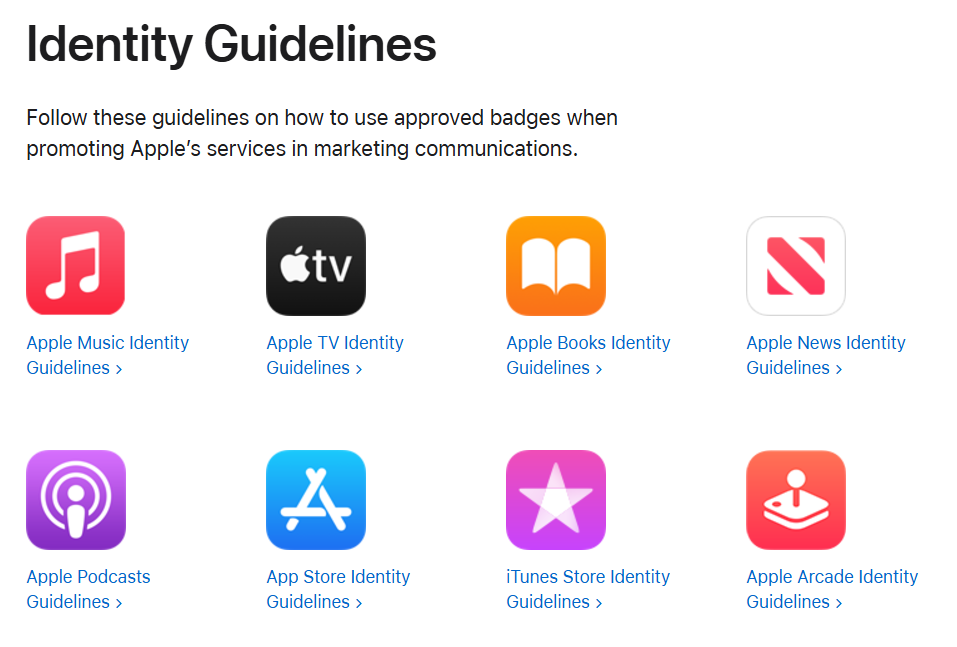
From an internal perspective, Apple’s “Careers” initiatives ensure that employees are deeply embedded in the company’s culture of innovation. Externally, the Apple Services Performance Partners Program provides affiliates with strict guidelines and high-quality assets to ensure that third-party promotions never dilute the brand’s premium image. Furthermore, Apple’s societal marketing is visible on its digital storefronts, where it frequently highlights environmental protection plans and charitable initiatives, such as its long-standing partnership with (RED) or its recent commitments to carbon neutrality. By maintaining this level of consistency, Apple ensures that a customer’s experience in a physical Apple Store matches the experience of using an iPhone or browsing the company’s website.
Data-Driven Decision Making and Affiliate Growth
A critical component of the holistic approach is the use of data and analytics to refine strategy. In a holistic setup, data is not trapped within a single department. Instead, insights from affiliate performance are shared with the product development team, and customer service feedback is used to inform social media copy.
For affiliate programs, this integration is transformative. Affiliates are more likely to partner with brands that demonstrate high conversion rates and consistent marketing support. When a brand provides affiliates with detailed audience profiles and synchronized campaign schedules, the traffic sent by those affiliates is more qualified. According to industry statistics, companies that provide comprehensive support and consistent branding to their affiliates see a “snowball effect” in program growth, often turning the affiliate channel into the most profitable segment of their marketing mix.
The Role of Technology and the Future of Holistic Marketing
As artificial intelligence (AI) and machine learning become more prevalent, the ability to execute holistic marketing at scale is increasing. AI tools can now monitor brand mentions across the web to ensure messaging remains consistent and can personalize the customer journey without breaking the unified brand narrative.
However, technology also presents challenges. As affiliates and partners adopt automated content creation tools, the risk of brand dilution increases. Forward-thinking companies are responding by creating “Brand Hubs” or centralized resource centers that provide partners with real-time updates and approved creatives.
Sustainability will also continue to be a dominant force. The “Societal” dimension of holistic marketing is no longer optional; it is a requirement for survival. Brands that fail to align their operations with environmental and social standards risk being “canceled” by a hyper-connected consumer base. Conversely, those that successfully integrate these values into their holistic strategy will build a level of trust that is difficult for competitors to disrupt.
Conclusion: Implementation through Communication and Teamwork
The transition to a holistic marketing strategy requires more than just a change in software or a new advertising slogan; it requires a fundamental shift in corporate culture. The foundation of this approach is open communication and teamwork. Departments must be encouraged to break down silos and view their specific tasks as interconnected pieces of a larger puzzle.
In a professional journalistic context, the implications are clear: the most successful businesses of the next decade will be those that view marketing as a total ecosystem. By synchronizing internal culture, relationship management, and societal impact with integrated promotional efforts, companies can create a resilient brand that not only survives market volatility but thrives within it. Holistic marketing is the definitive path to creating a straightforward, enjoyable, and ultimately profitable customer journey in an ever-changing global marketplace.