
 rifanmuazin
Conversion Rate Optimization (CRO) audits have evolved from elective "site repairs" into fundamental business requirements for the modern digital economy. While many retailers traditionally viewed website audits as reactive measures—triggered only by declining sales or technical failures—industry data suggests that proactive, cyclical analysis is the primary driver of sustained revenue growth. A CRO audit serves as a comprehensive diagnostic evaluation of an online storefront, examining critical touchpoints from product discovery to the final checkout. By identifying friction points and usability barriers, these audits allow businesses to recover "lost" revenue that would otherwise be forfeited to competitors or abandoned carts.
The Evolution of the Digital Audit Framework
In the current e-commerce landscape, the cost of customer acquisition (CAC) continues to rise, making the efficiency of an existing website more valuable than ever. Industry analysts note that a common misconception among stakeholders is that an audit is only necessary when a site is "broken." However, leading digital strategists compare the process to a medical check-up; regular assessments ensure that the underlying infrastructure remains healthy and capable of supporting high-traffic volumes.
The primary objectives of a modern CRO audit include uncovering untapped revenue opportunities, enhancing the user experience (UX) for diverse demographics, and ensuring that marketing strategies align with current consumer behavior. When these audits are neglected, businesses essentially leave money on the table, failing to convert the traffic they have already paid to attract.
Phase One: Quantitative Data Collection and GA4 Integration
The foundation of any professional CRO audit is rooted in quantitative data—the objective "what" of user behavior. Before any design changes are implemented, analysts must establish a baseline using hard numbers. This phase focuses on where users are dropping off and the financial magnitude of those exits.
The Shift to Google Analytics 4 (GA4)
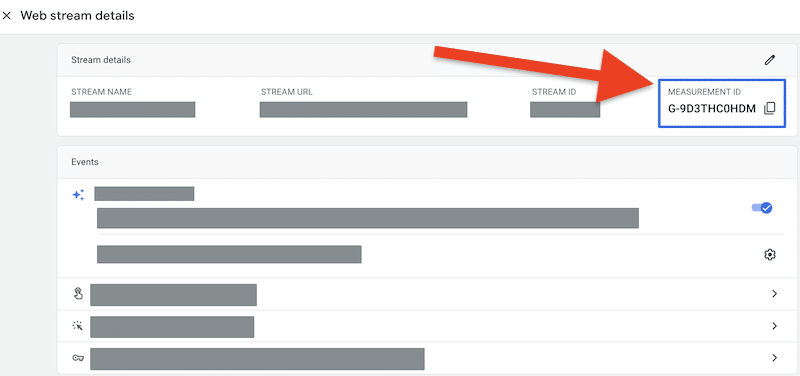
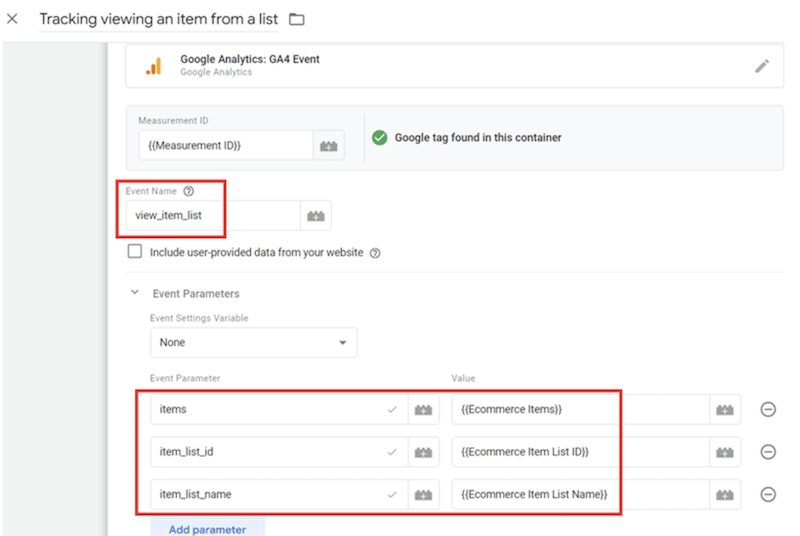
With the industry-wide transition to Google Analytics 4, the methodology for tracking e-commerce success has shifted from session-based data to event-based tracking. To conduct a successful audit, four critical shopping-specific events must be accurately configured:
- view_item: Tracking when a user views a specific product.
- add_to_cart: Monitoring the initial intent to purchase.
- begin_checkout: Identifying the transition from browsing to transaction.
- purchase: Confirming the successful completion of the funnel.
By analyzing the ratios between these events, auditors can pinpoint specific "leaks" in the funnel. For example, a high volume of "add_to_cart" events paired with a low "begin_checkout" rate suggests a friction point on the cart page itself, such as unexpected shipping costs or technical bugs.
Technical Performance and Core Web Vitals
Quantitative analysis also extends to the technical health of the site. Since Google’s 2021 update, Core Web Vitals have become a dual-purpose metric, influencing both Search Engine Optimization (SEO) and conversion rates. The three pillars of this assessment include:
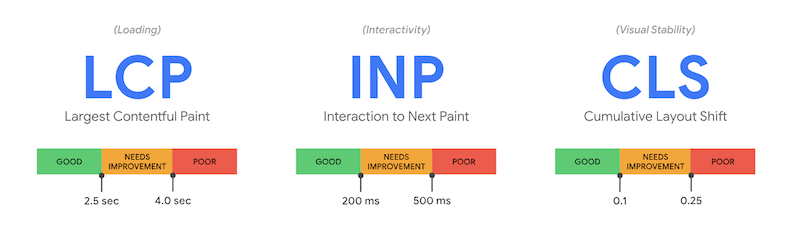
- Largest Contentful Paint (LCP): Measuring loading performance. The industry standard for a healthy conversion rate is a load time of 2.5 seconds or less.
- Interaction to Next Paint (INP): Assessing responsiveness. A delay in how a site responds to a click can lead to immediate user frustration.
- Cumulative Layout Shift (CLS): Measuring visual stability. Unexpected shifts in layout—such as a button moving just as a user tries to click it—are major contributors to mobile abandonment.
Phase Two: Qualitative Insights and the Human Element
While quantitative data reveals where users leave, qualitative data explains why. This phase of the audit utilizes behavioral tools to see the website through the eyes of the consumer.
Heatmapping and Behavioral Visualization
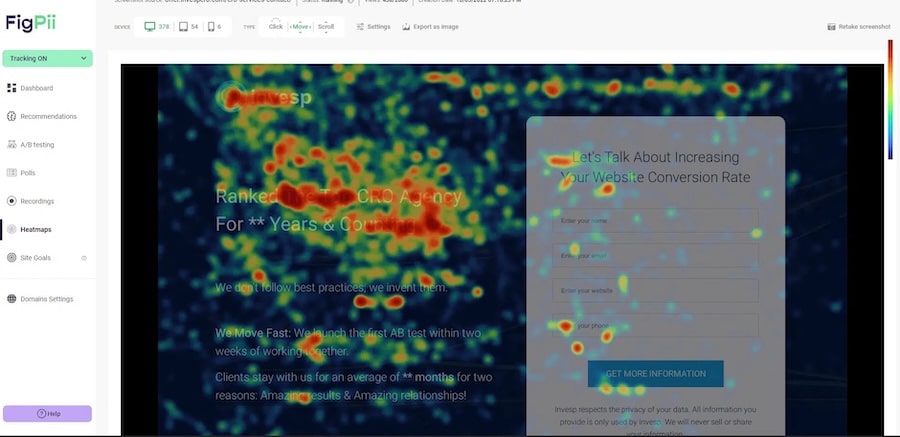
Digital auditors utilize three primary types of heatmaps to decode user intent:
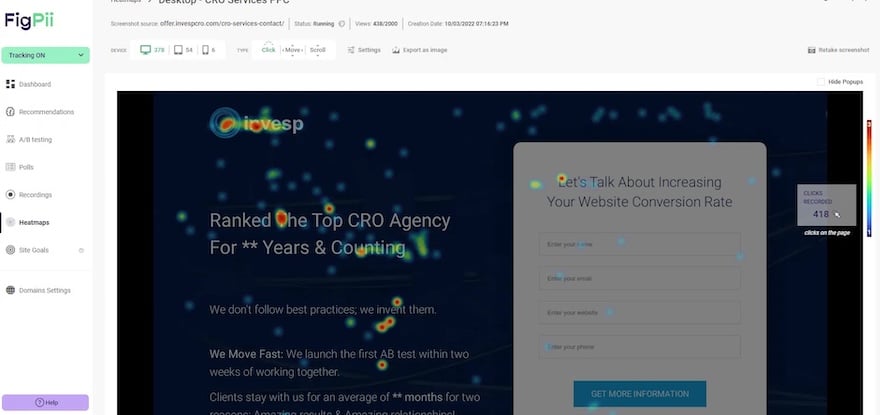
- Click Maps: These highlight the elements that receive the most engagement. Auditors often find "dead clicks," where users attempt to interact with non-clickable elements, indicating a design flaw.
- Scroll Maps: These reveal how much of a page’s content is actually seen. If critical social proof or Call-to-Action (CTA) buttons are located in "cold" (unscrolled) zones, conversion rates will naturally suffer.
- Movement Maps: These track mouse trajectories on desktop, offering a proxy for eye-tracking and showing which sections of copy are being read.
User Testing and the "Rule of Five"
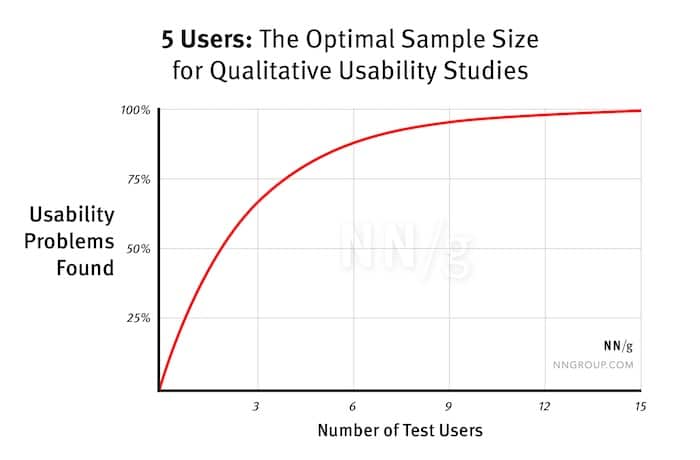
One of the most impactful components of a qualitative audit is direct user testing. Research by the Nielsen Norman Group has consistently shown that testing a website with just five users can uncover approximately 85% of usability issues. By observing real people attempt to complete a task—such as finding a specific item and checking out—auditors can identify "rage clicks" and navigation confusion that automated tools might miss.
Exit Polls and Voice of the Customer (VoC)
Modern audits also incorporate micro-surveys and exit polls. By asking a single, pointed question—such as "What stopped you from completing your purchase today?"—businesses gain direct insight into customer hesitations. Common findings include concerns over return policies, lack of preferred payment methods, or confusing sizing guides.

Phase Three: Strategic Optimization of High-Impact Pages
Once data is collected, the audit moves into the prioritization of high-impact pages, specifically the Product Detail Page (PDP) and the Cart Page.
The Anatomy of a High-Converting Product Page
The product page is the ultimate "decision zone." Auditors focus on four essential pillars:
- Visual Presentation: High-quality imagery is no longer optional. Photos must show the product from multiple angles and be linked to specific variants (colors/sizes) to prevent cognitive dissonance.
- Compelling Copy: Successful descriptions move beyond technical specifications to highlight benefits. Following the example of industry leaders like Apple, the copy should tell a story that resonates with the consumer’s lifestyle.
- The "Above the Fold" CTA: The "Add to Cart" button must be the most prominent element on the page. It should be characterized by contrasting colors and clear, action-oriented text.
- Social Proof Integration: Ratings, reviews, and user-generated content act as a psychological safety net. Data indicates that consumers are significantly more likely to purchase when they see evidence of other satisfied buyers.
Streamlining the Cart Experience
The cart page’s primary function is to facilitate the transition to payment. Auditors look for three specific qualities: clarity, simplicity, and speed. A major finding in recent e-commerce studies is that 40% of users will abandon a site if it takes more than three seconds to load a page. Furthermore, the cart must be devoid of "distraction links" that might lead a user away from the checkout flow. Transparency regarding shipping costs and return windows at this stage is critical for maintaining trust.
Industry Benchmarks and the Cost of Inaction
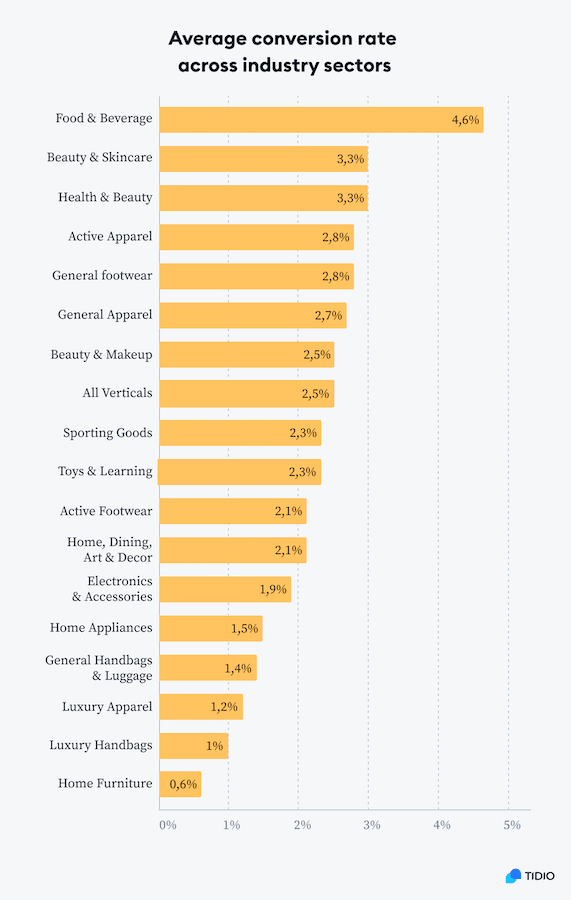
To measure the success of an audit, businesses must compare their metrics against industry-specific benchmarks. Conversion rates vary significantly by sector; for instance, the food and beverage industry often sees rates as high as 4.6%, while the home furniture sector may hover around 0.6%.

A case study by Invesp illustrates the tangible impact of these audits. By identifying that users required more reassurance during the checkout process, an e-commerce firm implemented urgency cues (e.g., "Only 3 items left") and clarified shipping benefits. This data-driven intervention resulted in a 17% increase in checkout conversions and an 8% increase in overall revenue.
Conclusion: The Broader Impact of Regular CRO Audits
The implications of a robust CRO audit extend far beyond a simple increase in sales. By optimizing the user journey, companies improve their brand reputation, increase customer lifetime value (LTV), and maximize the efficiency of their advertising spend. As digital privacy regulations make third-party data more difficult to acquire, the ability to convert existing traffic becomes the ultimate competitive advantage.
In summary, a CRO audit is not a one-time fix but a recurring strategic necessity. It bridges the gap between what a business thinks its customers want and how those customers actually behave. For e-commerce enterprises looking to thrive in an increasingly crowded marketplace, the regular implementation of these audits is the most reliable path to sustainable profitability and a superior customer experience.








