rifanmuazin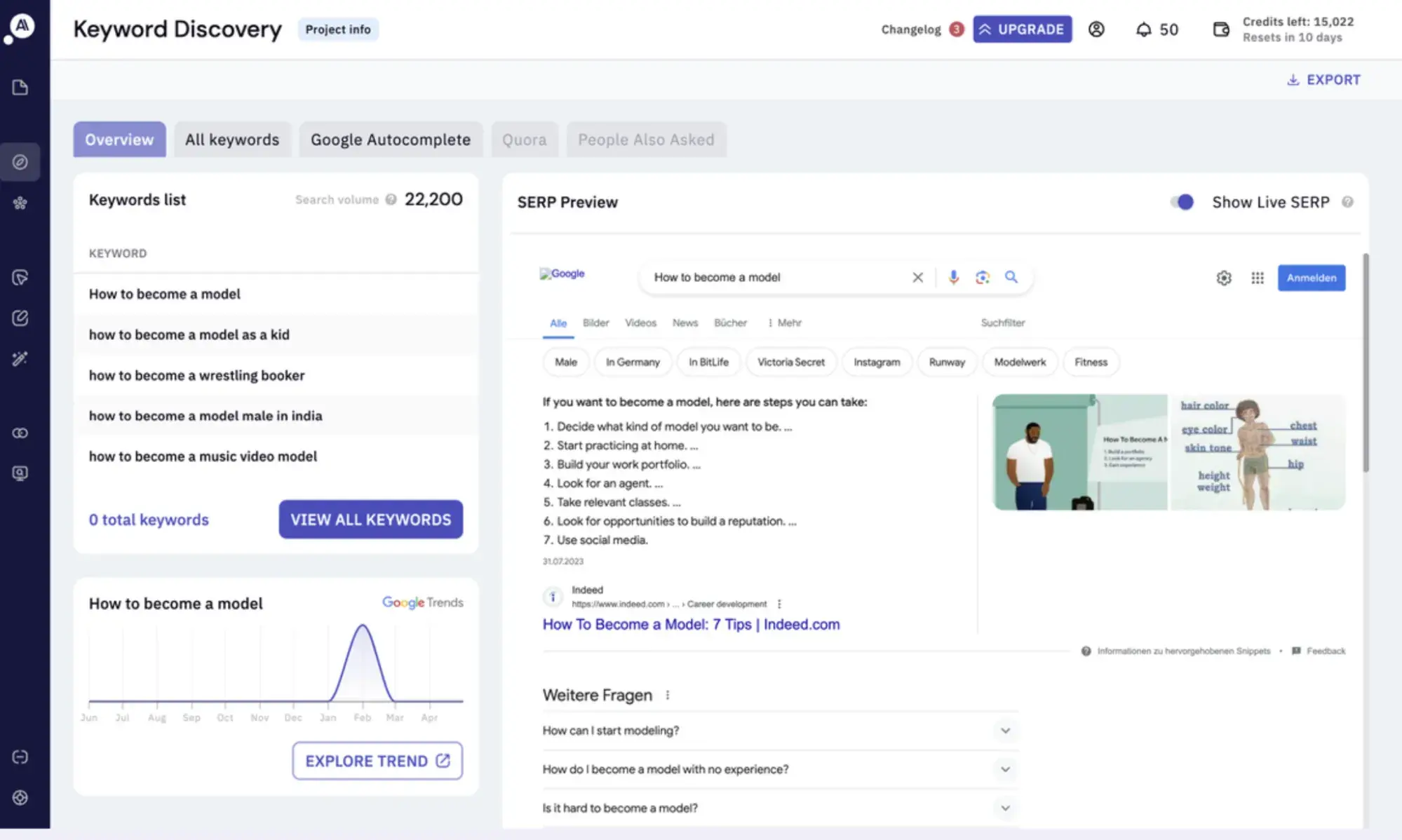
In an ever-evolving digital landscape, where search engine algorithms grow increasingly sophisticated, keyword clustering has emerged as an indispensable technique for content writers and SEO professionals seeking to establish robust web presences, enhance topical authority, and effectively connect with audiences across their buyer’s journey. This advanced SEO methodology transcends the traditional focus on individual keywords, instead organizing related search terms into cohesive groups based on shared search intent, thereby enabling a more comprehensive and strategically aligned content approach.
The shift in search engine functionality, particularly with Google’s advancements like Hummingbird, RankBrain, BERT, and MUM, has moved beyond simple keyword matching to a profound understanding of user intent and semantic relationships. This evolution has made keyword clustering not just beneficial but critical. Early SEO practices often relied on targeting single keywords or variations within a single page, leading to fragmented content strategies and, frequently, internal competition. However, as search engines began to prioritize contextual relevance and topic authority, the need for a more holistic content organization became apparent. Industry experts widely agree that clustering is foundational for demonstrating comprehensive knowledge to search engines, signaling expertise and trustworthiness, which are paramount for high rankings.
Understanding the Core of Keyword Clustering
At its heart, keyword clustering is an SEO technique that systematically groups related keywords sharing the same user intent, then targets these groups simultaneously on a single, authoritative web page. For instance, search queries such as "best cat toys," "interactive toys for cats," and "cat playthings reviews" all converge on a similar user need: finding products to entertain their feline companions. By clustering these terms, a content creator can develop a single, rich page that addresses this multifaceted intent, capturing a broader spectrum of search traffic.
This method typically involves identifying a primary keyword – the main term intended for ranking, such as "cat toys" – and supporting it with secondary keywords. These secondary terms encompass synonyms, long-tail variants, and related questions, like "toys for indoor cats" or "durable cat toys for aggressive play." The strategic integration of these keywords ensures that the page provides an exhaustive answer to a user’s underlying query, rather than just a superficial mention of a single term.

Building Topical Authority Through Strategic Clustering
The primary advantage of keyword clustering lies in its ability to cultivate deep topical authority. By structuring content around central themes and their associated keywords, websites convey to search engines that they possess in-depth knowledge and expertise on a given subject. This is akin to a specialized library meticulously organizing its collections, making it easier for patrons (and search engines) to find comprehensive information on any given topic. When search engines perceive a site as authoritative, they are more likely to rank its content higher in relevant search results.
Several mechanisms contribute to this authority building:
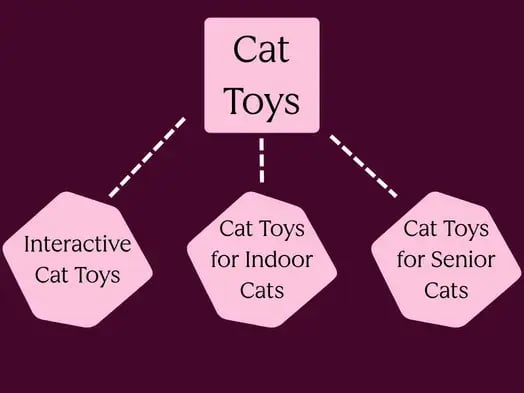
- Comprehensive Coverage via Pillar-Spoke Models: Keyword clustering naturally lends itself to a "pillar page" architecture. A pillar page serves as a broad, definitive resource on a wide topic (e.g., "Cat Toys"). This pillar then links out to multiple "spoke pages" or "cluster pages," each delving into specific subtopics (e.g., "Interactive Cat Toys," "Cat Toys for Senior Cats," "DIY Cat Toys"). This interconnected structure ensures thorough coverage of the subject from various angles, satisfying diverse user queries. Studies have shown that websites employing a robust pillar-spspoke model often experience a significant increase in organic traffic and improved search engine visibility.
- Strengthened Internal Linking: Clustered content inherently possesses strong internal linking opportunities. The high semantic relevance between pillar and spoke pages, and even between related spoke pages, facilitates the creation of a dense internal link graph. This not only makes it easier for search engine crawlers to navigate and index the site but also efficiently distributes PageRank and topical relevance across related content, reinforcing the site’s overall authority on the subject.
- Full Search Journey Coverage: Clusters are designed to map to various stages of the consumer’s search journey – from informational queries (e.g., "what are cat toys made of?") to navigational (e.g., "best cat toy brands") and transactional (e.g., "buy cat toys online"). By addressing all these intents within a topic cluster, businesses can capture users at every point in their decision-making process, nurturing leads and reinforcing their authority across different query types.
- Mitigation of Keyword Cannibalization: A common pitfall in SEO is keyword cannibalization, where multiple pages on a single site compete for the same search queries, inadvertently splitting authority, backlinks, and traffic. Strategic keyword clustering directly addresses this by assigning each keyword or keyword cluster to a single, optimized URL. This consolidation ensures that all ranking signals are directed to one authoritative page, maximizing its potential for visibility and preventing internal competition. Industry data suggests that resolving cannibalization issues can lead to notable improvements in page rankings and overall site performance.
Methodologies for Effective Keyword Clustering
The process of grouping keywords is not monolithic; various methods cater to different strategic needs and scales. The three predominant approaches are SERP-based clustering, semantic keyword grouping, and hybrid clustering.

-
SERP-Based Clustering: This method groups keywords based on the overlap of their top search engine results pages (SERPs). If two or more keywords consistently yield a significant number of identical URLs in Google’s top 10 results, it indicates that search engines perceive these keywords as having the same intent and can be satisfied by a single page.
- Pros: Highly accurate as it mirrors Google’s own understanding of intent; ideal for competitive niches where precise targeting is crucial.
- Cons: Can be resource-intensive for very large keyword sets; less effective for identifying nascent topic areas where SERPs are still fluid.
- Best-fit Scenarios: Merging existing pages, optimizing for highly competitive terms, or refining URL structures.
-
Semantic Keyword Grouping: This approach organizes keywords based on their linguistic and conceptual similarities, such as shared root words, synonyms, and interchangeable phrases. The underlying principle is that words with similar meanings belong together.
- Pros: Excellent for initial topic discovery and structuring; scales well for large keyword lists; less dependent on live SERP data, making it useful for new niches.
- Cons: Can sometimes group keywords with similar language but fundamentally different user intents; requires careful manual review.
- Best-fit Scenarios: Mapping out new content areas, initial site architecture planning, or processing vast raw keyword lists.
-
Hybrid Clustering: As the name suggests, this method combines elements of both SERP-based and semantic approaches. Typically, semantic grouping is used for an initial, broad organization of keywords, followed by SERP overlap analysis to validate and refine high-priority clusters. Some advanced tools integrate additional data points like cost-per-click, search volume, and click intent to further enhance precision.
- Pros: Balances efficiency with accuracy; adaptable to various stages of content planning and optimization; robust for sustained content operations.
- Cons: More complex to implement without specialized tools; requires a deeper understanding of both methodologies.
- Best-fit Scenarios: Comprehensive content strategy development, ongoing content production, and enterprise-level SEO.
The choice of method often depends on the project’s scope and specific goals. For discovery-phase projects or new niche mapping, semantic grouping offers a strong starting point. For high-stakes decisions like page mergers or URL structuring in competitive environments, SERP-based clustering provides critical accuracy. Hybrid clustering offers the most comprehensive approach for mature, scalable content operations.
A Step-by-Step Guide to Implementing Keyword Clustering
Effective keyword clustering requires a methodical approach, integrating data collection, strategic segmentation, and architectural planning.
-
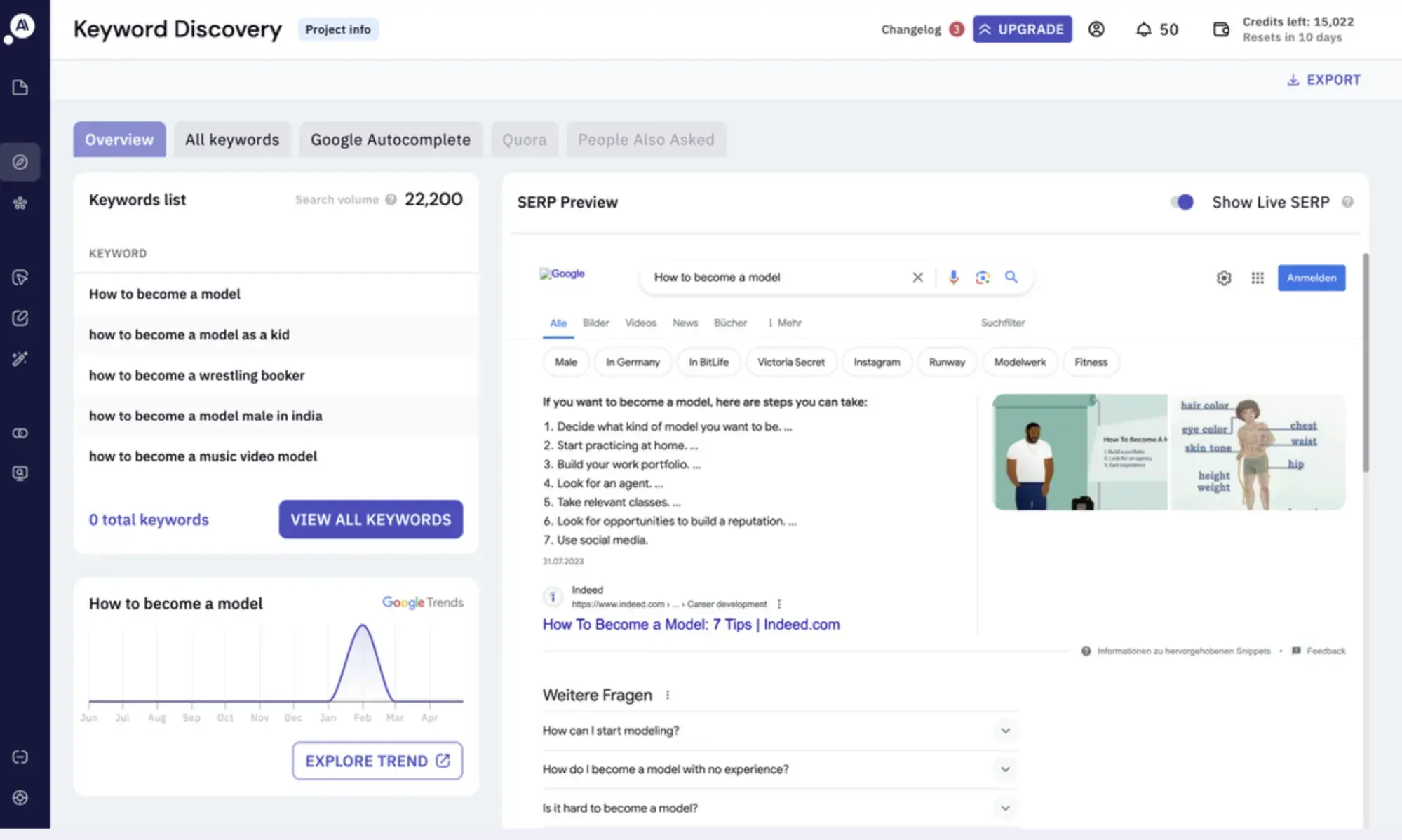
Keyword Collection and Data Enrichment: The foundation of any successful clustering effort is a rich, comprehensive keyword set. Data sources include Google Search Console, existing ranking reports, competitor analysis tools, and dedicated keyword research platforms. Each keyword should be enriched with vital metrics such as search volume, keyword difficulty, and, critically, explicit intent classification (informational, navigational, commercial, transactional). This initial intent classification serves as a crucial filter, preventing the erroneous grouping of keywords that, despite linguistic similarities, address distinct user needs.
-
Intent Segmentation: Before any clustering algorithm is applied, segmenting the collected keyword list by intent is paramount. Attempting to cluster keywords with fundamentally different intents (e.g., "what is CRM" vs. "buy CRM software") will inevitably lead to content that satisfies neither query effectively. By segmenting into categories, each cluster remains purpose-built for a specific user state, enhancing its relevance and performance.
-
Applying the Chosen Clustering Method: With intent-segmented lists, apply the selected clustering method (SERP-based, semantic, or hybrid). For practical SERP-based clustering, a common threshold is three or more shared top-10 URLs between keywords to deem them part of the same cluster. For semantic clustering, cosine similarity scores between keyword embeddings (typically 0.75-0.85) can be used to identify strong conceptual links. Each resulting cluster should contain keywords that can be naturally addressed by a single, comprehensive piece of content.
-
Mapping Clusters to a Pillar Architecture: Once clusters are formed, they must be integrated into a cohesive content hierarchy. This typically follows a three-tier model:
- Pillar Pages (Tier 1): These target broad, high-volume topics and serve as the central hub, aiming to be the definitive resource. They link out to cluster pages.
- Cluster Pages (Tier 2): Each keyword cluster maps to a dedicated cluster page, which delves deeply into a specific subtopic, targeting long-tail and supporting keywords. These draw authority from the pillar and return it via internal links.
- Supporting Content (Tier 3): Highly specific content like FAQs, glossary entries, or case studies, designed to answer very narrow queries and feed authority upwards into cluster pages.
This hierarchical mapping ensures every piece of content has a clear role and contributes to the overall topical authority.
-
Robust Internal Linking Architecture: Internal links are the circulatory system of a cluster, passing PageRank and topical relevance signals. A well-executed strategy involves:
- Bidirectional Pillar-Cluster Links: Pillar pages link to all their cluster pages, and each cluster page links back to its pillar using keyword-rich anchor text. This creates a closed authority loop.
- Contextual Cluster-Cluster Links: Related cluster pages should link to each other when contextually relevant, reinforcing semantic relationships (e.g., "keyword research process" linking to "keyword clustering methods").
- Strategic Anchor Text: Employ exact or close-variant anchor text for crucial links to maximize relevance signals, avoiding generic phrases like "click here."
- Link Depth Management: Ensure important cluster pages are easily reachable (2-3 clicks) from the homepage to facilitate crawling and PageRank distribution.
- Preventing Orphan Pages: Every page within a cluster must have at least one inbound internal link to ensure it is discoverable and receives authority.
-
Answer Engine Optimization (AEO): The rise of AI-powered answer engines (like Google’s AI Overviews, Bing Copilot, and LLMs such as ChatGPT) necessitates an AEO strategy. These engines pull content directly into synthesized responses, and well-clustered content is favored due to its demonstrated comprehensive topic coverage.
- Direct Answer Formatting: Place concise, direct answers to primary questions within the first 100 words of informational pages.
- FAQ and Q&A Blocks: Include structured FAQ sections on cluster pages, using proper FAQ schema markup for easy extraction into "People Also Ask" boxes and AI Overviews.
- Schema Markup at Scale: Implement structured data (Article, Product, HowTo, FAQPage, etc.) across your cluster to provide machine-readable semantic labels, boosting selection confidence for answer engines.
- Snippet-Optimized Formatting: Use definition blocks, numbered lists, comparison tables, and short, declarative sentences to present information in a format conducive to quick extraction and display as snippets.
- Passage-Level Optimization: Design each H2/H3 section to be self-contained and capable of answering a specific question independently, aligning with Google’s passage indexing capabilities.
-
Semantic Search Optimization: Beyond keywords, modern search engines map meaning. Optimizing for semantic search involves:
- Entity Coverage: Naturally reference key entities (people, places, concepts, products) relevant to the topic cluster. For "content marketing strategy," this means discussing editorial calendars, buyer personas, and distribution channels.
- Co-occurrence and LSI Signals: While "LSI keywords" is an outdated term, the principle of using topic-relevant vocabulary remains crucial. Tools can help identify terms frequently used by top-ranking pages to ensure comprehensive conceptual coverage.
- Topic Completeness over Keyword Density: Focus on thoroughly addressing related concepts, common questions, and practical applications rather than merely repeating a head keyword. Depth of coverage is highly rewarded.
- Contextual Relevance: The semantic relationship between pages, reinforced by internal links and descriptive anchor text, helps search engines build a robust knowledge graph of your site’s expertise.
- Structured Data as Semantic Markup: Schema.org vocabulary directly communicates semantic meaning to search engines, clarifying content intent and context.
Leading Tools for Keyword Clustering
The practical application of keyword clustering is significantly aided by specialized software. Several prominent tools assist SEO professionals in this endeavor:
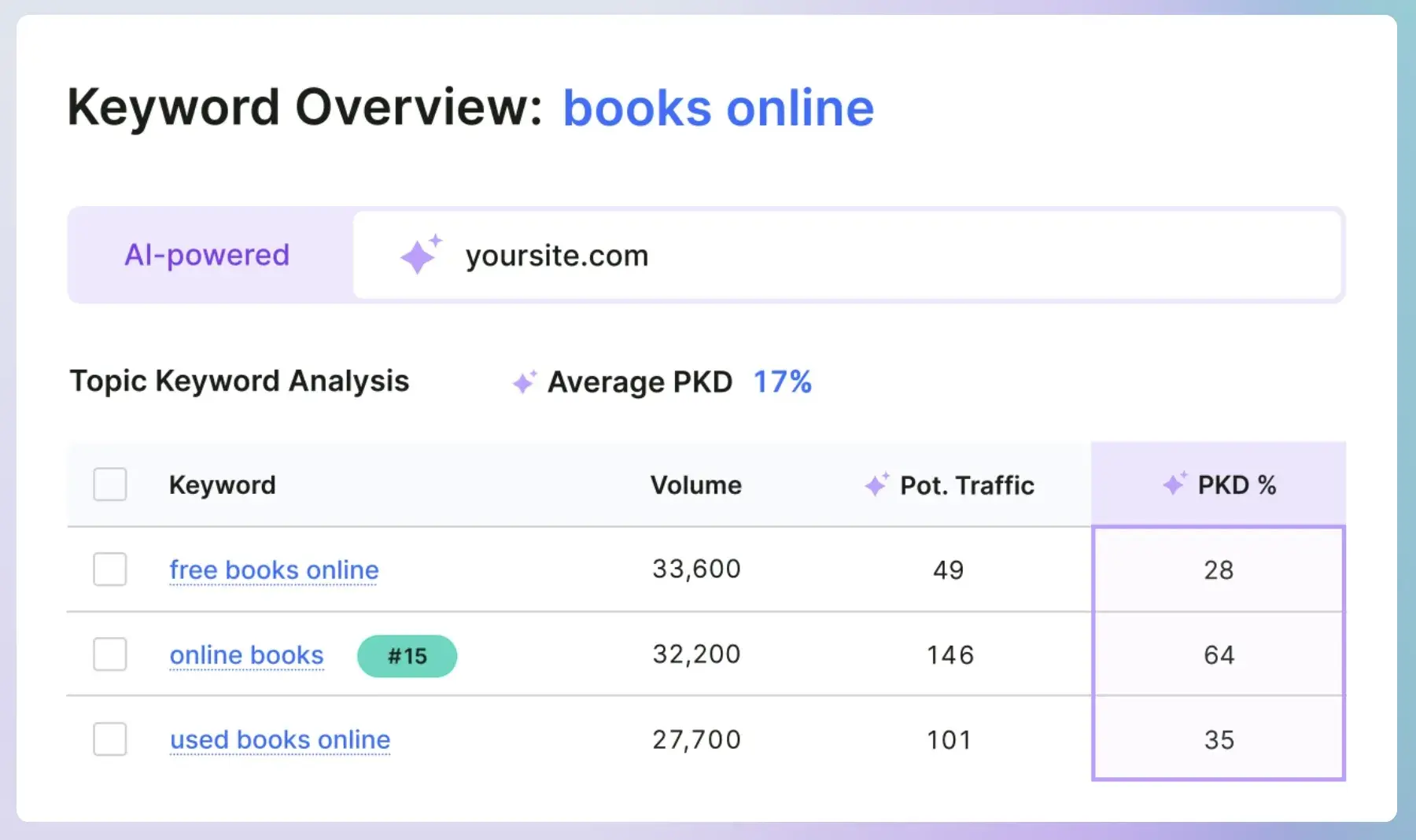
- Keyword Insights: Praised for its accurate SERP-based clustering, it groups keywords based on actual URL overlap, aligning with how search engines interpret intent. Its content brief generation and Google Search Console integration make it a comprehensive workflow tool.
- Semrush Keyword Strategy Builder: Offers a visual topic map, providing an intuitive interface for planning pillar and subtopic relationships. It’s ideal for teams already integrated into the Semrush ecosystem, offering end-to-end SEO capabilities.
- Ahrefs Keywords Explorer: Known for its "Parent Topic" methodology, it efficiently processes large keyword sets, making it suitable for research-heavy teams or those already leveraging Ahrefs as their primary SEO platform.
- LowFruits: Provides cost-effective, SERP-based and semantic clustering, particularly beneficial for bloggers, niche site operators, and smaller teams seeking actionable insights without enterprise-level overhead.
Addressing Common Questions and Future Implications
While immensely powerful, keyword clustering is not a universal panacea. It may be less effective for nascent websites lacking topical authority, where a single, well-optimized pillar page might be more impactful initially. Similarly, applying clustering to an unsegmented keyword list can be counterproductive, leading to diluted content. For highly niche sites with limited keyword universes, a simpler, flat content structure with strong internal linking might suffice.
The ideal number of keywords in a cluster typically ranges from 5 to 20, depending on the topic’s breadth. The key metric is whether a single piece of content can naturally and comprehensively address all keywords without sacrificing focus. Moreover, while not every cluster requires a dedicated pillar page immediately, every cluster should map to a broader topic tier, allowing for future scalability.
Preventing keyword cannibalization is central to clustering; assigning clear keyword ownership to a single URL during the planning phase is crucial. Regular SERP overlap checks and quarterly reviews of the keyword map help maintain tight cluster boundaries.
To quickly validate cluster intent, a rapid manual SERP check of the primary cluster keyword can reveal the dominant content format and type among the top 5 results. Additionally, analyzing "People Also Ask" boxes can confirm alignment with user intent.
As search continues its trajectory towards conversational AI and personalized experiences, the emphasis on comprehensive topic coverage and semantic understanding will only intensify. Keyword clustering, by providing a structured and authoritative content framework, positions websites to thrive in this evolving environment, ensuring not only visibility in traditional search results but also prominence in the new generation of answer engines. It is no longer just an SEO tactic but a fundamental content strategy for building lasting digital authority.