
 rifanmuazin
The global digital advertising landscape has reached a critical inflection point in 2026, characterized by rising acquisition costs, the definitive sunsetting of third-party cookies, and a growing disconnect between platform popularity and actual profitability. According to a comprehensive industry survey conducted by Instapage, which sampled 1,440 marketing professionals, a significant gap has emerged between the tools marketers use and the results they achieve. While 87% of organizations continue to rely on the "duopoly" of Google and Meta Ads, only 44% identify Google as their top-performing channel, and a mere 25% say the same for Facebook. This discrepancy highlights a fundamental shift in the industry: the battle for return on ad spend (ROAS) is no longer being won solely within the ad auction, but in the post-click experience that follows.

The Rising Cost of Digital Visibility
The economic reality of digital marketing has grown increasingly complex over the last 24 months. Market data indicates that the average cost per lead (CPL) across all industries rose from $66.69 in 2024 to $70.11 in 2025, with early 2026 projections suggesting continued upward pressure. This inflationary trend is driven by increased competition for high-intent keywords and the growing sophistication of automated bidding algorithms that prioritize volume over efficiency.
Compounding the issue of rising costs is the technical performance of landing destinations. Industry research confirms that mobile users have reached a threshold of zero patience; a one-second delay in page load time can reduce conversion rates by up to 20%. Despite this, the average mobile landing page in 2026 still takes approximately four seconds to load, meaning many advertisers are paying premium prices for clicks that bounce before the brand’s message is even delivered.
A Chronology of Platform Shifts and Privacy Mandates
To understand the 2026 advertising environment, one must look at the sequence of events that reshaped the industry over the past five years. The timeline began in earnest with Apple’s App Tracking Transparency (ATT) rollout, which severely limited the data-sharing capabilities of mobile apps. This was followed by a multi-year transition away from third-party cookies in major browsers, a process that Google Chrome finalized in late 2025.
In response to these technical hurdles, the regulatory environment tightened globally. The General Data Protection Regulation (GDPR) in Europe and the California Consumer Privacy Act (CCPA) in the United States set the stage for similar laws in Canada (PIPEDA) and Brazil (LGPD). By 2026, the industry has moved toward a "privacy-by-design" model, where first-party data—information collected directly from the consumer with explicit consent—has become the most valuable asset in a marketer’s portfolio.
The Search Giants: Intent-Based Advertising in 2026
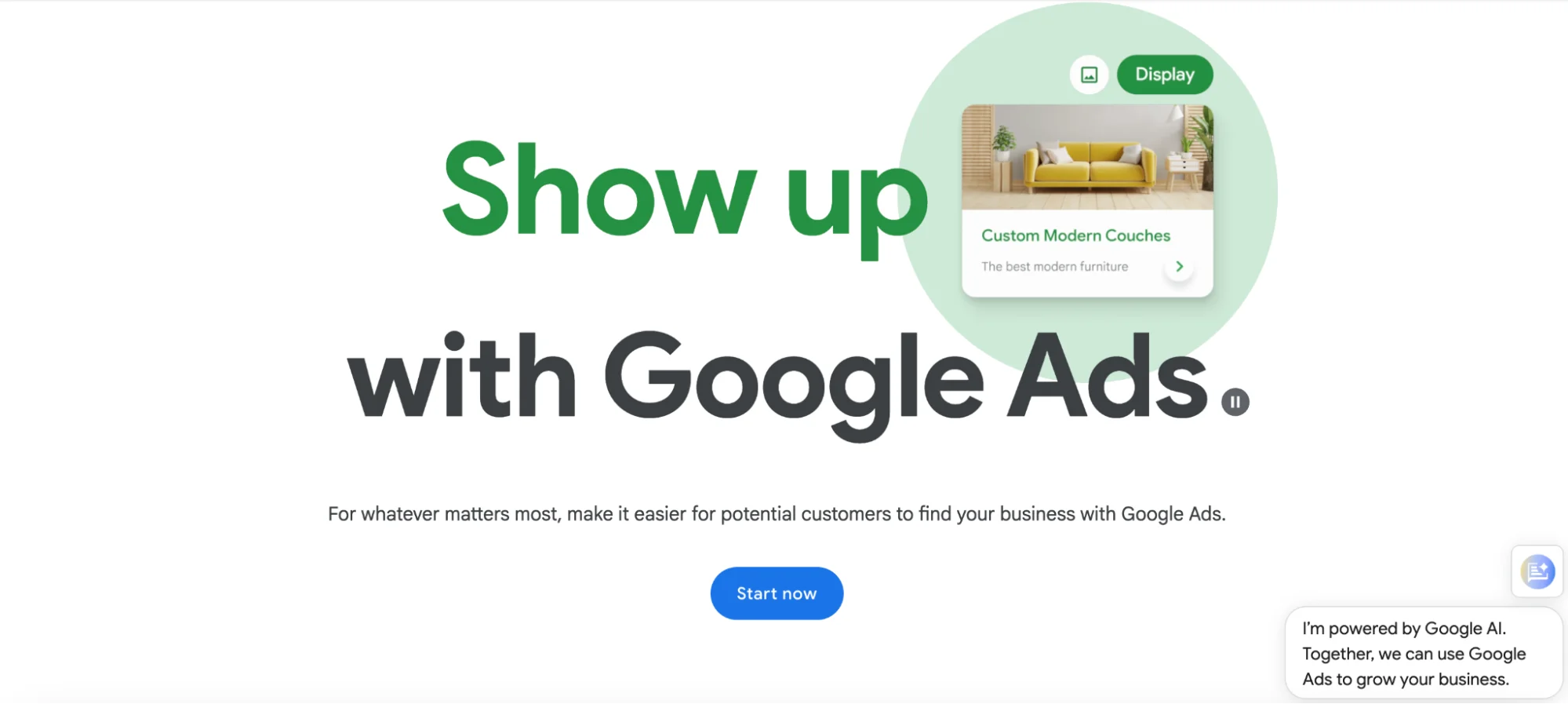
Google Ads remains the foundational pillar of digital strategy, maintaining access to over 90% of global search traffic. Its dominance is rooted in "intent marketing," capturing users at the exact moment they express a need. In 2026, Google’s ecosystem has evolved into several specialized segments:
- Search Ads: Still the primary driver for high-intent leads, relying on the Quality Score metric to balance relevance with bid price.
- Display Network: Reaching over two million websites and apps, though often criticized for lower conversion rates compared to search.
- YouTube Advertising: Increasingly utilized for "top-of-funnel" brand awareness through non-skippable and "In-feed" video formats.
- Performance Max (PMax): An AI-driven campaign type that automatically distributes ads across Search, YouTube, Display, and Maps to optimize for specific conversion goals.
Parallel to Google, Microsoft Advertising (formerly Bing) has carved out a lucrative niche. While holding less than 10% of the global search share, it offers a distinct demographic—often older, more affluent, and professional—at a cost-per-click (CPC) that is frequently 30% to 50% lower than Google’s. The ability to import Google Ads campaigns directly into the Microsoft ecosystem has made it a preferred "secondary" channel for budget-conscious firms.
The Social Media Paradigm: Community and Discovery
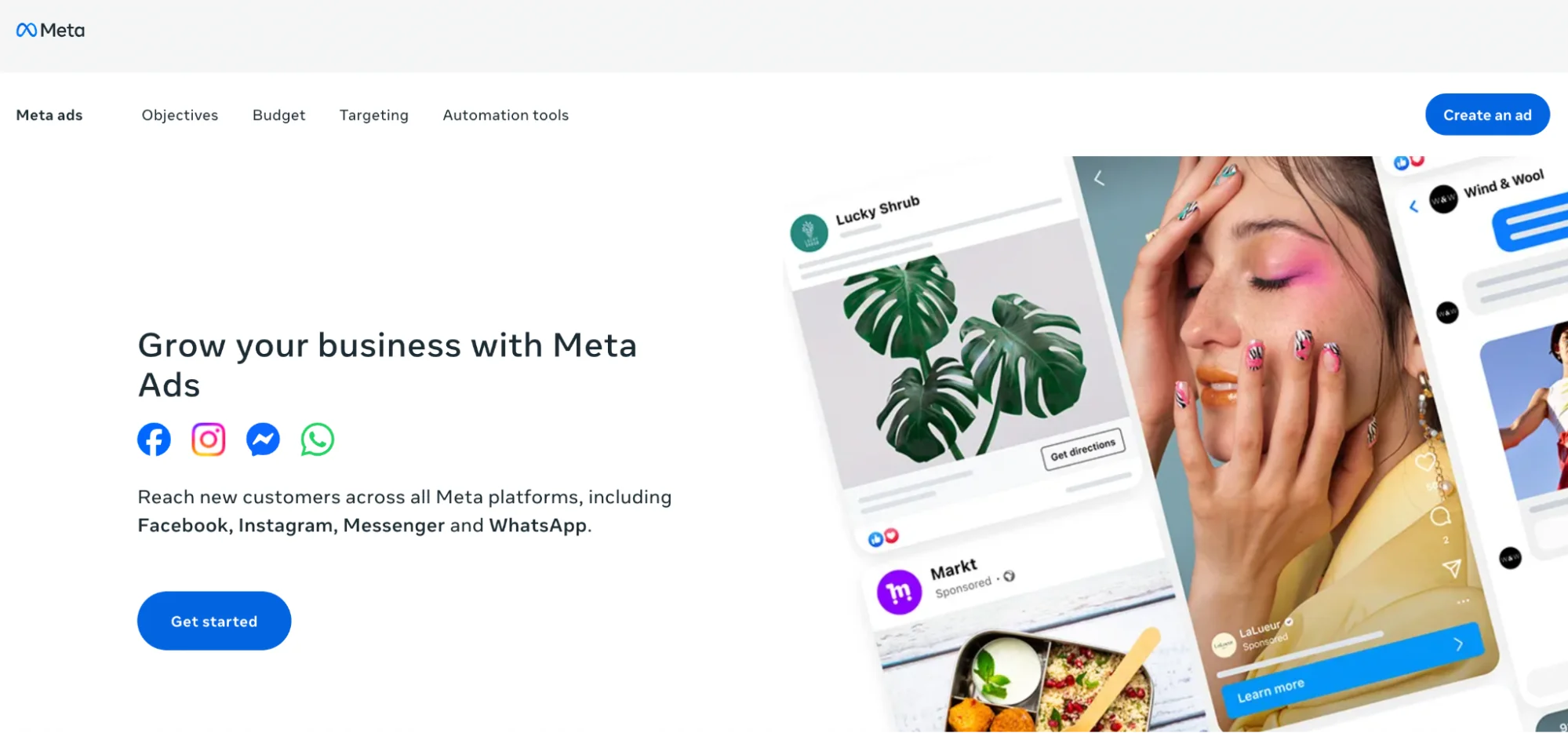
Meta (Facebook and Instagram) continues to dominate the social advertising space due to its sophisticated lookalike modeling and interest-based targeting. However, the survey of 1,440 marketers revealed an interesting trend: while 80% of marketers use Instagram, only 9% report it as their most profitable channel. This suggests that while Instagram is excellent for visual storytelling and brand discovery, it often struggles to close the loop on direct-response conversions without a highly optimized mobile experience.
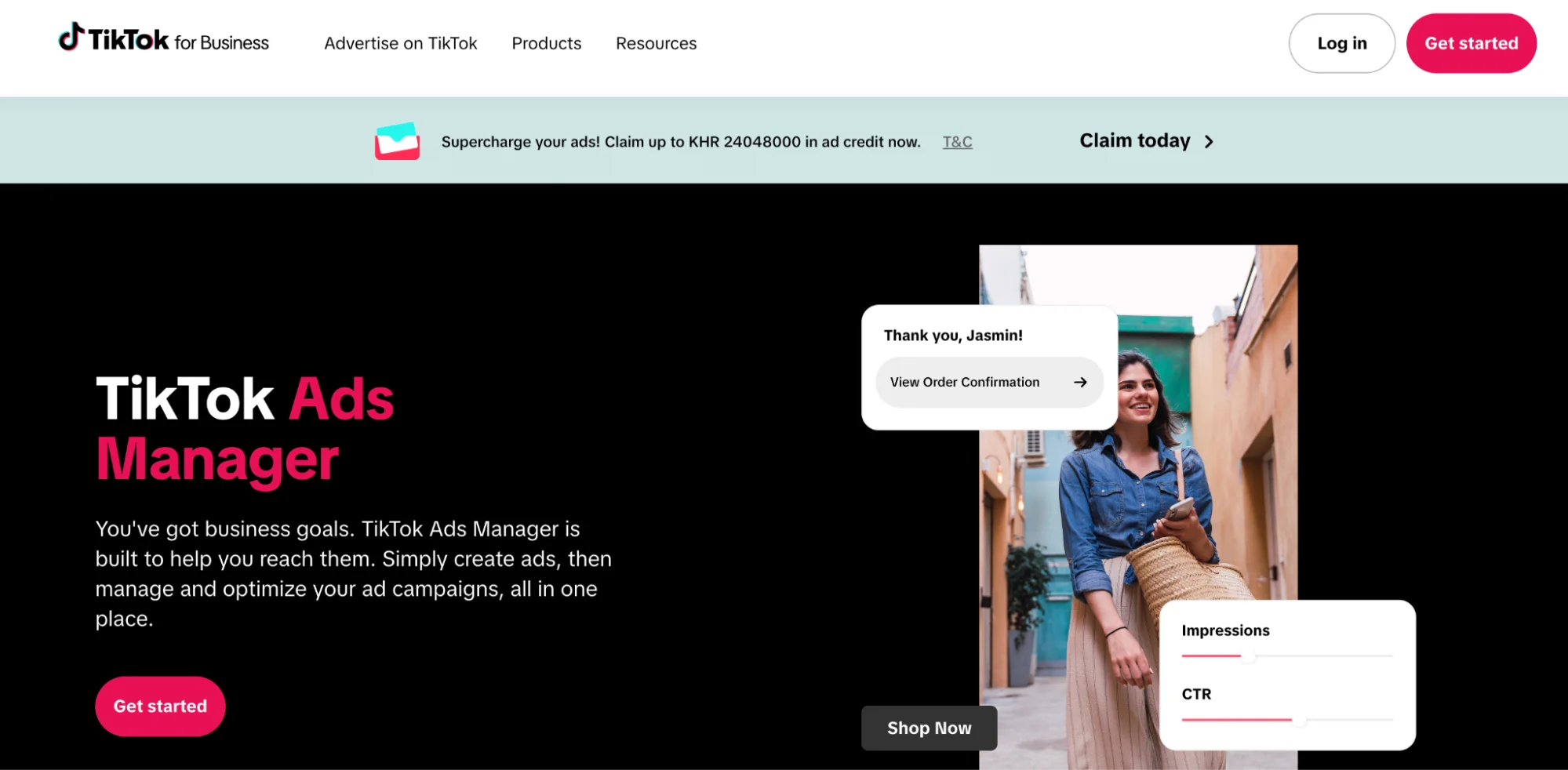
The most significant disruptor in the social space is TikTok. As of 2026, 25% of marketers have planned to increase their spend on the platform, identifying it as the premier destination for reaching Gen Z and Millennial audiences. TikTok’s algorithm, which prioritizes content engagement over follower count, allows new brands to achieve viral reach. However, the platform demands a "native" creative approach; traditional, high-production commercials often fail where raw, user-generated content (UGC) thrives.
Specialized and Emerging Channels
Beyond the major players, the 2026 landscape features several specialized platforms that cater to specific market segments:
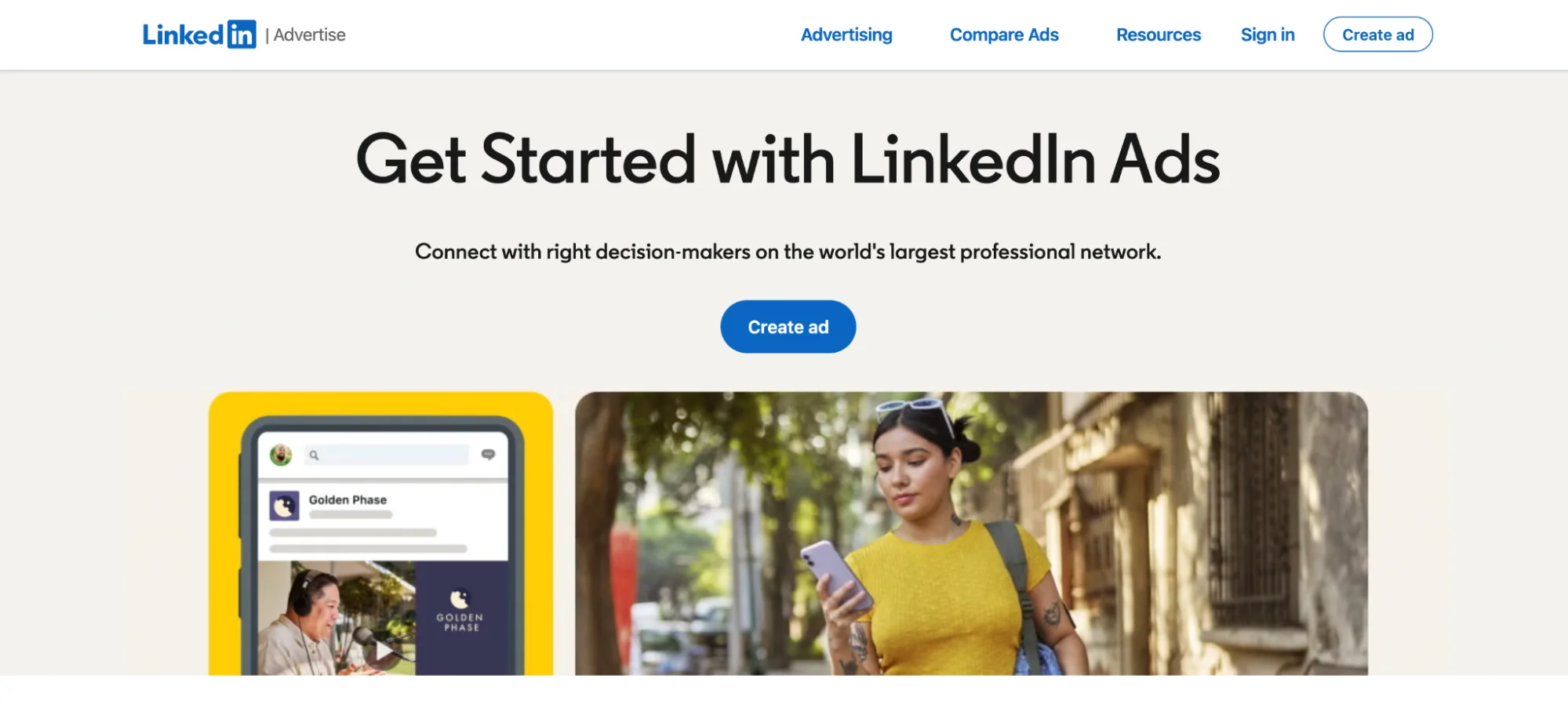
- LinkedIn Ads: The undisputed leader for B2B lead generation. Despite having some of the highest CPCs in the industry, its ability to target by job title, seniority, and company size makes it indispensable for enterprise software and professional services.
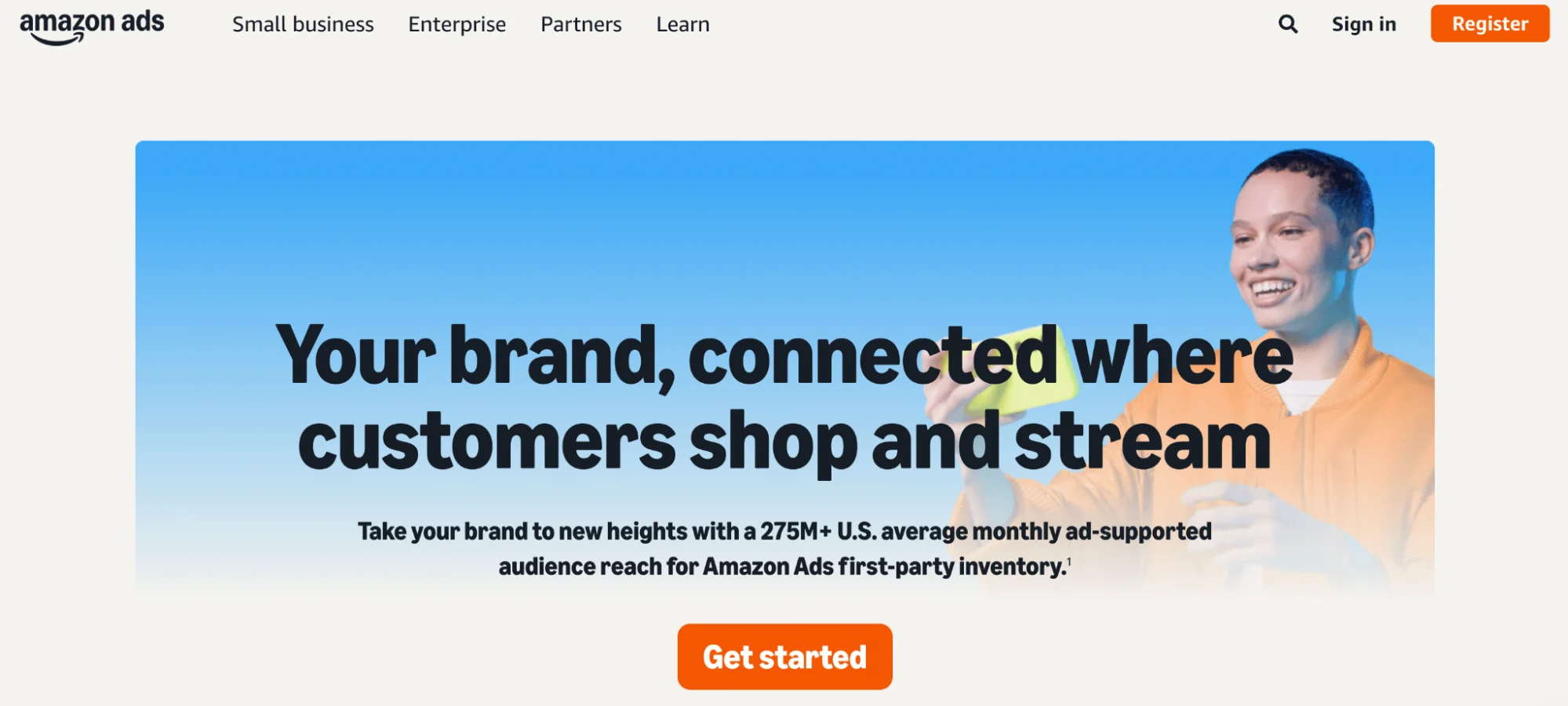
- Amazon Ads: A "bottom-of-funnel" powerhouse. Advertisers on Amazon report a 34% increase in sales growth within the first month of activity. Because users are already in a "buying mode," conversion rates on Amazon often dwarf those of social media.
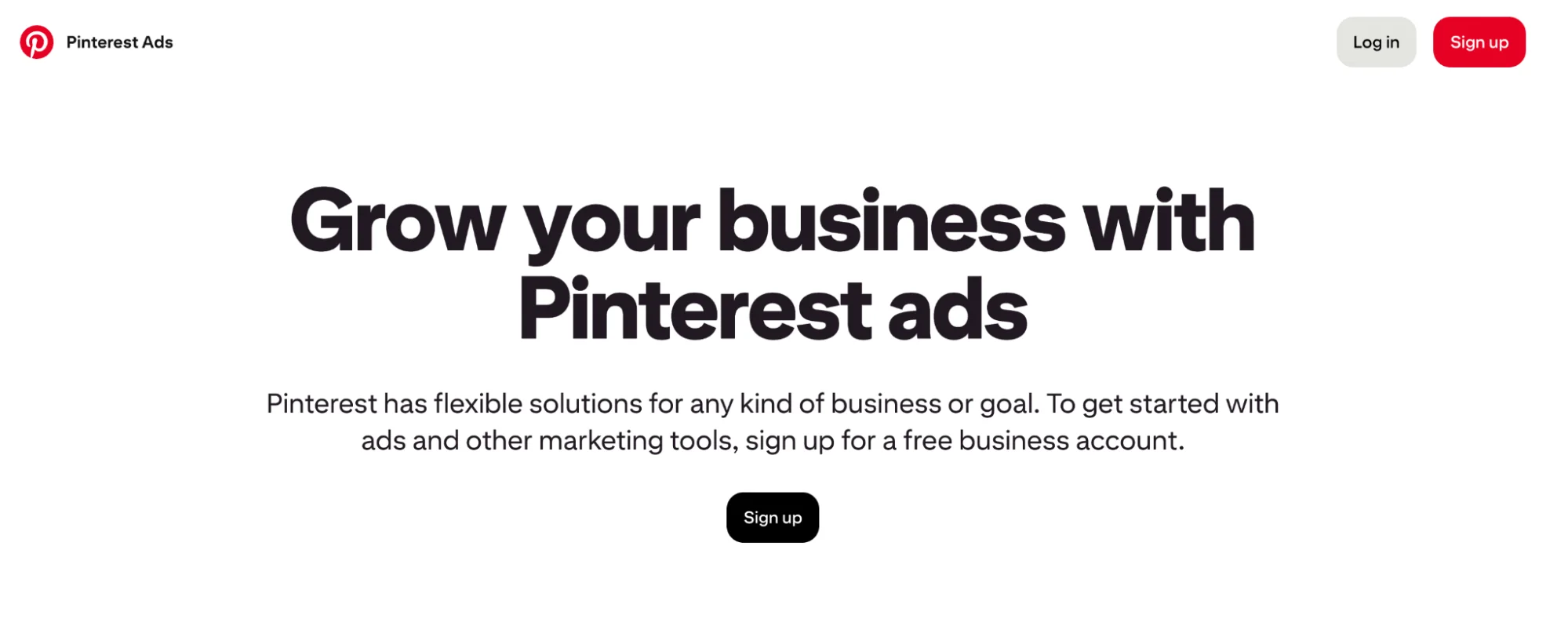
- Pinterest Ads: Capturing users in the "planning" phase of the customer journey. This platform is particularly effective for home decor, fashion, and travel, where visual inspiration leads to long-term purchase intent.
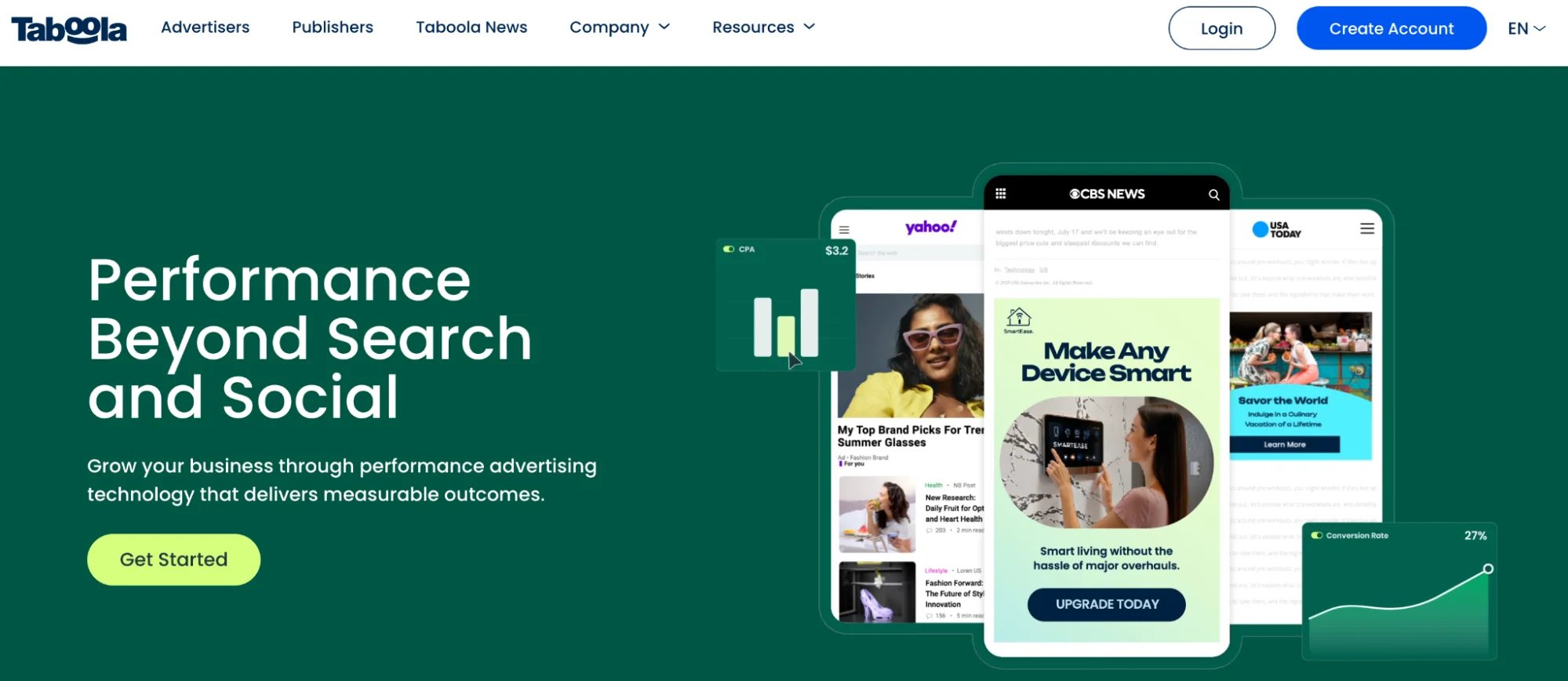
- Native Advertising (Taboola and Outbrain): These platforms place "recommended content" on major news sites. While they require a softer, editorial-style approach, they are highly effective for building email lists and distributing long-form thought leadership.
The Infrastructure of Privacy and Consent
In 2026, compliance is no longer optional. Modern advertising platforms now require integrated Consent Management Platforms (CMPs) to document user choices for audit purposes. Failure to manage these signals correctly results in "signal loss," where an advertiser cannot track whether a click resulted in a sale, leading to inaccurate ROAS reporting.
To combat this, leading firms have implemented server-side tracking, such as the Meta Conversions API (CAPI) and Google Tag Manager Server-side. By moving tracking from the user’s browser to the company’s server, advertisers can maintain data integrity while respecting privacy choices, ensuring that their AI-driven bidding strategies have the data they need to function correctly.
The Post-Click Revolution: Where ROAS is Won or Lost
The most critical insight from the 2026 market analysis is that ad targeting and creative only solve half of the profitability equation. "Message mismatch" remains the single greatest killer of conversion rates. When a user clicks an ad promising a "Limited Time Discount" and arrives at a generic homepage that mentions no such offer, they experience cognitive dissonance and exit the site.
To solve this, the industry has moved toward "Ad-to-Page" mapping. This strategy involves creating dedicated, unique landing pages for every specific ad group or audience segment. Data shows that dedicated landing pages typically convert at a rate of 16%, compared to the 2% to 4% average seen on generic corporate websites.
Strategic Framework for Platform Selection
For organizations navigating this complex environment, analysts recommend a five-step decision framework:
- Goal Alignment: High-intent leads should start with Google or Amazon, while brand awareness is better served via Meta, TikTok, or YouTube.
- Audience Mapping: B2B firms must prioritize LinkedIn, while visual consumer brands should focus on Pinterest and Instagram.
- Creative Audit: Brands must assess if they have the resources to produce the "lo-fi" vertical video required for TikTok or the high-quality photography needed for Pinterest.
- Budget Efficiency: Smaller budgets often find better ROAS on "secondary" platforms like Microsoft Advertising where competition is lower.
- Measurement Maturity: Advertisers should only expand to a new platform once they have established reliable conversion tracking and a dedicated post-click experience for that channel.
Broader Impact and Industry Implications
As 2026 progresses, the digital advertising industry is moving away from the "spray and pray" tactics of the previous decade. The focus has shifted toward precision, privacy, and performance. The rise of programmatic platforms like The Trade Desk allows enterprise-level advertisers to manage omnichannel campaigns across Connected TV (CTV), audio, and display from a single interface, further unifying the customer journey.
The ultimate takeaway for the modern marketer is that platform choice is a secondary concern to funnel integrity. Whether an advertiser chooses Google, Meta, TikTok, or LinkedIn, the success of the campaign is dictated by the relevance and speed of the destination page. In an era where a single second of lag can cost 20% of a company’s revenue, the optimization of the "post-click" environment has become the most vital competitive advantage in the digital economy. Only by aligning ad intent with landing page reality can brands hope to overcome the rising costs of the 2026 digital marketplace.








