In an increasingly complex digital ecosystem, where artificial intelligence reshapes how users discover information, blogging has transcended its traditional role as a mere content repository to become a strategic imperative for audience growth and brand trust. With AI-powered search engines now answering queries directly, often without users needing to click through to a website, the challenge for content creators is no longer solely about ranking; it is about standing out, providing undeniable value, and fostering genuine engagement that compels users to delve deeper. This guide explores the multifaceted dimensions of modern blogging, from finding inspiration and crafting compelling narratives to optimizing for sophisticated search algorithms, building a loyal audience, and even generating revenue.
The Evolving Search Landscape: From Keywords to Conversational AI
The trajectory of search engine optimization (SEO) and blogging has been one of continuous evolution, mirroring the advancements in information technology itself. In the early days of the internet, blogging primarily served as a platform for personal expression or basic information sharing, with SEO often reduced to rudimentary keyword stuffing that prioritized machine readability over human comprehension. However, the landscape began a profound shift with Google’s algorithmic updates such as Panda (2011), which penalized low-quality content farms, and Penguin (2012), targeting manipulative link schemes. These updates underscored a growing emphasis on quality, relevance, and user experience. Subsequent developments like Hummingbird (2013) introduced semantic search, allowing Google to understand the context and intent behind queries, not just individual keywords. RankBrain (2015) further enhanced this by leveraging machine learning to interpret novel and ambiguous queries, while the E-A-T (Expertise, Authoritativeness, Trustworthiness) guidelines, later expanded to E-E-A-T (Experience, Expertise, Authoritativeness, Trustworthiness), became a cornerstone for assessing content quality, particularly in sensitive YMYL (Your Money Your Life) sectors.
The most significant recent transformation stems from the integration of generative AI into search engines. Tools like Google’s AI Overviews (formerly Search Generative Experience or SGE), Perplexity AI, and the direct conversational capabilities of large language models (LLMs) like OpenAI’s ChatGPT and Google’s Gemini have fundamentally altered how information is consumed. These AI systems synthesize answers, summarize content, and provide direct responses, often obviating the need for a click-through. This paradigm shift means that for a blog post to be visible and impactful, it must not only rank high but also be so comprehensive, authoritative, and uniquely valuable that it is either cited within an AI summary or presents a compelling enough reason for a user to bypass the AI-generated answer and engage directly with the source. The implication is clear: generic, repetitive content that merely rehashes existing information risks being overlooked entirely by these advanced systems.
Blogging as a Dual Engine: SEO and Strategic Marketing
In this dynamic environment, blogging functions as a powerful dual engine, simultaneously driving SEO performance and serving as an indispensable strategic marketing tool.

SEO Dominance in the AI Era:
Regularly adding high-quality content signals to search engines that a website is active, alive, and continually relevant. This consistent activity is a crucial factor in how algorithms, including those powered by AI, assess a site’s authority and freshness. Blogs are particularly adept at capturing diverse search intent, ranging from purely informational queries (“How to do X?”) to commercial investigations (“Best products for Y?”). By addressing a wide array of user questions and problems, blogs expand a site’s footprint in search results, increasing the chances of appearing in both traditional SERPs and AI-generated snapshots. The strategic implementation of topic clusters, where a central “pillar page” comprehensively covers a broad subject and links to numerous supporting blog posts that delve into specific sub-topics, establishes deep topical authority. This structure not only improves internal linking and user navigation but also clearly signals to search engines the breadth and depth of a site’s expertise, a critical factor for AI models seeking comprehensive answers. Data consistently shows that businesses with blogs experience significantly more indexed pages, higher organic traffic, and more inbound links compared to those without, translating into enhanced visibility and domain authority.
Building Brand Trust and Authority:
Beyond its SEO benefits, a blog is an unparalleled marketing tool for cultivating brand recognition and trust. In an age saturated with advertisements, people resonate more with stories and authentic interactions. A blog provides a platform to share behind-the-scenes glimpses, detailed product explanations, real customer experiences, or thought leadership that transcends mere sales pitches. This narrative approach allows potential customers to get to know a brand, its values, and its expertise on a deeper level. When a blog consistently offers useful, high-quality information, it positions the brand as an authoritative and trustworthy source, fostering a sense of loyalty that can convert readers into customers over time. As Carolyn Shelby, Principal SEO at Yoast, aptly states, “A blog isn’t valuable just because it exists. It becomes valuable when it helps your audience solve problems, understand something better, or see your expertise in action. In today’s search landscape, the goal isn’t simply to publish, or even to publish more. It’s to create content worth being found, cited, and remembered.” This sentiment aligns perfectly with Google’s ongoing emphasis on helpful content and the human element (E-E-A-T), which AI models are increasingly trained to identify and prioritize.
Foundational Steps: Setting Up for Sustainable Success
Embarking on a new blogging venture, or revitalizing an existing one, requires meticulous planning. A solid foundation prevents future complications and ensures that content is strategically aligned with both audience needs and algorithmic demands.
Niche Identification and Keyword Strategy:
The first step involves a deep dive into identifying a clear niche and conducting thorough keyword research. This process goes beyond merely chasing high-volume keywords; it requires understanding the actual questions and problems your target audience is seeking to solve. Focusing on long-tail keywords (more specific, multi-word phrases) and conversational queries is increasingly vital, as these mirror how users interact with AI search tools. By aligning content with these nuanced search intents, blogs can capture highly qualified traffic. For example, a study by Ahrefs suggests that long-tail keywords account for over 70% of all search queries, indicating a vast opportunity for targeted content.
Structural Integrity:
A clear and manageable blog structure is paramount for both user experience and search engine crawlability. A logical hierarchy of categories, subcategories, and tags, coupled with well-defined cornerstone content (your most important, comprehensive articles), significantly improves navigation. Developing a robust internal linking strategy, where relevant posts are connected, helps distribute “link juice” and signals content relationships to search engines. A well-structured blog allows AI systems to more easily understand the thematic organization and interconnectedness of content, enhancing its potential for being summarized or cited.
Crafting Content That Resonates and Ranks

The cornerstone of any successful blog is the quality of its content. In the AI era, this means a renewed focus on originality, depth, and readability.
The Mandate for Originality and Depth:
Modern search algorithms, especially those incorporating AI, are designed to filter out “commodity content”—posts that merely rehash existing information without adding significant value. Google has explicitly warned against low-quality, AI-spun content, emphasizing that its systems prioritize content that offers unique perspectives, original research, or distinct insights. The challenge is to find what makes your content different, even within a crowded niche. Does it offer a new angle? Does it solve a problem in a novel way? Does it draw on personal experience or proprietary data that AI cannot easily replicate? These elements of human experience, expertise, authoritativeness, and trustworthiness (E-E-A-T) are what AI cannot fake and what human readers and discerning algorithms crave.
Prioritizing Readability and User Experience:
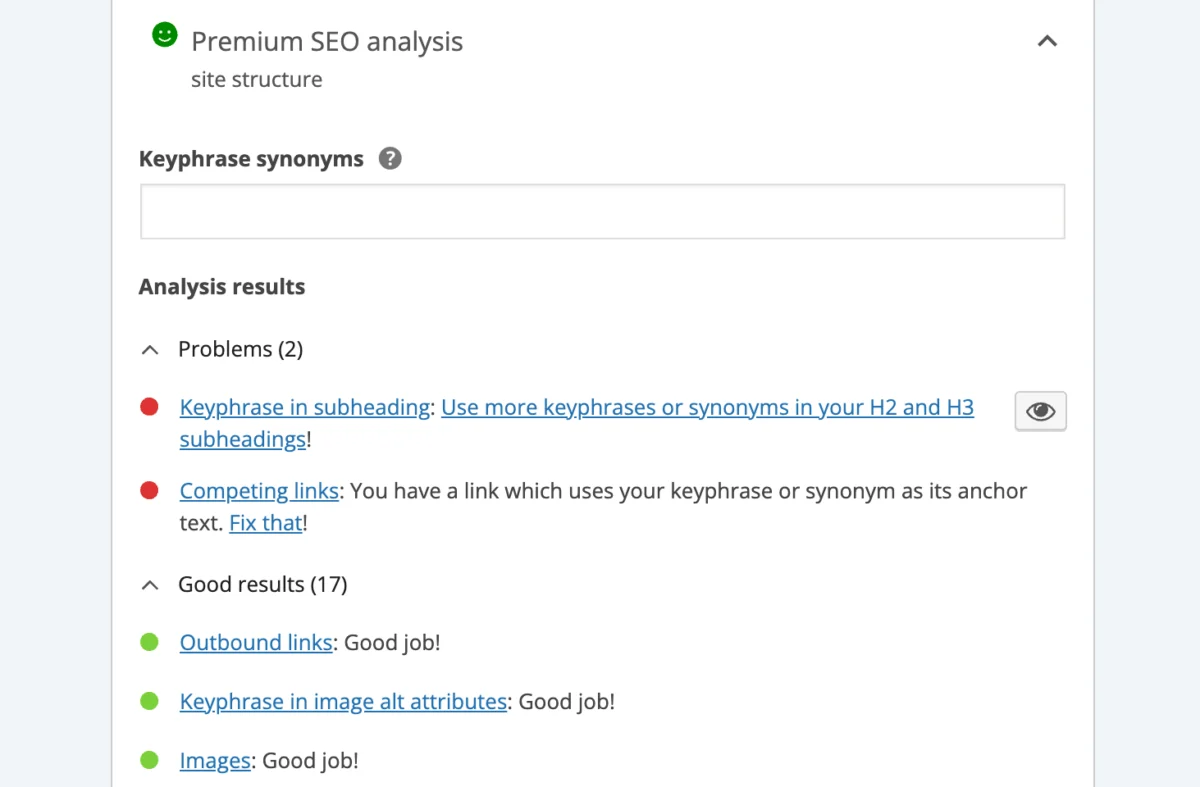
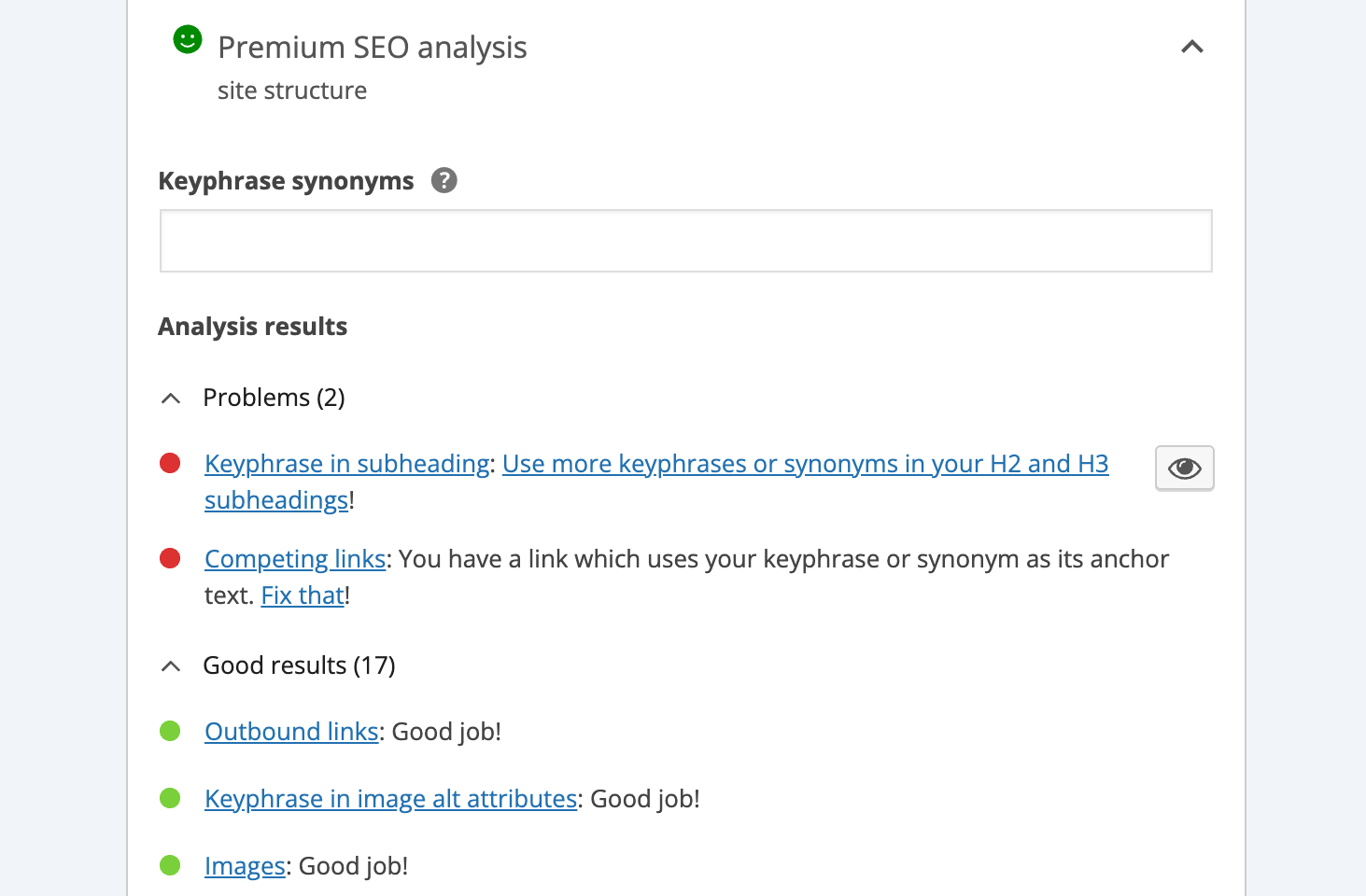
Regardless of how profound the insights, if content is not easily digestible, it will fail to engage. Readability is crucial for audience retention and is increasingly factored into AI search algorithms, which favor content that is simple to scan and comprehend. This involves using clear, concise language, breaking up long paragraphs into shorter, digestible chunks (ideally 7-8 sentences), and employing informative subheadings to guide readers through the text. Starting each paragraph with its most important sentence allows readers and AI systems to quickly grasp the main points. Tools like the Yoast SEO plugin offer readability analyses, checking for sentence length, transition words, and paragraph structure, thereby helping authors refine their prose for maximum impact.
Pre-Publication Planning and Refinement:
Effective writing begins long before the first word is typed. Taking time to plan—defining the target audience, the core message, desired reader action, and the logical flow of topics—can significantly streamline the writing process. Resources like the Yoast AI Content Planner, available to Yoast SEO Premium users, exemplify how AI can assist in this phase by scanning existing content, identifying gaps, and generating tailored post ideas with ready-to-use draft frameworks, including titles, outlines, focus keyphrases, and meta descriptions. While AI can jumpstart the process, human oversight remains essential to inject the unique voice, expertise, and originality that distinguishes high-quality content. Finally, the value of a fresh pair of eyes cannot be overstated; proofreading and seeking feedback from others ensure clarity and catch errors that the author might miss.
Optimizing for Visibility: Beyond the Write-Up
Once a high-quality blog post is written, the next critical step is to optimize it for search engines without compromising its originality or readability. This is not about “gaming the system” but about ensuring that search engines can effectively discover, understand, and index the valuable content you’ve created.
Key on-page SEO elements include crafting compelling title tags and meta descriptions that accurately summarize the content and entice clicks, optimizing images with descriptive alt text, and strategically incorporating schema markup to provide structured data that helps search engines understand the content’s context. The process of “Yoasting your post,” as coined by Yoast, involves using tools like Yoast SEO to fine-tune these elements. This includes ensuring the focus keyphrase is naturally integrated throughout the article, checking for internal and external links, and reviewing overall SEO health. This is an iterative process; continuous monitoring and adjustments based on performance data are necessary to maximize visibility. Furthermore, technical considerations such as mobile-friendliness and page loading speed are non-negotiable for both user experience and search engine ranking.

Cultivating Community and Expanding Reach
Even the most meticulously crafted and optimized blog post requires an audience. Beyond organic search visibility, active engagement and strategic marketing are crucial for expanding reach and building a loyal community.
Fostering Engagement:
Blog engagement, indicated by user comments, social media shares, and external citations, signals to search engines that content is valuable and resonating with readers. This user interaction acts as a powerful SEO factor, demonstrating that a blog is active, alive, and relevant. Actively replying to comments, answering questions, and participating in discussions shows readers that their input is valued, encouraging further interaction. While positive feedback is gratifying, handling negative comments professionally and constructively is equally important for maintaining brand reputation and fostering a positive community environment.
Multi-Channel Promotion:
Leveraging social media platforms is a highly effective way to connect with audiences and drive traffic. The choice of platform should align with audience demographics; while Facebook, X (formerly Twitter), and Reddit remain strong for broader reach, platforms like Instagram and TikTok are essential for engaging younger audiences, particularly through short-form video content like Reels and Stories. Beyond social media, building an email newsletter list offers a direct, algorithm-independent line of communication with subscribers. Regular newsletters can share new posts, exclusive insights, special offers, or behind-the-scenes content, nurturing a direct relationship and encouraging repeat visits. The ROI of email marketing consistently outperforms many other digital channels, underscoring its enduring power.
Monetization Strategies: Turning Value into Revenue
While many bloggers prioritize community building or sharing expertise, monetization is a viable goal for others. Diversified income streams often prove most effective:
- Advertising: Display ads, though potentially intrusive, can generate passive income for high-traffic blogs.
- Affiliate Marketing: Recommending products or services and earning a commission on sales, often through transparent affiliate links.
- Selling Your Own Products or Services: Directly offering digital products (eBooks, courses), physical goods, or consulting services.
- Sponsored Content: Partnering with brands to create sponsored posts or reviews, maintaining transparency about partnerships.
- Donations/Subscriptions: Allowing readers to support content directly through platforms like Patreon or offering premium content via subscriptions.
For online shops, a blog serves as an indirect monetization engine, attracting organic traffic and building trust, which can then be channeled to product pages, boosting sales and conversions.
Sustaining Momentum: The Long-Term Commitment
Starting a blog is often less challenging than maintaining one. Consistency, discipline, and adaptability are crucial for long-term success. While daily posting isn’t necessary, establishing a regular publishing schedule builds audience expectation and trust.
Consistency and Content Audits:
As a blog grows, the challenge shifts from generating initial content to strategically managing and updating existing material. Regular content audits are essential to identify evergreen content that can be updated for continued relevance, and to prune low-value or outdated posts that no longer serve an audience. This ensures the blog remains fresh and valuable.
Managing Growth:
For growing blogs, strategic content planning becomes critical. This involves developing an editorial calendar that maps out topics, deadlines, and authors, ensuring a consistent flow of content aligned with overarching goals. For multi-author blogs, clear guidelines for voice, style, and formatting are essential for maintaining brand consistency. Furthermore, proactive management of SEO challenges, such as keyword cannibalization—where multiple articles compete for the same keyphrases—is vital. Regular SEO audits can identify and resolve these issues, often through consolidating or repurposing content, or by implementing canonical tags. Maintaining a clean and adaptable site structure, perhaps by organizing content into evolving topic clusters and continuously updating internal links, ensures the blog remains navigable and SEO-friendly as it expands.
Conclusion
Blogging remains one of the most powerful and versatile tools for digital growth, whether for an e-commerce platform, a personal brand, or a corporate entity. It serves as a potent engine for boosting search visibility, establishing authority, and transforming casual visitors into loyal followers. However, in the era of AI-driven search, success demands more than just good writing; it necessitates a sophisticated blend of strategic planning, deep audience understanding, and technical SEO acumen.
To thrive, bloggers must start with a robust keyword strategy that precisely targets user intent, ensuring content directly addresses the questions and problems their audience is seeking to solve. Content must be original, deeply insightful, and impeccably structured for both human readability and AI comprehension, as algorithms increasingly reward clarity, depth, and unique perspectives. As a blog evolves, maintaining organizational discipline through consistent content planning, fostering active engagement with the audience, and continually adapting to the dynamic search landscape are paramount. By embracing these principles and leveraging available tools, content creators can build blogs that not only rank prominently but also deliver profound, enduring value in an increasingly competitive digital world.