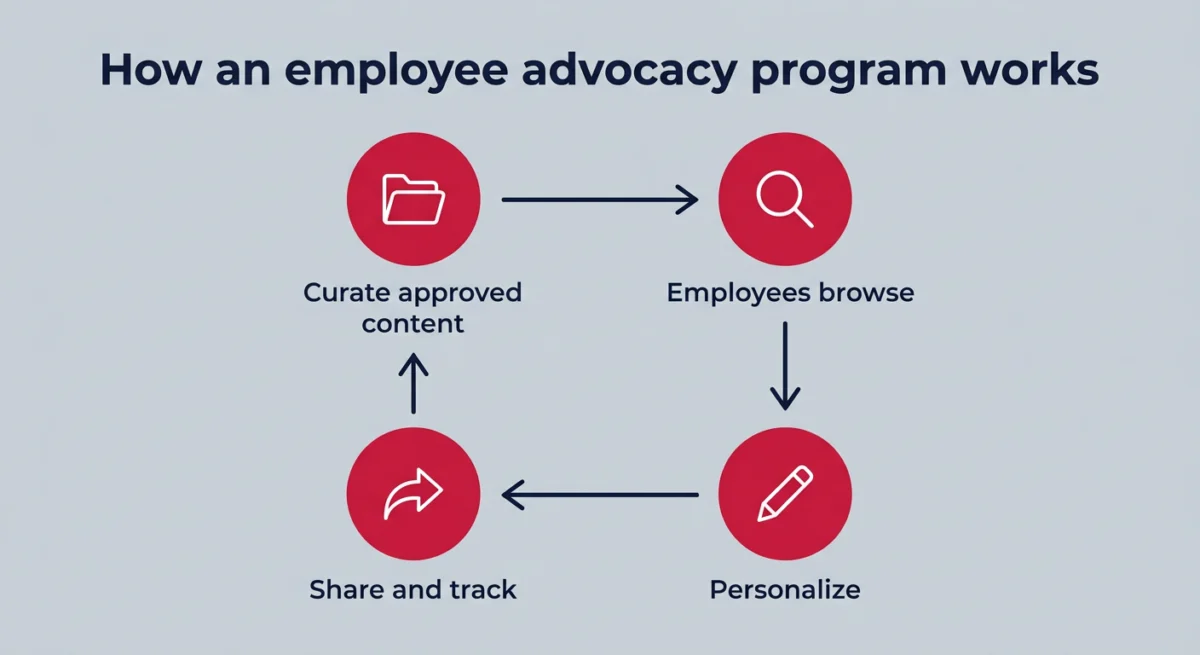
TikTok, once predominantly known as a short-form video application for entertainment, has profoundly transformed into a formidable engine for brand promotion, product discovery, and social commerce. With an expansive global audience exceeding 1.59 billion active users, the platform’s strategic importance for businesses of all sizes is undeniable as we look towards 2026. Marketers considering TikTok are stepping into a dynamic ecosystem ripe with opportunity to engage consumers, drive sales, and cultivate brand loyalty.

The Transformative Power of TikTok Marketing
TikTok marketing encompasses a comprehensive approach to leveraging the platform’s unique features to promote a brand, product, or service. Beyond simply creating viral videos, it involves a multi-faceted strategy that includes organic content creation, targeted advertising campaigns, strategic influencer collaborations, and direct-to-consumer sales functionalities like TikTok Shop and TikTok Search. This holistic integration allows brands to move beyond mere visibility to foster genuine engagement and measurable conversions.

The platform’s immense user base is characterized by high levels of engagement. In the United States, users spend an average of 44 hours per month on the app, a figure that underscores its immersive nature and potential for sustained brand exposure. This deep immersion translates directly into opportunities for product discovery, allowing brands to capture consumer attention at various stages of the purchasing journey. Furthermore, TikTok has demonstrated its capacity to convert viewers into customers, often at a more cost-effective rate compared to traditional digital marketing channels.
Navigating Influencer Marketing on TikTok
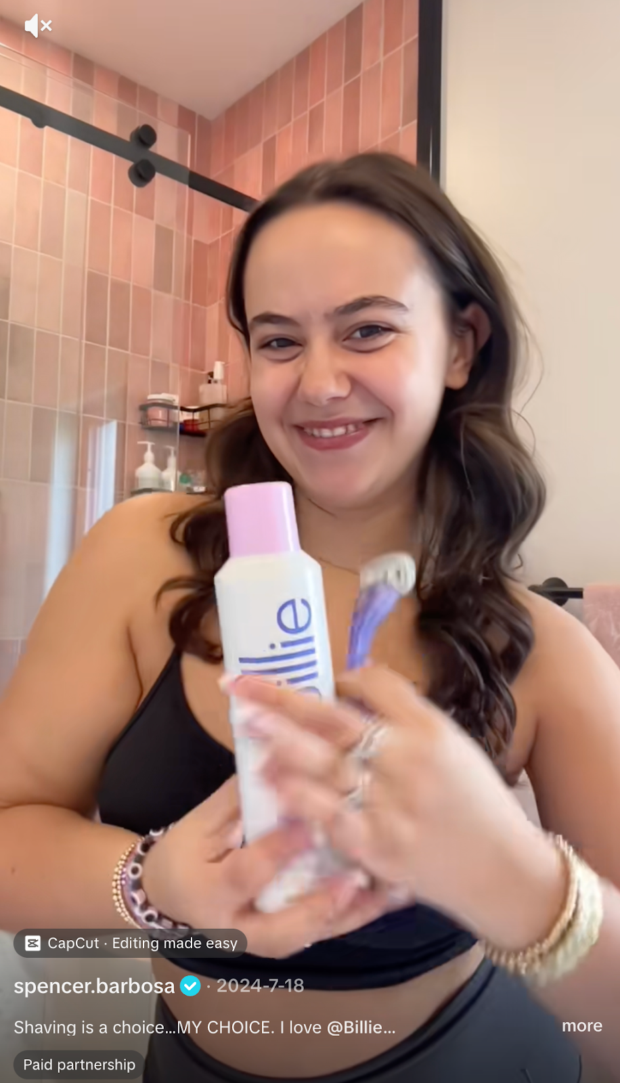
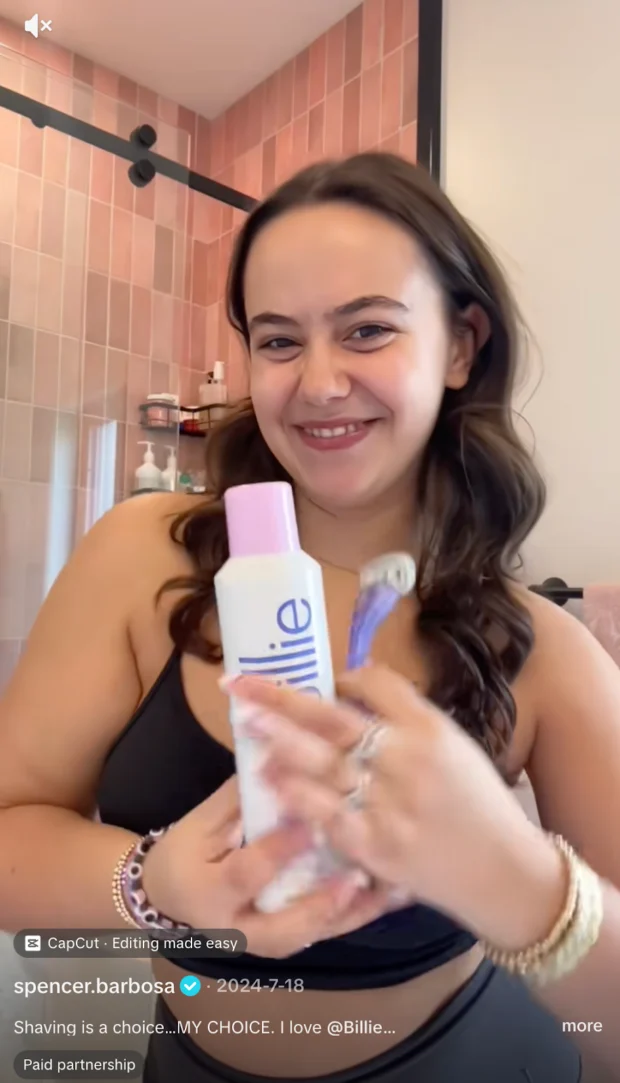
A cornerstone of TikTok’s marketing efficacy is its robust influencer ecosystem. TikTok influencer marketing involves businesses forging partnerships with content creators to authentically promote their brands. These collaborations typically entail an agreement where payment, product samples, or other perks are exchanged for engaging TikTok content. For instance, a culinary brand might sponsor a food influencer to produce a captivating video showcasing their blender, seamlessly integrating the product into a relatable narrative.
Influencer marketing on TikTok often excels through its subtlety. Successful campaigns frequently blend product placement into a creator’s natural content flow, making promotions feel organic and less like overt advertisements. This approach resonates deeply with TikTok’s audience, who value authenticity. Notable examples include fashion icons promoting designer wear or lifestyle gurus showcasing their personal branded merchandise. Beyond direct sponsorships, TikTok’s official affiliate marketing program empowers creators to earn commissions on sales driven through their content, providing brands with a performance-trackable avenue for promotion. This system allows for flexible strategies, enabling a single product to be promoted through both broad and targeted creator collaborations simultaneously.
Why TikTok Remains Indispensable for Marketing in 2026
Despite a continually evolving digital landscape, TikTok’s strategic value for marketers is projected to persist, if not intensify, into 2026. Its ability to connect brands with highly engaged audiences, facilitate product discovery, and directly convert viewers into customers—often with a competitive cost structure—makes it an essential component of any forward-thinking marketing mix.
While some markets have seen ongoing regulatory scrutiny regarding TikTok’s operational status, the platform remains widely accessible and influential. Industry experts advise businesses to design content strategies that are portable across platforms, ensuring adaptability should regional access change. However, the core benefits of TikTok, particularly its unparalleled reach among younger demographics and its innovative commerce features, solidify its position as a critical marketing channel.
Comparative Landscape: TikTok vs. Other Short-Form Video Platforms
In the competitive arena of short-form video, TikTok distinguishes itself through its unique algorithm and dedicated commerce functionalities. A comparison with other major platforms reveals TikTok’s specialized advantages:
| Platform | Primary Audience Age | Ad Formats Available | Commerce Features |
|---|---|---|---|
| TikTok | 25-34 (strong Gen Z) | In-Feed, TopView, Spark Ads, Branded Hashtag, Shopping Ads | TikTok Shop, in-app checkout |
| Instagram Reels | 25-34 | In-Feed Reels ads, Stories ads, Explore ads | Instagram Shopping, product tags |
| YouTube Shorts | 25-44 | In-feed video ads, Shorts ads | YouTube Shopping, product links |
This comparison highlights TikTok’s advanced, native commerce ecosystem, making it a frontrunner for brands focused on direct-to-consumer sales within the app environment.
Establishing Your Presence: Setting Up a TikTok Business Account
To effectively leverage TikTok for marketing, the first step is to establish a TikTok business account. This dedicated account type unlocks a suite of features unavailable to personal profiles, including TikTok Analytics, access to the Business Creative Hub for content inspiration, and a commercial music library for legally compliant audio. Business accounts also enable calls-to-action (CTAs), automated direct message replies, and other professional tools vital for strategic marketing.
The transition from a personal to a business account is straightforward and free:
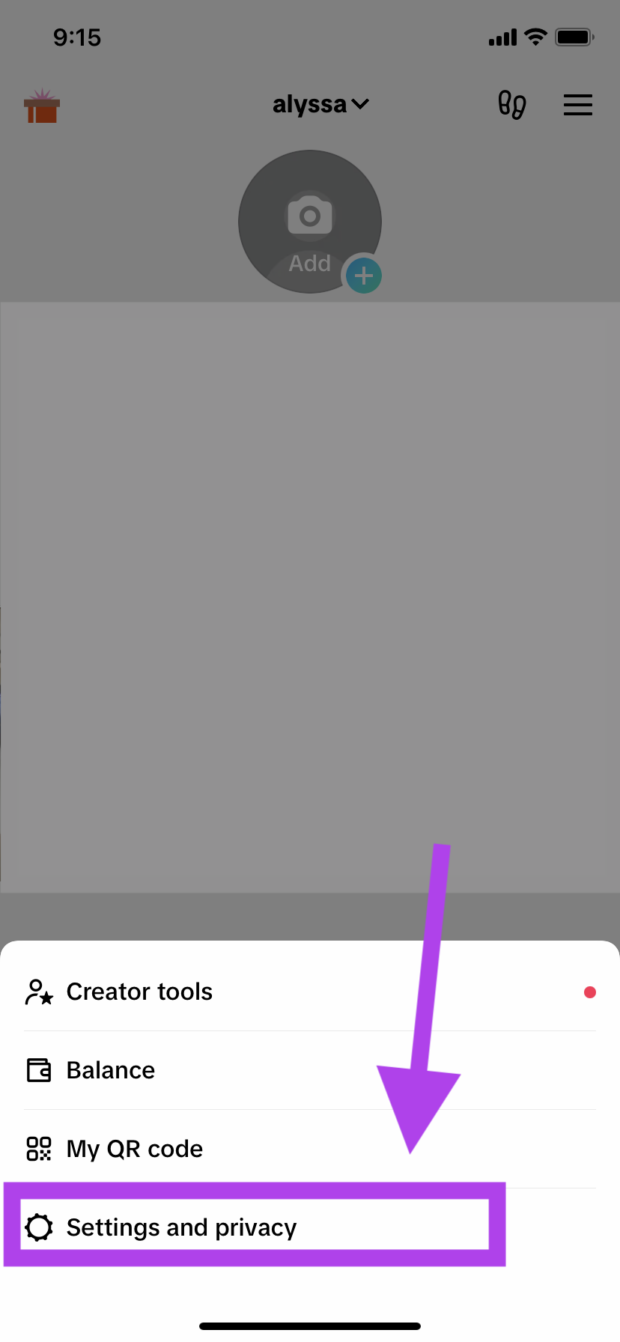
- Navigate to your profile and tap the three horizontal lines (menu button) in the top right corner.
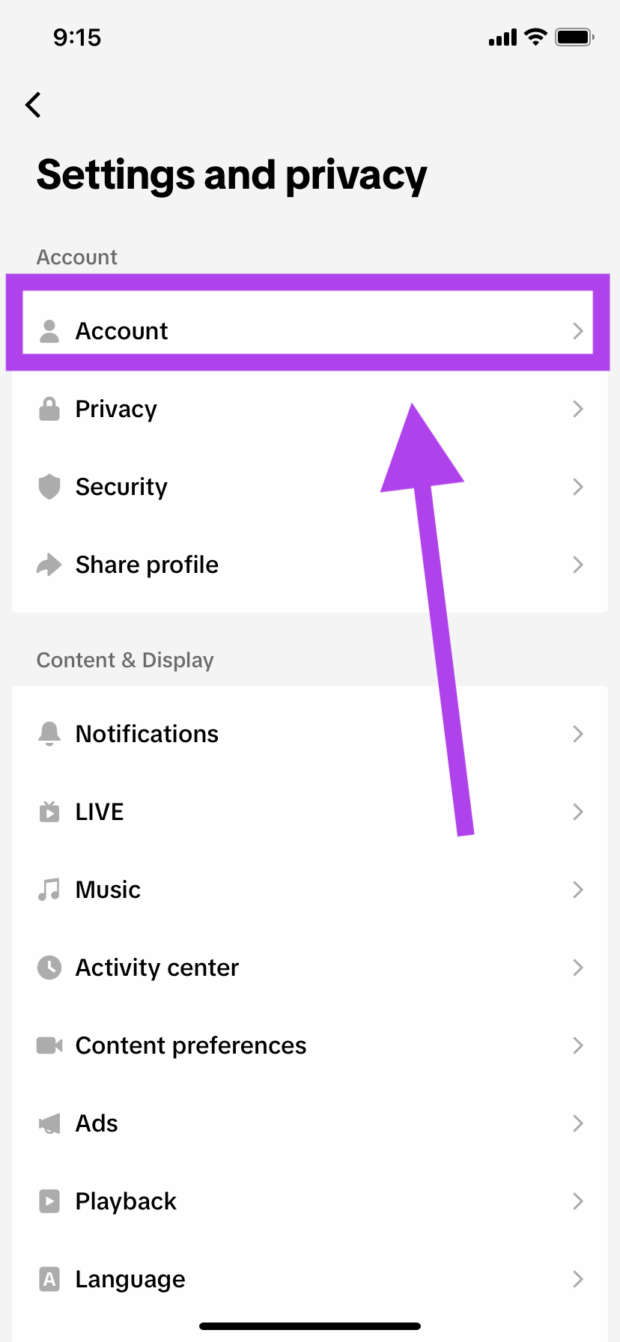
- Select “Settings and privacy.”
- Choose “Account.”
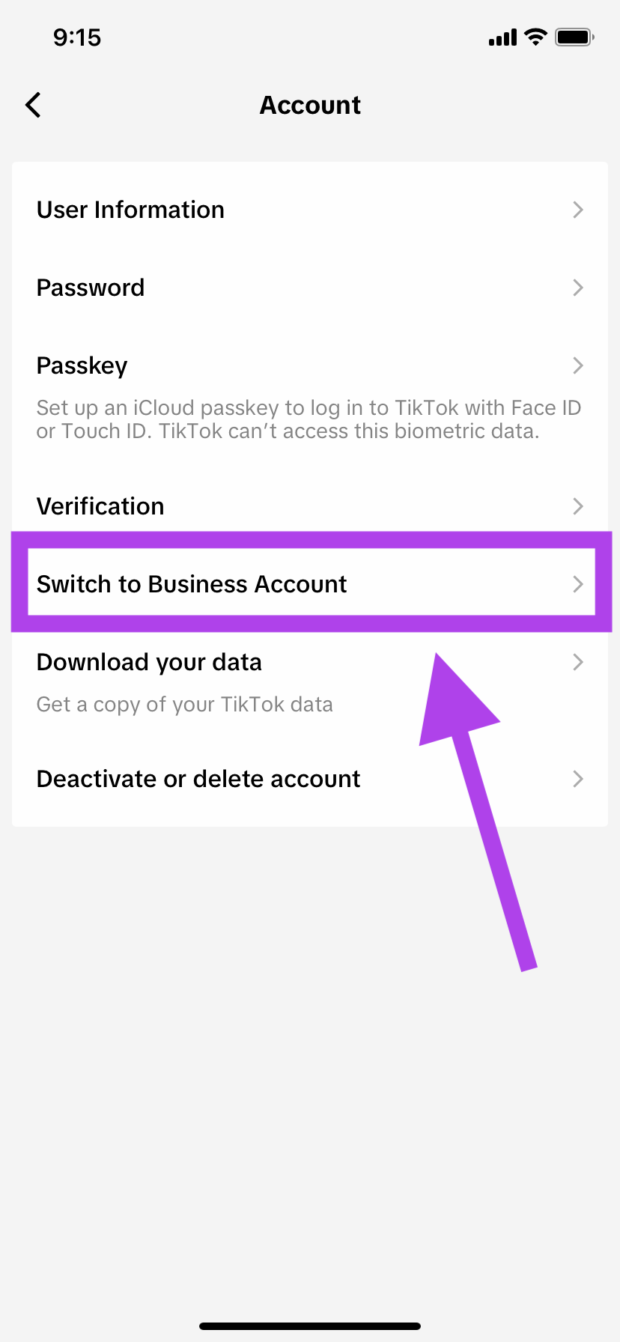
- Tap “Switch to Business Account.”
Upon switching, TikTok guides new business users through the enhanced features, facilitating a smooth onboarding process.
Developing a Comprehensive TikTok Marketing Strategy
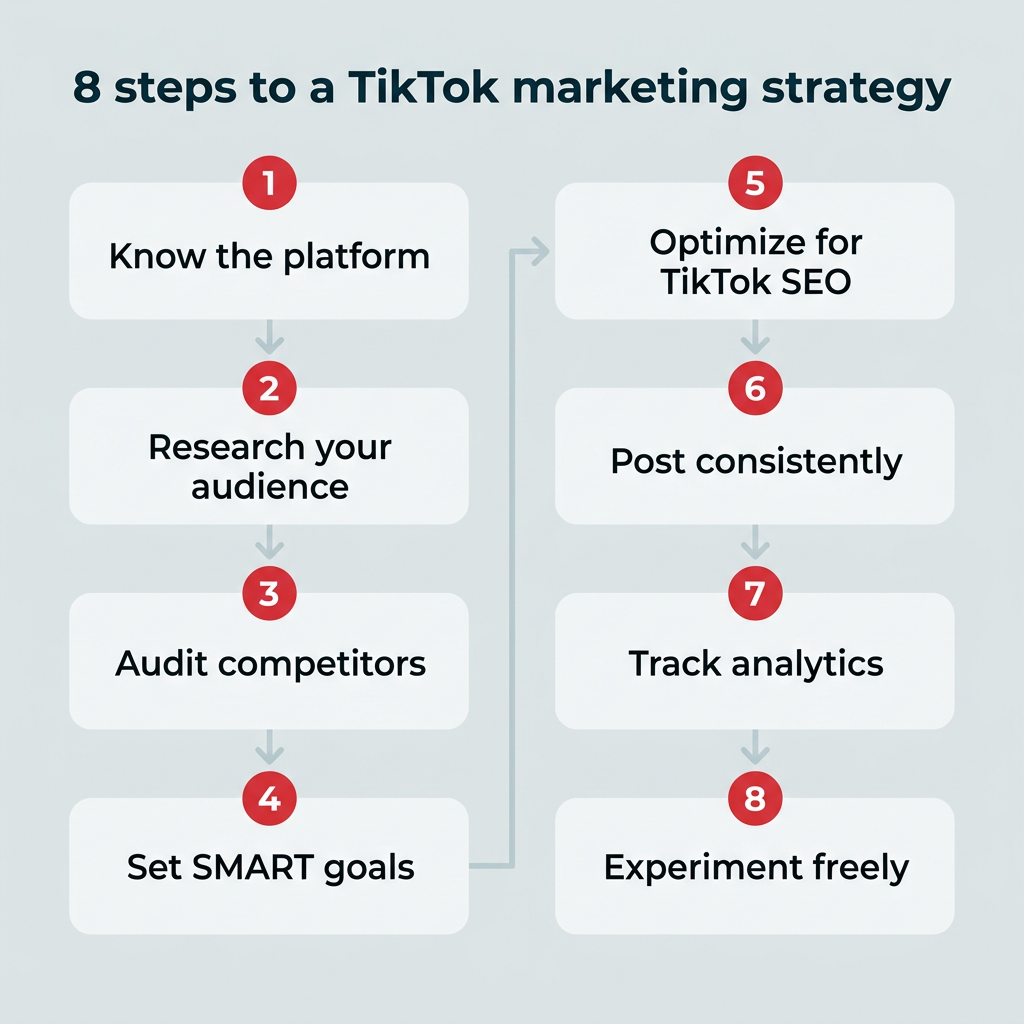
A successful TikTok marketing strategy is built upon a structured, repeatable process that aligns with broader business objectives. The key steps involve:
-
Platform Immersion: Begin by thoroughly understanding TikTok’s interface, trending challenges, editing styles, and popular sounds. Crucially, delve into the intricacies of the TikTok algorithm to comprehend how videos are ranked and displayed on the “For You” page, informing content, hashtag, and engagement strategies. The TikTok Business Learning Center offers valuable courses for deeper insights.
-
Audience Research: It is imperative to identify and understand your target audience on TikTok. While often perceived as a platform for teenagers, TikTok’s user statistics reveal a broader demographic, with the average age ranging between 25 and 34. A significant portion (nearly a third) falls within the 18-24 age bracket, indicating a loyal Gen Z base, alongside a growing segment of Millennials with strong purchase intent. TikTok’s Audience Insights tools are invaluable for segmenting and analyzing user behavior, enabling tailored content creation.
-
Competitive Audit: Analyze the TikTok presence of competitors and analogous brands. This audit helps identify successful strategies, uncover unmet market needs, and potentially reveal competitive advantages if rivals are absent from the platform. Utilizing a S.W.O.T. (Strengths, Weaknesses, Opportunities, Threats) framework can provide a structured analysis. Given TikTok’s creator-centric nature, also consider the activities of prominent influencers within your niche.
-
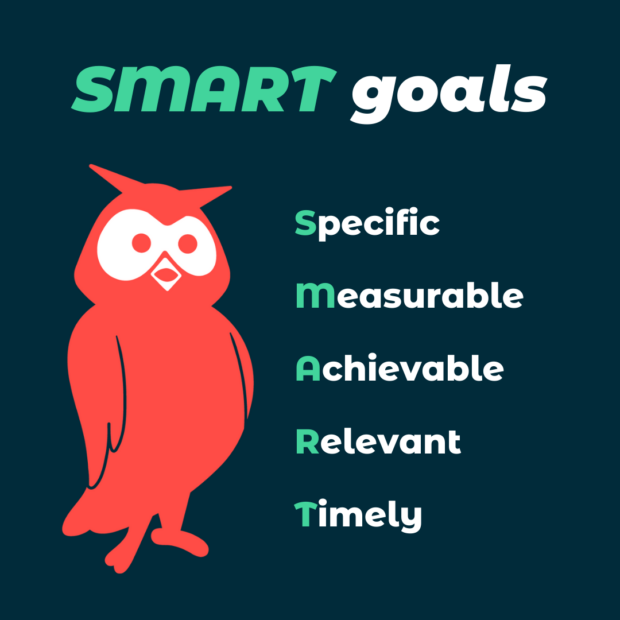
Goal Setting Aligned with Business Objectives: Every TikTok marketing effort should be anchored by clear, measurable goals. These objectives should directly support overarching business aims, whether it’s enhancing brand image, expanding audience reach, fostering influencer partnerships, driving product awareness, or building a vibrant community. Employing the S.M.A.R.T. (Specific, Measurable, Attainable, Relevant, Timely) goal framework is critical. For instance, an enterprise team might aim to “Increase TikTok-driven website traffic by 25% in Q3 2026” or “Generate 500 qualified leads from TikTok Shop in H2 2026.”
-
Optimizing for TikTok SEO and Discoverability: As users increasingly leverage TikTok as a search engine for product reviews, tutorials, and recommendations, optimizing content for TikTok SEO has become paramount. This involves strategic keyword research and integrating relevant terms into video captions, on-screen text, and even spoken words within the content. TikTok’s algorithm processes all these elements. A balanced mix of broad and niche hashtags further enhances content discoverability, and tools like Hootsuite’s TikTok SEO functionality can aid in identifying high-value search terms.
-
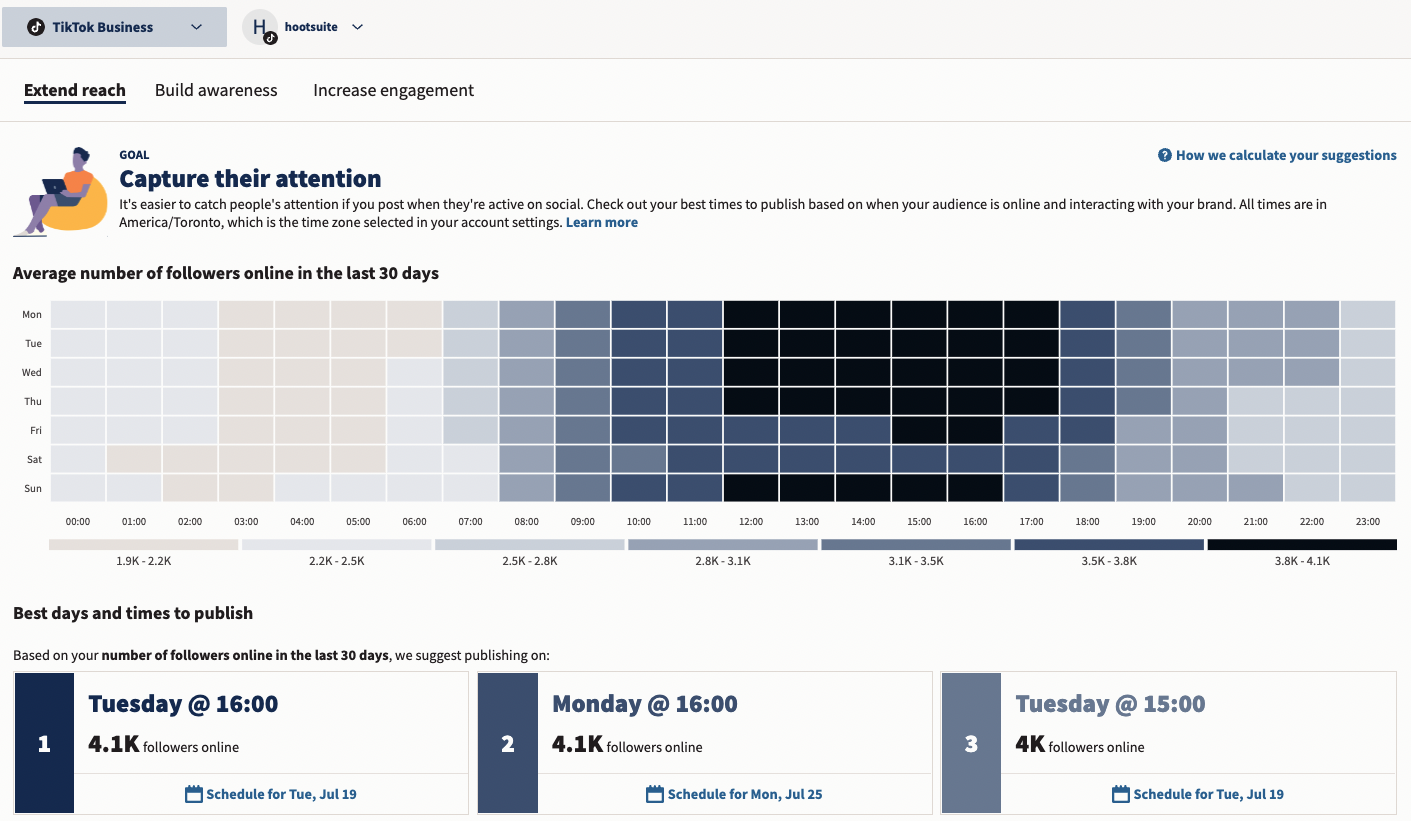
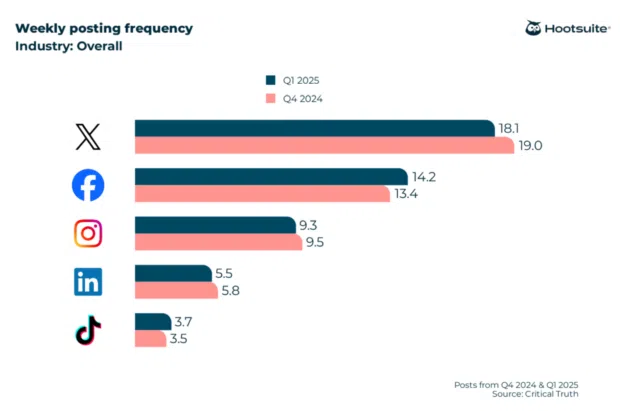
Consistent Posting and Optimal Timing: Visibility on TikTok is heavily influenced by posting consistency, as the algorithm prioritizes fresh content. While TikTok itself suggests posting 1-4 times daily, practical research indicates that posting 3-5 times per week is a more realistic and effective sweet spot for most brands. Developing a robust content calendar is essential for maintaining this rhythm. Timing is equally crucial; content performs best when posted during peak audience activity. Hootsuite’s data suggests optimal posting times are Thursday mornings (6 to 9 am) and Saturday midday (10 am to 6 pm), though individual audience analytics should always guide specific scheduling. Scheduling platforms like Hootsuite enable automated posting, freeing up valuable marketing team time.
-
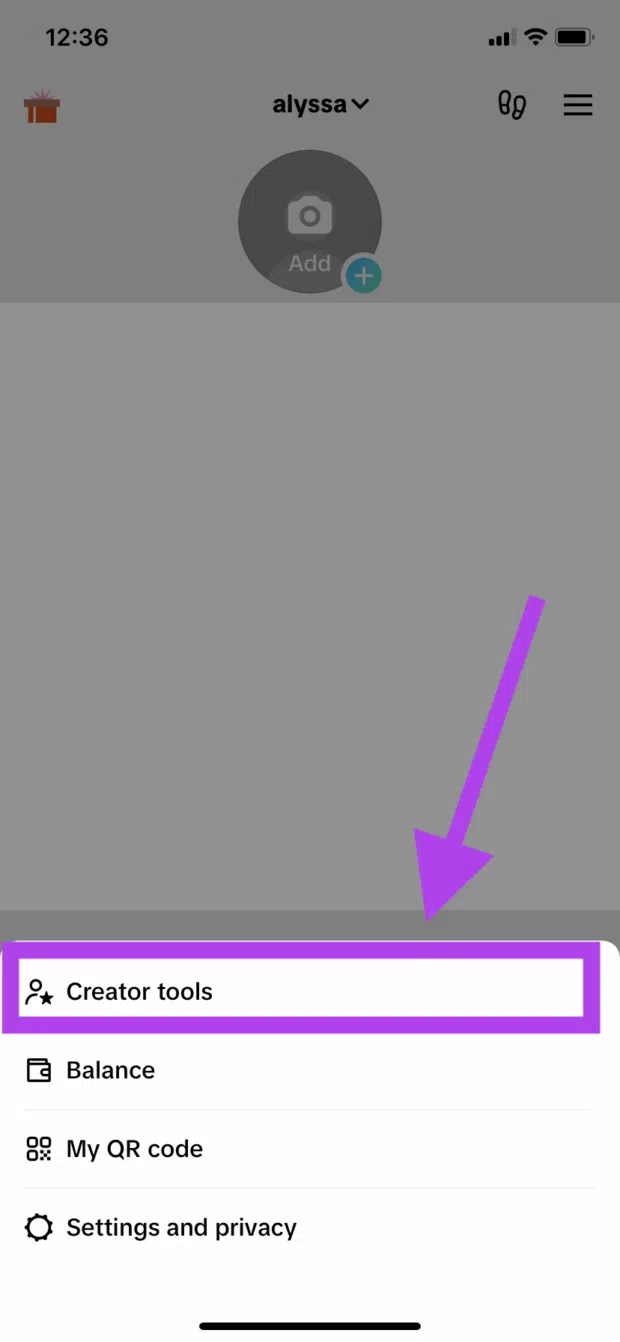
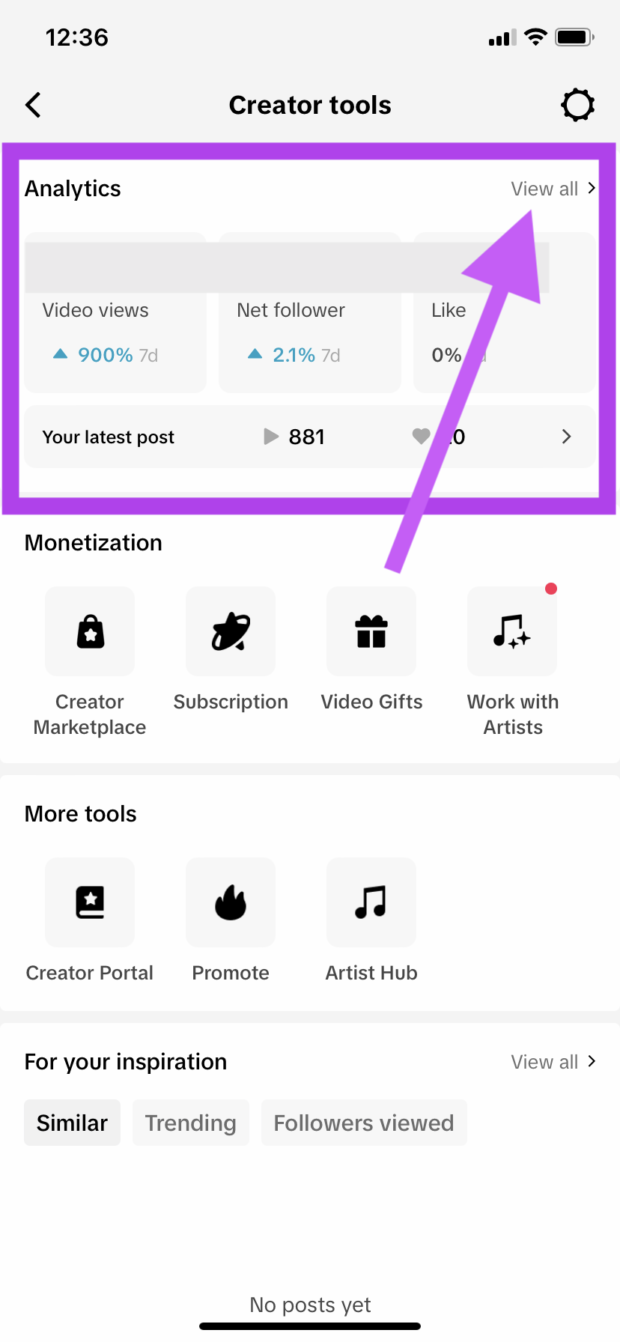
Analytics Tracking and ROI Measurement: To gauge the effectiveness of TikTok marketing efforts, diligent tracking of key metrics is indispensable. TikTok Analytics, accessible via your business profile, provides insights into video views, net followers, and likes. For a more comprehensive review, deeper metrics include engagement rate, click-through rate, and conversion rate. Calculating ROI involves comparing the value generated (e.g., leads, sales, website traffic) against the total investment in time and resources. For enterprise-level analysis, platforms like Hootsuite offer advanced analytics, allowing cross-channel performance comparison, custom report generation, and long-term trend tracking.
-
Cultivating an Experimental Mindset: There is no magic formula for achieving viral status on TikTok. Brands must allocate space for creativity and experimentation. This involves testing various content formats, leveraging trending sounds, participating in challenges, or even experimenting with live streams. Learning from content that doesn’t perform as expected is as valuable as replicating successes. Furthermore, embracing TikTok’s inherent humor and less-than-serious tone, as exemplified by accidental trends like “Josh wine,” can humanize a brand and foster deeper audience connection.
Crafting High-Performing TikTok Content
Effective TikTok content is characterized by its native feel, rapid viewer engagement, and adherence to platform-favored formats. The best content types often include:
- Educational Tutorials: Demonstrating product use or offering valuable tips.
- Behind-the-Scenes Glimpses: Humanizing the brand and building trust.
- Product Demos and Reviews: Showcasing functionality and benefits.
- Challenges and Trends: Participating in popular cultural moments.
- User-Generated Content (UGC) Showcases: Amplifying community voices.
- Entertainment and Storytelling: Engaging narratives that subtly weave in brand messaging.
Regardless of format, a compelling social media hook within the first three seconds is vital to prevent users from scrolling past. Clear on-screen text, searchable captions with relevant keywords, and a concise call to action are also essential. The TikTok Creative Center serves as an excellent resource for identifying current trends, sounds, and successful content formats.
TikTok Advertising: A Guide to Formats and Strategy
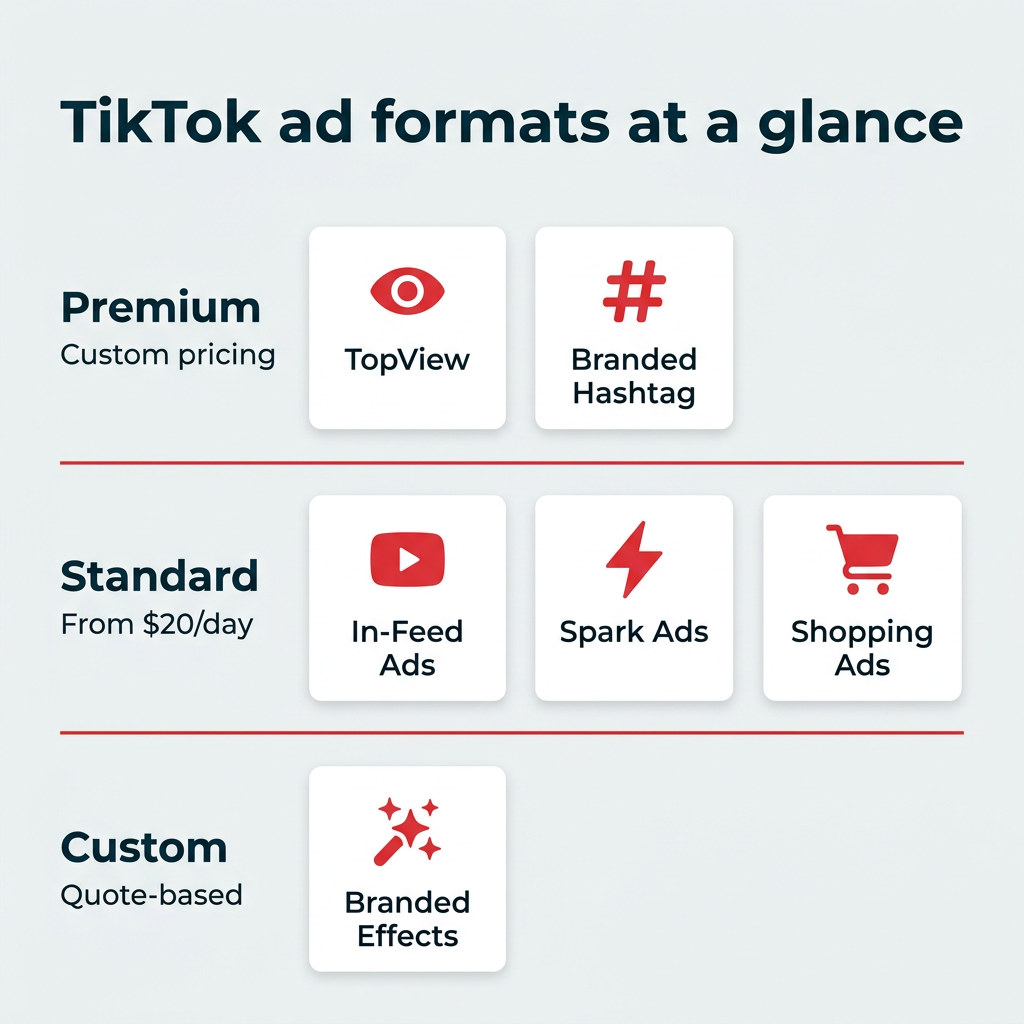
TikTok advertising offers a powerful avenue to scale reach beyond organic content, promoting videos to highly specific audiences through TikTok Ads Manager. The selection of the appropriate ad format depends directly on the campaign’s objective, whether it’s to boost awareness, drive engagement, or generate direct sales.
Primary TikTok Ad Formats:
| Ad Format | Description | Best Use Case | Approx. Minimum Budget |
|---|---|---|---|
| In-Feed Ads | Native videos appearing in the “For You” feed | Driving traffic and conversions | $20/day (ad group); $50/day (campaign) |
| TopView | Full-screen ad displayed upon app opening | Maximum awareness for product launches | Custom (premium pricing) |
| Branded Hashtag Challenge | Sponsored challenge inviting user participation and UGC | Mass engagement and user-generated content | Custom (premium pricing) |
| Branded Effects | Custom filters, stickers, and interactive AR effects | Interactive brand experiences | Custom |
| Spark Ads | Boosts existing organic posts (brand’s or creators’) | Amplifying authentic content and engagement | $20/day (ad group); $50/day (campaign) |
| Shopping Ads | Product-focused ads integrated with TikTok Shop | Driving in-app sales and product discovery | $20/day (ad group); $50/day (campaign) |
TikTok Ads Manager provides sophisticated targeting options, including demographics, interests, behaviors, custom audiences (based on existing customer data), and lookalike audiences (reaching users similar to your best customers). For optimal results, ad creative should feel native to the platform – authentic, dynamic, and less overtly polished than traditional commercials. Spark Ads are particularly effective for this, leveraging existing organic content that has already resonated with audiences.
Illustrative TikTok Marketing Examples for 2026
Successful TikTok marketing campaigns share common threads: compelling hooks, authentic narratives, and formats designed to maximize engagement.
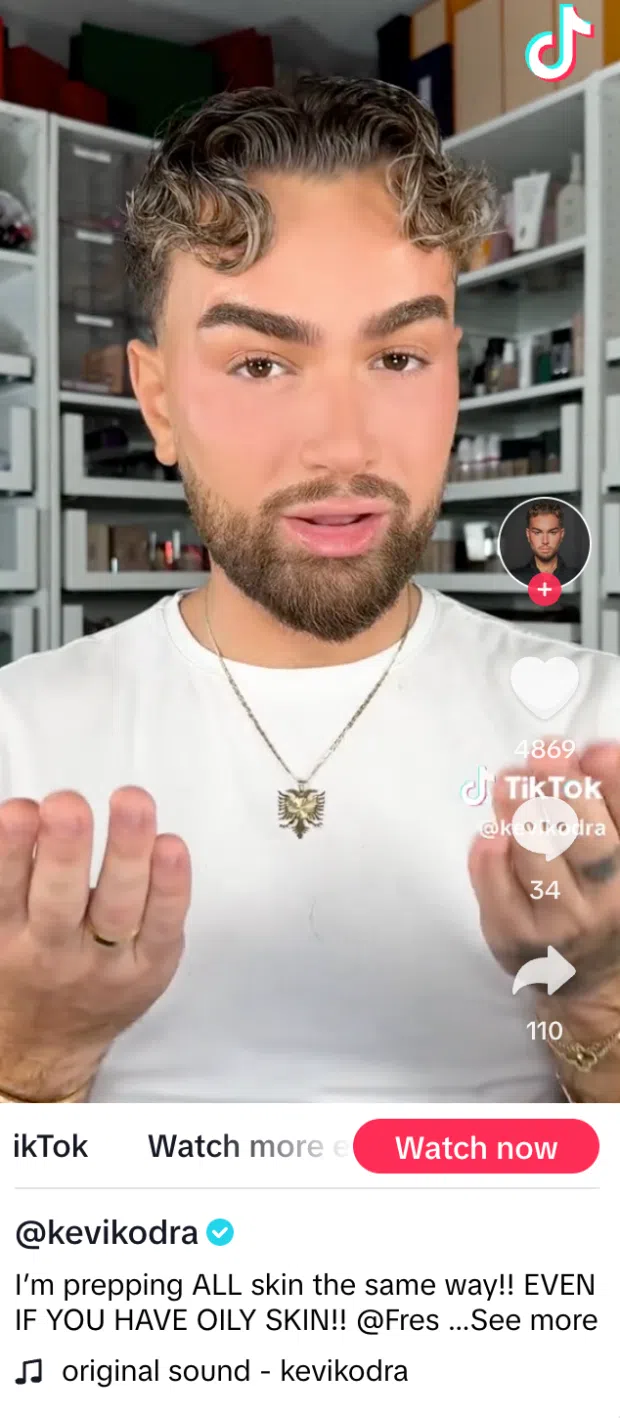
- The Power of the Hook: A strong opening statement or visual captures attention immediately. For instance, a makeup brand collaborating with an influencer might begin with an intriguing claim like, “This is the biggest rule I love to break. What if I told you regardless if you have dry skin or oily skin, I’m prepping everyone the exact same way?” This piques curiosity and positions the product as part of an innovative solution.
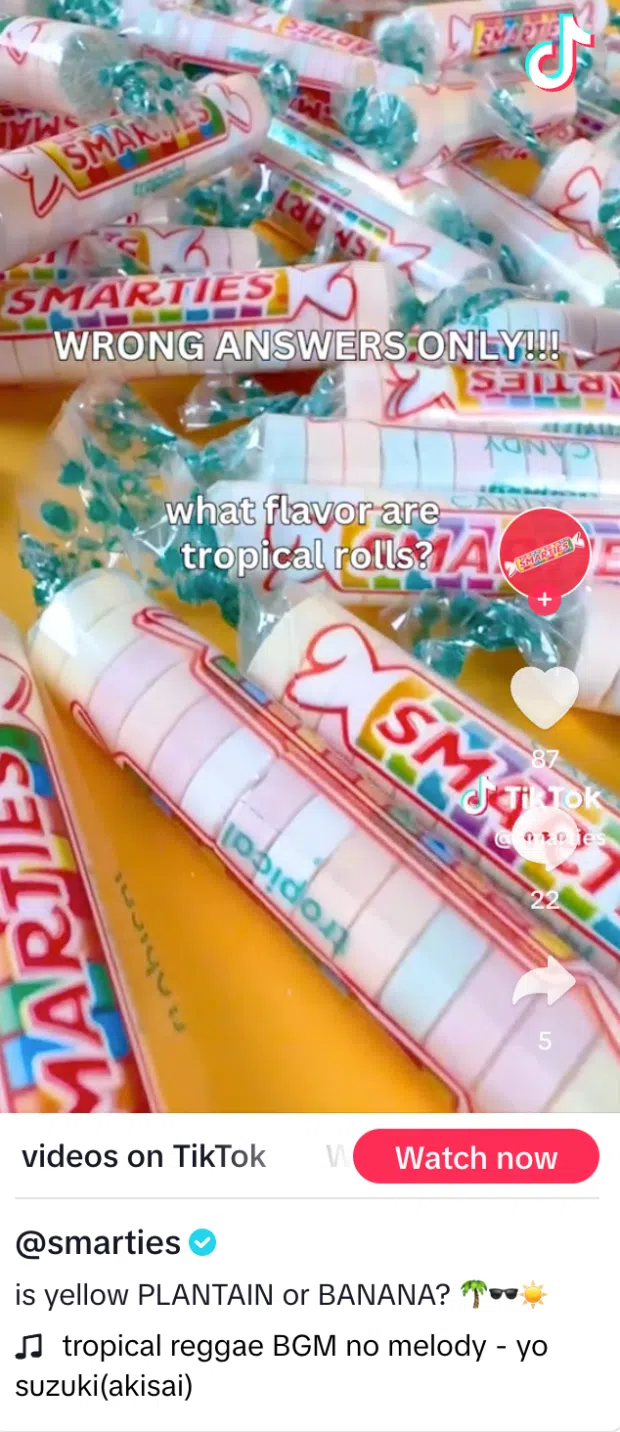
- Encouraging Interaction: Videos that actively solicit comments and engagement significantly boost algorithmic ranking. A brand like Smarties using a “Wrong answers only” prompt for a question about their product creates a fun, low-pressure environment that encourages widespread participation.
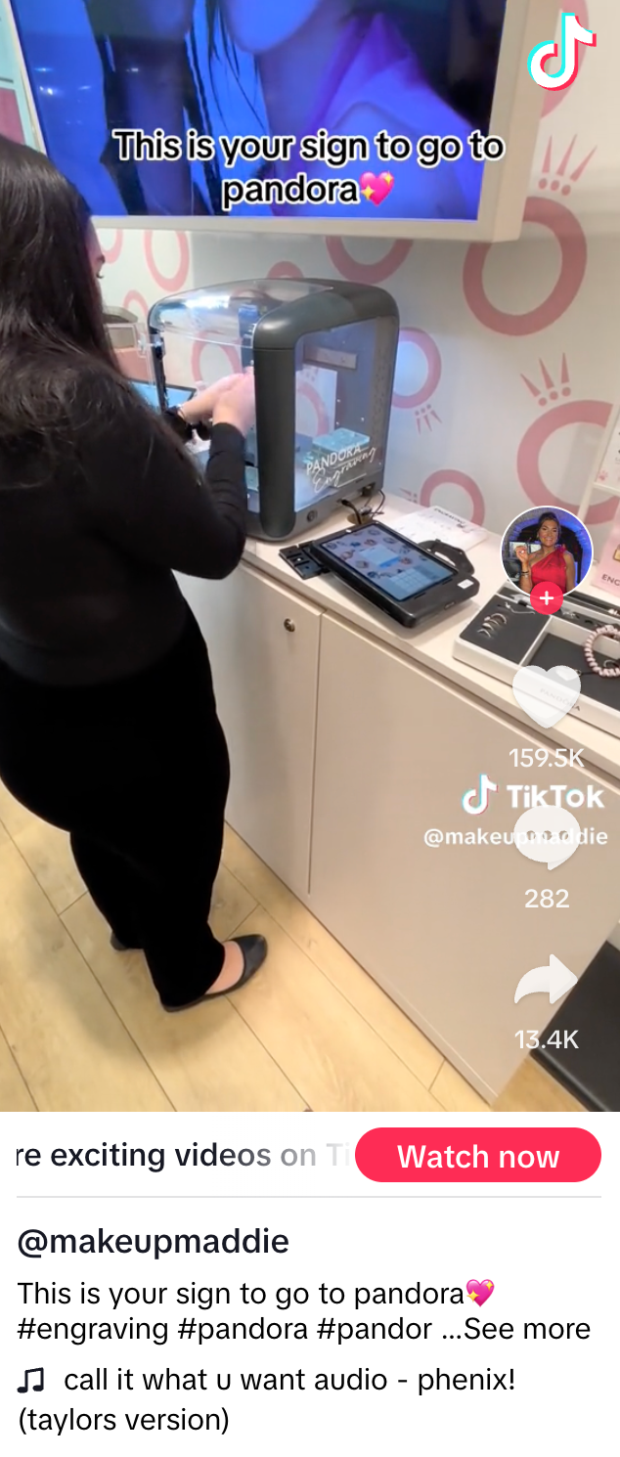
- Leaning into the Algorithm: Acknowledging TikTok’s serendipitous nature can be a powerful marketing tactic. A creator’s video for Pandora, stating “This is your sign to go to Pandora,” feels like a lucky discovery, making the brand more relatable and aspirational.
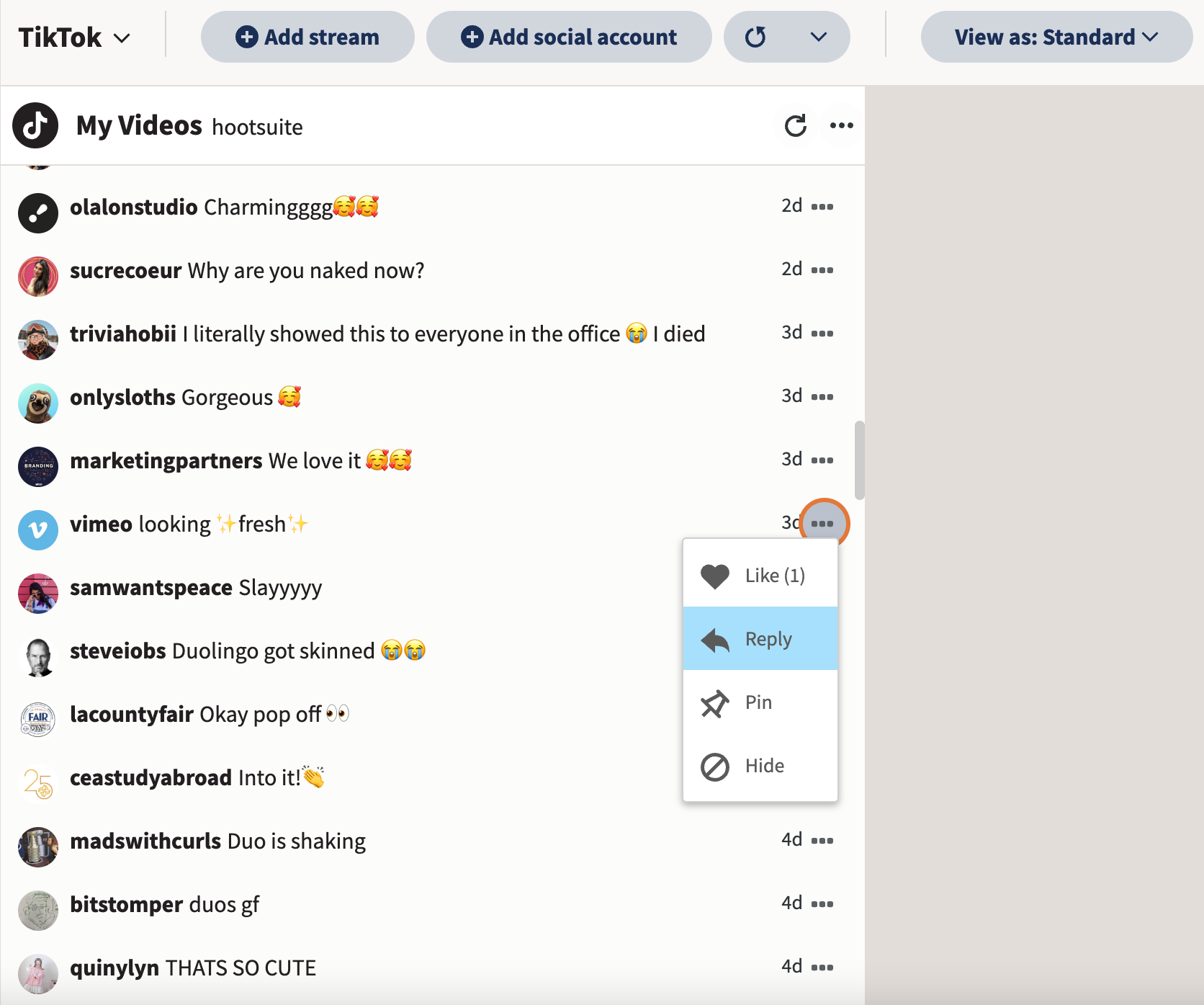
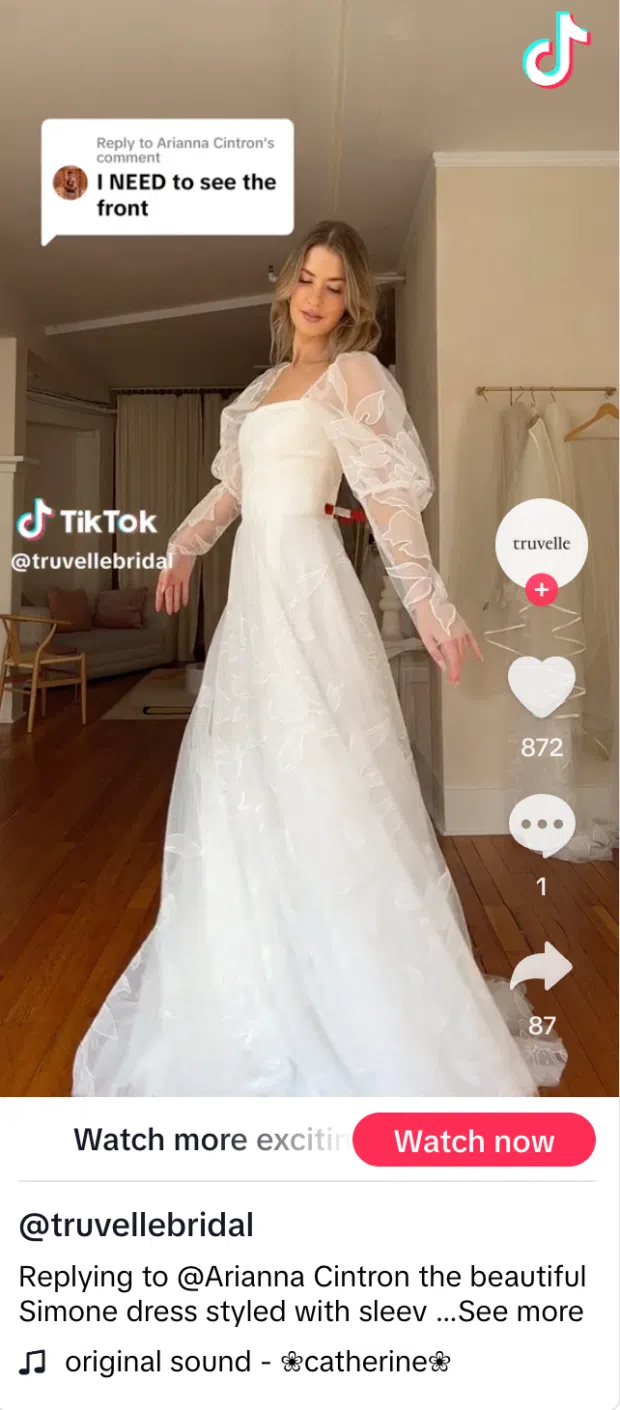
- Video Replies to Comments: Engaging directly with comments by creating new TikTok videos is a potent way to show audience responsiveness and simultaneously generate fresh content. A bridal boutique responding to a request to showcase a dress from a different angle not only answers a query but also presents another opportunity to highlight their product.
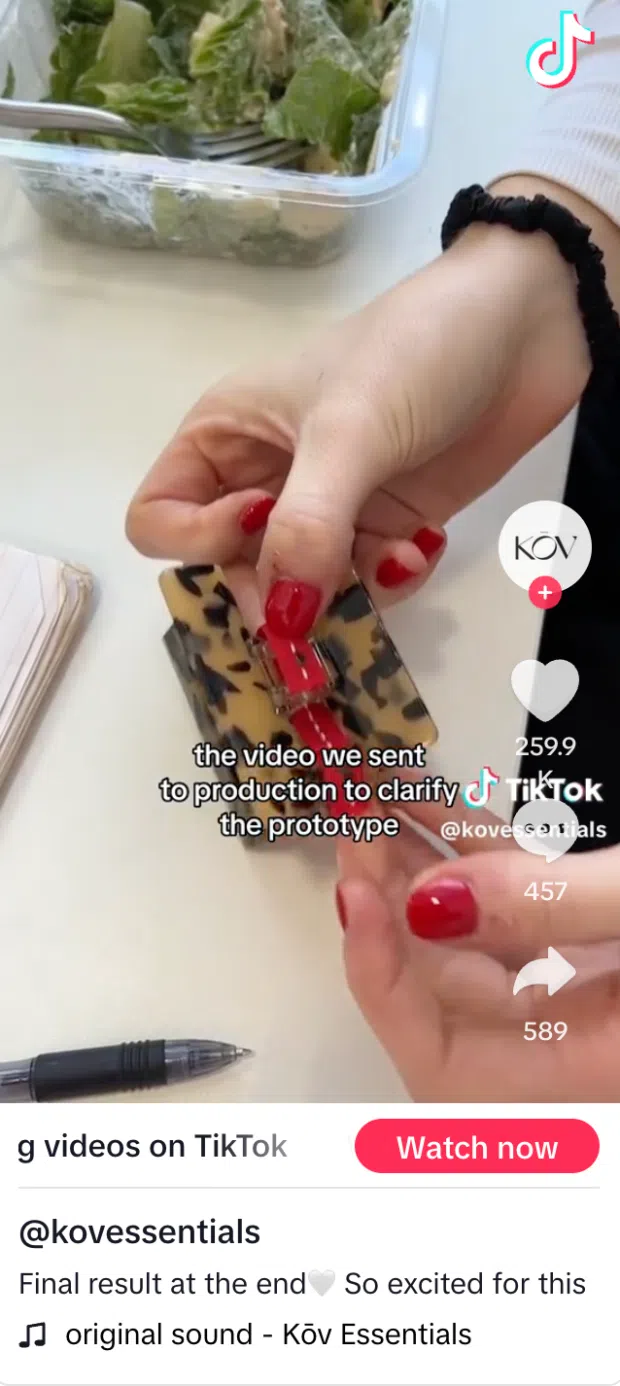
- Authentic Behind-the-Scenes Content: Humanizing a brand through glimpses into its operations builds trust and a sense of shared journey. A brand like KovEssentials showing the manufacturing process of a claw clip, including the trials and errors, fosters transparency and authenticity.
- Inspiring Shares: Not all marketing content needs to be overtly promotional. Humorous, adorable, or emotionally resonant videos, such as a pet daycare showcasing their furry clients in a charming way, are highly shareable. This extends brand reach through organic virality, even if direct service promotion is not the primary goal.
Essential TikTok Marketing Tools for 2026
Effective TikTok marketing relies on a suite of tools that streamline content planning, publishing, performance tracking, and engagement management.
- Hootsuite: A leading social media management platform, Hootsuite allows brands to plan and schedule TikTok posts in advance, manage multiple accounts, monitor performance with detailed analytics, and engage with comments and messages—all from a single dashboard. Its features include a best-time-to-publish heatmap and competitive benchmarking.
- CapCut: TikTok’s native video editing app, CapCut, is optimized for fast, mobile-first content creation. It provides user-friendly templates, auto-captions, diverse effects, and seamless transitions, facilitating the production of polished videos. Its direct integration with TikTok ensures a smooth workflow.
- Canva: This graphic design platform is invaluable for creating visually appealing photos, videos, and marketing assets. Its intuitive interface, extensive template library, and vast collection of images and graphics make it accessible for marketers. Hootsuite’s integration with Canva further enhances design efficiency.
- TikTok Creative Center: A free, official tool from TikTok, the Creative Center is an indispensable resource for discovering trending content, ads, songs, creators, and hashtags. It offers crucial insights for competitive analysis and content inspiration, helping marketers identify what resonates with current audiences.
- Link-in-Bio Tools (e.g., Hootbio): While TikTok offers in-app commerce, driving traffic off-platform remains a key strategy. Link-in-bio tools, such as Hootbio, consolidate multiple links into a single, clickable URL in the TikTok profile. This allows brands to direct users to their e-commerce stores, YouTube channels, blogs, or other key online destinations, converting engagement into tangible business outcomes.
The Future Outlook: TikTok’s Enduring Relevance
In 2026, TikTok continues to be a pivotal platform for digital marketing, fundamentally reshaping how brands connect with consumers. Despite ongoing regulatory discussions in some regions, its innovative approach to social commerce, unparalleled engagement rates, and a constantly evolving creative landscape ensure its strategic importance. Brands that embrace authenticity, prioritize audience understanding, and leverage the platform’s diverse tools and advertising formats will be best positioned to unlock significant growth and maintain a competitive edge in the years to come.