

In the increasingly competitive landscape of Software as a Service (SaaS), the pricing page has emerged as the single most critical asset for conversion, buyer qualification, and visibility within artificial intelligence interfaces. Recent industry data and expert analysis suggest that while many firms treat pricing as a secondary administrative detail, high-performing organizations are leveraging these pages as strategic hubs that bridge the gap between product marketing and late-stage sales. Research from Hockeystack, a leading B2B analytics platform, reveals that pricing pages account for approximately 16.5% of all website traffic—a significant share that underscores their importance in the buyer’s journey. Furthermore, these pages exhibit a bounce rate of just 39%, nearly 20 percentage points lower than the sitewide average of 59%, indicating that visitors to these pages possess higher intent and deeper engagement than those on standard landing pages.
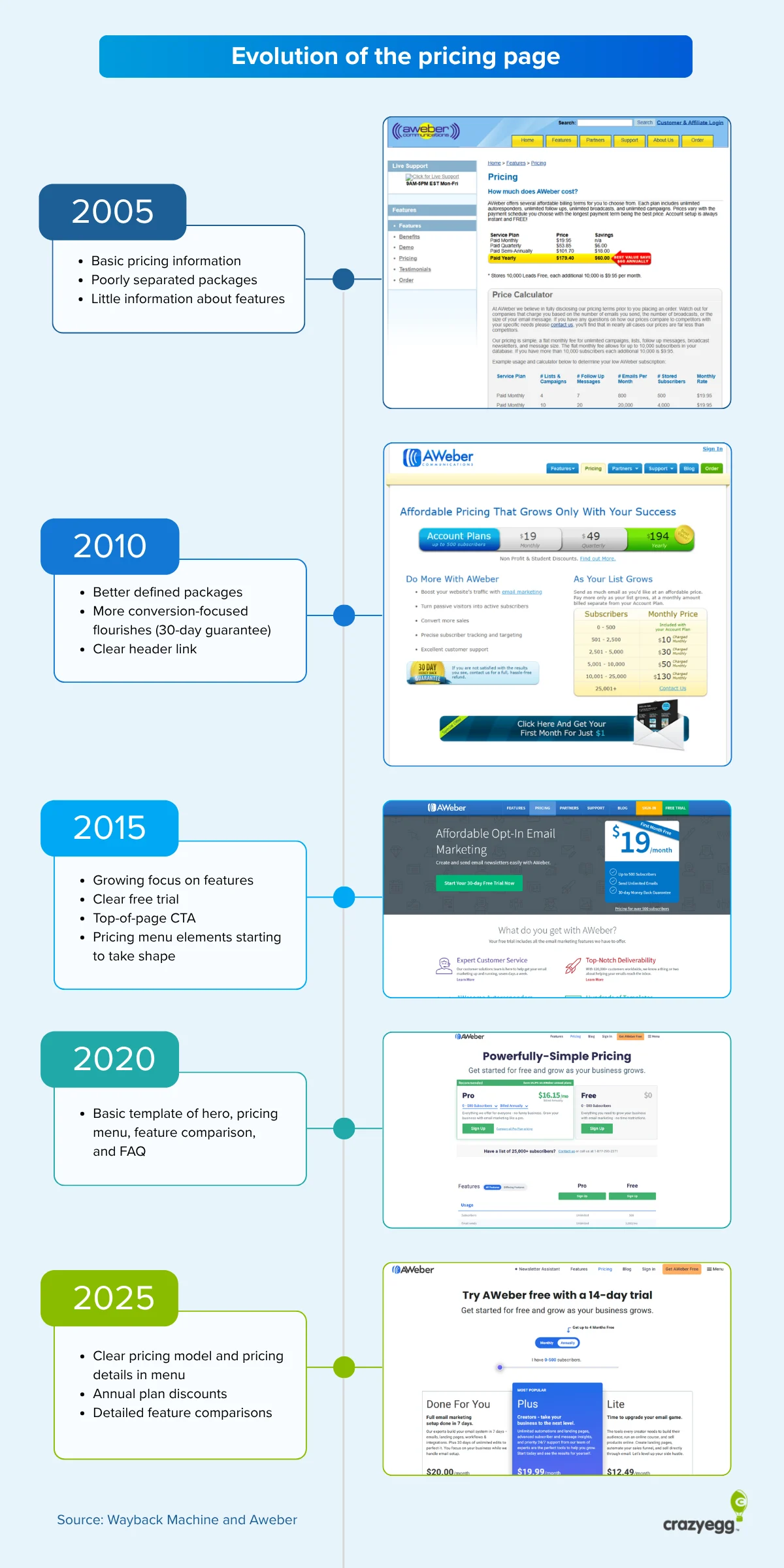
The Historical Shift Toward Transparency and Standardized Design
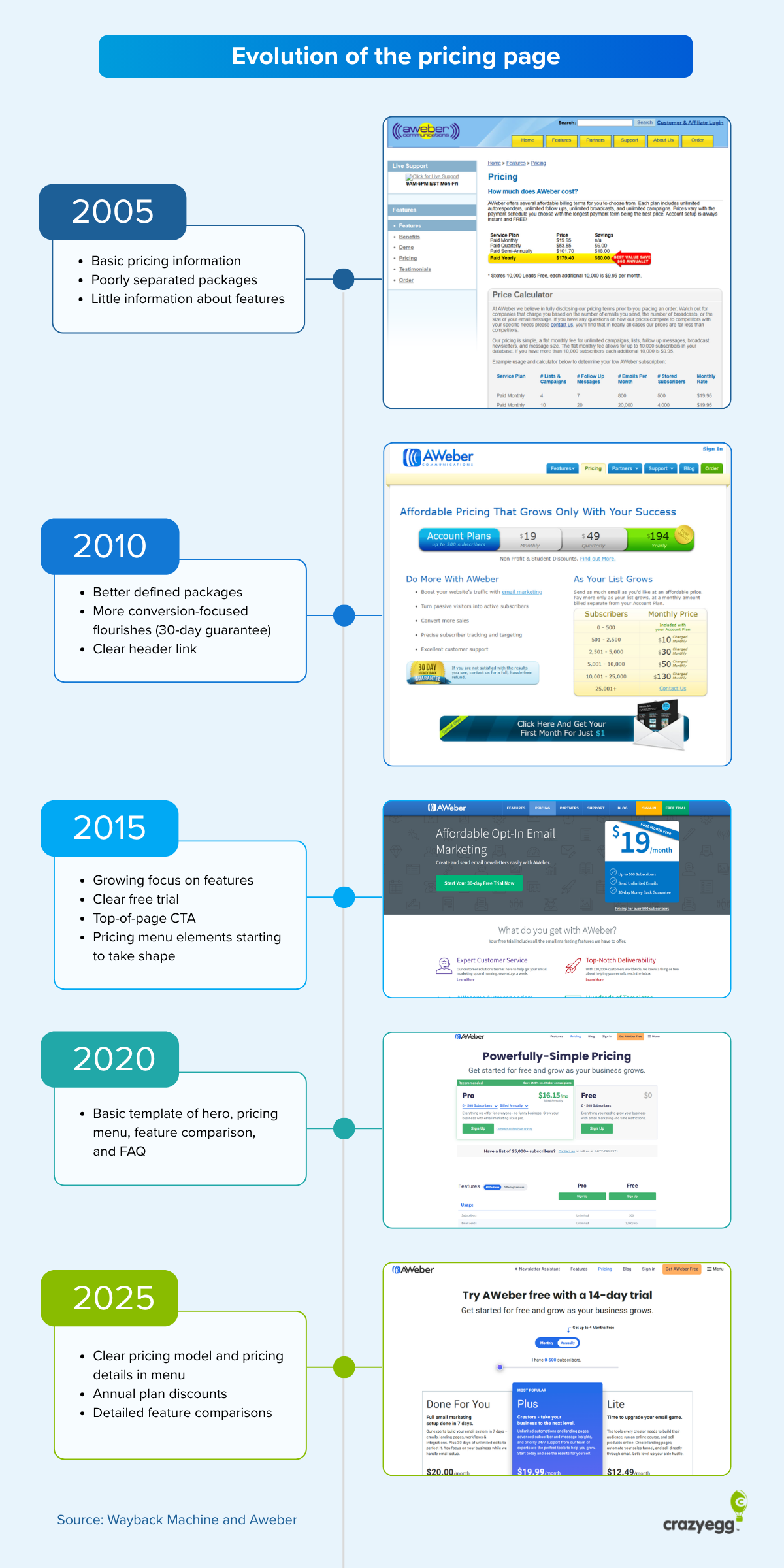
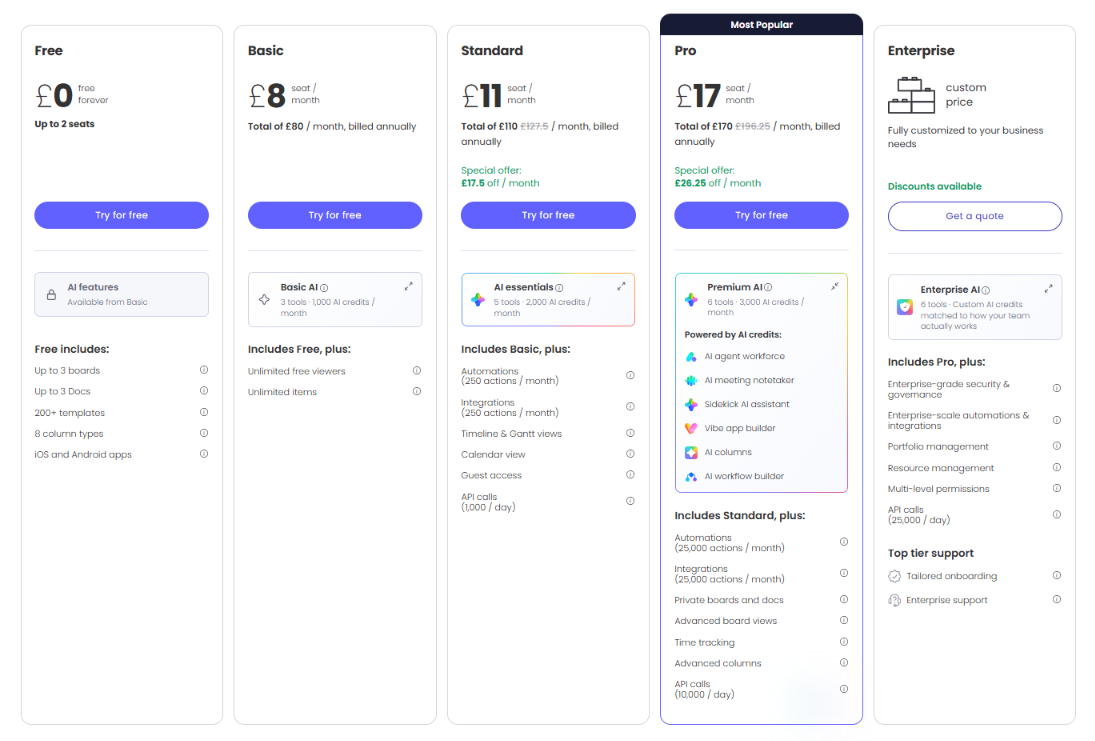
The current structure of the SaaS pricing page is the result of a two-decade evolution in digital commerce. In the early 2000s, many software providers obscured their pricing behind "Contact Sales" buttons, a strategy designed to force human interaction and maintain leverage in negotiations. However, as the industry shifted toward Product-Led Growth (PLG) and self-service models, transparency became the market standard. By 2015, the "three-tier" pricing matrix—featuring "Basic," "Pro," and "Enterprise" levels—became the dominant design language for the industry.
Serge Herkül, a veteran startup founder and pricing consultant, notes that this standardization is not a lack of creativity but a response to user psychology. Buyers have developed a mental model for how pricing should be presented. When companies deviate too far from this established framework, they risk increasing the cognitive load on the user, which often leads to abandonment. Herkül advocates for an "80/20 rule," suggesting that 80% of the page should follow industry-standard layouts to ensure familiarity, while only 20% should be reserved for brand-specific innovation. This approach prioritizes clarity over novelty, a philosophy supported by data showing that simple navigation changes, such as moving a "Pricing" link to the far right of a navbar, can double page views overnight.
The 20-Second Rule and the Psychology of Decision Making
Modern SaaS buyers operate in an "attention economy," where the time allotted for vendor evaluation is shrinking. Industry experts have codified the "20-second rule," a benchmark stating that a qualified visitor should be able to identify their appropriate plan within 20 seconds of landing on the page. If the distinction between a "Pro" plan and a "Business" plan remains ambiguous after this window, the page is considered a failure in user experience design.

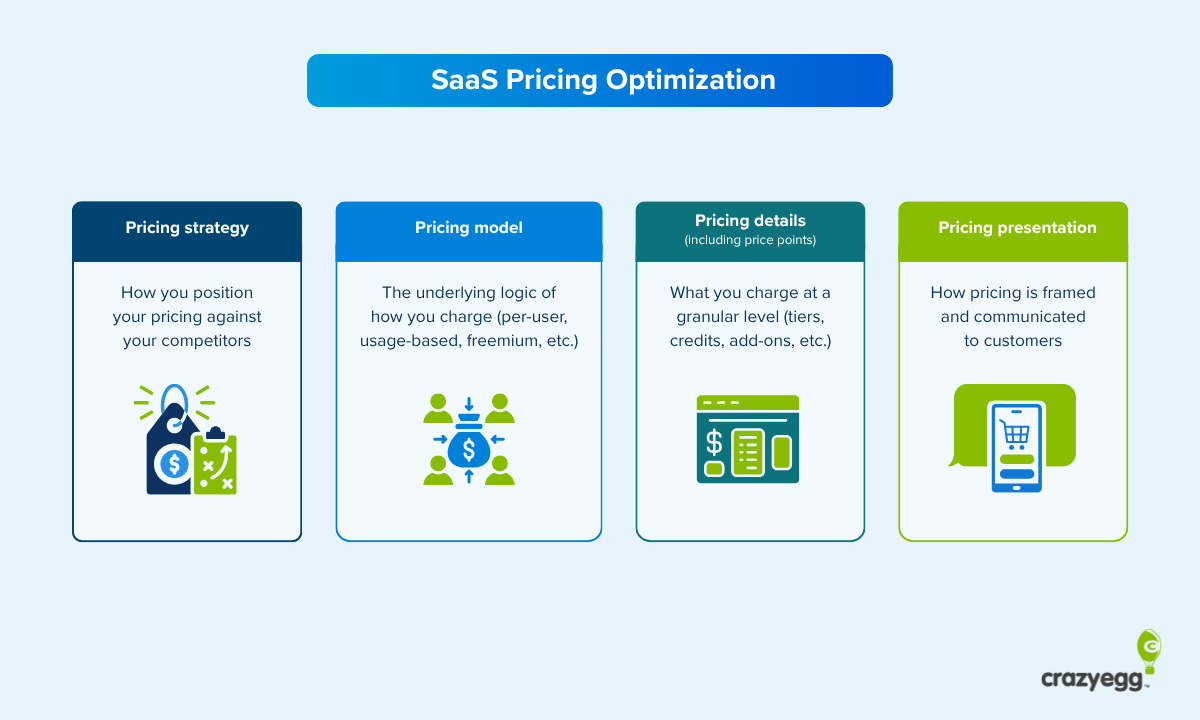
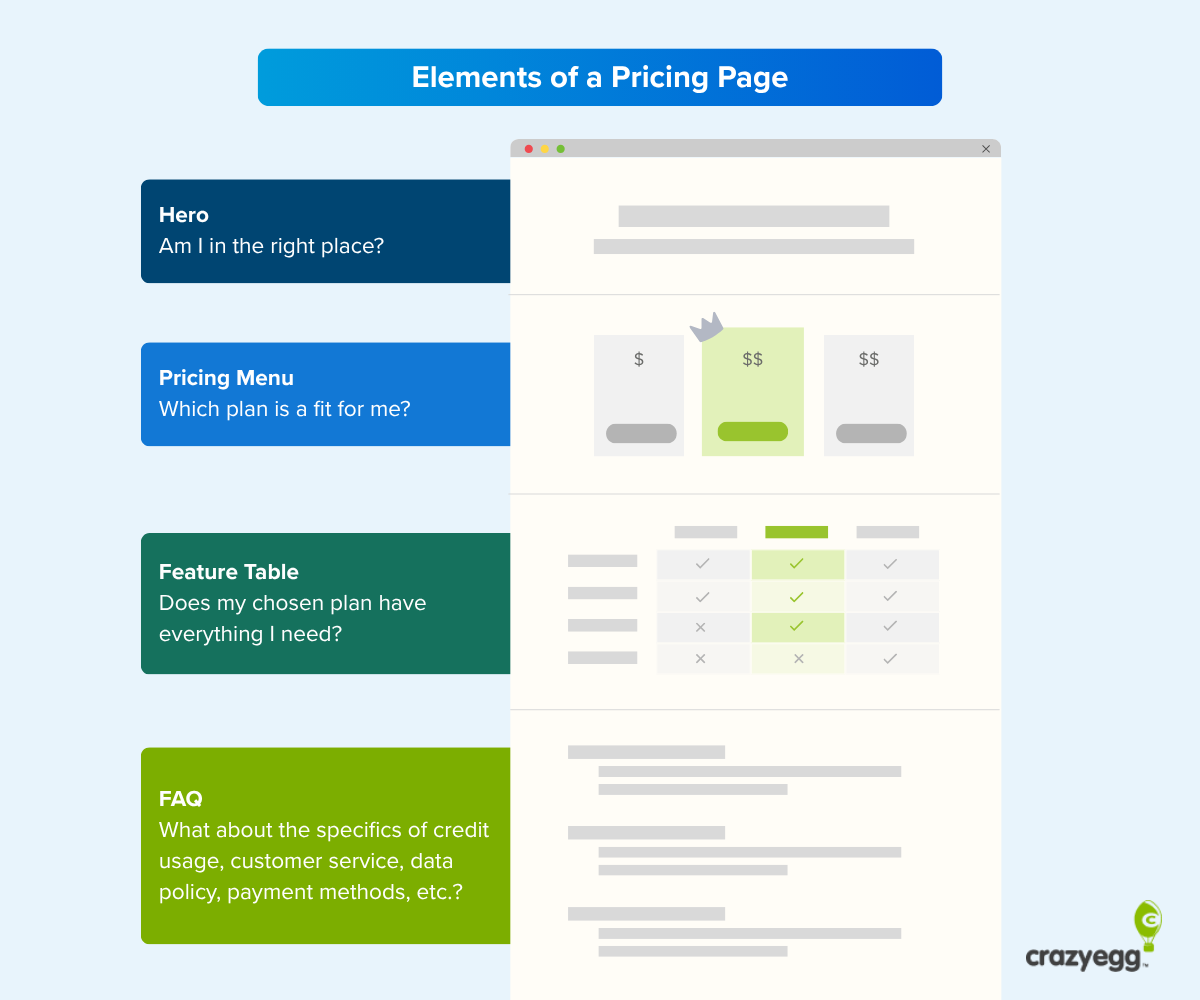
To achieve this speed of comprehension, experts suggest a four-part structural hierarchy:

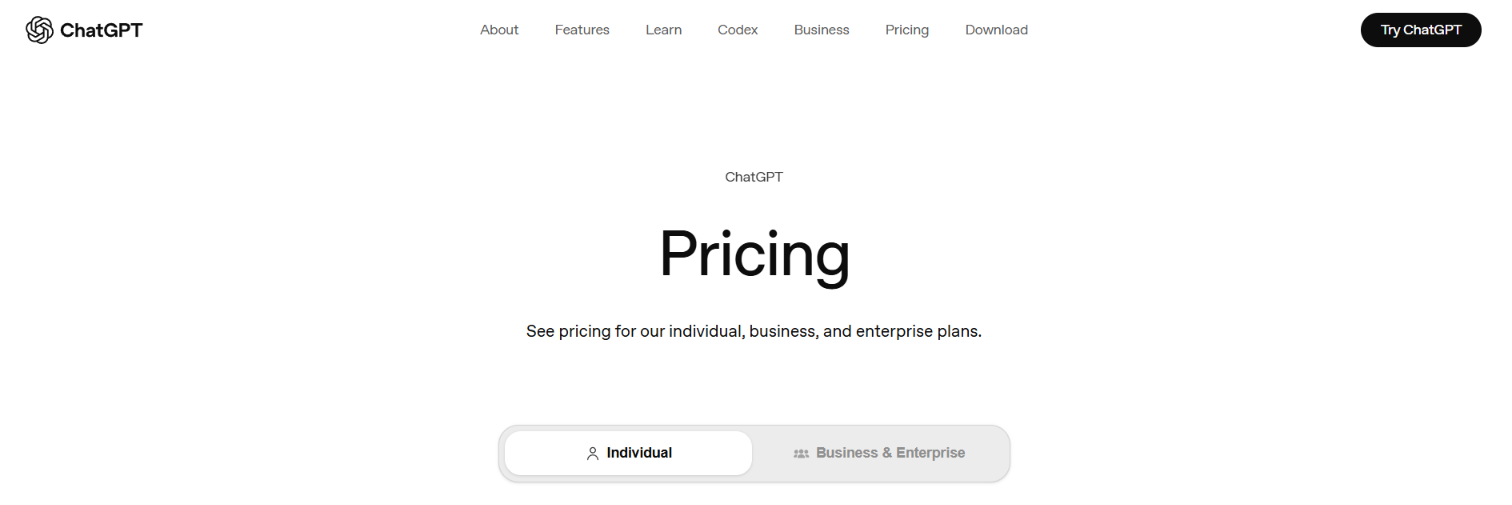
- The Hero Section: A clear H1 headline that confirms the visitor’s location. Experts argue that using the word "Pricing" is often more effective than elaborate marketing copy.
- The Pricing Menu: A layout that highlights the pricing model (e.g., per seat, per month) and identifies the target audience for each tier through descriptive subtitles.
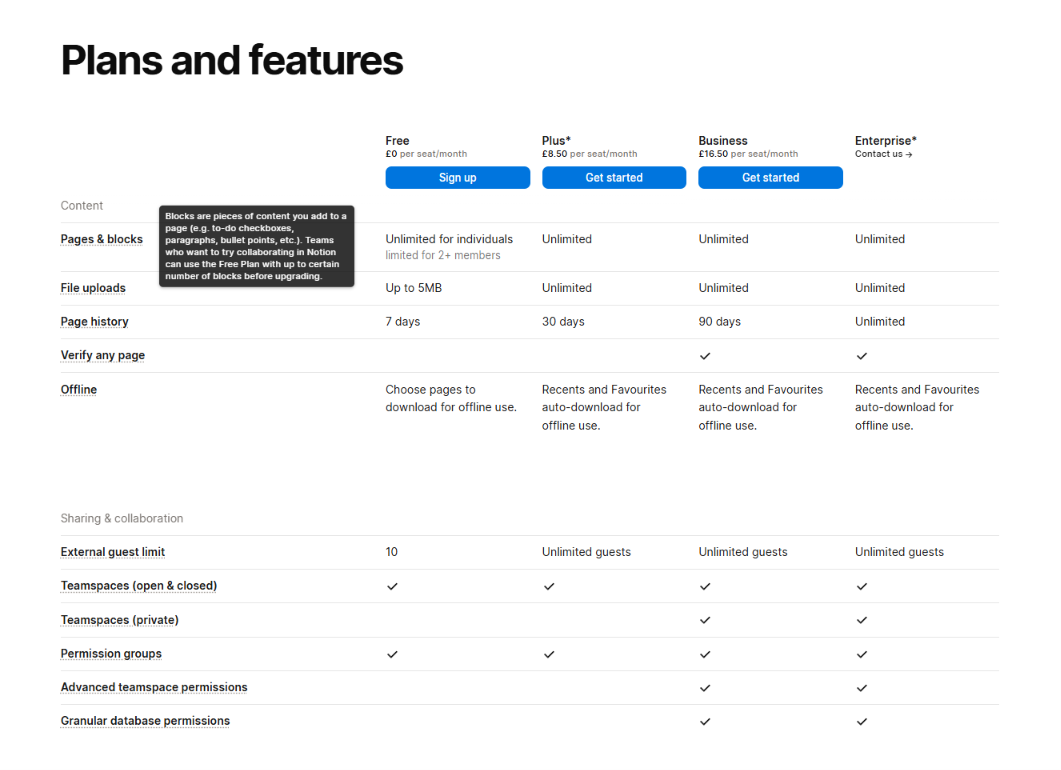
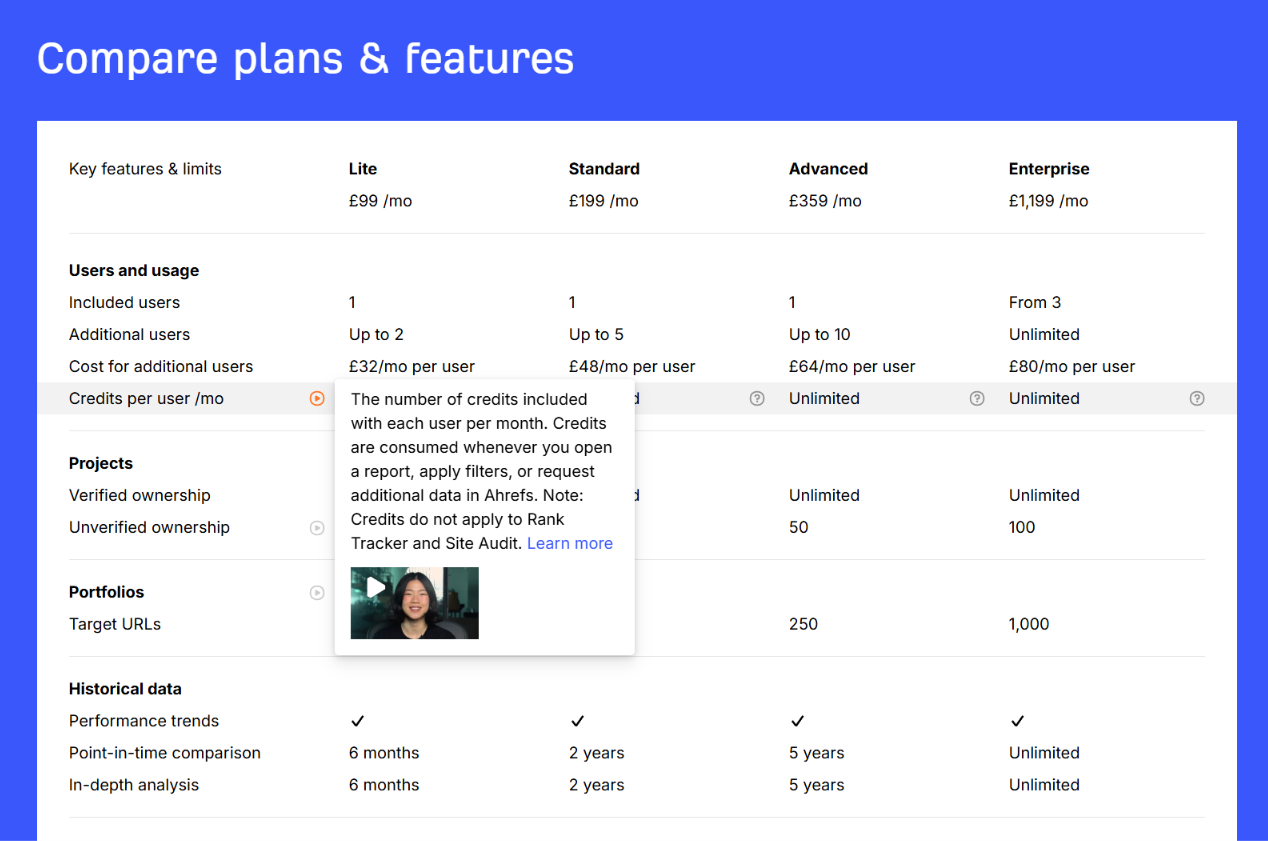
- The Feature Matrix: A comprehensive table using categories and tooltips to provide depth without cluttering the primary interface.
- The FAQ Section: A strategic area for objection handling, addressing common concerns regarding credit usage, refunds, and security.
Counterintuitive Findings in Conversion Rate Optimization
While traditional marketing wisdom suggests that adding social proof and competitive comparisons increases trust, recent large-scale A/B testing indicates a "subtraction paradox." Casey Hill, CMO of DoWhatWorks, a platform that tracks thousands of multivariate tests across the web, reports that many top-performing SaaS companies are actually removing elements from their pricing pages to boost conversions.

In one notable instance, Square, the financial services giant, found that removing a competitor comparison grid led to higher conversion rates. Similarly, Dropbox experimented with the removal of social proof logos and testimonials, discovering that for high-intent pages like pricing, these elements can act as distractions rather than trust-builders. The implication for SaaS operators is that the pricing page should be a "frictionless corridor" to the sign-up form, not a secondary pitch for the product’s general merits. The data suggests that by the time a user reaches the pricing page, they are already convinced of the product’s utility; they are now merely seeking the most efficient way to acquire it.
The Rise of AI Agents and the New "Machine Visitor"
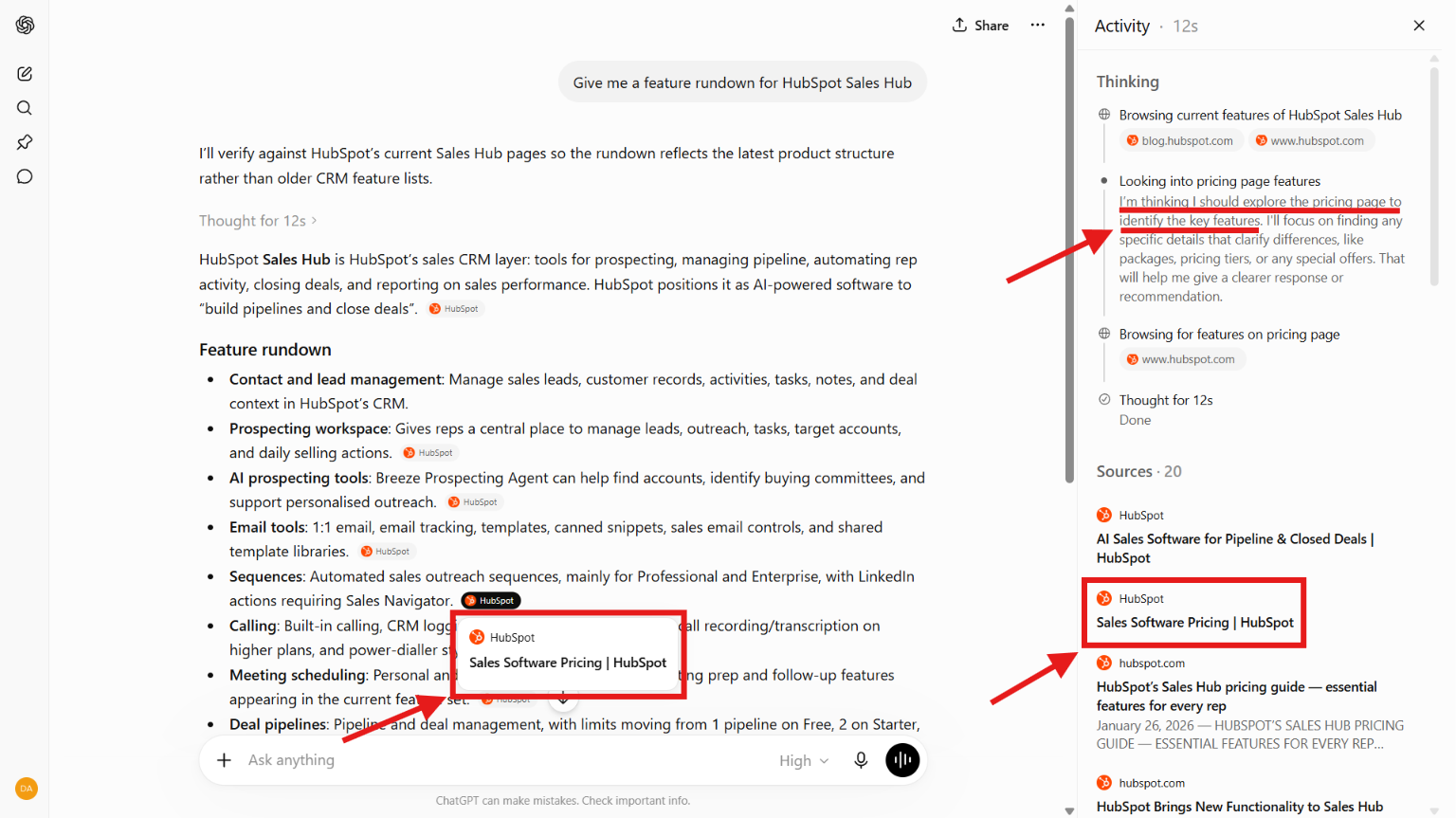
The most significant shift in the 2024-2025 period is the transition from human-centric design to "agent-friendly" architecture. As Large Language Models (LLMs) like GPT-4 and Claude 3.5 become central to the research process, the pricing page has taken on a new role as a primary source of truth for AI chatbots.
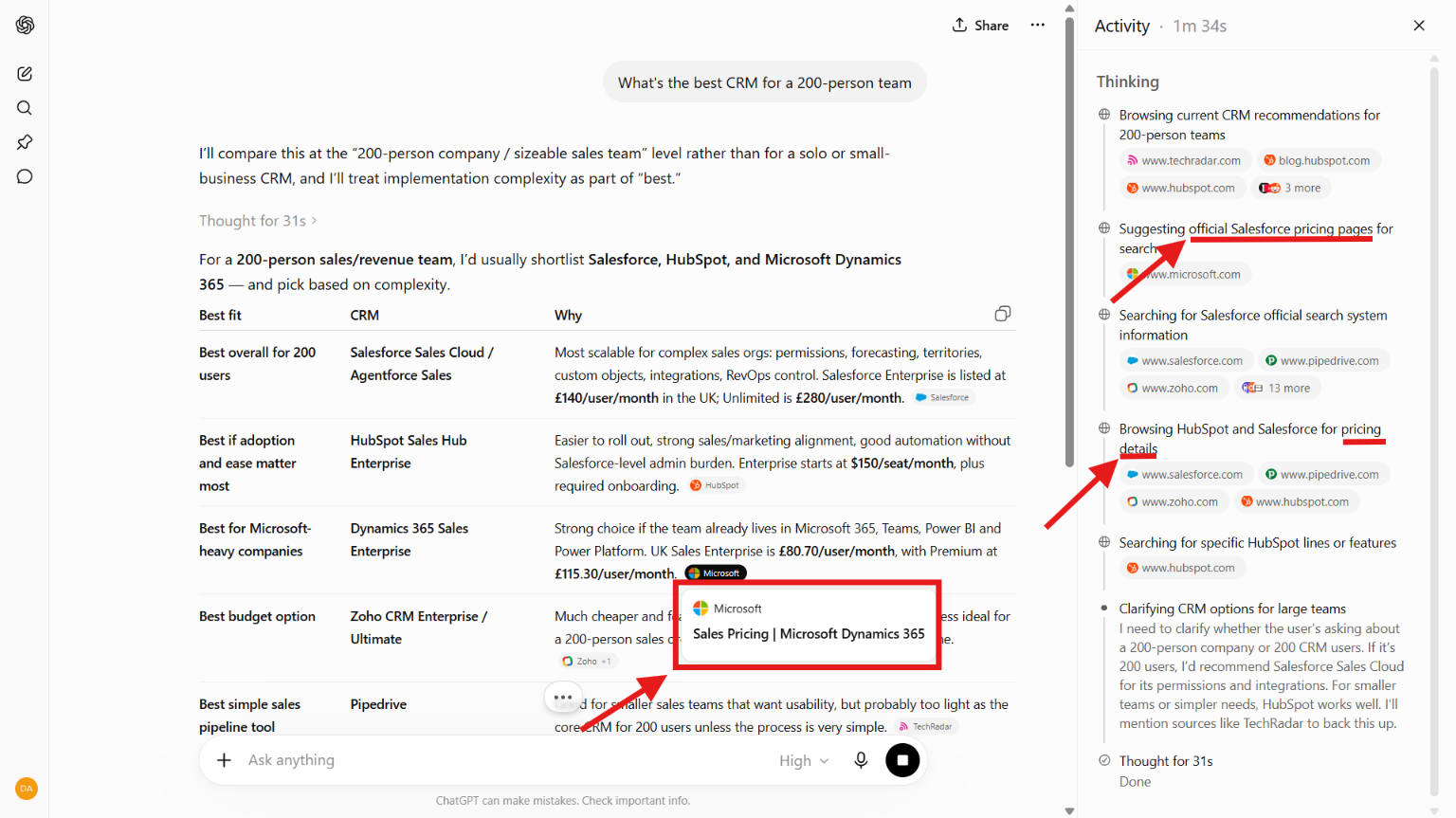
A study by Writesonic found that pricing pages represent 8.8% of GPT-5.5’s citations, despite making up a tiny fraction of a brand’s total content footprint. LLMs disproportionately favor pricing pages because they contain structured, factual data about features and costs—information that is essential for answering user prompts such as "What is the best CRM for a 200-person team?"
Krzysztof Szyszkiewicz, a partner at Valueships and former McKinsey analyst, emphasizes that companies must now optimize for "LLM-readability." This involves maintaining consistent nomenclature across the site and ensuring that pricing thresholds are clearly defined in the site’s code. "If your pricing is not readable by an AI agent, you are handing over the battleground to your competition," Szyszkiewicz warns. Recent Forrester data supports this, showing that 94% of B2B buyers now use AI at some point in their evaluation process.
Economic Implications and Market Gaps
Despite the clear revenue impact of an optimized pricing page, a significant portion of the market remains underserved. Recent research from Valueships indicates that 50% of B2B software companies still do not have a public-facing pricing page. This lack of transparency is increasingly viewed as a competitive disadvantage in an era where buyers prioritize speed and self-service.
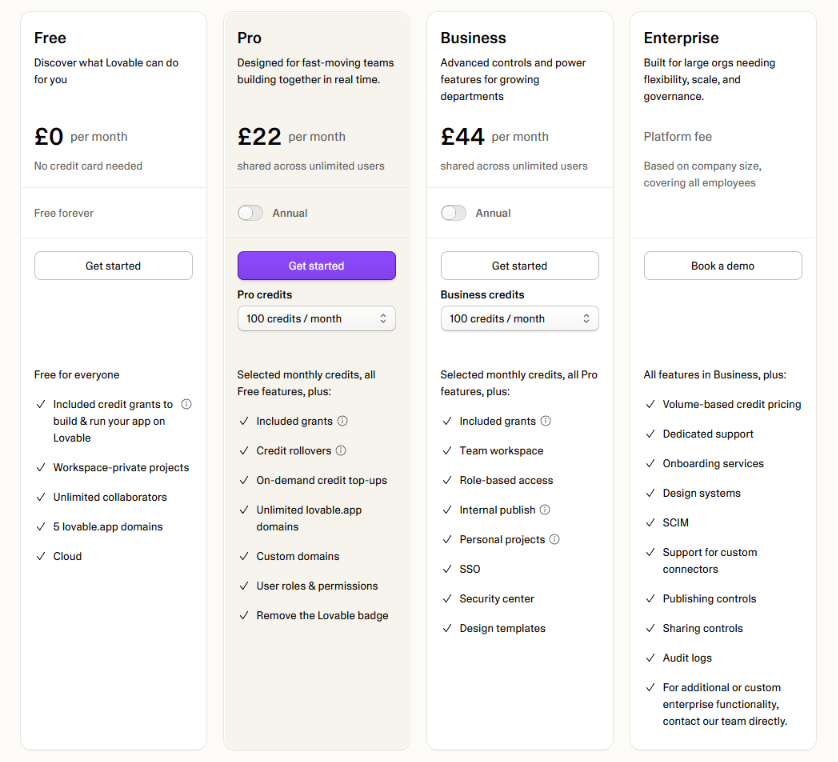
For companies that do have pricing pages, the focus is shifting toward "usage-based" and "dynamic" pricing models. These models require even more clarity on the pricing page to avoid "bill shock" and user frustration. The broader impact of this trend is a move toward "Value-for-Price" perception. TrustRadius reports that 66% of buying decisions are now based on this metric, making the pricing page the primary theatre where the value proposition is either validated or rejected.
Technical Framework for Agent-Ready Optimization
To remain competitive in the AI era, technical teams are being encouraged to adopt new protocols for website architecture. Google and other major tech entities have begun providing guidelines for "agent-friendly" sites, which include:
- Logical Header Hierarchies: Ensuring that H1, H2, and H3 tags follow a predictable data structure that machines can easily parse.
- Semantic HTML: Using tags like
<article>,<section>, and<aside>to provide context to autonomous systems. - Standardized Protocols: Monitoring the development of WebMCP (Model Context Protocol), a proposed standard for making websites more accessible to AI agents.
Conclusion: The Silent Salesperson of the Digital Era
The optimization of the SaaS pricing page has moved beyond simple A/B testing of button colors. It is now a sophisticated discipline that combines psychological research, data science, and technical SEO for AI agents. The consensus among experts like Herkül, Hill, and Szyszkiewicz is that the pricing page is the "silent salesperson" of the organization.
By adhering to the 80/20 rule of design, prioritizing the 20-second rule for human comprehension, and ensuring technical accessibility for AI agents, SaaS companies can significantly improve their conversion rates and market positioning. As the industry moves toward more complex, usage-based models, the ability to communicate value clearly and concisely on a single page will remain the defining factor between market leaders and those who struggle to convert their traffic into sustainable revenue. The data is clear: the pricing page is no longer just a list of costs; it is a vital engine of growth in the modern digital economy.







