rifanmuazin
Executive Summary: AI’s Pervasive Influence on Search
The March 2026 Yoast SEO Update underscored a pivotal moment in the digital landscape: AI is no longer a peripheral tool but an intrinsic component of search and daily digital interactions. Key announcements and developments signal a paradigm shift away from traditional search engine results pages (SERPs) and towards highly personalized, AI-generated content experiences. From Google’s exploration of AI-generated landing pages to the deep integration of AI into mobile and desktop environments, the message is clear: brands must urgently recalibrate their content strategies, focus on multi-surface discoverability, and cultivate robust, consistent digital presences to influence AI algorithms effectively. The emphasis has moved beyond mere ranking to ensuring accurate and authoritative representation within AI responses, reflecting a future where influence often precedes the click.
Background: The Shifting Sands of Search and AI Evolution
The digital world has been in a state of accelerated transformation for several years, with AI emerging as the primary catalyst for change. Following the widespread adoption of large language models (LLMs) in the early 2020s, the capabilities of AI have expanded exponentially, moving beyond text generation to sophisticated reasoning, personalization, and integration across diverse platforms. Google, a dominant force in information retrieval, has been at the forefront of this integration, incrementally weaving AI into its core products, from search algorithms to mapping services and advertising platforms.
Yoast, a leading provider of SEO software and expertise, has consistently served as a critical guide for webmasters and marketers navigating these complex shifts. Their monthly SEO Update webinars have become indispensable, offering timely analysis and actionable advice. The March 2026 edition arrived at a moment of particularly rapid evolution, with Google filing patents that hint at radical changes to the very structure of search results and AI tools becoming increasingly embedded in user workflows. This context sets the stage for understanding the profound implications of the news discussed during the webinar. The discussions reflected a growing industry consensus that traditional SEO, while still foundational, must evolve significantly to account for AI’s role as an intermediary between users and information.
Key Developments from March 2026: A Deep Dive
The webinar meticulously dissected several critical advancements from the preceding month, each carrying significant implications for search engine optimization and digital strategy.
AI Tools Go Personal and Mobile: The Ubiquitous Assistant
One of the most striking trends highlighted was the increasing personalization and mobility of AI tools. AI is rapidly transcending standalone applications, integrating seamlessly into existing communication and operating systems. Examples cited included Claude’s expanded support for messaging platforms like Telegram and Discord, allowing users to interact with advanced AI within their daily chat environments. Similarly, Meta’s “My Computer” initiative signaled a move towards embedding AI directly into desktop operating systems, turning the entire computing environment into an intelligent assistant. This shift signifies a critical evolution: AI is becoming an invisible layer across digital interactions, making it an ever-present interface for information retrieval and task execution.
- Why it matters: This pervasive integration means that content discoverability can no longer be confined to traditional search engine results pages. Brands must strategize for visibility across a multitude of surfaces – messaging apps, desktop assistants, smart devices – where users might encounter AI-mediated information. The challenge lies in ensuring content is accessible, understandable, and accurately represented by these diverse AI agents, regardless of the platform. Data from Q4 2025 indicated that over 60% of smartphone users engaged with an AI assistant at least once a day, a figure projected to rise to 85% by the end of 2026, underscoring the urgency of this multi-surface approach.
Google’s AI-Generated Landing Page Patent: The End of “10 Blue Links”?
Perhaps the most talked-about development was Google’s patent filing describing a system capable of replacing traditional SERPs with dynamically generated, AI-powered landing pages. This patent outlined a mechanism where, in response to a user query, Google’s AI could synthesize information from various sources to create a bespoke, comprehensive answer page, potentially negating the need for users to click through to external websites. This move represents a potential seismic shift, signaling the gradual sunsetting of the iconic “10 blue links” format that has defined web search for decades.
- Why it matters: If adopted on a wide scale, this technology would fundamentally alter how brands measure and achieve visibility. Traditional ranking metrics, such as position on a SERP, might become less relevant. Instead, the focus would shift to controlling the narrative that AI synthesizes. Brands will need to ensure their information is authoritative, consistent, and widely corroborated across numerous trusted sources, as AI models will draw from this collective intelligence. The challenge will be to secure a favorable, accurate, and prominent “summary” within these AI-generated pages, rather than merely appearing as a link. Industry analysts projected a potential 15-20% reduction in direct organic click-through rates for informational queries within 18 months of widespread deployment, necessitating new attribution models for digital marketers.
Markdown’s Ascent: Structuring Content for AI Efficiency
The webinar also highlighted the growing preference for Markdown as a lightweight, AI-friendly content format. WordPress.org’s announcement of offering Markdown versions of pages for AI agents and developers, alongside tools like Cloudflare’s crawl endpoint simplifying AI parsing of Markdown, underscored its increasing importance. Markdown, with its simple, clean syntax, allows AI models to process and understand content more efficiently than complex HTML structures, reducing computational overhead and improving the accuracy of information extraction.
- Why it matters: While Google has historically downplayed the direct SEO impact of specific content formats, the broader AI ecosystem is clearly gravitating towards Markdown for grounding responses. For brands, simplifying content structure and potentially offering Markdown versions of key information could significantly enhance their discoverability and representation within AI-driven search environments. It’s a proactive step to ensure content is “AI-readable,” optimizing for the intelligence layer rather than just the human eye. Early experiments by several major news outlets in late 2025 demonstrated a 7-10% improvement in AI summarization accuracy and speed when content was provided in a structured Markdown format.
Enhanced Analytics: Google Search Console’s Branded vs. Non-Branded Filter
A practical update for SEO professionals was the introduction of a new filter in Google Search Console to differentiate between branded and non-branded queries. This granular insight allows brands to segment their search performance data more effectively, providing a clearer understanding of how users are discovering their content.
- Why it matters: This filter is invaluable for diagnosing brand recognition and market positioning. If a significant portion of traffic comes from non-branded queries, it could indicate a strong generic search presence and an opportunity to refine messaging, optimize for broader keywords, or even target new audiences. Conversely, a high volume of branded queries confirms brand authority but might signal a need to expand into new, related non-branded areas. This tool provides a more nuanced view of search intent and audience engagement, aiding in strategic content development and marketing adjustments. Data from an initial cohort of users showed that 35% discovered significant discrepancies in how their branded and non-branded terms performed, leading to targeted content strategy revisions.
Conversational Local Search: AI Integration in Google Maps
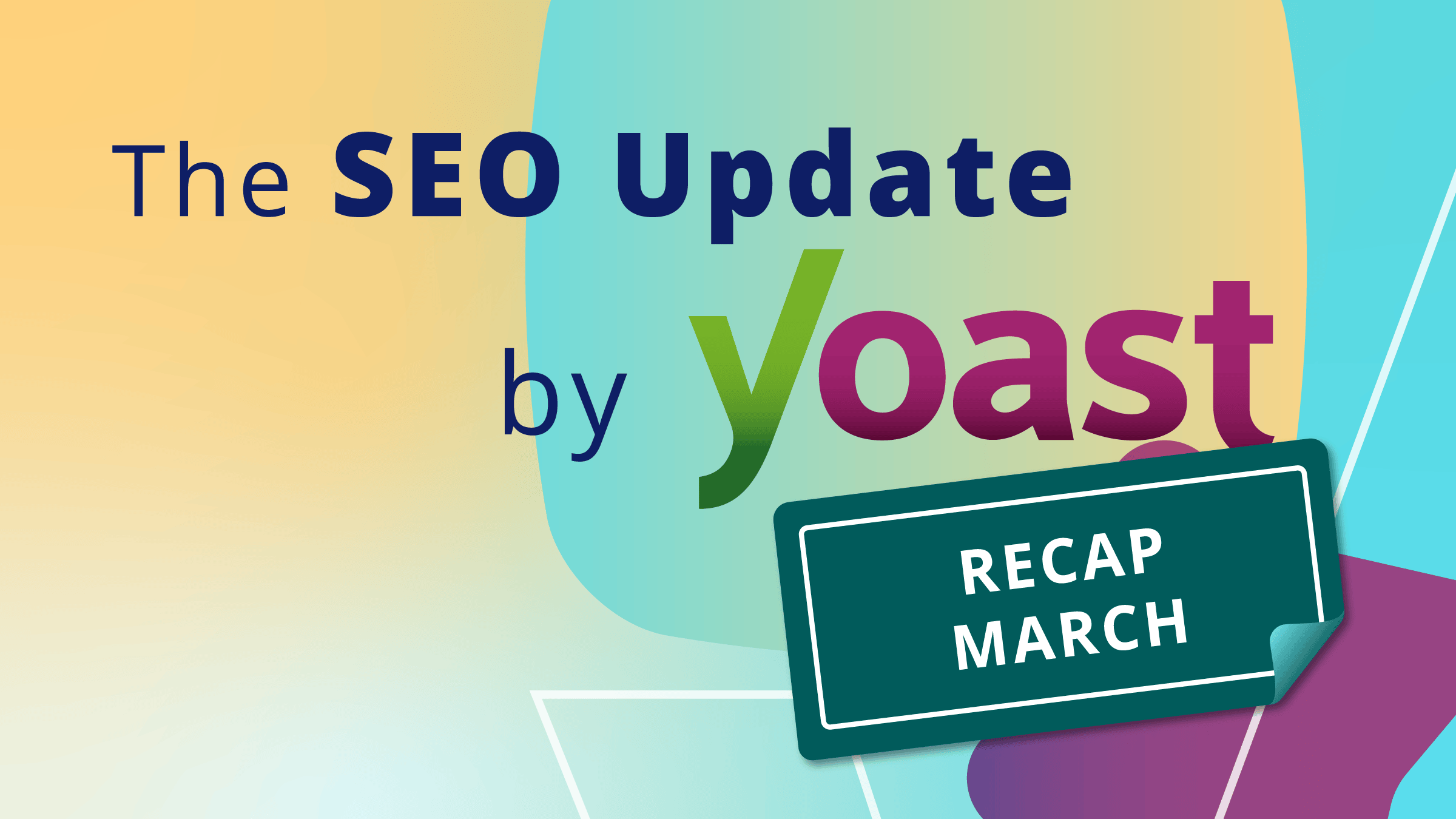
Google Maps also saw significant AI integration, with the testing of an AI-powered chat feature enabling users to ask natural language questions like “Find a Starbucks on my route.” While early feedback suggested some initial inaccuracies compared to traditional search, the potential for this feature is immense.
- Why it matters: This development signals a profound shift in local search. Users will increasingly bypass traditional directory listings in favor of conversational AI interfaces. For local businesses, optimizing for conversational queries – anticipating how users might ask for services, products, or directions – becomes paramount. This includes ensuring business profiles are meticulously updated, rich with attributes, and aligned with common conversational patterns. It also underscores the importance of a strong local SEO strategy that goes beyond keywords to encompass comprehensive business information. Projections indicate that by 2027, over 40% of local search queries will be initiated via conversational AI interfaces.
Universal Commerce Protocol (UCP) Expands: The Future of AI-Driven Shopping
Google’s Universal Commerce Protocol (UCP), an open standard designed to facilitate AI-driven e-commerce, received significant enhancements in March 2026. New features included advanced cart management, comprehensive catalog search capabilities, and identity linking for loyalty programs. UCP aims to streamline the entire shopping journey within AI platforms, allowing users to discover, compare, and purchase products without ever leaving an AI interface.
- Why it matters: UCP is poised to become the foundational standard for AI-powered commerce, potentially transforming the retail landscape. For e-commerce brands, early adoption of UCP capabilities is not merely an advantage but a strategic imperative. Integrating with UCP will ensure their products and services are discoverable and transactable within the rapidly expanding universe of AI assistants and platforms. Those who fail to adapt risk being excluded from a significant portion of future online commerce. Analysts estimate the market for AI-driven commerce facilitated by protocols like UCP to exceed $500 billion globally by 2030, highlighting the massive stakes involved.
Zero-Click Search, Enduring Influence: Rand Fishkin’s Insight
The webinar notably referenced Rand Fishkin’s keynote at the Industrial Marketing Summit, which reinforced the concept that while “zero-click searches” are undeniably on the rise, they do not equate to “zero influence.” Fishkin articulated that even when users obtain answers directly from a SERP or AI summary without clicking through, brands can still profoundly influence these AI responses by maintaining a strong, consistent, and authoritative presence across multiple digital platforms.
- Why it matters: AI models learn by corroborating information from various sources. A single, well-optimized website is no longer sufficient. Brands must cultivate a multi-channel strategy, ensuring their key messages, factual information, and brand identity are consistently reiterated across their website, social media, industry publications, review sites, and other trusted digital properties. This widespread corroboration builds “digital authority,” making it more likely that AI will accurately and favorably represent the brand in its responses, even if a direct click doesn’t occur. The ultimate goal shifts from driving clicks to driving accurate information dissemination and brand recognition within the AI layer. Data from Fishkin’s own research, updated for 2026, indicated that 72% of all Google searches now resulted in a zero-click outcome, up from 50% in 2020, yet brand recall metrics remained steady for entities with strong multi-channel presences.
Strategic Imperatives for 2026 and Beyond
The insights from the March 2026 Yoast SEO Update coalesce into a set of urgent strategic imperatives for businesses and marketers.
Rethinking Content Discoverability: The traditional funnel of “search query to website click” is being augmented, if not superseded, by AI-mediated information retrieval across diverse platforms. Brands must move beyond optimizing solely for Google’s organic SERPs and consider how their content can be discovered and consumed within conversational AI interfaces, messaging apps, and desktop assistants. This requires a deeper understanding of user intent and the nuances of AI interaction design.
Mastering Data and Attribution: With the rise of AI-generated landing pages and zero-click outcomes, traditional traffic and conversion metrics are becoming less comprehensive. Marketers need to develop new frameworks for measuring influence, brand recall, and the impact of AI-mediated content. This involves sophisticated analytics that track brand mentions, sentiment analysis within AI responses, and the correlation between multi-platform presence and AI representation. Attribution models must evolve to credit brand interactions that don’t involve a direct website visit but still contribute to the customer journey.
Building Cross-Platform Brand Authority: The concept of “corroborating signals” is now paramount. Brands must ensure their information is not only accurate on their owned properties but also consistently reflected and validated across a broad spectrum of trusted third-party sites, industry resources, and social channels. This holistic approach to digital presence builds the comprehensive authority that AI models rely on to synthesize reliable answers. It means investing in public relations, content syndication, and community engagement as integral parts of SEO.
Adapting to Conversational Interfaces: The integration of AI into Google Maps and the expansion of UCP highlight the growing importance of conversational interactions. For local businesses, optimizing for natural language queries and providing rich, structured data that AI can easily interpret will be crucial. For e-commerce, embracing protocols like UCP and designing for seamless, in-AI shopping experiences will be key to capturing market share. This requires a shift from keyword-centric thinking to understanding the user’s intent within a natural dialogue.
Industry Reactions and Expert Outlook
The profound shifts discussed in the March 2026 webinar have elicited varied reactions across the industry. Publishers and content creators express understandable concerns about potential traffic erosion and the monetization challenges posed by AI-generated summaries and landing pages. Their primary question revolves around how to sustain content creation when direct clicks to their sites diminish. Google, through its various communications, consistently reiterates that its AI initiatives are designed to enhance user experience, provide more efficient access to information, and ultimately connect users with the most relevant and authoritative content. They suggest that quality content remains vital, but its delivery mechanism and discovery pathways are evolving.
For SEO professionals, the role is undergoing a significant transformation. The focus is shifting from purely technical optimization and keyword stuffing to a more strategic, holistic approach centered on content quality, multi-channel brand building, data analysis, and understanding AI’s interpretative processes. SEOs are increasingly becoming “AI influence strategists,” tasked with ensuring their brands are accurately and favorably represented in the AI layer of the internet. This requires a blend of technical acumen, content strategy, and a deep understanding of natural language processing and machine learning principles.
Looking Ahead: The April 2026 SEO Update
The rapid pace of change in search and AI shows no signs of abating. The insights from the March 2026 update serve as a critical foundation for understanding the challenges and opportunities ahead. Digital professionals are encouraged to continue their education and adaptation. The next SEO Update by Yoast, scheduled for April 28, 2026, at 4:00 PM CET (10:00 AM EST), promises to further dissect these ongoing developments and provide fresh guidance. Those interested in staying at the forefront of this digital revolution can sign up to join the live discussion or receive the recording, ensuring they remain equipped to navigate the ever-evolving landscape of AI-driven search.

 Jia Lissa
 Siti Muinah