
 rifanmuazin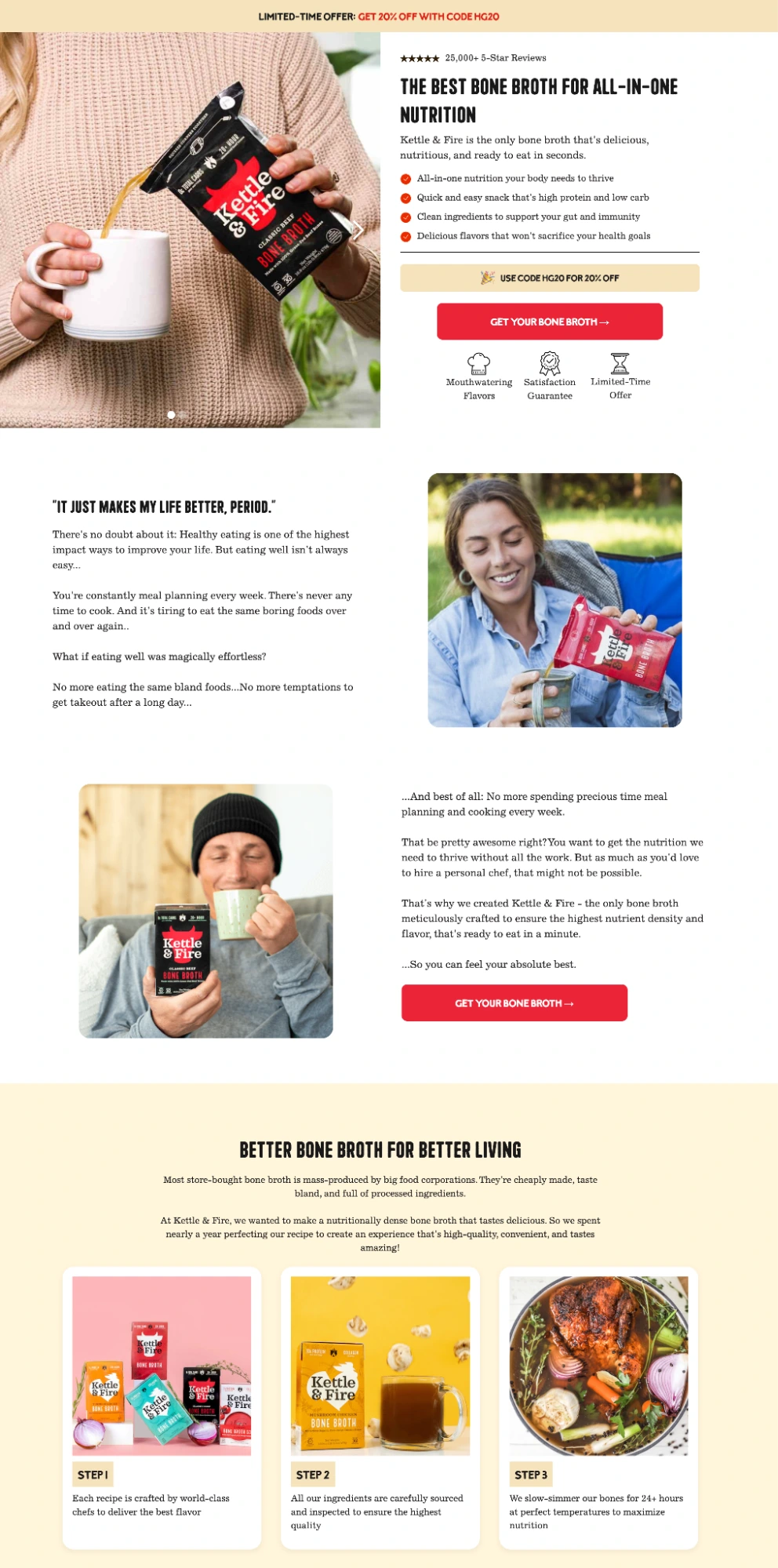
The digital marketing landscape is currently defined by a paradox where companies spend billions of dollars on sophisticated ad targeting and creative development, only to lose the majority of that investment at the final stage of the customer journey. Industry data suggests that while global digital ad spend has surpassed $600 billion annually, the average e-commerce conversion rate remains stagnant between 2% and 3%. This discrepancy highlights a critical "leak" in the marketing funnel: the transition from a paid advertisement to a destination page. Most marketing teams continue to direct high-intent traffic to generic product pages that were designed for browsing rather than conversion, creating a disconnect that evaporates potential revenue.
To address this inefficiency, enterprise marketing teams are increasingly shifting toward the use of dedicated product landing pages. Unlike a standard product detail page (PDP) found within a website’s navigation, a product landing page is a standalone asset built for a specific campaign with a singular goal. By adhering to a 1:1 conversion ratio—one page, one goal, one call to action (CTA)—these pages eliminate the distractions that typically lead to high bounce rates and abandoned sessions.
The Architectural Divergence: Product Pages vs. Landing Pages
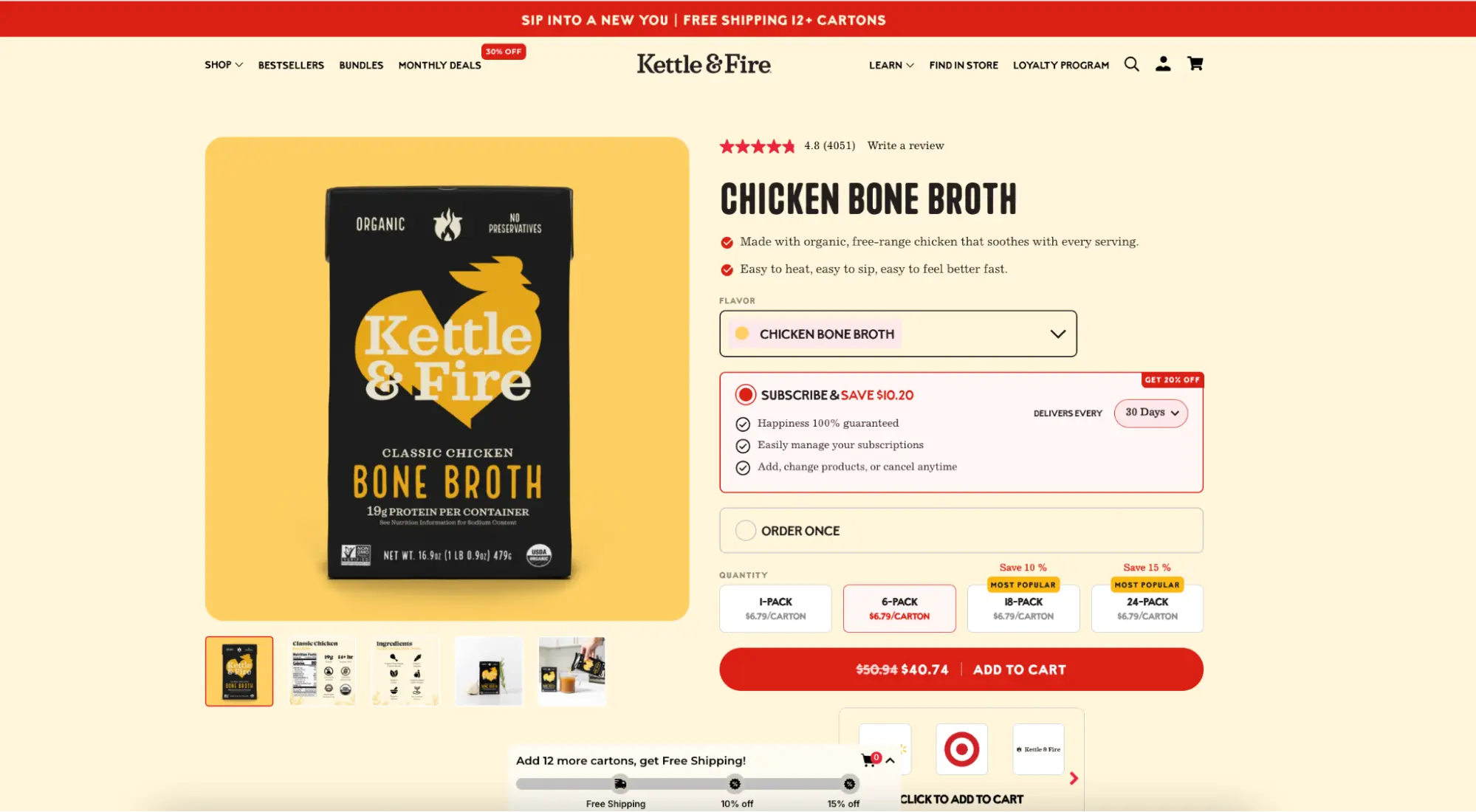
The distinction between a standard product page and a specialized landing page is fundamental to modern conversion rate optimization (CRO). A standard product page, such as those utilized by the bone broth brand Kettle & Fire, serves as a permanent site asset. It is designed to inform and assist browsing visitors, featuring full site navigation, links to dozens of product variants, "related products" sections, and extensive footers with social media links. While visually appealing, these elements provide more than 30 different "exit points" where a visitor can leave without making a purchase.

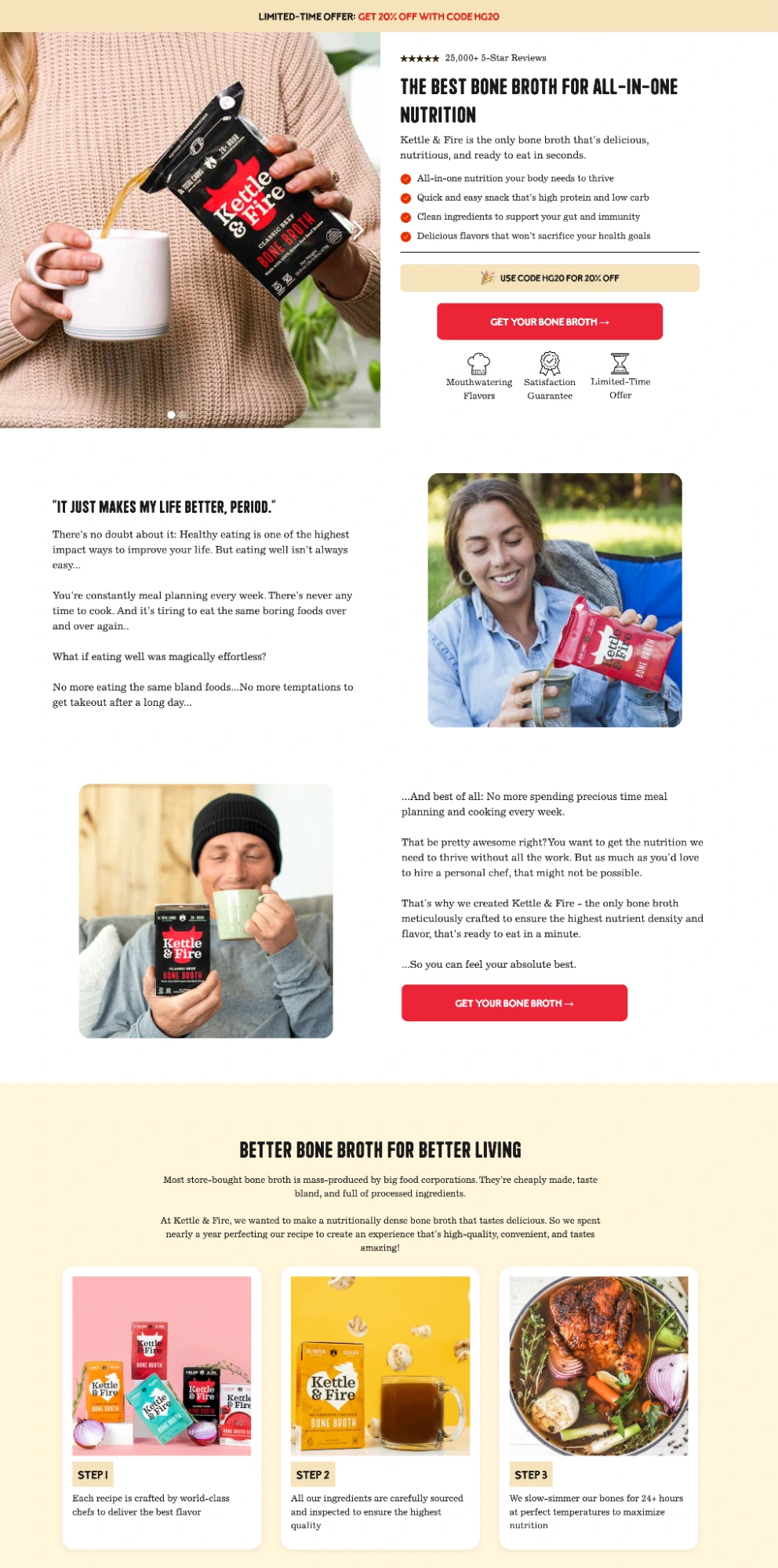
In contrast, a product landing page functions as a controlled environment. When Kettle & Fire runs a specific Facebook ad campaign, they direct traffic to a subdomain-hosted landing page that removes all global navigation and external links. Every element on this page—from expert quotes by health figures to limited-time discount codes—is engineered to move the visitor toward a single checkout action. This methodology ensures that the "message match" between the ad and the page remains intact, a factor that Google and other ad platforms use to determine Quality Scores and ad placement costs.

The Chronology of Landing Page Development and the "Post-Click" Era
The evolution of the landing page can be traced through three distinct phases of digital commerce:
- The Homepage Era (1995–2005): Early digital marketing directed all traffic to the corporate homepage, forcing users to search for the specific offer they saw in an ad.
- The Product Detail Page (PDP) Era (2005–2015): As e-commerce matured, marketers began linking ads directly to product pages. While an improvement, these pages remained cluttered with site-wide navigation and unrelated distractions.
- The Post-Click Automation Era (2015–Present): Led by platforms like Instapage, this era focuses on hyper-personalization. Marketers now create unique landing pages for specific ad groups, audiences, and even individual influencers to ensure total alignment between the user’s intent and the page’s content.
This chronological shift reflects a deeper understanding of consumer psychology. Modern users have shorter attention spans and higher expectations for relevance. If a page does not immediately mirror the promise made in the advertisement, the cognitive friction results in an immediate exit.
Core Design Principles Driving Modern Conversions
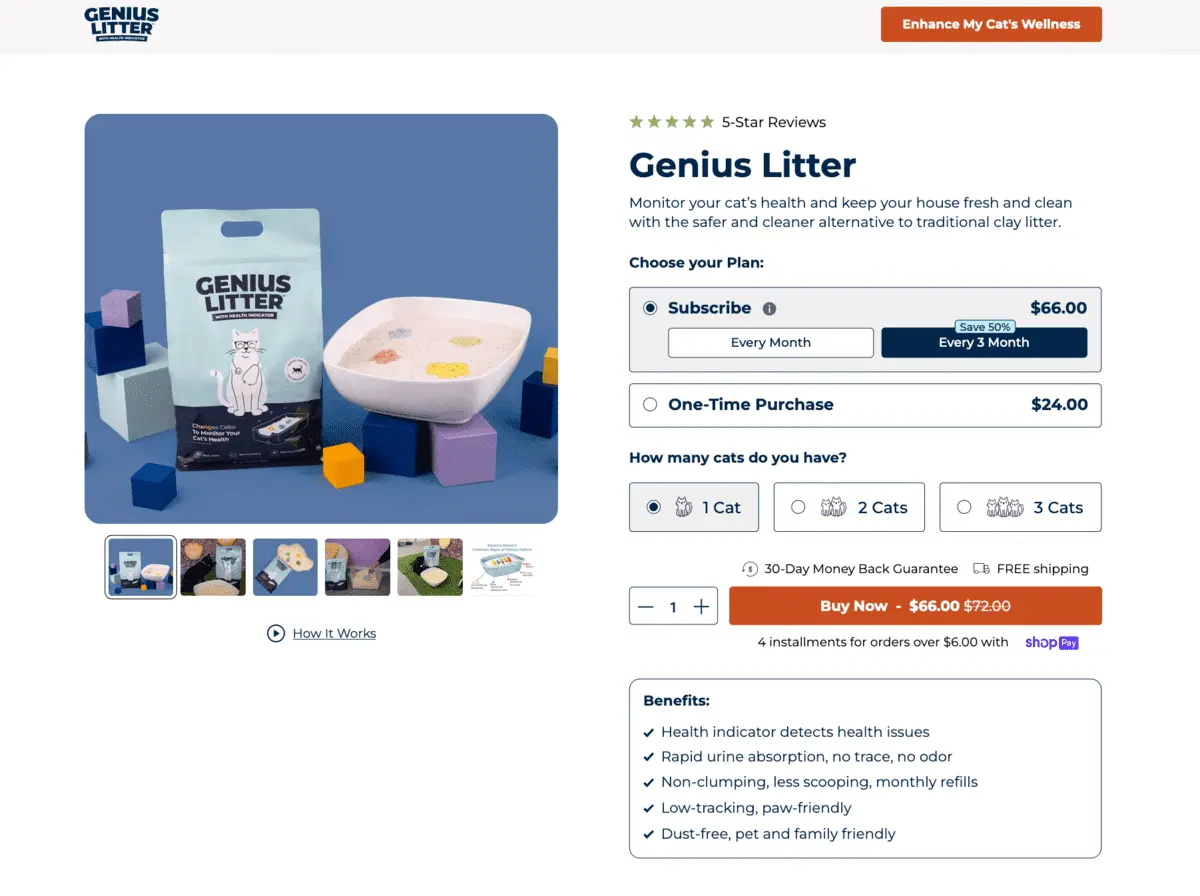
Research-backed design principles have replaced subjective aesthetics in the development of high-performing landing pages. According to eye-tracking research from the Nielsen Norman Group, the content "above the fold"—the area visible without scrolling—receives 80% of a visitor’s attention. Consequently, the most effective product landing pages place the headline, primary benefit, and CTA within this immediate view.
The Impact of Page Speed and Technical Performance
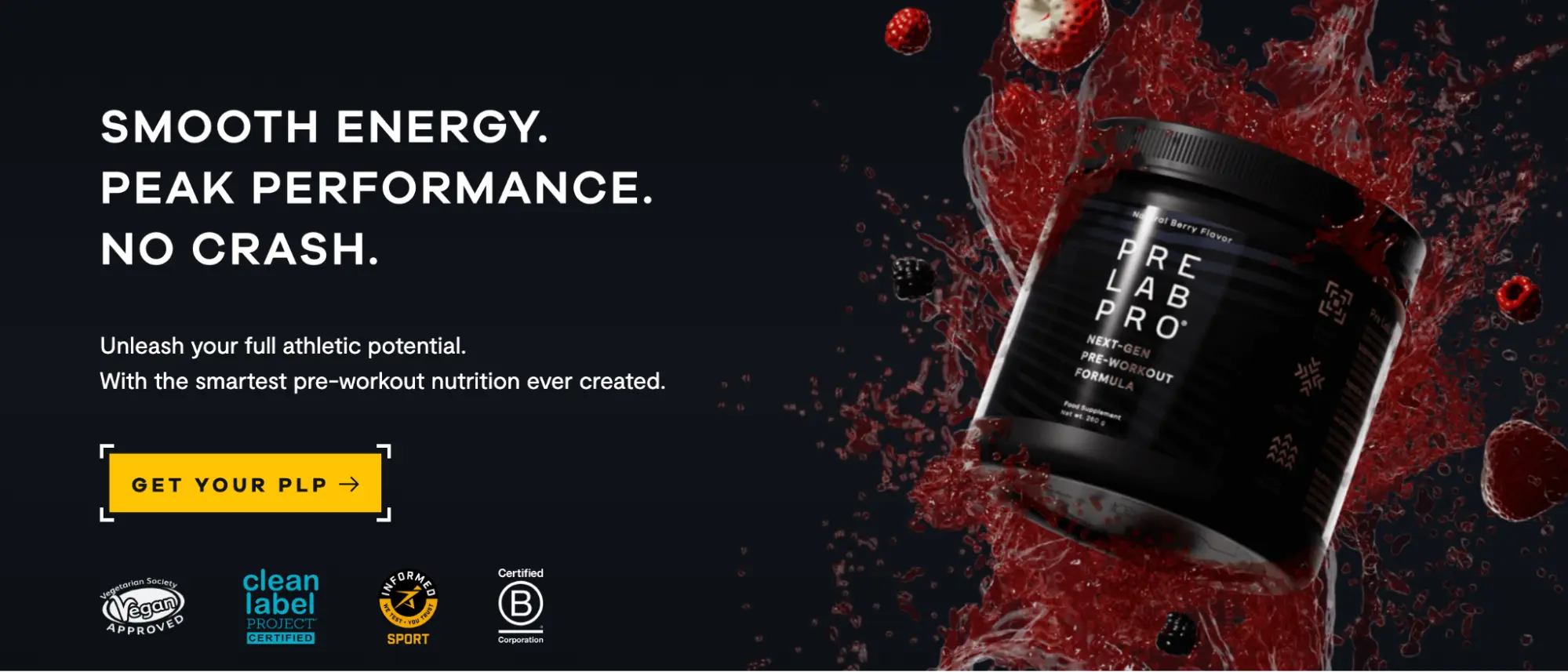
Technical infrastructure has become as vital as copy. Data from Google indicates that for every second of delay in mobile page load time, conversion rates can drop by up to 20%. The introduction of Core Web Vitals (LCP, INP, and CLS) as ranking and performance signals has forced brands to optimize their backend delivery. Enterprise-level tools now utilize advanced rendering engines, such as Instapage’s Thor Render Engine, to ensure that complex, media-rich landing pages load almost instantaneously, preventing "bounce-back" behavior caused by latency.
Visual Hierarchy and Scannability
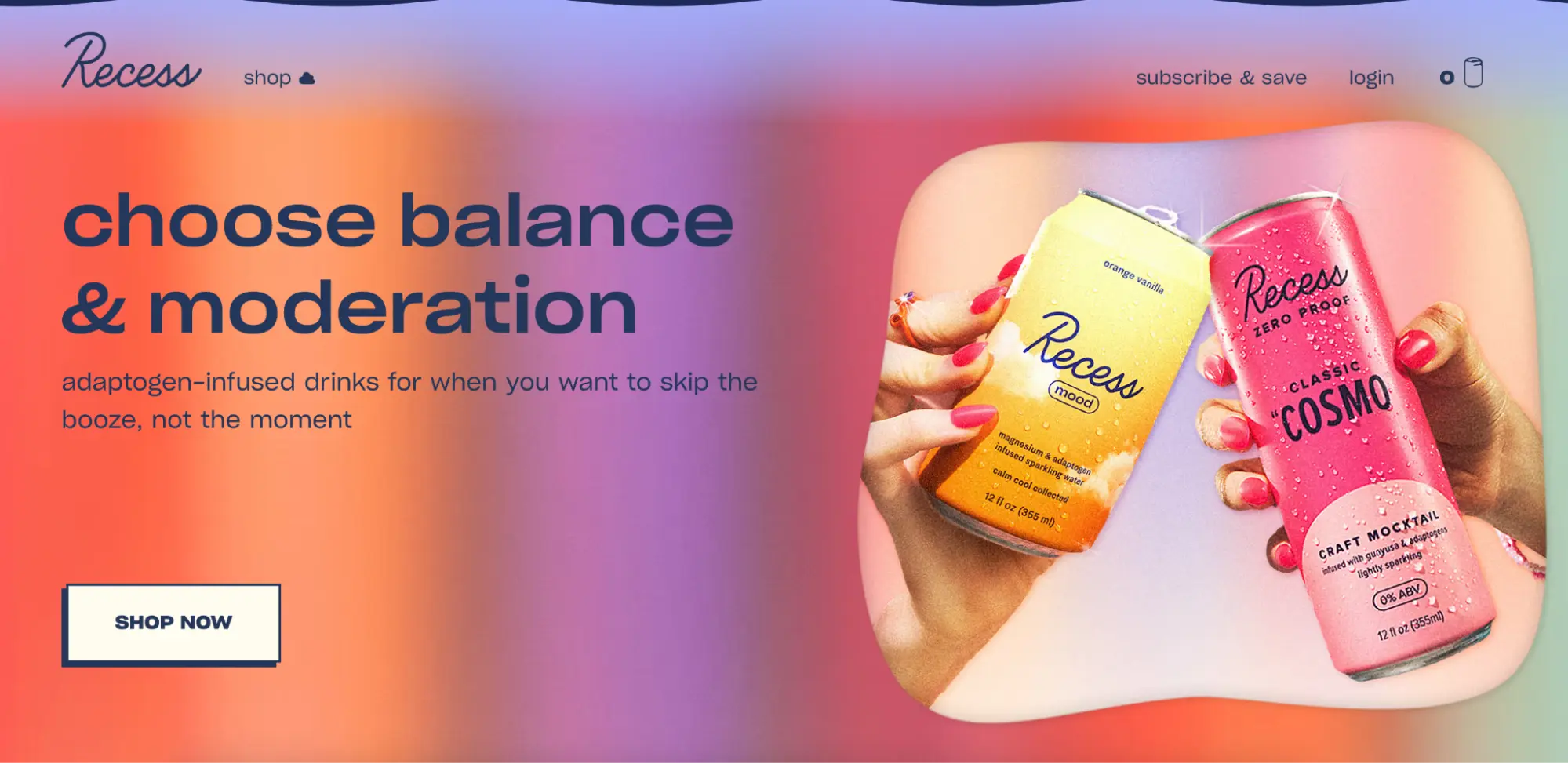
The "F-pattern" and "Z-pattern" of reading online dictate that visitors scan pages rather than reading every word. High-converting pages utilize a clear visual hierarchy: a large, problem-focused headline; a solution-oriented sub-headline; a bulleted list of benefits; and a high-contrast CTA button. By reducing the cognitive load, brands guide the visitor through a logical argument toward the purchase decision.
Social Proof and Risk Reversal
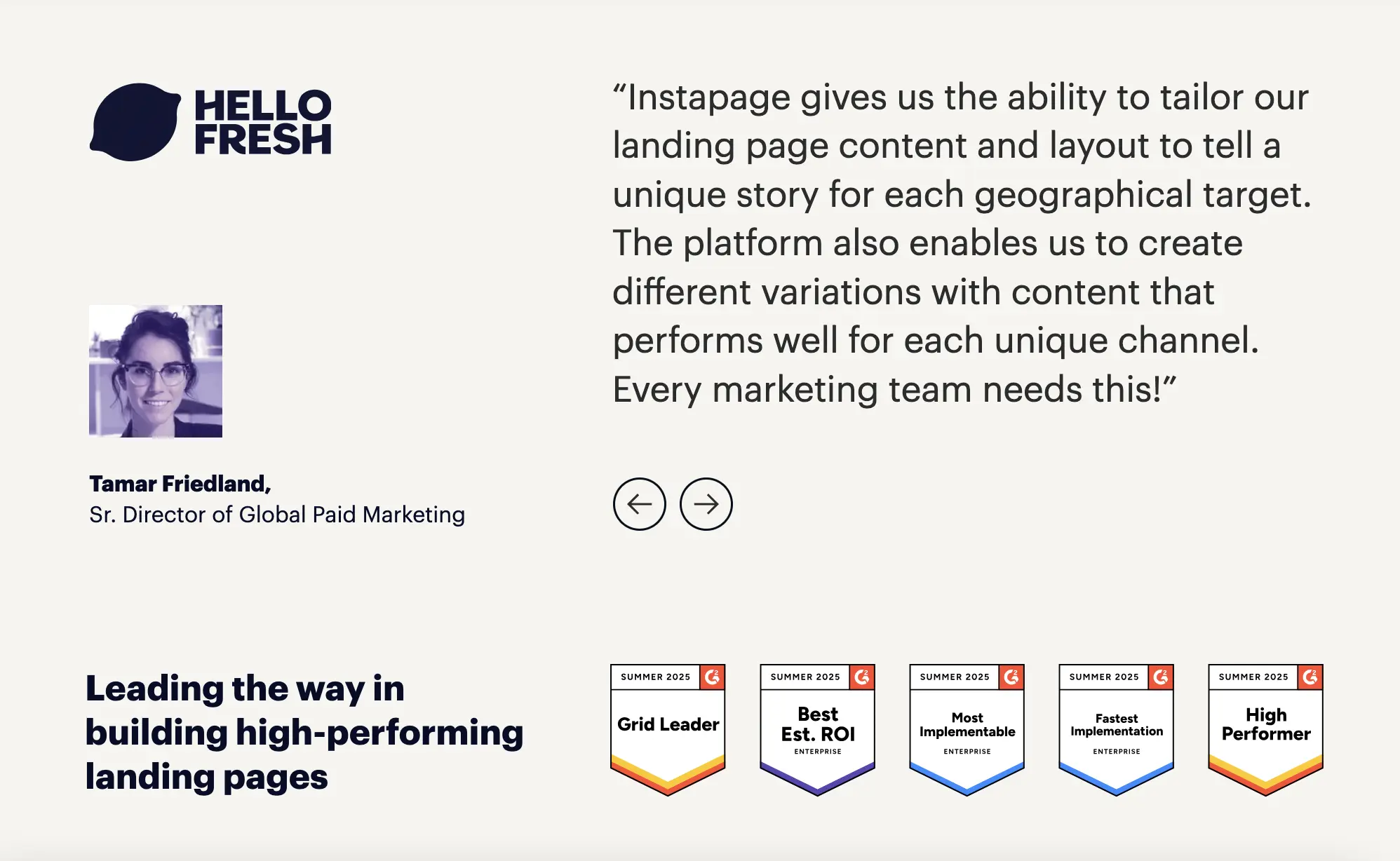
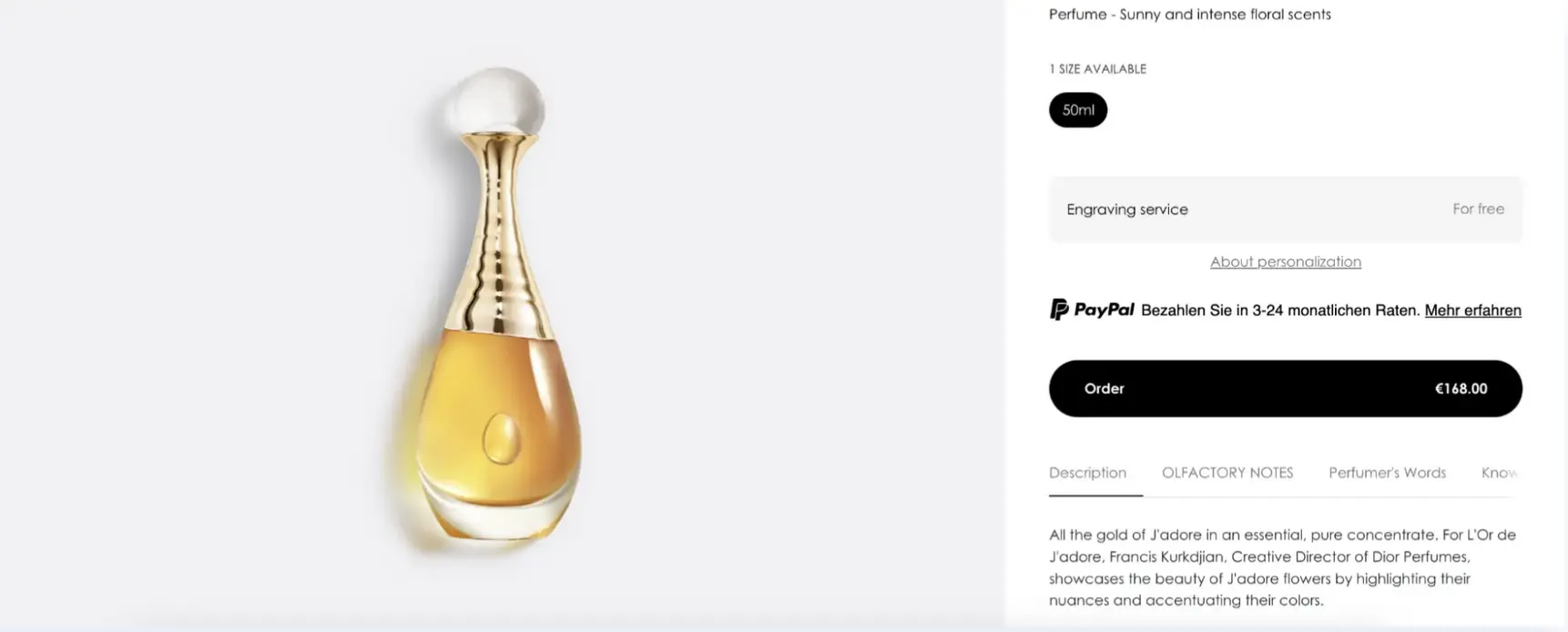
Social proof remains the most potent psychological trigger in digital commerce. However, the placement of this proof is critical. Leading brands now place testimonials, star ratings, and trust badges (such as G2 awards or industry certifications) in close proximity to the CTA. This strategy addresses the "moment of doubt" that occurs just before a user commits to a click.

Analysis of Specialized Landing Page Categories
Different marketing objectives require different architectural approaches. The industry generally categorizes these into three types:
Single-Product Landing Pages
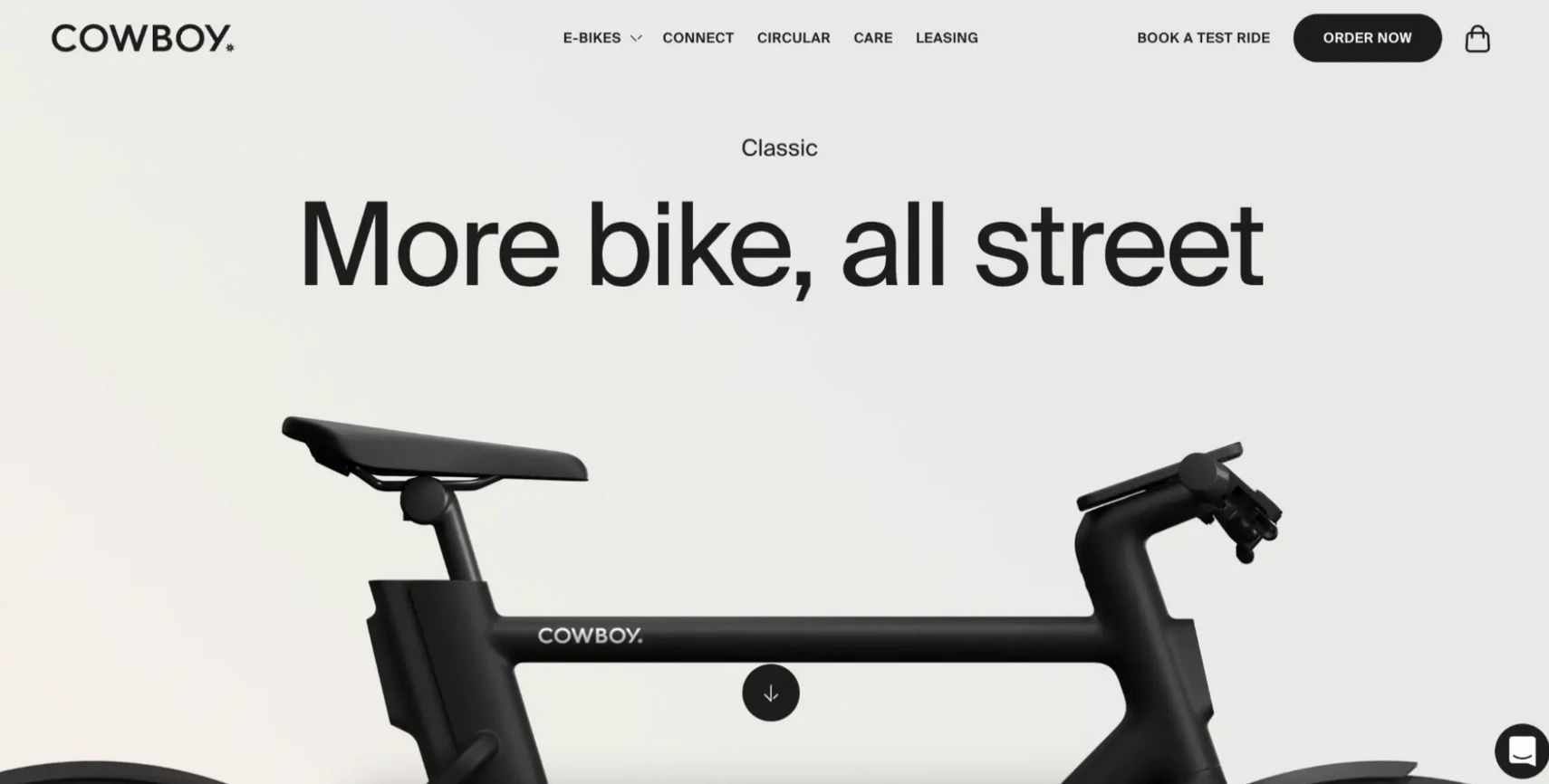
These are built around a specific SKU or offer. For example, the Oura Ring uses a minimalist layout to communicate health tracking benefits across specific use cases like sleep and fitness. By focusing exclusively on one product, the brand prevents "choice paralysis," a psychological phenomenon where too many options lead to no decision at all.

Multi-Product and Category Pages
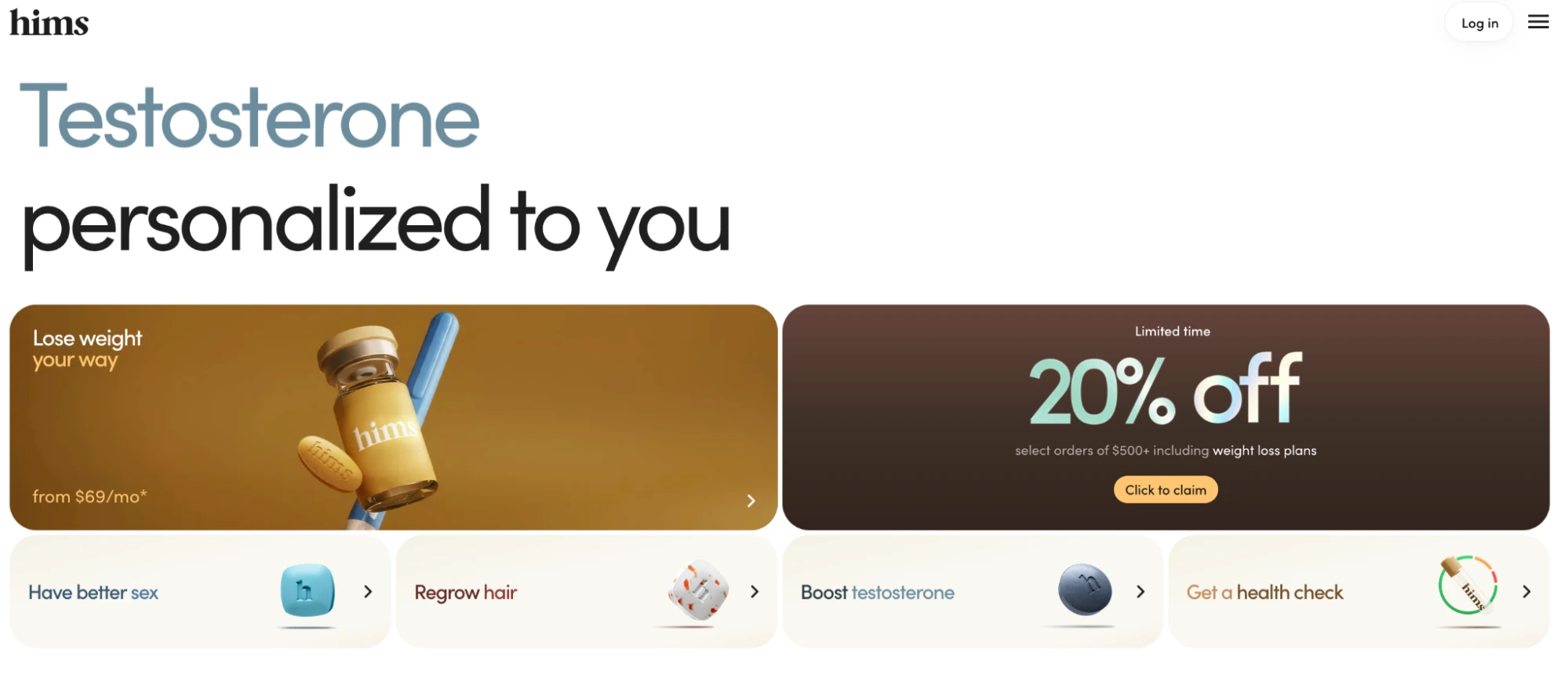
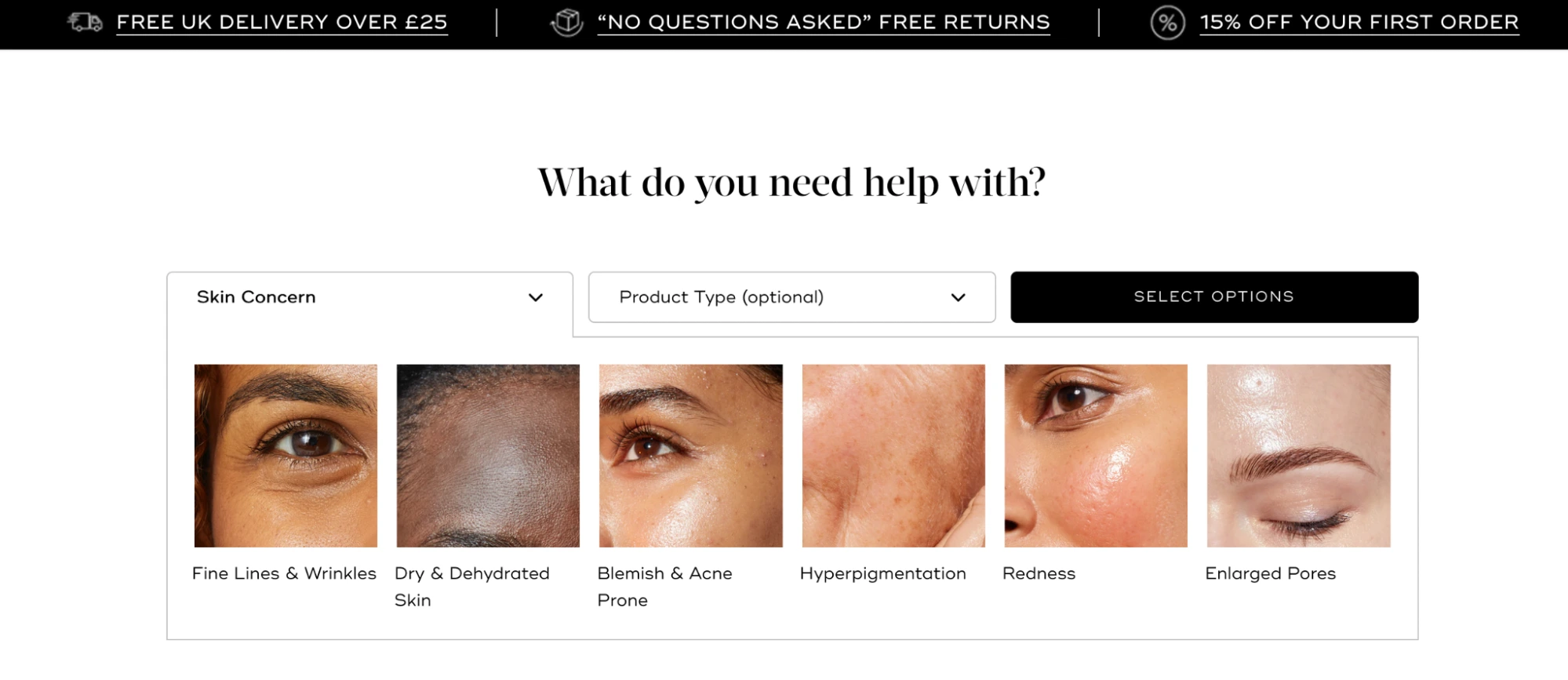
When an ad targets a broad keyword like "men’s skincare," a multi-product page is more effective. Brands like Hims and Medik8 use these pages to help visitors self-select into the right product category (e.g., hair loss vs. skin health) without the distractions of a full e-commerce site. This "guided discovery" maintains the campaign’s focus while acknowledging the visitor’s need for a specific solution within a category.
Product Launch and Waitlist Pages
For new releases, the goal shifts from immediate sales to lead generation and buzz building. The backpack brand Tierra, for instance, uses a launch page that focuses on a founder’s story and a "30% off" waitlist incentive. This allows the brand to gauge demand and build a qualified email list before the product is even available for shipping.

Expert Statements and Industry Implications
Industry analysts suggest that the democratization of landing page creation is shifting the balance of power within organizations. Historically, launching a new campaign page required weeks of developer time. The rise of no-code platforms and AI-driven content generation has moved this capability into the hands of marketing teams.

"A slow product landing page is no longer just a technical issue; it is a direct drain on paid traffic budgets," notes a performance marketing analysis. By using AI to generate headline variations and A/B testing frameworks to validate them, teams can now scale their campaign efforts without increasing their overhead.

Furthermore, the integration of heatmapping and server-side testing allows for a scientific approach to marketing. Instead of guessing why a page isn’t converting, marketers can observe exactly where users drop off. If a heatmap shows that users are clicking on a non-clickable image, the team can immediately pivot to make that element interactive or remove the confusion.
Measuring Success: A KPI Framework
The transition to product landing pages necessitates a change in how performance is measured. While traditional analytics focus on page views, landing page performance is evaluated through a more rigorous set of KPIs:

- Conversion Rate (CR): The primary indicator of page effectiveness.
- Cost Per Conversion (CPC): The ultimate measure of business impact, determining the actual cost of acquiring a customer through the landing page.
- Message Match Score: An internal or platform-provided metric assessing how well the page content aligns with the ad creative.
- Bounce Rate and Scroll Depth: Indicators of whether the traffic being sent to the page is high-quality and whether the content is engaging enough to hold attention.
Conclusion and Future Outlook
As the cost of digital advertising continues to rise, the brands that survive will be those that treat the "post-click" experience with the same rigor as the ad creative itself. The move toward dedicated product landing pages represents a shift toward a more disciplined, data-driven, and user-centric marketing model. By eliminating the "leaky bucket" of generic product pages and replacing them with high-speed, 1:1 conversion environments, companies can finally align their ad spend with their revenue goals. The future of digital commerce lies not just in who can buy the most clicks, but in who can most effectively turn those clicks into customers.








