rifanmuazin
Paid search advertising has solidified its position as the cornerstone of the digital economy, generating a record-breaking $102.9 billion in U.S. revenue during 2024. This figure, representing nearly 40% of all digital advertising spend, underscores a fundamental shift in how brands interact with consumers. The dominance of the format is predicated on a single, powerful premise: the ability to place a brand directly in front of a consumer at the precise moment of declared intent. As the industry moves into 2025, the global search advertising market is forecasted to reach $355.10 billion, driven by advancements in artificial intelligence and a heightened focus on the "post-click" user experience.
The Evolution of Intent-Based Marketing
The trajectory of paid search—often referred to interchangeably as Pay-Per-Click (PPC) or Search Engine Marketing (SEM)—has evolved from simple keyword auctions to a complex ecosystem governed by machine learning. Historically, the sector was dominated by manual bidding and basic text strings. Today, the landscape is characterized by "black box" automation and multi-channel integration.
While Google remains the titan of the industry, holding approximately 90% of the global search market share, the competitive environment is diversifying. Microsoft Advertising has successfully leveraged its integration with Yahoo, AOL, and privacy-focused engines like DuckDuckGo to capture a significant portion of the enterprise and North American desktop market. Furthermore, the rise of retail media networks and specialized platforms like Apple Search Ads has forced traditional search engines to innovate rapidly to maintain their relevance in the consumer journey.
The Mechanics of the Modern Search Auction
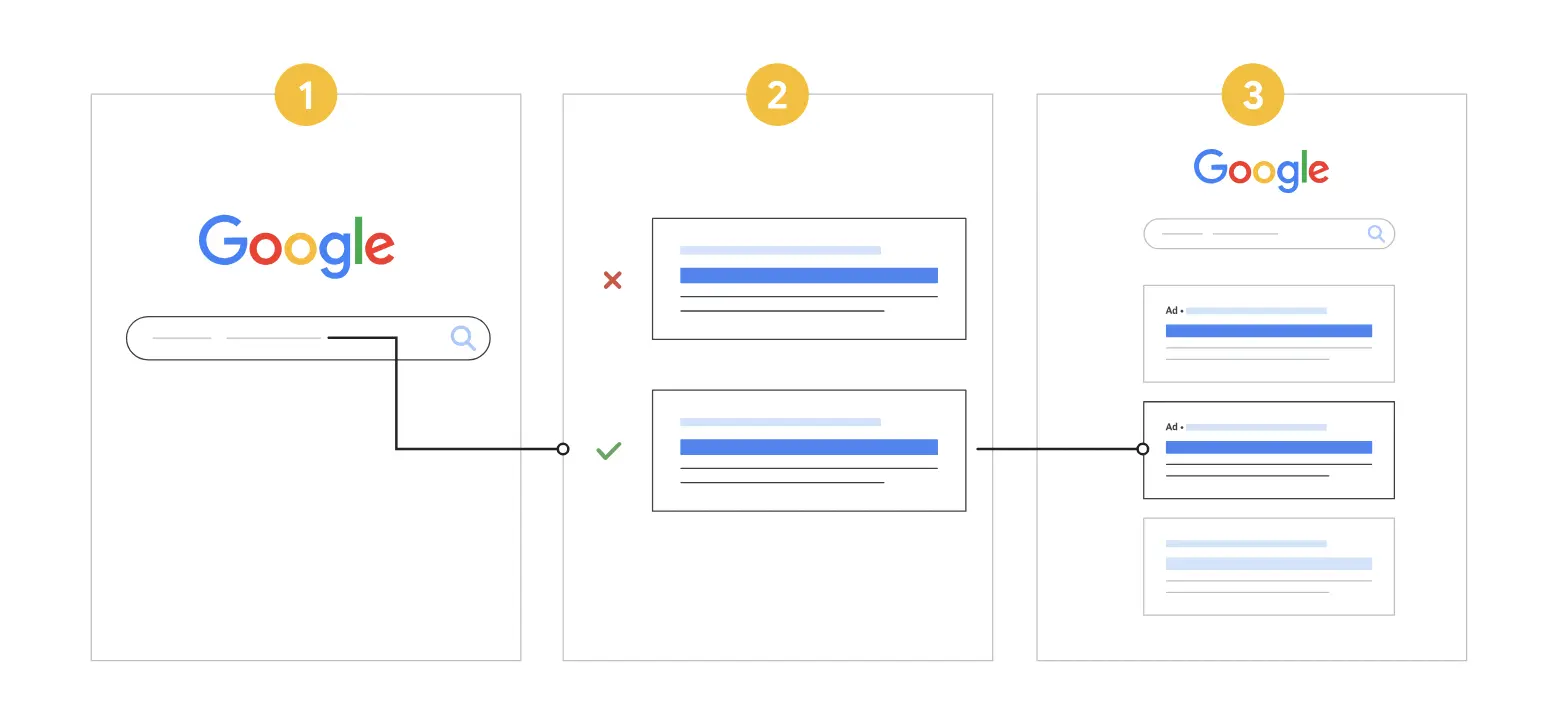
To understand the scale of this $100 billion industry, one must analyze the millisecond-fast auction that occurs every time a user hits "Enter" on a search bar. The process is not merely a contest of the highest bidder; it is a sophisticated evaluation of relevance and utility.
- The Trigger: A user enters a query. The search engine immediately identifies all advertisers bidding on keywords that match the intent of that query.
- The Filter: The system filters out advertisers whose campaigns do not match the user’s geographic location, device type, or time of day.
- The Calculation of Ad Rank: This is the most critical stage. Ad Rank is determined by a combination of the maximum bid, the "Quality Score" (a metric assessing the relevance of the ad and the landing page), and the expected impact of ad assets such as sitelinks or images.
- Placement and Pricing: The advertiser with the highest Ad Rank wins the top position. However, the "Actual CPC" (Cost-Per-Click) is calculated based on the minimum amount required to outrank the competitor immediately below them. This second-price auction model ensures that advertisers are incentivized to provide high-quality, relevant content rather than just high bids.
Rising Costs and the Efficiency Crisis
Data from early 2025 indicates a tightening of the search market. The average cost-per-lead (CPL) across all industries rose from $66.69 in 2024 to approximately $70.11 in 2025. This 5% year-over-year increase is attributed to heightened competition and the saturation of high-intent keywords.

Industry analysts suggest that as CPCs rise, the margin for error in campaign management has vanished. Marketers are no longer just competing on keywords; they are competing on the efficiency of their entire conversion funnel. This has led to a renewed focus on the "post-click" experience. While a search ad can drive a user to a website, the quality of the landing page determines the ultimate Return on Ad Spend (ROAS). Research shows that even a one-second delay in mobile page load speed can result in a 20% drop in conversions, highlighting the technical demands placed on modern digital marketers.
A Comparative Analysis: Paid Search vs. Organic SEO
While both Paid Search and Search Engine Optimization (SEO) aim to capture traffic from results pages, they serve distinct strategic functions within a corporate marketing portfolio.
- Speed to Market: Paid search offers immediate visibility. A campaign can be launched and appear at the top of the SERP (Search Engine Results Page) within minutes. Conversely, SEO is a long-term investment, often requiring three to twelve months to build the authority necessary for top-tier rankings.
- Precision and Control: Paid search allows for granular targeting based on specific audience segments and intent signals. SEO is broader and relies on the search engine’s interpretation of content relevance.
- Scalability: Paid search is directly scalable with budget. If a campaign is profitable, an increase in spend typically results in a linear increase in traffic. Organic traffic scales more gradually and is subject to the volatility of algorithm updates.
The most successful organizations utilize a "hybrid" approach, using paid search to capture immediate demand and test messaging, while simultaneously building an organic foundation to lower the long-term cost of customer acquisition.
Diversification of Ad Formats
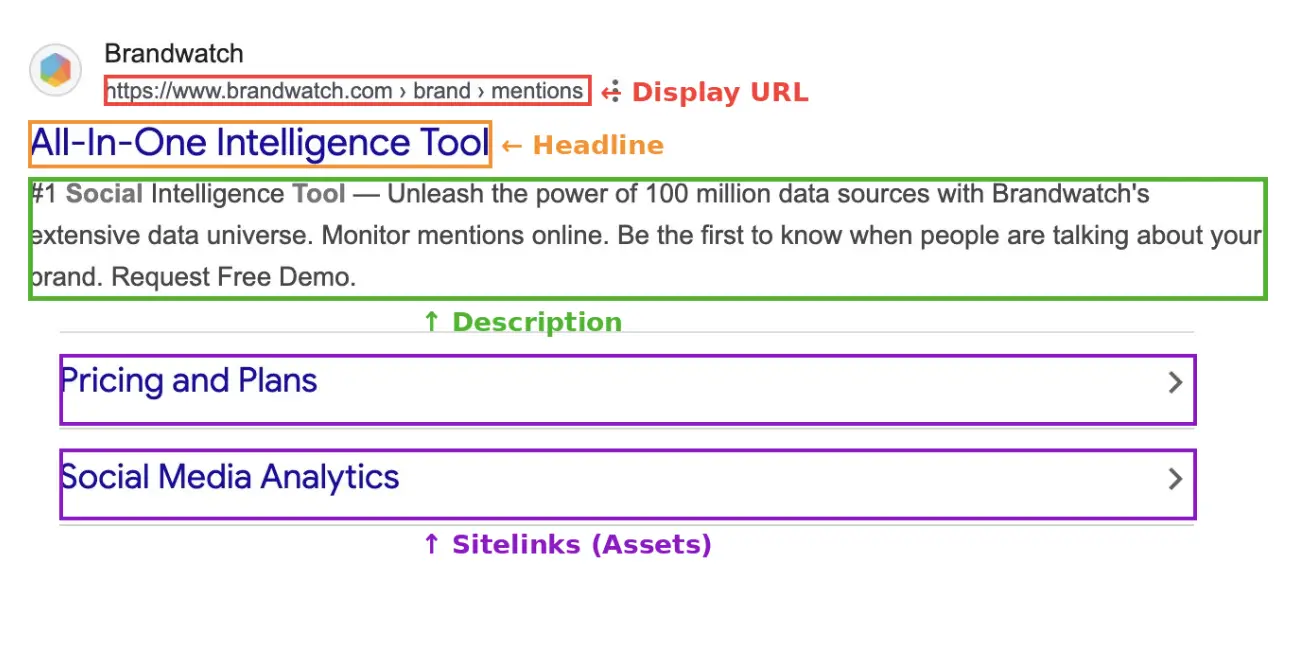
The standard text ad has been joined by several sophisticated formats designed to meet specific business objectives:
- Responsive Search Ads (RSAs): Now the industry standard, RSAs allow advertisers to input multiple headlines and descriptions. Google’s AI then tests various combinations to find the most effective version for each individual user.
- Performance Max (PMax): A goal-based campaign type that allows advertisers to access all of their Google Ads inventory from a single campaign. PMax uses AI to find converting customers across Search, YouTube, Display, and Maps.
- Shopping Ads: Essential for e-commerce, these ads use product data feeds rather than keywords to show high-quality images and pricing directly on the SERP.
- Dynamic Search Ads (DSAs): These ads automatically target searches based on the content of a website, filling in the gaps that keyword-based campaigns might miss.
The Role of Personalization and Landing Page Optimization
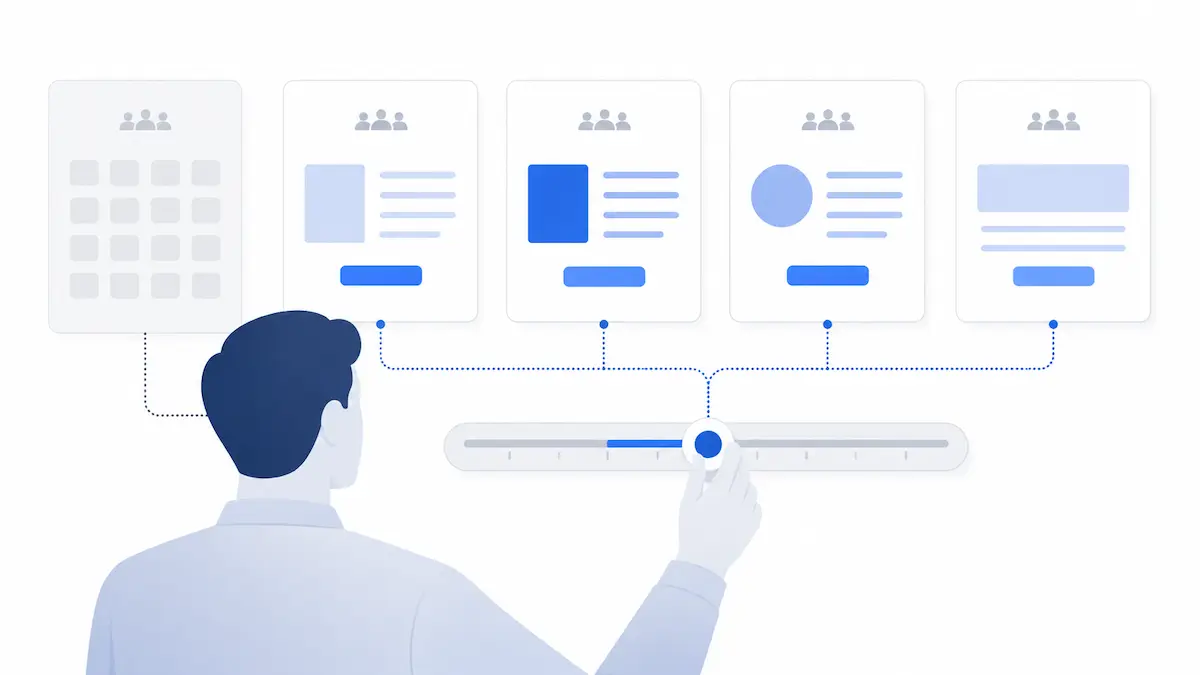
As the "pre-click" side of advertising becomes increasingly automated through AI, the "post-click" stage has become the primary area where human strategy can still yield a competitive advantage. The concept of "message match"—the alignment between the ad’s promise and the landing page’s content—has become a critical factor in Quality Score and conversion rates.
Marketing technology firms have noted that generic homepages are no longer sufficient for high-stakes paid search traffic. Dedicated landing pages that remove site navigation and focus on a single call-to-action (CTA) are seeing conversion rates of 10-15%, compared to the 2-4% average of standard websites. This shift toward "hyper-personalization" allows brands to speak directly to the specific pain points of different audience segments, such as small businesses versus enterprise clients, even if they are searching for the same core product.
Broader Economic Impact and Future Implications
The continued growth of paid search advertising has broader implications for the global economy. As third-party cookies are phased out and privacy regulations like GDPR and CCPA tighten, the "first-party" intent data provided by search engines becomes more valuable. Unlike social media advertising, which relies on demographic profiles and interests, search is based on what a user is actively looking for in the moment.
However, the industry faces challenges. The integration of Generative AI into search results (such as Google’s Search Generative Experience) is changing how users consume information. If a search engine can answer a query directly on the SERP, the incentive for a user to click through to a website may diminish. This "zero-click" trend is forcing advertisers to rethink their value propositions, moving away from purely informational content toward high-value, transactional offers that cannot be replicated by an AI summary.
Conclusion: Navigating the $355 Billion Landscape
The future of paid search advertising is one of increased automation balanced by a desperate need for creative and technical precision. For businesses to thrive in a landscape where costs are rising and user attention is fragmented, they must master the entire lifecycle of a search click.

The $102.9 billion spent in 2024 is not just a testament to the format’s reach, but to its accountability. In an era where marketing budgets are under constant scrutiny, the ability to attribute every dollar spent to a specific action remains the greatest strength of paid search. As we look toward the 2025 forecast of $355 billion in global spend, the winners will be those who can bridge the gap between AI-driven auctions and human-centric conversion experiences. The auction may be won in milliseconds, but the customer is won through relevance, speed, and a seamless transition from search query to solution.