The landscape of digital commerce is undergoing a fundamental transformation as artificial intelligence (AI) shifts from a peripheral technological advantage to the core engine of Conversion Rate Optimization (CRO). In an era where consumer expectations for personalization have reached an all-time high, the traditional methods of manual website testing and heuristic analysis are being superseded by algorithmic systems capable of predicting user intent in real-time. This evolution represents a paradigm shift from reactive data analysis to proactive experience orchestration, allowing businesses to anticipate needs before the user has even articulated them.
The Evolution of Conversion Rate Optimization: A Chronology of Progress
To understand the impact of AI on current conversion strategies, it is essential to view the discipline through its historical development. In the early 2000s, CRO was largely characterized by "gut-feeling" adjustments and simple A/B testing, where marketers would test two versions of a landing page over several weeks to see which performed better. This was a slow, labor-intensive process that often yielded statistically insignificant results due to low sample sizes or external variables.
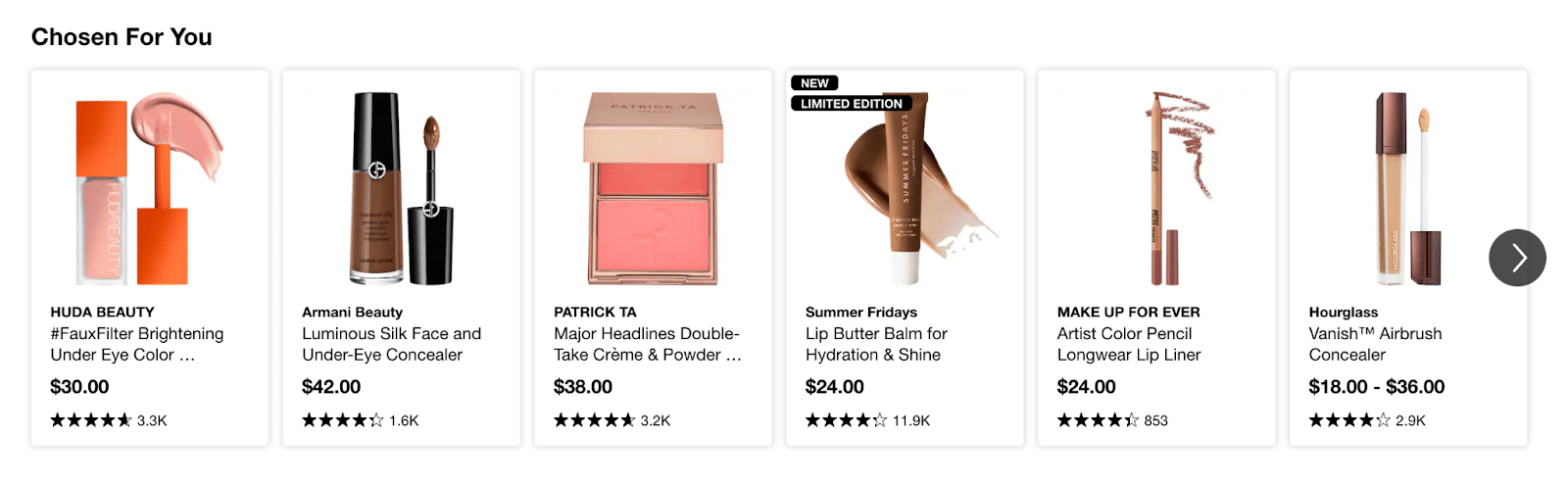
By the 2010s, the rise of "Big Data" introduced more sophisticated multivariate testing and basic segmentation. However, even then, the analysis remained retrospective. Marketers would look at what happened last month to make decisions for next month. The current decade, beginning around 2020, marked the entry into the "AI Era." In this phase, the focus has shifted to real-time processing. Modern AI CRO (AI-powered Conversion Rate Optimization) utilizes machine learning to identify friction points faster, prioritize testing backlogs, and deliver hyper-personalized experiences to individual visitors rather than broad segments.
AI vs. Traditional CRO: Bridging the Efficiency Gap
The primary distinction between traditional CRO and AI-driven methodologies lies in scale and speed. Traditional CRO typically involves a cycle of manual auditing, hypothesis building, sequential A/B testing, and manual reporting. This process is often hampered by human bandwidth and the "sequential" nature of testing—where only one or two variables can be tested at a time to maintain scientific integrity.
AI-driven CRO, conversely, leverages "Massive Multi-Armed Bandit" testing and genetic algorithms to test hundreds of variations simultaneously. While a human analyst might spend forty hours identifying why users are dropping off a checkout page, an AI system can analyze millions of data points across the entire customer journey in seconds. The AI does not replace the human strategist; rather, it acts as a force multiplier, automating the "drudge work" of data collection and pattern recognition so that human experts can focus on high-level brand strategy and creative innovation.
Strategic Implementations: Industry Case Studies in AI Personalization
The efficacy of AI in conversion optimization is best illustrated through its application by industry leaders who have successfully integrated these technologies into their customer-facing platforms.
Sephora: The Virtual Artist and Product Personalization
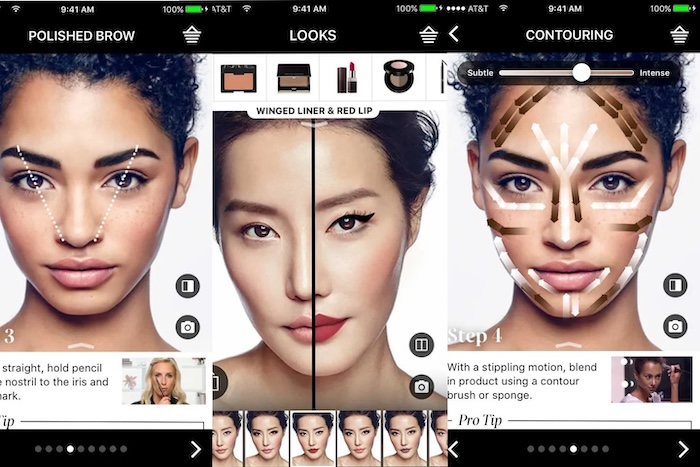
Beauty retailer Sephora has become a benchmark for AI integration. By utilizing an AI-based "Virtual Artist," the company allows customers to "try on" makeup through augmented reality. This tool does more than provide a novel user experience; it directly addresses the primary friction point in online beauty retail: the uncertainty of product fit. By reducing this uncertainty, Sephora significantly boosts the probability of conversion. Furthermore, their recommendation engine uses machine learning to analyze skin type, past purchases, and browsing behavior to suggest products with a high likelihood of purchase, effectively acting as a digital personal shopper.
Stitch Fix: Predictive Styling and Generative AI
In the apparel sector, Stitch Fix utilizes a proprietary Outcome Conditioning Model (OCM). By combining generative AI with human expertise, the company predicts which clothing items a customer is most likely to keep. This predictive capability ensures that the "conversion" (the decision to keep the item after it is delivered) is baked into the initial selection process. Their use of AI extends to interpreting "style notes" from customers using Natural Language Processing (NLP), translating vague human desires into actionable data points for inventory selection.
Public Sector Efficiency: Liverpool City Council
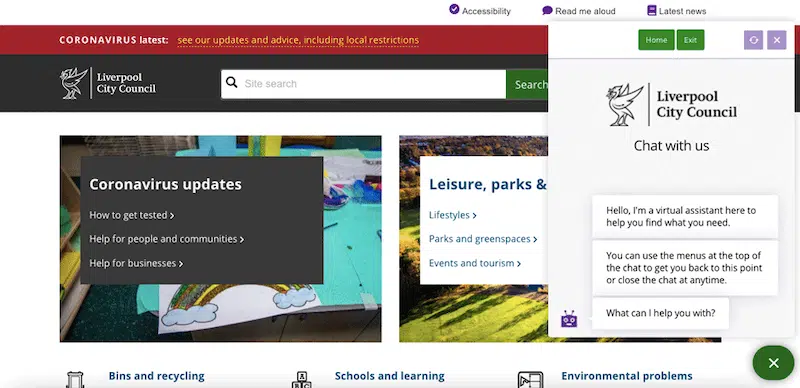
The application of AI for conversion is not limited to retail. The Liverpool City Council implemented AI-driven chatbots to manage citizen queries regarding council tax and benefits. In this context, "conversion" is defined as a citizen successfully finding information or completing a form without needing human intervention. By providing instant, 24/7 responses that mimic human interaction, the council reduced the strain on its call centers and improved the "user experience" of public digital infrastructure.
The AI-Powered CRO Toolbox: Key Technologies
To achieve these results, businesses are deploying a suite of sophisticated AI tools designed to optimize different stages of the funnel.
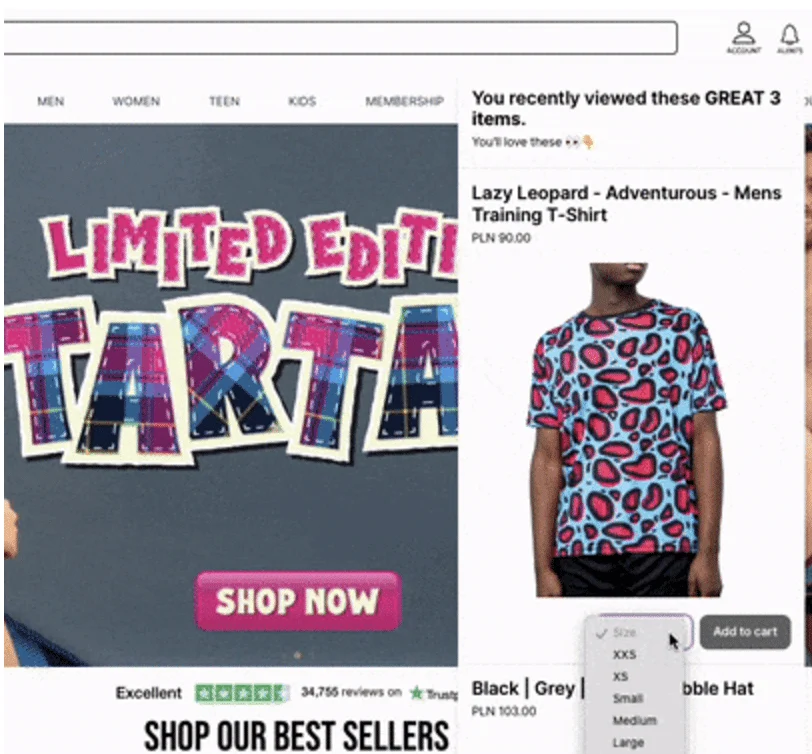
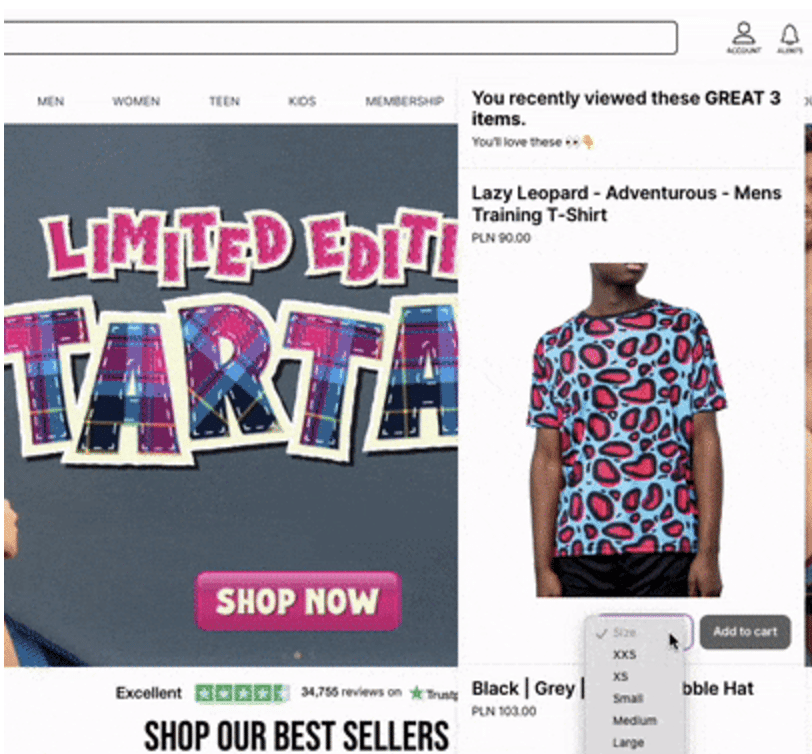
- Personalization Engines: These systems, such as those integrated with Google Analytics or specialized platforms like Optimizely, analyze real-time behavior. For instance, the UK brand OddBalls uses AI to trigger on-site notifications once a visitor has viewed a specific number of products, offering tailored recommendations that remind the user of their demonstrated interests.
- Predictive Analytics: Tools like HubSpot and Pendo use machine learning to forecast future actions. If an algorithm detects patterns associated with "cart abandonment"—such as erratic mouse movement or repeated visits to a shipping policy page—it can automatically trigger a discount code or a "help" chat box to prevent the user from leaving.
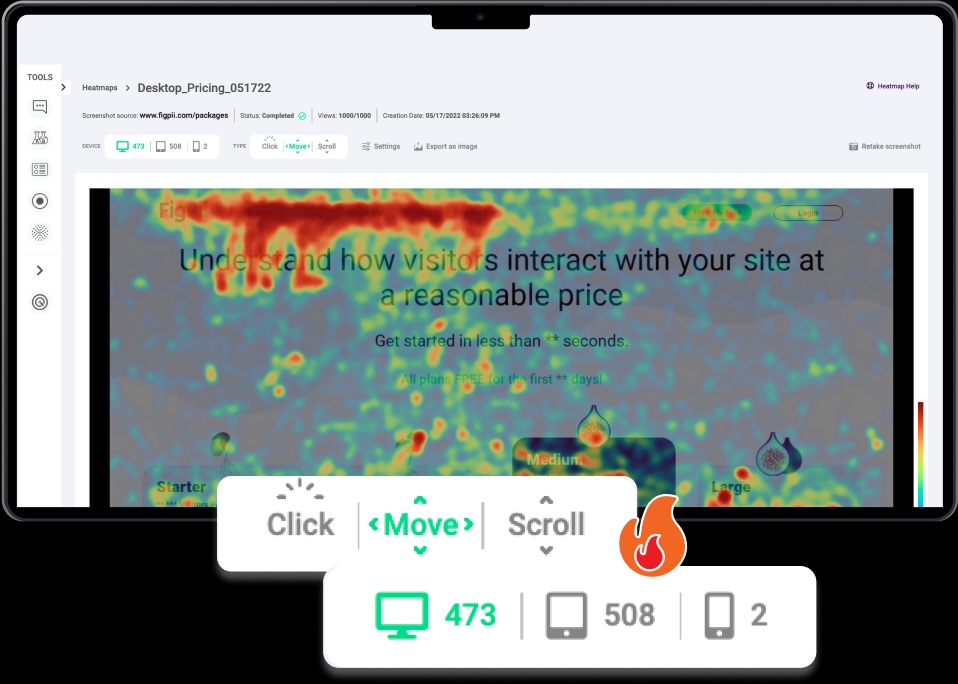
- AI-Driven Heatmaps and Session Recording: Platforms like FigPii and Crazy Egg have evolved beyond static heatmaps. They now use AI to aggregate thousands of user sessions into "intent maps," highlighting not just where people click, but why they are struggling to navigate certain sections.
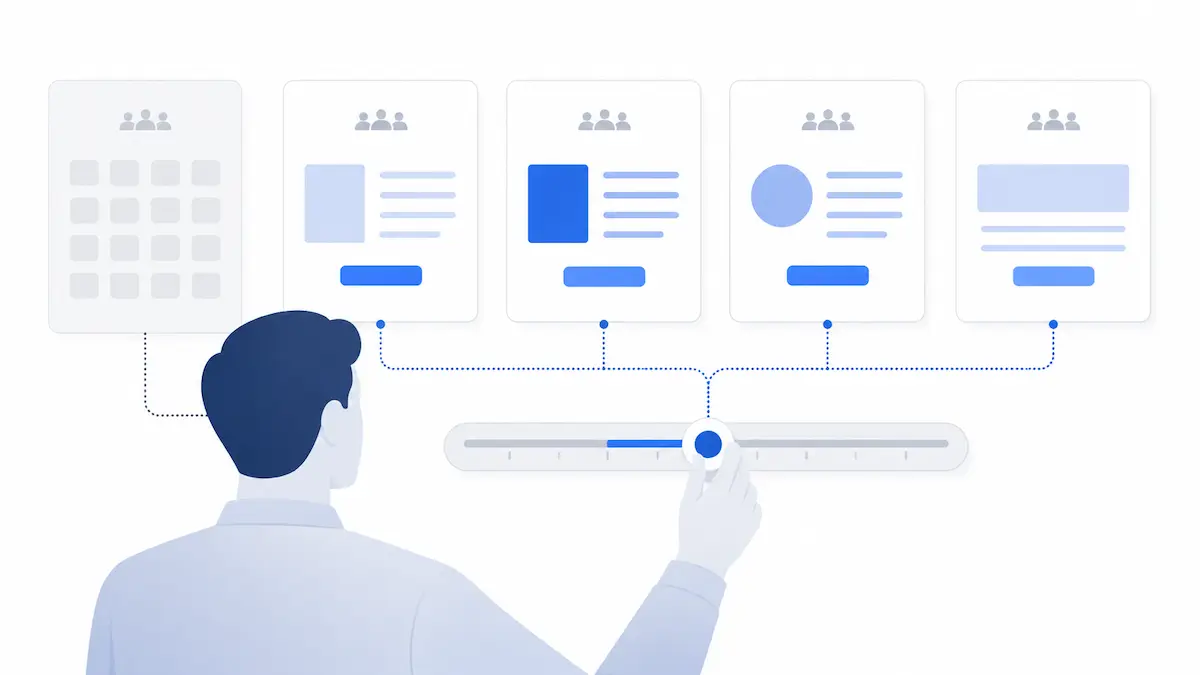
- Dynamic Content Optimization: This technology allows a website to change its interface based on the visitor. A first-time visitor from a cold climate might see a banner for winter coats, while a returning customer from a tropical region sees swimwear, all generated dynamically without manual intervention.
Data-Driven Decision Making and Market Implications
The transition to AI-driven CRO is supported by a growing body of market data. Industry reports suggest that companies utilizing AI for customer experience see a significant uplift in Revenue Per Visitor (RPV) and Trial-to-Paid conversion rates. According to recent digital marketing benchmarks, personalized calls-to-action (CTAs) perform 202% better than basic, non-targeted versions.
Furthermore, the implementation of AI fosters a "data-driven culture" within organizations. By removing the guesswork from website design, stakeholders can make informed decisions based on empirical evidence rather than internal politics or the "Highest Paid Person’s Opinion" (HiPPO). This cultural shift allows for more agile resource allocation, as teams can quickly pivot away from failing strategies identified by AI insights.
Challenges, Ethics, and the "Human in the Loop"
Despite the clear advantages, the integration of AI into CRO is not without challenges. The "black box" nature of some AI algorithms can make it difficult for marketers to understand why a certain variation performed better, which can hinder long-term brand learning. Additionally, there are significant ethical considerations regarding data privacy. With the tightening of GDPR and CCPA regulations, businesses must ensure that their AI optimization tools are "privacy-first," relying on first-party data and anonymized behavioral patterns rather than intrusive tracking.
Moreover, the most successful AI strategies maintain a "human in the loop." While AI is excellent at optimizing for a specific metric (like "clicks" or "purchases"), it lacks a sense of brand voice and long-term emotional resonance. A machine might find that a bright red, flashing "BUY NOW" button increases short-term clicks, but a human strategist knows that such a tactic might damage the brand’s luxury positioning in the long run.
Conclusion: The Future of Digital Interaction
The future of Conversion Rate Optimization is undeniably algorithmic. As AI technology continues to mature, the distinction between "the website" and "the user experience" will blur. Websites will become fluid interfaces that reshape themselves in real-time for every individual visitor.
For businesses, the mandate is clear: those who fail to adopt AI-driven optimization will find themselves unable to compete with the efficiency and relevance of AI-enhanced competitors. The goal of CRO is no longer just about increasing a percentage on a dashboard; it is about creating a seamless, intuitive, and deeply personal journey that respects the user’s time and anticipates their needs. In the coming years, the "perfectly tailored bookstore" of the digital world will not be a luxury—it will be the baseline for all successful online commerce.