The promise of creating a professional website in mere minutes, once a futuristic concept, is rapidly becoming a reality thanks to the proliferation of AI-powered website builders. While Artificial Intelligence can indeed generate a sophisticated-looking digital storefront or portfolio with astonishing speed, the full journey from concept to live publication, and beyond, encompasses more than just the click of a button. Understanding the true timeline involves acknowledging the crucial human elements of domain selection, content refinement, design personalization, and strategic optimization that remain indispensable even in an AI-accelerated world.
The Traditional Landscape of Web Development: A Time-Intensive Endeavor
Historically, establishing an online presence has been a multi-stage, often complex, and time-consuming process. Before the advent of AI, and even before the widespread adoption of user-friendly Content Management Systems (CMS) like WordPress, building a website typically required significant technical expertise or substantial financial investment in professional developers. The journey would often span weeks, if not months, involving intricate steps:
- Discovery and Planning (1-3 weeks): This initial phase involved detailed discussions to define the website’s purpose, target audience, business goals, and required features. Competitive analysis, user journey mapping, and content strategy formulation were critical.
- Domain Registration and Hosting Setup (1-3 days): Selecting and registering a memorable domain name, then choosing a reliable web hosting provider and configuring the server environment, were foundational technical steps.
- Design and Wireframing (2-4 weeks): Creating visual mockups, wireframes, and prototypes to establish the site’s aesthetic, layout, and user experience. This often involved multiple revision cycles.
- Development and Coding (4-12 weeks): Translating the approved design into functional code, whether through custom development (HTML, CSS, JavaScript, backend languages) or extensive customization of a CMS theme. This included building pages, implementing functionalities, and integrating databases.
- Content Creation and Integration (2-6 weeks): Writing, editing, and optimizing all text, uploading images, videos, and other media, and populating every page of the website. This was often a bottleneck, dependent on client input.
- Testing and Quality Assurance (1-2 weeks): Rigorous testing across various browsers, devices, and operating systems to identify and rectify bugs, broken links, functionality issues, and responsiveness problems.
- Launch and Deployment (1-3 days): The final process of making the website publicly accessible, often involving DNS configuration, server optimizations, and final checks.
This elaborate process underscored why many small businesses and individuals found the barrier to entry for professional web development prohibitive, often leading to reliance on simpler, but less customizable, template-based solutions or simply delaying their online debut. Industry reports from the early 2010s frequently cited average project durations of 3-6 months for custom website builds, with costs ranging from a few thousand to tens of thousands of dollars, making the process daunting for many.
The Emergence of AI Website Builders: A Paradigm Shift
The integration of Artificial Intelligence into website development tools marks a significant paradigm shift. These builders leverage machine learning algorithms to automate many of the initial, labor-intensive tasks that previously required human decision-making and manual execution. Instead of starting from a blank canvas or sifting through countless templates, users are now guided through an interactive onboarding process where they provide basic information about their business, goals, and aesthetic preferences.
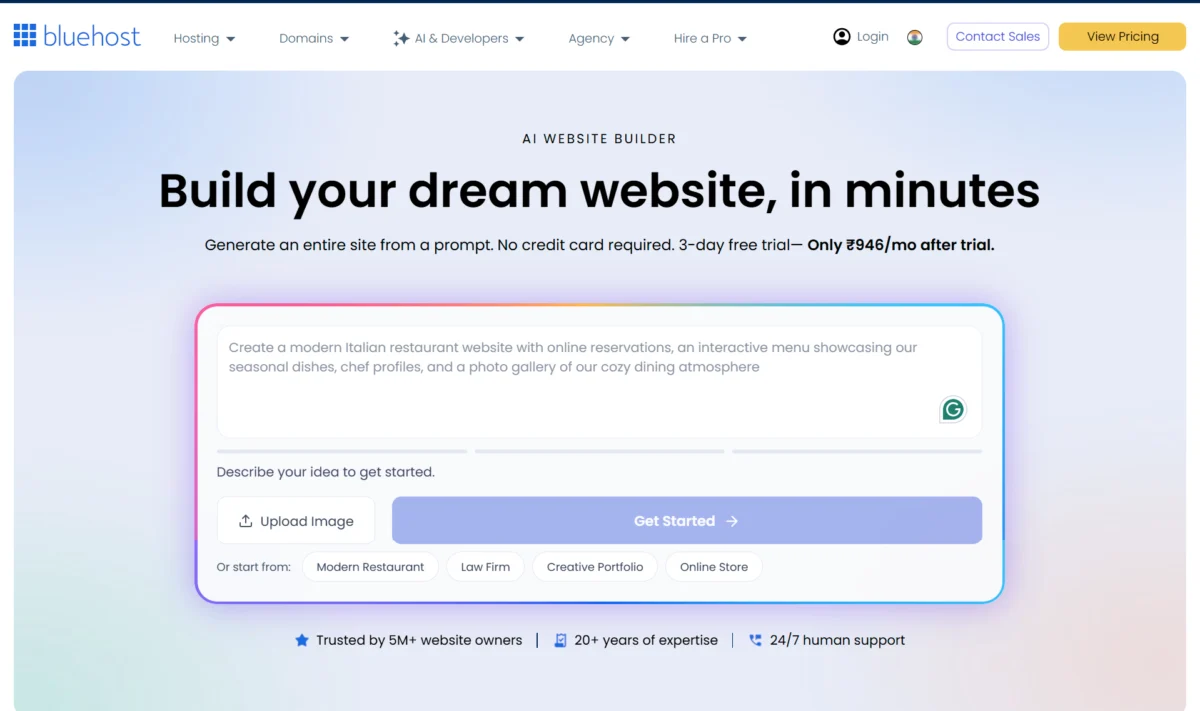
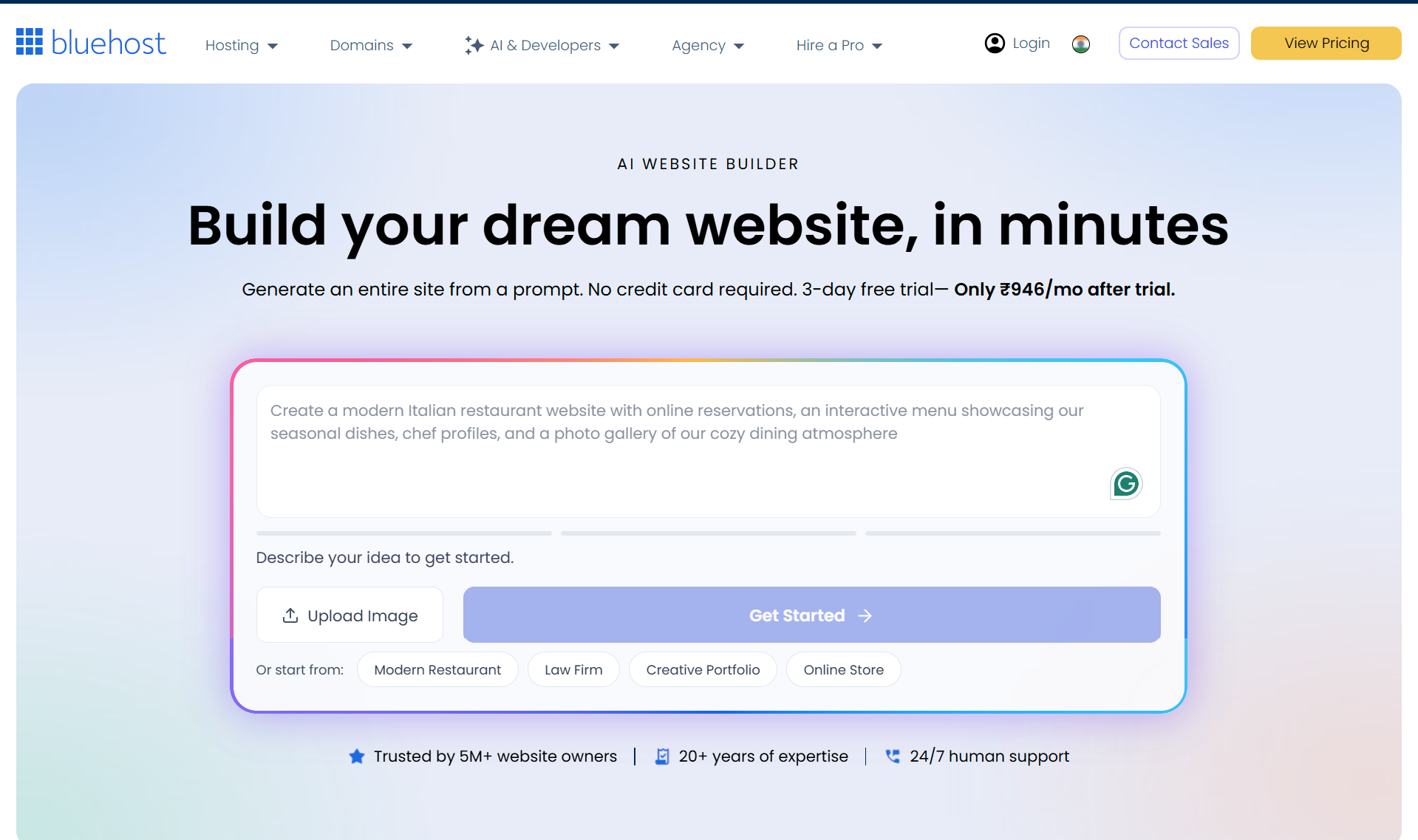
A recent survey by HubSpot indicated that nearly 40% of small businesses without an online presence cited "lack of time" and "technical expertise" as their primary obstacles. AI website builders directly address these pain points by translating user input into a fully structured, designed, and content-populated first draft. This automation compresses what traditionally took days or weeks into mere minutes. For instance, platforms like Bluehost’s AI Website Builder can generate a comprehensive initial site—complete with page layouts, navigation, design elements, and placeholder content—in approximately three minutes post-onboarding.
Deconstructing the AI Website Creation Timeline
While the "minutes" claim often refers to the AI generation phase, a realistic timeline for deploying a functional and personalized website with AI still involves several critical human-centric stages:
-
Defining Purpose and Initial Input (30 minutes – 1 day):
- What it involves: Articulating your website’s goals, target audience, and key features. This clarity is crucial for effective AI generation.
- AI’s role: The AI acts as a sophisticated assistant, taking these high-level inputs to inform its design and content suggestions.
- Time saving: Significantly reduces the need for manual design brainstorming or template selection.
-
Domain Selection and Hosting Setup (30 minutes – 1 day):
- What it involves: Brainstorming and registering a unique, brand-appropriate domain name and configuring web hosting. Many AI builders are integrated with hosting providers, streamlining this.
- AI’s role: While AI doesn’t choose your domain, integrated platforms make setup nearly instantaneous. Providers like Bluehost often bundle hosting, SSL certificates, and domain management.
- Time saving: Minimal, as these steps are largely administrative, but integration prevents juggling multiple services.
-
AI Website Generation (3-5 minutes):
- What it involves: After answering a series of questions about your business type, industry, desired features, and preferred style, the AI autonomously constructs the website’s foundational elements.
- AI’s role: This is the core strength of AI builders, creating page structures, navigation menus, design palettes, and initial content drafts.
- Time saving: This stage represents the most dramatic time compression, transforming a multi-day or multi-week task into a near-instantaneous process.
-
Content Refinement and Personalization (1-7 days):
- What it involves: Reviewing the AI-generated text, editing it to reflect your unique brand voice, specific products/services, and value proposition. This is where human creativity and accuracy become paramount.
- AI’s role: Provides a solid "first draft," eliminating the blank page syndrome.
- Time commitment: While AI jumpstarts content, personalization and factual accuracy require significant human oversight. According to content strategists, original, authentic content is crucial for brand differentiation and SEO.
-
Visuals and Branding Integration (1-7 days):
- What it involves: Replacing placeholder images or generic stock photos with your own high-quality photography, product shots, company logos, and branded graphics. Ensuring visual consistency with your brand identity.
- AI’s role: May suggest image types or provide generic visuals, but cannot capture your specific brand aesthetic or product details.
- Time commitment: Depends on the availability of existing assets. Professional photography or custom graphic design can extend this phase.
-
Expanding Functionality and Features (1-5 days for basic, weeks for complex):
- What it involves: Adding specific functionalities beyond the basic structure. This could include e-commerce setup (product listings, payment gateways, shipping rules), booking systems, multilingual capabilities, or integrating third-party tools (CRM, email marketing, analytics).
- AI’s role: Some AI builders offer integrated modules for common functionalities, simplifying setup. However, complex configurations still require manual input.
- Time commitment: This is highly variable. Setting up an online store with hundreds of products, variants, and intricate tax/shipping rules can add several days to weeks. Creating multilingual pages also demands substantial effort in translation and content management.
-
Review, Testing, and Optimization (2-8 hours):
- What it involves: Thoroughly testing the website on various devices and browsers, verifying all links, forms, and interactive elements. Checking loading speeds, mobile responsiveness, and overall user experience.
- AI’s role: AI can optimize code for performance, but human testing is essential to catch subtle UI/UX issues or broken functionalities.
- Time commitment: Crucial for ensuring a polished, error-free launch.
-
Publishing (30 minutes – 2 hours):
- What it involves: Connecting the chosen domain, performing final pre-launch checks, and making the website publicly accessible.
- AI’s role: Streamlines the deployment process, often with one-click publishing options.
- Time saving: Minimal, as this is typically a quick final step.
Overall Realistic Estimates with AI:
For a basic website (e.g., portfolio, small business informational site) with existing content and branding elements: 30-90 minutes.
For a more polished website requiring custom content, specific visuals, and minor functional additions: A few hours to a full day.
For complex sites (e-commerce, extensive features, large content libraries): Several days to a few weeks, depending heavily on the scope of unique requirements and content readiness.
Beyond Launch: The Continuous Journey of Website Growth
The "finish line" for website creation is often merely the starting line for its true purpose. AI excels at initial setup, but sustaining and growing an online presence remains an ongoing, human-driven endeavor.
- Content Strategy and Regular Publishing: A website thrives on fresh, valuable content. Regularly publishing blog posts, news updates, case studies, or new product information keeps the site dynamic, engages visitors, and signals relevance to search engines. Yoast SEO, for instance, provides tools like its FAQ content block, which converts questions into structured data, enhancing discoverability for both traditional and AI-powered search.
- Maintenance and Updates: Websites are not static. As businesses evolve, so too must their online representation. This involves updating product/service details, pricing, contact information, and expanding with new landing pages or features. Regular software updates (for CMS, plugins, themes) are also vital for security and performance.
- Search Engine Optimization (SEO): Launching is just the first step in being found. Continuous SEO efforts are paramount, including optimizing page titles, meta descriptions, internal linking, improving site speed, ensuring mobile-friendliness, and building a strong backlink profile. Tools like Yoast SEO Premium offer smart content analysis to refine content for search engines.
- Performance Monitoring and Analytics: Understanding user behavior is key to iterative improvement. Integrating tools like Google Search Console and Google Analytics allows website owners to monitor search performance, identify indexing issues, track traffic sources, and analyze user engagement, informing future content and design decisions.
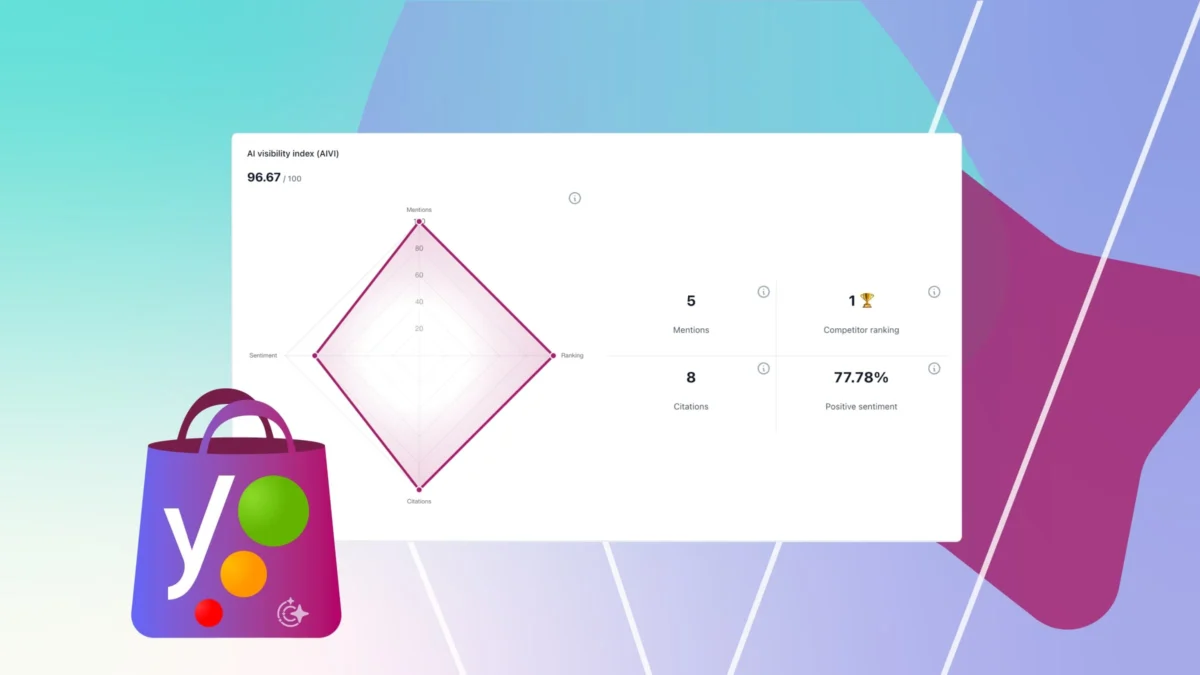
- Building an AI Presence: As AI-powered search and conversational interfaces gain prominence, understanding how AI platforms perceive and represent a brand becomes critical. Tools like Yoast SEO AI+ aim to provide insights into brand perception within AI ecosystems, helping businesses optimize for this evolving digital landscape.
Industry Perspectives and Broader Implications
The rise of AI website builders has garnered mixed reactions within the web development community.

For Small and Medium-sized Enterprises (SMEs) and Individuals: AI builders are largely seen as a game-changer. "For years, the initial cost and complexity deterred countless small businesses from establishing a professional online presence," notes a hypothetical industry analyst. "AI democratizes web creation, allowing entrepreneurs to quickly test ideas, launch minimum viable products, and compete more effectively online without needing deep technical skills or large budgets." This accessibility is crucial for economic growth and digital inclusion.
For Professional Developers and Agencies: The sentiment is more nuanced. While AI can handle basic brochure sites, complex, bespoke projects with unique functionalities, integrations, and branding still demand human expertise. "AI is a powerful tool, not a replacement for human creativity and strategic thinking," states an inferred lead developer at a digital agency. "It frees up developers from mundane, repetitive tasks, allowing them to focus on higher-value activities like advanced custom coding, complex system architecture, and sophisticated user experience design." Some fear job displacement for entry-level developers, while others see an evolution of roles, requiring more focus on AI tool mastery, data analysis, and creative problem-solving.
Quality and Uniqueness Concerns: A common critique of AI-generated content and design is the potential for generic, uninspired, or even inaccurate output. "While AI can produce visually appealing layouts, the real challenge lies in infusing the site with authentic brand personality and genuinely helpful, unique content," remarks an inferred digital marketing consultant. "Without careful human refinement, AI-generated sites risk blending into a sea of sameness." This highlights the ongoing importance of human oversight to ensure originality, factual accuracy, and alignment with specific brand values.
The Future of Web Development: Collaboration, Not Replacement
The transformative power of AI in web development is undeniable. It compresses the foundational building phase from days or weeks into minutes, providing an unprecedented head start. This allows individuals and businesses to launch faster, iterate quicker, and dedicate more resources to refining the elements that truly matter: authentic content, strong branding, and an optimized user experience.
However, AI does not signify the finish line. A successful, high-performing website is a dynamic entity that requires continuous human input, strategic thinking, and ongoing effort in content creation, SEO, maintenance, and performance monitoring. AI website builders have democratized the initial creation process, lowering the barrier to entry significantly. The future of web development will likely be characterized by a collaborative synergy between advanced AI tools and human creativity, where AI handles the heavy lifting of initial setup, and human experts focus on personalization, strategic growth, and delivering truly unique digital experiences. The sooner one launches, the sooner they can begin the essential journey of cultivating and growing their online presence in an increasingly digital world.