Suro Senen
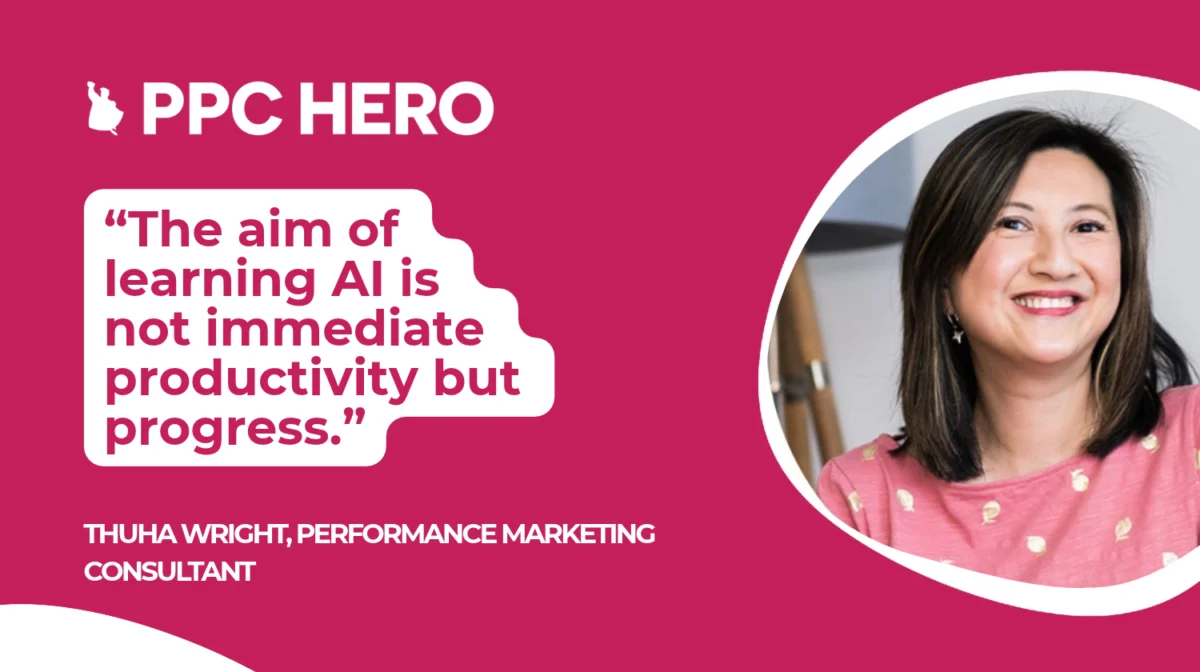
The proliferation of social media posts promising immediate time savings through readily downloadable AI prompt packages has sparked considerable debate within the professional community. These often-simplistic invitations, typically featuring calls to action like "Comment ‘save time’ and I’ll send it in DMs," have been a recurring feature in online professional networks. However, a closer examination, underscored by personal experience and expert commentary, reveals a more nuanced reality: true AI-driven productivity necessitates a significant upfront investment of time, learning, and strategic effort, rather than an instant gratification approach.
Richard Van der Blom, a notable figure in the AI for Non-Techies sphere, highlighted this very concern during a LinkedIn webinar in June 2026. While the exact content of his specific remarks from that session is not detailed in the provided text, the context strongly suggests a critique of superficial AI adoption strategies. The prevalence of such "comment-bait" posts, which appear to be diminishing in frequency according to some observers, has been a source of disquiet for those who recognize the inherent complexities of effective AI implementation.
The core of the unease stems from what these easily digestible offers implicitly suggest to individuals already feeling overwhelmed by the pace of technological advancement. The implication is that a significant portion of the professional world has successfully deployed sophisticated AI agents capable of autonomous operation, leading to substantial weekly time savings. This narrative, while appealing, often overlooks the reality that building and integrating such systems is far from a passive endeavor.
Beyond the illusion of effortless gains, a more critical and less frequently discussed aspect of these downloadable AI solutions is the inherent risk. Users are often left in the dark regarding the permissions granted to the code, the potential for unintended consequences, and their ability to diagnose and rectify issues should they arise. This lack of transparency and control can transform a perceived time-saving tool into a significant liability. The absence of a clear understanding of how these systems function, what data they access, and what actions they perform raises serious questions about accountability and security.
This discomfort with the promise of instant time savings is rooted in a fundamental understanding of how effective AI systems are developed and deployed. While AI undeniably possesses the capacity to revolutionize workflows and boost efficiency, this transformation rarely occurs without a preceding period of dedicated learning, experimentation, and strategic planning. Achieving truly impactful AI outputs necessitates "great inputs." This, in turn, requires a deep understanding of the underlying processes, meticulous provision of context, rigorous testing of AI-generated results, identification of failure points, and iterative refinement to align the AI’s behavior with expert-level performance.
The author’s personal journey offers a compelling case study in this regard. The initial foray into AI, specifically with tools like Claude Code within the Cursor environment in 2025, proved to be a perplexing experience. This early encounter is likened to the early 2000s, when users grappled with the intricacies of mastering spreadsheet software after significant updates. The steep learning curve and unfamiliarity of the interface presented a substantial barrier to immediate adoption.
A significant turning point arrived by Christmas of that year with an investment in a specialized course offered by Annica Digital. This "build-along workshop" provided hands-on experience with n8n, an AI agent assistant tool, focusing on the creation of automated social media content scheduling. N8n, while possessing a more advanced feature set than platforms like Zapier, was presented as having a more intuitive visual interface, a crucial factor for non-technical users. The immediate impact of this practical training was profound, described as a "mind-blowing" revelation.
However, the subsequent application of this newfound knowledge revealed the true nature of AI implementation. A dedicated Sunday afternoon was spent meticulously building an n8n workflow designed to automate the process of attaching invoice documents from emails to the corresponding bank entries in Freeagent accounting software. This intensive effort, undertaken during a time typically reserved for rest and family, was driven by the ambition to alleviate the recurring burden of weekly bookkeeping. The prospect of eliminating this task and reducing mental load was a powerful motivator. The author retired that evening feeling a sense of accomplishment.
The following Monday, the harsh reality of imperfect automation set in. The meticulously crafted workflow failed to function flawlessly. Specifically, it encountered an insurmountable obstacle when dealing with invoices not denominated in Sterling, highlighting a critical oversight in the initial design and a lack of foresight regarding currency variations.

Fortuitously, a conversation with a colleague provided a crucial breakthrough. The colleague revealed their use of the n8n-as-code extension within Cursor for building n8n workflows. Armed with this information and a degree of trepidation due to prior limited experience with Cursor, the author attempted to replicate the workflow. Within a mere ten minutes, a revised workflow was successfully constructed, this time accommodating non-Sterling currencies. While this demonstrated the power of the new approach, it also engendered a sense of frustration. The realization that proficiency in Cursor could have prevented the previous day’s extensive troubleshooting underscored the initial learning investment. Furthermore, the hands-on experience with n8n had been instrumental in developing a deeper understanding of workflow mechanics, which in turn enabled the formulation of more precise and effective prompts for rebuilding the solution. This experience solidified the principle that even with advanced tools, the quality of the prompts and the user’s understanding are paramount.
The author’s current standing, three months after these formative experiences, reflects a significant evolution. A trajectory has been established that was previously unimagined, marked by the ability to connect to APIs and utilize Claude Code within a terminal environment. The focus has shifted to building custom "skills" that are tailored to personal processes and habits, rather than relying on generic solutions. While the building process continues, the anxiety of falling behind has been replaced by a sense of steady progress.
The overarching takeaway from this journey is that learning AI is inherently a long-term endeavor, and this is perfectly acceptable. The process transcends mere technical skill acquisition; it involves a comprehensive understanding of interconnected concepts. This includes grasping the nuances of APIs, OAuth credentials, permissions, prompt engineering, workflow design, error flagging, debugging methodologies, and the often-unpredictable nature of AI system behavior.
As with any significant learning curve, each challenge overcome provides reusable knowledge and a deeper comprehension of the terminology. This accumulated understanding empowers individuals to ask more pertinent questions and to construct subsequent workflows with greater speed and efficiency. The ultimate objective of engaging with AI should not be immediate productivity gains, but rather sustained progress.
The author acknowledges and empathizes with those who are dedicating late nights to AI learning, engaging in rigorous testing and refinement, and persistently seeking knowledge from experts. This arduous yet necessary path is presented as the fundamental journey of AI adoption.
The integration of AI into daily professional lives is no longer a hypothetical scenario; it is a present reality. Investing time in understanding the foundational principles and establishing robust learning frameworks will yield significant long-term benefits in terms of time and effort saved. While pre-built prompts or AI skills might offer immediate assistance, their utility can be fleeting as the technology evolves and individual needs change.
A poignant parallel is drawn to Winston Churchill’s famous declaration, "Victory however long and hard the road may be." Although originating from a vastly different and more serious historical context, the underlying sentiment of perseverance through difficulty resonates deeply with the AI learning experience.
Looking ahead, the author extends an invitation to connect on LinkedIn to share experiences and further resources. In the interim, several valuable resources that have supported this AI learning journey are provided:
- Thursday AI Club: This bi-weekly event, held every Thursday afternoon, offers a platform for sharing and learning. The author is not only an active participant but also an Ambassador, committed to fostering diversity within the group.
- AdstoAI: This community is dedicated to AI-curious business owners and marketers who collaborate on building solutions and exploring the future of work and AI.
- PPC Mastery: A hub offering resources and insights relevant to the PPC (Pay-Per-Click) advertising domain, often intertwined with AI applications.
The journey into mastering AI is not about finding shortcuts but about embracing the learning process. The initial promise of instant time savings, while alluring, often masks the essential groundwork required for genuine, sustainable, and secure AI integration. The true productivity gains emerge not from downloaded solutions, but from cultivated understanding and the persistent effort to build and refine one’s own AI capabilities. This approach not only mitigates risks but also empowers individuals to adapt and thrive in the rapidly evolving landscape of artificial intelligence.


 Laily UPN
 Nana Muazin