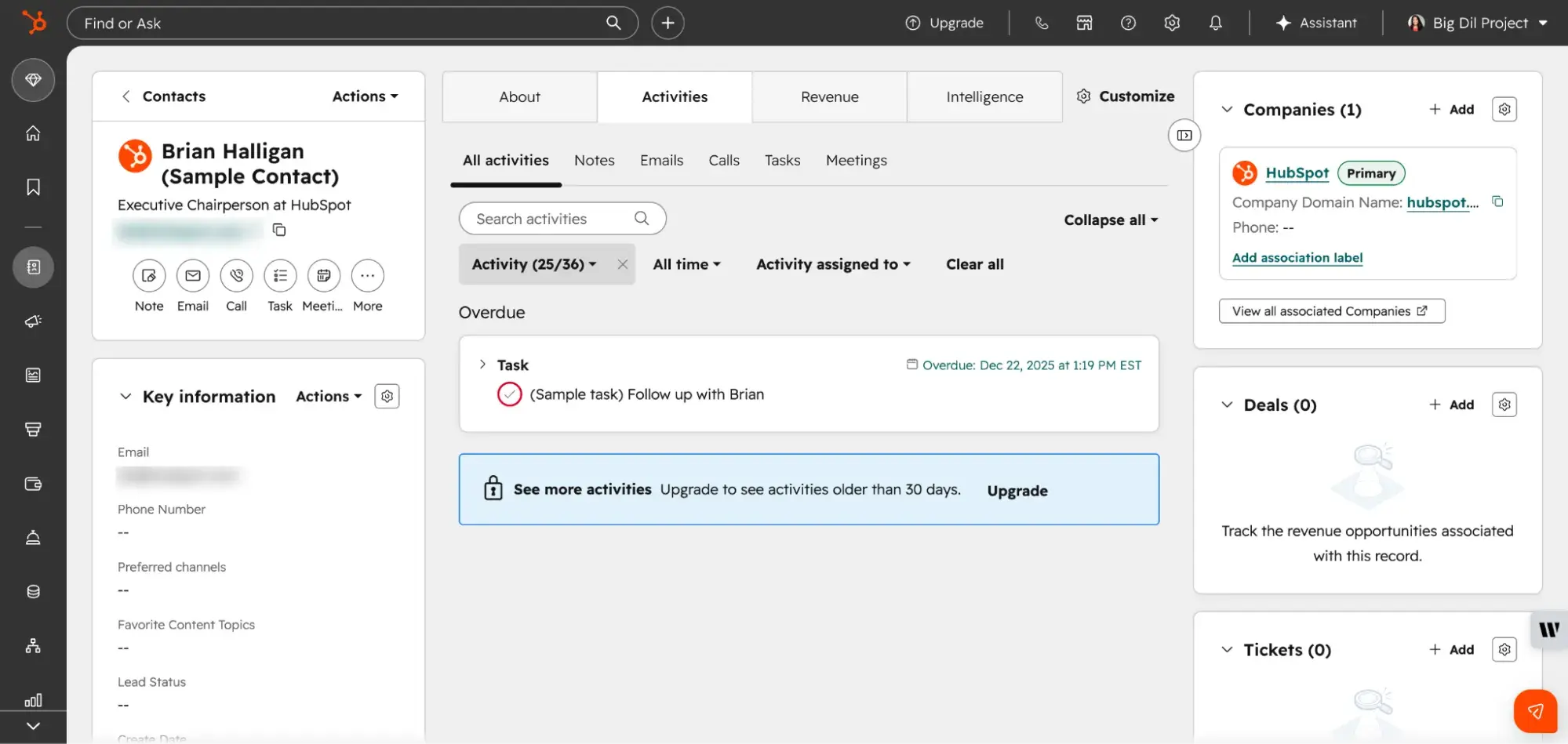
Customer Relationship Management (CRM) systems have evolved from simple contact databases into vast repositories of deeply sensitive information, mirroring the confidential nature of a personal journal, albeit on an enterprise scale. These platforms meticulously record everything from contact details and purchase histories to support interactions, and in many sectors, even health information or payment data. The sheer volume and sensitivity of this aggregated data necessitate rigorous CRM compliance, an ongoing organizational commitment to aligning data practices with an increasingly complex web of legal, security, and ethical standards. Without robust compliance protocols, businesses face substantial risks, including severe financial penalties, profound reputational damage, and a critical erosion of customer trust.
Defining CRM Compliance in a Digital Landscape
CRM compliance is not a static checkbox exercise but a dynamic, continuous process. It encompasses the systematic alignment of how customer data is collected, stored, used, and eventually deleted within a CRM system, adhering strictly to relevant laws, industry security standards, contractual obligations, and internal corporate policies. This framework ensures that every interaction with sensitive customer information is managed responsibly and securely. Given that multiple departments—including marketing, sales, customer service, operations, IT, and legal—routinely access and contribute to the CRM, compliance becomes a shared organizational responsibility.
In practical terms, CRM compliance manifests through various operational safeguards: establishing clear consent mechanisms for data collection, implementing stringent access controls to prevent unauthorized viewing or modification, adhering to defined data retention schedules, and maintaining comprehensive audit trails to track all data activities. It also involves ensuring secure data transfer protocols for integrations and systematically addressing data subject requests (DSRs) from individuals seeking to access, correct, or delete their personal information. This structured approach stands in stark contrast to the informal handling of data, particularly when considering the multitude of users and interconnected systems involved in modern CRMs.

The Escalating Stakes: Why Compliance is Imperative
The consequences of CRM non-compliance are substantial and growing. A report from IBM indicates that the average cost of a data breach has surged to $4.88 million, a figure that doesn’t fully capture the immeasurable damage to customer trust and brand equity. This financial burden is exacerbated by intensifying regulatory scrutiny and a heightened global awareness of data privacy rights.
Risks: The Cost of Getting CRM Compliance Wrong
Consumer awareness of data privacy laws is at an all-time high. Cisco’s research highlights that over half (53%) of consumers are now familiar with data privacy regulations, and a significant portion (36%) are actively exercising their data rights through access, correction, deletion, or transfer requests. This surge in consumer engagement translates into more Data Subject Requests, increased regulatory oversight, and higher expectations for companies entrusted with personal data. Organizations failing to meet these expectations face severe repercussions. The IBM 2024 breach report underscores this, noting that non-compliance is associated with a 22.7% increase in organizations paying regulatory fines exceeding $50,000. High-profile data breaches, such as those reported at major tech companies, serve as stark reminders of the pervasive threat and the critical need for robust data security.
Rewards: Trust That Converts into Business Value
Beyond mitigating financial and legal risks, robust CRM compliance offers significant business advantages, primarily by fostering invaluable customer trust. In today’s competitive landscape, data-handling reputation is paramount. A TELUS poll revealed that 88% of consumers consider a company’s data-handling practices important in their purchasing decisions, with 86% stating that trust directly influences their decision to buy or use products. Given that 74% of Americans actively worry about how organizations manage their personal data, demonstrating a commitment to privacy is a powerful differentiator. A well-executed CRM compliance program, though often invisible to the end-user, is a foundational element in maintaining customer relationships, directly impacting pipeline growth, customer retention, and long-term customer lifetime value. Proactive measures, such as documented consent and retention workflows, can streamline compliance reviews, transforming what could be months of scrutiny into mere days and preventing costly penalties or lost sales.
Navigating the Regulatory Labyrinth: Key Laws and Standards

CRM compliance operates within a complex regulatory environment, with laws and standards varying based on industry, geographic location, and data type. A single organization, such as a U.S. healthcare company serving E.U. patients, might simultaneously be subject to GDPR, HIPAA, and PCI DSS. Understanding these frameworks is crucial for any business handling customer data.
- General Data Protection Regulation (GDPR): A landmark E.U. law applying to any organization processing data of E.U./EEA residents, regardless of the organization’s location. Key CRM obligations include obtaining explicit consent, establishing a lawful basis for processing, facilitating Data Subject Rights (DSRs), ensuring data deletion, having Data Processing Agreements (DPAs) with third parties, and mandating breach notifications within 72 hours. Penalties can reach €20 million or 4% of global annual turnover, whichever is higher.
- California Consumer Privacy Act (CCPA) / California Privacy Rights Act (CPRA): These U.S. laws apply to businesses meeting specific thresholds and serving California residents. They grant consumers rights such as the right to know what data is collected, the right to delete personal information, the right to opt-out of the sale or sharing of data, and the right to non-discrimination for exercising these rights. Intentional violations can incur fines of up to $7,500 per incident.
- Health Insurance Portability and Accountability Act (HIPAA): A U.S. law protecting the privacy of patient health information (PHI), primarily applicable to healthcare entities and their business associates. CRM obligations include robust PHI access controls, audit logs, Business Associate Agreements (BAAs), data encryption, and strict breach reporting protocols. Penalties can escalate to $1.9 million per violation category annually.
- Payment Card Industry Data Security Standard (PCI DSS): A global standard for any organization storing, processing, or transmitting cardholder data. It mandates encryption, strict access controls, logging, and vulnerability management. Non-compliance can result in fines ranging from $5,000 to $100,000 per month until compliance is achieved.
- System and Organization Controls 2 (SOC 2): A voluntary auditing procedure for SaaS and cloud service providers. It assesses an organization’s information security practices based on five "Trust Service Principles": security, availability, processing integrity, confidentiality, and privacy. While it doesn’t carry direct fines, failing a SOC 2 audit can lead to a loss of vendor contracts and reputational damage.
- ISO 27001: An international standard for information security management systems (ISMS). Organizations seeking this certification must implement a comprehensive set of controls covering risk assessment, access management, and incident response. Loss of certification or failure to comply can lead to significant reputational harm and impact international business opportunities.
Technical Cornerstones of a Compliant CRM
Every major compliance framework necessitates specific technical controls within a CRM to ensure and maintain compliance. These controls form the bedrock of data security.
- Encryption and Key Management: Data must be encrypted both in transit (while moving between systems) and at rest (when stored). Transport Layer Security (TLS) protects data in transit, while Advanced Encryption Standard (AES-256) or equivalent standards secure data at rest. Critically, enterprise-grade CRMs should offer customer-managed encryption keys for organizations with advanced regulatory requirements like HIPAA or ISO 27001, providing an additional layer of control.
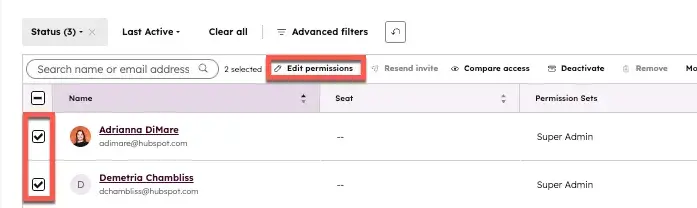
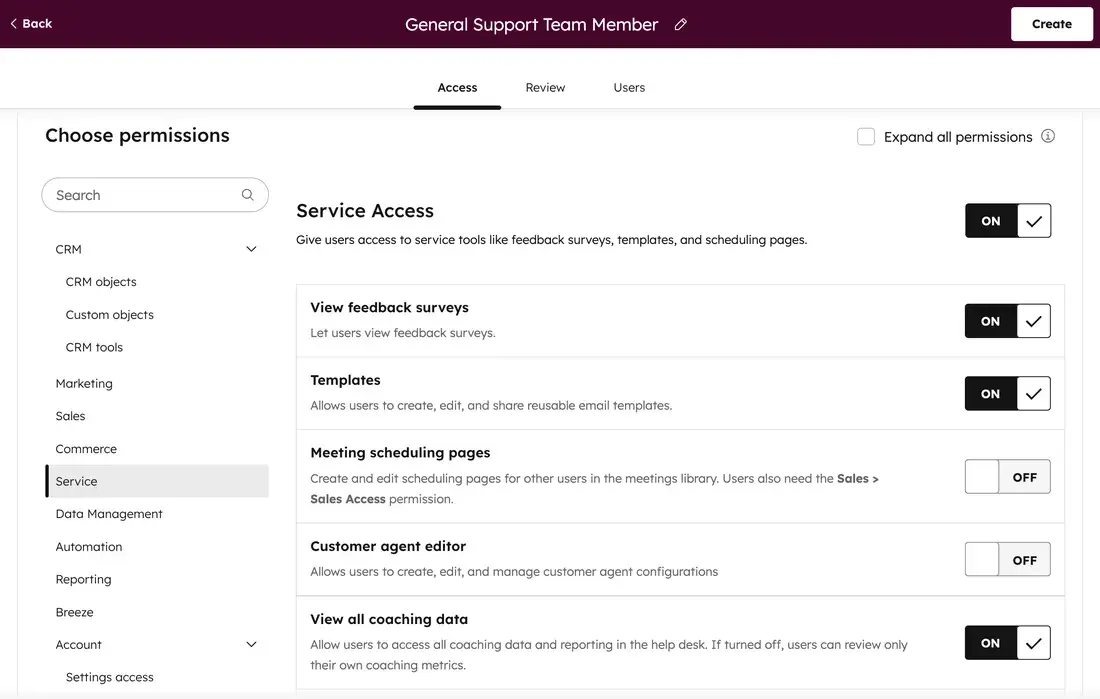
- Role-Based Access Control (RBAC) and Least Privilege: Given that CRMs are accessed by numerous users across various teams, controlling who sees and does what is paramount. RBAC ensures that users can only access data and perform actions directly relevant to their job functions. The "least privilege principle" further refines this, advocating that even within a role, permissions should be as narrow as possible, thereby minimizing the potential impact if an account is compromised. For example, a marketing intern should not have the ability to bulk-delete contact records, nor should a sales development representative access executive compensation data.
- Authentication, Single Sign-On (SSO), and Multi-Factor Authentication (MFA): Weak credentials are a leading cause of data breaches. IBM’s 2024 report highlights that breaches involving stolen credentials take an average of 292 days to identify and contain. Compliant CRMs must enforce strong authentication mechanisms, including robust password policies, Single Sign-On (SSO) for centralized identity management, and Multi-Factor Authentication (MFA) to add an extra layer of security beyond passwords. Session management and IP allowlisting further restrict unauthorized access.
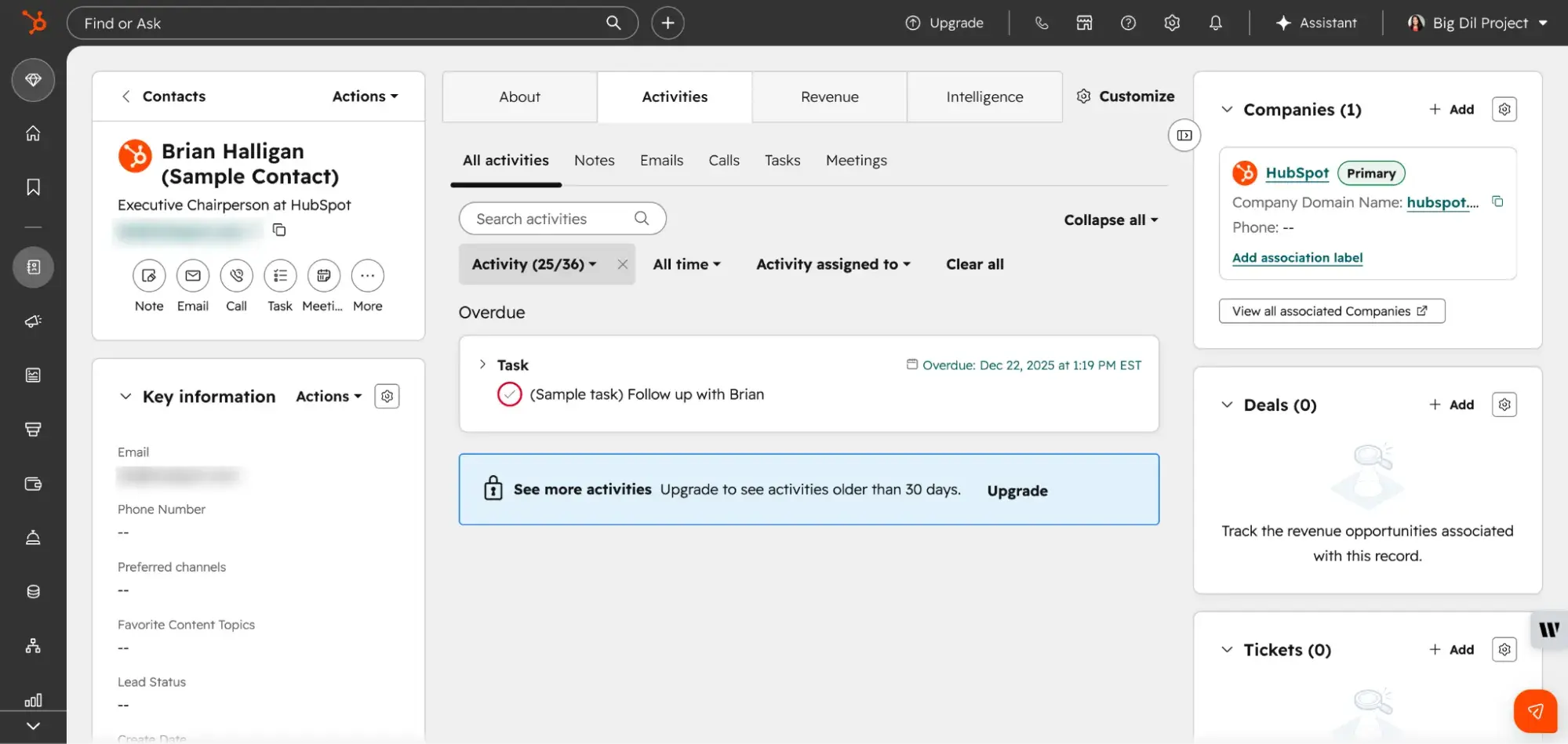
- Audit Trails and Change History: An audit trail provides a comprehensive, timestamped log of every significant action within the CRM, including data creation, modification, deletion, access attempts, and system configuration changes. This granular logging is indispensable for regulatory investigations, forensic analysis during breaches, and verifying compliance. Without detailed audit trails, it is impossible to pinpoint the source of data discrepancies, verify user actions, or demonstrate accountability.
- Backup, Recovery, and Data Residency: Compliance frameworks often require that data be recoverable in the event of a breach or system failure, and that backups adhere to specific geographic boundaries. This necessitates robust backup and recovery plans, including regular data backups, documented recovery procedures, and geographically dispersed data centers to ensure business continuity and data resilience. Data residency requirements dictate where customer data can be physically stored, a critical consideration for organizations serving global clientele, particularly those in the E.U.
Building a Robust CRM Compliance Program
Establishing a CRM compliance program that is both effective and consistently followed requires structured effort.
- Map Your Data and Systems: The foundational step is understanding precisely what data exists within your ecosystem. Data mapping involves documenting every category of personal data in the CRM, its origin, its flow through integrated systems, who can access and edit it, and its assigned retention period. Under GDPR, this is formalized as a Record of Processing Activities (ROPA). Tools that offer data lineage visibility across integrations can transform this from a static spreadsheet into a living, dynamic document. Prioritizing high-risk data categories like health information, payment data, or data from regulated regions is a strategic starting point.
- Operationalize Consent and Preferences: Consent management is a common compliance vulnerability. A robust consent program must define what constitutes valid consent, document its capture, provide mechanisms for individuals to modify their preferences, and integrate consent status across all communication channels and systems. The CRM should act as the central source of truth for all consent and communication subscription data, maintaining a defensible, timestamped record for each individual.
- Set Retention and Automated Deletion: Every piece of customer data carries potential liability. Retention policies dictate how long each data category is kept and what actions are taken upon expiry. Implementing workflow automation within the CRM can streamline this process, automatically alerting teams to approaching deletion deadlines or suppressing tasks when retention windows close, thereby reducing manual effort and ensuring adherence to regulatory requirements.
- Establish a Process for Fulfilling Data Subject Requests (DSRs): Modern privacy laws grant individuals rights over their data, including requests for access, correction, deletion, or transfer. GDPR mandates a response within 30 days, making a streamlined, repeatable process crucial. The CRM should enable quick searching, exporting, and deletion of contact-level data, including associated activity logs and form submissions, to meet these deadlines efficiently.
- Train Teams and Review Access: Technical controls are only as effective as the human element operating them. Comprehensive compliance training is essential, covering data handling policies, security best practices, incident reporting procedures, and the implications of non-compliance. Regular (e.g., quarterly) access reviews are also critical to identify and deactivate dormant accounts or revoke unnecessary privileges, mitigating a common attack vector.
- Report, Audit, and Improve: Compliance is an ongoing cycle, not a one-time event. A regular cadence of reviews is necessary to adapt to evolving regulations, changes in the tech stack, and business growth. This includes internal audits, vendor security reviews, and external compliance assessments to continuously identify gaps and drive improvements.
Operationalizing Compliance: Technology Enforcement
A written policy alone is insufficient; compliance must be ingrained into the CRM system itself. This means configuring the technology to enforce compliance requirements automatically. For instance, the CRM should block email sends to contacts without valid consent status. Workflows can trigger automatic data deletion or suppression at the end of defined retention periods. Role-based access control rules should limit record visibility based on team or territory assignments. Intake forms for DSRs can automatically create timestamped tasks, with SLA alerts firing as deadlines approach. Field-level history should be enabled for all sensitive properties to ensure auditability. Furthermore, integration sync filters should be used to minimize data sharing, ensuring only required fields are transmitted to connected tools, preventing unnecessary exposure.
The Integration Challenge: Securing the Extended CRM Ecosystem
One of the most significant compliance vulnerabilities lies in integrations. IBM’s 2024 breach report highlighted that 35% of all data breaches involved "shadow data"—information organizations were unaware they possessed, often residing in uninventoried systems. Every tool connected to a CRM, from marketing automation platforms and ad networks to data enrichment services and customer success tools, represents a potential compliance exposure.
Integration Governance Principles:
Effective integration governance means applying the same rigorous compliance standards to the extended tech stack as to the core CRM. This involves:
- Inventory All Integrations: Maintain a comprehensive list of every tool connected to the CRM.
- Document Data Flows: Understand exactly what data is exchanged with each integration.
- Implement Data Minimization: Configure integrations to share only the absolute minimum data required for their function.
- Vendor Vetting: Conduct thorough security and compliance reviews for all third-party vendors.
A particularly overlooked risk comes from data broker enrichment services. If a third-party tool appends data to CRM records, organizations must verify that the source data was collected legally and that its storage aligns with their privacy policy and lawful basis for processing, especially under regulations like GDPR.
AI in CRM: Opportunities and Guardrails
Artificial intelligence is rapidly integrating into CRM functionalities, offering both significant advantages and new compliance risks. IBM’s report notes that organizations leveraging AI and automation for security purposes reduced breach costs by an average of $2.2 million, demonstrating AI’s potential as a compliance asset when correctly implemented. However, AI systems processing personal data without proper controls can introduce risks related to bias, scope of consent, data minimization, and accountability.
Safe AI Patterns for CRM Compliance:
High-value, compliance-safe AI use cases typically involve AI assisting human judgment rather than fully automating sensitive decisions. Examples include:
- AI-powered data quality checks: Identifying and flagging inconsistent or incomplete data for human review.
- Automated data classification: Tagging sensitive data types for stricter access controls.
- Drafting personalized communications: AI generates content, but a human reviews and approves before sending.
- Summarizing customer interactions: AI extracts key insights from support tickets, but access to the full transcript remains restricted by RBAC.
- Predictive analytics for compliance risk: AI identifies patterns indicating potential compliance violations, alerting human oversight.
The "human-in-the-loop" design is crucial for compliance-sensitive workflows, ensuring that human oversight and approval are always part of the process before any AI output reaches customers or impacts critical data. Before deploying any AI on CRM data, a quick compliance check should confirm: what personal data the model accesses, if its use aligns with consent and lawful basis, if a human review step is present, and if the AI’s activity is logged in the audit trail. If all four questions cannot be answered affirmatively, a more cautious evaluation is warranted.
Strategic CRM Selection for Future-Proof Compliance
Not all CRMs are designed with inherent compliance capabilities. When evaluating CRM platforms, it is critical to prioritize those that embed compliance as core infrastructure, rather than an afterthought. A vendor security and governance checklist is invaluable during this selection process:
- Certifications: Look for SOC 2 Type II, ISO 27001, GDPR-readiness, and HIPAA eligibility.
- Encryption: Verify data encryption at rest (e.g., AES-256) and in transit (e.g., TLS), and inquire about customer-managed key options.
- Access Controls: Assess the granularity of RBAC, field-level permissions, and record-level visibility.
- Authentication: Ensure support for SSO (SAML 2.0), MFA, robust session management, and IP allowlisting.
- Audit Logging: Confirm detailed field-level history, admin action logs, and exportable audit trails.
- Data Residency: Investigate available data center locations and options for regional hosting (e.g., E.U.).
- DSR Support: Verify the ability to easily export and delete a single contact’s complete profile.
Proactive evaluation of a CRM’s compliance features is essential, as the optimal time to address compliance is before an issue arises, not in the midst of a regulatory inquiry or data breach. A CRM lacking an audit trail or the ability to swiftly fulfill a DSR represents a significant compliance liability.
In CRM Compliance We Trust
Ultimately, a CRM holds more than just data; it holds the trust customers have placed in a business to protect and responsibly manage their shared information. CRM compliance is not merely a legal obligation but a fundamental pillar of modern business ethics and a strategic imperative for fostering enduring customer relationships. By meticulously mapping data, implementing stringent access controls, documenting consent, setting clear retention rules, and governing integrations, organizations can significantly advance their compliance posture. When supported by a robust CRM platform that offers native consent management, audit logging, role-based access, and comprehensive data controls, compliance transforms from a daunting aspiration into a manageable and sustainable operational reality.