
 rifanmuazin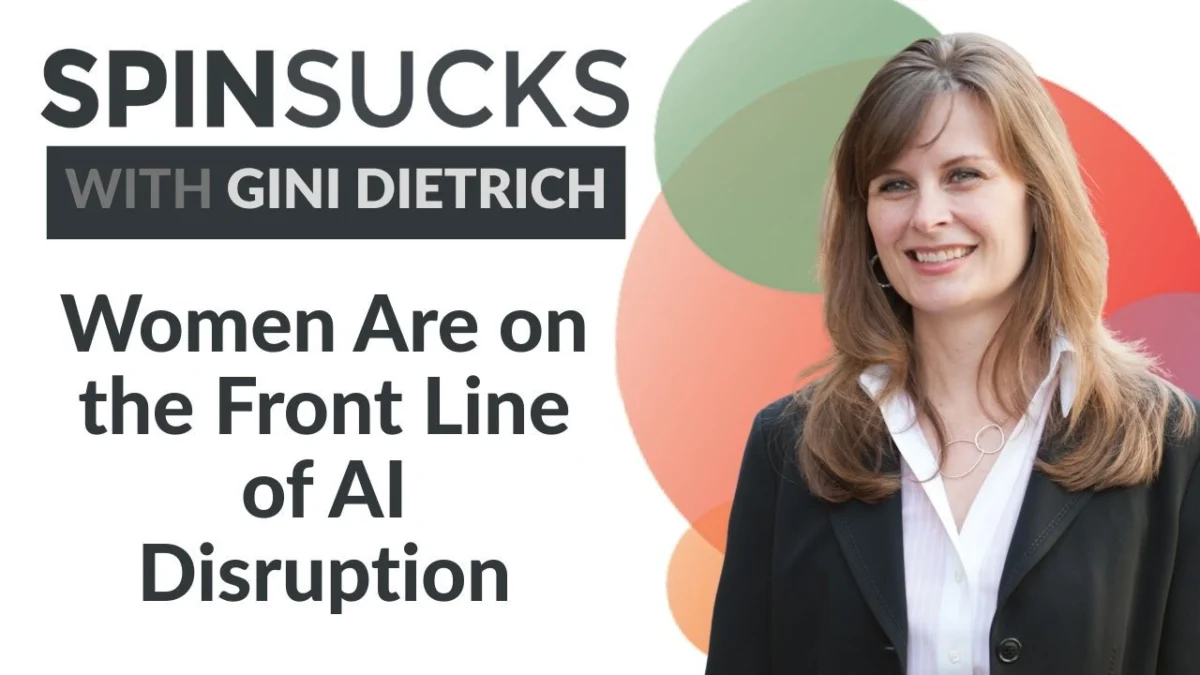
The rapid advancement and integration of generative artificial intelligence (AI) into the global economy have sparked a profound debate regarding the future of white-collar employment, with recent executive commentary and labor data suggesting that the disruption will disproportionately affect highly educated women in humanities-based roles. Alex Karp, the Chief Executive Officer of Palantir Technologies, has publicly asserted that AI will fundamentally shift the balance of economic and political power away from college-educated, female-dominated professions toward vocationally trained, predominantly male sectors. This shift, described by industry analysts as a "gendered automation gap," marks a significant departure from previous industrial revolutions, which primarily targeted manual labor and manufacturing. As generative AI continues to reshape the landscape of communications, marketing, and administration, the structural vulnerabilities of the modern white-collar workforce are becoming increasingly apparent.
Chronology of Public Statements and the Shift in Executive Rhetoric
The discourse surrounding AI’s impact on gender and the humanities reached a critical point in early 2024, following a series of high-profile appearances by Alex Karp. In January 2024, during the World Economic Forum in Davos, Karp engaged in a dialogue with BlackRock CEO Larry Fink, where he explicitly stated that AI would "destroy humanities jobs." He warned that individuals who studied philosophy or other liberal arts at elite institutions would find their skills increasingly difficult to market unless they possessed supplementary technical or vocational capabilities. Karp’s rhetoric was notable for its lack of traditional corporate platitudes, as he characterized those who failed to anticipate these disruptions as disconnected from reality.
This narrative was further solidified in March 2024, during a CNBC interview that coincided with Women’s History Month. In the interview, Karp detailed a specific socio-political outcome of AI deployment, predicting a reduction in the economic and political leverage of "highly educated, often female" voters. He contrasted this with an expected increase in the economic power of "vocationally trained, working-class, often male" workers. By naming the humanities as the specific discipline under threat, Karp identified the core of the white-collar workforce—those trained in critical thinking, persuasive writing, and institutional accountability—as the primary targets of AI-driven efficiency.
Supporting Data and Structural Labor Disparities
While Karp’s comments have been perceived by many as provocative, they are supported by emerging data from international labor organizations. A study by the International Labour Organization (ILO) regarding the exposure of jobs to generative AI indicates that women are nearly three times more likely than men to be employed in occupations with high automation potential. In high-income countries, including the United States, approximately 9.6 percent of female employment is considered at high risk for AI-driven automation, compared to only 3.5 percent for men.
This disparity is rooted in the structural distribution of the workforce. According to the National Association of Home Builders and the U.S. Bureau of Labor Statistics, women hold approximately 70 percent of white-collar roles, whereas men are more heavily represented in construction, manufacturing, and manual trades. Generative AI excels at tasks involving text generation, data synthesis, and administrative coordination—functions that are central to marketing, human resources, public relations, and legal services. Conversely, physical trades such as plumbing, electrical work, and specialized manufacturing remain significantly more difficult to automate with current robotic and AI technologies.
Furthermore, a "Women in the Workplace" report by McKinsey & Company revealed a growing gap in AI adoption and support. The study found that only 21 percent of entry-level women reported that their managers encouraged them to utilize AI tools, whereas 33 percent of men at the same level received such encouragement. This suggests that women are not only more exposed to the risks of displacement but are also receiving less institutional support to transition into AI-augmented roles.
The Targeted Nature of Humanities-Based Professions
The professions currently facing the most immediate pressure from generative AI are those built upon skills traditionally associated with a liberal arts education. These include roles in communications, content strategy, media monitoring, and campaign execution. The economic rationale for AI integration in these sectors is often framed under the mandate to "do more with less," a corporate euphemism for reducing headcount and compressing budgets.
Industry experts observe that the "humanities-trained" workforce provides more than just content; they provide ethical reasoning and critical analysis. These professionals are often the ones who question the long-term reputational impact of corporate decisions or the ethical implications of a specific marketing strategy. If these roles are minimized or replaced by automated systems, the institutional capacity for judgment and accountability may be diminished. The irony, as noted by researchers at the Markkula Center for Applied Ethics, is that the very skills being devalued—empathy, ethical questioning, and contextual understanding—are the same skills required to govern AI systems safely.
Responses from the Communications and Strategic Sectors
The reaction from the professional communications community has been a mixture of alarm and strategic pivoting. Industry leaders, such as Nancy Lyons of Everdare Advisors and Gini Dietrich of Spin Sucks, have argued that the response to this threat must be a revaluation of strategic output over mere tactical execution. The argument posits that while a chatbot can generate a "passable" press release or blog post, it cannot perform high-level strategic integration.
One prominent framework being utilized as a defense against AI displacement is the PESO Model® (Paid, Earned, Shared, Owned). This model emphasizes integrated strategy and measurable business outcomes. By shifting the focus from "content creation" to "strategic business drivers," professionals aim to demonstrate value that exceeds the capabilities of generative AI. Proponents of this approach argue that when a communications professional can link earned media to lead generation or owned content to search authority, they move from being a "cost center" to a "strategic function."
Nevertheless, the challenge remains that the perception of AI’s capability often outweighs its actual performance in the eyes of budget-conscious executives. If leadership believes that AI can perform 80 percent of a strategist’s job, the resulting budget cuts can lead to a self-fulfilling prophecy of diminished human oversight and lower quality output.
Broader Impact and Socio-Political Implications
The implications of a gendered shift in economic power extend beyond the corporate office and into the political sphere. As Alex Karp noted, the "highly educated, humanities-trained" demographic often aligns with specific political ideologies. A significant reduction in the economic power of this group could lead to a shift in political influence and policy priorities.
Moreover, the displacement of women from white-collar roles could exacerbate existing gender pay gaps. While the first wave of automation in the 20th century affected male-dominated manufacturing, the 21st-century shift toward AI-driven automation is uniquely positioned to impact the progress women have made in professional and managerial sectors over the last five decades.
From a governance perspective, the concentration of AI development in the hands of a few male-dominated tech firms raises concerns about the lack of diverse perspectives in the training and deployment of these systems. If the people most likely to ask "should we?" instead of "can we?" are being marginalized by the technology itself, the risk of unethical or biased AI applications increases.
Analysis of Future Outlook
The current trajectory suggests that the "quiet part" of the AI revolution—the intentional or incidental reduction of power for certain demographics—is being discussed openly by tech leaders. This transparency serves as both a warning and a business roadmap for the coming decade. The survival of humanities-based professions will likely depend on their ability to transition from "creators" to "governors" of AI systems.
For the highly educated female workforce, the challenge is twofold: they must master the tools that threaten their roles while simultaneously asserting the unique value of human judgment that these tools cannot replicate. The "vocationally trained" sector may see a short-term boost in economic leverage, but as AI and robotics continue to merge, even manual trades may eventually face similar pressures.
In conclusion, the statements made by Alex Karp and the supporting data from the ILO and McKinsey highlight a critical inflection point in the digital age. The disruption of the workforce is not a neutral event; it is a structured shift that targets specific skills and demographics. As the global economy adjusts to the presence of generative AI, the preservation of humanities-based critical thinking and the maintenance of gender equity in the workforce will remain central challenges for policymakers and corporate leaders alike. The outcome of this transition will be determined not by the capabilities of the technology, but by the strategic responses of the individuals and institutions it affects.










