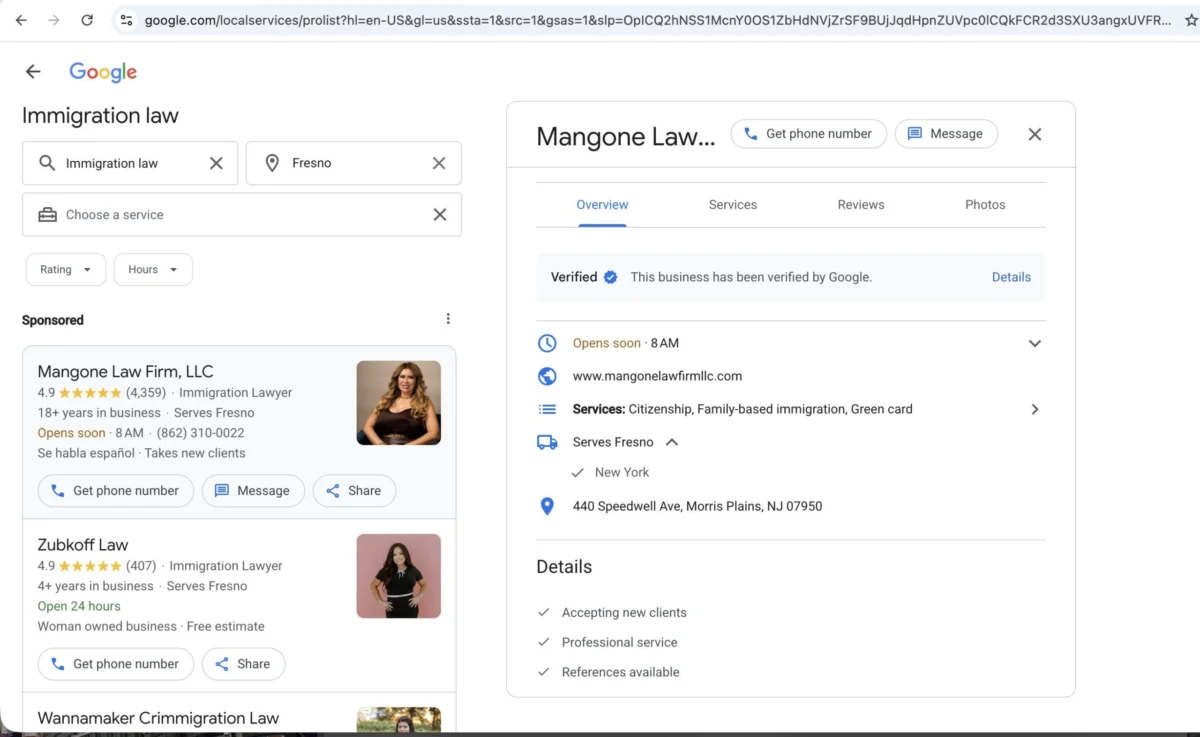
The digital search landscape, long a monolithic domain dominated by Google, is undergoing an unprecedented and rapid transformation. In recent weeks, a confluence of strategic maneuvers by the tech industry’s titans has irrevocably shifted the ground beneath brands, agencies, and anyone reliant on digital channels to engage consumers. Google has rolled out its advanced AI Mode to billions globally, Meta has quietly accelerated its plans for an AI-driven search product, and TikTok has significantly bolstered its burgeoning search advertising business. These synchronized developments collectively signal a profound turning point, redefining how information is discovered, how intent is captured, and how advertising revenue is generated in the digital realm.
Google’s AI-First Paradigm: Answers First, Clicks Later
For over two decades, Google has been synonymous with search, building an empire on indexing the world’s information and presenting it through a ranked list of links. However, the advent of sophisticated generative AI has prompted Google to aggressively innovate, defending its formidable turf by leaning heavily into a new paradigm. The most significant manifestation of this shift is the global rollout of what the company often refers to as its “AI Overviews” (AIOs) or “AI Mode,” powered by its formidable Gemini model. This integration places conversational AI summaries directly at the apex of search results, fundamentally altering the user experience.
Users can now interact with Google’s search engine much like a sophisticated chat assistant. They can pose complex, multi-faceted queries, receive instant, context-rich answers, and engage in follow-up questions to refine their search, all without needing to navigate away from the initial search results page. This evolution prioritizes immediate gratification and comprehensive answers, making the search experience more intuitive and efficient for the end-user.
While undoubtedly a boon for consumers seeking fast, synthesized information, the implications for publishers and marketers are far more complex, and in many cases, challenging. Early data from analytics firms like Sistrix and SparkToro indicates a significant decline in click-through rates (CTRs) for organic listings that appear below these AI overviews. In some documented instances, CTRs for these traditional results have plummeted by more than 50%. This “zero-click” phenomenon, where users find their answers directly on the search engine results page (SERP) without clicking through to external websites, is not entirely new – Google’s featured snippets and knowledge panels have long contributed to it. However, the expansive nature and conversational capabilities of AI Mode are dramatically accelerating this trend, potentially re-routing vast amounts of traffic that once flowed to content creators.
Google, however, is quick to reassure advertisers, asserting that the evolving landscape presents new opportunities rather than existential threats. The company’s strategy involves weaving advertisements directly into these AI-generated answers. Shopping placements and traditional search ads are now appearing seamlessly within the AI summaries, rather than being confined to the periphery of the results page. Furthermore, Google has introduced AI Max, a new campaign type that leverages AI to match creative assets with user intent, reducing reliance on explicit keywords. This signifies a fundamental rewrite of the rules of Search Engine Marketing (SEM). Advertisers who have been early adopters of AI Max are reportedly seeing double-digit performance lifts, suggesting increased efficiency and reach. Yet, this enhanced performance comes with a caveat: marketers are surrendering a greater degree of control to Google’s proprietary algorithms, often referred to as a “black box,” raising questions about transparency and optimization levers.
The underlying message from Google is unequivocally clear: in an AI-first search environment, visibility will hinge less on traditional ranking positions and more on the algorithm’s decision to surface content or ads directly within its synthesized answers. This demands a radical shift in content strategy, focusing on authoritative, concise, and AI-digestible information that the algorithm can confidently present.
Meta’s Ambitious Play: AI-Powered Discovery and New Ad Inventory
While Google fortifies its core search product, other tech giants are aggressively moving to carve out their own slices of the discovery pie. Meta, the parent company of Facebook, Instagram, and WhatsApp, has long harbored ambitions to automate advertising across its vast ecosystem. Now, it is quietly but determinedly advancing its plans for AI-powered search capabilities across its dominant social platforms.
For years, Meta has been collecting an unparalleled wealth of data on user interests, behaviors, and social graphs. This proprietary data, combined with advanced AI, positions the company uniquely to offer highly personalized discovery experiences. Agency executives report that Meta is actively testing and refining AI-powered search across Instagram and Facebook, laying the groundwork for a robust search product designed not only to improve user discovery but also to unlock entirely new streams of ad inventory. The enhanced search functionality already observed on Instagram, making it easier for users to find products, creators, and content, is a likely preview of Meta’s broader ambitions.
Meta’s strategic endgame is multifaceted: to enhance user experience by making content and product discovery more seamless, to deepen engagement within its platforms, and crucially, to keep users—and their associated advertising dollars—firmly entrenched within Meta’s walled gardens. By transforming passive social browsing into active, intent-driven discovery, Meta aims to capture a share of the search advertising market that has traditionally belonged to Google. Industry analysts speculate that Meta’s strength lies in leveraging its rich social data to provide contextually relevant results, potentially offering a more visually engaging and community-driven search experience, especially for lifestyle, fashion, and consumer goods. This move represents a significant push to monetize the vast, untapped search intent that exists within its billions of daily active users.
TikTok’s Ascent: Redefining Search for Gen Z
TikTok, the wildly popular short-form video platform, is adopting a more direct and demonstrably successful approach to challenging Google’s search hegemony. Its burgeoning search ads business has rapidly become a significant growth engine, particularly as it caters to the evolving search habits of younger demographics.
For a substantial segment of Gen Z, the traditional act of “Googling” has been supplanted by “TikTok-ing” or “Instagram-ing.” Data from various market research firms consistently indicates that a significant percentage—often cited as around 40%—of Gen Z users now turn to social media platforms like TikTok and Instagram as their primary starting point for product reviews, restaurant recommendations, travel planning, and even general information discovery. They seek authentic, visually rich, and peer-validated content, which TikTok delivers in spades.
Recognizing this seismic shift in user behavior, TikTok has aggressively expanded its search advertising capabilities. Brands can now target high-intent queries with keyword-based campaigns that appear directly within TikTok’s search results. This allows advertisers to tap into genuine user intent at the precise moment of discovery within a platform that commands unparalleled engagement. Agencies collaborating with TikTok report a dramatic surge in adoption over recent months, with some brands experiencing lower Cost Per Acquisitions (CPAs) and significantly higher engagement rates when strategically combining TikTok search campaigns with their upper-funnel social media spend.
Crucially, these TikTok search campaigns are not merely driving conversions within the platform itself. Emerging data suggests a symbiotic relationship with traditional search: TikTok campaigns appear to lift Google search performance downstream. This indicates that rather than cannibalizing each other, the two channels can feed into each other, with early-stage discovery and inspiration on TikTok translating into later-stage, more transactional searches on Google. This insight underscores the necessity for brands to adopt a holistic, multi-platform approach to search, acknowledging that the consumer journey is no longer linear or confined to a single ecosystem. For brands targeting younger demographics, understanding and investing in TikTok search is no longer optional; it is a strategic imperative.
Big Tech’s Shared Strategy: Owning Discovery and Intent with AI
Beneath these distinct strategies lies a common, overarching objective shared by Google, Meta, and TikTok: to own the “discovery moment” and monetize it through sophisticated AI. The battle is for user attention, intent data, and ultimately, advertising dollars.
- Google’s strategy leverages its vast index and AI to provide definitive answers, aiming to be the ultimate information authority.
- Meta’s approach capitalizes on its social graph and user interest data to facilitate personalized discovery within its content-rich platforms.
- TikTok’s strength lies in its ability to cater to visual and experiential search, driven by user-generated content and algorithmic recommendations.
This convergence marks a fundamental shift away from a centralized search experience towards a fragmented, distributed one. Users are now engaging in “search” across multiple touchpoints, each offering a unique value proposition. The underlying technology powering this fragmentation is AI, which enables these platforms to understand, predict, and fulfill user intent with unprecedented precision.
Chronology of Key Developments:
- Early 2023: Google intensifies public testing of its Search Generative Experience (SGE), integrating its large language models into search results.
- Mid-2023: TikTok rapidly expands its search ad offerings, allowing keyword targeting within its platform, demonstrating strong early performance metrics.
- Late 2023: Google begins rolling out “AI Overviews” (AI Mode) to a broader user base, initially in the US, with plans for global expansion.
- Late 2023 – Early 2024: Meta quietly ramps up internal testing and visible improvements to AI-powered search across Instagram and Facebook, indicating a strategic push into discovery monetization.
- Early 2024: Google expands AI Overviews globally, making the AI-first search experience accessible to billions, while simultaneously refining AI Max for advertisers.
- Ongoing: Agencies report surging adoption of TikTok search ads and increasing fragmentation of search budgets across platforms.
What This Means for Marketers: Adapting to the Fragmented Future
For brands and marketing agencies, these seismic shifts demand a complete overhaul of existing strategies and measurement frameworks. The era of a singular search strategy centered solely on Google is definitively over. The search landscape is now deeply fragmented, and consumer behavior is evolving at an accelerated pace.
- Embrace Multi-Platform Search: Brands must develop integrated search strategies that extend beyond Google. This means allocating budget and optimizing content for platforms like TikTok and Meta, recognizing their growing influence as discovery engines. Each platform requires a tailored approach to content and ad creative.
- Rethink Content Strategy for AI: Content must be created not just for human readers and traditional SEO, but also for AI consumption. This involves providing clear, authoritative, and concise information that Google’s AI Overviews can easily synthesize. For social platforms, content needs to be visually engaging, authentic, and easily discoverable through platform-specific search functionalities.
- Prioritize “SERP Visibility” Over Pure Rankings: In Google’s AI-first world, simply ranking high may no longer guarantee clicks. Marketers must focus on optimizing for visibility within AI Overviews, featured snippets, and direct answers. This might involve structured data, FAQs, and content designed to directly answer common questions.
- Invest in Creative and Context: For visual-first platforms like TikTok and Instagram, high-quality, authentic, and platform-native creative is paramount. AI-driven discovery relies heavily on context and relevance, making creative that resonates with specific platform audiences more crucial than ever.
- Adapt Measurement and Attribution Models: The fragmented search journey necessitates new KPIs and sophisticated attribution models. Marketers need to understand the cross-platform influence and how different touchpoints contribute to the overall customer journey, moving beyond last-click attribution. Tools that can track user journeys across diverse platforms will become invaluable.
- Leverage AI for Marketing Efficiency: Ironically, AI itself offers solutions for marketers navigating this complex landscape. AI tools can assist in keyword research, content generation, ad copy creation, audience targeting, and performance analysis across multiple platforms, helping to manage the increased complexity.
- Reinforce Brand Authority and Trust: In an environment where AI summarizes information, the credibility and authority of the underlying sources become even more critical. Brands that are recognized as trusted experts in their field are more likely to have their content surfaced and cited by AI models, making brand building and reputation management paramount.
The Future of Search: Rewarding Those Who Adapt
The current transformation of search is more than just a technological upgrade; it is a fundamental redefinition of how humans interact with information and how businesses connect with their audiences. For Google, the monumental challenge lies in continuing to innovate and evolve its core product without alienating the publishers and advertisers who have been its long-standing partners. It must balance user experience with maintaining a vibrant ecosystem for content creators and businesses.
For Meta and TikTok, the prize is immense: to convert their massive, highly engaged user bases into powerful intent engines that can capture significant portions of the search advertising budget, traditionally monopolized by Google. Their success hinges on their ability to seamlessly integrate AI-driven discovery and advertising into their existing social experiences.
The future of search is undoubtedly distributed, AI-driven, and intensely competitive. The ultimate winners in this new era will be not only the tech giants capable of building the most sophisticated AI models, but also the brands and marketers who demonstrate the agility, foresight, and willingness to adapt their strategies to this rapidly evolving digital landscape. Those who embrace the fragmentation and learn to navigate the diverse ecosystems of digital discovery will be best positioned to thrive.