Asep Darmawan
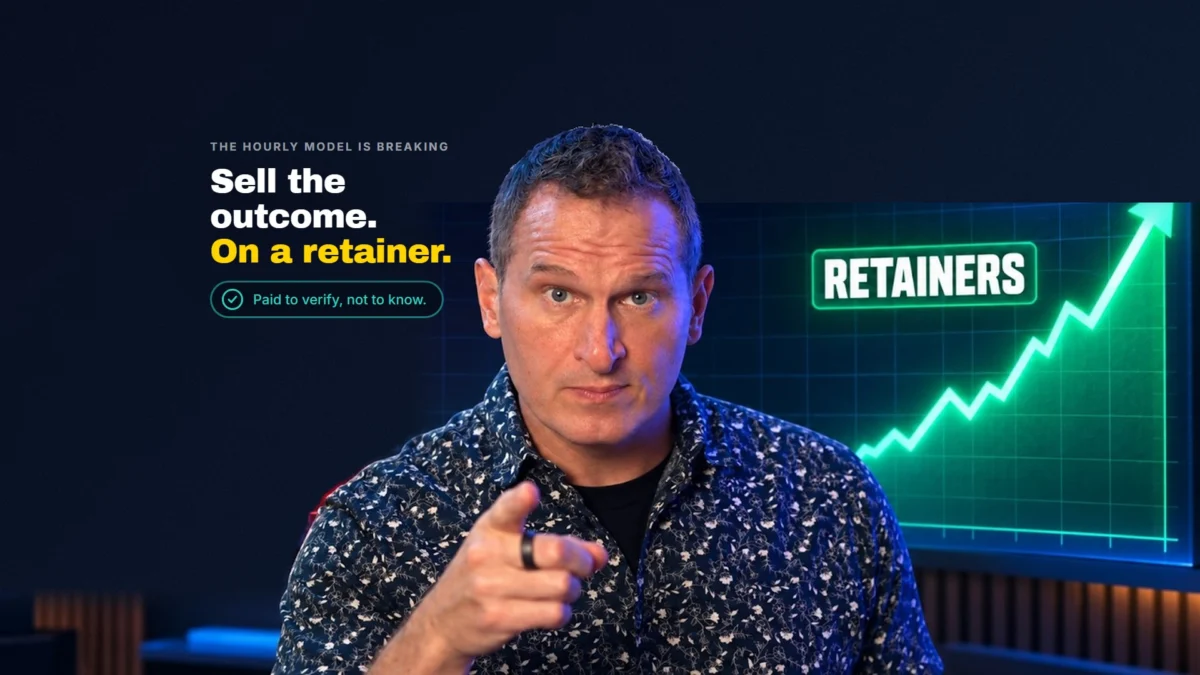
The landscape of professional services is undergoing a fundamental structural shift as artificial intelligence (AI) compresses the time required for complex knowledge work. For decades, the primary economic engine for consultants, freelancers, and agencies has been the billable hour—a model that ties revenue directly to the duration of effort. However, the rapid integration of generative AI and automation tools has begun to decouple effort from output, creating a paradox where increased efficiency threatens the financial stability of traditional service providers. As tasks that previously required a week of labor are now completed in an afternoon, the industry is witnessing the emergence of the "Fractional AI Officer," a retained strategic role designed to replace the crumbling hourly billing framework.

The Erosion of the Labor-Time Valuation
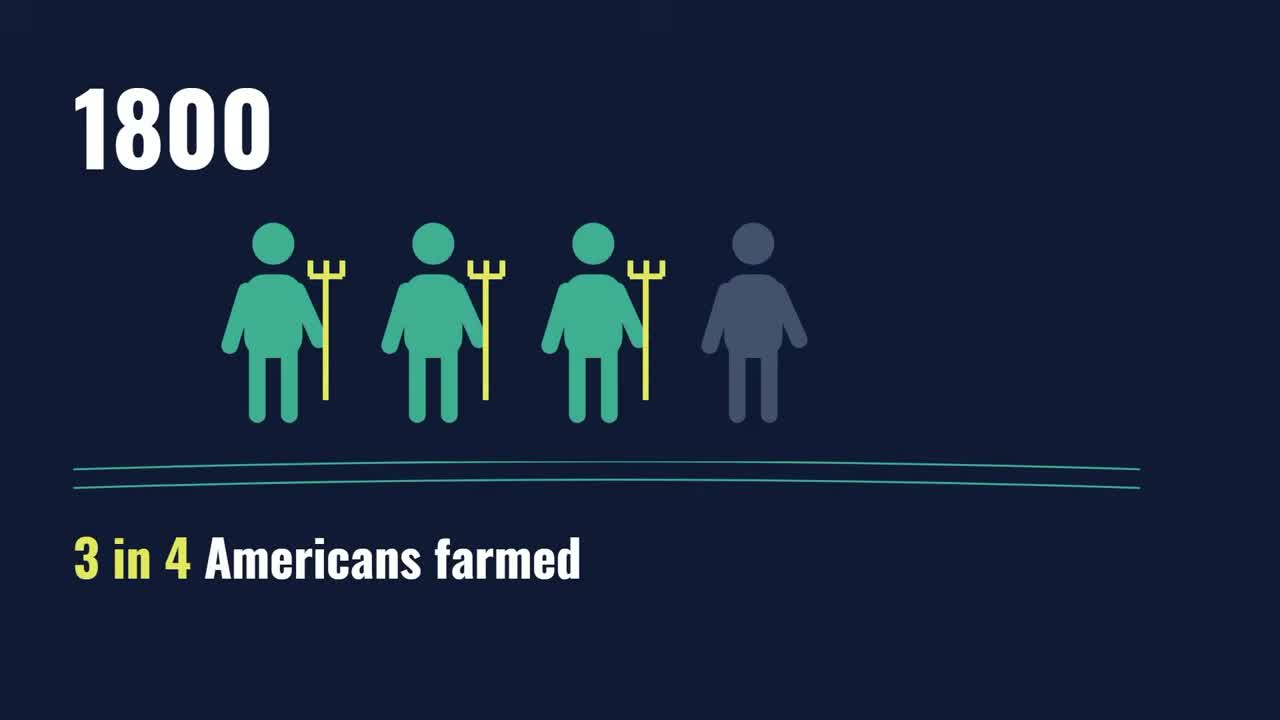
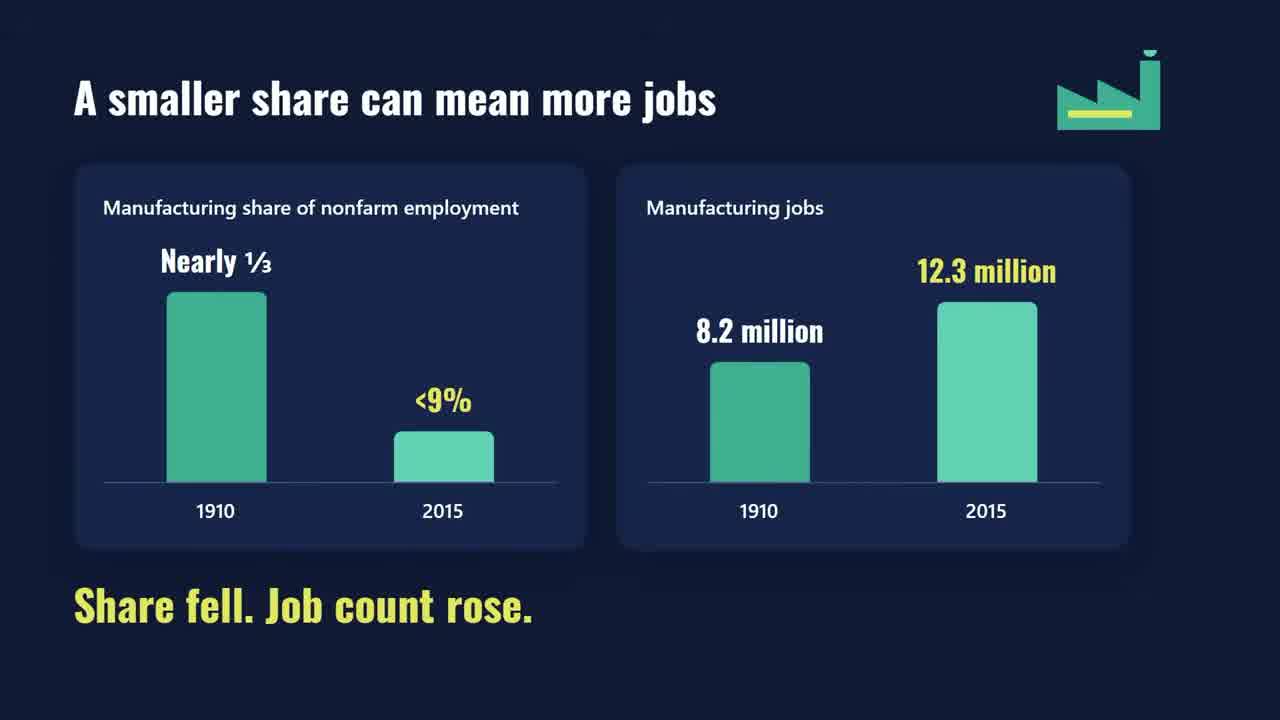
The current disruption in the information economy mirrors historical shifts in agriculture and manufacturing, though it is occurring at a significantly accelerated velocity. In the year 1800, approximately three out of every four Americans were employed in agriculture. By the early 21st century, advancements in machinery, irrigation, and chemical engineering reduced that figure to less than 1% of the workforce, even as total food production reached record highs. Similarly, manufacturing’s share of non-farm employment in the United States fell from nearly one-third in 1910 to under 9% by 2015, despite the total number of manufacturing jobs increasing from 8.2 million to 12.3 million over the same period.
In both instances, technology transformed labor from a manual necessity into a managed output. The information economy is currently entering this transition. Historically, knowledge workers were compensated for what they knew and the time it took to apply that knowledge. In the emerging AI-driven economy, value is increasingly derived from the ability to verify, implement, and maintain high-quality results rather than the "sweat equity" of producing the initial draft or data set. For professionals who continue to charge by the hour, the 5x to 10x efficiency gains provided by AI act as a deflationary force on their own income, effectively punishing them for their proficiency.
Chronology of the AI Integration Crisis
The transition from traditional consulting to AI-integrated strategic roles has followed a distinct timeline over the last 24 months:
- The Experimentation Phase (Late 2022 – Mid 2023): Following the public release of large language models (LLMs) like ChatGPT, knowledge workers began utilizing AI for low-stakes tasks such as email drafting and basic research. During this period, the productivity gains were largely kept "quiet," allowing workers to maintain their traditional billing rates while reducing their actual workload.
- The Efficiency Compression (Late 2023 – Early 2024): As tools became more sophisticated, professionals began automating core deliverables, including code generation, market analysis, and content production. This led to a "fragile" business state where the gap between the perceived effort (billed to the client) and the actual effort (aided by AI) became unsustainably wide.
- The Market Recognition Phase (Present): Clients are becoming increasingly aware of the role AI plays in professional services. The expectation for speed and accuracy has risen, while the willingness to pay for "billable hours" has declined. This has forced a pivot toward outcome-based pricing and retained accountability models.
- The Strategic Realignment (2025 and Beyond): The market is expected to bifurcate into low-cost, AI-automated commodity services and high-value, retained strategic roles where human judgment serves as the final layer of verification and integration.
The Small Business AI Arbitrage Window
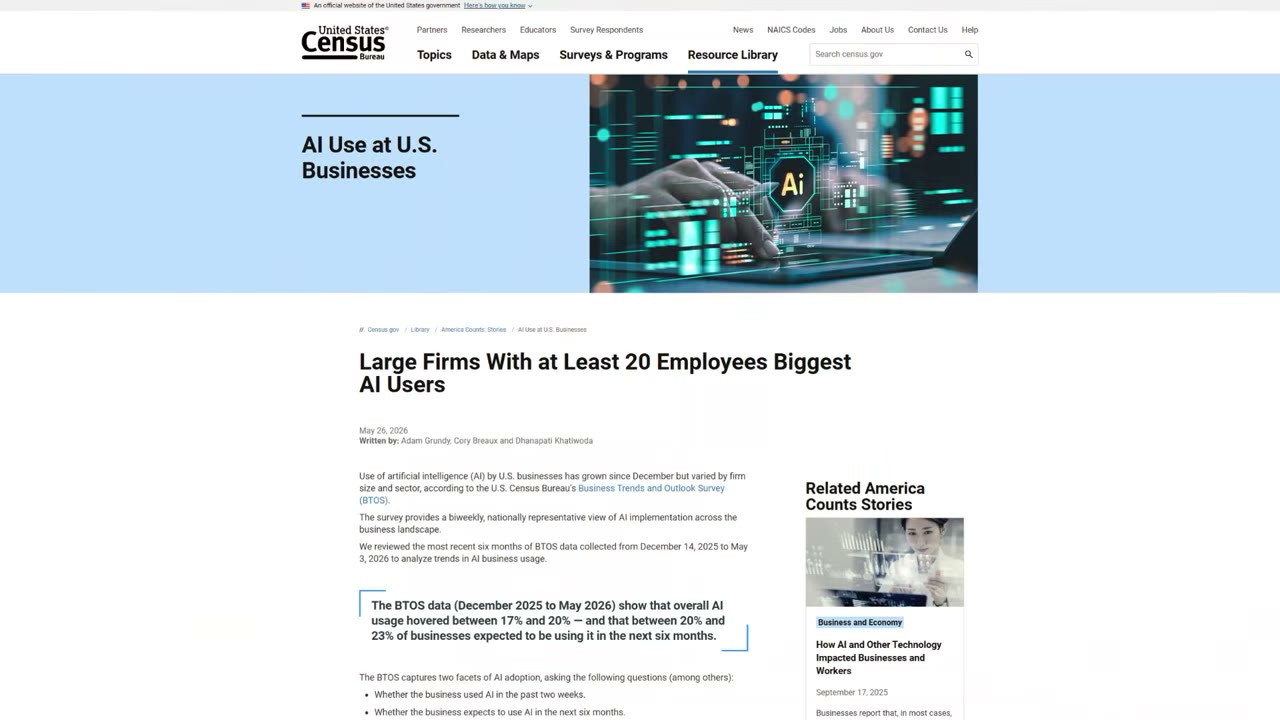
A significant opportunity for consultants lies in the widening "adoption gap" between large enterprises and small-to-medium enterprises (SMEs). Data from the U.S. Census Bureau indicates a stark contrast in how businesses are approaching AI integration. Approximately 37% of firms with more than 250 employees have actively integrated AI into their operations. In contrast, fewer than 20% of firms with four or fewer employees have adopted the technology.
This discrepancy creates a "knowledge arbitrage" window. While small business owners are frequently exposed to headlines regarding the transformative power of AI, they often lack the technical expertise or the time to implement these tools into their specific workflows. They are caught in a state of "informed inertia"—aware of the potential but unable to execute. For a consultant, the value is no longer in the labor itself, but in bridging this gap. The experiments, tool testing, and workflow failures a consultant has experienced over the past year represent a proprietary knowledge base that SMEs are willing to pay for to avoid their own costly trial-and-error periods.
Defining the Fractional AI Officer Role
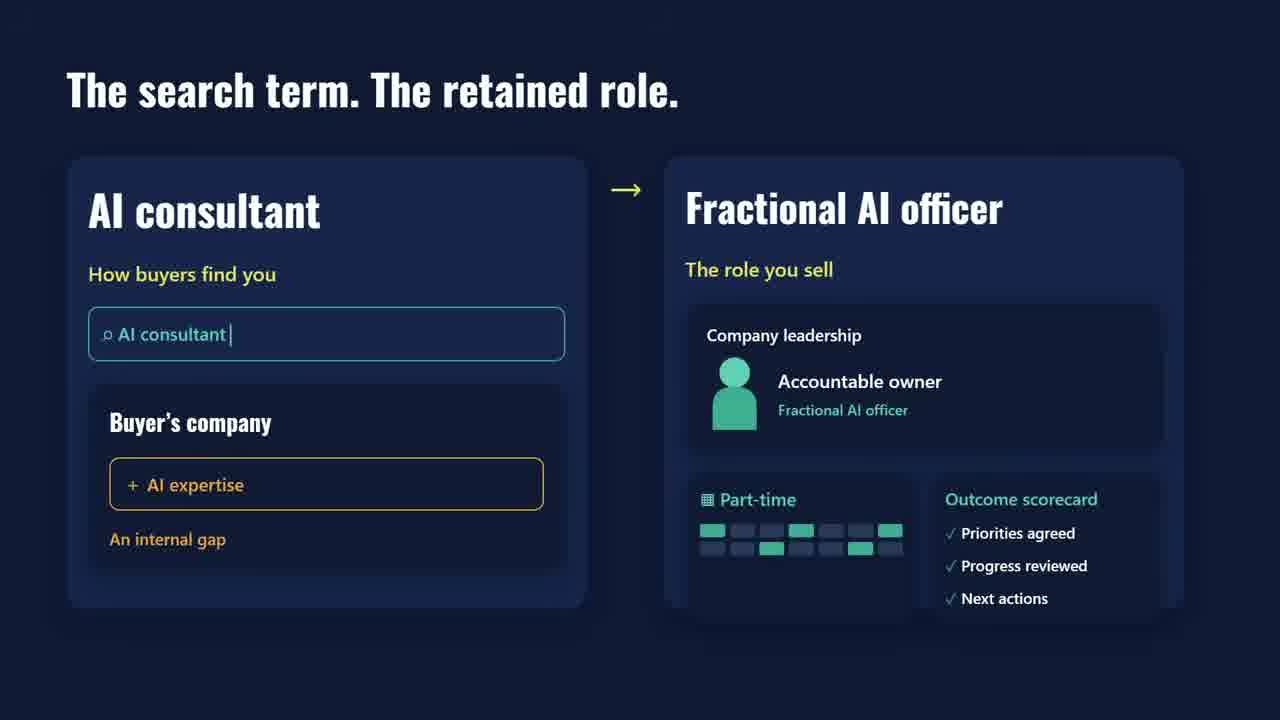
To capture this value, the market is shifting toward a new nomenclature: the Fractional AI Officer (FAO). While "AI Consultant" remains the primary search term used by businesses looking for help, the FAO represents the actual service model that provides long-term stability for both the provider and the client.

The distinction lies in the nature of the engagement. A consultant is typically brought in for a specific project with a defined end date. A Fractional AI Officer, however, is a retained executive-level partner who takes ongoing accountability for the company’s AI outcomes. This role involves:
- Continuous Tool Auditing: Navigating the rapidly changing landscape of AI software to ensure the client is using the most efficient and cost-effective tools.
- Workflow Integration: Moving beyond "chatbots" to connect AI with existing business systems, such as CRMs (Customer Relationship Management) and ERPs (Enterprise Resource Planning).
- Quality Assurance and Verification: Serving as the human-in-the-loop to ensure that AI-generated outputs are accurate, ethical, and aligned with the brand’s standards.
- Training and Cultural Alignment: Educating the client’s internal team on how to utilize AI to enhance their own productivity without fear of replacement.
By positioning themselves as a fractional executive, the professional moves the conversation away from "how many hours does this task take" to "how much value does this ongoing optimization provide to the organization."
Practical Applications and Implementation Examples
The shift to a fractional model is supported by tangible implementations that provide high ROI for clients. These are no longer theoretical possibilities but are currently being deployed by early adopters in the AI consulting space:
- AI-Enhanced CRM Systems: Modernizing sales pipelines by integrating AI that can automatically categorize leads, draft personalized follow-up sequences based on sentiment analysis, and predict churn rates.
- Real-Time Executive Dashboards: Utilizing API integrations to pull data from disparate sources into a centralized dashboard, allowing business owners to see real-time performance metrics without manual data entry.
- Automated Content and Compliance Engines: For industries like legal, finance, or marketing, consultants are building internal tools that can draft documents or creative assets that are pre-vetted against the company’s historical data and regulatory requirements.
- Custom Front-End Development: Using AI-assisted coding to build lightweight, internal applications that solve specific operational bottlenecks, a process that previously required six-figure development budgets and months of lead time.
Broader Economic Impact and Market Implications
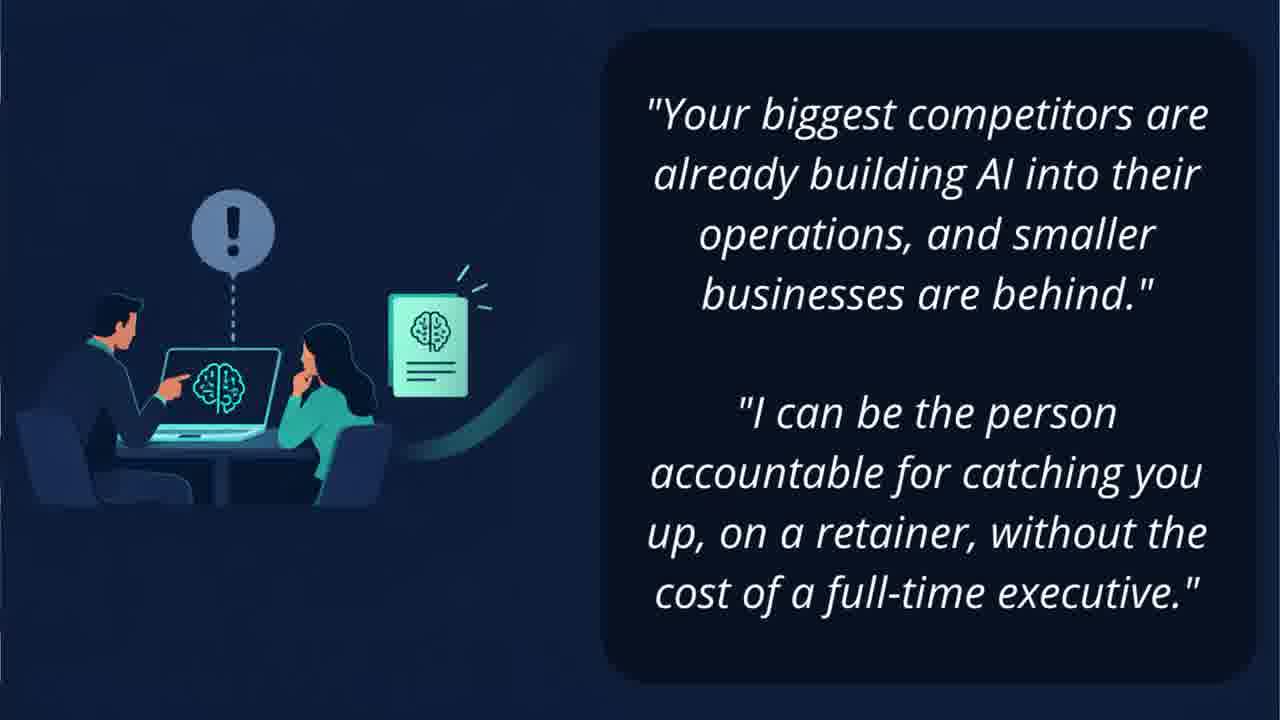
The move toward fractional AI roles is expected to have a stabilizing effect on the gig economy. The volatility of project-based work has long been a drawback for high-level independent professionals. By shifting to a retainer-based model centered on AI accountability, these professionals can achieve more predictable revenue streams while clients gain access to high-level expertise at a fraction of the cost of a full-time Chief Technology Officer or Chief AI Officer.
However, this shift also signals a "judgment economy." As the cost of producing information approaches zero, the value of human judgment, intuition, and strategic oversight increases proportionally. Industry analysts suggest that the professionals who will thrive in this new era are those who can synthesize technical AI capabilities with deep domain expertise in specific sectors like healthcare, real estate, or manufacturing.
Conclusion and Strategic Outlook
The transition from an information economy to an implementation economy is inevitable. The historical precedents of agriculture and manufacturing suggest that while the nature of labor will change, the total value produced will increase. For the modern knowledge worker, the challenge is no longer about working harder or knowing more than a machine; it is about owning the accountability for how those machines are integrated into the fabric of a business.
Repositioning as a Fractional AI Officer allows professionals to exit the "commodity trap" of hourly billing. It transforms them from a vendor into a strategic partner, ensuring that as AI continues to evolve, their role remains central to the client’s success. The "arbitrage window" remains open for now, but as AI adoption becomes standardized across all business sizes, the early movers who establish themselves as retained experts will likely define the standards for the next generation of professional services.


 Basiran