
 rifanmuazin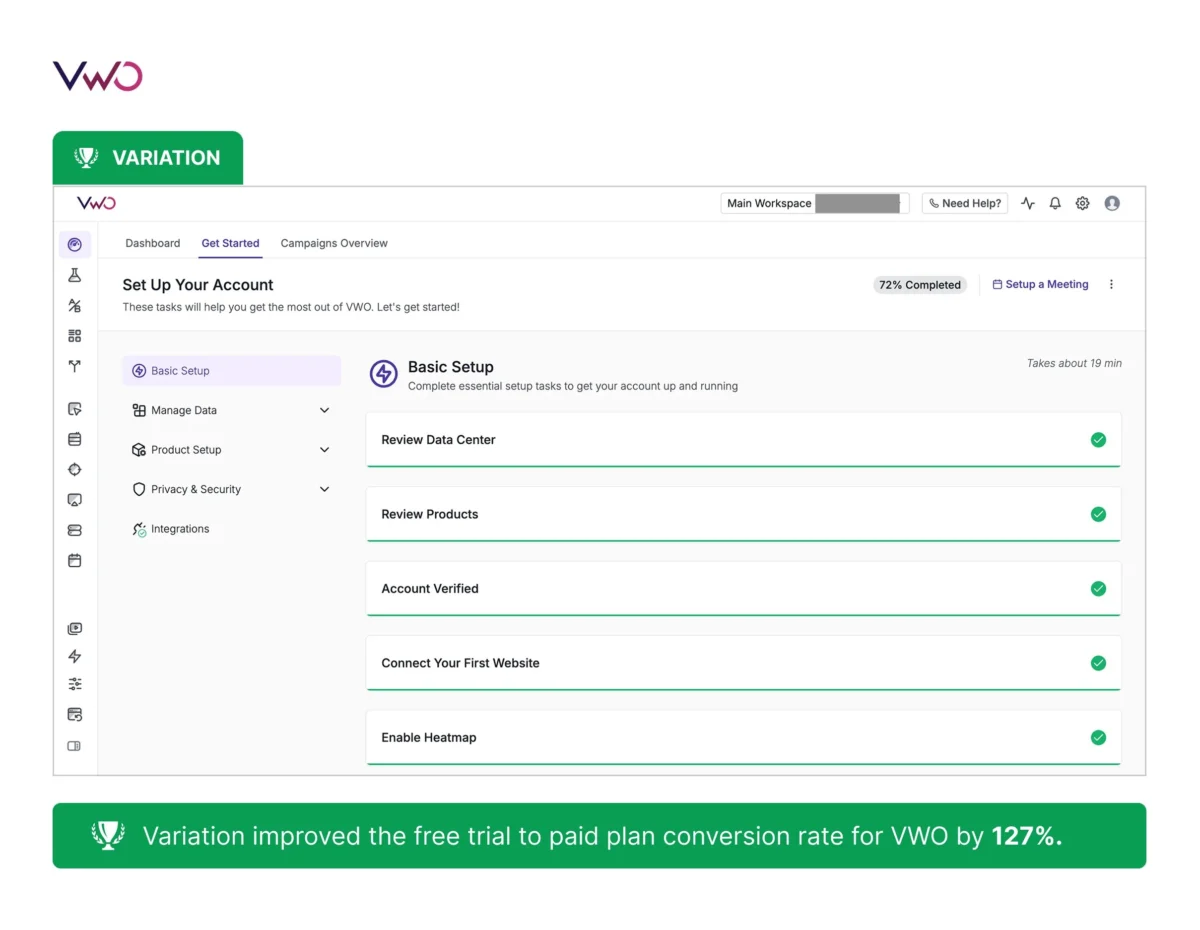
The digital landscape of 2026 has fundamentally redefined the relationship between brands and consumers, moving the competitive battlefield from simple visibility to the intricacies of the user journey. Recent market data indicates that 65% of consumers now value a single positive experience more than the most sophisticated advertising campaign, signaling a permanent shift in how capital is allocated within global marketing budgets. As the cost of customer acquisition continues to climb, the discipline of customer experience (CX) analytics has emerged as the primary driver of sustainable revenue, transforming raw behavioral signals into a predictive engine for growth and retention.
The Strategic Imperative of CX Analytics in the Modern Economy
Customer experience analytics is the systematic collection and interpretation of data across every digital and physical touchpoint. In 2026, this process transcends traditional metrics like page views or bounce rates. It now involves a holistic analysis of behaviors, emotions, and satisfaction levels to map the entirety of the customer journey. By leveraging these insights, enterprises are moving beyond reactive problem-solving to proactive journey orchestration.
The economic rationale for this shift is clear. As digital markets become saturated, the ability to deliver a frictionless, relevant journey at every touchpoint determines whether a brand wins or loses a conversion. CX analytics provides the evidentiary basis for personalization, allowing brands to predict churn before it occurs and to guide experimentation with a high degree of statistical confidence.

The Operational Framework: A Four-Stage Cycle of Continuous Improvement
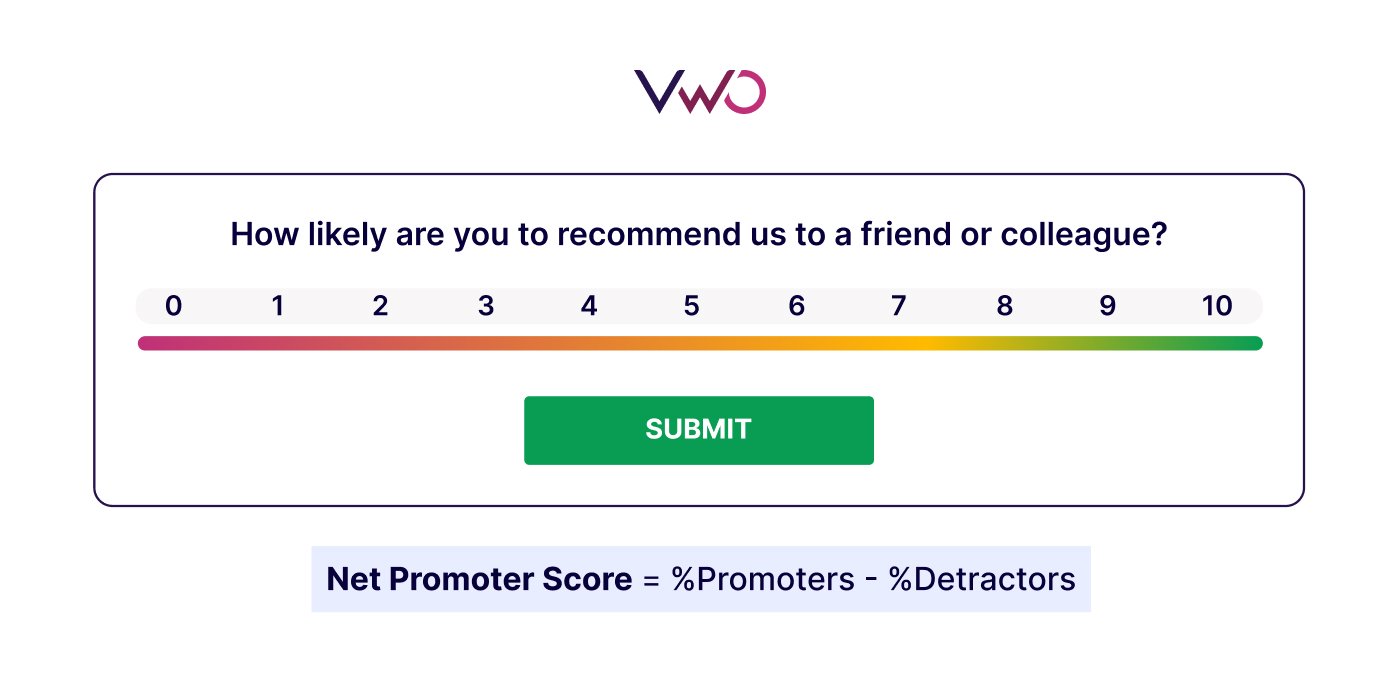
The implementation of effective CX analytics follows a rigorous four-stage cycle designed to turn data into measurable business impact. This cycle is not a static reporting mechanism but a continuous loop of listening, learning, and optimizing.
1. Multi-Channel Data Aggregation
The foundation of any CX strategy lies in the quality and breadth of its data. In 2026, leading organizations utilize Customer Data Platforms (CDPs) to aggregate information from diverse sources, including:
- Behavioral Data: Heatmaps, session recordings, and clickstream data that reveal how users navigate digital interfaces.
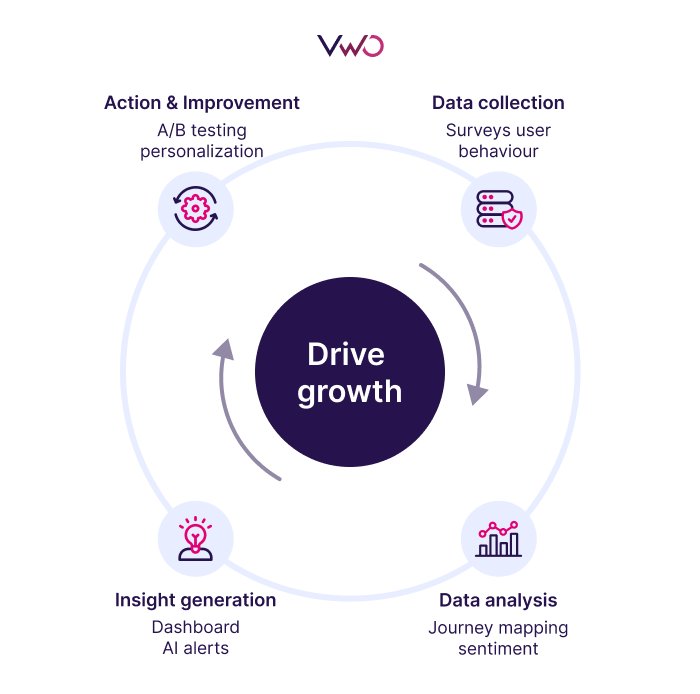
- Attitudinal Data: Direct feedback from Net Promoter Score (NPS) and Customer Satisfaction (CSAT) surveys.
- Interaction Data: Logs from support tickets, live chats, and CRM entries.
- Transactional Data: Historical purchase patterns and subscription lifecycles.
2. Advanced Data Processing and Segmentation
Once centralized, the data undergoes a process of cleaning and standardization. Sophisticated algorithms are employed to identify patterns that might be invisible to manual analysis. Segmentation plays a critical role here, as data is categorized by demographics, product interests, or specific user friction points. This allows teams to understand, for instance, why a specific demographic might be abandoning a mobile checkout flow while desktop users remain stable.
3. Visualization and AI-Driven Insight Generation
The transition from data to insight occurs through advanced visualization tools. Interactive dashboards now integrate heatmaps with real-time trend reports, providing a visual representation of the customer journey. By 2026, Artificial Intelligence (AI) has become a standard component of this stage, offering automated summaries and triggering alerts when sentiment scores drop below a predefined threshold. These AI-driven capabilities allow organizations to move from data interpretation to focused action in a matter of hours rather than weeks.
4. Cross-Functional Action and Feedback Loops
The final stage involves the distribution of insights across marketing, product, and service teams. This collaborative approach ensures that findings lead to tangible changes, such as the redesign of a confusing UI element or the implementation of a more personalized email sequence. The impact of these changes is then measured through closed-loop feedback, restarting the cycle and ensuring continuous optimization.
Key Performance Indicators: Measuring the Human Experience
To move beyond "vanity metrics," modern enterprises focus on a specific set of KPIs that reflect the true health of the customer relationship. These are generally categorized into sentiment, outcome, and service metrics.
Core Sentiment Metrics
- Net Promoter Score (NPS): A measure of long-term brand advocacy and loyalty.
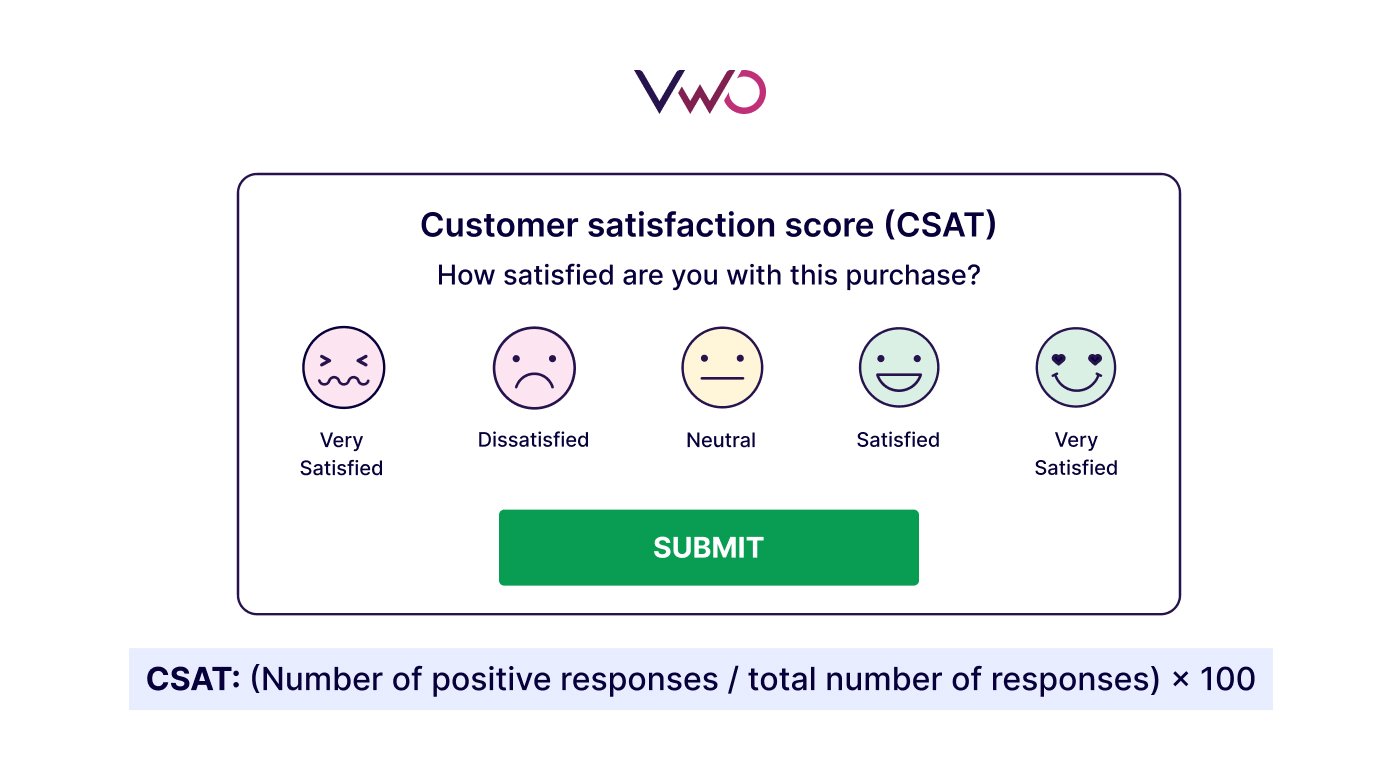
- Customer Satisfaction Score (CSAT): A tactical metric used to evaluate specific interactions or new feature launches.
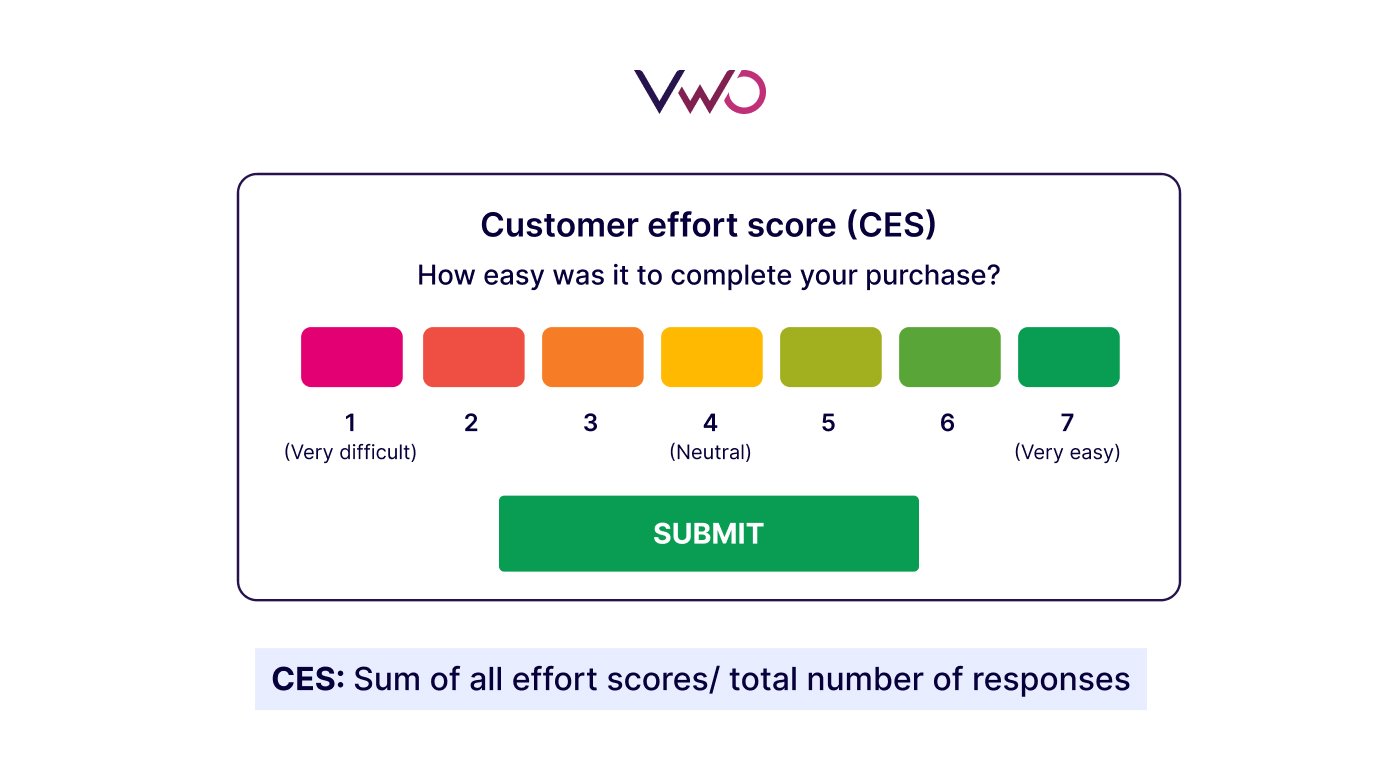
- Customer Effort Score (CES): Increasingly viewed as the most critical predictor of churn, CES measures how much effort a customer must exert to complete a task.
Retention and Financial Outcomes
- Customer Churn Rate: The percentage of users who cease their relationship with the brand, often serving as an early warning sign of systemic experience failures.
- Customer Lifetime Value (CLV): A predictive metric that calculates the total revenue expected from a single account over the duration of the relationship.
- Conversion Rate: The primary metric for measuring the success of UI/UX experiments and UI changes.
Service and Support Intelligence
- First Contact Resolution (FCR): The efficiency of support teams in resolving issues during the initial interaction.
- Average Response Time (ART): A reflection of service attentiveness across various communication channels.
- Customer Sentiment Score: A quantitative analysis of the emotional tone of interactions, often derived from text and speech analysis of support logs.
Case Studies: CX Analytics in Action
The practical application of CX analytics is best illustrated through the successes of diverse organizations that have integrated these tools into their core operations.
E-commerce: FLOS USA and the Elimination of Checkout Friction
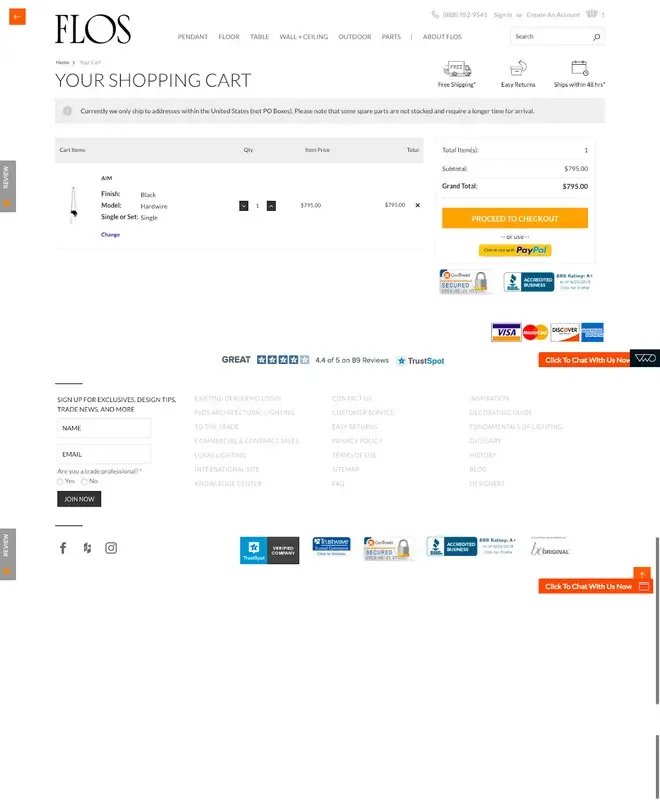
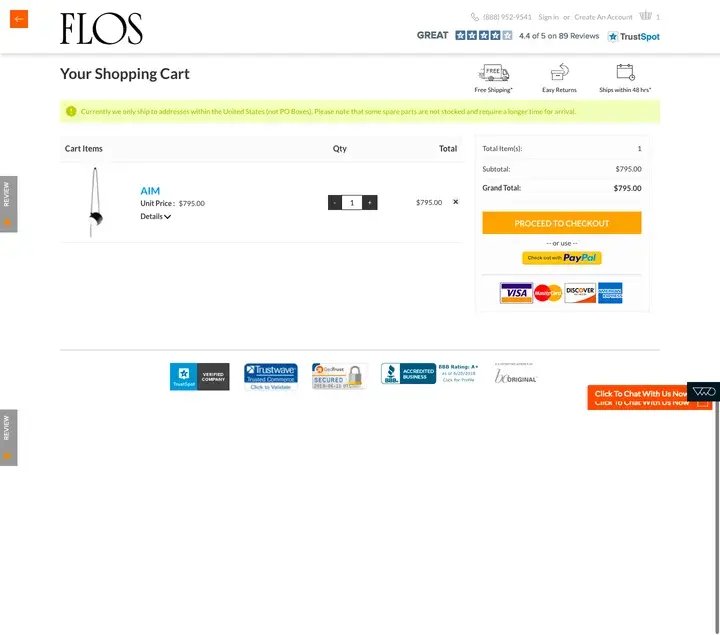
High-end lighting retailer FLOS USA faced a challenge common to luxury brands: high product interest but lagging checkout conversion rates. By utilizing behavioral analytics, the team identified "hidden friction" in the final stages of the purchase journey. Through a series of A/B tests informed by session recordings, the brand implemented a more streamlined checkout interface. The result was a significant reduction in cart abandonment and a measurable lift in overall revenue.
SaaS: VWO’s Internal Onboarding Optimization
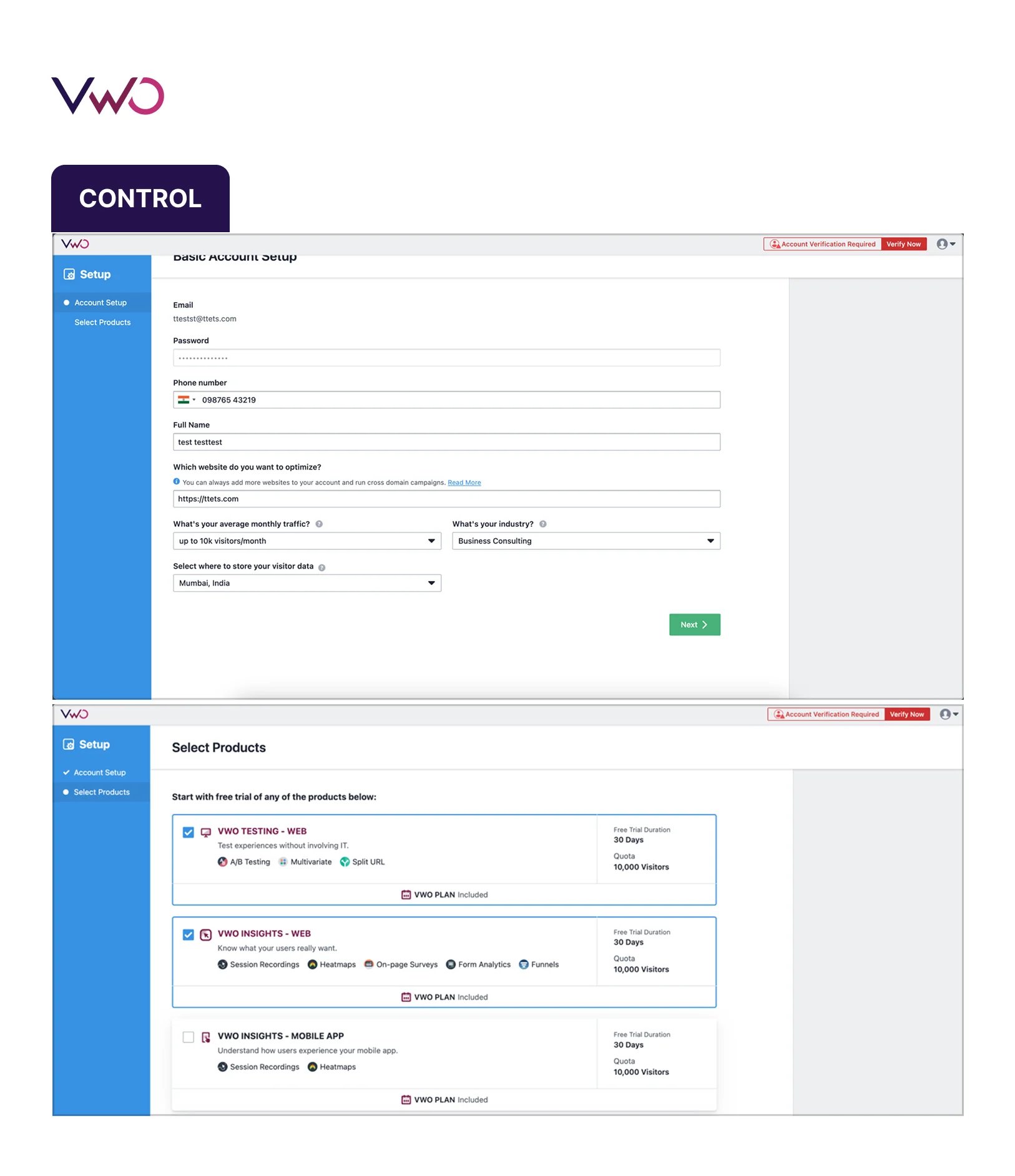
In a notable example of "drinking one’s own champagne," the optimization platform VWO used its CX analytics suite to overhaul its user onboarding process. By analyzing where new users became overwhelmed, the company replaced a complex, open-ended setup with a structured, guided flow. This data-driven intervention directly improved user activation rates and accelerated feature adoption among new accounts.
Telecom: Tele2 and Subscription Simplification
The telecommunications giant Tele2 observed a decline in mobile subscription renewals on its digital platforms. CX analytics revealed that users were experiencing "choice paralysis" due to the complexity of the available plans. By simplifying the presentation of options and highlighting the most relevant renewals for specific user segments, Tele2 was able to reverse the decline and stabilize its recurring revenue streams.
B2B Distribution: Bunzl’s User Journey Deep-Dive
Bunzl Retail & Industry sought to improve conversions on its packaging website. Lacking visibility into the B2B buyer’s journey, the company employed heatmap analysis to identify dead-ends in navigation. The resulting site architecture changes, based on actual user behavior rather than internal assumptions, led to a more intuitive browsing experience and higher inquiry volumes.
The Role of AI and Personalization in 2026
As we look toward the latter half of the decade, the integration of AI into CX analytics has moved from a luxury to a baseline requirement. Tools like AI copilots now allow even small teams to analyze massive volumes of user data instantly. This technology can identify "rage clicks," predict which customers are at risk of leaving based on subtle behavioral shifts, and suggest the most effective personalized content for different lifecycle stages.
Personalization has evolved from simple name-tagging in emails to "hyper-relevance." By layering purchase history, device preferences, and real-time behavioral signals, brands can now tailor the entire web or app experience to the individual. For a returning loyal customer, this might mean a simplified dashboard showing their frequent purchases, while a first-time visitor is greeted with educational content designed to build trust.
Broader Implications and Future Outlook
The rise of CX analytics represents a fundamental shift in corporate philosophy. It marks the end of "gut-feeling" decision-making and the beginning of an era where the customer’s voice, expressed through their digital actions, guides every strategic move.
The implications for the broader market are significant. Organizations that fail to adopt a data-driven approach to customer experience risk not only losing market share but also facing increased operational costs as they struggle to retain customers in an increasingly fickle environment. Conversely, those that master the art of turning behavioral signals into actionable insights will find themselves better positioned to weather economic volatility, as their growth is built on the solid foundation of customer loyalty and frictionless service.
In conclusion, customer experience analytics in 2026 is the engine of the modern enterprise. It is a discipline that bridges the gap between a click and a conversion, ensuring that every interaction adds value to the customer and the brand alike. As technology continues to evolve, the brands that remain committed to the cycle of listening, learning, and improving will be the ones that define the future of global commerce.








