
 rifanmuazin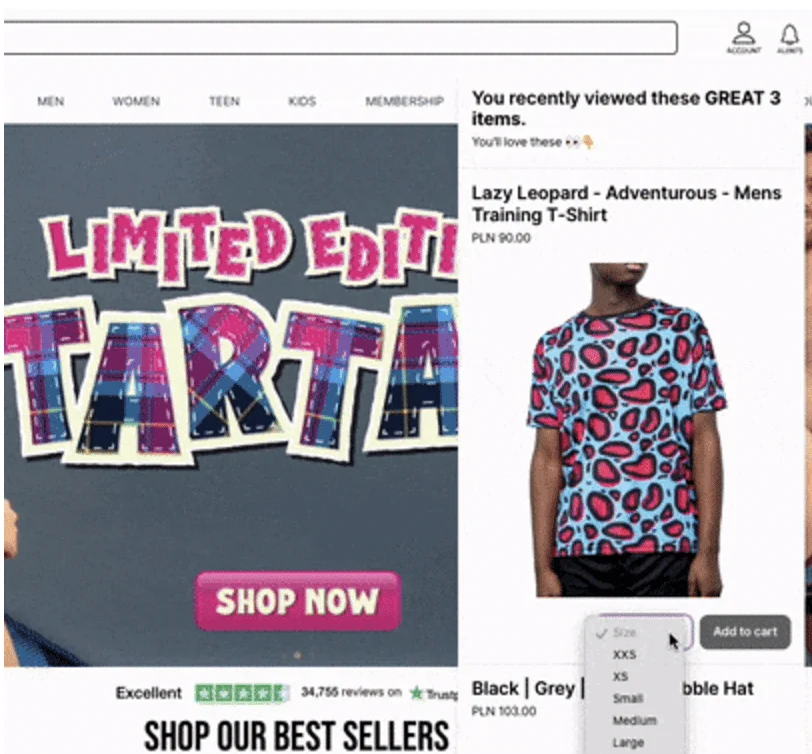
The digital commerce landscape is undergoing a fundamental transformation as Artificial Intelligence (AI) shifts from a peripheral experimental tool to the central engine of Conversion Rate Optimization (CRO). In an era where consumer attention is the primary currency, the ability of a website to anticipate user needs—much like a seasoned shopkeeper who knows a customer’s preferences before they speak—has become the new standard for competitive advantage. This evolution represents a departure from traditional, manual optimization methods toward a sophisticated, data-driven framework that leverages machine learning, predictive analytics, and real-time personalization to maximize revenue and user satisfaction.
The Shift from Manual Heuristics to Algorithmic Precision
For over two decades, Conversion Rate Optimization was defined by a linear, often labor-intensive process. Practitioners relied on heuristic reviews, manual data extraction from platforms like Google Analytics, and A/B tests that were run sequentially over weeks or months. While effective, this traditional model was frequently hindered by human bias, limited bandwidth, and the inability to process vast datasets in real-time.
AI-driven CRO (AI CRO) addresses these limitations by automating the identification of "conversion friction"—the points in a user’s journey where they hesitate or abandon a site. By utilizing machine learning algorithms, businesses can now prioritize testing hypotheses based on probability of success rather than gut feeling. Market data suggests that companies integrating AI into their marketing stacks see a significant reduction in the time required to generate actionable insights, moving from a monthly cadence to real-time execution.
A Chronology of Optimization Technology
The trajectory of CRO technology can be categorized into three distinct eras:
- The Era of Basic Analytics (2000–2010): Focus was placed on "hit counters" and basic clickstream data. Optimization was largely reactive, focusing on fixing broken links or obvious UI flaws.
- The Era of Statistical Testing (2010–2020): The rise of dedicated A/B testing platforms allowed for scientific validation. However, these tests were often "one-size-fits-all," ignoring the nuances of individual user segments.
- The Era of AI Integration (2020–Present): Optimization is now proactive and hyper-personalized. AI systems analyze thousands of variables simultaneously—including weather, local time, device type, and past purchase history—to deliver unique experiences to every visitor.
Core Mechanisms of AI-Enhanced Conversion Tools
The modern AI CRO toolkit is composed of several sophisticated technologies that work in tandem to streamline the customer journey.
1. Predictive Analytics and Behavioral Modeling
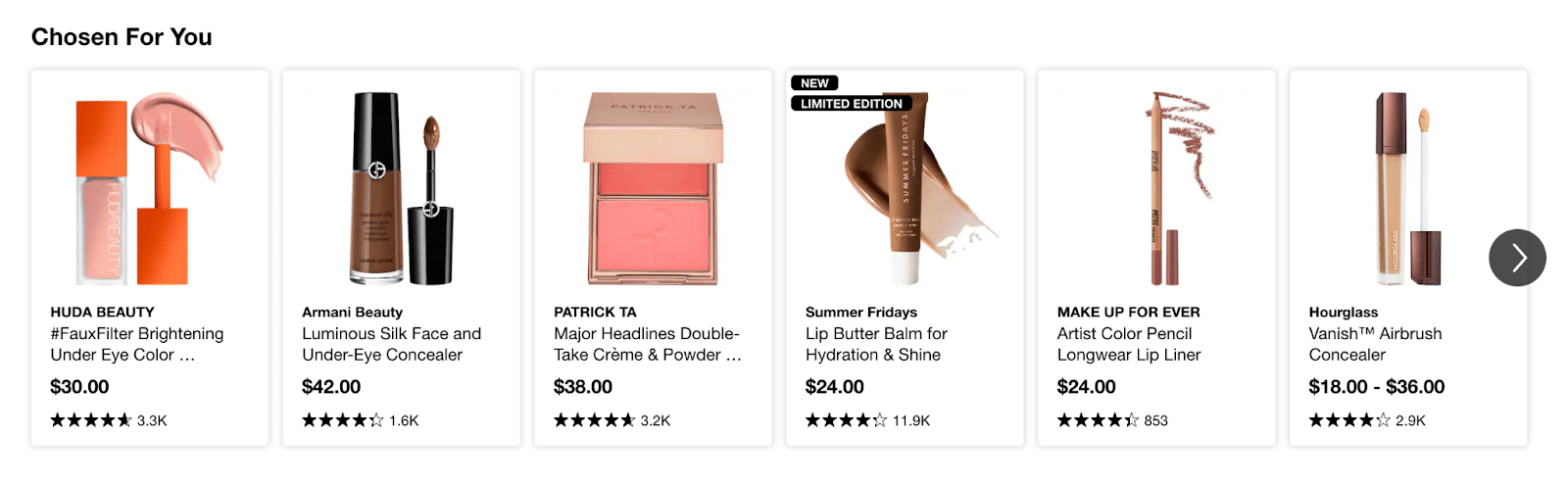
Predictive analytics acts as a digital "crystal ball," using historical data to forecast future actions. Tools such as HubSpot and Pendo utilize machine learning to assign "propensity scores" to users. For instance, if a visitor’s behavior mirrors that of a customer who previously abandoned their cart, the AI can trigger a preemptive intervention, such as a time-sensitive discount or a personalized chat invitation, to retain the user before they exit the site.
2. Personalization Engines and Dynamic Content
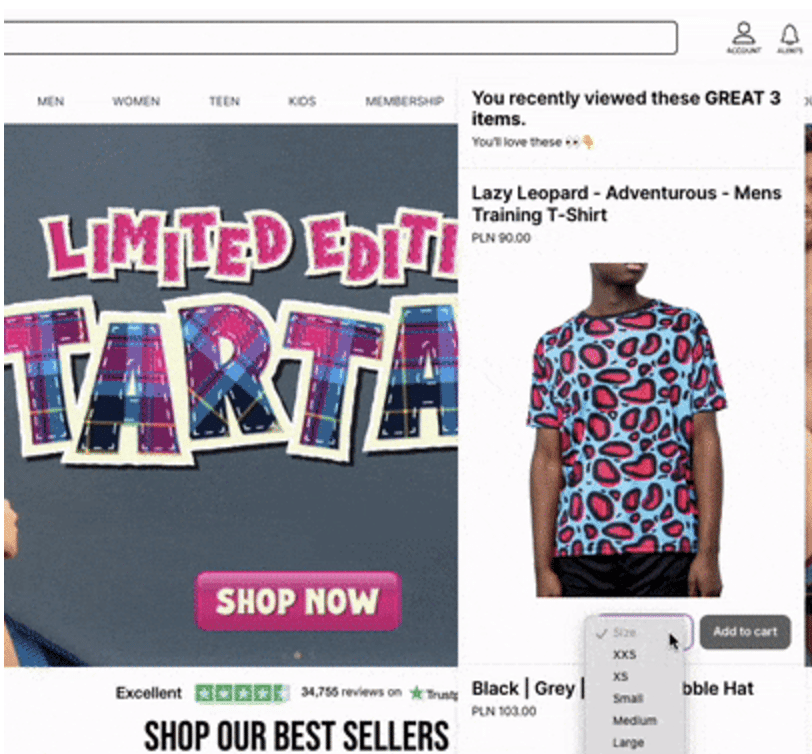
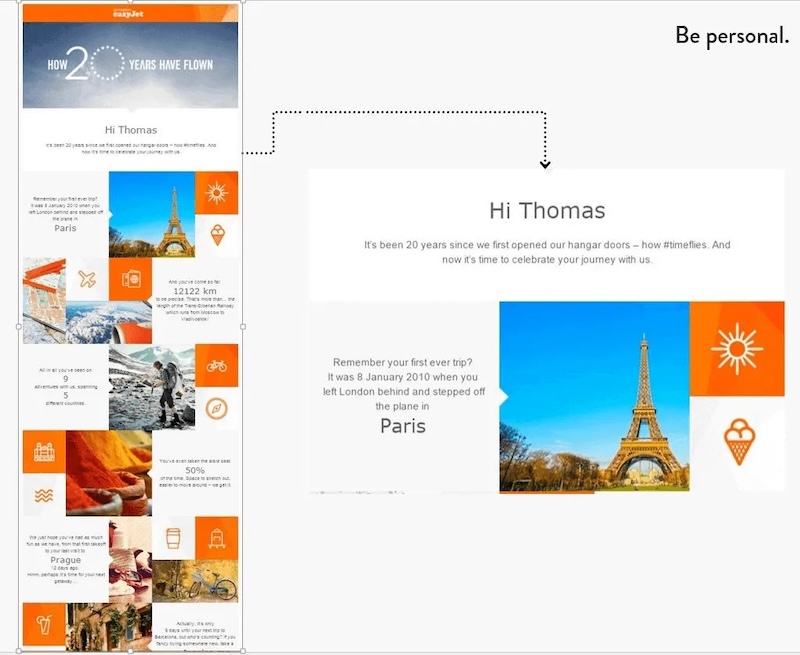
Personalization has moved beyond simply inserting a user’s first name into an email. AI-powered engines now facilitate Dynamic Content Optimization (DCO). This allows a website to change its layout, hero images, and product recommendations in real-time. A prominent example is the UK-based apparel brand OddBalls, which implemented an AI Wishlist system. By analyzing when a visitor has viewed three or more products, the system generates targeted on-site notifications that reflect the user’s specific interests, significantly increasing engagement rates.
3. Advanced Natural Language Processing (NLP) in Chatbots
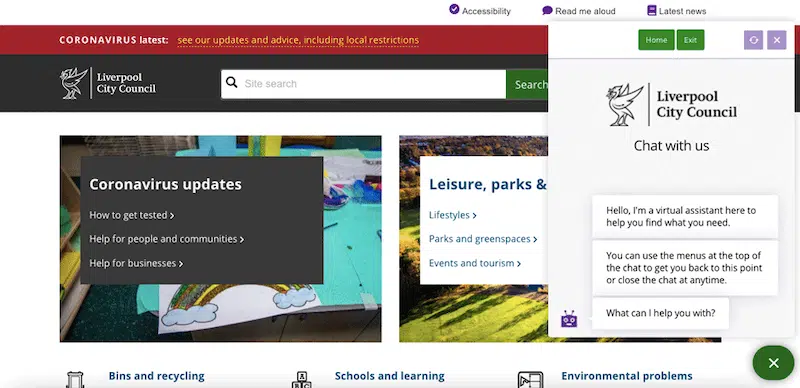
Traditional chatbots were often criticized for their rigid, script-based interactions. Modern AI chatbots, powered by NLP, provide a more human-like experience. These tools, such as Intercom and Drift, understand intent and context, allowing them to guide users through complex buying processes. This technology has even bridged the gap into the public sector; the Liverpool City Council utilized an AI virtual assistant to resolve queries regarding council tax and benefits, demonstrating that AI efficiency is as applicable to civic service as it is to retail.
Supporting Data: The Economic Impact of AI in CRO
Industry analysts report that the global market for AI in retail and marketing is expected to grow at a compound annual growth rate (CAGR) of over 25% through 2030. This growth is driven by the measurable ROI of AI implementations:
- Revenue Per Visitor (RPV): Companies using AI-driven product recommendations often report a 10% to 30% increase in RPV.
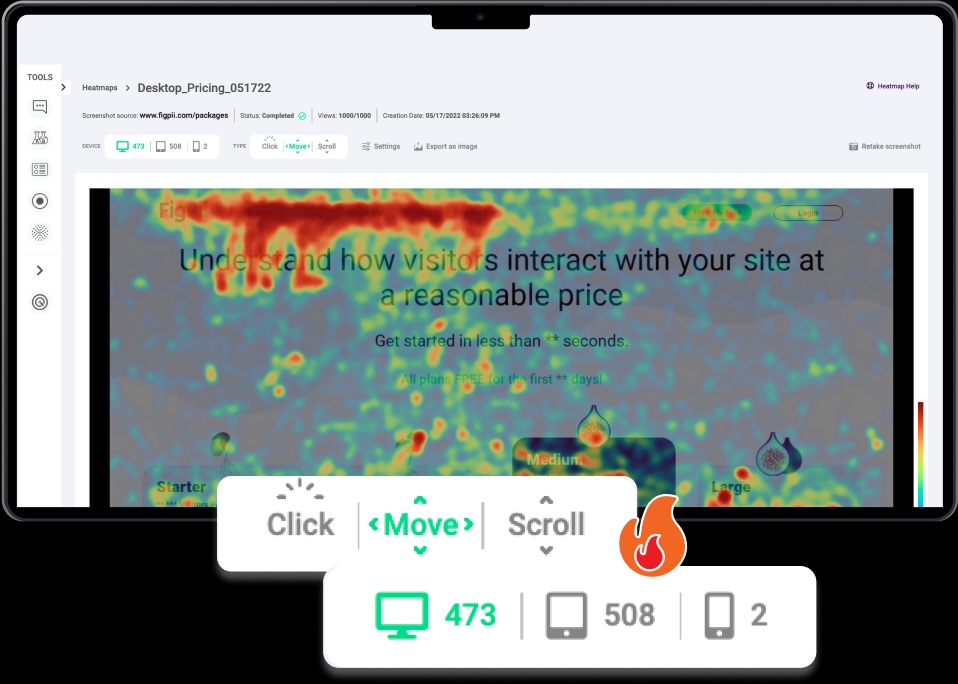
- Operational Efficiency: AI can analyze heatmaps and session recordings at a scale impossible for human analysts, identifying "dead zones" on a webpage in minutes rather than days.
- Customer Retention: Personalized experiences driven by AI are linked to a 20% increase in customer lifetime value (CLV), as users feel more "understood" by the brand.
Case Studies: Industry Leaders Setting the Standard
Several global brands have provided a blueprint for successful AI integration.
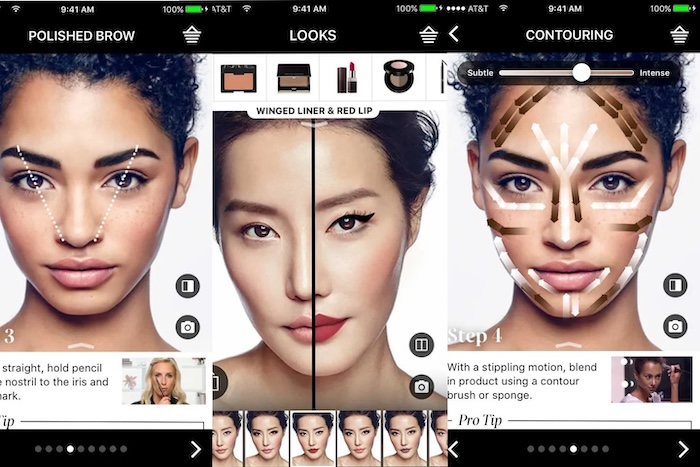
Sephora’s Virtual Integration: The beauty retailer has pioneered the use of Augmented Reality (AR) and AI through its "Virtual Artist" tool. By allowing customers to "try on" makeup virtually, the company reduces the uncertainty associated with online cosmetic shopping. This use of AI directly addresses a major conversion barrier—the inability to physically interact with a product—thereby boosting confidence and conversion rates.
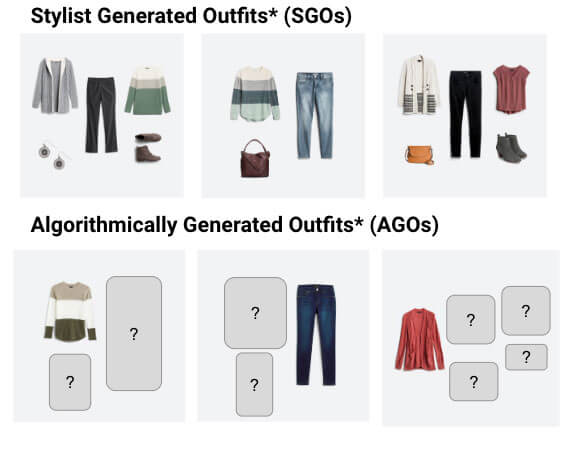
Stitch Fix and the Outcome-Conditioned Model: The personal styling service uses a proprietary "Outcome-Conditioned Model" (OCM) to revolutionize product selection. By combining generative AI with human expertise, Stitch Fix ensures that the items sent to customers are mathematically aligned with their preferences, reducing return rates and optimizing the "trial-to-paid" conversion funnel.
Spotify’s Algorithmic Loyalty: While not a traditional e-commerce site, Spotify’s use of AI to create dynamic, personalized playlists serves as a masterclass in user experience. By making the platform indispensable to the user’s daily routine through algorithmic discovery, Spotify maintains one of the highest retention rates in the subscription economy.
Building a Data-Driven Optimization Culture
The integration of AI requires more than just software; it necessitates a shift in corporate culture. Organizations that successfully leverage AI for CRO tend to foster a "data-first" mindset. In this environment, every design change or marketing campaign is treated as a hypothesis to be validated by data.
"AI does not replace a CRO strategy; it accelerates it," notes a consensus of industry experts. The technology allows human strategists to focus on high-level creative and psychological aspects of marketing, while the AI handles the granular task of data processing and real-time execution. This synergy between human intuition and machine precision is what defines the most successful modern digital enterprises.
Identifying and Mitigating Conversion Friction
AI serves as a high-tech detective, spotting patterns that are invisible to the naked eye. Through AI-powered heatmaps—provided by tools like FigPii or Crazy Egg—businesses can see exactly where users are losing interest. If an AI analysis reveals that users are clicking on a non-linked image or getting stuck on a specific form field, the business can implement a fix immediately.
Furthermore, AI-driven testing tools allow for "multi-variant" testing. Unlike traditional A/B tests that compare Version A to Version B, AI can test dozens of variations simultaneously, automatically funneling more traffic to the versions that perform best. This "Multi-Armed Bandit" approach ensures that the user experience is being optimized even while the test is still running, preventing the loss of potential revenue during the experimentation phase.
Broader Impact and Future Implications
As AI technology continues to evolve, the future of CRO will likely move toward "Predictive Commerce." In this stage, AI will not just react to user behavior but will proactively curate entire web environments before the user even arrives. We are moving toward a "headless" commerce experience where the interface is fluid and entirely dependent on the individual’s context.
The democratization of these tools also means that small and medium-sized enterprises (SMEs) can now access the same level of optimization sophistication as global giants. As AI-powered CRO platforms become more accessible and affordable, the gap between "big data" companies and smaller players is expected to narrow, leading to a more competitive and user-centric internet.
Strategic Outlook for AI-Integrated Digital Commerce
The transition to AI-driven Conversion Rate Optimization is no longer an optional upgrade; it is a fundamental requirement for survival in a digital-first economy. By automating complex data analysis, personalizing every touchpoint, and predicting customer needs with surgical precision, AI allows brands to build meaningful, long-term connections with their audience.
The evidence is clear: the future of CRO is not found in static pages and manual testing, but in dynamic, intelligent systems that learn and adapt in real-time. For businesses willing to embrace this shift, the rewards are found in higher conversion rates, increased customer loyalty, and a robust bottom line. The digital storefront of the future is here, and it is powered by Artificial Intelligence.








