rifanmuazin
Forty-three percent of all ecommerce traffic originates from organic search, establishing it as the single largest and most influential channel for online retailers. This organic influx directly translates into 23.6% of all online orders, underscoring its critical role in driving revenue. The digital marketing landscape, however, is in a constant state of flux, with emerging technologies and evolving consumer behaviors reshaping how businesses connect with their audiences. Understanding these shifts and leveraging the right tools is paramount for sustained growth and competitive advantage.
A recent comprehensive study by First Page Sage, analyzing data from 80 clients, revealed that ecommerce SEO continues to deliver an impressive 317% Return on Investment (ROI), with an average break-even period of nine months. This performance significantly outpaces other major digital advertising channels, with Google Ads yielding a 1.9x ROI and Meta Ads (formerly Facebook Ads) generating a 1.4x ROI. In this dynamic environment, capturing this substantial return necessitates a strategic approach focused on optimizing for current and future search trends, including the burgeoning impact of artificial intelligence. Notably, referral traffic from platforms like ChatGPT is already demonstrating a 31% higher conversion rate than standard organic search traffic, signaling a profound shift in how consumers discover and interact with products online.
To navigate this complex terrain, online stores must equip themselves with a robust suite of SEO tools. A thorough evaluation of twelve leading tools across popular ecommerce platforms like Shopify, WooCommerce, and BigCommerce, categorized by their core functionalities, reveals a range of options from comprehensive enterprise solutions to cost-effective, free alternatives.
| Tool | Starting Price | Best For | Free Option |
|---|---|---|---|
| Semrush | $139.95/mo | All-in-one SEO suite | 7-day free trial |
| Ahrefs | $29/mo (Starter) | Backlink analysis & competitor research | No |
| Google Search Console | Free | Search performance data | Yes (fully free) |
| Screaming Frog | Free / $259/yr | Technical site audits | Yes (500 URLs) |
| Surfer SEO | $99/mo | Content optimization | No |
| SE Ranking | $65/mo | Budget all-in-one alternative | No |
| Moz Pro | $49/mo | Beginner-friendly SEO | 30-day free trial |
| Google Analytics 4 | Free | Conversion tracking | Yes (fully free) |
| Mangools (KWFinder) | $37.70/mo | Affordable keyword research | No |
| Rank Math | Free | WooCommerce SEO plugin | Yes (free tier) |
| Jasper | $49/mo | AI product descriptions | 7-day free trial |
| Google Rich Results Test | Free | Schema validation | Yes (fully free) |
Semrush: The Comprehensive Powerhouse for E-commerce Dominance
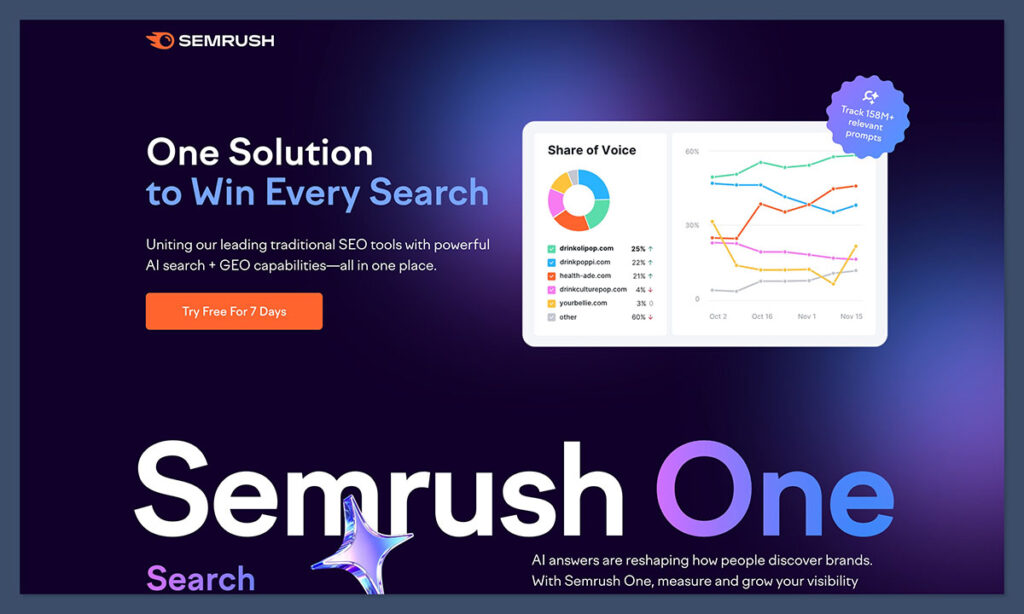
In the realm of all-in-one SEO solutions, Semrush stands out as a formidable platform designed to consolidate essential digital marketing tasks into a single, intuitive dashboard. The fragmentation of keyword research, backlink analysis, and rank tracking across disparate tools can be a significant drain on valuable time and resources for e-commerce businesses. Semrush aims to eliminate this inefficiency by integrating these critical functions, boasting an expansive keyword database that spans over 27 billion keywords across 217 countries.
For e-commerce operations, Semrush offers distinct advantages. Its robust keyword research tools enable the identification of high-intent search terms relevant to product categories and individual items. The competitive analysis features provide invaluable insights into how rivals are performing in organic search, revealing their top-ranking keywords, backlink profiles, and content strategies. Furthermore, its comprehensive site auditing capabilities help uncover technical SEO issues that can impede search engine visibility.
A noteworthy addition to Semrush’s arsenal is the AI SEO Toolkit add-on, priced at $99 per month. This innovative feature monitors a brand’s visibility across emerging AI-driven search interfaces such as ChatGPT, Perplexity, and Google AI Overviews. Given that AI Overviews are now appearing in approximately 14% of shopping queries, this data is no longer a luxury but a fundamental necessity for staying ahead of the curve. The toolkit offers competitive positioning insights within these AI search environments, enabling businesses to adapt their strategies accordingly.
Semrush offers tiered pricing plans: Pro at $139.95 per month, Guru at $249.95 per month, and Business at $499.95 per month. While a 7-day free trial is available, potential users are advised to carefully review the terms and conditions, as some users have reported unexpected annual charges due to unclear trial disclosures. The platform’s extensive feature set, while powerful, can be overwhelming for beginners. The sheer volume of tools nested within sub-menus may require a learning curve to navigate effectively, and smaller businesses might find themselves paying for functionalities they do not utilize.
Ahrefs: Unrivaled Backlink Intelligence and Competitor Deep Dives
Ahrefs has earned its reputation as the go-to tool for SEO professionals when it comes to analyzing competitor link profiles. Despite lacking a free trial or a refund policy, its dominance in the market stems from its industry-leading backlink index and exceptionally fast crawler, making it the undisputed standard for backlink research.
Key modules within Ahrefs are particularly beneficial for e-commerce teams. The Site Explorer allows for in-depth analysis of any website’s organic search traffic, backlink profile, and paid search activity, providing a comprehensive overview of a competitor’s online strategy. The Content Explorer facilitates the discovery of top-performing content within a niche, offering inspiration for product descriptions, blog posts, and marketing campaigns. For e-commerce, understanding which product pages or category pages are attracting backlinks and driving traffic is crucial for replicating success.
Similar to Semrush, Ahrefs offers a Brand Radar add-on for $99 per month per index, which benchmarks AI visibility across major AI platforms. While it tracks AI presence, it reportedly lacks the competitive positioning recommendations provided by Semrush’s AI Toolkit.
Ahrefs’ pricing structure begins with the Starter plan at $29 per month, which is a valuable entry point for evaluation. Higher tiers include Lite at $129 per month and Standard at $249 per month, with limitations on rank tracking frequency (weekly by default). Notably, daily rank tracking incurs additional monthly costs. A significant drawback for businesses with a local presence is Ahrefs’ absence of local SEO tools, which are essential for retailers operating physical stores in conjunction with their online presence.
A critical caution for Ahrefs users revolves around its organic traffic estimations, which have been reported to be significantly inaccurate, sometimes showing inflated figures compared to actual Google Analytics data. Cross-referencing these estimates with Google Search Console is therefore strongly recommended. Despite these points, Ahrefs remains unparalleled for its depth in backlink research and competitor analysis. The absence of a free trial is a barrier, but the $29 Starter plan offers sufficient functionality for initial assessment before committing to a higher-tier subscription.
Google Search Console: The Indispensable Free Foundation for Every Online Store
Before investing in any paid SEO tools, establishing a connection with Google Search Console (GSC) is an essential and straightforward first step. This free tool, requiring minimal setup, provides direct insights from Google that no third-party service can replicate. Consistently ranked as the number one must-have SEO tool across industry guides, regardless of budget, GSC offers unparalleled accuracy in understanding how Google perceives a website.
Search Console reveals the precise search queries that drive impressions and clicks to an online store, along with the average ranking position for every indexed page. For e-commerce businesses, this granular data is invaluable. It allows retailers to identify which specific product searches are leading to traffic, understand the search terms customers are using to find their offerings, and pinpoint underperforming pages that may require optimization. The performance reports within GSC are particularly vital, detailing impressions, clicks, average click-through rates (CTR), and average position for each query and page.
Key reports within Google Search Console that are indispensable for e-commerce include:
- Performance Report: This provides a detailed breakdown of how a site performs in Google Search, allowing for the identification of top-performing queries and pages, as well as opportunities for improvement.
- URL Inspection Tool: Essential for diagnosing indexing issues and understanding how Google sees individual pages, this tool is critical for troubleshooting product page visibility.
- Sitemaps: Submitting an XML sitemap helps Google discover and crawl all important pages on a website, ensuring that product and category pages are indexed efficiently.
- Core Web Vitals: This report measures real-world user experience on a page, focusing on loading speed, interactivity, and visual stability, all of which are crucial for e-commerce conversion rates.
However, Google Search Console has its limitations. It lacks advanced keyword research capabilities, does not provide competitor analysis, and does not offer content optimization suggestions. Consequently, it is best utilized as a foundational tool, supplemented by other specialized platforms to address these gaps and build a comprehensive SEO strategy. For every e-commerce store, connecting Google Search Console from day one is a non-negotiable step, irrespective of other tools in their digital marketing arsenal.
Screaming Frog SEO Spider: Mastering Technical Audits for Vast E-commerce Catalogs
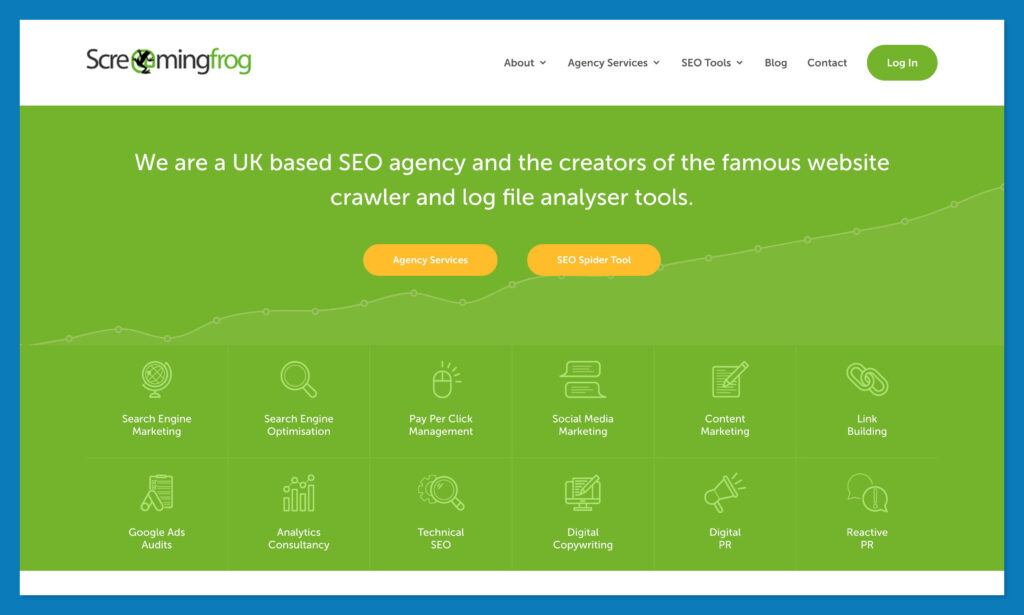
E-commerce businesses, particularly those with extensive product catalogs, often accumulate significant technical debt over time. Issues such as duplicate title tags, broken canonical tags, orphaned products, and missing schema markup can proliferate across thousands of pages, making manual identification an insurmountable task. The Screaming Frog SEO Spider is a desktop-based crawler meticulously designed to address this precise challenge.
This powerful tool can identify over 300 distinct SEO issues in a single crawl, including:
- Broken Links (404s): Identifying and fixing broken links is crucial for user experience and SEO.
- Redirect Chains and Loops: These can negatively impact crawl budget and user experience.
- Duplicate Content: Detecting duplicate title tags, meta descriptions, and content is vital for search engine visibility.
- Missing or Incomplete Schema Markup: Ensuring proper structured data implementation is increasingly important for rich results and AI visibility.
- Hreflang Errors: Critical for international e-commerce sites to ensure the correct language and regional versions of pages are served.
- Crawl Budget Optimization: Understanding how search engine bots navigate a site and prioritizing key pages.
The inclusion of JavaScript rendering support is a significant advantage for modern e-commerce platforms that employ dynamic content loading, such as headless Shopify implementations or React-based storefronts. This capability allows for the accurate analysis of complex websites. Furthermore, the ability to segment crawls by product category enables businesses to analyze crawl budget allocation and identify products that might be overlooked by search engines.
Screaming Frog’s integration with Google Analytics and Google Search Console is a game-changer. By combining technical audit data with actual performance metrics, businesses can prioritize fixes based on their potential revenue impact rather than solely on SEO severity. This data-driven approach ensures that resources are allocated to the most impactful issues.
The pricing model for Screaming Frog is exceptionally cost-effective. The free version allows for crawling up to 500 URLs per session, which can be sufficient for smaller websites or initial audits. The paid version, priced at $259 per year (approximately $22 per month), offers unlimited URLs and the crucial JavaScript rendering capability, making it an outstanding value compared to monthly SaaS tools that often charge over $100 per month.
Despite its power, Screaming Frog presents some challenges. It is a desktop application, meaning it consumes local system resources during crawls, which can be problematic for very large websites. The interface, while functional, is not as visually appealing or intuitive as some cloud-based platforms, and requires a degree of technical understanding to interpret the comprehensive reports effectively. Nonetheless, for its price and capabilities in technical SEO auditing, it remains an indispensable tool for e-commerce sites.
Surfer SEO: Optimizing E-commerce Content for Search Engine Authority
Crafting product descriptions and category page content that not only engages customers but also ranks highly in search results demands more than just creative copywriting. The pages that consistently achieve top positions often share specific structural patterns and keyword inclusions that Surfer SEO is designed to reverse-engineer in real-time.
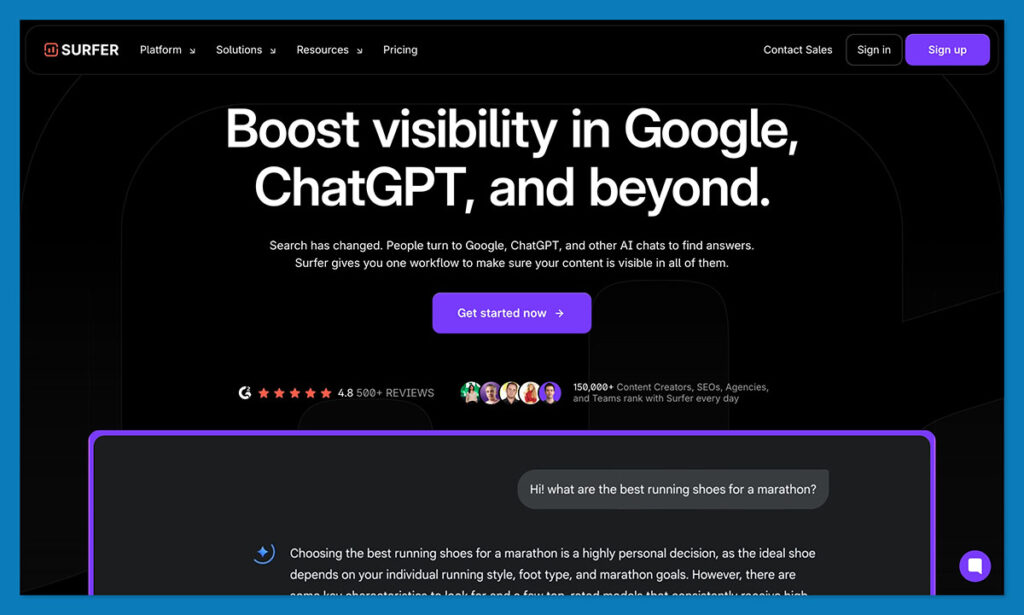
The core of Surfer SEO’s offering is its Content Editor, which analyzes the top-ranking search engine results pages (SERPs) for any given keyword. It then assigns a content score, ranging from 0 to 100, based on a comprehensive set of criteria, including:
- Relevant Keywords: Identifying terms and phrases that top-ranking pages are using.
- Word Count: Suggesting an optimal length for content to meet user expectations.
- Keyword Density: Providing guidance on how frequently specific terms should appear.
- Headings and Structure: Recommending the use of H2s, H3s, and bullet points to improve readability and organization.
- Entities and Topics: Highlighting related concepts and entities that are covered by leading content.
For e-commerce businesses, this translates into actionable insights for optimizing category page copy, individual product descriptions, and buying guides. Surfer SEO precisely indicates which terms to incorporate, the ideal number of headings, and the target word count necessary to compete effectively. Crucially, it also reveals which entities and adjacent topics are being addressed by top-ranking pages – a nuanced aspect that is often missed by AI-generated content, leading to less authoritative and less engaging copy.
Beyond the Content Editor, Surfer SEO offers additional modules such as the SERP Analyzer for in-depth competitive keyword research and the Keyword Research tool for identifying new content opportunities. The platform integrates seamlessly with Google Docs, WordPress, Jasper, and Semrush, allowing users to score and optimize content directly within their existing writing workflows, thereby eliminating the need for cumbersome copy-pasting between applications.
Pricing for Surfer SEO starts at $99 per month for the Essential plan, with the Scale plan priced at $219 per month. Opting for annual billing provides a 20% discount. Surfer SEO is an exceptional tool for ensuring that e-commerce content is not only well-written but also strategically aligned with what Google currently favors, making it a valuable complement to AI writing assistants or established content creation processes.
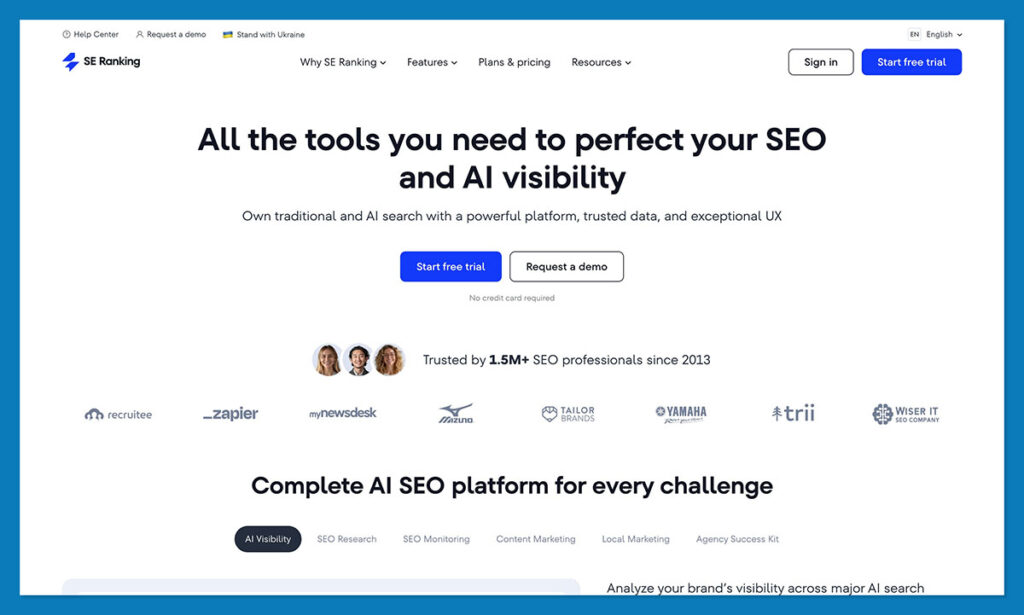
SE Ranking: A Cost-Effective All-in-One Solution for Budget-Conscious E-commerce
For e-commerce businesses operating with tighter marketing budgets, the significant monthly costs associated with premium SEO suites like Semrush and Ahrefs can be prohibitive. SE Ranking emerges as a compelling alternative, offering approximately 80% of the functionality of these leading platforms at roughly half the price.
SE Ranking provides a comprehensive platform that covers the core workflow of SEO management. Its features include:
- Keyword Research: Tools to identify relevant keywords and analyze their search volume and difficulty.
- Rank Tracking: Monitoring keyword rankings across various search engines and locations.
- Website Audits: Comprehensive technical audits to identify and resolve site errors.
- Backlink Monitoring: Analyzing backlink profiles and identifying link-building opportunities.
- Competitor Analysis: Gaining insights into competitors’ SEO strategies.
A standout feature for 2026 is SE Ranking’s AI Overview Tracker, which is included in all subscription plans at no additional cost. This is a significant differentiator, especially when compared to Semrush’s AI Toolkit ($99/month) and Ahrefs’ Brand Radar ($99/month). For businesses keen on monitoring their visibility in generative search results without incurring extra expenses, SE Ranking offers exceptional value.
Furthermore, SE Ranking includes robust local SEO tools, a feature absent in Ahrefs. These tools cover:
- Google Business Profile Management: Optimizing listings and managing reviews.
- Local Rank Tracking: Monitoring performance in local search results.
- Citation Building: Ensuring consistent business information across online directories.
- Review Monitoring: Tracking and responding to customer reviews.
This integrated approach to local SEO is particularly beneficial for e-commerce retailers that also operate physical stores. Pricing for SE Ranking is competitive, starting at $65 per month for the Essential plan, $119 per month for the Pro plan, and $259 per month for the Business plan. A significant advantage for agencies and multi-brand operators is the unlimited keyword rank tracking included in every plan, a stark contrast to the credit-based systems employed by Semrush and Ahrefs at comparable tiers.
Moz Pro: An Accessible Entry Point into SEO for Beginners
Moz is a pioneering force in the SEO industry, credited with developing the influential Domain Authority (DA) metric that continues to be a benchmark for evaluating website strength. The company’s suite of tools is specifically designed to demystify SEO for teams that may not possess deep technical expertise.
For e-commerce teams new to SEO, Moz Pro offers several strengths:
- Keyword Explorer: A user-friendly tool for discovering relevant keywords and assessing their difficulty.
- Site Crawl: Identifies technical issues that can impact search rankings.
- Rank Tracking: Monitors keyword performance over time.
- Link Explorer: Analyzes backlink profiles and identifies link-building opportunities.
- Domain Authority (DA): A proprietary metric that provides a score from 1 to 100 on how likely a website is to rank in search results.
However, Moz Pro has notable gaps in its offerings. It lacks the advanced AI visibility tracking found in newer tools, its backlink index is not as extensive as Ahrefs, and its technical audit capabilities, while present, are not as granular as those offered by Screaming Frog.
Moz Pro’s pricing is structured to accommodate various needs: the Starter plan begins at $49 per month, followed by the Standard plan at $99 per month and the Large plan at $299 per month. Annual billing provides a 20% discount. For e-commerce businesses embarking on their SEO journey, Moz Pro offers a gentle and accessible introduction. The 30-day free trial is ample time to experience its benefits and assess its suitability. As businesses grow and require more sophisticated data and features, they may eventually outgrow Moz Pro’s capabilities.
Google Analytics 4: Connecting SEO Efforts Directly to E-commerce Revenue
While SEO tools excel at providing insights into rankings, traffic, and technical health, they often fall short in directly attributing organic traffic to actual sales. Google Analytics 4 (GA4) bridges this critical gap at no cost, offering unparalleled capabilities in conversion tracking that are indispensable for e-commerce businesses.
GA4’s Enhanced Ecommerce reporting is crucial for understanding the entire purchase funnel, from initial product views to final conversions. This includes tracking:
- Product Performance: Identifying which products are viewed most frequently and which lead to purchases.
- Sales Performance: Analyzing revenue generated from organic search traffic.
- Checkout Behavior: Understanding where users drop off during the checkout process.
- Purchase Funnel Visualization: Mapping the customer journey from product discovery to completed transaction.
This direct link between organic traffic and revenue is vital, especially given the typical 8- to 9-month break-even window for SEO investments. With 23.6% of all online orders originating from organic search, a broken attribution chain means a significant underestimation of SEO’s impact. Without accurate conversion data, demonstrating the ROI of SEO efforts becomes nearly impossible.
The event-based tracking model employed by GA4 is a significant advancement over previous versions, enabling the capture of micro-conversions that session-based analytics often missed. These include actions such as:
- Add to Cart: Indicating purchase intent.
- Wishlist Adds: Signaling future purchase interest.
- Scroll Depth: Measuring engagement with product descriptions or reviews.
- Video Plays: Assessing interest in product demonstrations.
These signals provide a deeper understanding of which organic landing pages foster buying intent, even if the purchase occurs at a later time. Audience segmentation within GA4 allows for the identification of high-converting organic segments based on device, location, and landing page, enabling more targeted optimization efforts.
By pairing GA4 with Google Search Console, businesses can establish a comprehensive query-to-conversion pipeline. This integrated approach allows for the analysis of search queries that lead to impressions, clicks, and ultimately, sales. The average conversion rate for organic search in e-commerce currently stands at 2.8%, which is notably higher than many other digital channels, including social media and display advertising.
While GA4 presents a steeper learning curve compared to its predecessor, Universal Analytics, the effort invested in proper setup and configuration of Enhanced Ecommerce events is invaluable. Once implemented, the data provided by GA4 is irreplaceable for understanding and optimizing organic search performance in relation to business objectives. For any e-commerce store, setting up Enhanced Ecommerce tracking before committing to paid SEO tools is a fundamental prerequisite for effective optimization.
Mangools (KWFinder): Budget-Friendly Keyword Research for Smaller Operations
Not every e-commerce business requires a comprehensive, high-cost SEO suite. Mangools, through its KWFinder tool, offers a more accessible entry point for keyword research, rank tracking, and SERP analysis, all at a fraction of the cost of premium platforms. Mangools provides core modules that are essential for foundational SEO work:
- KWFinder: A user-friendly keyword research tool that helps identify relevant, low-competition keywords.
- SERPChecker: Analyzes the search engine results pages for specific keywords, providing insights into the difficulty of ranking.
- SERPWatcher: Tracks keyword rankings and provides performance trends.
- LinkMiner: Assists in analyzing backlinks and identifying competitor link-building strategies.
- SiteProfiler: Offers a quick overview of a website’s SEO metrics, including Domain Authority and backlink data.
Pricing for Mangools begins at a modest $37.70 per month for its Entry plan, making it significantly more affordable than comparable offerings from Moz, Semrush, or Ahrefs. This cost advantage positions it as an attractive option for small businesses or startups with limited SEO budgets.
However, the trade-offs for this affordability are evident. The keyword database is not as extensive as that of industry leaders, and the backlink index is less comprehensive. Rank tracking is limited in the number of keywords that can be monitored, and advanced features such as site auditing and competitor analysis are less robust. Despite these limitations, for businesses focused primarily on effective keyword research and basic rank monitoring, Mangools provides a valuable and cost-effective solution.
Rank Math: The Premier Free SEO Plugin for WooCommerce Stores
For online retailers leveraging the WooCommerce platform, Rank Math presents an exceptional value proposition, particularly its free tier, which offers robust features including WooCommerce product schema, over 20 different schema types, and the ability to utilize up to five focus keywords per post. This stands in contrast to competitors like Yoast SEO, which charges extra for basic WooCommerce SEO features on top of its premium plan, leading to a higher overall cost for equivalent functionality.
Rank Math automatically generates correct Product Schema for every WooCommerce product, incorporating essential details such as:
- Product Name: Clearly identifies the product.
- Description: Provides a summary of the product’s features and benefits.
- Image: Displays a relevant product image.
- Price: Shows the current price of the product.
- Availability: Indicates stock status.
- Brand: Specifies the product’s brand.
- SKU: The Stock Keeping Unit for inventory management.
- Aggregate Rating: Displays average customer reviews and ratings.
This structured data, when implemented correctly, appears directly in Google search results as rich snippets, significantly enhancing visibility and click-through rates. The impact of complete schema markup is substantial, with studies indicating that pages with rich snippets receive up to 3.1 times more clicks in AI Overviews and are cited 3.1x more frequently in AI Overviews.
The free version of Rank Math includes over 20 schema types, a feature that many competitors reserve for their paid plans. These include crucial schema types for e-commerce such as Article, Event, FAQ, How-to, Job Posting, Local Business, and Recipe. Additionally, the plugin incorporates a built-in redirect manager, seamless integration with Google Search Console, and local SEO features, further enhancing its utility.
A direct comparison of free tiers highlights Rank Math’s advantages. While Yoast SEO’s free version limits users to one focus keyword per post, Rank Math allows for five. For the broader WordPress ecosystem, Rank Math is compatible with any WordPress site. However, its most significant value for e-commerce is realized on WooCommerce, where its automatic product schema generation eliminates the need for separate, often costly, schema plugins. For Shopify or BigCommerce users, Rank Math is not applicable; instead, platform-specific apps like Webrex AI Schema or Ilana’s JSON-LD are recommended for schema implementation. For WooCommerce store owners, installing Rank Math’s free tier is a foundational step that provides immediate and significant SEO benefits.
Jasper: Streamlining AI-Powered Product Descriptions for Scalability
Manually writing unique, optimized product descriptions for hundreds or even thousands of products can be an incredibly time-consuming and resource-intensive process. The proliferation of duplicate or thin content can lead to search engines filtering out these products, severely impacting their visibility. Jasper, an AI-powered writing assistant, offers a solution to this scalability challenge.
Jasper’s key capabilities include:
- Product Description Templates: Pre-built templates designed to generate compelling product descriptions quickly.
- Brand Voice Customization: Ability to train Jasper to adopt a specific brand tone and style.
- Bulk Generation: Generating multiple product descriptions simultaneously, saving significant time.
- SEO Integration: While not a direct SEO tool, Jasper can be guided to incorporate relevant keywords and optimize for search.
The pricing for Jasper starts at $49 per month for the Creator plan, which offers up to 50,000 words. The Pro plan is available at $69 per month and includes a 7-day free trial. Annual billing offers a 20% discount.
A critical caveat, as highlighted by Barbara Robinson, Marketing Manager at WeatherSolve, is the necessity of human oversight for customer-facing content. AI-generated product descriptions require review before publication to address potential issues such as factual inaccuracies, repetitive phrasing, or a lack of nuanced brand messaging. Common problems include generic language, factual errors, and an absence of unique selling propositions.
Jasper is best utilized to create initial drafts at scale, which are then refined by human editors to ensure quality, accuracy, and brand alignment. The urgency for optimized product descriptions is underscored by data showing that ChatGPT referral traffic converts 31% higher than standard organic search. Products featured in AI-generated recommendations must have precise and detailed descriptions to maintain this conversion advantage and capitalize on the growing trend of AI-assisted shopping.
Google Rich Results Test: Free Schema Validation for Enhanced Product Page Visibility
The advent of Google’s Universal Commerce Protocol (UCP) in January 2026 marks a significant evolution, empowering AI agents to autonomously discover and purchase products using Schema.org data. For e-commerce businesses, this means that broken product schema can render them invisible to an entirely new and potentially lucrative shopping channel. The Google Rich Results Test is a free, indispensable tool for validating the structured data implemented on product pages.
This tool allows users to paste a URL and, within seconds, determine if their JSON-LD structured data is correctly implemented for various schema types, including:
- Product Schema: Essential for displaying product details in search results.
- Offer Schema: Specifies pricing, availability, and other offer-related details.
- AggregateRating Schema: Shows average customer reviews and ratings.
- Breadcrumb Schema: Facilitates easier navigation and improves search result presentation.
Any errors or warnings identified by the Rich Results Test are presented with specific line references, making it straightforward to pinpoint and correct issues. This validation process is not merely about future-proofing; current data reveals that schema-compliant pages are cited 3.1 times more frequently in AI Overviews, underscoring the immediate impact of proper structured data implementation.
The Rich Results Test should be used in conjunction with schema generation tools. For instance, WooCommerce users can leverage Rank Math for schema markup, while Shopify merchants might consider third-party apps like Webrex AI Schema ($9.99/month) or Ilana’s JSON-LD ($399/year). After generating the markup, validating it through the Rich Results Test is a crucial step before relying on it for search traffic.
For a complete, free technical assessment of product pages, the Rich Results Test should be paired with Google PageSpeed Insights. Together, these tools address two of the most critical technical SEO factors for e-commerce: page speed and structured data. Running the Rich Results Test on the top 20 product pages is a quick and impactful action that can uncover immediate issues that need addressing before investing further in other SEO tools.
The Best Free SEO Tools for E-commerce: A Strategic Foundation
For e-commerce businesses seeking to optimize their online presence without significant financial outlay, Google Search Console stands as the single most valuable free tool. It provides direct, authoritative data from Google, including the precise search queries driving traffic, click-through rates, and the indexing status of every page on a website.
A robust free SEO stack can be built around Google Search Console, incorporating:
- Google Analytics 4 (GA4): For comprehensive conversion tracking and understanding user behavior.
- Google Rich Results Test: To validate product schema and ensure eligibility for rich snippets and AI Overviews.
- Screaming Frog SEO Spider (Free Version): For initial technical audits of up to 500 URLs, identifying critical site errors.
- Rank Math (Free Tier): Specifically for WooCommerce stores, offering automatic product schema generation and other valuable SEO features.
For WooCommerce store owners, integrating Rank Math’s free tier is a paramount first step, particularly for its automatic product schema generation, which alone justifies its installation.
Semrush vs. Ahrefs: Choosing the Right Powerhouse for E-commerce SEO
The choice between Semrush and Ahrefs for e-commerce SEO often hinges on specific business needs and priorities. Semrush excels in breadth, offering a more comprehensive suite of tools that cover a wider range of digital marketing disciplines beyond core SEO. This includes extensive features for content marketing, social media tracking, advertising research, and competitive intelligence across various channels. Its user-friendly interface and robust keyword database make it an excellent all-around solution.
Ahrefs, on the other hand, shines in depth, particularly in its backlink analysis and competitor research capabilities. Its backlink index is widely considered the most extensive and up-to-date in the industry, making it the preferred choice for in-depth link building and competitive link profile analysis. Ahrefs also offers strong content gap analysis and topic cluster features.
In terms of pricing, Semrush starts at $139.95 per month with a 7-day trial, while Ahrefs begins at $129 per month but notably offers no free trial and no refund policy, presenting a higher barrier to entry for evaluation. For e-commerce businesses that require a broad spectrum of digital marketing tools and a user-friendly experience, Semrush may be the more suitable option. Conversely, those prioritizing deep-dive backlink analysis and competitor intelligence might lean towards Ahrefs, despite the absence of a trial.
Strategic Investment in SEO Tools for Online Stores: A Tiered Approach
The optimal investment in SEO tools for an online store is a fluid decision, best approached with a tiered strategy that scales with business growth and budget. The initial phase should always focus on free tools. Google Search Console, GA4, and Rank Math (for WooCommerce) provide essential keyword tracking, technical health monitoring, and schema implementation at no cost. Many businesses can achieve significant success with this free stack alone.
For small stores with a modest budget, extending this free foundation with a cost-effective all-in-one solution is a logical next step. Options like Mangools, starting at $37.70 per month, or SE Ranking, at $65 per month, offer comprehensive functionality without breaking the bank.
Growing stores that are seeing a return on their initial SEO investments and are ready to scale might consider a monthly spend of $100 to $300. At this tier, investing in a premium all-in-one suite like Semrush Pro ($139.95/month) or Ahrefs Lite ($129/month) becomes viable. Complementing this with a content optimization tool like Surfer SEO ($99/month) can significantly enhance content performance.
The data consistently supports the financial wisdom of this investment. Ecommerce SEO delivers a remarkable 317% ROI with a 9-month break-even period. Businesses in the $1 million to $10 million revenue range, in particular, experience the highest returns, averaging 3.3x their investment. This underscores that strategic investment in the right SEO tools is not an expense, but a powerful driver of profitable growth.
Optimizing for Shopify: Essential SEO Tools and Platform Integrations
Shopify merchants have a range of SEO tools and platform-specific integrations available to enhance their online store’s visibility. Leading SEO suites such as Semrush, Ahrefs, and the technical audit crawler Screaming Frog integrate seamlessly with Shopify, providing comprehensive off-platform analysis and strategy development.
For in-platform optimization, Shopify offers a suite of powerful apps. The Shopify App Store features numerous tools for SEO, including:
- SEO Manager: A comprehensive tool for on-page optimization, keyword tracking, and technical audits.
- Plug in SEO: Offers automated SEO checks and recommendations, including broken link detection and meta tag optimization.
- Booster SEO & Image Optimizer: Focuses on image optimization for faster loading times and improved search rankings, alongside other SEO features.
For schema implementation, which is critical for rich results and AI Overviews, Shopify merchants can utilize specialized apps. Webrex AI Schema, available for $9.99 per month, provides automated schema generation for product pages and other content. Alternatively, Ilana’s JSON-LD offers a more comprehensive solution at $399 per year. Both tools are designed to power rich results and enhance product visibility in search.
Furthermore, Shopify Magic, a suite of AI-powered tools available on all Shopify plans (starting from Basic at $39/month), offers free AI product description generation. This integrated feature eliminates the need for separate AI writing tools for basic description creation, providing a cost-effective solution for merchants looking to scale their content production.
Navigating the Rise of AI Search: Specialized Tools for Generative Search Optimization
The rapid integration of AI into search engines, with AI Overviews now appearing in 14% of shopping queries—a significant 5.6x increase in just four months—presents both a challenge and an opportunity for e-commerce businesses. Ignoring AI search visibility is a considerable risk to revenue. To address this evolving landscape, specialized tools are emerging to track and optimize for AI-driven search results.
Currently, three prominent tools offer AI visibility tracking:
- Semrush AI Toolkit: This add-on is available for $99 per month, providing insights into a brand’s presence in AI-generated search results and competitive positioning.
- Ahrefs Brand Radar: Priced at $99 per month per index, this tool also monitors AI visibility, though it reportedly lacks the detailed competitive positioning analysis of Semrush.
- SE Ranking’s AI Overview Tracker: This feature is notably included in all SE Ranking plans, starting from $65 per month. This makes SE Ranking the most cost-effective option for businesses prioritizing AI monitoring.
While these tools offer valuable tracking capabilities, the most impactful action for AI search optimization requires no paid tool. Schema-compliant pages are cited 3.1 times more frequently in AI Overviews. Therefore, the immediate priority should be to utilize the free Google Rich Results Test on top product pages to ensure they are correctly structured for AI consumption. This foundational step is crucial for any e-commerce business aiming to thrive in the era of generative search.

 Raul Delapena Setiawan
 Ammar Sabilarrohman