rifanmuazin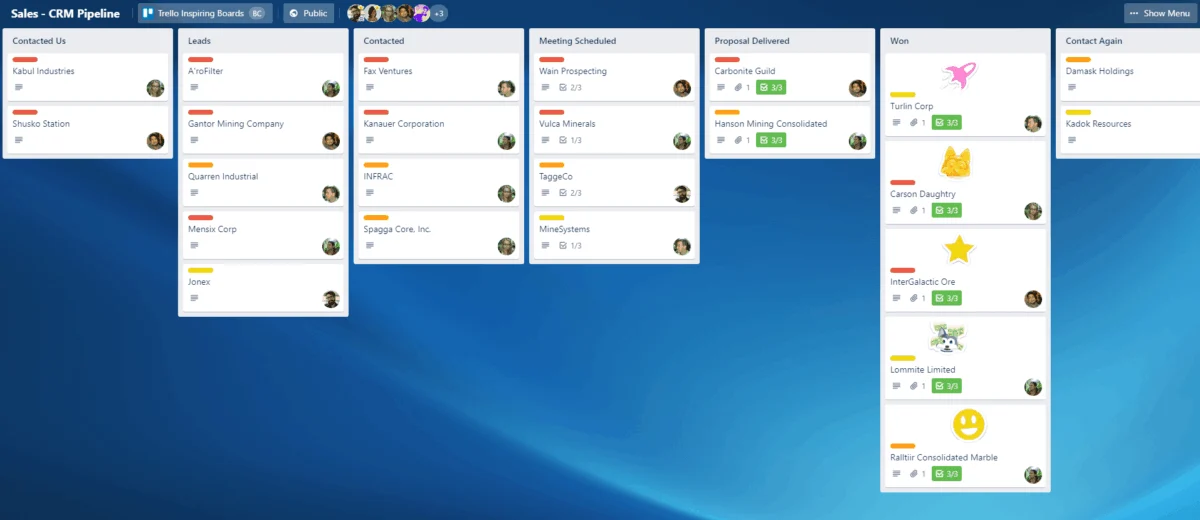
A comprehensive sales strategy is the bedrock of sustained business growth, encompassing every facet of the sales cycle. It dictates not only who a company will target and how it will engage them but also the essential tools and internal processes that facilitate success. Far from being a static document, a dynamic sales strategy is a living entity, continuously refined with fresh data and insights to optimize future sales endeavors. This iterative approach is crucial for adapting to market shifts and ensuring sales teams operate at peak efficiency.
The Multifaceted Benefits of a Strategic Sales Framework
The implementation of a well-defined sales strategy yields significant advantages, empowering sales representatives to maximize their productivity and enabling marketing teams to articulate the company’s value proposition with greater precision. The core benefits are manifold, impacting both operational efficiency and revenue generation.
Maximizing Time on High-Impact Activities
For small and growing businesses, the struggle to consistently generate qualified leads can be a significant impediment to revenue growth. A robust sales strategy, anchored by a deep understanding of the ideal buyer persona, illuminates the most effective pathways to reach and engage potential customers. By identifying precisely who the target audience is and understanding the value propositions that resonate most strongly with them, sales teams can eliminate time spent on low-probability prospects. This focus ensures that precious resources are allocated to activities that demonstrably contribute to closing deals, rather than engaging in diffuse, unfocused outreach. The result is a more productive sales force, laser-focused on moving the needle towards tangible outcomes.
Accelerating Revenue Growth and Pipeline Expansion
The pursuit of revenue growth offers a spectrum of strategic options, from judiciously adjusting pricing to optimizing acquisition channels for higher conversion rates. Empirical evidence strongly supports the synergy between sales and marketing efforts. Research indicates that when these two departments collaborate strategically, companies can experience an impressive 38% increase in sales win rates, a testament to the power of integrated go-to-market strategies, often referred to as "smarketing." This alignment ensures that marketing efforts generate leads that are well-qualified and receptive to sales outreach, thereby creating a more robust and predictable revenue pipeline.

Cultivating Repeatable and Scalable Systems
A foundational sales strategy serves as a blueprint for systematizing sales processes, thereby fostering more predictable and sustainable growth. Instead of relying on ad-hoc approaches and guesswork, organizations can apply proven, effective sales methodologies to all leads. This consistency ensures that every prospect receives a tailored yet standardized experience, increasing the likelihood of conversion. For instance, if data reveals that leads who receive a demo call convert 50% higher than those who do not, this becomes a non-negotiable, repeatable step within the sales process. This systematic approach not only enhances efficiency but also provides a reliable framework for scaling sales operations as the business expands.
Navigating the Landscape: Inbound, Outbound, and Account-Based Marketing
While distinct, these strategic approaches are not mutually exclusive. The optimal mix often depends on a company’s specific business model, industry dynamics, and the nature of its customer base.
The Inbound Sales Methodology
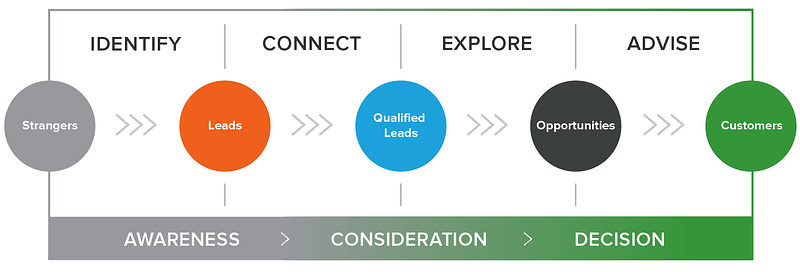
Inbound sales strategies are characterized by their focus on attracting leads through valuable content and resources that potential customers seek out. This approach intrinsically blends sales and marketing efforts, creating a seamless journey for the prospect. A typical inbound scenario might involve a marketing team publishing informative content, such as whitepapers or blog posts, that addresses a prospect’s pain points. Once this content sparks interest, sales representatives can engage to schedule product demonstrations or delve deeper into understanding the prospect’s specific challenges.
In this model, sales professionals often adopt an advisory role, guiding leads through a consultative process to ensure the product or service is a genuine fit for their needs. This approach fosters trust and positions the company as a knowledgeable partner rather than a mere vendor. The inbound sales methodology is visually represented by a series of interconnected steps, beginning with attraction and culminating in delight, emphasizing continuous engagement and customer satisfaction.
The Power of Outbound Sales
Outbound sales strategies, in contrast, involve proactively identifying and contacting potential leads, rather than waiting for them to initiate contact. This approach, historically a cornerstone of many successful businesses, relies on methods such as cold email campaigns and cold calling. For outbound strategies to be effective, businesses must present a highly compelling offer and ensure a streamlined, frictionless sales process. Furthermore, adherence to regulatory requirements, such as GDPR, is paramount when sourcing and contacting leads to maintain compliance and ethical practices.
Account-Based Marketing (ABM): Precision Targeting
Account-Based Marketing (ABM) represents a highly strategic approach that involves meticulously identifying and targeting specific accounts with a high propensity to purchase. This method moves beyond broad lead generation to focus on cultivating relationships with key decision-makers within prioritized companies. ABM campaigns are characterized by the creation of personalized, highly relevant content designed to nurture these targeted accounts and facilitate smoother deal closures.
A hallmark of effective ABM is the engagement with multiple stakeholders within a target organization. The objective is to provide a comprehensive understanding of the value proposition and build consensus across all critical decision-makers, thereby simplifying the conversion process. This strategy necessitates close collaboration between sales and marketing teams. An illustrative example of ABM in action is the simultaneous execution of targeted LinkedIn advertising campaigns aimed at key accounts, coupled with personalized cold email outreach from the sales team. This approach inverts traditional marketing and sales funnels by first defining the target audience and then tailoring all subsequent campaign activities to their specific needs and interests. For organizations with the resources to invest, ABM offers a powerful avenue for driving significant revenue growth.
A Step-by-Step Blueprint for Crafting Your Sales Strategy
Developing an effective sales strategy requires a structured, methodical approach, ensuring all critical elements are addressed.
1. Foundational Analysis: Industry, Product/Service, and Buyer Persona
The initial and most crucial step involves a thorough understanding of your ideal customer and how your business can best position itself to meet their needs. This encompasses a deep dive into your industry landscape, the unique selling propositions of your product or service, and the intricate details of your buyer persona. Factors such as the Average Contract Value (ACV) significantly influence tactical decisions; a strategy for a low-ACV product will differ substantially from one designed for high-value, infrequent purchases. Similarly, industry norms dictate preferred engagement methods, whether it’s reliance on trade shows and in-person meetings or the dominance of online networking and digital sales channels.
2. Setting Ambitious Yet Achievable Sales Goals
Sales goals must be intrinsically aligned with overarching company objectives. Once primary sales targets are established, they should be meticulously broken down into Key Performance Indicators (KPIs) and individual goals for sales representatives. For instance, a quantifiable goal might be to send 100 cold emails to qualified leads per week. The ultimate aim is to ensure that these goals reflect the expected daily activities of the sales team and clearly define the desired end results.
3. Identifying Key Acquisition Channels
The selection of primary acquisition channels should be guided by your buyer personas. Understanding where your ideal customers spend their time and how they prefer to be contacted is paramount. A diverse range of demand generation strategies can be employed, depending on the target audience. These might include:
- Content Marketing: Creating and distributing valuable content to attract and engage prospects.
- Search Engine Optimization (SEO): Optimizing online presence to rank higher in search engine results.
- Social Media Marketing: Engaging with potential customers on relevant social platforms.
- Paid Advertising: Utilizing platforms like Google Ads or social media ads for targeted reach.
- Email Marketing: Building and nurturing relationships through targeted email campaigns.
- Cold Outreach (Email/Calling): Proactively contacting leads based on research and qualification.
- Partnerships and Referrals: Leveraging strategic alliances and existing customer networks.
- Events and Webinars: Participating in or hosting industry events and online presentations.
The cost and time intensity of these channels must be considered in relation to your ACV. For low-priced offerings, time-intensive methods like cold calling might be less efficient. Conversely, for expensive, considered purchases, cold emails can serve as an effective initial touchpoint to educate prospects before a more in-depth sales conversation.
4. Rigorous Measurement of Sales Performance
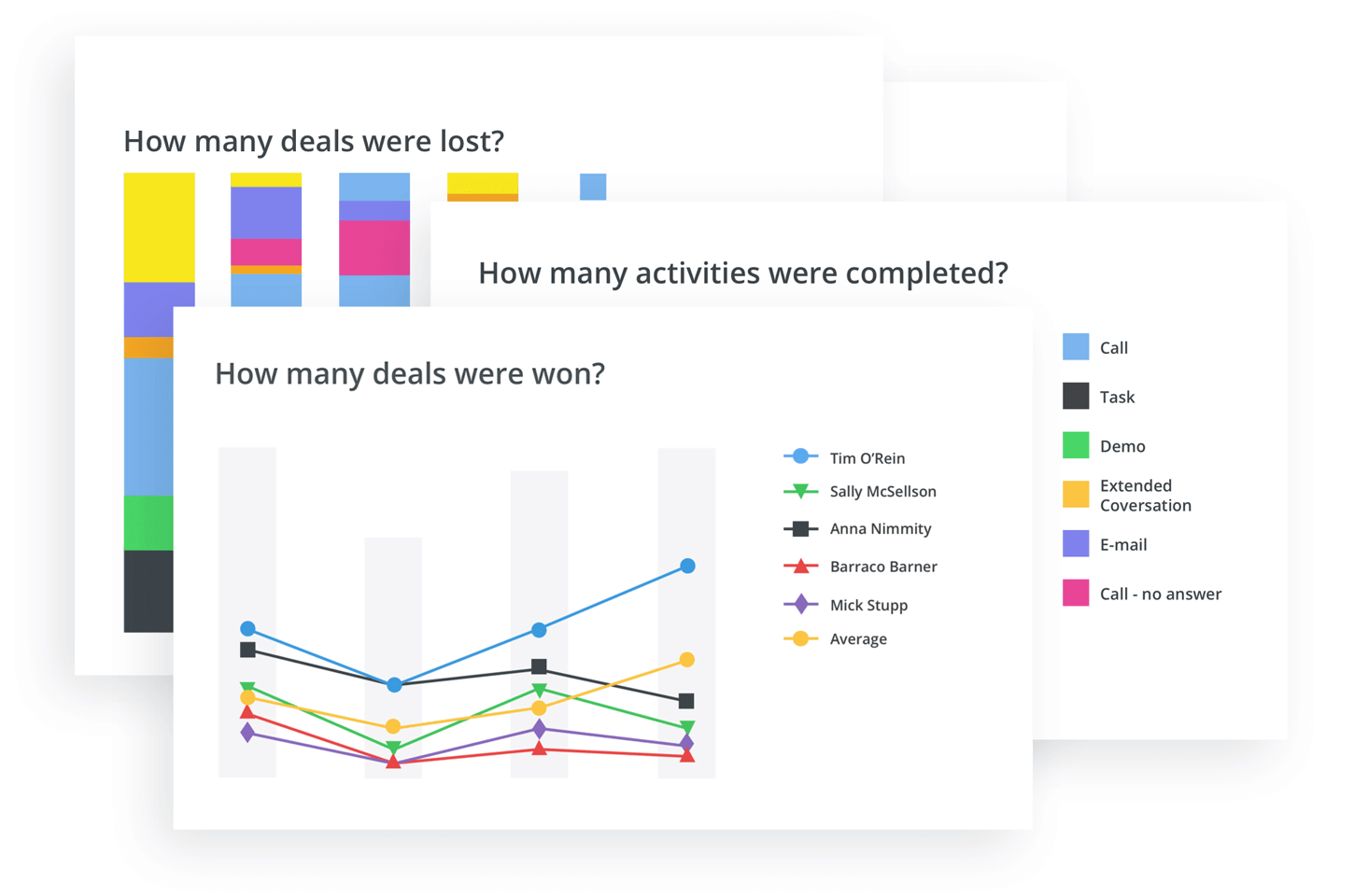
Continuous measurement is the only reliable method for assessing progress towards sales targets. Without tracking key metrics, it becomes impossible to discern what is working and where resources might be misallocated. While tools like Microsoft Excel or Google Sheets can provide a basic framework for goal tracking, dedicated sales performance tracking systems offer more granular insights.
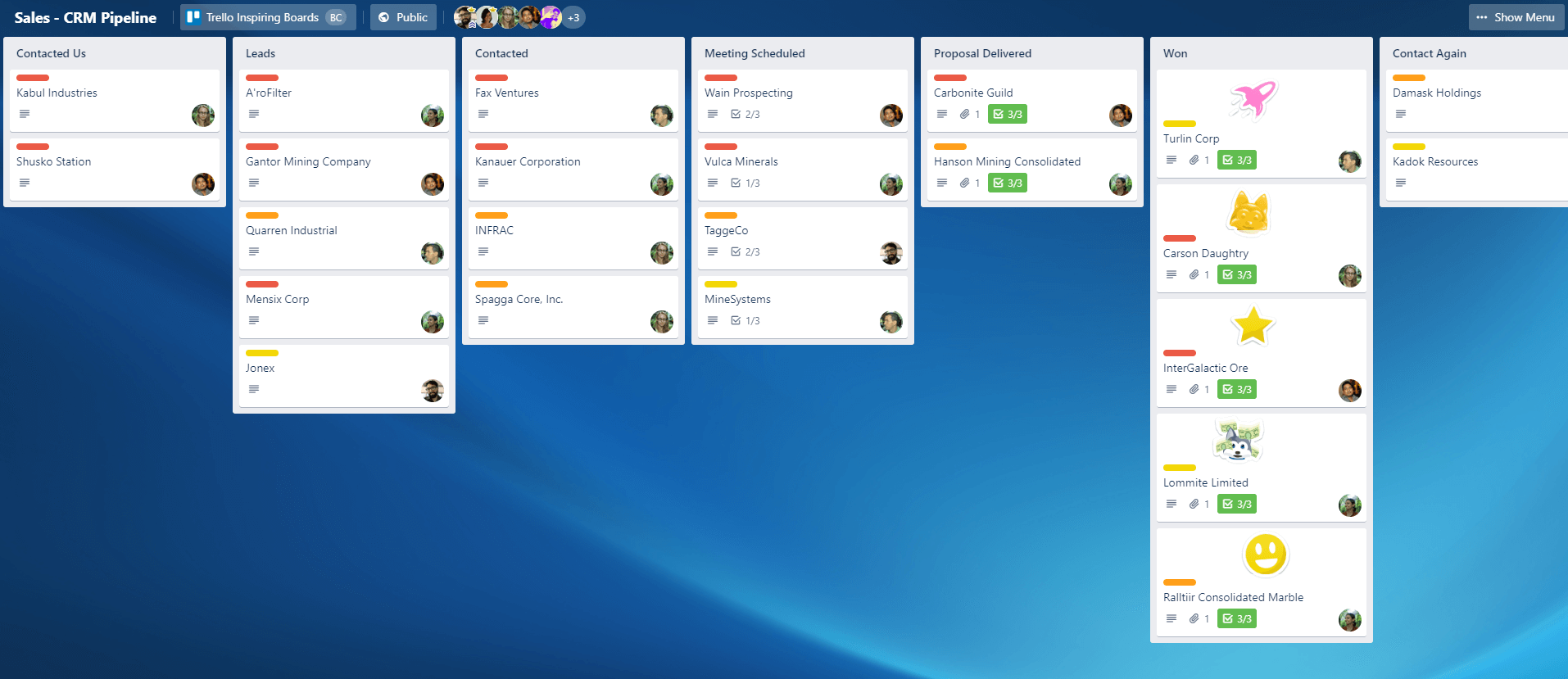
Customer Relationship Management (CRM) systems, such as Pipedrive, offer built-in analytics that provide detailed reports on metrics like cold email open rates, response rates, and revenue forecasts. Over 50% of sales teams report enhanced productivity when utilizing a CRM for tracking their activities. A robust goal-tracking system is indispensable for ensuring sales teams utilize their time efficiently and that implemented sales strategies are yielding the desired results.
5. Strategic Automation of Processes
Once a sales strategy demonstrates efficacy, automating repetitive tasks becomes a logical next step to enhance efficiency and free up sales representatives. As sales efforts gain momentum, managing the influx of activity can become overwhelming. Automating routine processes simplifies workflows and allows sales professionals to dedicate more time to engaging with promising leads.
Tools that facilitate the creation of targeted lead lists based on buyer persona criteria—such as job titles, industry, company size, and technology stacks—can significantly reduce manual research time. Similarly, utilizing tools that identify website visitors can enable proactive outreach. Lead scoring, another critical component, can be automated to prioritize outreach efforts. Many CRMs, including HubSpot CRM, Salesforce, and Agile CRM, offer automated lead scoring capabilities, enabling sales teams to know precisely when a lead is ready for engagement and to allocate their time accordingly.
Continuous Optimization: Refining Your Sales Strategy
The dynamic nature of the market necessitates ongoing optimization of sales strategies to ensure resources are being leveraged most effectively. This involves identifying underperforming campaign elements and systematically refining them. For instance, if cold email open rates are consistently low, potential issues may lie with the subject line, the email content, or the chosen recipient list. By isolating and adjusting one variable at a time and closely monitoring the impact, organizations can iteratively improve campaign performance.
A crucial, often overlooked, aspect of sales strategy is the cultivation of existing customer relationships. Research indicates that businesses are significantly more likely to generate repeat sales from existing customers than to acquire new ones. Maintaining high levels of customer satisfaction is therefore paramount, as avoidable customer churn represents a substantial financial loss for companies. Strategies focused on customer retention, loyalty programs, and proactive engagement can solidify existing relationships and drive ongoing revenue.
In conclusion, a well-articulated and continuously optimized sales strategy is not merely a document but a living, breathing operational framework. It empowers teams, drives revenue, and provides the essential structure for sustainable business growth in an ever-evolving commercial landscape. By focusing on clear goals, data-driven insights, and strategic execution, organizations can build a sales engine that consistently delivers results.