rifanmuazin
In the dynamic landscape of digital marketing, particularly within the realm of Search Engine Optimization (SEO), the power of compelling narratives invariably stems from data. For business owners and marketers, making decisions based on anything less than robust data is an untenable risk, potentially leading to significant financial losses. Conversely, a single, well-executed test, guided by solid data, can serve as a transformative catalyst for business growth. This article delves into five actionable and definitive SEO A/B tests that can be implemented immediately to enhance website traffic, moving beyond theoretical discussions to practical, data-backed strategies.
Understanding SEO A/B Testing

SEO A/B testing, also known as split testing, is a methodical process designed to evaluate the impact of specific changes to web pages – such as alterations in title tags, meta descriptions, or content – on organic search traffic. The core objective is to discern which elements of an SEO strategy are effective and which are not. Given the inherent complexity and evolving nature of search engine algorithms, particularly Google’s, SEO A/B testing can sometimes yield results that are not immediately apparent or entirely predictable. However, within a well-defined framework, employing appropriate testing methodologies and rigorous tracking, these tests can substantially boost top-line traffic, improve conversion rates, and ultimately drive revenue.
The Imperative of Data in SEO
The digital marketing ecosystem is characterized by constant evolution. Search engine algorithms, which dictate website visibility, are updated frequently, often on a daily basis. This necessitates a shift from intuition-based decision-making to a data-driven approach. For instance, a poorly conceived A/B test, conducted on a hunch, could inadvertently lead to a decline in rankings and a loss of considerable traffic and revenue. Conversely, a test meticulously designed and executed based on empirical evidence can unlock significant opportunities, leading to substantial improvements in key performance indicators. The following tests represent practical applications of this data-centric philosophy, designed to yield tangible results for businesses seeking to optimize their online presence.
Five Proven SEO A/B Tests for Immediate Implementation
While shared SEO knowledge provides a foundational understanding, these A/B tests offer a pathway to discover what specifically resonates with your unique website and audience, leading to higher search engine rankings and increased organic traffic.
- Title Tag Variation Test
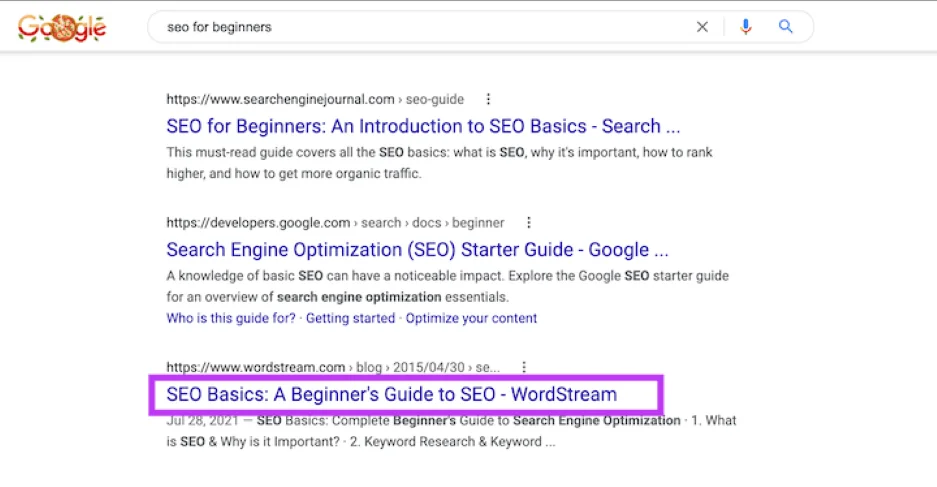
Click-Through Rate (CTR) is a critical factor influencing search engine rankings. Even minor adjustments to title tags can yield significant improvements. A comprehensive study by Backlinko, analyzing over four million Google search results, revealed a direct correlation between position and average CTR. For example, the top organic position typically garners a significantly higher CTR than positions further down the search engine results page (SERP). While position certainly plays a role, an unengaging or poorly optimized title tag can demonstrably harm CTR, even for pages ranking highly. Conversely, a compelling title can help a page outshine competitors, driving traffic not only through a higher ranking but also through superior click appeal.
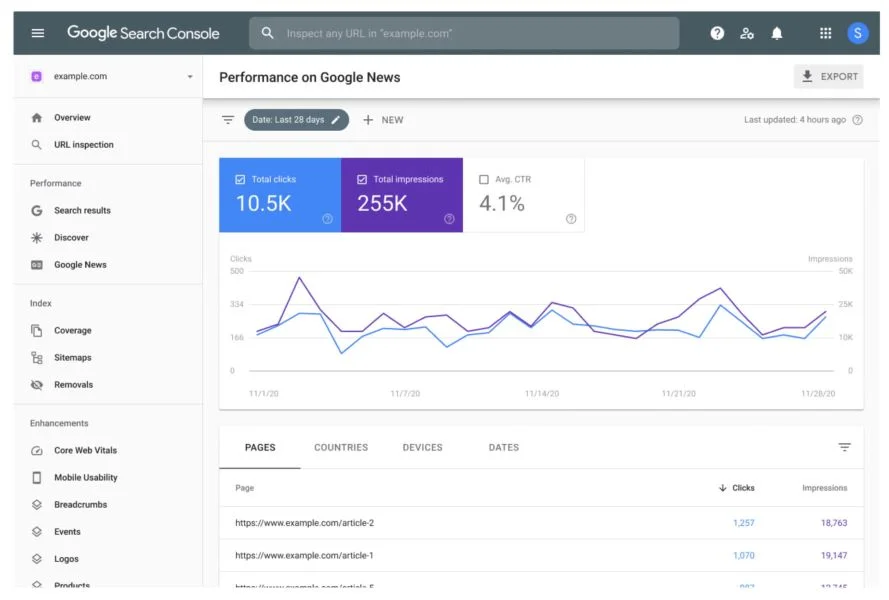
Implementing a Title Tag A/B Test:
- Page Group Selection: Identify a cohort of semantically related pages with sufficient organic traffic to conduct a meaningful test. This could include product pages, blog posts, category pages, or pillar pages. The key is consistency in topic and sufficient volume.
- Group Division: Statistically divide these pages into two equally sized groups: a control group and a variant group. These groups should be as similar as possible in terms of their baseline performance metrics.
- Title Tag Variations: The crucial element of this test is to modify only the title tags for the variant group. For example, if the control group title is "Best SEO Tools," the variant could be "Top 5 SEO Tools for Small Businesses: Boost Your Rankings." The new title should continue to target the primary keyword while aiming for greater appeal or specificity.
- Performance Measurement: Allow a minimum of two to four weeks for data collection, acknowledging that SEO results are not instantaneous. Utilize tools like Google Search Console to track pre-click metrics such as CTR, impressions, and clicks. While GA4 provides post-click insights, Search Console is invaluable for assessing direct ranking and CTR improvements, which are the primary focus of this test.
- Iteration and Analysis: Compare the CTR and click performance between the control and variant groups. Analyze which sentiments, phrases, or formats proved most effective. Consider external factors that might have influenced results, such as seasonality or algorithm updates. Based on these insights, decide whether to implement the successful title tag variations across other relevant pages on the site. It is important to note that Google may occasionally rewrite title tags, which can introduce some variability into the test results.
- AI Overview Content Optimization Test
The emergence of AI Overviews, also known as AI-generated answers, has profoundly reshaped the SERP landscape. These summaries, crafted by generative AI, appear at the top of the page for a substantial number of queries, presenting synthesized information directly to the user. For businesses, this presents both a challenge and an opportunity. Websites not optimized for AI Overviews risk losing organic visibility, even if they hold the top traditional ranking. Conversely, those that adapt can gain significant exposure and potentially capture clicks directly from the summary.
Implementing an AI Overview Content Optimization Test:

- Page Type and Query Set Selection: Similar to the title tag test, begin by selecting a group of pages targeting similar search intents. Prioritize pages with stable organic traffic and rankings within the top 20.
- Group Division: Divide these pages into control and variant groups, aiming for at least 20-30 URLs in each group to ensure statistically significant results.
- Structured Content Modifications (Variant Group): For the variant group, incorporate specific structural elements designed to facilitate AI Overview generation. This typically includes:
- Structured Data (Schema Markup): Implementing relevant schema markup (e.g., FAQPage, HowTo, Article) provides search engines with explicit context about the content.
- Clear Headings and Subheadings: Organizing content logically with H2, H3, and H4 tags helps AI systems parse information effectively.
- Concise Paragraphs and Bullet Points: Breaking down complex information into digestible segments enhances readability for both humans and AI.
- Key Information Placement: Ensuring critical answers and definitions are placed prominently within the content, often near the beginning of relevant sections.
- Performance Monitoring: As with previous tests, Google Search Console is the primary tool for evaluating performance. Monitor whether the variant group pages appear more frequently in AI Overviews, whether CTR has improved compared to the control group, and if there have been any adverse effects on rankings or traffic. The widespread adoption of AI Overviews makes this a critical test for maintaining and enhancing SERP presence.
- Internal Link Placement and Optimization Test
While external link building often garners more attention for its role in establishing domain authority, internal linking is an equally crucial, yet frequently overlooked, component of SEO. Effective internal linking, utilizing semantically relevant anchor text, is essential for building topical authority and achieving strong search rankings. Without it, it becomes exceptionally difficult to establish expertise in a given subject area.
Implementing an Internal Link Placement Test:
- Page Group and Division: The initial steps mirror those of previous tests: select a group of pages with consistent traffic and rankings, and divide them into control and variant groups.
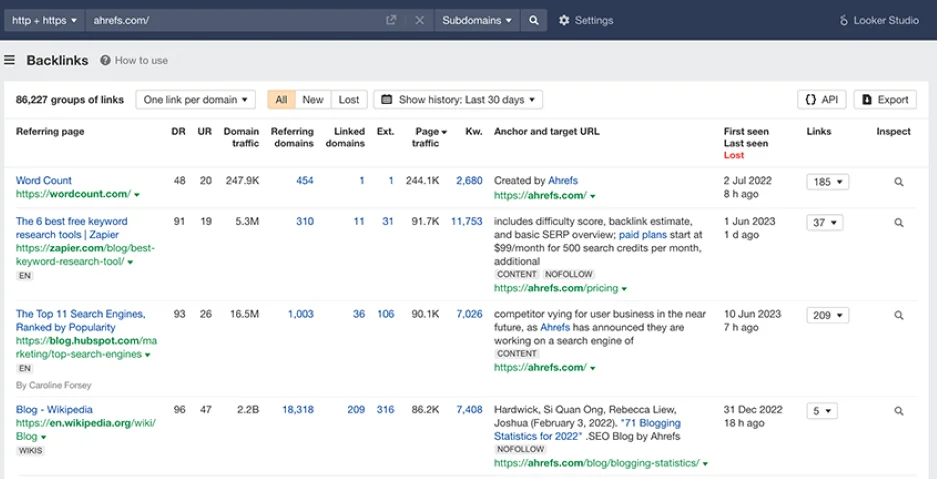
- Strategic Linking (Variant Group): For the variant group, the focus is on adding internal links pointing to these pages from other high-authority or thematically relevant pages within your website. Identifying high-authority pages can be done using SEO tools like Ahrefs or SEMrush, sorting by metrics such as Domain Rating (DR) or URL Rating (UR).
- Anchor Text Optimization: Ensure the anchor text used for these internal links is keyword-rich and sounds natural within the context of the linking content. Aim to place these links higher up in the content or in proximity to sections that are thematically aligned with the linked page.
- Performance Analysis: After the standard two to four-week waiting period, assess the performance of the variant pages. An improvement in rankings and click volume suggests that the strategic placement and optimization of internal links have had a positive impact.
- Content Length and Depth Analysis
Search engines aim to reward relevant and comprehensive content. While longer content isn’t inherently superior, it often correlates with higher rankings due to its potential for greater depth and quality. Google prioritizes quality and credibility, making content depth a significant factor. Pages with thin content or areas where more detail would enhance understanding represent prime opportunities for A/B testing.
Implementing a Content Length and Depth Test:
- Page Selection: Choose a set of evergreen blog posts that are relatively short in word count (e.g., under 1,500 words). If your site’s content is already robust, this test can still be valuable for identifying areas to further enhance existing comprehensive articles.
- Content Expansion (Variant Group): In the variant group, expand upon the existing content by adding elements such as Frequently Asked Questions (FAQs), expert quotes, new sections targeting ancillary keywords, visuals like graphs and infographics, and statistical data. The overarching goal is to significantly increase the quality and comprehensiveness of the content, thereby improving user engagement signals.
- Performance Tracking: After the standard testing period, monitor impressions and clicks in Google Search Console. The aim is to observe an increase in these metrics for the enhanced content.
- Schema Markup Implementation Test
Schema markup, or structured data, is a technical SEO element that can significantly enhance search result visibility and drive increases in organic CTR. By providing search engines with explicit context about the content on a page, schema markup can enable rich results, such as star ratings, FAQs, or product information, to appear directly in the SERPs.
Implementing a Schema Markup Test:

- Page Selection: Identify a group of pages that would benefit from schema markup and possess a structure amenable to its implementation. This includes product pages, how-to guides, service pages, and recipe content.
- Schema Implementation Methods: Schema can be implemented through several methods:
- Manual JSON-LD: Directly embedding JSON-LD code, the recommended format by Google, into the
<head>or<body>of a page. This offers the most flexibility. - CMS Plugins: Utilizing plugins like Yoast SEO, Rank Math, or Schema Pro for WordPress, or apps like Smart SEO for Shopify, can simplify schema implementation.
- Google Tag Manager: Adding schema markup via an HTML tag in Google Tag Manager provides a lower-code solution, especially for larger websites.
- Manual JSON-LD: Directly embedding JSON-LD code, the recommended format by Google, into the
- Performance Evaluation: Monitor key metrics in Google Search Console, including impressions, clicks, and CTR. Critically, observe the SERPs to determine if Google is displaying rich features associated with your schema markup and if this leads to a noticeable spike in CTR.
Turning Insights into Traffic with Data-Driven SEO
SEO A/B testing is not an exclusive strategy for large enterprises; it is a highly effective method for small and medium-sized businesses (SMBs) to grow organic traffic with confidence. By conducting controlled experiments focused on optimizing title tags, refining internal linking strategies, enhancing content depth, and implementing schema markup, businesses can identify precisely what drives measurable improvements for their specific websites. More importantly, these tests enable informed decision-making, replacing subjective opinions with objective data. Beginning with a single test, closely monitoring results, and iterating based on performance is the path to sustainable online growth.