

The digital landscape has fundamentally reshaped how businesses interact with their audiences. At the core of this transformation lies the invaluable asset of an engaged subscriber list. This list, often conceptualized as a dedicated forum where individuals gather to engage with a brand’s message, is a powerful engine for growth. Subscribers represent an audience genuinely interested in a company’s offerings; they are more likely to seek further information, pose questions, convert into paying customers, and ultimately evolve into fervent brand advocates who actively expand the community. Historically, the primary gateway to cultivating such a list has been through a signup form embedded within a business’s dedicated website. Visitors would navigate to the site, encounter the form, and provide their email address to opt-in for content and updates. However, a significant segment of entrepreneurs, freelancers, and nascent businesses operate without the foundational infrastructure of a traditional website, raising the critical question of how they, too, can effectively gather subscribers and nurture their digital communities.
The answer increasingly lies in the strategic deployment of hosted signup forms. This innovative solution provides a robust mechanism for audience building, eliminating the prerequisite of a fully developed website. By leveraging a hosted signup form, even the smallest operations can establish a direct line of communication with their potential and existing customers.
Understanding the Hosted Signup Form Paradigm
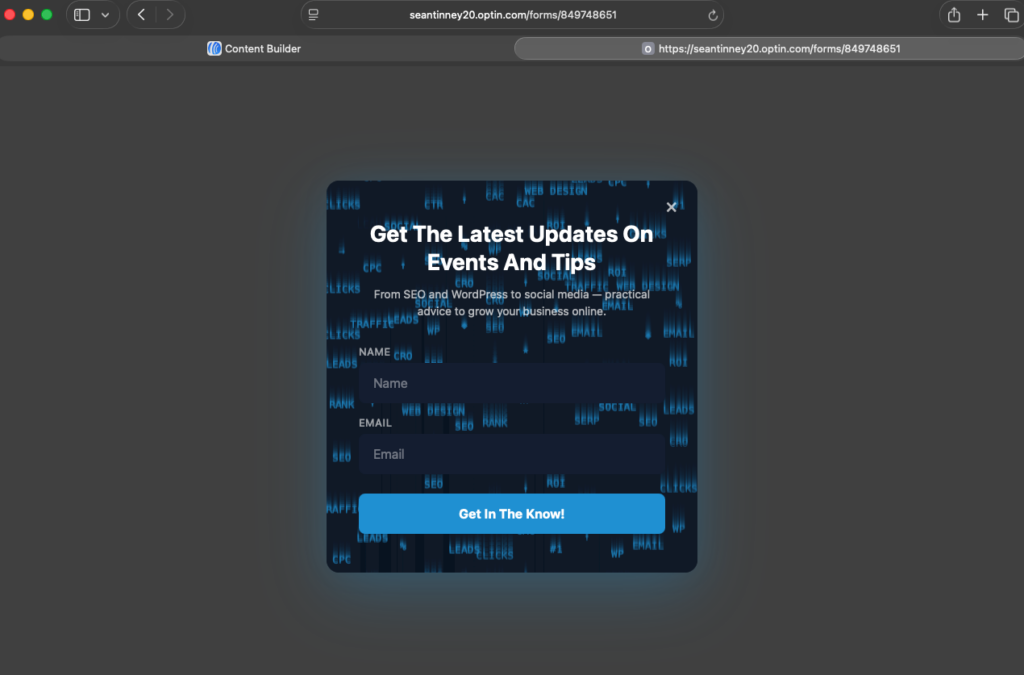
A hosted signup form represents a self-contained digital entity, residing independently on its own unique URL. Unlike traditional forms that are integrated into a larger website structure, a hosted form exists as a standalone web page. This distinct characteristic makes it exceptionally versatile, allowing its unique URL to be disseminated across a multitude of digital and physical channels. From prominent placements on social media platforms like Facebook, Instagram, X (formerly Twitter), and LinkedIn, to direct sharing via messaging applications, or even through offline mediums such as printed business cards and event signage, its accessibility is unparalleled. Its singular purpose is streamlined and focused: to efficiently collect email addresses and seamlessly integrate new subscribers into a designated mailing list.
The utility of a hosted signup form extends beyond just businesses lacking a website. Even organizations with an established online presence can derive significant benefits. It serves as an invaluable contingency, providing a reliable backup mechanism for subscriber acquisition should a primary website experience downtime or technical issues. Furthermore, when the objective is to share a direct, uncluttered link for list enrollment—devoid of navigational distractions or extraneous website content—the hosted form becomes the optimal choice. It ensures a singular focus on the subscription action, maximizing conversion potential by minimizing cognitive load for the user. This strategic deployment underscores its role as a flexible and resilient tool within a comprehensive digital marketing strategy.
The Evolution of Audience Building: From Embedded Forms to AI-Powered Solutions
The journey of audience building has seen continuous innovation, moving from rudimentary guestbooks in the early internet era to sophisticated CRM-integrated forms today. The advent of hosted signup forms marked a significant step, democratizing access to list building for those without web development resources. More recently, the integration of Artificial Intelligence (AI) has ushered in a new era of accessibility and efficiency, exemplified by tools like AWeber’s AI Signup Form Builder. This technology dramatically simplifies the creation process, transforming what was once a technical or design-intensive task into an intuitive, prompt-driven operation.
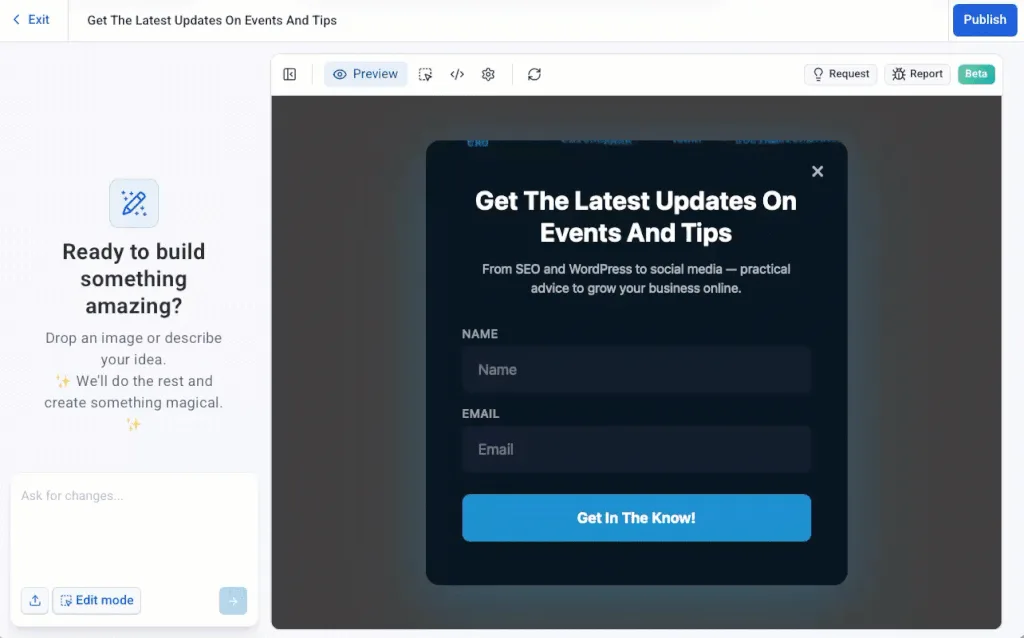
The AI Signup Form Builder, a leading example of this trend, empowers users to generate a fully functional, hosted signup form from a single descriptive prompt. By simply articulating the nature of their business or the purpose of their list, the AI engine can automatically construct a form complete with a compelling headline, a concise description, and a design aesthetic that aligns with the specified brand identity. This capability is particularly transformative for small business owners and solopreneurs who may lack design expertise, coding knowledge, or the budget for professional web development services.
A Step-by-Step Guide to AI-Powered Form Creation
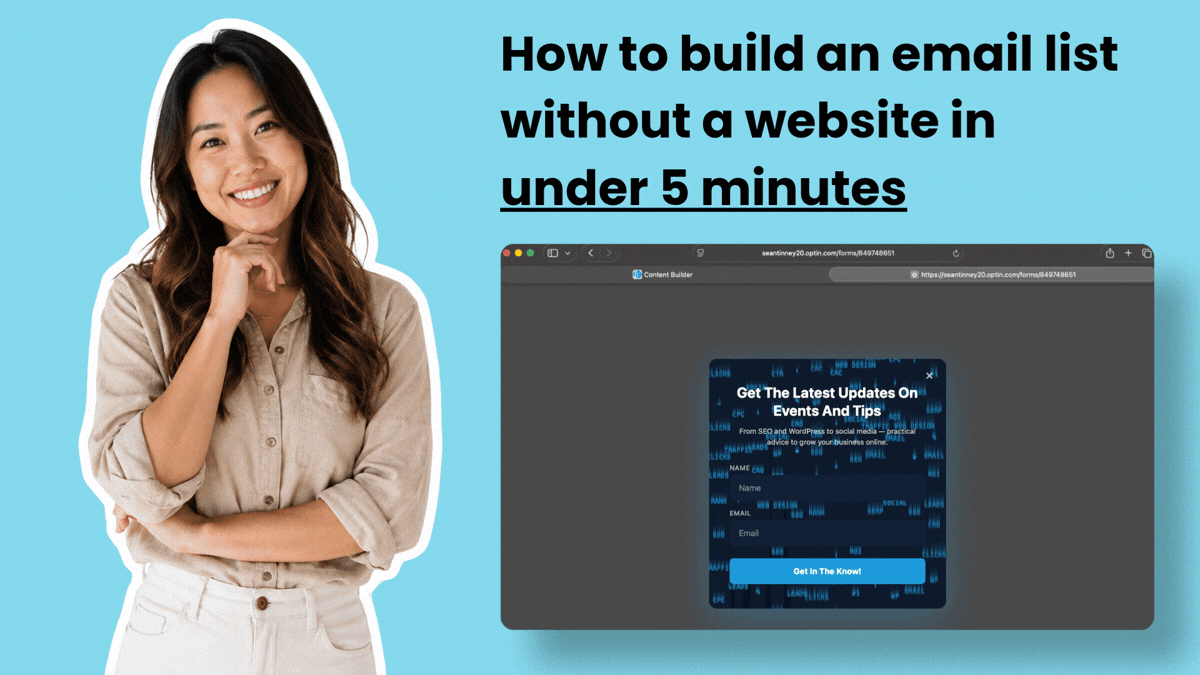
The process of creating a hosted signup form using an AI builder is designed for speed and simplicity, typically taking less than five minutes from initiation to publication. This streamlined workflow eliminates the traditional barriers associated with digital asset creation, empowering users to focus on their core business activities.
Step 1: Access the AI Signup Form Builder
The journey begins by navigating to the designated section within the email marketing platform, typically labeled "Pages & Forms" or a similar descriptor, and selecting the "AI Signup Forms" option. This initiates the AI-driven form generation process.
Step 2: Articulate Your Business Profile
The core of the AI’s functionality lies in its ability to understand and interpret user input. In this step, the user provides a brief yet comprehensive description of their business, brand, or the specific purpose of the signup form. This input, such as "a sustainable fashion blog focusing on ethical sourcing" or "a freelance graphic designer offering branding tips," serves as the foundation for the AI to craft relevant copy and design elements. The more precise the description, the more accurately the AI can tailor the form’s content and appearance.
Step 3: Review and Refine the AI-Generated Form
Upon receiving the business description, the AI processes the information and generates a complete draft of the hosted signup form. This includes proposed headlines, descriptive text, and a visual layout. Users are then presented with this initial draft for review. At this stage, while the AI provides a strong starting point, users retain full control to customize and refine any element. They can adjust the headline for greater impact, modify the description for enhanced clarity, tweak color schemes to perfectly match brand guidelines, or alter the layout for optimal user experience. Alternatively, if the AI’s output is satisfactory, the form can be published directly without further modifications, demonstrating the efficiency of the system.
Step 4: Retrieve and Distribute the Hosted URL
Once the form has been reviewed, customized (if necessary), and published, the email marketing platform automatically generates a unique, shareable URL. This URL is the direct link to the newly created hosted signup form. It can then be copied and distributed across any channel where the target audience is present and can click a link. This final step transforms the digital asset into a functional tool for audience acquisition.
This entire process, characterized by its no-code approach and minimal design decisions required from scratch, underscores the power of AI in democratizing marketing tools. The AI handles the initial conceptualization and drafting, allowing users to focus their efforts on strategic refinement and widespread distribution.
Strategic Pathways to Subscriber Acquisition Without a Website
Possessing a hosted signup form is merely the first step; the subsequent challenge lies in effectively deploying it where the target audience congregates. Maximizing subscriber acquisition requires a multi-channel approach, strategically integrating the form’s unique URL into various touchpoints.
1. Amplifying Reach Through Social Media Engagement
Social media platforms serve as fertile ground for audience engagement and subscriber acquisition. Instead of merely "dropping" a link, the strategy should involve compelling narratives that highlight the value proposition for signing up. Businesses should articulate the specific benefits subscribers will receive, such as exclusive content, early access to promotions, or valuable insights. For instance, a statement like, "I curate and send one email every Tuesday featuring a new recipe, a paired wine suggestion, and a grocery list. No spam, just delicious inspiration. Sign up here:" clearly defines expectations and incentives.
Tactically, the hosted form link should be prominently featured across all relevant social media profiles. This includes placing it in the bio sections of Instagram and TikTok, pinning a dedicated post about it on X or Facebook, incorporating it into Instagram Stories with swipe-up links (if available), and regularly mentioning it in video content or live streams. Utilizing tools like Linktree or similar bio-link services can further consolidate multiple links, including the signup form, making it easier for followers to access. The preview text generated when sharing the link, often derived from the form’s title, should be optimized to be clear and enticing, acting as a mini-advertisement for the list.
2. Leveraging Guest Contributions and Strategic Collaborations
Guest blogging, podcast appearances, and collaborative ventures with other content creators or businesses offer an excellent avenue for expanding audience reach. When contributing content to another platform, embedding a link to the hosted signup form is a crucial tactic. This can be done within the body of the guest post, subtly integrated into a relevant context, or more commonly, included in the author’s bio or signature block. By offering a clear call to action—"If you found this content valuable and wish to receive more insights directly from me, subscribe to my newsletter here"—businesses can seamlessly direct interested readers from a partner’s platform to their own subscriber list. This strategy not only drives direct sign-ups but also reinforces the author’s authority and builds cross-platform visibility.
3. Offline Engagement: Bridging the Physical and Digital Divide
The digital realm is not the only space for subscriber acquisition. Physical interactions and real-world events present significant opportunities, especially with the widespread adoption of QR code technology. By converting the hosted signup form’s URL into a QR code, businesses can effortlessly bridge the gap between their physical presence and their digital audience-building efforts.
These QR codes can be strategically printed on various tangible assets: business cards, promotional flyers, product packaging, event banners, and even on physical merchandise. Imagine a craft vendor at a farmer’s market: a customer interested in future product updates or exclusive offers can simply scan a QR code displayed at the stall using their smartphone. This action instantly directs them to the hosted signup form, which they can complete on their device in moments, adding themselves to the list before they even leave the market. This method is particularly effective for service providers, retailers, and event organizers, enabling real-time, in-person subscriber acquisition without the need for manual data entry or complex on-site infrastructure.
When to Consider the Transition to a Full-Fledged Website
While hosted signup forms and dedicated landing pages provide an exceptionally effective foundation for audience building and initial business operations, there comes a point in a business’s growth trajectory where a comprehensive website becomes a strategic necessity. Recognizing this inflection point is crucial for scalable expansion.
The decision to upgrade typically arises when a business reaches certain operational and strategic milestones:
- Extensive Content Publishing: When the need arises to publish long-form content consistently, such as detailed blog posts, in-depth guides, whitepapers, or extensive portfolios, a dedicated website offers superior organization, SEO benefits, and a more robust content management system.
- Direct Online Sales: Businesses aiming to sell products or services directly online, manage inventory, process payments securely, and offer a seamless e-commerce experience will require the functionalities of a dedicated online store, which is typically integrated into a website.
- Multi-Page Information Architecture: As a business matures, it often requires multiple distinct pages to communicate various aspects of its operations effectively. This includes "About Us" sections detailing the company’s mission and history, dedicated "Services" or "Products" pages with comprehensive descriptions, "Testimonials" pages showcasing social proof, and a structured "Contact Us" page. A website provides the necessary framework for this multi-faceted information delivery.
- Enhanced Brand Authority and Searchability: For businesses seeking to establish a strong, professional online identity and ensure discoverability through organic search, a website is paramount. Consumers often expect established businesses to have a dedicated site, and its absence can sometimes detract from perceived credibility. A website allows for comprehensive Search Engine Optimization (SEO) strategies, driving organic traffic and positioning the brand as an authoritative source in its niche.
- Complex Integrations and Custom Functionality: When a business requires advanced integrations with third-party tools (e.g., booking systems, customer support platforms, advanced analytics, custom application programming interfaces), or necessitates highly customized functionality that cannot be achieved through standalone forms or landing pages, a website offers the flexibility and control needed.
Until these advanced requirements materialize, the combination of hosted signup forms and strategically designed landing pages serves as an agile and cost-effective digital "home base." These tools are perfectly capable of efficiently collecting email addresses, delivering lead magnets (incentives for signing up), and triggering automated email workflows—all essential components for initiating and nurturing a loyal audience.
The Broader Implications: Digital Inclusion and Entrepreneurial Empowerment
The rise of accessible tools like AI-powered hosted signup forms carries significant implications for digital inclusion and entrepreneurial empowerment. In an increasingly digital-first world, the barrier to entry for establishing an online presence has traditionally been the technical complexity and financial investment associated with website development. By simplifying the process and reducing costs, these tools democratize access to essential digital marketing capabilities.
This empowers a diverse range of individuals and small entities:
- Solopreneurs and Freelancers: Individuals offering services can quickly establish a professional point of contact and begin building a client base without significant upfront investment in web development.
- Startups and Micro-Businesses: New ventures can validate ideas, gather early adopters, and build a core community before committing resources to a full website.
- Content Creators and Influencers: Artists, writers, podcasters, and social media personalities can consolidate their following into a direct communication channel, reducing reliance on algorithm-driven platforms.
- Non-Profit Organizations and Community Groups: These entities can efficiently recruit volunteers, disseminate information, and gather support from their constituents.
According to various industry reports, a significant percentage of small businesses, particularly micro-businesses, still operate without a dedicated website, often citing cost, technical expertise, and time constraints as primary hurdles. Tools that offer website-less audience building directly address these challenges, fostering a more inclusive digital economy where size and technical prowess are no longer insurmountable obstacles to establishing an online footprint. Furthermore, the robust ROI of email marketing, frequently cited as generating over $40 for every dollar spent, underscores the strategic importance of making list building accessible to all business sizes.
Conclusion: A Strategic Imperative for Modern Businesses
In summation, the proliferation of hosted signup forms, particularly those enhanced by AI-driven creation tools, represents a pivotal development in digital marketing. They offer an elegant, efficient, and highly accessible solution for businesses of all sizes, especially those without a traditional website, to cultivate and engage a valuable audience. By providing a direct, focused channel for subscriber acquisition, these forms empower entrepreneurs to lay the groundwork for long-term customer relationships, foster brand loyalty, and drive sustainable growth. As the digital landscape continues to evolve, the ability to rapidly deploy effective audience-building mechanisms will remain a strategic imperative for any entity seeking to thrive in the modern economy.








