Dropshipping on Amazon, when executed within the platform’s stringent guidelines, presents a legitimate and potentially lucrative avenue for entrepreneurs. In 2025, Amazon’s staggering revenue of over $742 billion underscores its immense market reach, offering businesses unparalleled access to a global customer base. However, success in this model transcends simply listing products and relying on suppliers for fulfillment. A robust dropshipping operation on Amazon demands meticulous supplier vetting, proactive promotional strategies, and diligent management of backend administrative tasks. This comprehensive guide outlines the essential steps to establishing a dropshipping business on Amazon without compromising legal standing or profit margins.
Understanding the Amazon Dropshipping Policy: A Non-Negotiable Foundation
Before embarking on any dropshipping venture on Amazon, a thorough understanding and strict adherence to Amazon’s dropshipping policy is paramount. This policy, which can be accessed through Amazon Seller Central, outlines critical requirements designed to ensure a positive customer experience and maintain marketplace integrity. Key stipulations include:
- Seller of Record: You, as the Amazon seller, must be the seller of record for all transactions. This means your business name and information should appear on all invoices and shipping documents sent to the customer.
- Supplier Identification: The identity of your supplier must be concealed from the end customer. This typically involves ensuring that packing slips, invoices, or any other documentation included with the shipment do not display the supplier’s name or contact information. Amazon strictly prohibits dropshippers from purchasing products from another online retailer or Amazon seller and having that retailer ship directly to your customer. The transaction must involve a genuine dropshipping supplier.
- Returns Management: You are solely responsible for managing customer returns. This includes processing refunds, handling return shipping logistics, and communicating with the customer throughout the return process. Failure to adequately manage returns can lead to negative customer feedback and potential account suspension.
Beyond these core requirements, it is highly advisable to develop a concise business plan. While this may seem like a traditional, perhaps even antiquated, step in the digital age, it serves as a crucial framework for essential research. This includes identifying profitable product categories, conducting thorough market analysis, and establishing realistic profit margins. This foundational planning phase ensures a more strategic and sustainable approach to your Amazon dropshipping business.
Step 1: Establishing Your Amazon Seller Account
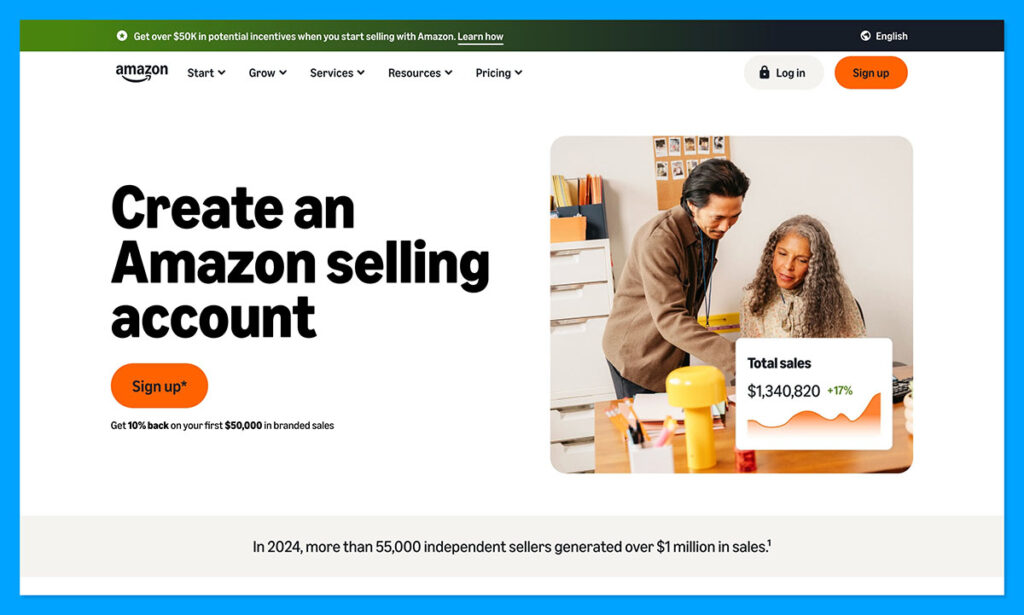
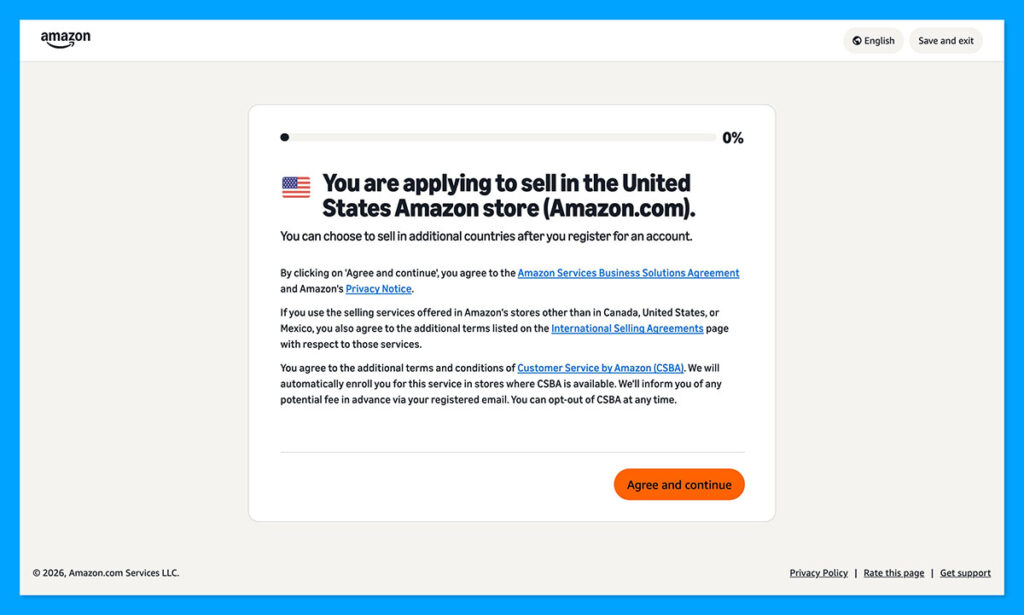
The cornerstone of any Amazon dropshipping endeavor is the creation of a dedicated Amazon Seller Account. This is distinct from a standard customer account and requires a more involved setup process. Amazon offers two primary selling plans:
- Individual Plan: This plan is ideal for sellers who are just beginning or anticipate selling fewer than 40 items per month. It is free to sign up, but Amazon charges a per-item selling fee of $0.99, in addition to referral fees and other applicable charges based on the product category. This plan offers a low-barrier-to-entry option for testing the market.
- Professional Plan: For sellers expecting to exceed 40 sales per month, the Professional plan is a more cost-effective option. It incurs a monthly subscription fee of $39.99. This plan waives the per-item selling fee and provides access to advanced selling tools, including bulk listing uploads, advertising options, eligibility for the Buy Box, and the ability to apply for selling in restricted categories.
For newcomers to Amazon dropshipping, the Individual plan is often recommended as a prudent starting point to gauge market viability and refine strategies. The account creation process itself is straightforward. Prospective sellers will be required to provide comprehensive business information, including contact details, financial information for payments and billing, and details about their intended product offerings. Amazon also mandates identity verification, which may involve submitting photographic identification or participating in a video call with an Amazon associate. While it’s important to present a professional appearance from the outset, initial setup can focus on essential details, with subsequent refinement of shipping and returns settings as you become more familiar with the Seller Central dashboard.
Step 2: Identifying Your Niche and Product Category
The selection of a niche and specific product categories is a critical determinant of your dropshipping business’s long-term success. While the allure of "trending" products can be tempting, it often leads to oversaturation and intense competition. A more sustainable approach involves focusing on product categories where you possess some existing knowledge or interest. This could range from pet supplies and home organization solutions to DIY accessories or arts and crafts.
Amazon provides valuable tools to assist in this selection process. The "Product Opportunity Explorer" offers real-time insights into product performance within specific categories. This includes data on search trends, customer reviews, pricing patterns, sales volumes, niche saturation levels, and even detailed information on product features that resonate with consumers.
Beyond Amazon’s internal resources, leveraging external platforms can further inform your niche selection. Google Trends can reveal broader consumer interest patterns, while platforms like TikTok and Reddit can offer a pulse on emerging trends and niche communities. Amazon’s own "Best Sellers" list also serves as an excellent resource for identifying high-demand products. The key is to avoid an overly ambitious initial catalog. Instead, focus on a niche with demonstrable consumer demand and sufficient market opportunity for a new entrant to establish a foothold. Once a niche is chosen, carefully select a few products that offer attractive profit margins after accounting for all associated costs.
Step 3: Selecting a Reliable Supplier
The choice of a dropshipping supplier is arguably the most pivotal decision in this business model. This selection process should not be rushed. Beyond ensuring the supplier stocks the desired products, several other critical factors must be considered:
- Compliance with Amazon Policies: The supplier must be willing and able to adhere to Amazon’s dropshipping requirements. This includes the ability to remove their branding from invoices and packaging, ensuring that only your seller information is visible to the customer.
- Product Quality and Consistency: Consistent product quality is essential for maintaining positive customer reviews and minimizing returns. Inquire about the supplier’s quality control processes and their return/exchange policies.
- Order Fulfillment Speed and Reliability: Efficient and timely order processing and shipping are paramount. Delays can lead to negative customer experiences and impact your Amazon seller metrics.
- Inventory Management and Communication: The supplier should provide accurate and up-to-date information on stock levels. Real-time inventory syncing is crucial to avoid selling out-of-stock items. Clear and prompt communication channels are also vital for resolving any potential issues.
- Shipping Costs and Options: Understand the supplier’s shipping costs and available shipping methods. These will directly impact your pricing strategy and profit margins.
- Return Handling Process: Clarify the supplier’s procedures for handling returns and damaged goods. This will inform your own return policy and customer service approach.
Recommended Suppliers for Amazon Dropshipping:
Several dropshipping platforms cater specifically to Amazon sellers, offering varying levels of integration and product offerings.
-
dropXL: This platform stands out for its extensive catalog of over 90,000 vidaXL products, spanning categories like furniture, home and garden, sporting goods, office supplies, and pet accessories. A significant advantage of dropXL is its hourly updated real-time feed, ensuring merchants have access to the most current product, pricing, and stock information. This minimizes the risk of overselling or offering outdated product details. While browsing the dropXL library is free, partnering with them incurs a flat monthly fee of €30, with no commissions on orders. The service extends beyond product sourcing to include robust shipping and returns assistance, seamless API integrations, access to educational resources through the dropXL Academy, and exclusive product discounts.
-
Syncee: Syncee serves as a comprehensive dropshipping and wholesale marketplace, connecting sellers with a diverse range of suppliers. It offers automated payment management, synchronized order processing, shipment tracking, and extensive product data. However, with a wider array of suppliers, sellers might have less direct control over packaging standards, delivery timelines, and specific return procedures compared to a single-source partner.
-
CJdropshipping: This platform is particularly well-suited for sellers focused on product sourcing and potentially building a branded store in the future. CJdropshipping offers features like custom packaging, print-on-demand services, and flexible fulfillment options. While valuable for unique product testing and brand development, for straightforward Amazon dropshipping, a streamlined approach with a single, trusted supplier is often more manageable.
For Amazon dropshipping, the emphasis should be on simplicity, reliability, and adherence to Amazon’s policies. A platform like dropXL, with its curated product selection and strong emphasis on data accuracy and fulfillment support, is an excellent choice for navigating the competitive Amazon marketplace.
Step 4: Listing Your Products on Amazon
With your niche, chosen products, and trusted supplier in place, the next logical step is to list your products on Amazon through the Seller Central portal.
- Access Seller Central: Log in to your Amazon Seller Central account.
- Navigate to Catalog: Click on "Catalog" in the main menu.
- Add Products: Select "Add Products."
You have two primary methods for listing products:
- Manual Listing: If you are adding products individually, you can search Amazon’s existing catalog using a GTIN (Global Trade Item Number) or product ID provided by your supplier. If the product already exists on Amazon, you will match your offer to the existing product detail page. This streamlines the process by leveraging pre-existing product information.
- Creating New Listings: If the product is not found in Amazon’s catalog, you will need to create a new listing. This requires more detailed input, including:
- Product Craft a compelling and search-engine-optimized title that includes relevant keywords potential customers would use.
- Bullet Points: Highlight key product features and benefits in concise, easy-to-read bullet points.
- Product Description: Provide a comprehensive and persuasive description that addresses all customer queries and emphasizes value.
- Images: Upload high-quality, professional product images from multiple angles.
- Offer Details: Specify your pricing, quantity available, and fulfillment method.
- Fulfillment Information: Indicate that you are using dropshipping and provide any necessary supplier details as per Amazon’s guidelines.
- Compliance Details: Include any relevant safety, regulatory, or compliance information.
Your supplier should provide a starting point for product data, including images and descriptions. However, it is crucial to rework and enhance this information. Supplier-provided content is often optimized for databases rather than customer appeal. Tailor titles and descriptions to target specific customer search terms and articulate the product’s benefits in a clear, engaging manner. If your catalog grows, bulk upload features can be utilized, but always set aside time to review and refine these listings before they go live.
Step 5: Managing Orders and Inventory with Precision
While dropshipping eliminates the need for personal inventory storage, effective order and inventory management remains a critical responsibility. Your role is to ensure seamless coordination between Amazon, your customer, and your supplier.
- Synchronization is Key: Maintain strict synchronization of stock levels and pricing across your Amazon listing and your supplier’s inventory. Any discrepancy can lead to overselling and negative customer experiences.
- Timely Shipping and Tracking: Once an order is placed, your supplier must ship it promptly, and you must provide the customer with accurate tracking information as quickly as possible. Delays in this process can negatively impact your seller metrics.
- Monitoring Seller Performance Metrics: Amazon closely monitors key performance indicators (KPIs) to ensure a high standard of customer service. Two critical metrics are:
- Order Defect Rate (ODR): This measures the percentage of orders with negative feedback, A-to-z Guarantee claims, or chargebacks. Your ODR must remain below 1% to avoid account restrictions.
- Late Shipment Rate (LSR): This indicates the percentage of orders shipped after the estimated delivery date. Aim to keep this rate below 4%.
- Cancellation Rate: Minimizing order cancellations is also important.
Weekly Review Checklist:
To proactively manage these aspects, a weekly review is essential:
- Inventory Levels: Regularly check your supplier’s stock to ensure it aligns with your Amazon listings.
- Order Status: Monitor all incoming orders and confirm they have been processed and shipped by your supplier.
- Tracking Information: Verify that tracking numbers have been uploaded accurately to Amazon for each order.
- Customer Inquiries: Respond promptly and professionally to all customer questions and concerns.
- Returns and Refunds: Process all return requests and issue refunds in a timely manner according to Amazon’s policy.
- Seller Performance Metrics: Review your ODR, LSR, and other key metrics in Seller Central to identify any potential issues.
Platforms like dropXL, with their hourly inventory updates, significantly ease this process. However, even with such tools, be prepared to address any issues that arise with your supplier to maintain a positive customer experience.
Step 6: Strategically Growing Your Amazon Dropshipping Business
Once your initial product listings are live and orders are consistently flowing, it’s tempting to rapidly expand your product catalog. However, a measured and strategic approach to growth is crucial.
- Profitability Analysis: Before adding any new product, meticulously re-evaluate its potential profit margin, factoring in Amazon fees, supplier costs, and potential advertising expenses.
- Supplier Reliability Assessment: Review your supplier’s recent performance regarding stock availability and shipping times. Avoid introducing products from suppliers with emerging reliability issues.
- Product Cohesion: Ensure new product additions align with your existing niche and product offerings, creating a cohesive brand experience for your customers.
- Market Trend Awareness: Stay informed about emerging trends within your chosen category on Amazon, but resist the urge to immediately list every popular item.
Promotional Strategies for Sustainable Growth:
Beyond organic sales, consider implementing a diversified promotional strategy:
- Amazon Advertising: While Amazon’s pay-per-click (PPC) advertising can be effective, it’s most suitable for products with manageable competition. For highly competitive items, explore alternative strategies.
- Social Media Marketing: Leverage platforms like Instagram, Facebook, and TikTok to showcase your products, share positive customer reviews, and build a community around your brand.
- External Website and SEO: Consider launching your own e-commerce website. This allows you to implement search engine optimization (SEO) strategies to drive organic traffic and capture email addresses for targeted marketing campaigns.
- Listing Optimization: Continuously test and refine your product titles, bullet points, descriptions, and images. Small tweaks can significantly impact conversion rates and revenue. Amazon’s Seller Central provides valuable analytics to guide these optimization efforts.
Additional Growth Tips:
- Excellent Customer Service: Prioritize prompt, helpful, and professional customer support. Positive reviews are invaluable.
- Monitor Competitors: Understand what successful competitors are doing, but focus on your unique value proposition.
- Utilize Amazon’s Tools: Explore and leverage all available features within Seller Central for insights and management.
- Stay Updated: Amazon’s policies and marketplace dynamics evolve. Continuous learning is essential.
The Path Forward: Strategic Dropshipping on Amazon
In 2025 and beyond, Amazon dropshipping remains a viable business model, but it demands a well-defined strategy. While Amazon provides unparalleled reach and visibility, true control over your business’s success hinges on meticulous planning and execution. The potential for significant revenue is undeniable, but it can be easily undermined by unreliable suppliers, stockouts, or shipping errors.
Therefore, the most prudent approach is to commence with a focused strategy: start small within a familiar category, partner with a single, trustworthy supplier, and implement a plan for gradual, sustainable scaling.
For businesses targeting high-demand niches such as home and garden, furniture, pet supplies, or outdoor products, a supplier like dropXL offers significant advantages. Their extensive catalog, coupled with real-time data insights, robust return handling support, and efficient shipping, provides the essential infrastructure needed to thrive in Amazon’s highly competitive landscape. Exploring dropXL’s offerings can be the first step towards building a resilient and profitable Amazon dropshipping business.