

The global ecommerce sector has transitioned from a convenience-based alternative to the primary engine of the retail economy. However, as the market reaches a state of hyper-saturation, traditional marketing efforts—once characterized by simple ad spends and email blasts—are no longer sufficient to maintain a competitive edge. To achieve sustainable success, businesses must pivot toward growth marketing: a holistic, data-driven approach that prioritizes long-term customer lifetime value (CLV) over short-term conversions. A future-proof strategy in this environment necessitates a synthesis of deep market analysis, sophisticated consumer insights, cutting-edge infrastructure, and an unwavering commitment to the customer experience.
The Evolution of Ecommerce Marketing: A Brief Chronology
Understanding the current state of growth marketing requires a look at the technological and behavioral shifts of the last two decades.
- 2000–2010: The Infrastructure Era. The focus was on building functional websites and establishing basic trust. SEO was in its infancy, and Google AdWords became the primary vehicle for visibility.
- 2011–2018: The Mobile and Social Revolution. The rise of the smartphone shifted consumer behavior toward "anywhere, anytime" shopping. Social media platforms like Instagram and Facebook transformed from networking sites into powerful discovery engines.
- 2019–2022: The Pandemic Acceleration. Global lockdowns forced a decade’s worth of digital adoption into a two-year window. This era cemented ecommerce as a necessity, but also led to soaring Customer Acquisition Costs (CAC) as competition intensified.
- 2023–Present: The Intelligence and Privacy Era. With the phasing out of third-party cookies and the rise of Generative AI, the focus has shifted to first-party data, hyper-personalization, and automated efficiency.
Foundational Market Analysis and Consumer Insights
A future-proof growth strategy begins with an empirical understanding of the target demographic. In the current landscape, generic marketing is increasingly ignored by consumers who demand relevance and value alignment.
Decoding Modern Demographics
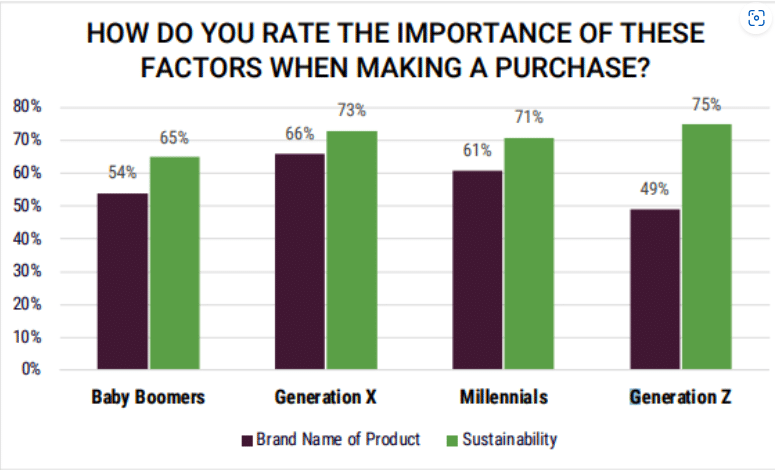
Recent data highlights a significant shift in purchasing drivers among younger cohorts. According to research from the World Economic Forum, approximately 75% of Generation Z consumers—those born between 1995 and 2010—prioritize sustainability and ethical brand practices over brand names. For a growth marketing strategy to be viable in the coming decade, it must integrate these values into its core messaging.
To achieve this, firms are increasingly employing advanced segmentation techniques:
- Psychographic Profiling: Moving beyond age and location to understand values, interests, and lifestyle choices.
- Behavioral Tracking: Analyzing how users interact with a site—what they click, how long they linger, and where they abandon the journey.
- Predictive Analytics: Utilizing historical data to forecast future buying patterns.
Competitive Intelligence and SWOT Frameworks
Growth marketers must also look outward. A comprehensive competitive analysis reveals market gaps that can be exploited for rapid growth. Amazon’s historical trajectory provides a classic case study; by identifying consumer frustration with slow shipping times, the company developed Amazon Prime, effectively turning a logistical hurdle into a subscription-based loyalty powerhouse.
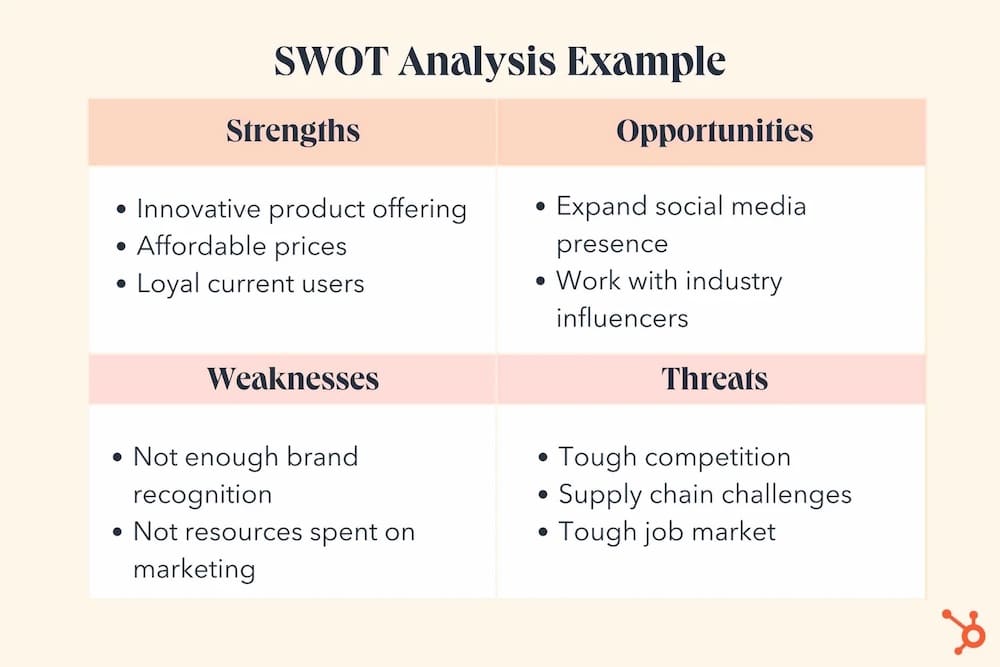
Industry experts recommend a continuous SWOT (Strengths, Weaknesses, Opportunities, Threats) analysis. This framework allows brands to differentiate themselves by identifying what competitors lack—whether it be a more intuitive user interface, better return policies, or more transparent supply chains.
Technological Infrastructure as a Growth Catalyst
In the digital economy, a brand’s technology stack is its physical storefront. If the infrastructure is brittle, growth marketing efforts will inevitably fail to scale.
Scalable Platforms: Shopify and Magento
The choice of an ecommerce platform is a long-term strategic decision. Platforms like Shopify have become industry standards due to their ability to support millions of businesses across 175 countries, offering a balance of user-friendly interfaces and robust backend support. Conversely, Magento (Adobe Commerce) offers open-source flexibility for enterprises requiring deep customization. Choosing a platform that can handle sudden traffic spikes—such as those during Black Friday or viral social media moments—is critical for future-proofing.
AI-Driven Personalization
Artificial Intelligence is no longer a futuristic concept but a present-day requirement. Stitch Fix, the online personal styling service, serves as a primary example of AI integration. By using machine learning algorithms to analyze individual customer preferences, sizes, and styles, the company creates a personalized shopping experience that traditional retailers cannot match. This level of automation ensures that marketing efforts are hyper-targeted, reducing waste and increasing conversion rates.
The Mobile-First Imperative
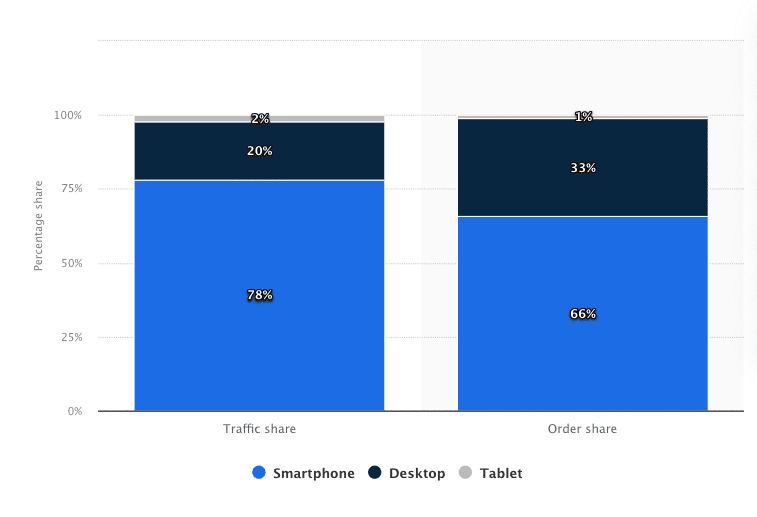
Data from Statista indicates that as of the fourth quarter of 2023, smartphones accounted for approximately 78% of global retail site traffic. Furthermore, mobile devices generated two-thirds of all online shopping orders. A strategy that does not prioritize mobile optimization is, by definition, obsolete. Future-proof brands are moving beyond "responsive design" toward "progressive web apps" (PWAs) that offer app-like experiences within a mobile browser.
Implementing Omnichannel Marketing Frameworks
The modern consumer journey is non-linear. A shopper may discover a product on Instagram, research it on a desktop, and finally purchase it via a mobile app. Omnichannel marketing ensures this journey is seamless.
The Impact of Integration
Statistics suggest that businesses with robust omnichannel engagement strategies retain an average of 89% of their customers. In contrast, companies with weak omnichannel integration see retention rates as low as 33%. The goal is to create a unified brand voice and inventory system across all touchpoints.
Case Study: The Disney Experience
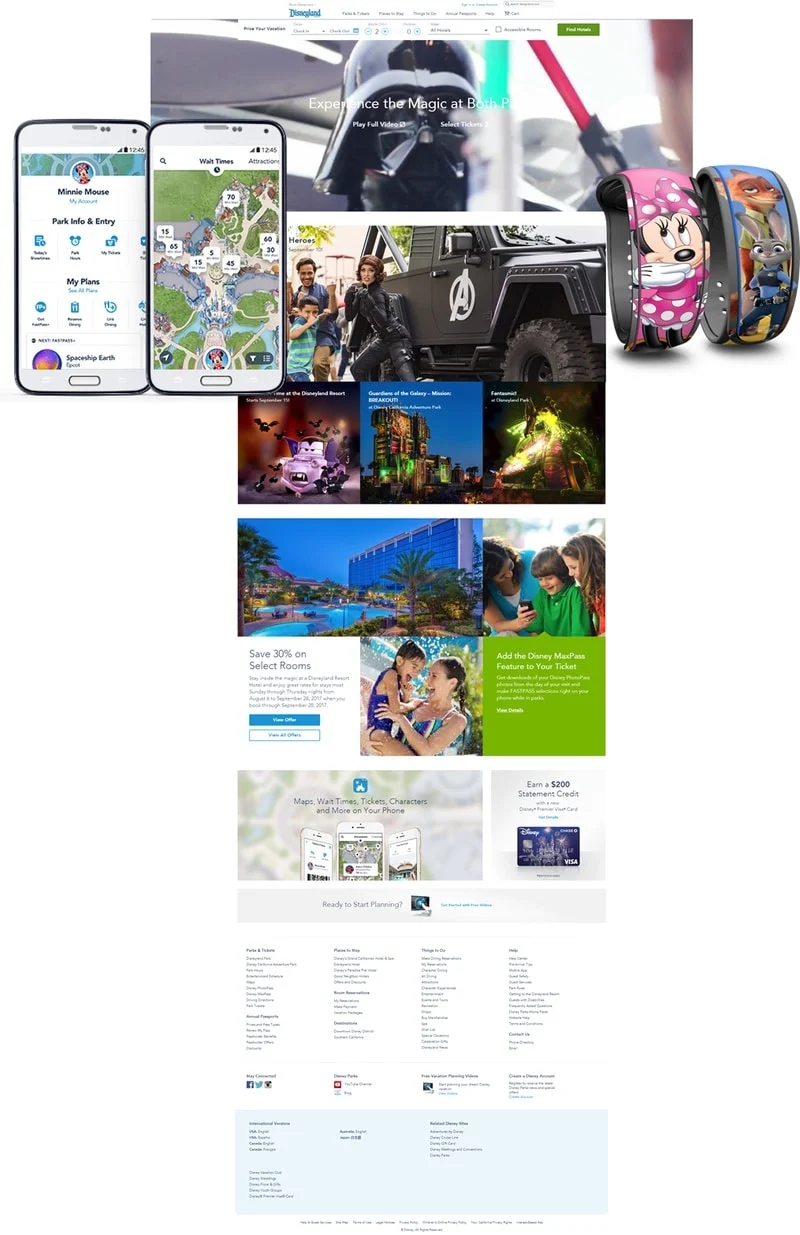
Disney’s "My Disney Experience" app is often cited as the gold standard of omnichannel strategy. The app integrates ticket purchasing, hotel bookings, and restaurant reservations with physical RFID "MagicBands." This ecosystem ensures that the customer remains within the brand’s digital environment throughout their entire journey, providing Disney with invaluable data while offering the consumer unparalleled convenience.
The Strategic Value of Evergreen Content
While paid advertising provides immediate traffic, high-quality evergreen content builds long-term organic authority. Content that remains relevant over time—such as "how-to" guides, styling tips, or technical deep dives—acts as a continuous lead generation tool.
- Educational Authority: Brands like wikiHow have built massive ecosystems by providing step-by-step solutions to common problems.
- SEO Sustainability: Evergreen content continues to rank in search engine results long after publication, providing a higher Return on Investment (ROI) than ephemeral social media posts.
- Trust Building: By providing value without an immediate sales pitch, brands establish the credibility necessary to convert high-intent shoppers.
Cultivating the Loyalty Economy
As the cost of acquiring new customers continues to rise, the focus of growth marketing has shifted toward retention. Research indicates that 73% of consumers cite a positive experience as a primary factor in brand loyalty.
To foster this loyalty, successful brands are moving beyond basic points-based systems to more sophisticated engagement models:
- Personalized Rewards: Offering discounts on products a customer actually buys, rather than generic sitewide sales.
- Exclusive Access: Providing loyal customers with early access to new collections or limited-edition items.
- Exceptional Post-Purchase Support: Treating the return process as a marketing opportunity rather than a logistical burden. A seamless return experience can often turn a dissatisfied customer into a brand advocate.
Performance Analysis and Data-Driven Optimization
A growth marketing strategy is only as effective as the data used to measure it. Future-proofing requires a move away from "vanity metrics" toward actionable Key Performance Indicators (KPIs).
Essential KPIs for Ecommerce Growth
- Customer Acquisition Cost (CAC) vs. Lifetime Value (LTV): The fundamental ratio of growth marketing. If LTV does not significantly exceed CAC, the business model is unsustainable.
- Average Order Value (AOV): Increasing the value of each transaction through upselling and cross-selling.
- Conversion Rate Optimization (CRO): The process of increasing the percentage of visitors who take a desired action.
Tools of the Trade
Modern marketers utilize a suite of tools to gain qualitative and quantitative insights. Google Analytics (GA4) provides the "what" of user behavior, while platforms like FigPii provide the "why" through heatmaps and A/B testing. By visualizing where users struggle or drop off, businesses can make iterative improvements to the user interface that lead to significant revenue gains.
Implications and Future Outlook
The transition toward a future-proof growth marketing strategy is not a one-time project but a continuous process of adaptation. As we look toward the 2025–2030 window, several implications become clear:
- Privacy-First Marketing: With increasing regulation (GDPR, CCPA) and the decline of cookies, brands must become experts at collecting and utilizing "zero-party data"—information that customers intentionally and proactively share.
- The Rise of Voice and Visual Search: As AI assistants become more integrated into daily life, optimizing for voice and image-based queries will become a standard requirement.
- Sustainability as a Baseline: Ethical operations will move from a "marketing hook" to a baseline requirement for market entry as younger generations gain more purchasing power.
In conclusion, securing ecommerce growth in an uncertain future requires a departure from reactive tactics in favor of a proactive, integrated strategy. By anchoring operations in deep consumer insights, leveraging scalable technology, and maintaining a relentless focus on the customer journey, ecommerce businesses can build a foundation that is not only resilient to market shifts but designed to capitalize on them.







