Muslim
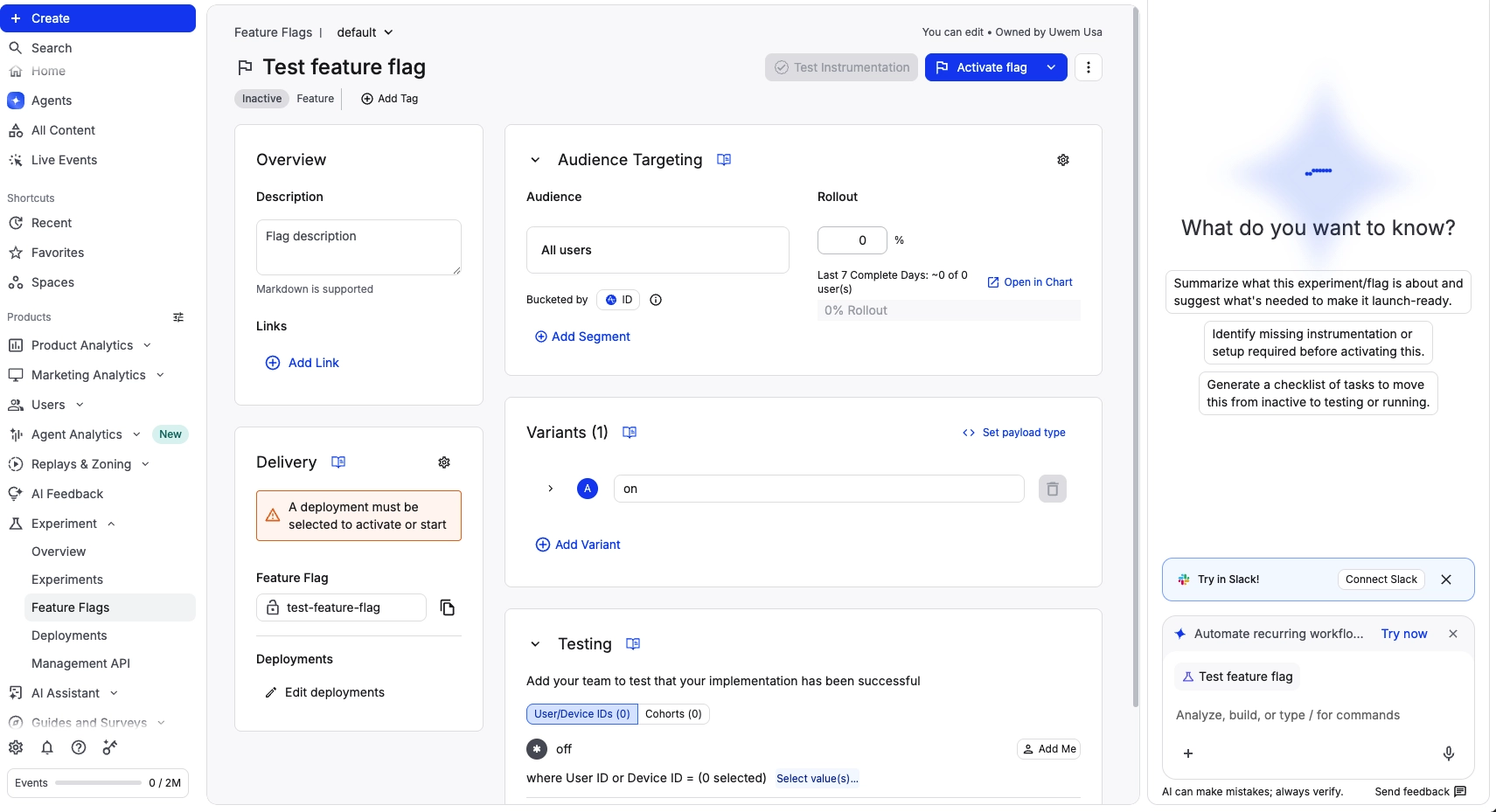
The landscape of software delivery has undergone a fundamental transformation as organizations move away from monolithic releases toward progressive delivery and continuous experimentation. In 2026, the ability to decouple code deployment from feature release has become a standard requirement for high-performing engineering and product teams. Feature flags, once simple "if-else" statements, have evolved into sophisticated platforms that manage risk, enable granular audience targeting, and provide real-time statistical analysis of every code change. This shift is driven by the dual needs of engineering teams for safer releases and product teams for faster, data-driven iterations.

Market evaluations conducted in late 2026 indicate that the choice of a feature management tool now depends heavily on a team’s existing tech stack and their specific goals for experimentation. Whether a team prioritizes high-volume governance, warehouse-native data analysis, or a unified marketing and engineering platform, the current market offers specialized solutions for every tier of the enterprise. Recent industry consolidation, including major acquisitions and the expansion of open-source alternatives, has further redefined the competitive landscape.
The Evolution of Feature Management: A Chronology of Consolidation
To understand the current state of the market, one must look at the pivotal shifts that occurred between 2024 and 2026. In 2024, the industry saw a major move toward integrating feature management with the broader DevOps lifecycle when Harness acquired Split, a pioneer in the experimentation space. This move signaled a shift toward "all-in-one" delivery pipelines where flags are treated as a core component of CI/CD.

The most significant recent event occurred in May 2026, when Amplitude, a leader in behavioral analytics, acquired the brand and customer base of Statsig from OpenAI. This acquisition was a strategic response to the growing demand for "analytics-native" experimentation. While the original Statsig engineering team remained with OpenAI to focus on artificial intelligence, the platform itself was integrated into Amplitude’s ecosystem, offering a seamless path from user behavior tracking to feature flagging.
Comprehensive Review of Leading Platforms
1. Convert Experiences: The Unified Experimentation Suite
Convert Experiences has positioned itself as the primary choice for organizations that require a bridge between marketing-led web testing and engineering-led feature flagging. Starting at $599 per month, it offers a robust Pro plan that handles 100,000 tested users. The platform is notable for its versatility, supporting frequentist, Bayesian, and sequential statistical models.
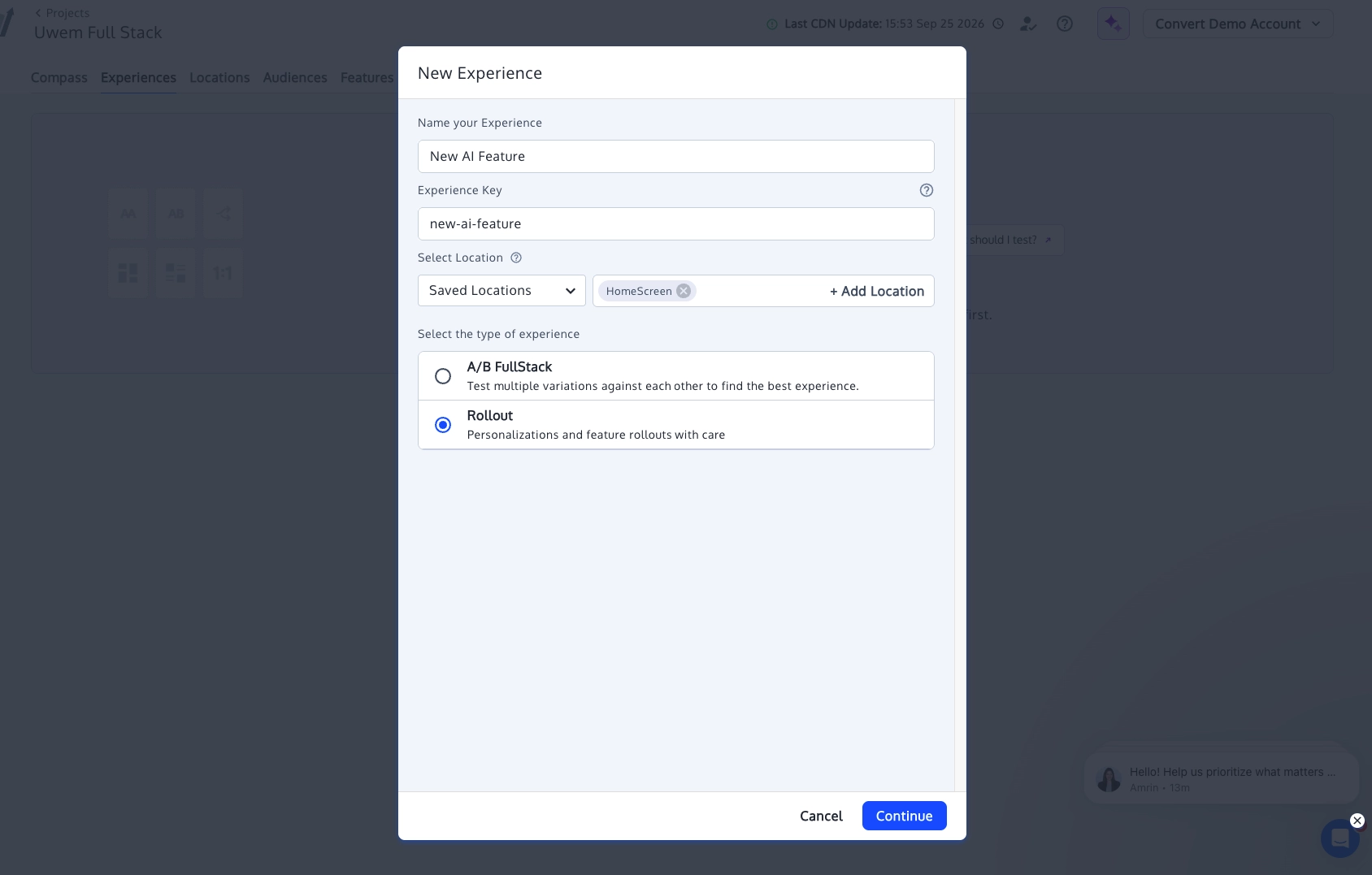
Industry analysts note that Convert’s strength lies in its privacy-first approach, maintaining SOC Type II, GDPR, CCPA, and HIPAA compliance. "Being able to quickly validate a process before spending time on actual development is invaluable," says Melusi K., a product lead using the platform. However, the platform is primarily optimized for web and server-side environments, with some users noting a steeper learning curve for mobile app implementation.
2. LaunchDarkly: Enterprise-Grade Governance
LaunchDarkly remains the incumbent leader for high-volume, governed releases. With over 40 SDKs covering mobile, edge, and server runtimes, it offers the most comprehensive technical coverage in the industry. Its pricing model, based on service connections and client-side Monthly Active Users (MAU), is designed for scale.
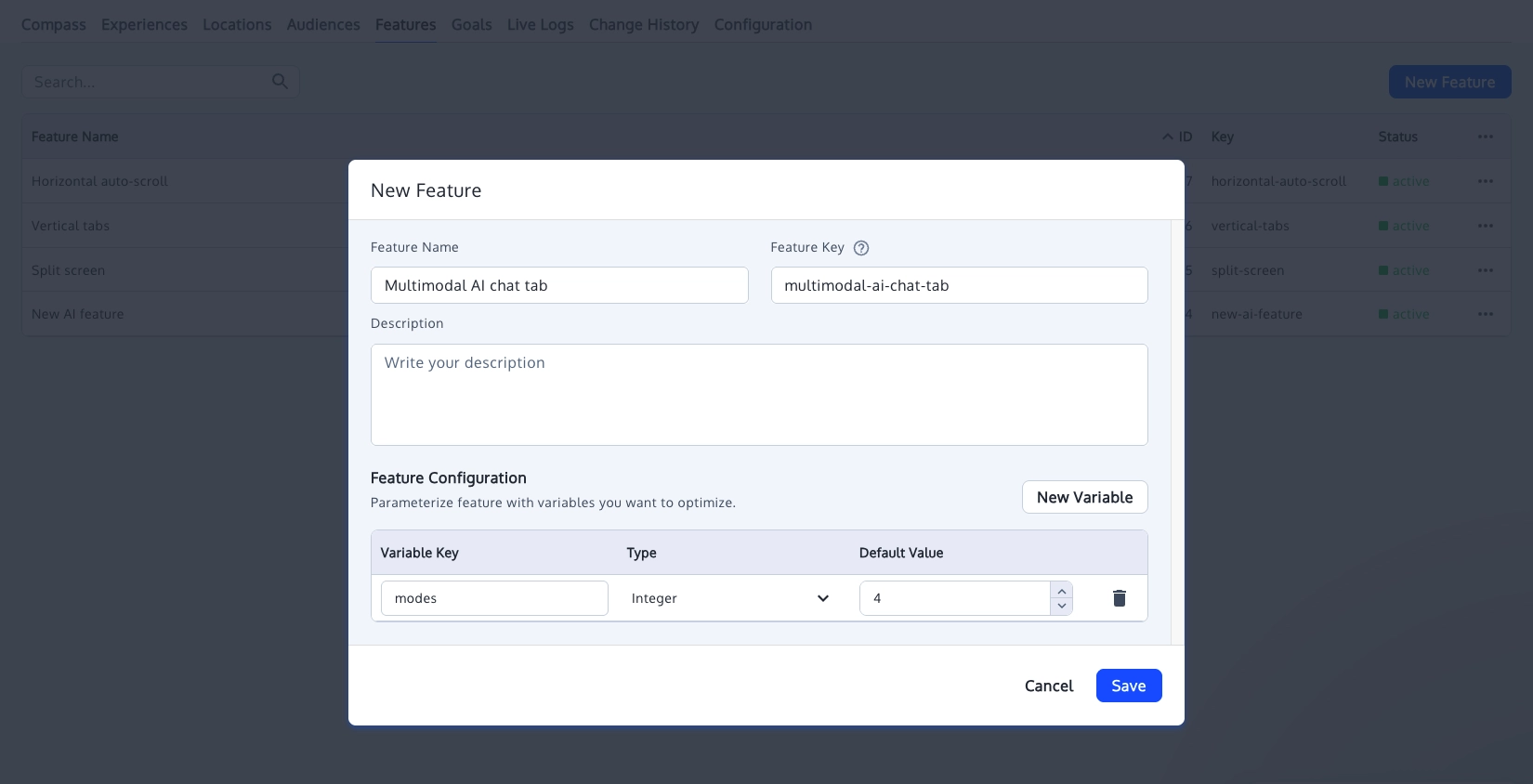
A standout feature in 2026 is the "Guardian" add-on for enterprise clients, which provides metric-based auto-rollbacks. Vikash K., an engineering manager, highlights the platform’s "emergency kill switch" as a critical safety feature that allows teams to revert traffic instantly without redeploying code. While powerful, its complexity and the cost of advanced experimentation features can be prohibitive for smaller startups.
3. Harness Feature Management & Experimentation (FME)
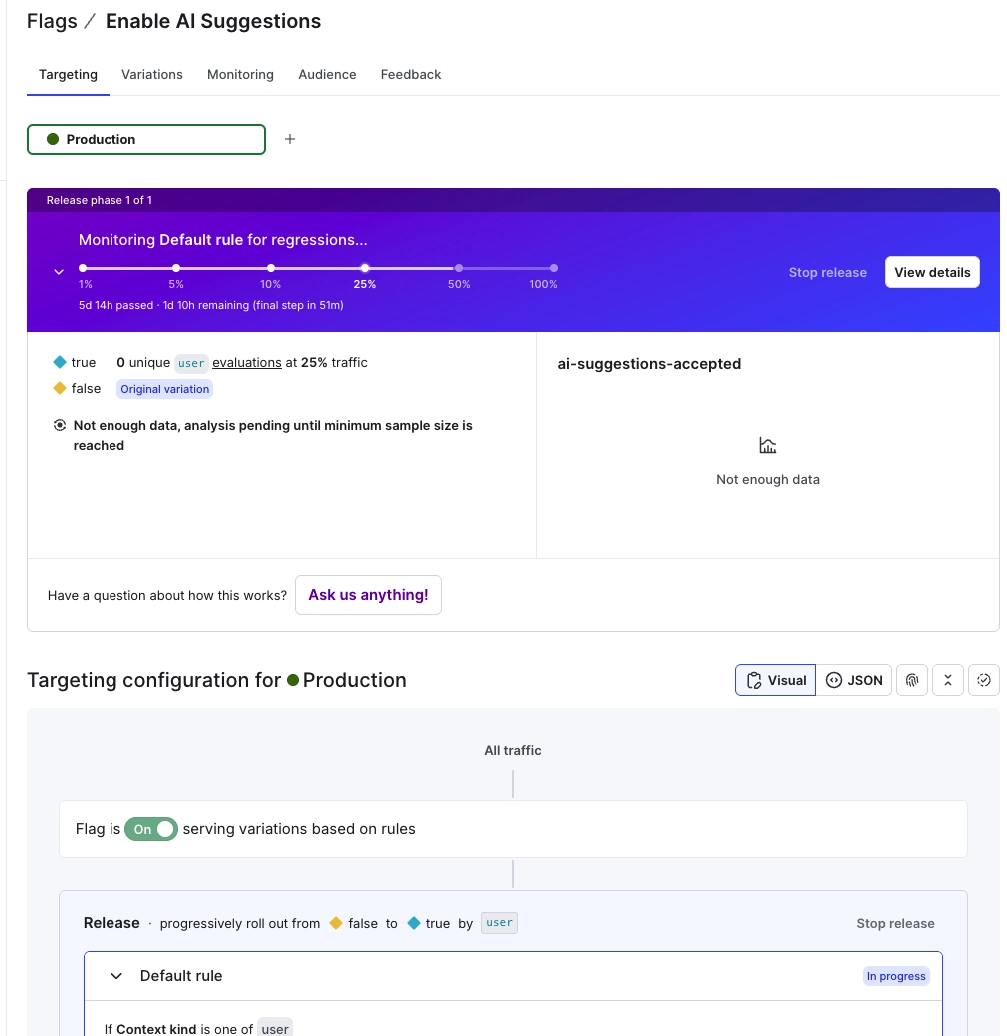
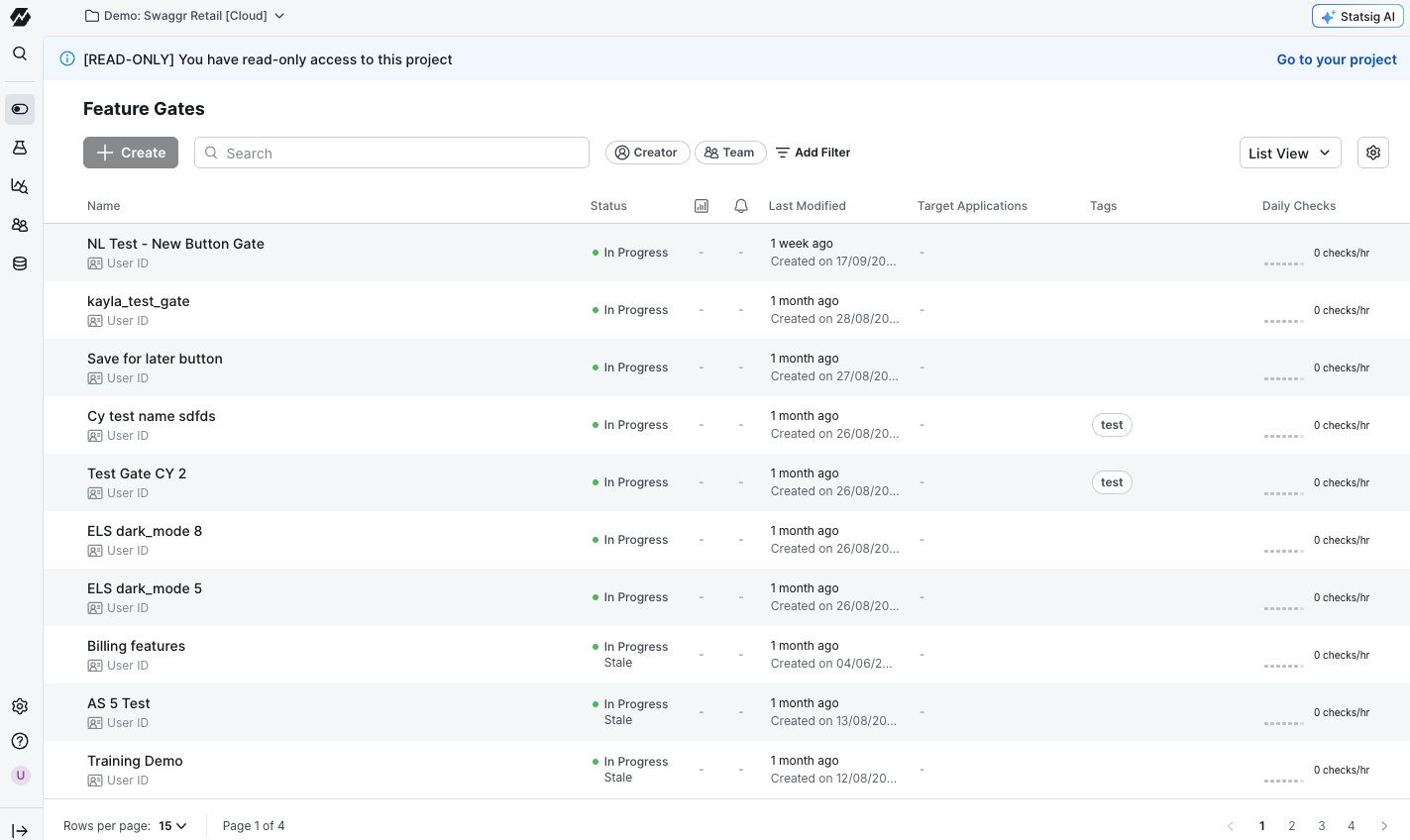
Building on the Split acquisition, Harness FME integrates flags directly into the CI/CD pipeline. This is the preferred tool for engineering teams already embedded in the Harness ecosystem. It excels in "Safe Rollouts," where the platform monitors service health and automatically triggers rollbacks if performance metrics degrade. Users appreciate the consolidation of integration, delivery, and flags into a single control plane, though the initial setup of Role-Based Access Control (RBAC) is often cited as a significant hurdle.
4. Amplitude & Statsig: The Analytics Powerhouses
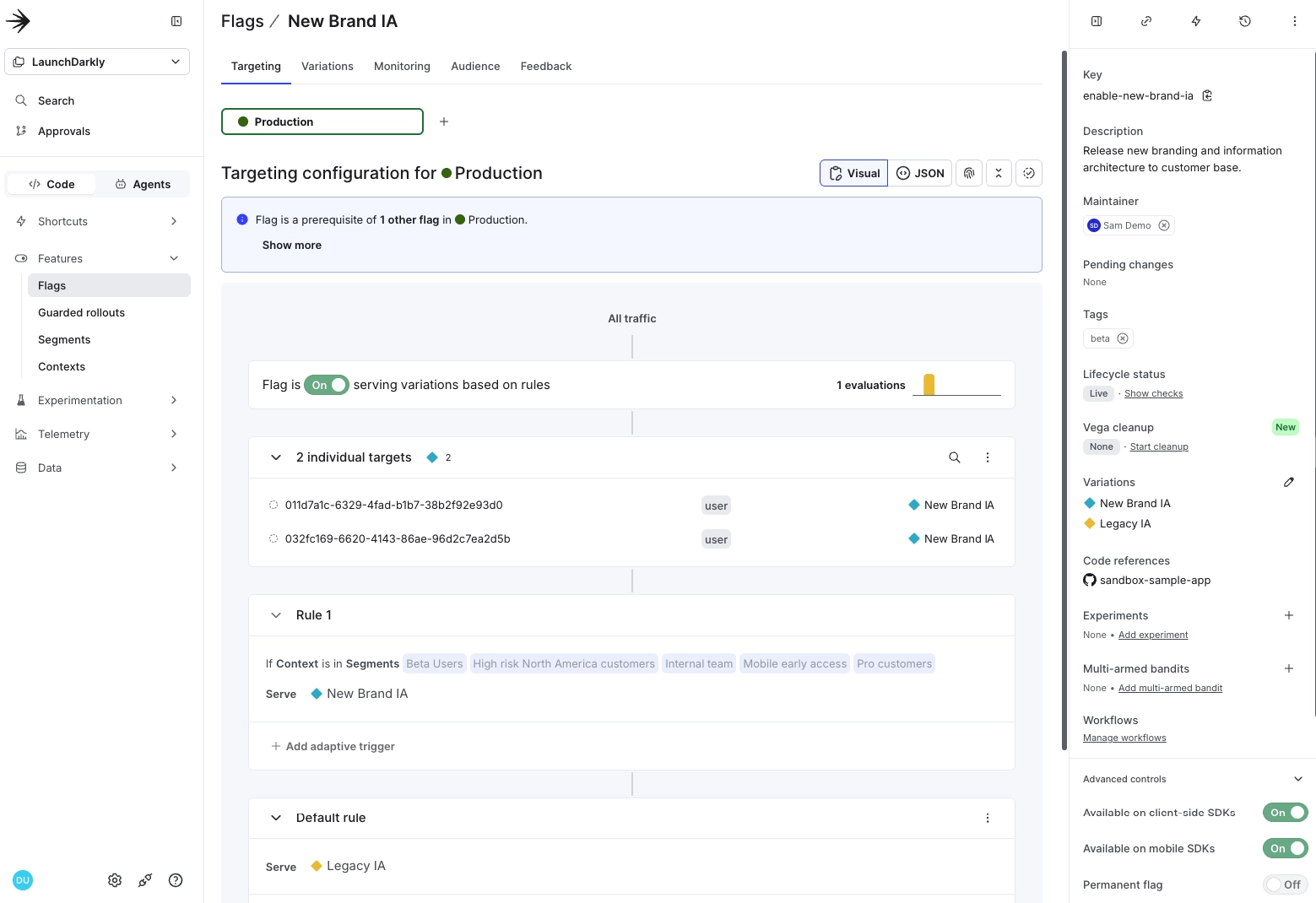
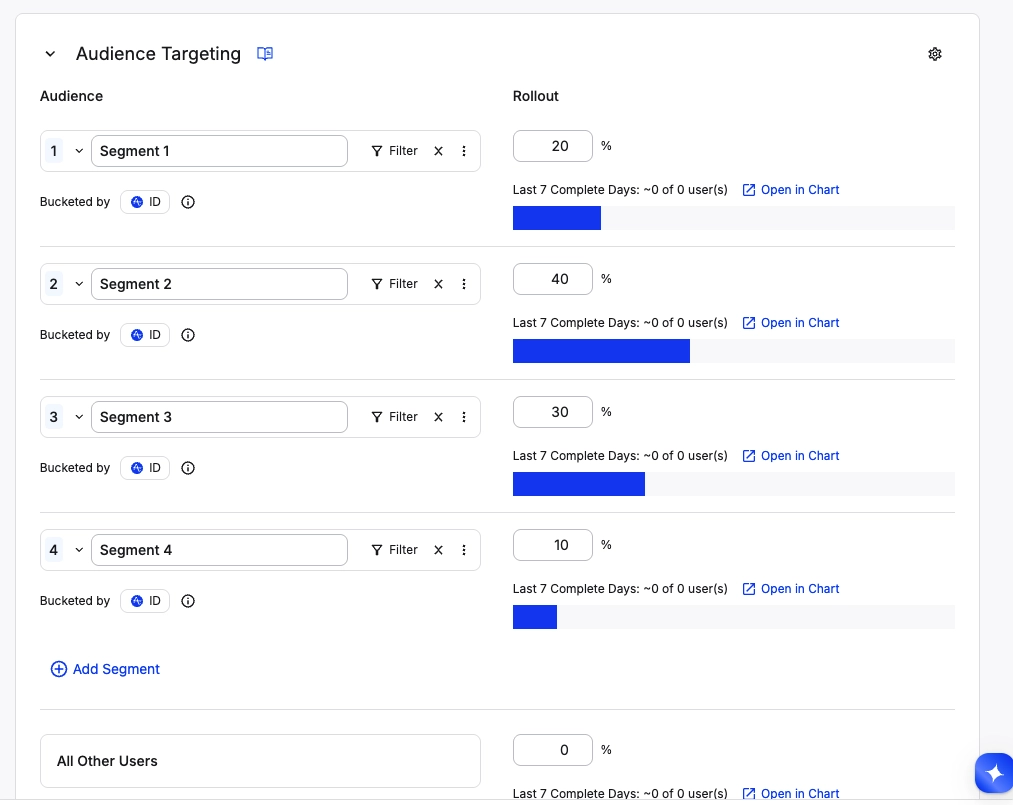
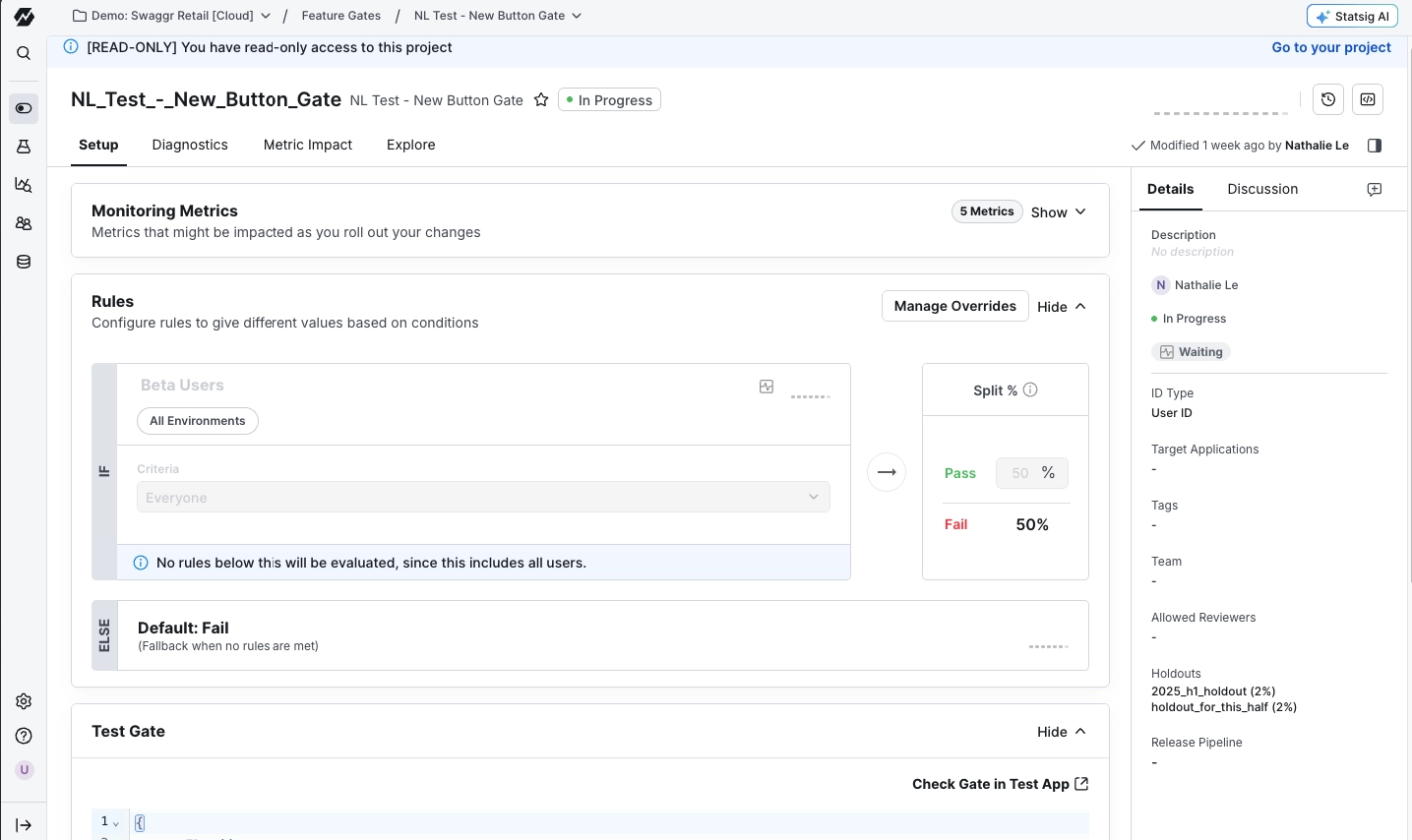
With the 2026 merger, Amplitude and Statsig offer a unified SDK for flags, experiments, and analytics. This "warehouse-native" approach allows teams to run experiments directly on their behavioral data without additional instrumentation. Statsig, specifically, is praised for its ability to handle complex "layers" and "holdouts," allowing multiple concurrent tests without cross-contamination. The primary critique remains the complexity of its documentation, which can challenge teams without deep technical expertise.
5. Optimizely Feature Experimentation
Optimizely continues to dominate the enterprise sector, particularly for organizations that require rigorous statistical integrity. Its "Stats Engine" is designed to eliminate the need for manual sample size calculations. While the platform offers a free "Rollouts" plan, its full-scale experimentation suite is aimed at large organizations with significant budgets and dedicated data science teams.
6. PostHog: The Startup Choice
PostHog has seen a surge in adoption among startups due to its transparent usage-based pricing and its "all-in-one" offering of flags, analytics, and session replays. Being open-source, it appeals to teams that want to avoid vendor lock-in. However, some users have reported technical issues, such as memory leaks in specific SDK versions when using the session replay feature alongside feature flags.
7. GrowthBook and Unleash: Open-Source and Self-Hosted
For teams prioritizing data sovereignty, GrowthBook and Unleash offer the best self-hosted options. GrowthBook is particularly popular with warehouse-first teams who want to see the raw SQL behind their experiment results. Unleash, meanwhile, focuses on "activation strategies," allowing teams to keep user data within their own backend during flag evaluation, which is a critical requirement for highly regulated industries.
8. Kameleoon: The Regulated Industry Standard
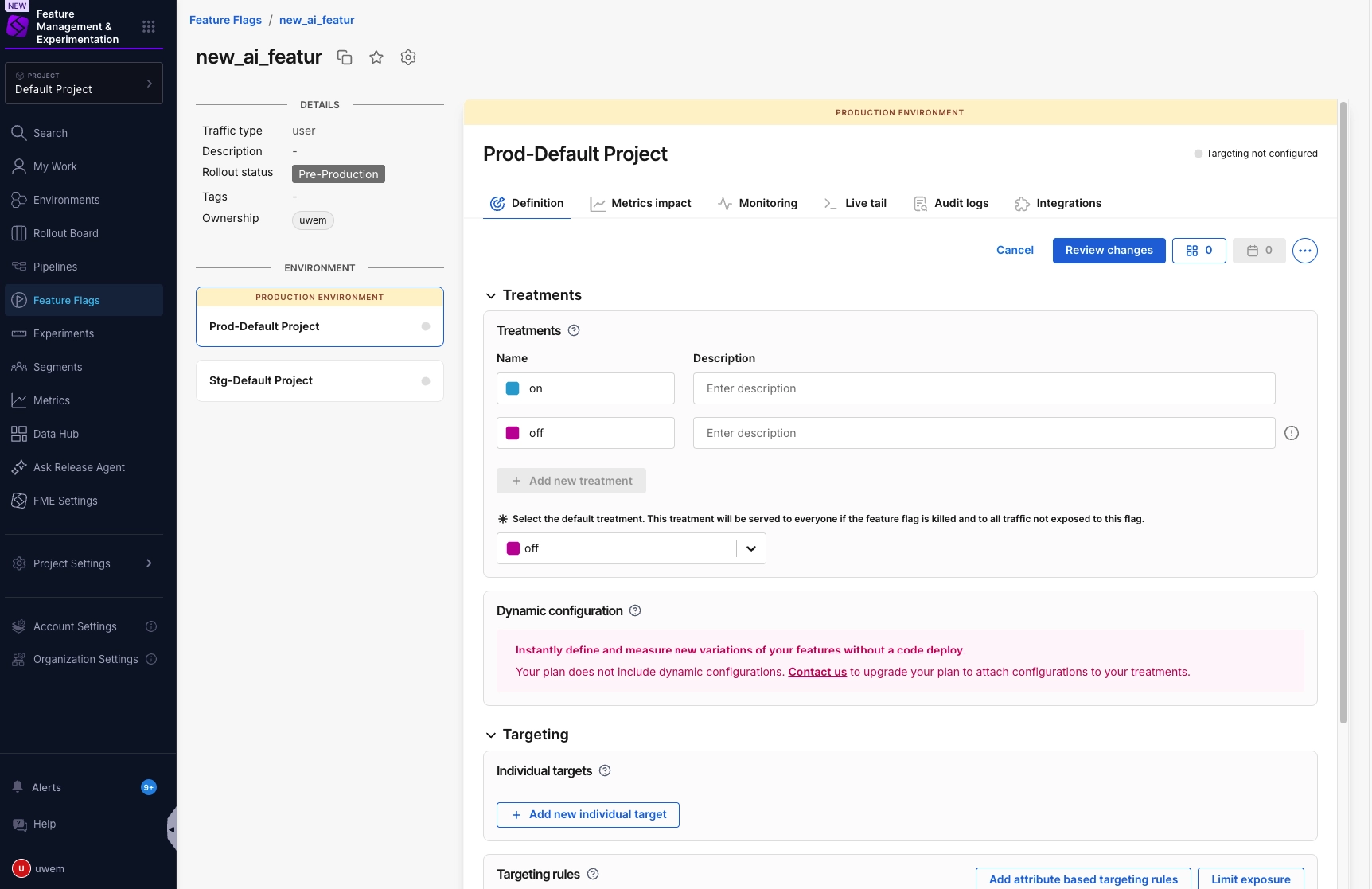
Kameleoon targets marketing and product teams in the healthcare and financial sectors. Its strict adherence to HIPAA and GDPR, combined with a 30-day trial for feature management, makes it a safe entry point for organizations with high compliance requirements.
Technical Analysis: Implementation and Best Practices
The successful adoption of feature flags is not merely a matter of choosing the right vendor; it requires rigorous engineering discipline. Joseph Samir, a Senior Fullstack Developer, identifies four critical areas where teams often fail:
Identity Consistency: A common failure occurs when different identifiers (e.g., Session ID vs. User ID) are used across different pages. This leads to an inconsistent user experience where a customer might see a new feature on the landing page but the old version in the checkout cart.
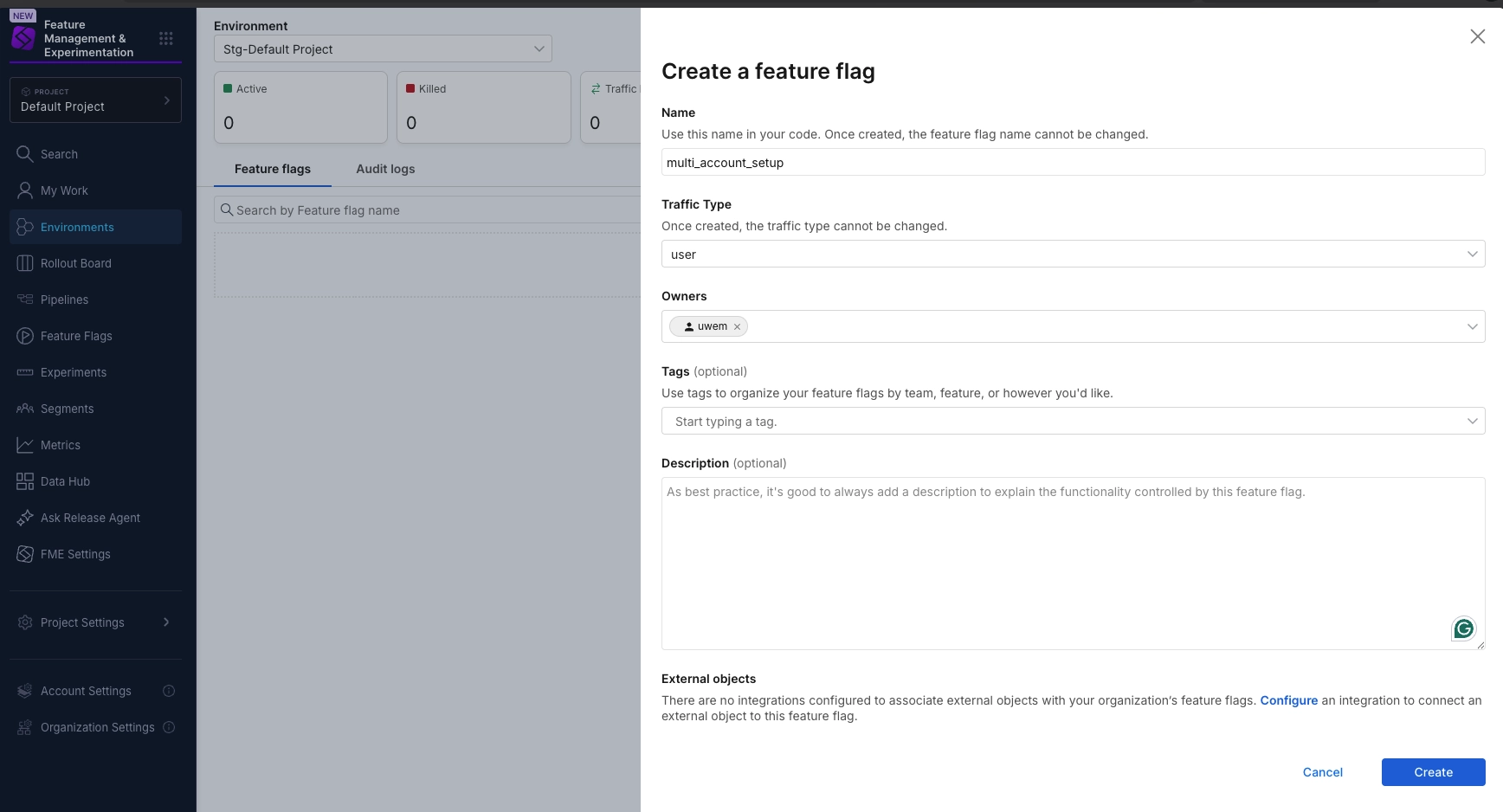
The Necessity of Defaults: Every flag implementation must include a "hard-coded" default, usually "off." This ensures that if the flag service is unreachable due to a network outage or SDK failure, the application remains functional.
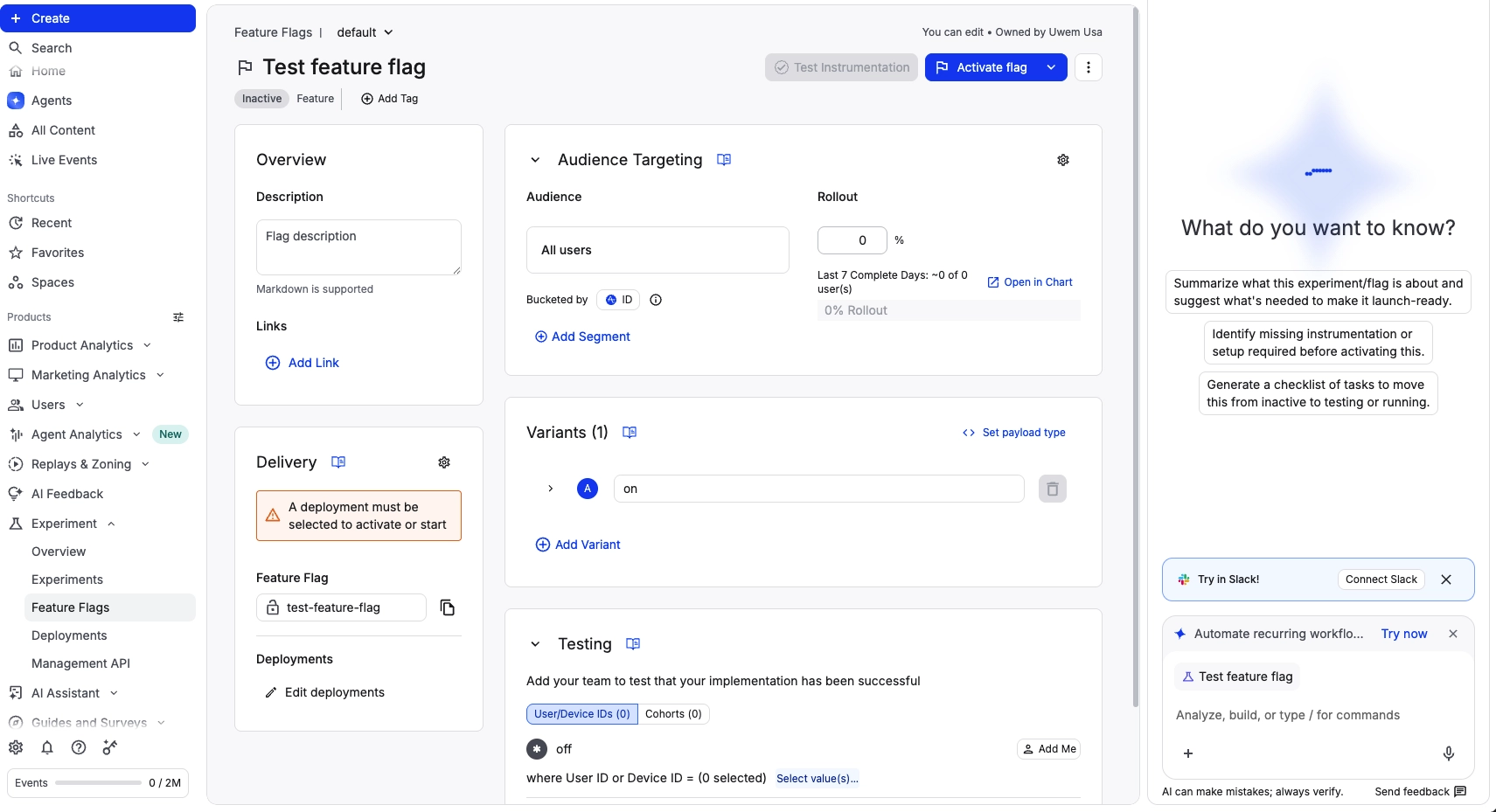
Avoiding "Flag Debt": One of the most significant risks in feature management is the accumulation of "stale flags." When a feature has been rolled out to 100% of the audience for several weeks, the flag logic and the old code branch should be removed. Failure to do so leads to a "spaghetti code" environment that is difficult to maintain and test.
Distinguishing Rollouts from Experiments: A rollout is a risk-mitigation strategy (is the system breaking?), while an experiment is a business-value strategy (is this feature improving conversion?). Teams often mistake a 50/50 rollout for an A/B test, failing to account for the statistical significance and control groups required for a valid experiment.
Supporting Data and Market Impact
As of September 2026, user sentiment data from G2 and other review platforms indicates a high level of satisfaction with the current generation of tools, with average ratings hovering between 4.1 and 4.7 out of 5. Implementation times have also decreased; while enterprise solutions like Optimizely can still take up to three months to fully integrate, startup-focused tools like PostHog are often live within less than 30 days.
The market impact of these tools is measurable. Organizations using advanced feature management report a 50% reduction in "failed deployments" and a 3x increase in experimentation velocity. By allowing developers to test in production safely, companies can identify and fix bugs before they impact the entire user base.
Broader Implications for the Software Industry
The proliferation of feature flag tools is driving a broader shift toward "Progressive Delivery." In this model, the traditional "big bang" release is replaced by a continuous stream of small, controlled updates. This reduces the cognitive load on developers and allows for a more responsive product development cycle.
Furthermore, the rise of "Warehouse-Native" experimentation (led by GrowthBook and Statsig) is challenging the traditional "SaaS-Native" model. By running analysis directly where the data lives, companies reduce data latency and improve security, as sensitive user information does not need to be exported to a third-party vendor for analysis.
In conclusion, the feature flag and rollout market of 2026 is characterized by specialization and integration. For engineering leaders, the focus has shifted from "how to build a toggle" to "how to manage a thousand toggles across a global infrastructure." The tools listed above provide the necessary scaffolding for this complexity, but the ultimate success of a feature management strategy remains dependent on the cultural shift toward safety, speed, and data-driven decision-making. Organizations are encouraged to match their choice of tool to their specific traffic patterns, team size, and long-term experimentation goals to avoid the pitfalls of technical debt and rising usage costs.

 Evan Lee Salim
 Dwi Wanna