


Welcome messages and abandoned cart emails together drove a remarkable 76% of all automation-generated orders, according to Omnisend’s authoritative 2026 Ecommerce Marketing Report. This statistic underscores the profound impact of these initial touchpoints, positioning the welcome email not merely as a courtesy but as a foundational element in converting new subscribers into active, paying customers within the competitive digital marketplace.
The findings from the Omnisend report highlight a significant strategic imperative for e-commerce businesses: optimizing the initial interaction with a new subscriber is paramount. In an era of increasing digital noise and shrinking attention spans, the welcome email serves as the brand’s first real opportunity to make a lasting impression, establish trust, and guide the customer toward a first purchase. Its efficacy in driving conversions makes it one of the most potent tools in a marketer’s arsenal, demanding careful crafting and strategic deployment.
Unpacking the Data: Open Rates, Conversions, and Revenue Impact
The strategic importance of welcome emails is consistently reinforced by performance metrics. The Omnisend 2026 research reveals an average welcome email open rate of 33.79%. More compellingly, the click-to-conversion rate for these messages stands at an impressive 52.98%. This high conversion rate among those who engage indicates that when a new subscriber clicks through a welcome email, they are highly predisposed to complete a purchase, validating the power of this initial engagement.
Further analysis by Omnisend illustrates the superior performance of automated emails, including welcome sequences, compared to scheduled campaigns. Automated emails boast an average open rate of 38% and generate an average of $2.87 per email. In stark contrast, traditional, scheduled marketing campaigns yield only $0.18 per email. This disparity highlights the efficiency and revenue-generating potential inherent in automated, behavior-triggered communications, with welcome emails leading the charge. E-commerce strategists emphasize that these automated flows capitalize on moments of high intent, delivering relevant information precisely when the customer is most receptive.
Beyond the First Click: Building Brand Trust and Setting Expectations
Beyond immediate conversions, welcome emails are instrumental in shaping a brand’s identity and fostering long-term customer relationships. They serve as the inaugural brand impression in the subscriber’s inbox, setting crucial expectations. This includes outlining the type of content subscribers will receive, the frequency of communications, and the unique value proposition that distinguishes the brand’s products.
When executed effectively, a welcome email series can rapidly build trust. It provides a natural, non-intrusive platform to introduce an incentive, showcase best-selling products, or articulate the brand’s origin story in a manner that feels informative and valuable rather than overtly promotional. For instance, the case study of Island Olive Oil, as detailed by Omnisend, demonstrates the profound impact of a well-structured welcome series. Their three-email sequence, introducing the store, the people behind the brand, and the product range, fostered a boutique and personal online experience. This series resulted in a staggering 998% higher click rate than promotional emails, an average conversion rate of 11%, and an astounding 3,274% lift in revenue per email, underscoring the transformative potential of a thoughtfully designed welcome journey.
Mastering the Art: Key Elements of an Effective Welcome Email
High-converting welcome emails are meticulously crafted, typically integrating five core elements: a compelling introduction, a strategic incentive, clear next steps, visually appealing design, and a strong call-to-action (CTA). Understanding and optimizing each of these components is crucial for any e-commerce brand seeking to maximize the impact of its initial subscriber engagement.
-
Crafting the Initial Impression: Brand Introduction and Tone: A welcome email must swiftly address two fundamental questions for the new subscriber: "Who are you?" and "Why should I care?" This doesn’t necessitate an exhaustive brand narrative, but rather a concise articulation of the brand’s mission, its unique selling propositions, and the overall customer experience it aims to deliver. This initial message is also the opportune moment to manage expectations for future communications, informing subscribers whether they can anticipate product launches, helpful tips, exclusive offers, or behind-the-scenes insights. This early clarity imbues subsequent emails with greater intentionality, encouraging sustained engagement.
-
The Power of Incentive: Driving First Purchases Strategically: A critical function of the welcome email is to provide a compelling reason for the subscriber to take the next desired action. For many e-commerce brands, this manifests as a first-order discount, but it can equally be free shipping, a complimentary gift with purchase, or an early loyalty reward. The specific nature of the offer is less important than its perceived relevance and ease of redemption. The most effective incentives strategically lower the barrier to the initial purchase without conditioning customers to perpetually expect discounts. A well-placed first offer should feel genuinely welcoming, not an aggressive sales push. It must be prominently displayed, clearly explained, and paired with a potent call to action.
-
Guiding the Customer Journey: Clear Next Steps: An effective welcome email never leaves a new subscriber in limbo. Once the brand has been introduced and any offer clearly presented, the email should unequivocally guide the recipient toward a single, simple action. This could involve directing them to browse best-selling products, complete a profile or preferences quiz, or connect with the brand on social media platforms. The objective is to maintain momentum while the subscriber’s interest is at its peak. Clear next steps enhance the utility of the email, transforming it from a passive message into an active guide, and effectively ushering subscribers into the appropriate segment of the customer journey, whether for immediate purchase or deeper engagement.

-
Visual Identity and Brand Consistency: The visual design of a welcome email plays a pivotal role in instant brand recognition and recall. High-quality product images allow subscribers to visualize what the brand offers, while lifestyle photography communicates the brand’s ethos and target audience. Consistent typography, color palettes, and overall layout serve to unify the message and reinforce brand identity. Even before a subscriber reads the full text, the design should convey the brand’s style, quality, and target demographic. Effective design supports the message rather than distracting from it, employing imagery that aligns seamlessly with the brand’s website and social channels, ensuring a cohesive and reinforcing brand relationship.
-
The Imperative Call to Action (CTA): The call to action is the linchpin that transforms interest into action. A robust CTA makes the next step unequivocally obvious. Phrases such as "Shop Now," "Explore Collection," or "Start Shopping" are effective due to their clarity, directness, and immediate actionable nature. A subscriber should never have to speculate about where to click or what the subsequent outcome will be. Furthermore, the most effective CTAs are intrinsically aligned with the email’s primary objective. If the goal is a first purchase, the CTA should lead directly to a product category or a curated collection of bestsellers. If the aim is discovery, it should guide them to an informative landing page. Simplicity in wording and visual prominence are key to a high-performing CTA button.

Case Studies in Action: 15 Exemplary Welcome Email Strategies
The Omnisend report further illustrates these principles through an analysis of 15 leading welcome email examples, showcasing a spectrum of strategies from direct discounts to intricate brand storytelling. These examples demonstrate how successful e-commerce brands engage new subscribers, drive action, and cultivate lasting impressions.

-
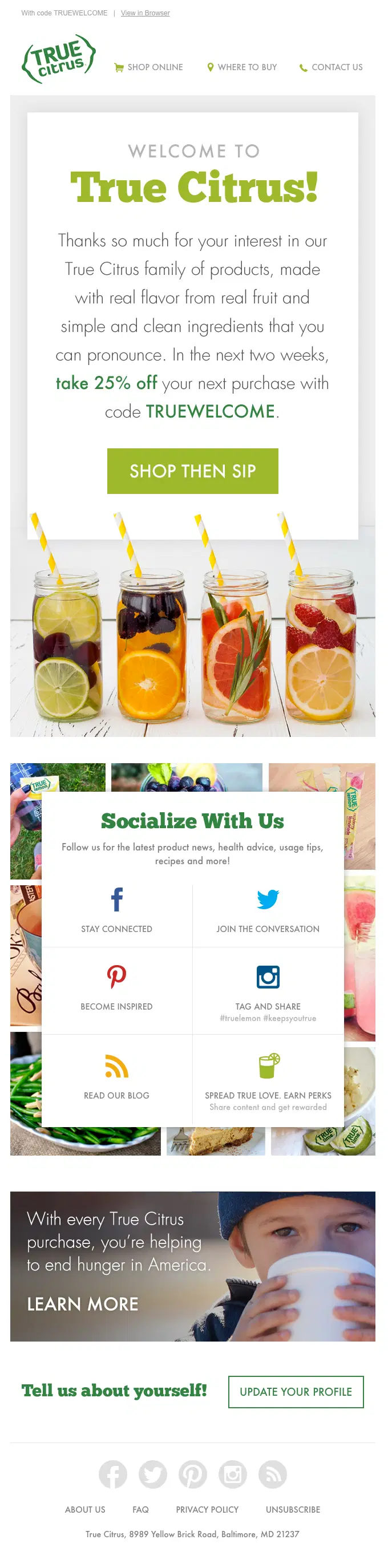
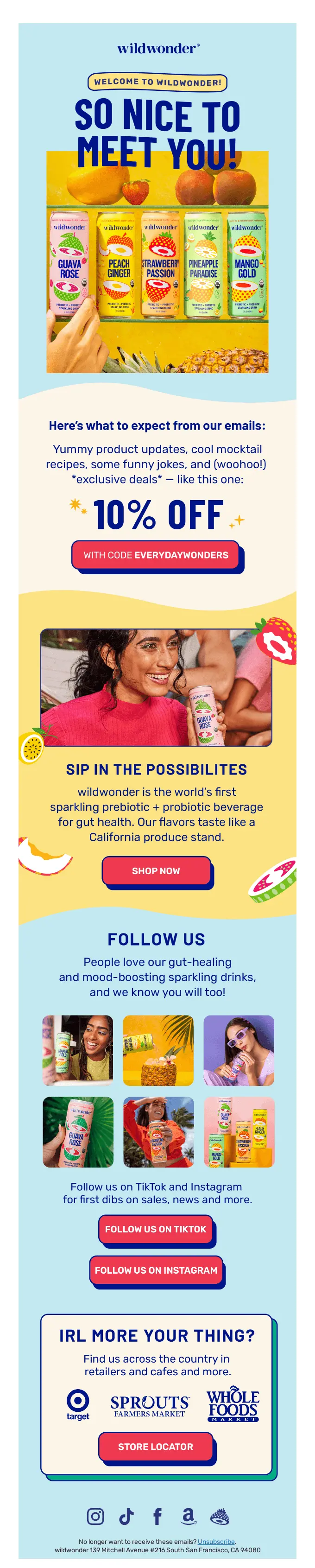
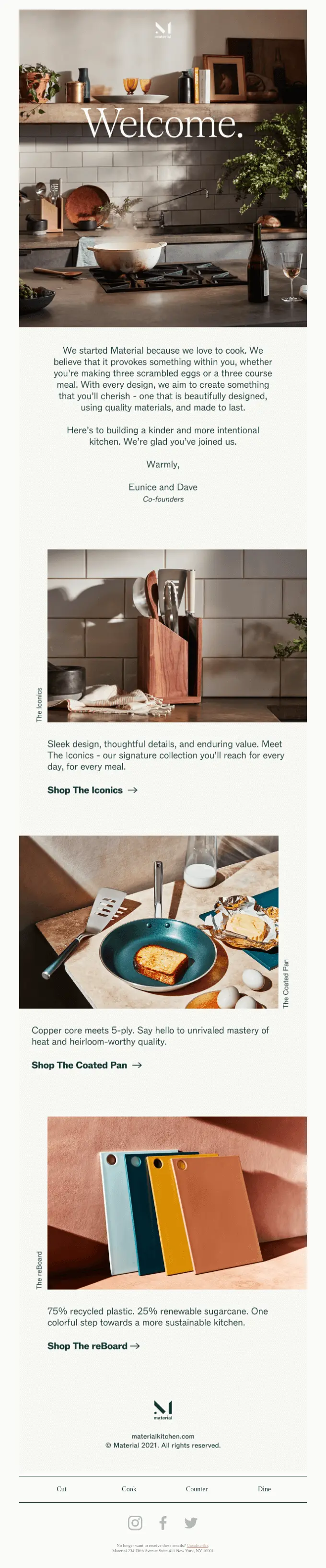
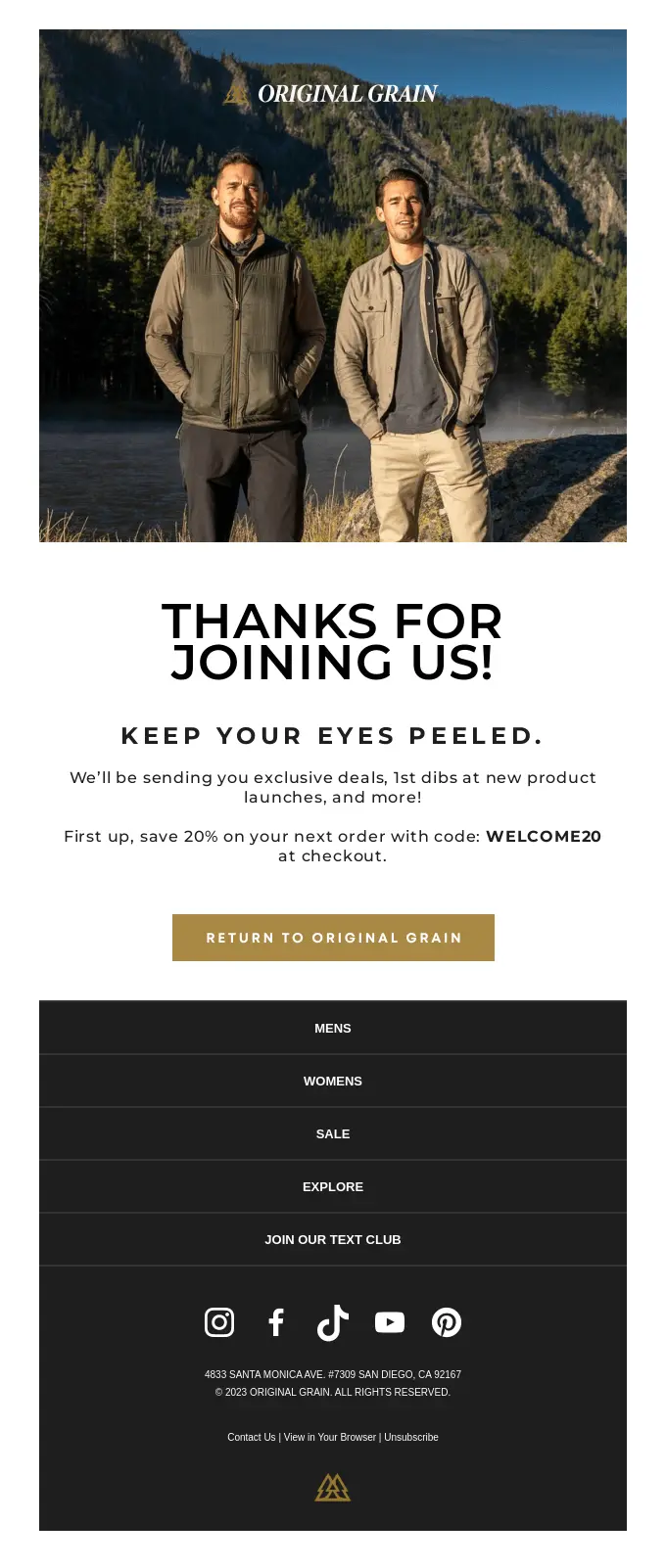
Diverse Approaches: From Direct Discounts to Brand Narratives: Many brands, like True Citrus and Wildwonder, leverage the welcome email to immediately deliver a promised discount (e.g., 25% or 10% off) while providing a succinct brand introduction. This direct approach caters to price-sensitive subscribers and minimizes friction toward a first purchase. Conversely, brands like Material prioritize storytelling, opening with a personal note from their founders explaining the brand’s inspiration. This "human touch" fosters an immediate emotional connection, inviting exploration rather than pushing for an immediate sale. Original Grain, on the other hand, prioritizes clarity, explicitly outlining what subscribers can expect (exclusive offers, early access) alongside a discount code, establishing clear expectations from the outset.
-
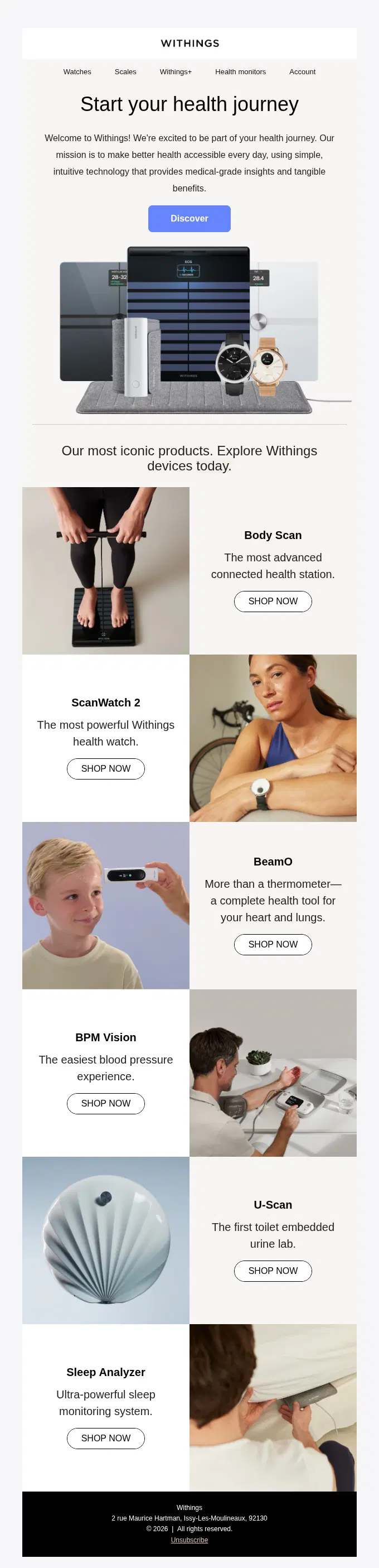
Emphasizing Trust and Utility: Customer Testimonials and Onboarding: Some brands focus on building immediate credibility and utility. Kurk dedicates its welcome email to showcasing detailed customer testimonials, complete with five-star ratings and photos, highlighting specific health benefits users experienced. This social proof strategy leverages the power of peer recommendation. Similarly, Lyka adopts an onboarding approach, treating its welcome message as a guide for first-time customers preparing for their initial delivery, offering practical advice like making freezer space and establishing meal routines. This proactive, helpful stance reinforces trust and reduces potential friction points. Health-Ade, meanwhile, shifts focus to product benefits, quickly illustrating what subscribers will gain from trying their products, making the value proposition clear and immediate.

-
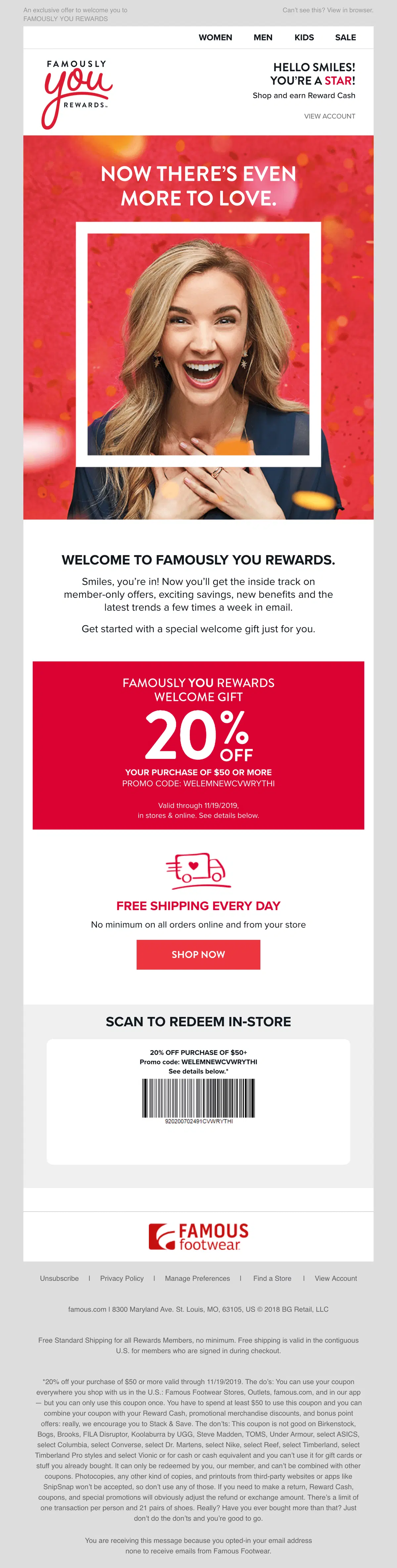
Innovative Engagement: Quizzes and Community Building: Creative engagement tactics also feature prominently. The Glenlivet ingeniously embeds a taste-matching quiz directly within its welcome email, allowing subscribers to quickly find their ideal whisky based on preference. This interactive element personalizes the experience and streamlines product discovery. Go Fast Campers eschews a direct sales pitch, instead welcoming subscribers into "Camp GFC" – a community centered around a shared lifestyle. This community-first approach fosters a sense of belonging, making purchases feel like an entry into an identity rather than a mere transaction. Famously You prioritizes its loyalty program, placing it front and center with promises of exclusive offers and benefits before even presenting a discount, aiming for long-term customer value.
Operationalizing Success: Automating Your Welcome Strategy

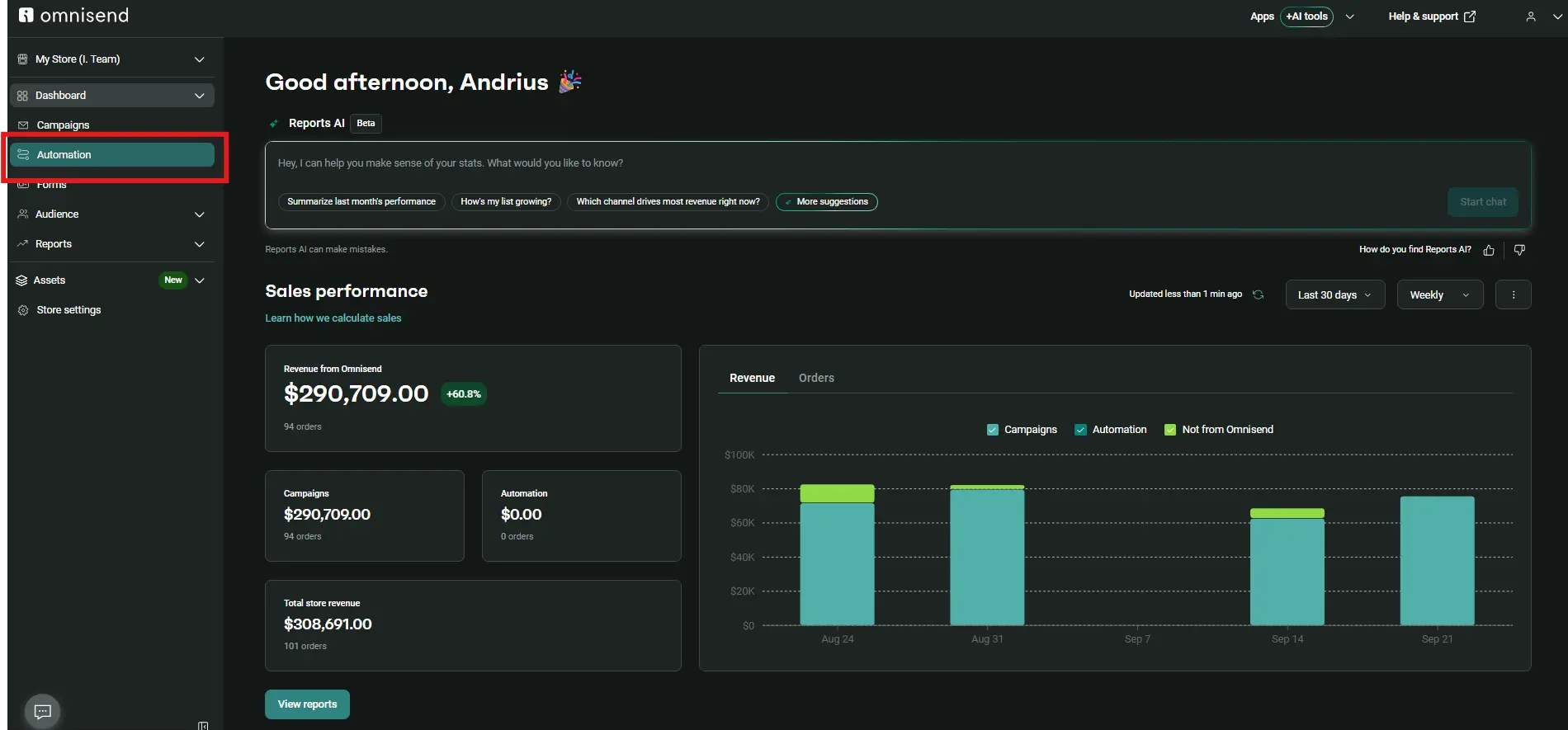
The efficacy of welcome emails is amplified through automation, which ensures timely delivery and frees marketing teams from manual efforts. Omnisend, for example, streamlines this process with its intuitive drag-and-drop email builder, customizable templates, and advanced automation capabilities. Its integrated analytics allow for real-time monitoring of key metrics like open rates, click-through rates, and conversions.
-
The Automation Advantage: Efficiency and Timeliness: Automating welcome emails means that every new subscriber receives a personalized, on-brand message within minutes of signing up. This immediacy is crucial, as subscriber interest is highest directly after opting in. Delays can lead to decreased engagement and increased churn. Automation ensures consistency and scalability, delivering a polished first impression to every single new contact without manual intervention.
-
Multi-Email Flows: Nurturing the New Subscriber: Many successful brands opt for a multi-email welcome series rather than a single message. This allows for a paced onboarding experience. Typically, the first email delivers any promised incentive (like a discount), while subsequent emails delve deeper into the brand story, product education, or unique features. This sequential approach prevents information overload and builds a more comprehensive understanding of the brand over time, as demonstrated by Divatress, whose two-message welcome series generated $7.53 in revenue per email from its first message alone.
-
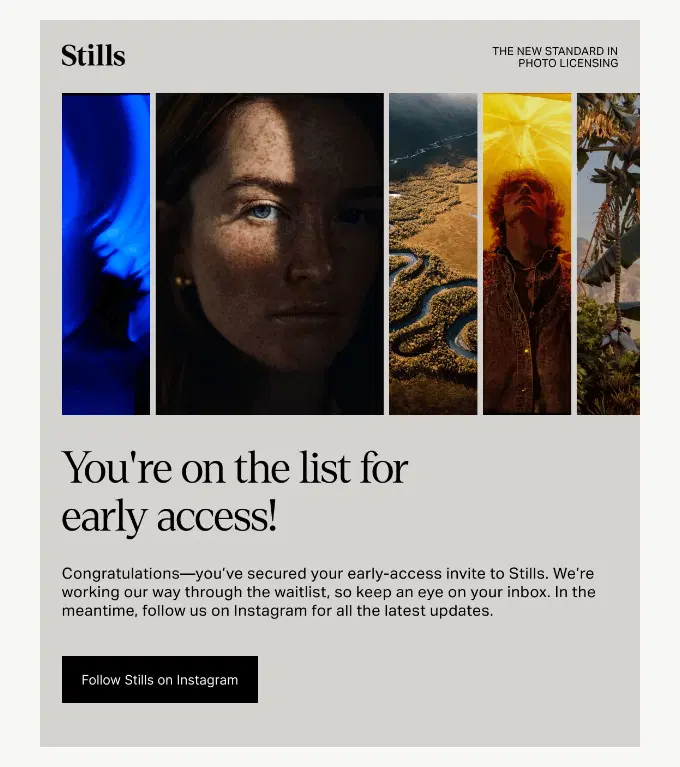
Precision Timing and AI Optimization: While immediate delivery after sign-up is generally recommended, some platforms offer advanced timing options. Omnisend, for instance, provides an "Optimize Send Time for Better Performance" feature, which employs AI to analyze each contact’s historical engagement patterns and automatically dispatches emails when that specific subscriber is most likely to open, click, or make a purchase. This intelligent timing can further enhance engagement and conversion rates.
-
Personalization at Scale: Leveraging Audience Segmentation: True personalization in welcome emails begins with effective audience segmentation. Platforms like Omnisend enable brands to categorize subscribers based on their sign-up source, past purchase behavior, or declared interests. This customer lifecycle segmentation facilitates the delivery of highly targeted messages – for example, exclusive discounts for first-time buyers, tailored product recommendations, or content relevant to specific interests. AI-driven segmentation tools can further simplify this process, allowing marketers to define segments in natural language and have them built automatically.
Tailoring the Welcome: Matching Format to Subscriber Intent

A highly effective welcome email strategy involves aligning the message’s content and layout with the subscriber’s initial intent. The "why" behind a sign-up profoundly influences what information will resonate most.
-
Price-Shopping Subscribers: For individuals who opt-in via a discount pop-up, the expectation is immediate gratification. Burying the promised discount behind extensive brand stories or product tutorials creates unnecessary friction. Following examples like Wildwonder (example #2), the discount code should be prominently placed at the very top of the email, ideally with a clear link to allow for swift completion of an order.
-
Pre-Purchase Research Subscribers: Customers signing up through a product page are likely in a comparative shopping phase. The welcome email should therefore focus on validating their interest and justifying a potential first order. This can be achieved through benefit-driven copy, as seen in Health-Ade’s approach (example #8), or by leveraging social proof through customer reviews, akin to Kurk’s strategy (example #6). The goal is to reinforce the product’s value and superiority.
-
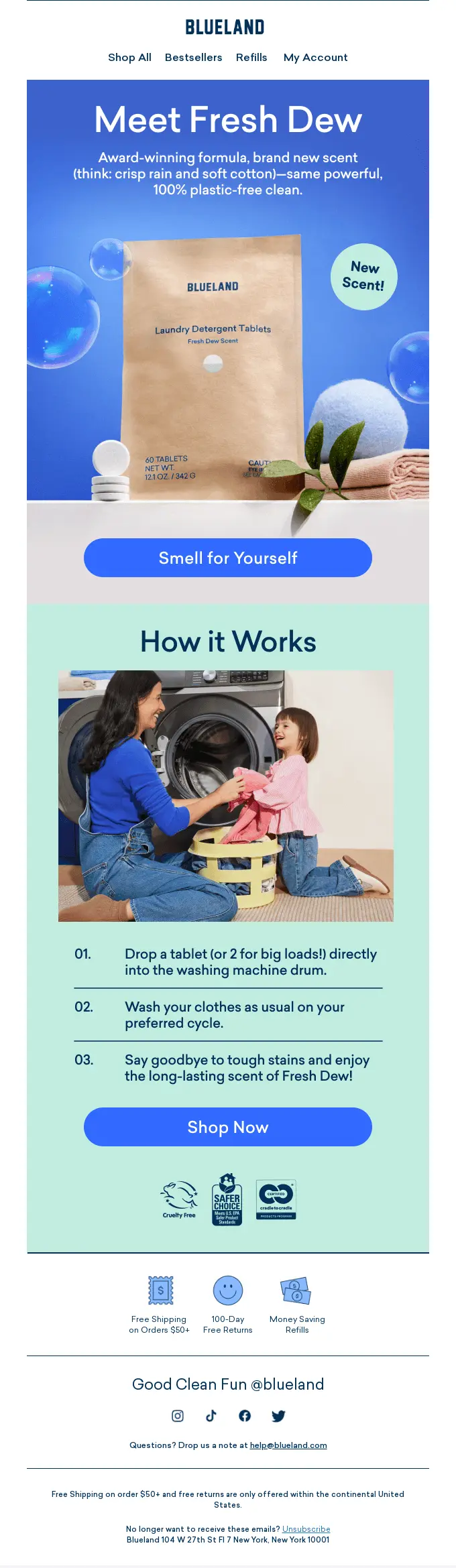
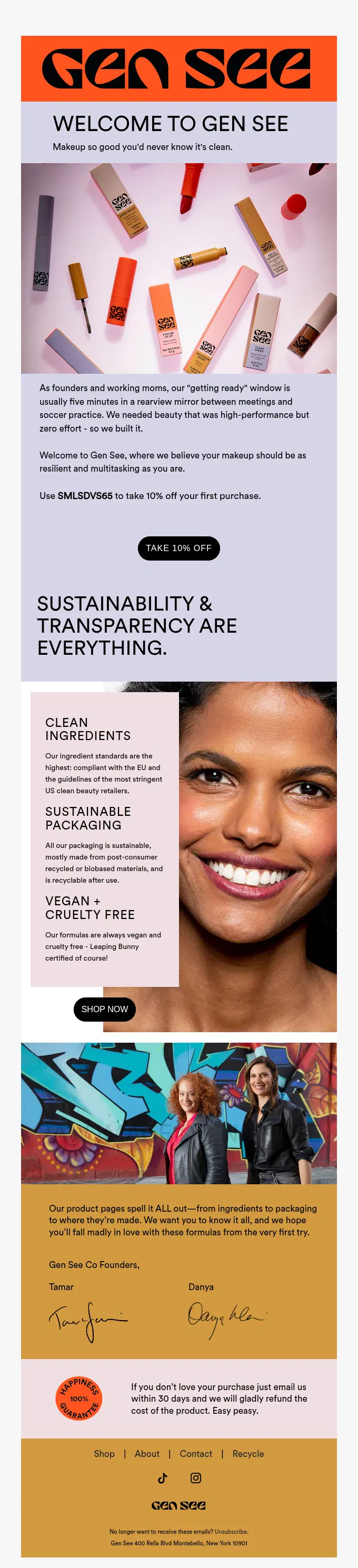
Lead Magnet Subscribers: Visitors who download educational material (e.g., a guide or recipe) are typically seeking solutions to a problem, making a small discount less relevant. In these cases, the welcome email should primarily deliver the requested resource directly, following Blueland’s instructional layout (example #11). Subsequently, the email can subtly introduce how the brand’s products complement or enhance the solution provided by the lead magnet, assuring the customer of its practical utility.
Ready to Create Your Welcome Email?
The most expedient path to converting new subscribers is to launch an initial welcome email immediately upon sign-up, rather than overthinking optimal send times. Welcome emails are inherently behavior-based; the user’s action triggers the send, and they likely anticipate a prompt response. The recommended strategy involves deploying a well-designed first email with an attractive incentive, ensuring the layout aligns with brand aesthetics, and then meticulously monitoring open and conversion rates to inform subsequent optimizations.
For e-commerce brands already utilizing other platforms like Klaviyo, Omnisend offers migration assistance, rebuilding existing workflows, lists, and templates within five business days, often at a reduced cost compared to competitors. This ease of transition, coupled with a highly rated, user-friendly platform, further underscores the accessibility of powerful email automation tools for businesses of all sizes.
By prioritizing a sophisticated and personalized welcome email strategy, e-commerce businesses can not only capitalize on immediate sales opportunities but also lay the groundwork for enduring customer loyalty and sustained revenue growth, transforming fleeting interest into valuable, long-term relationships.








