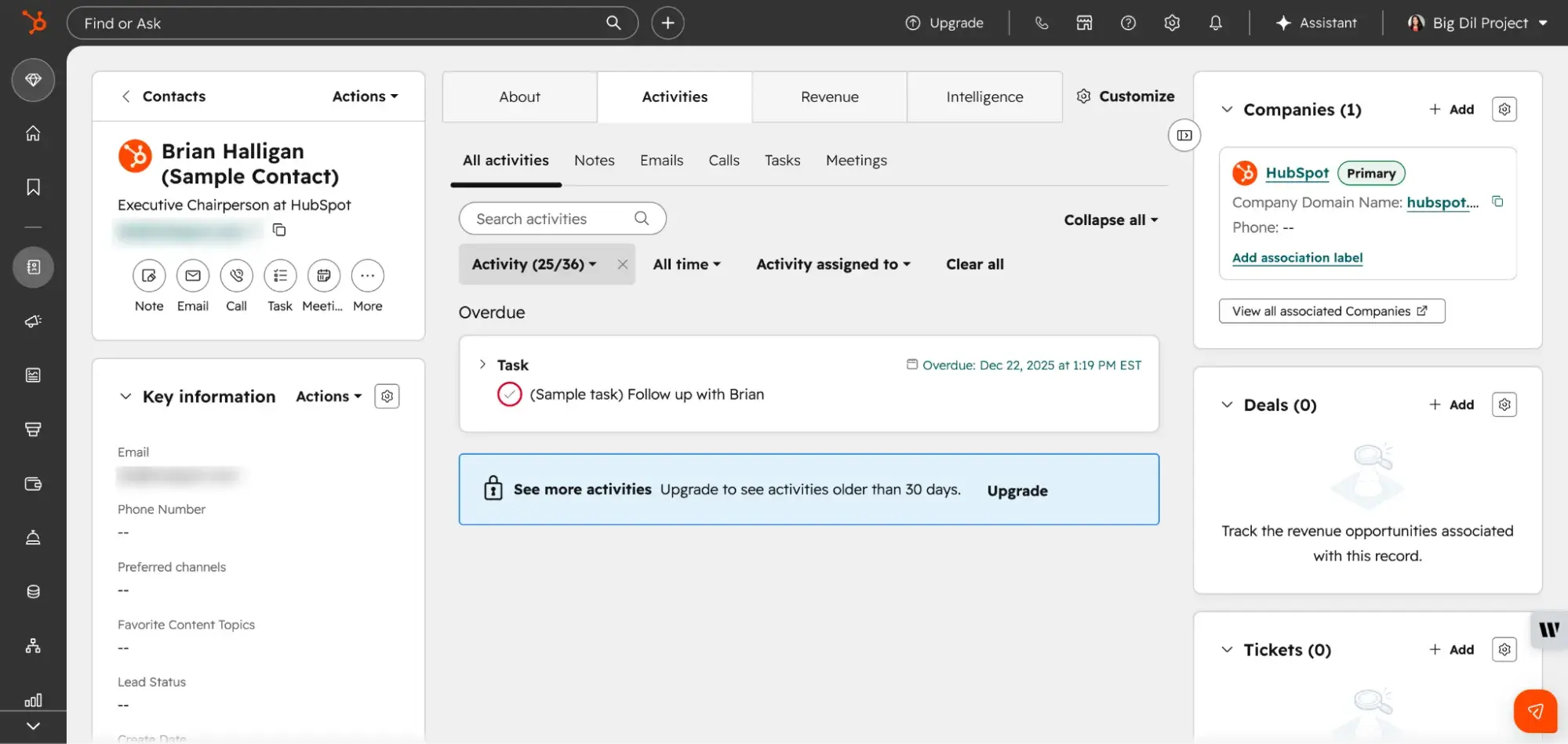
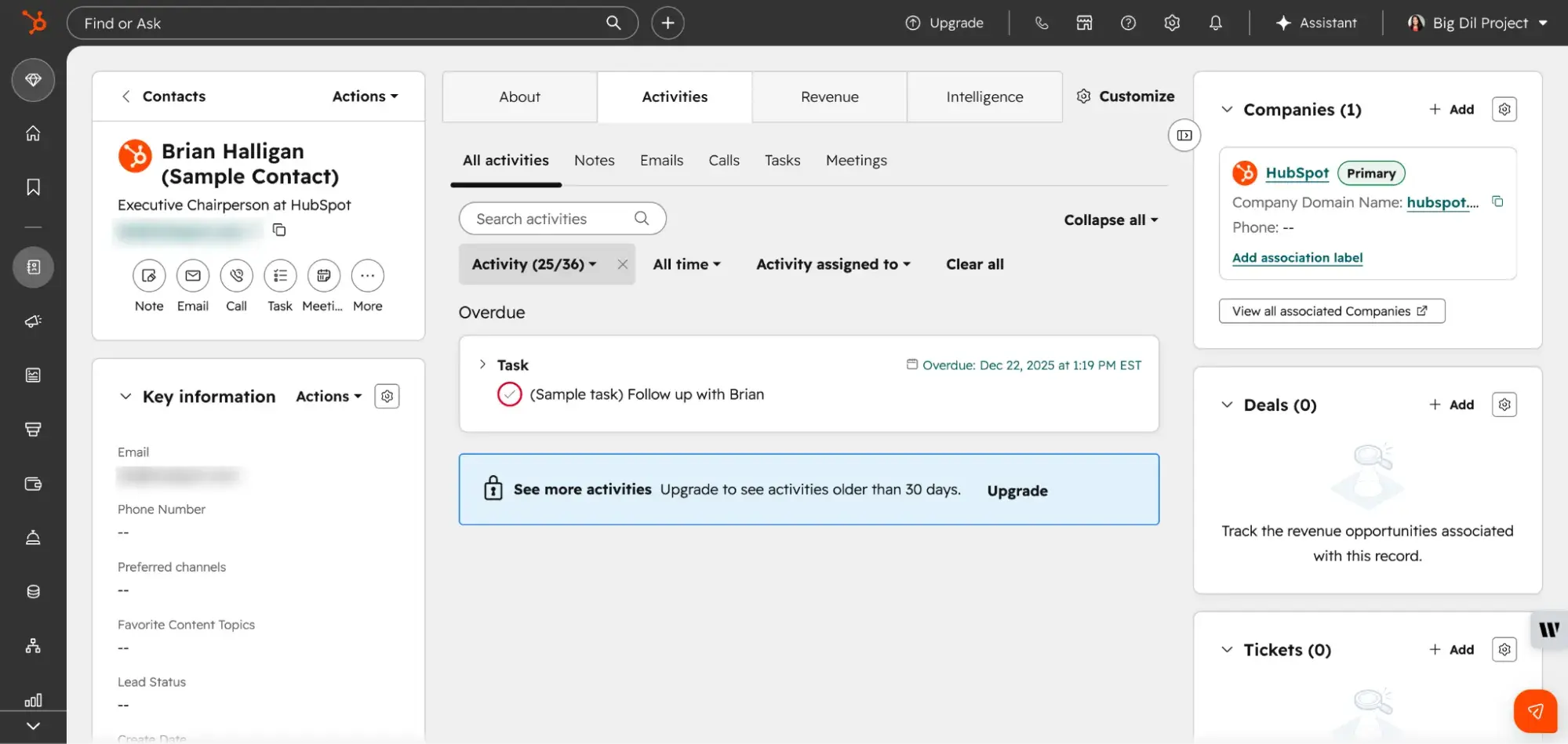
A Customer Relationship Management (CRM) system, at its core, functions as a highly sensitive repository of an organization’s most valuable asset: its customer data. Far from a mere contact list, it houses an intricate tapestry of information, including personal identifiers, communication histories, purchase patterns, support interactions, and in many sectors, even health information or financial details. This wealth of data, while indispensable for business operations and growth, simultaneously presents a significant compliance challenge. Without robust CRM compliance protocols, organizations face substantial risks that can erode customer trust, trigger severe financial penalties, and inflict lasting reputational damage. The stakes are higher than ever, as evidenced by IBM’s 2024 report, which pegs the average data breach cost at a staggering $4.88 million, not to mention the immeasurable loss of customer confidence.
The increasing digital footprint of businesses and the expanding volume of customer interactions mean that data is constantly in motion and accessed by multiple teams—marketing, sales, service, operations, IT, and legal. This ubiquitous access, while necessary for collaboration, inherently multiplies potential vulnerabilities. It’s not typically malicious intent that leads to compliance lapses, but rather the inherent complexities of managing sensitive data across a dynamic digital ecosystem. Many organizations acknowledge the urgent need for CRM compliance but often grapple with where to begin. This article aims to demystify CRM compliance, outlining its fundamental principles, the regulatory landscape, essential technical controls, and a practical framework for building an effective compliance program that resonates throughout an organization.
The Evolving Landscape of Data Privacy: A Chronology of Compliance
The modern emphasis on data privacy is not a sudden phenomenon but the culmination of decades of evolving digital interactions and public awareness. Before the internet became a ubiquitous part of daily life, data privacy concerns were largely confined to physical records and national borders. However, the rise of e-commerce, social media, and cloud computing rapidly transformed the landscape, enabling the collection, storage, and processing of personal data on an unprecedented scale.
The early 2000s saw a gradual increase in sector-specific regulations, such as the Health Insurance Portability and Accountability Act (HIPAA) in the United States, enacted in 1996, which mandated strict protections for Protected Health Information (PHI). Similarly, the Payment Card Industry Data Security Standard (PCI DSS), established in 2004, became a global benchmark for securing cardholder data. These early regulations set precedents for data protection in sensitive industries, but a broader, more comprehensive approach was still lacking for general consumer data.
The true turning point arrived with the General Data Protection Regulation (GDPR) in 2018. Enacted by the European Union, GDPR set a new global standard for data privacy, introducing expansive rights for individuals (data subjects) and stringent obligations for organizations that process their data, regardless of where the organization is based. Its extraterritorial reach and hefty penalties (up to €20 million or 4% of global annual turnover) sent shockwaves across industries worldwide, compelling companies to re-evaluate their data handling practices.
The GDPR’s influence quickly spread. In the United States, California led the way with the California Consumer Privacy Act (CCPA) in 2018, effective 2020, followed by the California Privacy Rights Act (CPRA) in 2020, effective 2023. These laws granted California residents similar rights to those under GDPR, including the right to know, delete, and opt-out of the sale of their personal information. Since then, numerous other U.S. states have passed or are considering their own privacy laws, creating a complex patchwork of regulations. Internationally, countries like Canada (PIPEDA), Brazil (LGPD), and Australia (Privacy Act) have also strengthened their data protection frameworks, underscoring a global movement towards greater data stewardship.
This chronological progression highlights that CRM compliance is no longer a niche concern but a foundational requirement, shaped by a dynamic and increasingly stringent global regulatory environment. Organizations must constantly monitor these developments and adapt their strategies to remain compliant across multiple jurisdictions and data types.

Why Compliance Isn’t Optional: Risks and Rewards
The decision to invest in robust CRM compliance is not merely about adhering to legal mandates; it’s a strategic imperative with profound implications for a business’s financial health, reputation, and long-term viability. The risks of non-compliance are escalating, while the rewards of proactive compliance—primarily, enhanced customer trust—offer a distinct competitive advantage.
The Soaring Costs of Non-Compliance
The financial repercussions of data breaches and regulatory non-compliance are stark and multifaceted. Beyond the average direct cost of $4.88 million per breach reported by IBM in 2024, businesses face a cascade of expenses. These include legal fees for litigation and regulatory inquiries, costs associated with forensic investigations, system remediation, public relations campaigns to mitigate reputational damage, and compensation for affected individuals. Critically, regulatory fines for non-compliance are also on the rise. IBM’s report also indicates a 22.7% increase in organizations paying regulatory fines exceeding $50,000, underscoring the intensified scrutiny from regulatory bodies.
Moreover, the indirect costs can be even more debilitating. Downtime following a breach, loss of intellectual property, decreased productivity, and increased insurance premiums all contribute to the financial drain. For smaller businesses, a significant data breach can even lead to insolvency. The reputational damage, once incurred, is difficult to repair, often leading to a loss of market share and a struggle to attract new customers.
Erosion of Trust and Reputational Damage
In an age where data privacy is a frequent headline, consumers are increasingly discerning about how their personal information is handled. Cisco’s research highlights that 53% of consumers are now aware of data privacy laws, and a growing segment (36%, up from 28% the previous year) is actively exercising their data rights by submitting access, correction, deletion, or transfer requests. This heightened awareness translates into higher expectations and less tolerance for companies that fail to protect their data.
A survey by TELUS revealed that 88% of consumers consider a company’s data-handling reputation important when making purchasing decisions, and a significant 86% state that trust directly inspires them to buy or use a company’s products. Conversely, 74% of Americans actively worry about how organizations handle their personal data. This data unequivocally demonstrates that a breach of trust, often stemming from compliance failures, can directly impact a company’s revenue streams, customer loyalty, and brand equity. A tarnished reputation can deter potential customers, make it harder to retain existing ones, and even affect employee morale and talent acquisition efforts.
The Strategic Advantage of Trust
Conversely, a robust CRM compliance program transcends mere risk mitigation; it becomes a powerful differentiator. Companies that demonstrably prioritize data privacy and security build a foundation of trust with their customers. This trust translates into tangible business benefits:
- Enhanced Customer Loyalty: Customers are more likely to remain loyal to brands they perceive as responsible stewards of their data.
- Improved Conversion Rates: Transparency and strong privacy practices can differentiate a business in a crowded market, encouraging new customers to engage.
- Stronger Pipeline and Retention: A reputation for trustworthiness directly influences lead quality, sales conversions, and customer lifetime value.
- Operational Efficiency: Proactive compliance frameworks streamline data management processes, reduce the likelihood of costly incidents, and enable quicker responses to regulatory inquiries. For instance, teams with documented consent and retention workflows can often resolve compliance reviews in days rather than months, a small upfront investment that saves significant time and money in the long run.
By embedding compliance into the core of their CRM strategy, businesses not only avoid penalties but also cultivate a valuable asset: an ethical brand reputation that fosters deeper customer relationships and sustainable growth. Platforms like HubSpot Smart CRM, designed with built-in consent logging, role-based access, and audit trails, provide a foundational infrastructure that enables organizations to meet these compliance demands proactively.
Pillars of Secure CRM Data Management: Essential Technical Controls
Adhering to the myriad of compliance frameworks necessitates the implementation of specific technical controls within a CRM system. These controls are the operational backbone of any effective compliance program, ensuring that customer data is handled securely and responsibly throughout its lifecycle.

Robust Encryption and Key Management
Data encryption is a fundamental requirement across virtually all compliance frameworks. It ensures that data remains unreadable to unauthorized parties, whether it’s moving across networks or residing in storage.
- Data in Transit: This refers to data moving between a user’s browser, the CRM, and any integrated tools. Transport Layer Security (TLS) is the industry standard for protecting data during transmission, establishing a secure, encrypted connection.
- Data at Rest: This pertains to data stored in databases, backups, and logs. Encryption at rest typically uses strong cryptographic algorithms like AES-256, rendering the data unintelligible on storage media.
- Key Management: Crucially, who holds the encryption keys is as important as the encryption itself. Enterprise-grade CRMs should offer customer-managed keys (CMK) for organizations with stringent security and compliance needs, particularly those under HIPAA or ISO 27001, allowing them greater control over their encrypted data. A platform like HubSpot Smart CRM encrypts all data in transit and at rest by default, offering advanced security configurations for enterprise clients.
Granular Access Controls: Role-Based Access and Least Privilege
The analogy of a teenager’s journal highlights that sensitive information should only be accessible to its intended reader. In a CRM, with dozens or even thousands of users, controlling access is paramount.
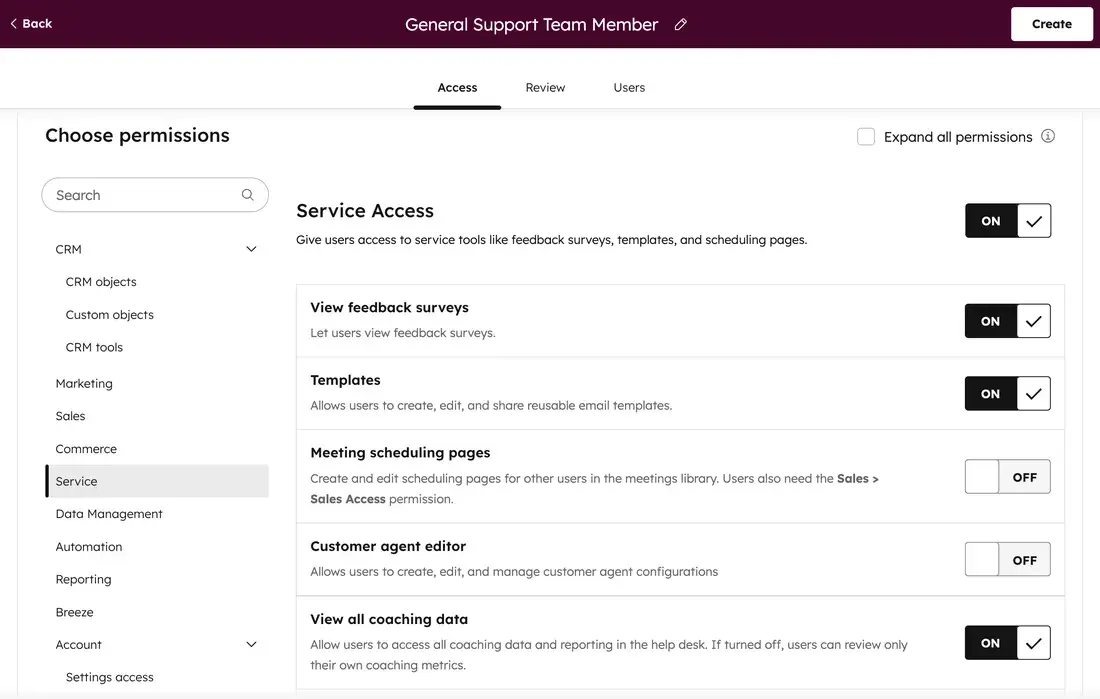
- Role-Based Access Control (RBAC): RBAC ensures that each user’s access within the CRM is strictly limited to what their job function requires. For example, a sales development representative might need to view contact details and log activities but should not have access to sensitive financial data or the ability to bulk-delete records.
- Least Privilege Principle: This principle dictates that even within an assigned role, permissions should be as narrow as possible. If an account is compromised, the “blast radius” of potential data exposure is minimized. This means customizing permissions to allow only the necessary read, write, edit, or delete actions for specific data fields or record types.
Fortified Authentication Mechanisms
Weak credentials remain a primary vector for data breaches. IBM’s 2024 report indicates that breaches involving stolen or compromised credentials take an average of 292 days to identify and contain, highlighting the extended exposure period. To counteract this, a compliant CRM must enforce strong authentication:
- Multi-Factor Authentication (MFA): Requires users to provide two or more verification factors (e.g., password + code from a mobile app) to gain access, significantly enhancing security.
- Single Sign-On (SSO): Allows users to access multiple applications with a single set of credentials, improving user experience while centralizing identity management and often leveraging stronger authentication protocols.
- Strong Password Policies: Enforcing complexity requirements, regular password changes, and disallowing reused passwords.
- Session Management: Implementing automatic session timeouts and secure session handling to prevent unauthorized access from inactive sessions.
Comprehensive Audit Trails and Activity Logging
An audit trail provides an immutable, time-stamped record of every significant action within the CRM. This includes:
- User logins and logouts.
- Creation, modification, or deletion of records (contacts, companies, deals).
- Changes to system configurations or user permissions.
- Data exports and imports.
These logs are indispensable for forensic investigations, compliance audits, and demonstrating accountability. Without them, it’s impossible to trace data provenance, identify unauthorized activities, or reconstruct events following an incident. HubSpot Smart CRM, for example, maintains detailed activity logs for various entities and administrative actions, which are crucial for audit purposes.
Resilient Backup, Recovery, and Data Residency
Compliance frameworks often mandate that data be recoverable in the event of loss or corruption and that backups adhere to specific geographic boundaries.
- Backup and Recovery: Regular, secure backups are essential for business continuity and disaster recovery. A compliant CRM system should have automated backup processes and tested recovery plans to minimize data loss and downtime.
- Data Residency: This refers to the physical location where data is stored. For organizations operating globally, especially those dealing with EU data, ensuring that data is hosted within specific regions (e.g., the EU for GDPR compliance) is a critical requirement. Many enterprise CRMs offer data center options to meet these jurisdictional needs.
By implementing these technical controls, organizations can establish a robust security posture within their CRM, safeguarding sensitive data against both internal and external threats and underpinning their broader compliance efforts.
Building an Enduring CRM Compliance Program: A Strategic Framework
Establishing a truly effective CRM compliance program extends beyond merely implementing technical controls; it requires a systematic, ongoing effort to integrate compliance into daily operations and organizational culture. This strategic framework outlines the essential steps for building a program that is both functional and auditable.
1. Comprehensive Data Mapping and Inventory (ROPA)
The foundational step in any compliance program is understanding what data you have, where it resides, and how it flows. This process, known as data mapping, is akin to creating a detailed blueprint of your data ecosystem. It involves documenting:
- Categories of Personal Data: Identifying all types of personal data collected (e.g., name, email, health data, payment info, IP addresses).
- Data Sources: Tracing each data category back to its origin (e.g., web forms, CSV imports, API integrations, manual entries). Each source carries different consent and risk implications.
- Data Flow: Mapping where data travels after entering the CRM, including all connected systems and integrations (e.g., email marketing platforms, analytics tools, data warehouses). This ensures no “shadow data” goes unnoticed.
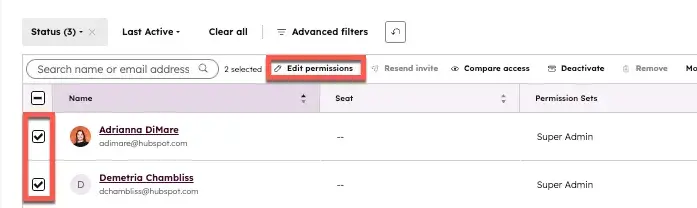
- Access Matrix: Documenting which roles, teams, or individuals can view, edit, or delete each data category. Sensitive fields should have highly restricted access.
- Retention Periods: Assigning a clear retention policy for every data category, outlining how long it will be kept and what happens upon expiry.
- Risk Flagging: Identifying high-sensitivity data categories (e.g., health data, payment data, data of minors, data from regulated regions) that require elevated controls.
Under GDPR, this comprehensive map is formalized as a Record of Processing Activities (ROPA) and is a legal requirement for most organizations processing EU personal data. Tools like HubSpot Data Hub can provide visibility into data lineage, transforming data mapping from a static, manual spreadsheet exercise into a living, dynamic document that updates as your tech stack evolves. Prioritizing the mapping of highest-risk data categories first (health, payment, regulated regions) can significantly reduce immediate compliance exposure.
2. Operationalizing Consent and Preference Management
Consent management is frequently a weak point in many organizations, where inconsistent practices across departments can lead to significant compliance gaps. A robust consent program must:
- Capture Consent Clearly: Ensure that consent is obtained in an unambiguous, specific, informed, and freely given manner, clearly stating the purpose for data collection.
- Centralize Consent Records: Store all consent and communication subscription data at the contact level within the CRM, complete with timestamps and historical changes, providing a defensible record.
- Enforce Consent Across Systems: Integrate consent status with all connected marketing, sales, and service tools to prevent unauthorized communications or data processing.
- Provide Easy Opt-Out/Preference Management: Offer individuals clear and accessible mechanisms to manage their communication preferences and withdraw consent at any time.
HubSpot Smart CRM excels in this area by storing comprehensive consent data with field-level history, providing a verifiable audit trail for every individual’s preferences.
3. Defining Data Retention and Automated Deletion Policies
Every piece of customer data held carries an inherent liability. Data retention policies define how long each data category is stored and the actions taken upon expiry. This step requires:
- Establishing Clear Timelines: Defining specific retention periods based on legal obligations (e.g., tax records, contractual agreements), industry best practices, and the original purpose of collection.
- Implementing Automated Processes: Utilizing CRM workflow automation to manage retention efficiently. This could involve triggering alerts as deletion deadlines approach, suppressing contacts from communication, or initiating automated deletion processes.
- Minimizing Data: The principle of data minimization dictates that data should not be kept longer than necessary for its intended purpose.
An example retention framework would include specific timelines for active customers, prospects, marketing consent records, support tickets, and payment data, along with defined actions such as archiving, deleting, or retaining for regulatory defense.
4. Streamlining Data Subject Request (DSR) Fulfillment
Modern privacy laws like GDPR and CCPA grant individuals specific rights over their personal data, including the right to access, rectification, erasure (right to be forgotten), data portability, and objection to processing. Organizations are typically required to respond to these Data Subject Requests (DSRs) within a strict timeframe (e.g., 30 days under GDPR).
- Establish a Repeatable Process: Create a clear, documented workflow for receiving, verifying, processing, and responding to DSRs.
- Leverage CRM Capabilities: Utilize the CRM’s search, export, and deletion functionalities to quickly identify, retrieve, and remove all associated contact-level data, including activity logs and form submissions. HubSpot Smart CRM, for instance, streamlines this by enabling full contact profile export and deletion.
- Designate Responsibilities: Assign specific team members or departments responsibility for managing DSRs to ensure timely and compliant responses.
5. Continuous Training and Access Governance
Technical controls are only as effective as the humans who use them. Comprehensive training is crucial to ensure that all team members understand their roles and responsibilities in maintaining CRM compliance.
- Compliance Training: Cover key regulations, internal policies, data handling best practices, and the importance of data privacy.
- Role-Specific Guidance: Provide tailored training for marketing, sales, and service teams on how to correctly use CRM features related to consent, data entry, and DSR handling.
- Incident Response Awareness: Educate teams on how to identify and report potential data incidents.
- Regular Access Reviews: Conduct quarterly audits of CRM user lists to identify and deactivate dormant accounts (e.g., former employees, contractors) and ensure that current users’ permissions align with the least privilege principle. Dormant accounts with high-privilege access are common attack vectors.
6. Regular Audits and Continuous Improvement
Compliance is not a one-time project but an ongoing cycle of review, adaptation, and improvement. A robust program requires a regular cadence of internal and external audits.
- Compliance Calendar: Establish a schedule for annual risk assessments, quarterly internal compliance reviews, and annual external audits.
- Key Areas of Audit: Focus on data mapping accuracy, consent management effectiveness, adherence to retention policies, DSR fulfillment efficiency, and integration governance.
- Feedback Loop: Use audit findings to identify weaknesses, update policies, refine processes, and retrain staff, ensuring the program evolves with regulatory changes and business growth.
By diligently following this framework, organizations can build a resilient CRM compliance program that not only meets legal requirements but also fosters a culture of data stewardship and trust.
The Interconnected Web: Managing CRM Integrations and Third-Party Risks
In today’s interconnected digital ecosystem, CRMs rarely operate in isolation. They are typically integrated with a multitude of other tools: marketing automation platforms, ad networks, analytics suites, data enrichment services, outbound dialers, and customer success platforms. While these integrations enhance functionality and efficiency, each connection represents a potential compliance exposure. IBM’s 2024 breach report starkly illustrates this risk, finding that 35% of all data breaches involved “shadow data”—data that organizations were unaware they possessed or that was stored in uninventoried systems.
Integration Governance Principles
Effective integration governance means extending the same rigorous compliance standards to your entire connected tech stack as you apply to your core CRM. The following principles are crucial:
- Due Diligence: Before integrating any third-party tool, conduct thorough due diligence to assess its data security practices, compliance certifications (e.g., SOC 2, ISO 27001), and privacy policies.
- Data Minimization by Design: Implement sync filters and configure integrations to share only the absolute minimum personal data required for the tool’s function. Avoid sending entire contact records if only a name and email are needed. This significantly reduces exposure if a connected tool experiences a breach.
- Robust Data Processing Agreements (DPAs): For any third-party processor handling personal data on your behalf, a legally binding Data Processing Agreement (DPA) or Business Associate Agreement (BAA under HIPAA) is essential. These contracts outline the responsibilities of each party regarding data protection, security measures, and incident response.
- Regular Audits and Reviews: Periodically review all active integrations to ensure they are still necessary, configured optimally for data minimization, and that the vendor continues to meet compliance standards. Deactivate integrations that are no longer used.
Specific Risks: Data Brokers and Enrichment Services
One often-overlooked area of risk involves data broker and enrichment services. If a third-party tool appends data to your CRM records, you must verify that the source data was collected legally and that storing and processing it within your CRM is consistent with your privacy policy and the original consent obtained. Under GDPR, for instance, the lawful basis for processing must extend to data acquired from third parties, and individuals have the right to know the source of their data. The HubSpot Data Quality dashboard, for example, can provide visibility into enrichment coverage metrics, helping organizations understand and manage data sources.
By proactively managing integrations with these governance principles, businesses can mitigate the “shadow data” risk and ensure that their entire digital ecosystem remains compliant.
The Future of CRM Compliance: Navigating AI and Emerging Technologies
The integration of Artificial Intelligence (AI) into CRM systems is rapidly transforming customer interactions and operational efficiency. While AI offers immense potential to enhance productivity and personalization, it also introduces new and complex compliance challenges. IBM’s 2024 report provides a compelling argument for strategic AI adoption, noting that organizations leveraging AI and automation for security purposes reduced breach costs by an average of $2.2 million compared to those that did not. This suggests AI can be a powerful ally in compliance, if implemented correctly.
However, AI systems that process personal data without proper controls can create novel risks related to:
- Bias and Discrimination: AI algorithms trained on biased datasets can perpetuate or amplify discriminatory outcomes, leading to unfair treatment of individuals, which has legal and ethical implications.
- Scope of Consent: The use of personal data for AI training or inferencing must align with the original consent provided by the individual and the lawful basis for processing. Repurposing data for new AI applications without proper consent can lead to violations.
- Data Minimization: AI models often require vast amounts of data, creating a tension with the data minimization principle. Ensuring that only necessary data is used for AI processing is critical.
- Accountability and Transparency: It can be challenging to explain how an AI system arrived at a particular decision (the “black box” problem), making it difficult to demonstrate accountability and transparency in data processing.
Safe AI Patterns for CRM Compliance
To harness the benefits of AI while mitigating compliance risks, organizations should adopt “human-in-the-loop” design principles and focus on compliance-safe use cases:
- Automated Data Categorization and Tagging: AI can efficiently categorize and tag CRM data, such as identifying sensitive information or assigning data retention labels, to improve data governance.
- Consent Management Automation: AI can help monitor and enforce consent preferences across different communication channels, ensuring compliance with opt-in/opt-out rules.
- DSR Fulfillment Assistance: AI-powered tools can quickly surface relevant data for Data Subject Requests (DSRs), significantly reducing the time and effort required for fulfillment.
- Anomaly Detection for Security: AI can analyze CRM activity logs to detect unusual patterns or potential security incidents, enabling proactive threat response.
- Drafting and Content Generation with Human Oversight: AI assistants can draft marketing copy, sales emails, or support responses, but a human must always review and approve the output before it reaches customers, particularly for compliance-sensitive content.
The core principle behind safe AI adoption in CRM is that AI should assist and augment human judgment, not replace it, especially for compliance-sensitive decisions. Solutions like HubSpot’s Breeze Copilot and Breeze Agents are designed with this in mind, offering recommendations and drafting content that is then reviewed and confirmed by a human team member before execution.
Before integrating any AI tool with CRM data, a quick compliance check is essential:
- What personal data does the AI model access or process?
- Is that use consistent with the original consent and lawful basis?
- Is there a human review step before the AI’s output affects customers?
- Is the AI’s activity logged in the audit trail for accountability?
If any of these questions cannot be answered affirmatively, further evaluation and risk mitigation are necessary.
Choosing a Compliance-Minded CRM Partner
The choice of CRM vendor is a critical component of any compliance strategy. Not all CRMs are built with the intricate demands of data privacy in mind, and selecting a platform that treats compliance as an integral part of its infrastructure, rather than an afterthought, is paramount. When evaluating potential CRM partners, a comprehensive vendor security and governance checklist is indispensable.
Key considerations include:
- Certifications: Does the vendor hold industry-recognized certifications such as SOC 2 Type II, ISO 27001? Is it GDPR-ready and, if applicable, HIPAA-eligible (meaning it can sign a Business Associate Agreement)? HubSpot, for instance, proudly maintains SOC 2 Type II and ISO 27001 certifications and offers HIPAA-eligible configurations for qualifying enterprise customers.
- Encryption Standards: Verify that the CRM encrypts data both at rest (