rifanmuazin
A comprehensive sales strategy is the bedrock upon which sustainable business growth is built. It encompasses every facet of the sales journey, from meticulously identifying and understanding target audiences to the precise methods employed to reach them, and the critical tools and internal processes that facilitate success. Far from being static directives, effective sales strategies are dynamic, living documents. They are continuously refined and updated with fresh insights and performance data, ensuring that sales and marketing efforts remain optimized and aligned with evolving market conditions and company objectives. This iterative approach is paramount in today’s fast-paced commercial landscape, where agility and informed decision-making are key differentiators.
The Undeniable Advantages of a Strategic Sales Blueprint
A well-defined and expertly executed sales strategy empowers sales representatives to maximize their productivity by focusing their efforts on high-value activities. Simultaneously, it equips the marketing team with the clarity needed to position the company and its offerings with unparalleled effectiveness. The benefits of investing time and resources into developing such a strategy are multifaceted and directly contribute to a company’s bottom line.
Prioritizing High-Impact Activities for Peak Efficiency
Many small and growing businesses grapple with the challenge of consistently generating qualified leads and translating them into revenue. The struggle to identify effective acquisition channels is a common refrain. However, once a business gains a deep understanding of its ideal buyer persona—their needs, pain points, and motivations—it can then precisely tailor its outreach and value propositions. A robust sales strategy moves beyond guesswork, enabling teams to concentrate their efforts on activities that demonstrably drive progress and yield tangible results, thereby optimizing the utilization of precious time and resources.
Fueling Revenue Growth and Pipeline Expansion
The pursuit of revenue growth offers a spectrum of strategic avenues, from judiciously adjusting pricing models to concentrating on acquisition channels exhibiting superior conversion rates. Empirical evidence underscores the profound impact of synergistic sales and marketing alignment. Research indicates that when these two departments collaborate strategically, companies experience a significant uplift in sales win rates, with some studies reporting as much as a 38% increase. This heightened success is a direct consequence of a unified approach, where marketing efforts generate precisely targeted and qualified leads, and sales teams are equipped with the context and tools to effectively engage and convert them.

Cultivating Predictable and Scalable Systems
A well-articulated sales strategy is instrumental in identifying and systematizing the most effective sales processes. This systematic approach fosters more predictable growth patterns and reduces reliance on ad-hoc tactics. By understanding which strategies yield the highest conversion rates, businesses can apply these proven methodologies across their entire lead pipeline, rather than resorting to an often inefficient trial-and-error approach. For instance, if data reveals that leads who receive a product demonstration convert at a rate 50% higher than those who do not, this becomes a clear, repeatable action that should be integrated into all relevant sales interactions, thereby maximizing conversion potential.
Navigating the Landscape: Inbound, Outbound, and Account-Based Marketing
While no single approach is universally superior, the optimal sales strategy often involves a strategic blend of inbound sales, outbound sales, and account-based marketing (ABM), with the business model and customer base dictating the primary emphasis.
Inbound Sales: Attracting and Nurturing Interest
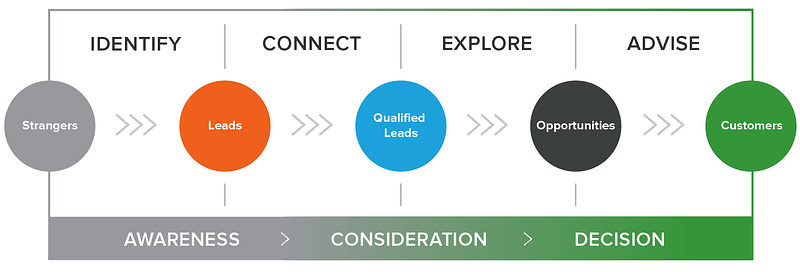
Inbound sales strategies revolve around attracting potential customers by providing valuable content that addresses their needs and interests. This methodology inherently blends sales and marketing functions more intimately than traditional outbound approaches. A prime example of inbound sales in action involves a marketing team distributing insightful content, such as whitepapers or blog posts, to a targeted audience. Once this content captures a lead’s interest, sales representatives can then follow up to schedule product demonstrations, delve deeper into the prospect’s specific challenges, and explore how the company’s solutions can provide value.
In this model, sales professionals often adopt an advisory role, engaging with leads to ensure a genuine alignment between the prospect’s requirements and the product’s capabilities, fostering trust and building rapport throughout the engagement.
Outbound Sales: Proactive Lead Generation
Outbound sales strategies, conversely, necessitate the proactive sourcing and direct engagement of potential leads. This approach, which has been the foundation of many successful businesses through methods like cold emailing and cold calling, requires a compelling offer and a streamlined, efficient sales process. It is crucial for businesses employing outbound strategies to ensure their lead sourcing practices are compliant with relevant data privacy regulations, such as GDPR, which may require specialized tools and expertise.
Account-Based Marketing: Precision Targeting
Account-Based Marketing (ABM) is a highly strategic approach that focuses on identifying and targeting specific high-value accounts based on their likelihood to convert and their alignment with the company’s ideal customer profile. Once these target accounts are identified, personalized and highly relevant content is developed to nurture these prospects, thereby facilitating a smoother and more effective closing process. ABM campaigns typically involve engaging multiple decision-makers within a target organization, aiming to build consensus and buy-in across key stakeholders. This strategy demands a high degree of collaboration between sales and marketing teams, ensuring a unified and consistent message. An illustrative ABM campaign might involve targeted LinkedIn advertising reaching key decision-makers at a specific company, concurrently with personalized cold outreach from the sales team. This approach effectively reverses the traditional sales and marketing funnel by first defining the target audience and then building campaigns specifically to convert them. Companies with the resources to invest in ABM often find it to be a highly effective strategy for acquiring significant clients.
Charting the Course: Essential Steps to Constructing Your Sales Strategy
Building a robust sales strategy involves a systematic process designed to align your efforts with your business objectives and market realities.
1. Foundational Analysis: Industry, Product, and Buyer Persona
The initial and most critical step is to deeply understand your target audience and how your business can best serve them. This involves a thorough analysis of your industry landscape, the unique value proposition of your product or service, and a detailed profile of your ideal buyer persona. Factors such as the Average Contract Value (ACV) significantly influence the tactical approaches employed; a low ACV business will naturally adopt different strategies than one with a high ACV. Furthermore, industry norms play a crucial role. Some sectors thrive on in-person interactions and trade shows, while others are amenable to online networking and digital sales processes.
2. Defining Ambitious Yet Achievable Sales Goals
Your sales objectives must be intrinsically linked to your overarching company goals. Once overarching sales targets are established, they should be deconstructed into measurable Key Performance Indicators (KPIs) and individual goals for each sales representative. For example, a specific KPI might be to send 100 cold emails to qualified leads per week. The fundamental principle is that sales goals should accurately reflect the expected activities of the team and the desired outcomes.
3. Identifying and Leveraging Key Acquisition Channels
The selection of effective acquisition channels begins with a deep understanding of your buyer personas. Where do your ideal customers spend their time, and what are the most effective ways to reach them? Depending on your target audience, a mix of demand generation strategies may prove fruitful. These can include content marketing, social media engagement, search engine optimization (SEO), paid advertising, email marketing, and direct outreach.

The nature of your product or service also dictates channel selection. For a low-cost, high-volume product, less time-intensive channels like broad email campaigns might be more suitable. Conversely, for expensive, infrequently purchased items, cold emails can serve as an effective initial touchpoint to educate prospects before transitioning to more personalized, higher-touch interactions like phone calls.
4. Implementing Robust Sales Performance Measurement
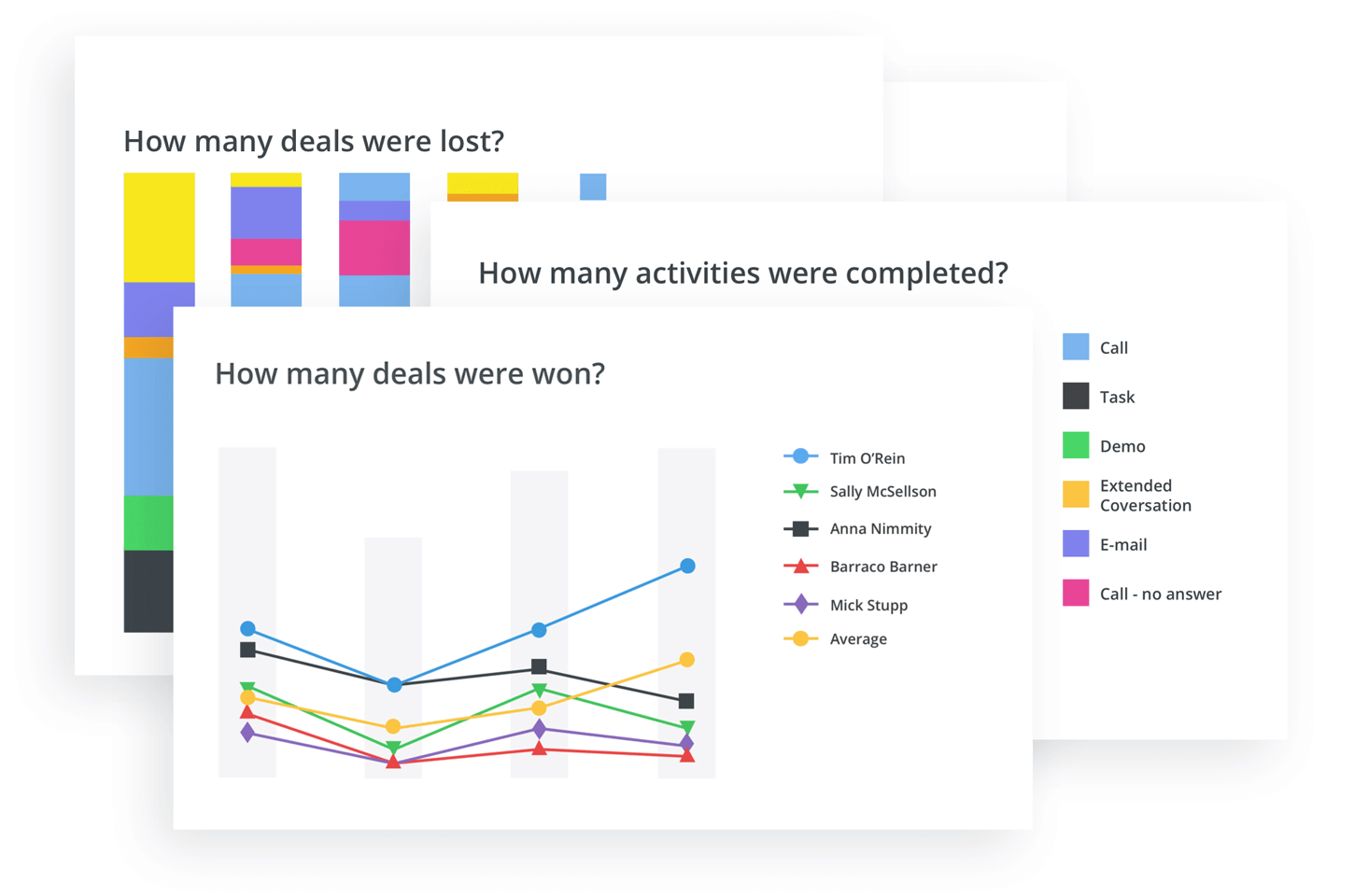
Continuous measurement is the only reliable method for assessing progress toward your sales targets. Without diligent tracking of key metrics, it becomes impossible to discern what is working and what is not, leading to the inefficient allocation of valuable resources. While tools like Trello or spreadsheets such as Google Sheets can be adapted for goal tracking, dedicated Customer Relationship Management (CRM) systems offer more sophisticated analytics and reporting capabilities.
Modern CRMs, such as Pipedrive, often include built-in analytics that provide detailed reports on metrics like the volume of outreach, open rates, response rates, and revenue forecasts. Over half of sales teams report significant improvements in productivity when utilizing a CRM for tracking their work. A clear and consistently applied goal-tracking system is indispensable for ensuring sales teams operate efficiently and that implemented sales strategies are achieving their intended impact.
5. Embracing Process Automation for Scalability
Once a sales strategy demonstrates effectiveness, the next logical step is to automate repetitive processes. As initial sales efforts gain traction and lead generation increases, managing all aspects manually can become overwhelming. Automating sales processes streamlines workflows, reduces the burden of administrative tasks, and allows sales representatives to dedicate more time to engaging with promising leads.
Solutions are available that can assist in creating targeted lead lists based on detailed buyer persona criteria, such as job titles, industry, company size, and technology stack, thereby streamlining lead generation. Tools like Lead Forensics can identify companies visiting your website, enabling proactive outreach. Lead scoring, another critical component of the sales process, can also be automated. Many CRMs offer lead scoring functionalities that assign a score to leads based on their interactions with your brand, allowing sales teams to prioritize their efforts and engage with leads at the most opportune moment.
Continuous Optimization: Refining Your Sales Strategy
The dynamic nature of the market necessitates ongoing optimization of your sales strategy to ensure it continues to yield maximum returns on your investments. This involves a critical review of underperforming campaign elements and a systematic approach to improvement. For instance, if cold email open rates are consistently low, potential issues may lie in the subject line’s effectiveness or the relevance of the email content. By systematically altering one variable at a time and closely monitoring the impact on outcomes, businesses can iteratively enhance their campaign performance.
The Enduring Value of Existing Customers
It is a well-established fact that businesses are significantly more likely to convert existing customers than to acquire new ones, with some studies indicating a 60-70% higher probability. Maintaining high levels of customer satisfaction is therefore paramount to retaining this valuable customer base and preventing avoidable churn, which results in billions of dollars in lost revenue annually for companies. Nurturing relationships with current clients through excellent service, proactive engagement, and understanding their evolving needs is not merely good practice; it is a critical component of a sustainable and profitable sales strategy. By focusing on customer retention, businesses can solidify their revenue streams and foster long-term loyalty, which often translates into valuable referrals and repeat business.