

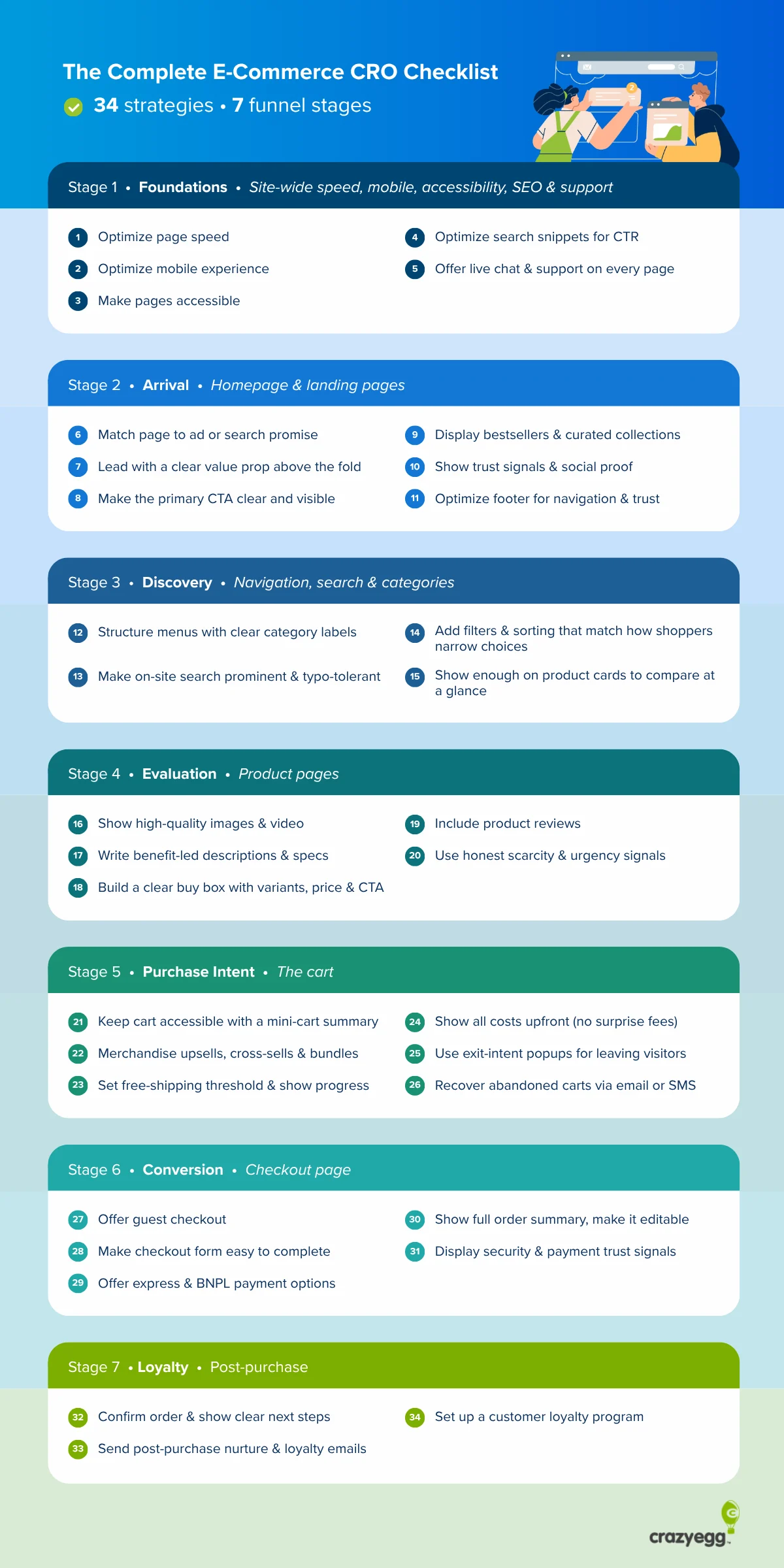
The global e-commerce landscape has reached a critical inflection point where the cost of acquiring new customers frequently outpaces the immediate profit from an initial sale, making conversion rate optimization (CRO) the primary lever for sustainable profitability. As digital advertising costs on major platforms continue to rise, retail experts and data analysts emphasize that the most efficient way to increase revenue is not necessarily through higher traffic, but through the systematic refinement of the existing user journey. Conversion rate optimization is defined as the scientific process of increasing the percentage of website visitors who take a desired action—typically a purchase—by removing friction and enhancing the persuasive elements of the digital storefront.
The Economic Context of Conversion Optimization
Recent market analysis indicates a widening gap between high-performing e-commerce entities and struggling retailers. According to industry benchmarks, the average global e-commerce conversion rate fluctuates between 2% and 3%, though these figures vary significantly by sector. For instance, luxury and jewelry segments often see conversion rates as low as 0.7%, while veterinary and pet care sectors can reach as high as 7.15%. This variance underscores the importance of a tailored CRO strategy that addresses the specific psychological and logistical needs of a target audience.
The financial impact of even marginal improvements is substantial. A merchant increasing their conversion rate from 2.2% to 2.3% realizes a 4.3% lift in total revenue, assuming the average order value (AOV) remains constant. In an era where customer acquisition costs (CAC) have increased by as much as 60% over the last five years, these incremental gains represent the difference between a scaling business and one that is stagnating.

Phase I: Technical Foundations and Performance Infrastructure
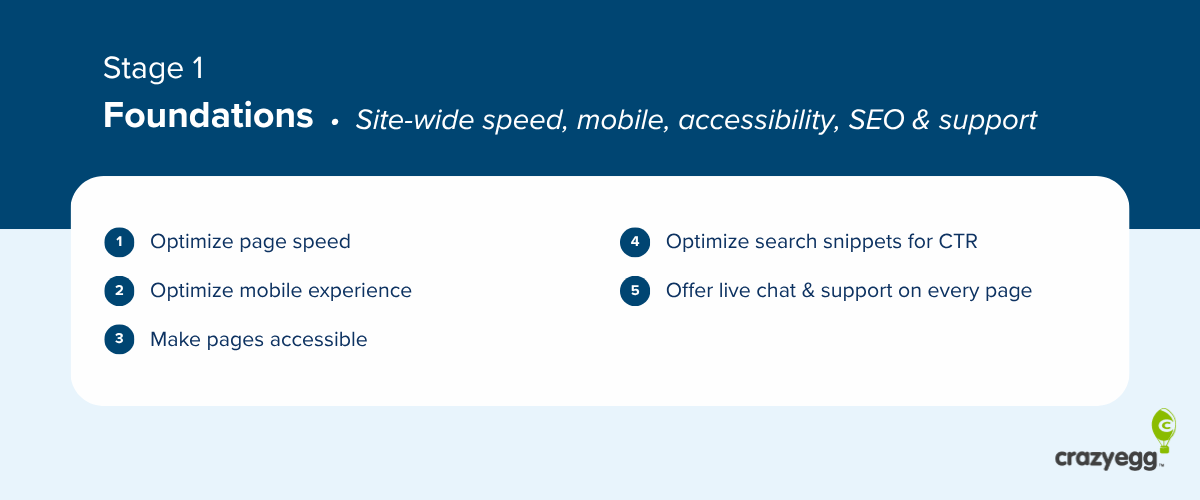
The efficacy of any e-commerce storefront is built upon its technical performance, specifically regarding speed, mobile responsiveness, and accessibility. Data from Google indicates that the probability of a bounce increases by 32% as page load time goes from one second to three seconds. Consequently, the first pillar of a CRO program involves optimizing the infrastructure to ensure load times remain under 2.5 seconds. This is achieved through the implementation of content delivery networks (CDNs), aggressive image compression (using formats like WebP), and the minification of JavaScript and CSS files.
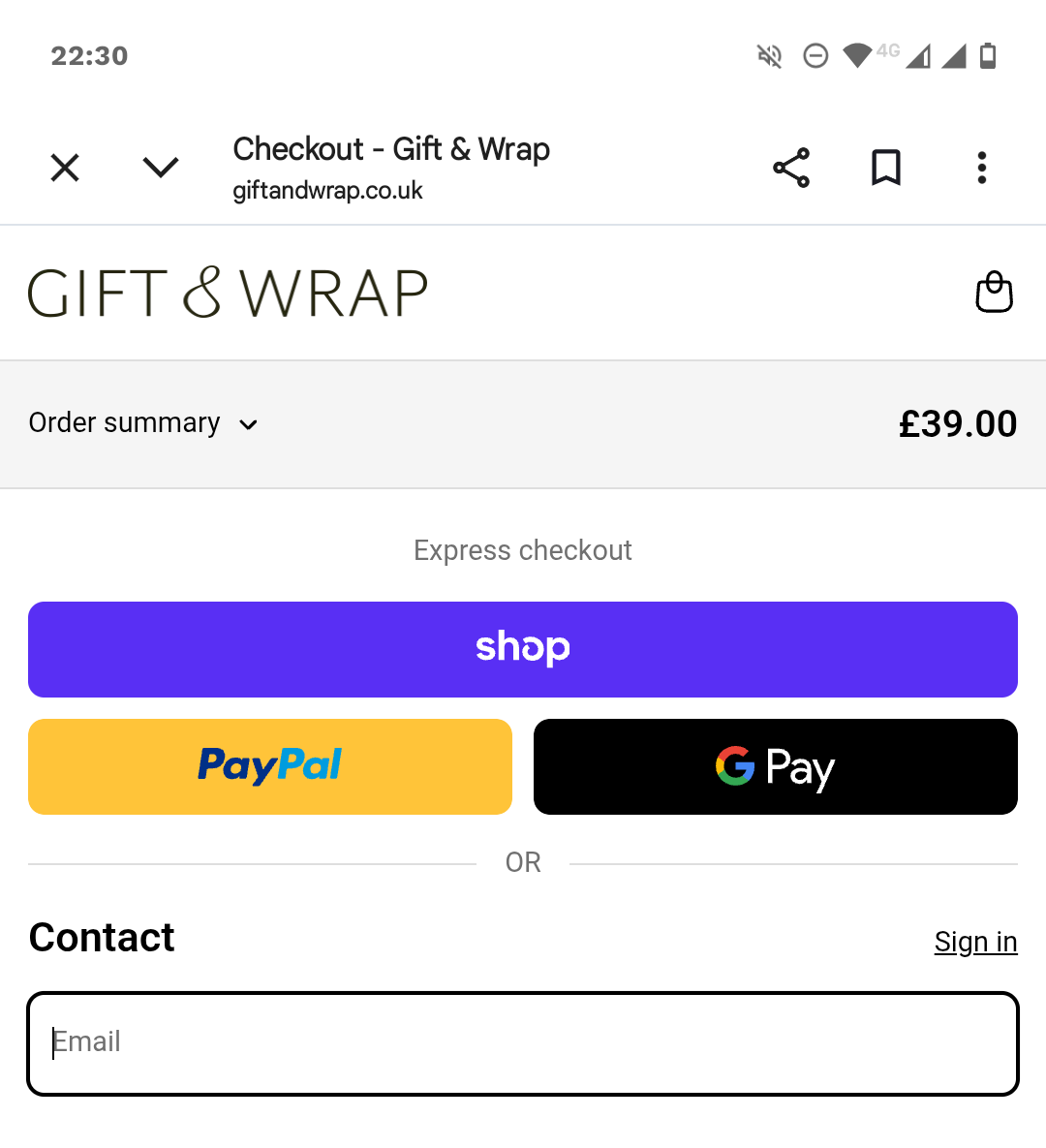
Furthermore, with mobile devices now accounting for over 70% of total retail traffic, a “mobile-first” approach is no longer optional. This requires more than just a responsive layout; it necessitates thumb-friendly navigation, the elimination of intrusive pop-ups that obscure content on small screens, and the integration of mobile-specific payment methods like Apple Pay and Google Pay. Accessibility also plays a significant role in conversion. Ensuring that a site is compliant with the Americans with Disabilities Act (ADA) and other international standards—such as providing high-contrast text and descriptive alt-tags for screen readers—not only broadens the potential customer base but also improves search engine optimization (SEO) rankings.
Phase II: Navigation and Product Discovery
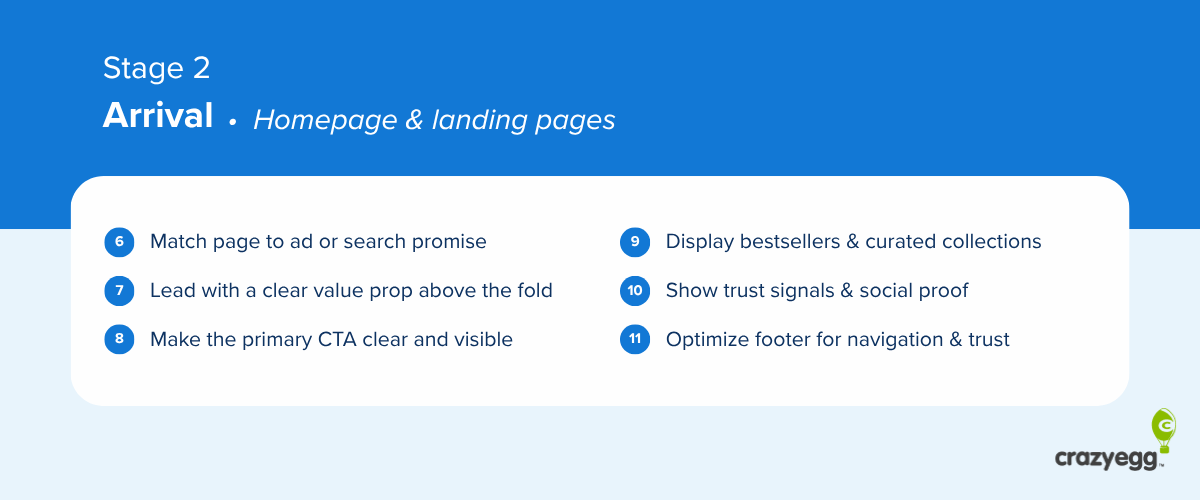
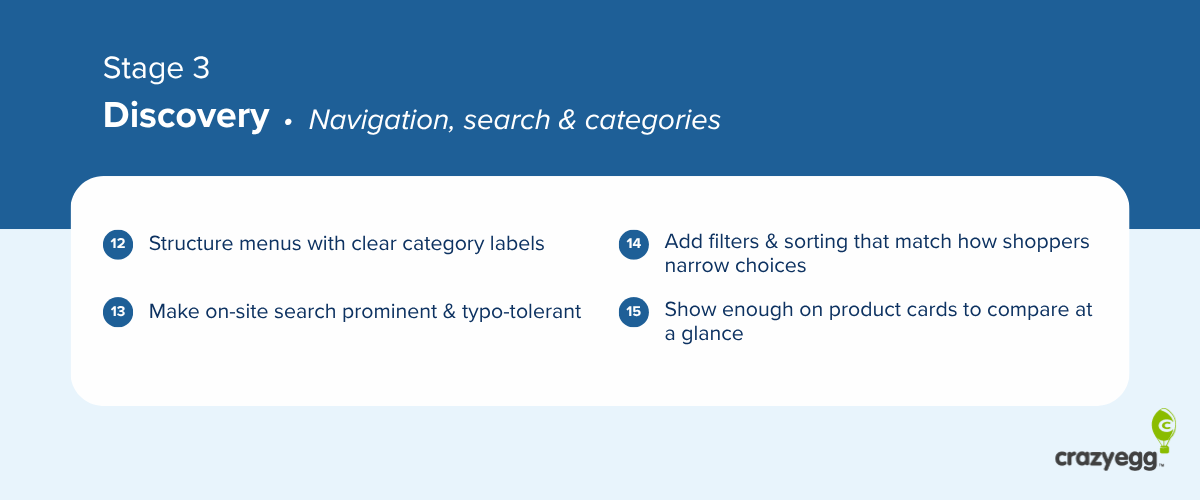
Once a stable technical foundation is established, the focus shifts to the “Arrival” and “Discovery” phases of the customer journey. The primary objective is to reduce the cognitive load on the visitor. Industry research suggests that searchers—users who utilize the on-site search bar—convert at approximately 2.5 times the rate of non-searchers and can drive up to 44% of total revenue. To capitalize on this, retailers must implement advanced search tools that are typo-tolerant, offer autocomplete suggestions, and provide accurate results even with complex queries.

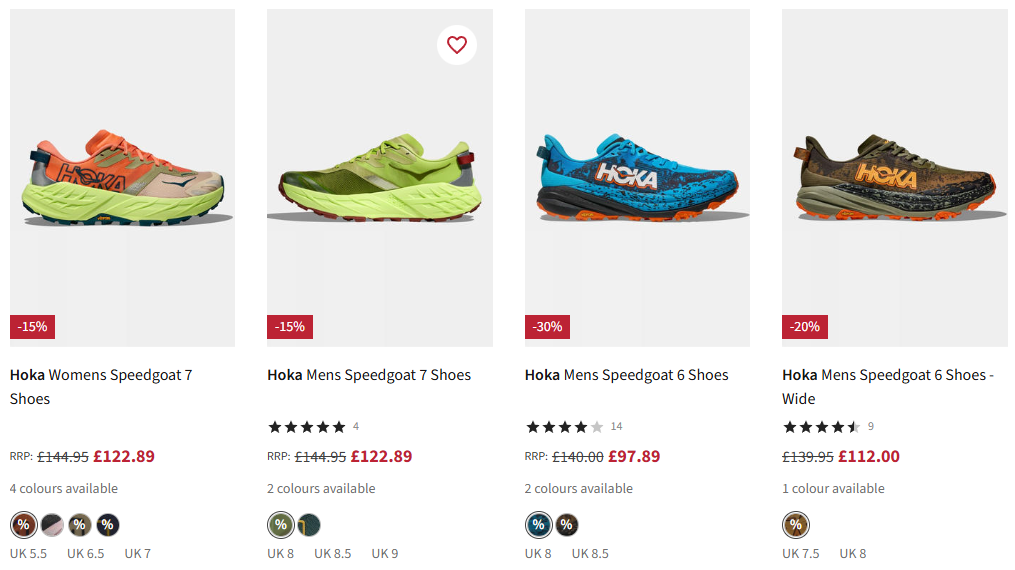
The site’s navigation menu should be limited to roughly seven main categories to avoid “choice paralysis.” Labels must be intuitive and descriptive, reflecting the language of the consumer rather than internal corporate jargon. On category pages, the implementation of robust filtering and sorting options allows users to narrow down thousands of products to a manageable selection based on price, rating, size, and color.

Phase III: The Psychology of the Product Detail Page (PDP)
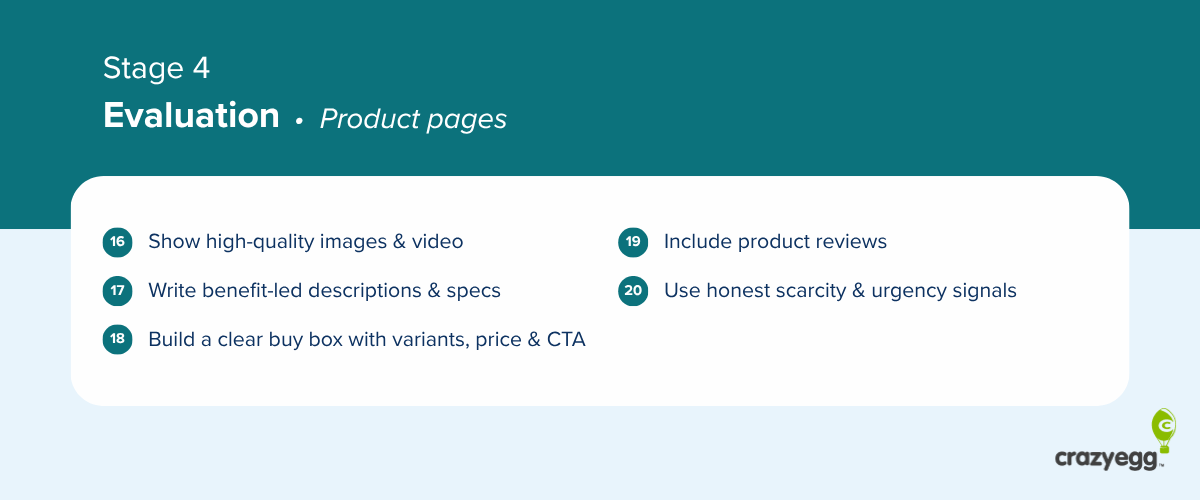
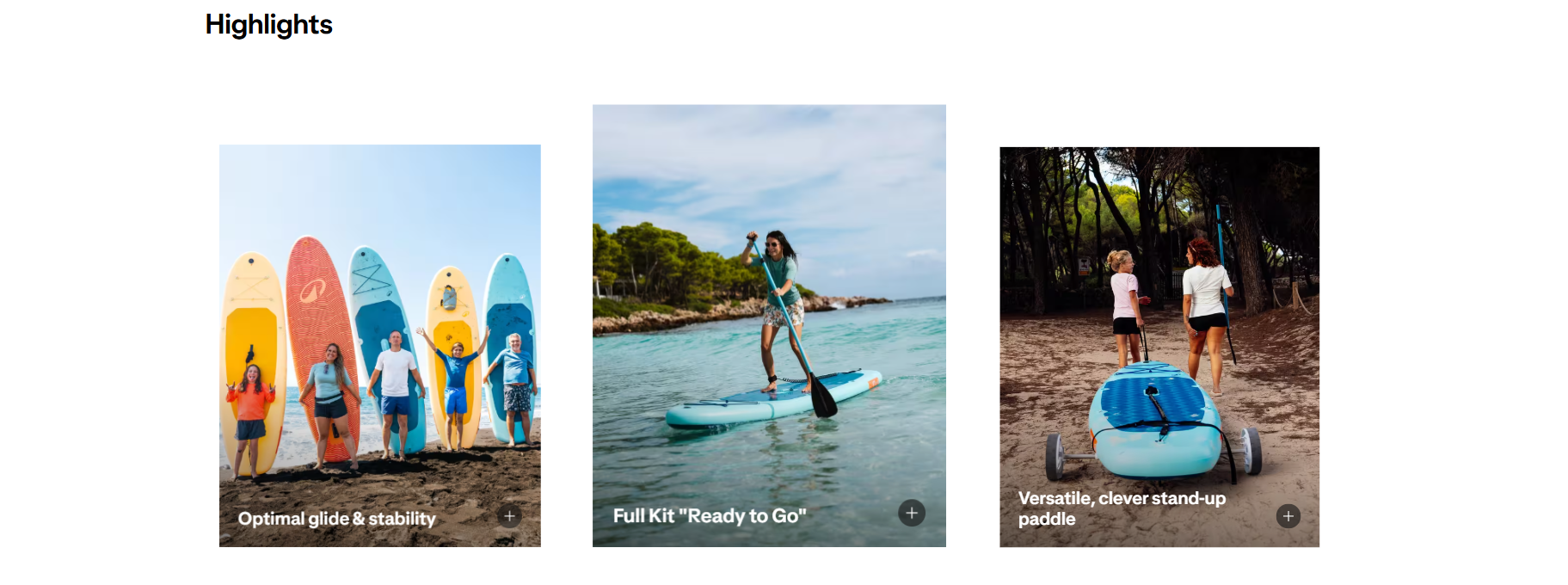
The product detail page serves as the digital equivalent of a salesperson. Since customers cannot physically handle products, the page must provide a high-fidelity proxy for the in-person experience. This includes high-resolution imagery from multiple angles, lifestyle photography showing the product in use, and, increasingly, short-form video content.
A high-converting PDP must balance technical specifications with benefit-led descriptions. While the dimensions and materials are necessary for the rational mind, the copy must also address the emotional “why” behind the purchase. Trust signals are equally vital; displaying aggregate star ratings and detailed customer reviews prominently can increase conversion rates significantly. Advanced retailers are now including “verified buyer” badges and allowing users to upload their own photos within reviews to provide authentic social proof.

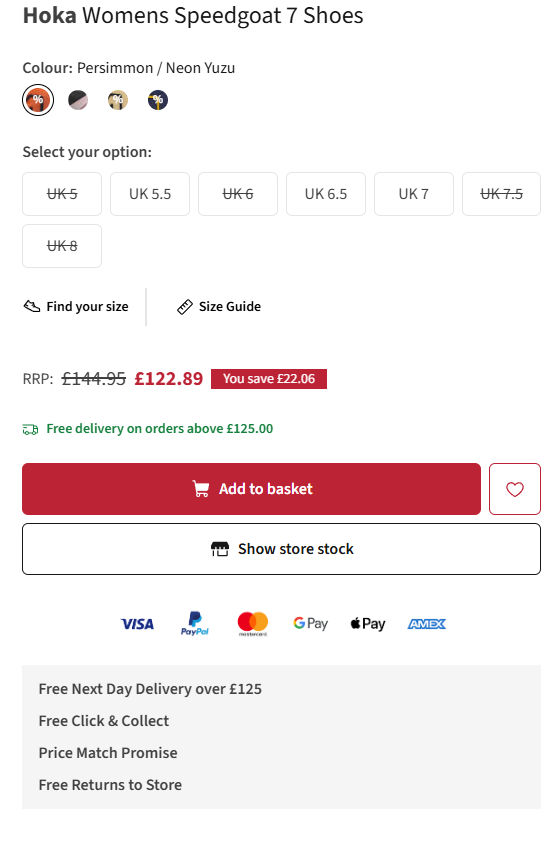
Furthermore, the “Buy Box” should be the most visually dominant element on the page. It must clearly state the price, available variants (such as size or color), and a clear call-to-action (CTA). Merchants can also leverage “honest scarcity” by displaying real-time stock levels or “limited time” shipping countdowns to encourage immediate decision-making.
Phase IV: Streamlining the Checkout and Payment Funnel
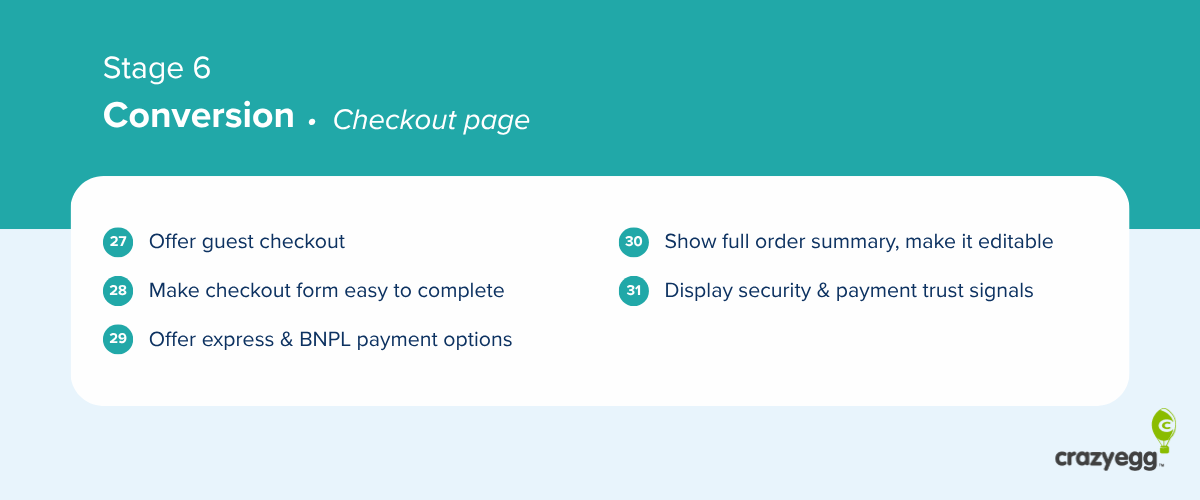
The checkout process is where the highest percentage of “friction-based” abandonment occurs. Research by the Baymard Institute reveals that approximately 18% of US shoppers have abandoned a cart because they were forced to create an account. To mitigate this, retailers must offer a guest checkout option as the default.
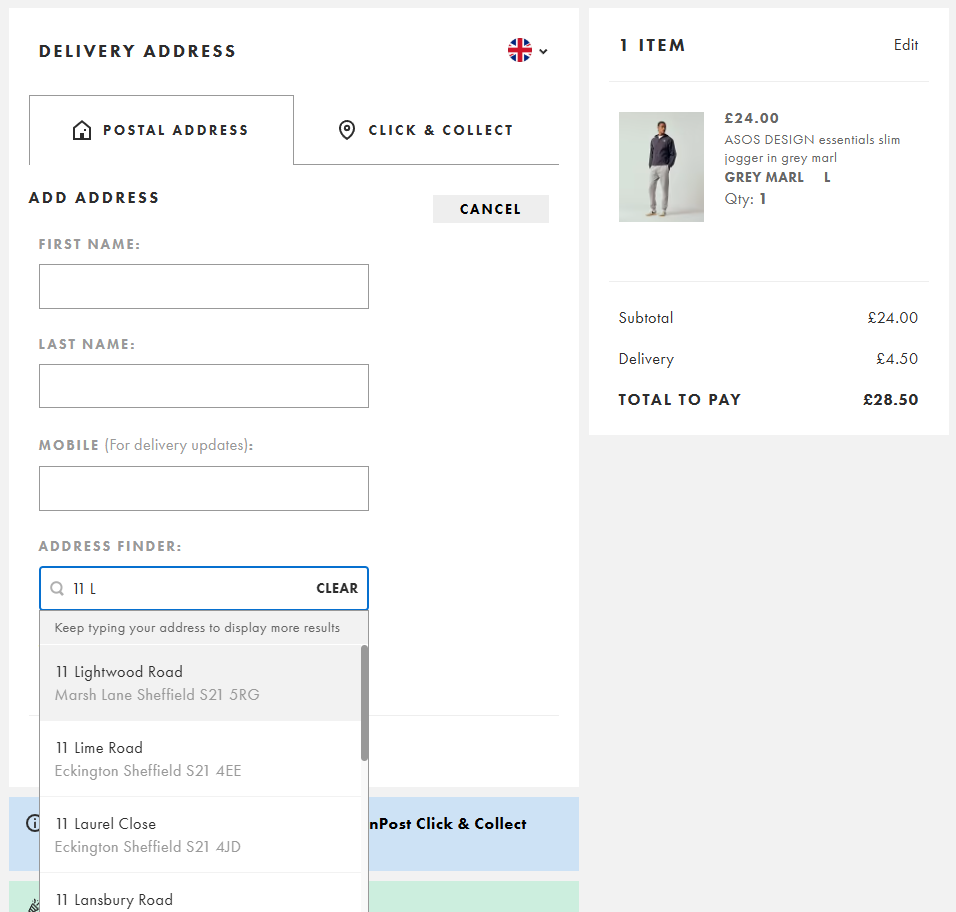
The checkout form itself should be stripped of all non-essential fields. The ideal form length is generally considered to be between seven and eight fields. Technical enhancements such as address autocomplete (using the Google Maps API) and automatic credit card type detection can shave seconds off the process, reducing the window for second-guessing.
Payment flexibility has also emerged as a major conversion driver. A study by Stripe found that adding a single relevant payment method can increase conversions by 7.4%. The rise of Buy-Now-Pay-Later (BNPL) services like Affirm, Klarna, and Afterpay has been particularly impactful, with some retailers reporting revenue increases of up to 14% after implementation. These services lower the barrier to entry for high-ticket items by spreading the cost over several installments.
Phase V: Post-Purchase Engagement and Loyalty
The customer journey does not conclude at the “Thank You” page. In fact, the post-purchase phase is the foundation of the Lifetime Value (LTV) metric. Effective CRO includes a robust post-purchase email sequence that begins with an immediate order confirmation and follows up with tracking information.
To turn a one-time buyer into a loyalist, retailers are increasingly turning to structured loyalty programs. By offering points for purchases, referrals, or social media engagement, brands create a “switching cost” that discourages customers from moving to a competitor. These programs should be integrated directly into the user account dashboard, showing clear progress toward the next reward.
Implementation Chronology and Strategic Analysis
The implementation of a CRO program should follow a logical progression to ensure that resources are allocated where they will have the most significant impact.

- Technical Audit: Before making aesthetic changes, a brand must fix broken links, slow loading pages, and mobile display errors.
- User Journey Mapping: Utilizing heatmaps and session recordings (tools such as Crazy Egg or Hotjar) allows retailers to see exactly where users are clicking, scrolling, and dropping off.
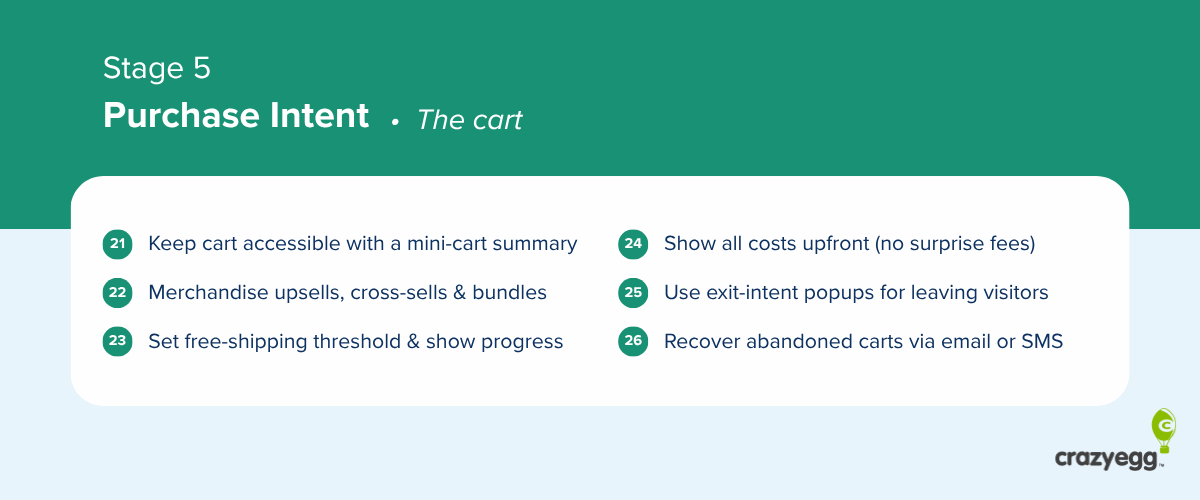
- Heuristic Evaluation: Applying the 30+ point checklist to the homepage, category pages, and PDPs to identify “low-hanging fruit” optimizations.
- A/B Testing: Once the obvious errors are corrected, brands should move into a testing phase. This involves showing two versions of a page to different segments of the audience to see which performs better.
- Iterative Scaling: Successful tests are implemented site-wide, and the data gathered informs the next round of hypotheses.
Broader Implications for the Retail Sector
The shift toward a “conversion-first” mindset reflects a broader professionalization of the e-commerce industry. In the early days of digital retail, growth could be achieved through sheer volume and aggressive ad spend. Today, the market is saturated, and consumer expectations for a seamless, Amazon-like experience are at an all-time high.
From a macroeconomic perspective, the focus on CRO helps insulate businesses against fluctuations in the advertising market. When a brand improves its conversion rate, it effectively lowers its CAC, allowing it to bid more aggressively for traffic than competitors who have not optimized their funnels. This creates a “virtuous cycle” where the most efficient converters eventually dominate their respective niches.
Ultimately, e-commerce CRO is not a one-time project but a continuous discipline of incremental improvement. By systematically addressing friction at every stage of the funnel—from the initial site load to the post-purchase follow-up—retailers can build a resilient digital storefront capable of thriving in an increasingly competitive global marketplace. The data is clear: the brands that prioritize the user experience and remove the barriers to purchase are the ones that will secure long-term loyalty and profitability.







