


The evolution of digital marketing has reached a critical inflection point where the sheer volume of available data often obscures the path to meaningful growth. As organizations navigate an increasingly saturated digital landscape, the discipline of Conversion Rate Optimization (CRO) has shifted from a secondary tactic to a primary strategic necessity. Industry experts now emphasize that effective measurement is not a post-campaign post-mortem but a foundational architecture that must be established before a single visitor reaches a landing page. This shift reflects a broader maturation in the industry, moving away from vanity metrics toward outcome-focused methodologies that align digital behavior with bottom-line revenue.
The Landscape of Modern Conversion Optimization
The current state of digital commerce reveals a widening gap between companies that treat analytics as a static reporting tool and those that utilize it as a dynamic engine for experimentation. According to recent industry benchmarks, the median conversion rate across all industries currently hovers around 6.6%. However, this figure is highly volatile depending on the traffic source and user intent. For instance, email marketing continues to dominate as a high-intent channel with an average conversion rate of 19.3%, significantly outperforming paid social media (12%) and paid search (10.9%).
The challenge for modern marketers lies in the complexity of the customer journey. A conversion is rarely the result of a single interaction; it is the culmination of a series of micro-moments. Therefore, the first step in a sophisticated CRO strategy is the precise definition of success. Industry leaders argue that traditional Key Performance Indicators (KPIs) are often too vague to be actionable. Instead, organizations are moving toward "outcome-focused" goals. Rather than aiming to "improve leads," a strategic goal might be to "increase the trial-to-paid conversion rate for SaaS users by 15% within the third quarter." This level of specificity allows for the backward-mapping of the sales funnel, ensuring that every optimization effort is tethered to a financial outcome.
The Hierarchy of Conversions: Macro vs. Micro
A common pitfall in conversion measurement is the exclusive focus on "macro conversions"—the final purchase or sign-up. While these are the ultimate objectives, they often lack the granularity needed to diagnose why a funnel is failing. Professional CRO frameworks now prioritize the tracking of "micro conversions," which serve as leading indicators of user intent.

These micro-actions include:
- Video views and engagement depth.
- Scroll depth on long-form sales pages.
- Interactions with pricing calculators or product configurators.
- Adding items to a wishlist.
- Clicking through to "About Us" or "Security/Trust" pages.
By monitoring these early signals, marketers can identify where friction begins long before a user abandons the site. If data reveals that users are engaging with a product demo but failing to visit the pricing page, the friction is likely located in the transition between education and evaluation. This granular visibility transforms the conversion funnel from a "black box" into a transparent map of user psychology.
Identifying and Mitigating Data Noise
As privacy regulations like GDPR and CCPA evolve, and browser-level changes such as the deprecation of third-party cookies continue, the quality of data has become more important than the quantity. Google Analytics 4 (GA4) and similar platforms provide a wealth of information, but they also introduce "noise" that can lead to erroneous conclusions.
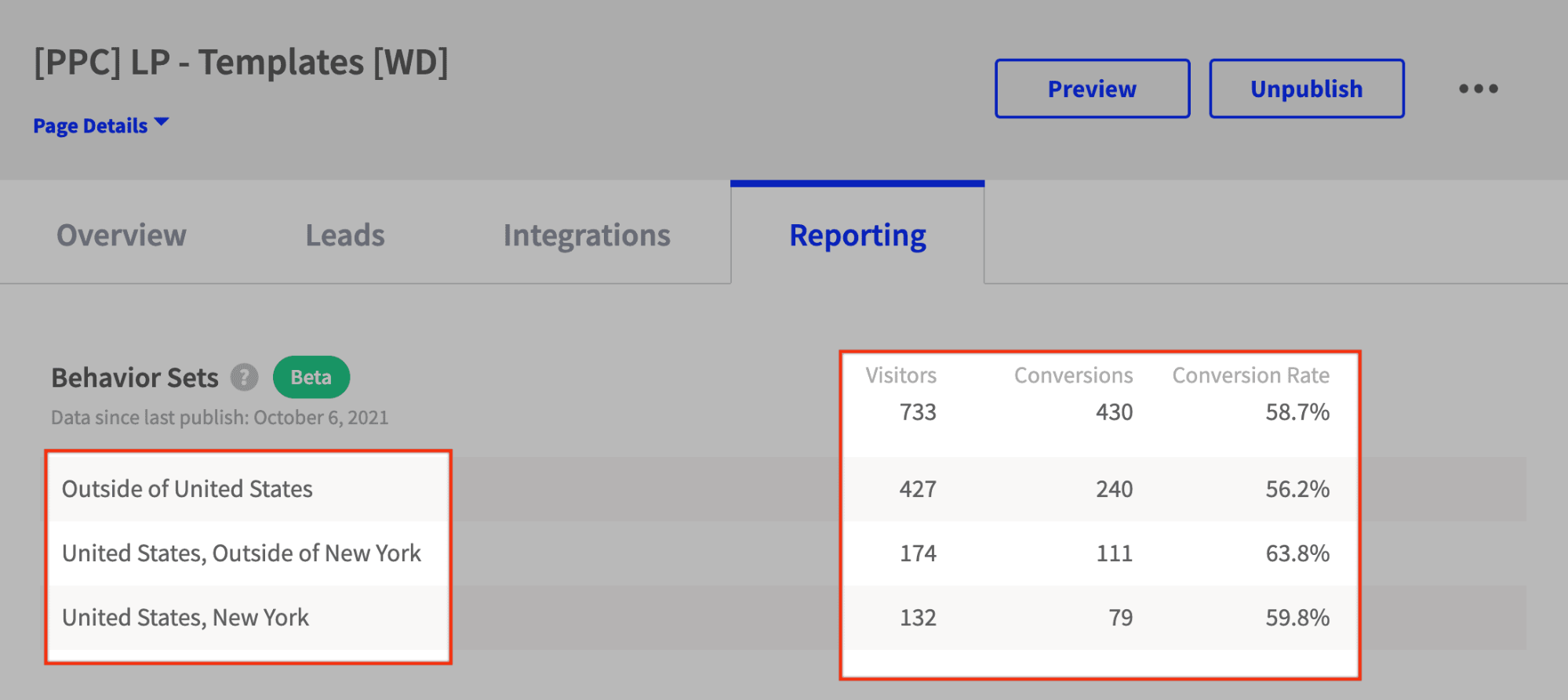
One of the most misinterpreted metrics in the digital space is the bounce rate. High bounce rates are often viewed as a failure, yet in certain contexts—such as a blog post that provides a quick answer or a contact page—a high bounce rate may actually indicate a successful user experience. To combat this, sophisticated analysts employ ruthless segmentation. Data must be broken down by device type, geographic location, traffic source, and user type (new vs. returning).
Recent findings from the 2024 Conversion Benchmark Report highlight the necessity of this segmentation: while 83% of landing page visits now occur on mobile devices, desktop traffic continues to convert at an 8% higher rate. Organizations that fail to segment by device might mistakenly optimize for a "generic" user, ultimately satisfying neither mobile nor desktop audiences. Furthermore, linguistic data shows a -24.3% correlation between word complexity and conversion rates, suggesting that technical jargon is a universal conversion killer regardless of the industry.

The Qualitative Layer: Bridging the Gap Between ‘What’ and ‘Why’
Quantitative data tells a story of what happened, but qualitative data explains why it happened. To build a complete picture of the user experience, CRO professionals integrate behavioral tools such as heatmaps, session recordings, and user surveys.
Heatmaps provide a visual representation of "dead zones" and "hot spots" on a page. They can reveal if users are clicking on non-linked elements—a sign of frustration—or if they are failing to see a primary Call to Action (CTA) because it is buried beneath the fold. Session recordings take this a step further, allowing researchers to witness "rage clicks" or moments of hesitation where a user hovers over a form field but refuses to type.
The "Voice of the Customer" (VoC) is the final piece of the qualitative puzzle. Direct feedback through on-site micro-surveys can uncover specific objections that data alone cannot detect. Common barriers identified through surveys include:
- Lack of clarity regarding shipping costs or timelines.
- Absence of a specific feature the user was looking for.
- Concerns over data security or privacy.
- Price sensitivity relative to perceived value.
The Chronology of a Data-Backed Hypothesis
The hallmark of a mature CRO program is the transition from "throwing ideas at the wall" to a rigorous, hypothesis-driven testing cycle. A valid hypothesis must be grounded in observed data. The industry-standard formula follows a logical progression: "Because we observed [X data], if we change [Y element], we expect [Z metric] to improve."
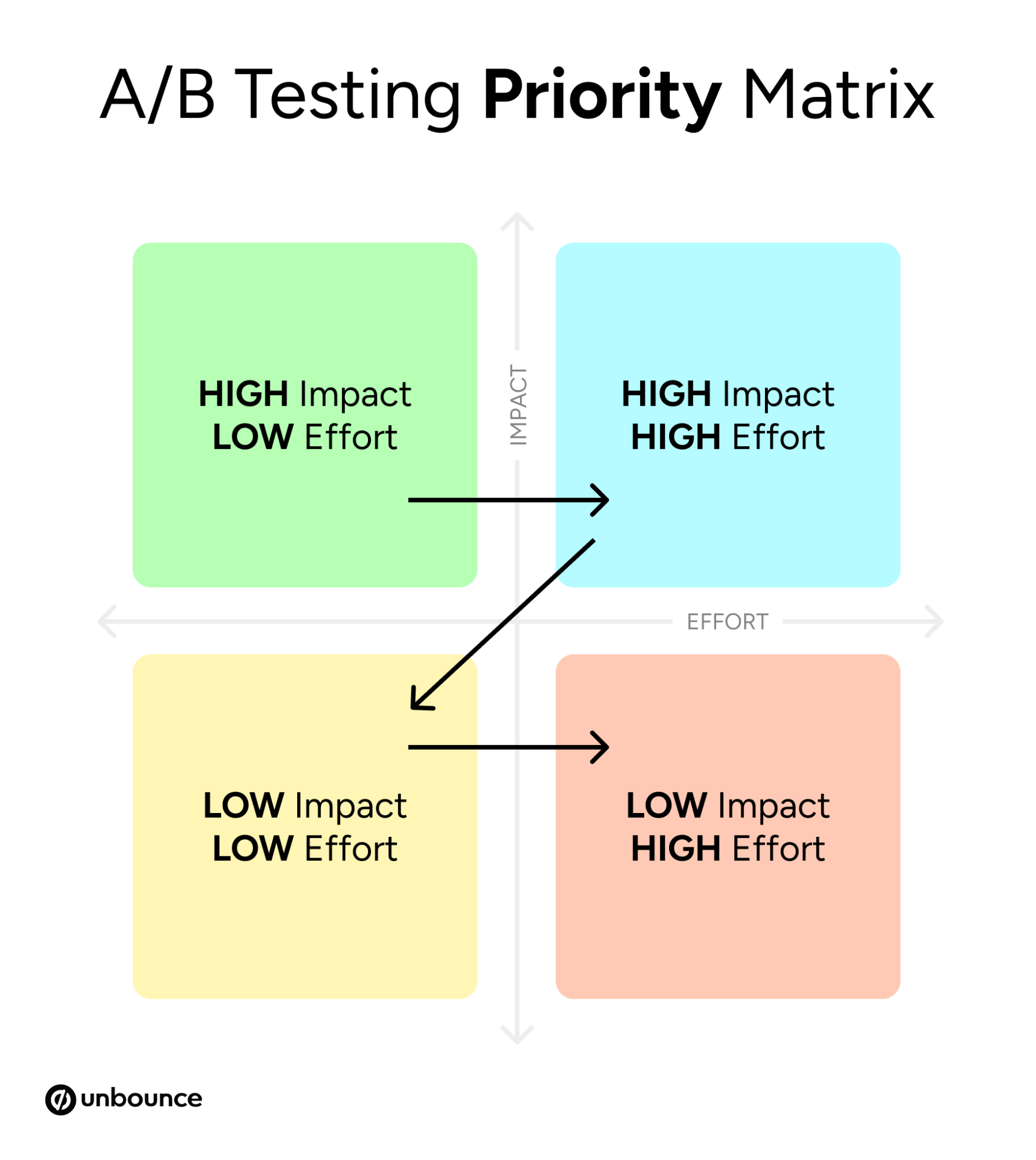
Once a list of hypotheses is generated, they must be prioritized. Many teams use the PIE (Potential, Importance, Ease) or ICE (Impact, Confidence, Ease) frameworks. This prevents the common error of spending weeks on a high-effort, low-impact change while ignoring "low-hanging fruit" that could provide immediate lifts.
The Statistical Rigor of Testing
A significant risk in conversion optimization is the "false positive." Marketers often declare a winner too early based on a slight lead in the first few days of a test. Professional-grade CRO requires statistical significance—usually a 95% confidence level—to ensure that the results are not the product of random chance.
Key principles for rigorous testing include:
- Sufficient Sample Size: Tests must run until they reach a statistically valid number of conversions.
- Duration: Tests should typically run for at least two full business cycles (usually 14 days) to account for "day-of-the-week" fluctuations in user behavior.
- No Mid-Test Changes: Adjusting the test or the traffic sources mid-stream invalidates the data.
- Post-Test Analysis: Even a losing test provides value by proving that a specific variable does not influence the user’s decision-making process.
Building a Culture of Continuous Experimentation
The ultimate goal of CRO measurement is the creation of an "optimization habit." The most successful digital enterprises treat experimentation as a core business function rather than a one-off project. This "CRO Flywheel" involves a continuous loop of gathering data, forming hypotheses, testing, analyzing, and then documenting the learning to inform the next cycle.
The implications of this systematic approach are profound. When an organization improves its conversion rate by just 5% every month, the compounding effect leads to a nearly 80% increase in annual conversions. This efficiency allows companies to scale their advertising spend more aggressively, as their "cost per acquisition" (CPA) decreases relative to the lifetime value of the customer.
The Future of CRO: Integration and Automation
Looking ahead to 2025 and beyond, the toolkit for CRO is becoming increasingly integrated. The era of cobbling together disparate tools for landing pages, A/B testing, heatmaps, and analytics is being replaced by unified platforms. These systems reduce the technical "bottlenecks" that often stall optimization programs, allowing marketing teams to move at the speed of their insights.
Artificial Intelligence is also beginning to play a role in "predictive CRO," where machine learning models can suggest optimizations based on vast datasets of user behavior. However, experts maintain that AI is a co-pilot, not a replacement for human empathy and strategic oversight. The core of conversion optimization remains a human-centric endeavor: understanding what a person needs at a specific moment and removing the obstacles that prevent them from obtaining it.
In conclusion, the path to sustained digital growth is paved with data, but it is navigated through rigorous measurement and a commitment to the scientific method. By defining clear outcomes, filtering out noise, and balancing quantitative data with qualitative insights, organizations can transform their digital presence from a static storefront into a high-performance conversion engine. The difference between those who guess and those who grow is the discipline of their measurement.







