


The landscape of global digital commerce is undergoing a fundamental shift as businesses move away from purely data-driven frameworks toward a more holistic, mindset-oriented approach to growth. This evolution is particularly evident in the 24th installment of the CRO Perspectives series, which features Mayowa Aderogbin, the Head of Business Marketing at Pierrine Consulting in Nigeria. Aderogbin’s insights provide a critical examination of how businesses can leverage Conversion Rate Optimization (CRO), product marketing, and technological integration to drive scalable growth in increasingly complex and non-linear market environments. As the digital economy in Africa continues to expand—with internet penetration in Nigeria alone reaching approximately 55% as of 2023—the strategies employed by local leaders offer a blueprint for navigating high-growth, high-volatility regions.
The Strategic Convergence of B2B and B2C Experiences
Historically, Business-to-Business (B2B) and Business-to-Consumer (B2C) marketing strategies were viewed as distinct disciplines. B2C was characterized by emotional engagement and rapid gratification, while B2B focused on cold ROI calculations and functional utility. However, current market data suggests a significant convergence. Aderogbin notes that the B2B buyer is no longer satisfied with purely transactional interfaces; they now demand the same level of intuitive design and brand resonance found in consumer-facing products.
In the African market, this shift is driven by a younger, tech-savvy workforce that brings B2C expectations into the professional sphere. As more B2B products cover the functional basics and integrations become standardized, the competitive advantage shifts toward “experience-led propositions.” This requires a product marketing strategy that prioritizes user-centricity and iterative design, ensuring that the ROI clarity of a B2B service is delivered through a seamless, engaging user experience.

Managing Experimentation in Non-Linear User Journeys
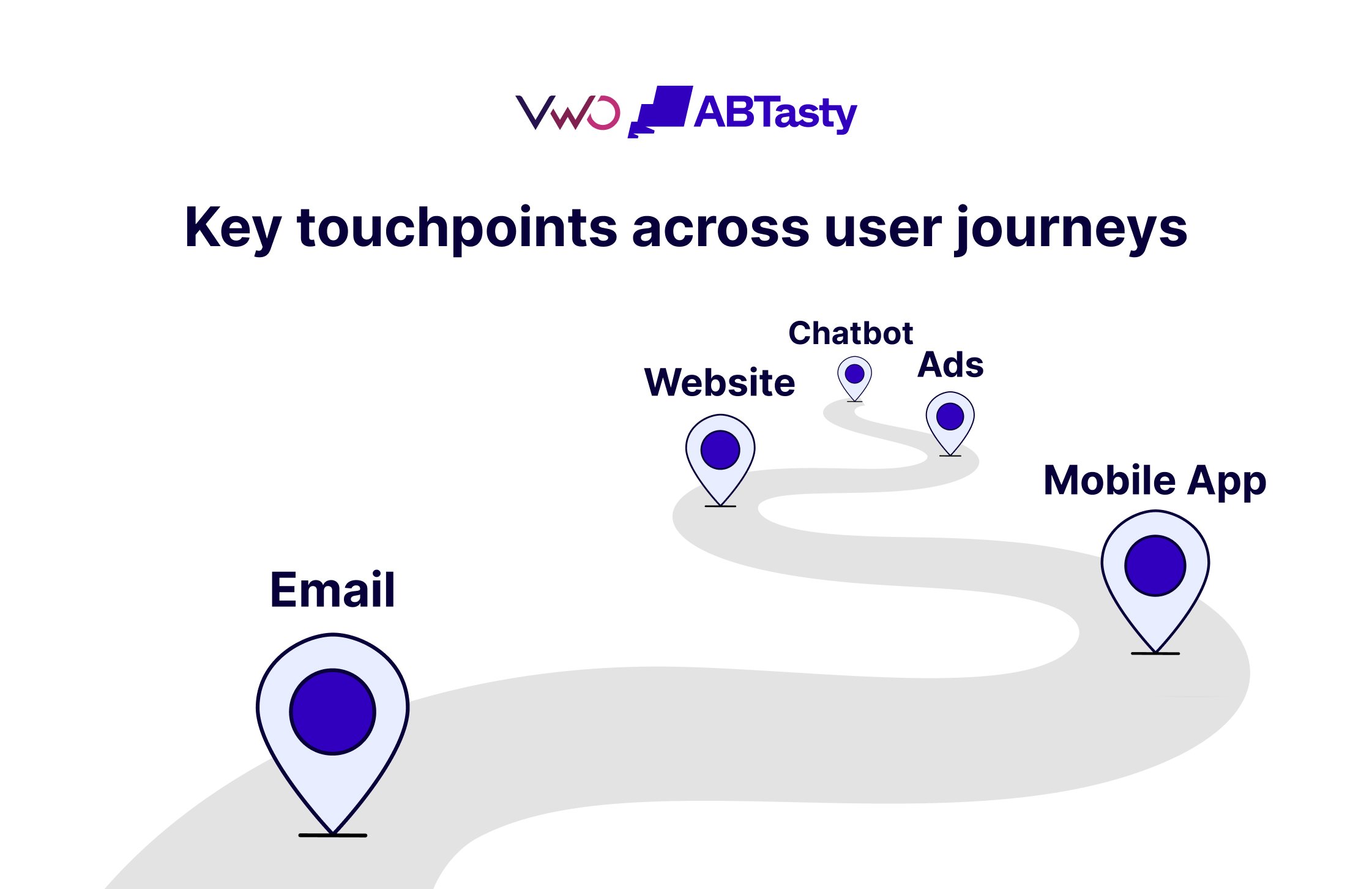
The modern path to purchase is rarely a straight line. Users interact with brands across multiple devices, platforms, and touchpoints, creating what Aderogbin describes as a “hydra-headed journey.” To capture this complexity, marketing teams are moving toward the implementation of unified data lakes. These systems are designed to aggregate cross-device behavior, allowing for a more granular understanding of the messy journeys that characterize modern commerce.
However, the pursuit of data must be balanced with operational agility. The “over-teching” of marketing departments has become a significant barrier to efficiency. Aderogbin advocates for a “nimble” approach, starting with high-value data sources—such as website analytics, CRM data, and sales figures—rather than attempting to integrate every available metric at once. This strategy is particularly relevant for small to medium-sized enterprises (SMEs) where resource constraints are a constant factor. By establishing clear data governance, consistent naming conventions, and documented reporting standards, organizations can build a foundation for experimentation that is scalable and easily transferable across teams.
At Pierrine Consulting, this methodology was applied to their own digital presence. By testing social proof and urgency on lead magnet landing pages, the team discovered that in the consulting and knowledge sector, resource quality often outweighs aggressive marketing tactics. Furthermore, by transforming their homepage from a static corporate brochure into an “insight hub,” they observed that user journeys originating from the homepage resulted in a 20% higher conversion rate on lead generation pages.
The Integration of Performance Marketing and CRO
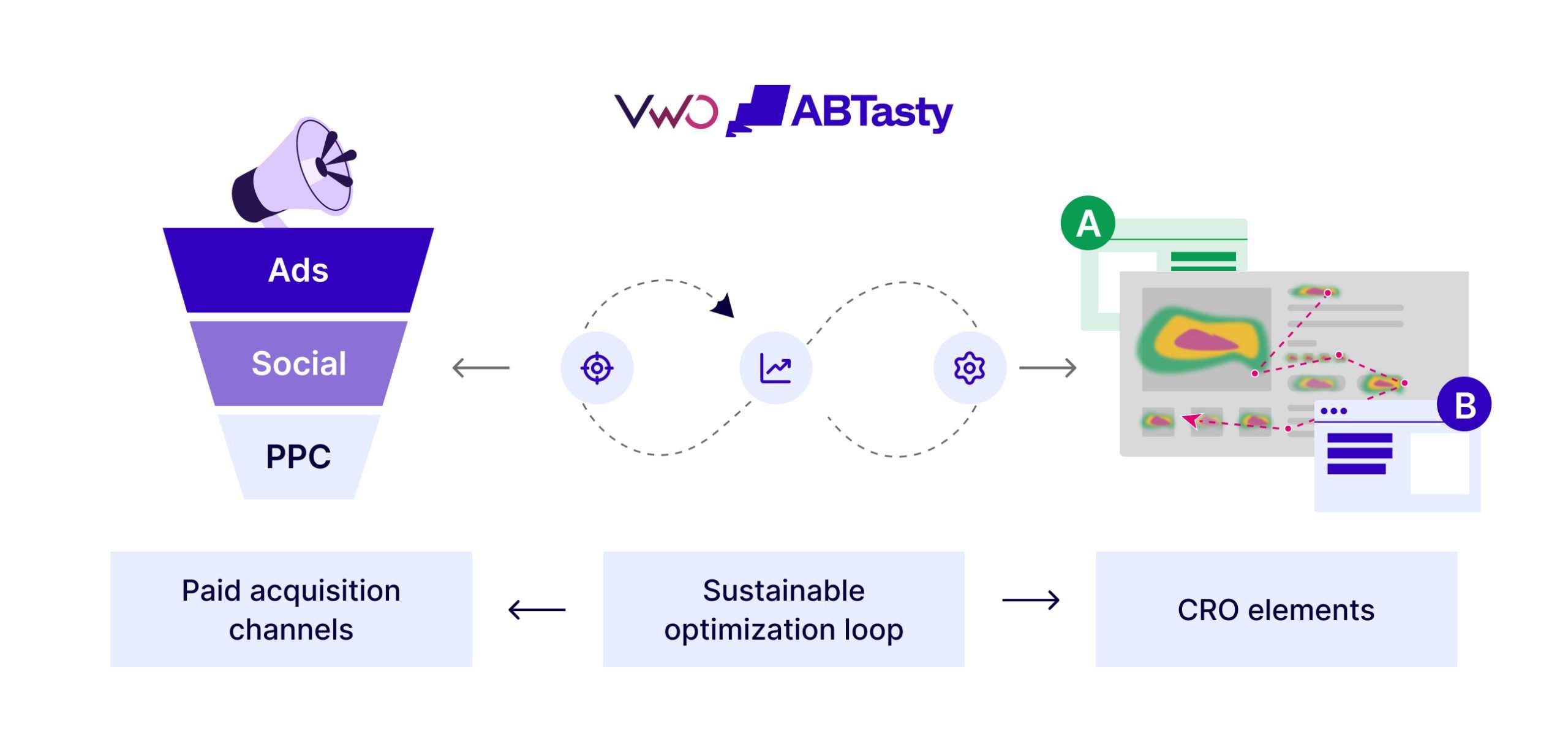
One of the most significant shifts in modern marketing is the required synergy between performance marketing and CRO. Performance marketing has traditionally focused on “quick wins” and immediate lead generation through paid advertising. However, Aderogbin argues that for these functions to remain sustainable, they must evolve beyond a reliance on constant ad spend.

The integration of User Experience (UX) testing and persona-informed content into performance campaigns allows for a reduction in acquisition costs while optimizing ROI. This “Sales Action Review” approach ensures that performance marketing teams are held accountable not just for lead volume, but for lead quality and eventual commercial outcomes. By refining messaging based on visitor behavior and testing shorter, testimonial-led landing pages, Pierrine Consulting was able to significantly increase their Sales Qualified Leads (SQLs), bridging the gap between initial interest and final conversion.
Regional Nuances: Experimentation in the African Context
The African continent presents a unique set of challenges and opportunities for growth professionals. Africa is one of the most heterogeneous regions on Earth, requiring localized insights rather than “globally assumed” strategies. Three primary factors define the experimentation landscape in this region:
- Connectivity and Infrastructure: Disparities in internet speed and data costs necessitate lightweight, optimized web experiences.
- Mobile-First Dominance: With the vast majority of users accessing the internet via mobile devices, testing must be mobile-centric from the outset.
- Cultural Heterogeneity: Diverse behavioral nuances mean that a strategy successful in Lagos may not resonate in Nairobi or Johannesburg.
In many African markets, experimentation is often viewed as a luxury rather than a core business strategy. This is frequently due to an overreliance on the “Highest Paid Person’s Opinion” (HiPPO) and a lack of unified data systems. Aderogbin suggests that reframing experimentation as a “risk mitigation tool” can help increase institutional adoption. By proving that testing reduces the likelihood of costly failures, marketing teams can secure the buy-in necessary to build a culture of data-driven decision-making.
The Role of Artificial Intelligence in Modern Growth
The advent of Artificial Intelligence (AI) has transformed experimentation from a manual, episodic task into a continuous, background process. AI tools are now used for predictive journey modeling, sentiment analysis, and the rapid generation of content variants for A/B testing.
Aderogbin characterizes AI as an “unpaid intern and co-pilot,” particularly effective in processing and analytical tasks. By using AI to identify recurring themes in user feedback and behavioral data, teams can generate insights much faster than through manual analysis. However, a distinction remains between analytical and creative output. The prevailing consensus among growth leaders is that while AI should handle the “backend work” of data processing, the final output must remain “thoroughly human” to maintain brand authenticity and emotional resonance.
Technological Barriers and the “Mindset” of Testing
A common pitfall for modern marketing departments is the acquisition of a “bloated” tech stack. The presence of best-in-class tools does not guarantee success if integration challenges prevent the actual shipping of tests. The ideal tech stack is one that is lightweight, flexible, and interoperable.
The industry is seeing a shift toward low-code testing solutions that plug easily into existing CRM and analytics systems. This allows for faster insights and reduces the burden on technical teams. More importantly, Aderogbin emphasizes that testing is a mindset rather than a collection of tools. It requires “grit” and the boldness to face unpleasant results without “playing the ostrich.” The ability to treat failures as fuel and diplomatically communicate those failures to stakeholders is a critical skill for any growth professional.
Long-term Implications: Depth Over Width
As the field of CRO continues to mature, there is a growing realization that “depth beats width.” In an era of fragmented attention and high data costs, vanity metrics such as viral reach are increasingly viewed as less valuable than precise engagement. A campaign that speaks deeply to a targeted audience of 1,000 high-intent individuals is often more impactful than a viral campaign that reaches 100,000 casual observers.
This philosophy of precision and empathy is reshaped by the realities of the African market but carries global relevance. The long-term success of a business depends on its ability to build meaningful consumer connections over years, not just weeks. By focusing on sustainable growth levers—such as LTV (Lifetime Value) optimization and lifecycle-based personalization—companies can build a tech-enabled, experiment-driven engine that survives market fluctuations.
In conclusion, the insights from the 24th CRO Perspectives interview underscore a pivotal moment in business marketing. The transition from reactive data collection to proactive, experience-led experimentation is no longer optional. For leaders like Mayowa Aderogbin, the path forward involves a blend of technological proficiency, cultural empathy, and the operational discipline to turn insights into execution. As businesses worldwide look to scale, the lessons learned from the “messy journeys” and resource-constrained environments of emerging markets will likely become the new standard for global best practices.







