

The global digital advertising market has reached a critical inflection point in 2026, characterized by rising acquisition costs and a significant performance gap between platform popularity and actual profitability. According to a comprehensive survey conducted by Instapage involving 1,440 marketing professionals, a stark disconnect has emerged in the digital ecosystem: while 87% of advertisers remain anchored to Google and Meta Ads, only 44% identify Google as their primary performance driver, and a mere 25% cite Facebook as their top-performing channel. This data suggests that the traditional "duopoly" of digital advertising is facing a crisis of efficiency, driven not necessarily by the platforms themselves, but by the increasingly volatile journey that occurs after a user clicks an advertisement.

The financial stakes of this disconnect are substantial. Industry data indicates that the average cost per lead (CPL) has seen a steady upward trajectory, climbing from $66.69 in 2024 to an estimated $70.11 in 2025, with projections for 2026 suggesting further increases as competition for digital inventory intensifies. Consequently, marketers are finding themselves in a defensive position, paying higher premiums for traffic that frequently fails to convert due to technical friction and messaging misalignment.
The Evolution of Digital Advertising: A 2024–2026 Chronology
The current state of the market is the result of a multi-year shift in privacy regulations, consumer behavior, and technological standards. In 2024, the industry grappled with the initial stages of third-party cookie deprecation, a move led by Google Chrome that was delayed several times before reaching its current state in 2026. This transition forced a fundamental pivot toward first-party data collection and server-side tracking.
By 2025, the impact of Apple’s App Tracking Transparency (ATT) had fully matured, significantly limiting the granular tracking capabilities of social media platforms like Meta. This led to the rise of AI-driven automation tools, such as Meta’s Advantage+ and Google’s Performance Max, which shifted the advertiser’s role from manual targeting to creative orchestration. Now, in 2026, the focus has moved beyond the "click" to the "conversion," as the marginal gains from ad-side optimization have plateaued, leaving the post-click experience as the final frontier for Return on Ad Spend (ROAS) improvement.
Analyzing the Primary Advertising Pillars: Google and Meta
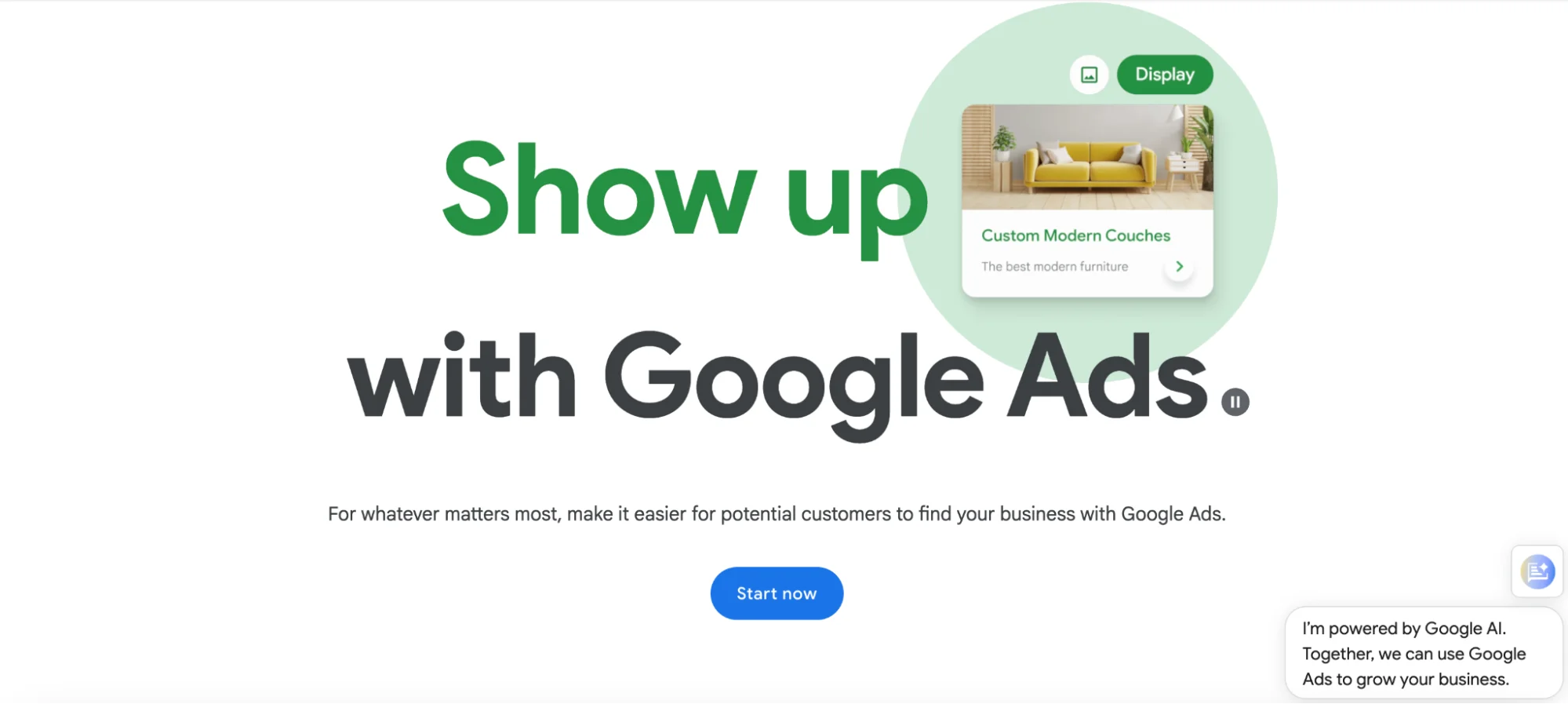
Despite the emergence of new players, Google and Meta remain the foundation of most digital marketing strategies due to their unparalleled reach and sophisticated algorithmic targeting. Google Ads continues to dominate the search landscape, capturing over 90% of global search traffic. The platform’s strength lies in its ability to intercept high-intent users at the exact moment of discovery or purchase. Through search ads, YouTube video placements, and the Google Display Network, it offers a full-funnel approach. However, the platform’s "Quality Score" mechanism—a metric that factors in ad relevance and landing page experience—has become more punitive. Advertisers with slow-loading or irrelevant landing pages are now seeing significantly higher CPCs (Cost Per Click) than their optimized counterparts.
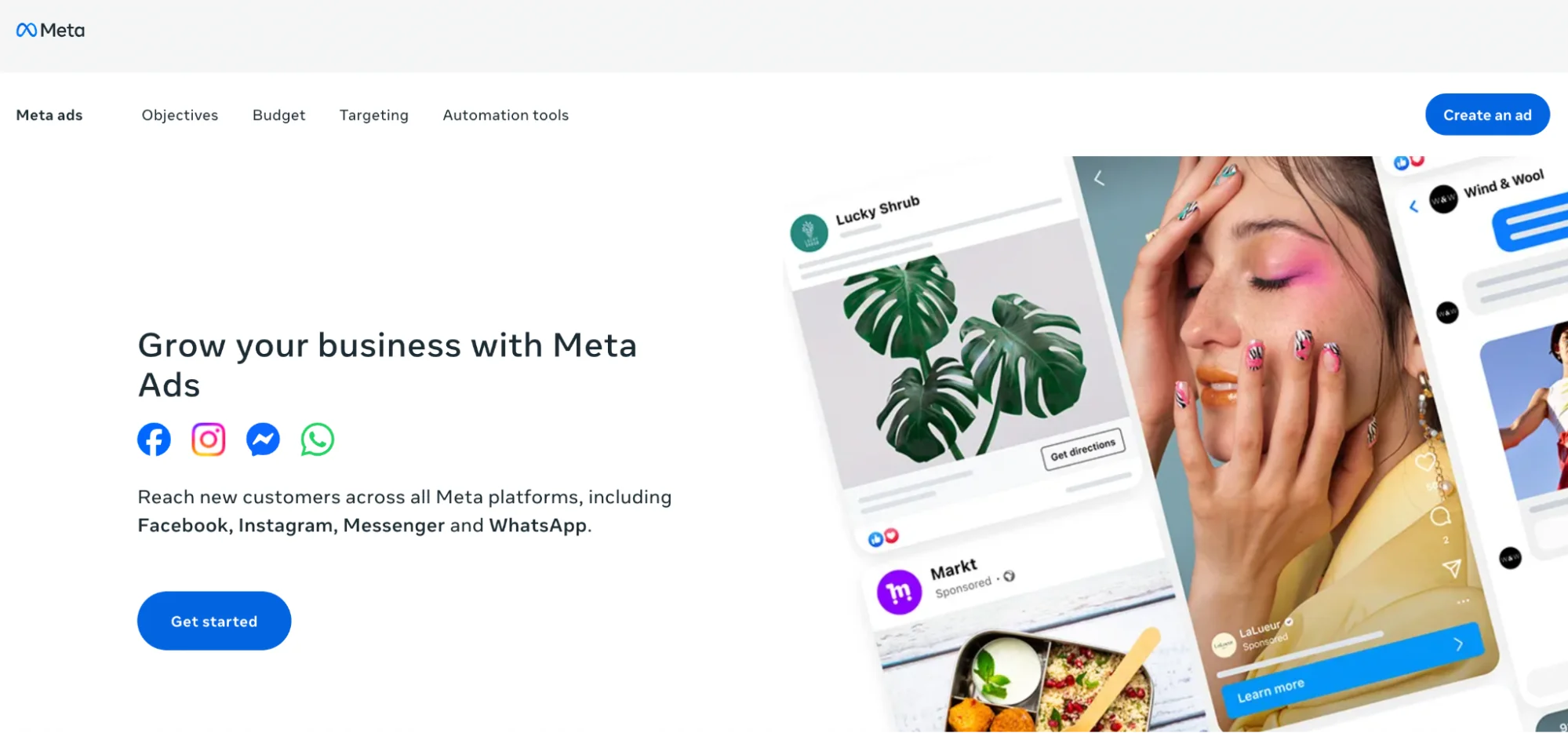
Meta Ads, encompassing Facebook and Instagram, remains the gold standard for audience-based targeting. While only 9% of marketers in the Instapage survey reported Instagram as their top-performing platform, its role in brand discovery and middle-funnel engagement is undisputed. The platform has successfully transitioned toward broader audience targeting and "lookalike" modeling to compensate for the loss of individual-level tracking data. Industry analysts note that Meta’s success in 2026 is increasingly tied to "native-feeling" creative content, particularly within Reels and Stories, which bypasses traditional "ad blindness" among younger demographics.
The Rapid Ascent of TikTok and Diversified Social Channels
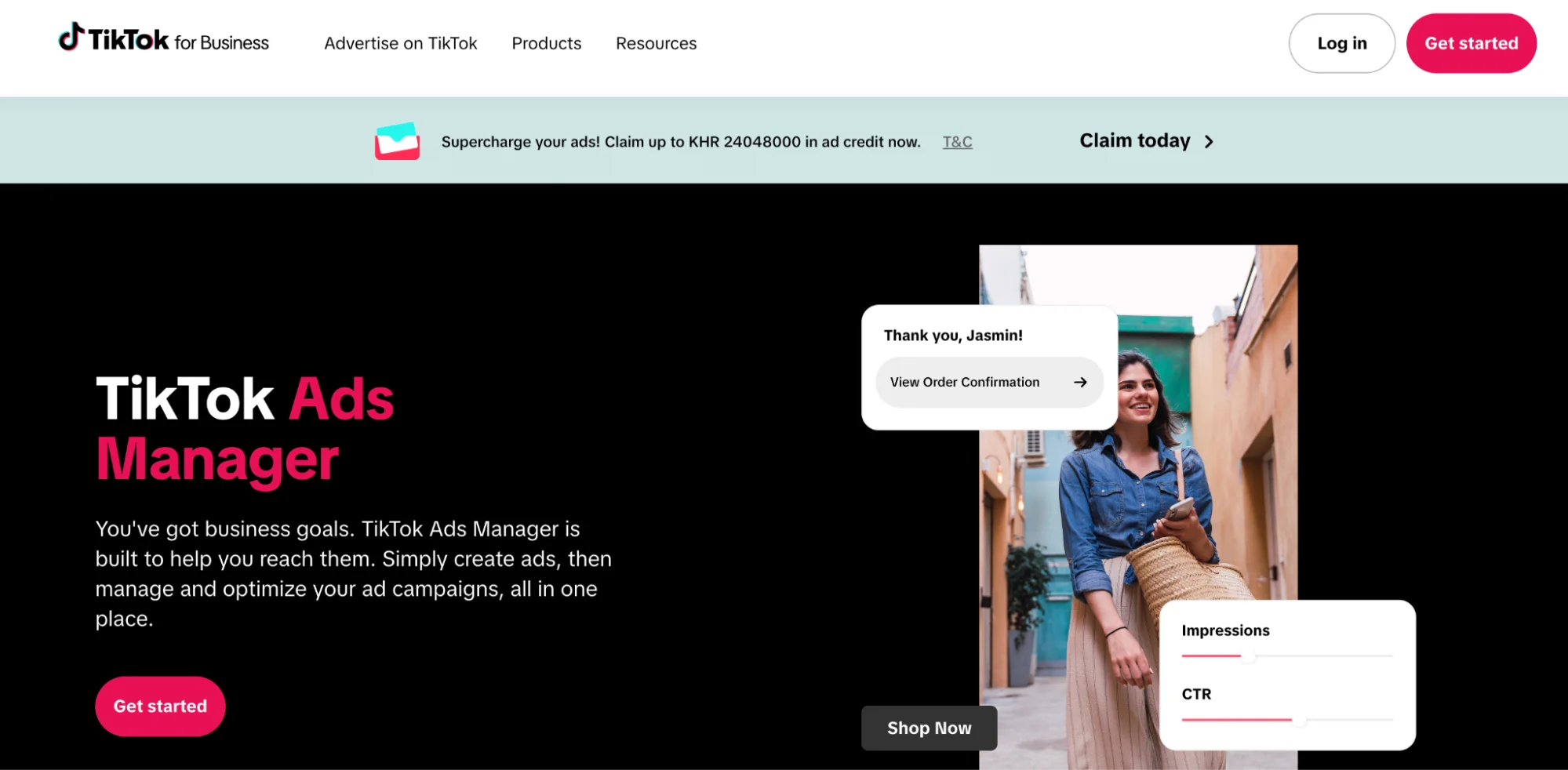
One of the most significant shifts identified in recent market research is the planned adoption of TikTok Ads. Approximately 25% of marketers surveyed indicated an intent to integrate TikTok into their 2026 budgets, positioning it as the primary challenger to the Meta-Google duopoly. TikTok’s algorithm, which prioritizes engagement over follower counts, has created a unique environment where newer brands can achieve viral reach without the massive legacy budgets required on older platforms.
Beyond TikTok, other social platforms have carved out specialized niches that offer higher ROAS for specific industries:
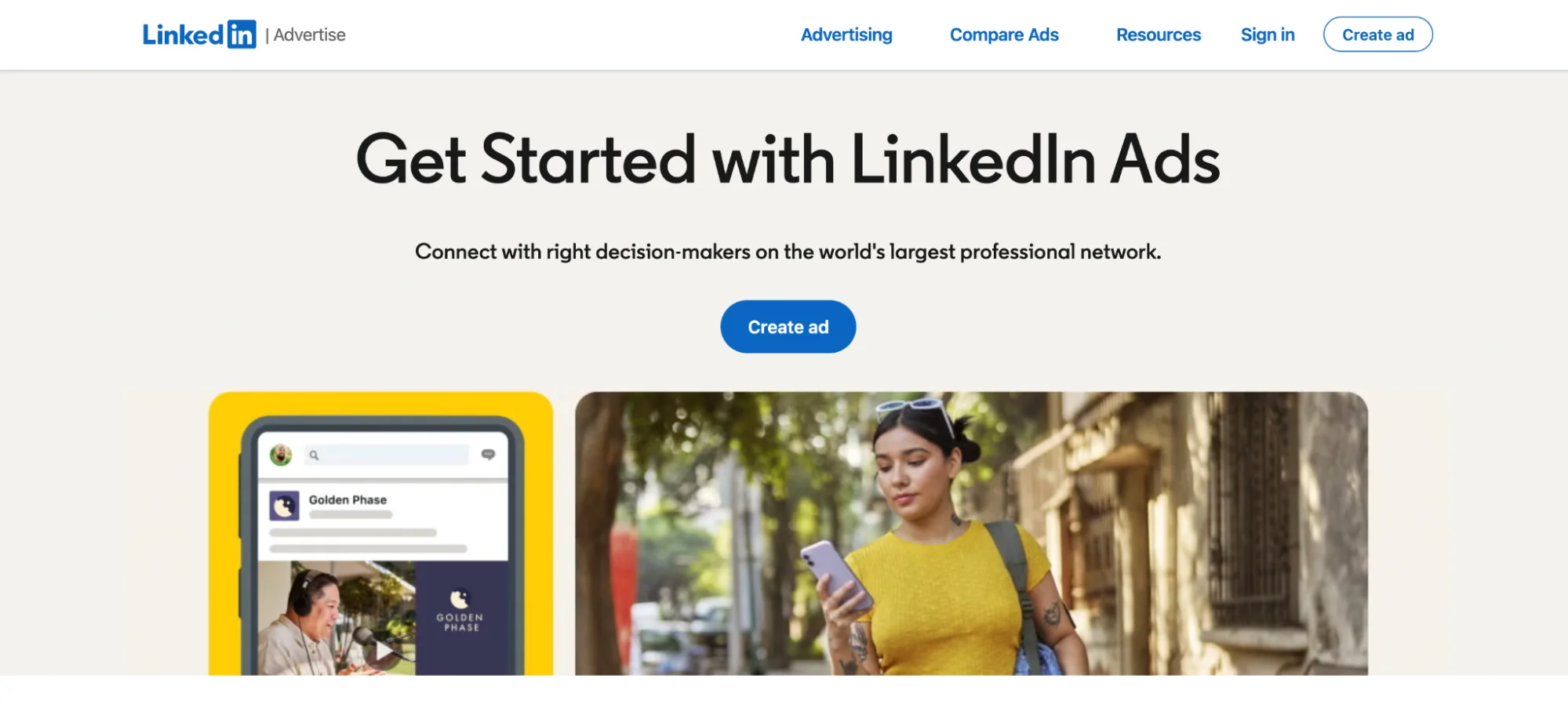
- LinkedIn Ads: Remains the indispensable tool for B2B enterprises. By allowing targeting based on professional attributes such as job title, company size, and industry, it reaches decision-makers with a precision that consumer-focused platforms cannot match.
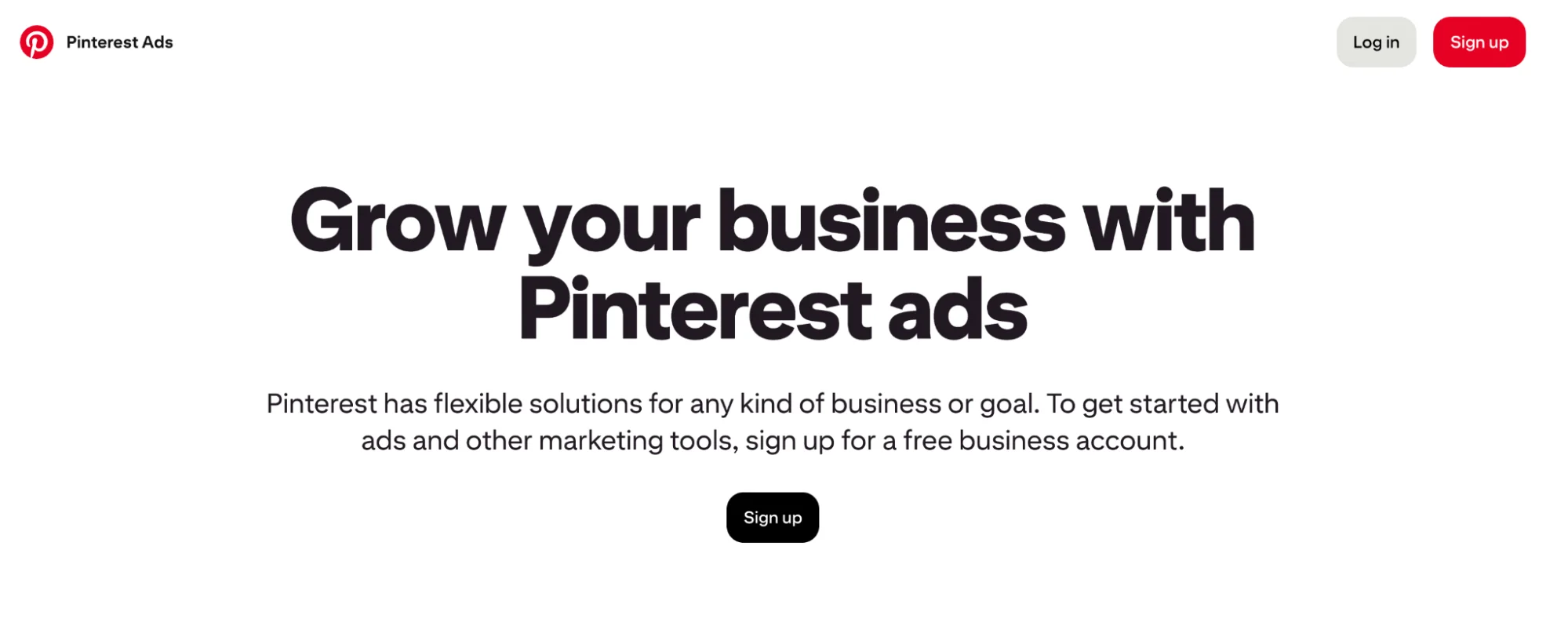
- Pinterest Ads: Continues to be a powerhouse for visual and aspirational retail. Because users utilize Pinterest for planning (weddings, home renovations, fashion), the platform captures intent early in the consumer journey, often resulting in a longer content lifespan for ads compared to the ephemeral nature of Twitter or Instagram.
The Emergence of Retail Media and Alternative Search
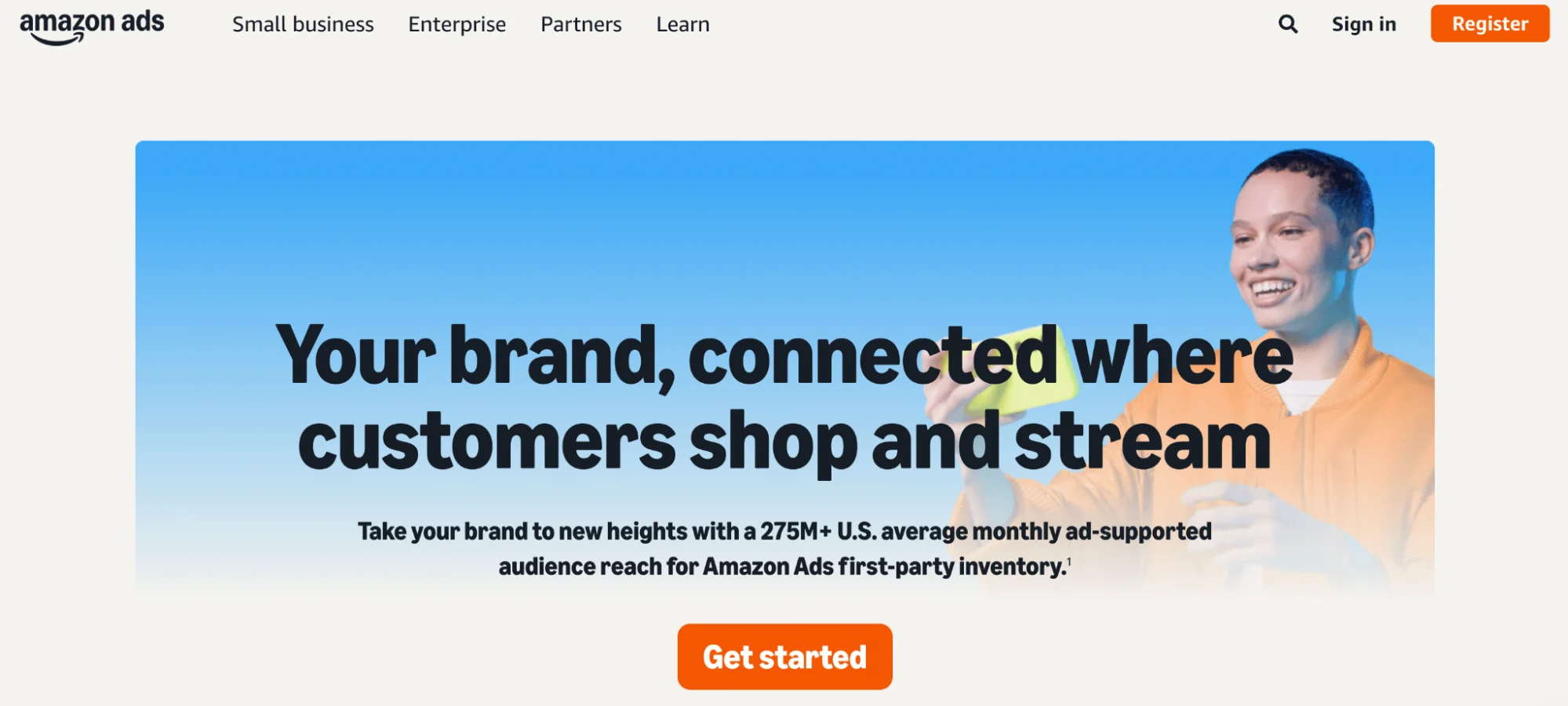
As the "Open Web" becomes more fragmented, Amazon Ads has emerged as a dominant force in ecommerce. Amazon reports that advertisers typically see a 34% growth in sales within just four weeks of launching Sponsored Products campaigns. The platform’s advantage is its position at the very bottom of the sales funnel; users on Amazon are not browsing—they are shopping.
Simultaneously, Microsoft Advertising (Bing) has seen a resurgence. With CPCs often 30-50% lower than Google Ads, it offers a cost-effective alternative for reaching an older, more affluent demographic that frequently uses default desktop browsers in corporate environments. The ability to import Google Ads campaigns directly into the Microsoft environment has lowered the barrier to entry for small and medium-sized businesses looking to diversify their spend.
The Technical Crisis: Why Ads Fail Post-Click
The most critical finding for 2026 is that the primary cause of low ROAS is no longer the ad itself, but the technical performance of the landing page. Data shows that a mere 1-second delay in mobile page load time can reduce conversion rates by up to 20%. With the average mobile landing page taking 4 seconds to load, many businesses are losing nearly half of their potential customers before the page even renders.
"Message mismatch" further compounds this issue. This occurs when the promise made in the ad (e.g., "50% off all shoes") does not immediately and clearly align with the headline of the landing page. In an era of shrinking attention spans, any cognitive dissonance during the transition from ad to page results in an immediate bounce. Industry experts emphasize that the ad, the landing page headline, and the call-to-action (CTA) must form a single, coherent narrative to maintain the "scent of the click."
Privacy, Compliance, and the First-Party Data Mandate
The regulatory environment in 2026 is more stringent than ever. Marketers must now navigate a complex web of international laws, including the GDPR in Europe, the CCPA/CPRA in California, and similar frameworks in Canada (PIPEDA) and Brazil (LGPD). Failure to implement a robust Consent Management Platform (CMP) not only risks heavy legal penalties but also renders ad platform pixels unreliable.
The industry’s response has been a massive investment in first-party data strategies. This involves:
- Lead Magnets: Offering high-value content or discounts in exchange for email addresses.
- Server-Side Tracking: Implementing tools like Google Tag Manager Server-side or Meta’s Conversions API (CAPI) to bypass browser-level blocking.
- CDPs (Customer Data Platforms): Unifying fragmented data from web, email, and CRM systems to create a "single source of truth" for customer behavior.
Strategic Framework for 2026 Budget Allocation
For organizations looking to optimize their digital presence in this high-cost environment, analysts recommend a five-step decision framework:
- Goal Alignment: Use search platforms (Google/Microsoft) for high-intent lead generation and social platforms (Meta/TikTok) for awareness and discovery.
- Creative Resource Matching: Only enter platforms like TikTok if the organization can produce native-looking, high-frequency video content.
- Post-Click Optimization: Prioritize page speed and message match over ad-side testing. A 10% improvement in landing page conversion often yields a higher ROAS than a 10% decrease in CPC.
- Geographic and Demographic Control: Use granular targeting to prevent budget exhaustion in low-converting segments.
- Measurement Maturity: Focus on 2-3 core platforms with integrated tracking rather than spreading a budget thin across five or more channels without accurate attribution.
Conclusion: The Path Forward
The digital advertising landscape of 2026 demands a shift in perspective. As the cost of attention continues to rise, the most successful firms will be those that view the ad click as the beginning of the customer relationship, not the end of the marketing task. By bridging the gap between high-intent ad targeting and a frictionless, personalized post-click experience, businesses can reclaim their margins and drive sustainable growth in an increasingly competitive digital economy. The focus for the remainder of the decade is clear: efficiency is no longer found in the ad auction, but in the experience that follows.







