Substack stands as a pivotal publishing platform, uniquely integrating a blog, email newsletter delivery, and paid subscription models, empowering creators to monetize their content directly and build dedicated audiences. Launched in 2017, it has evolved from a simple newsletter tool into a multifaceted content hub, supporting diverse formats from text and images to podcasts and video, alongside robust community engagement features. This comprehensive guide explores Substack’s functionality, historical development, economic model, user base, and strategic implications for both independent creators and established brands in the evolving digital landscape.

The Genesis and Evolution of a Direct-to-Audience Model
The emergence of Substack in 2017 by founders Chris Best, Hamish McKenzie, and Jairaj Sethi in San Francisco was a direct response to a shifting digital media environment. At the time, independent journalists and writers often grappled with diminishing ad revenues on traditional platforms and the opaque algorithms of social media, which dictated audience reach. There was a growing desire among creators to own their reader relationships and monetize their work without intermediaries. Substack’s initial premise was elegantly simple: provide a unified solution for publishing, email distribution, and payment processing, thereby removing the technical and logistical hurdles faced by independent creators.

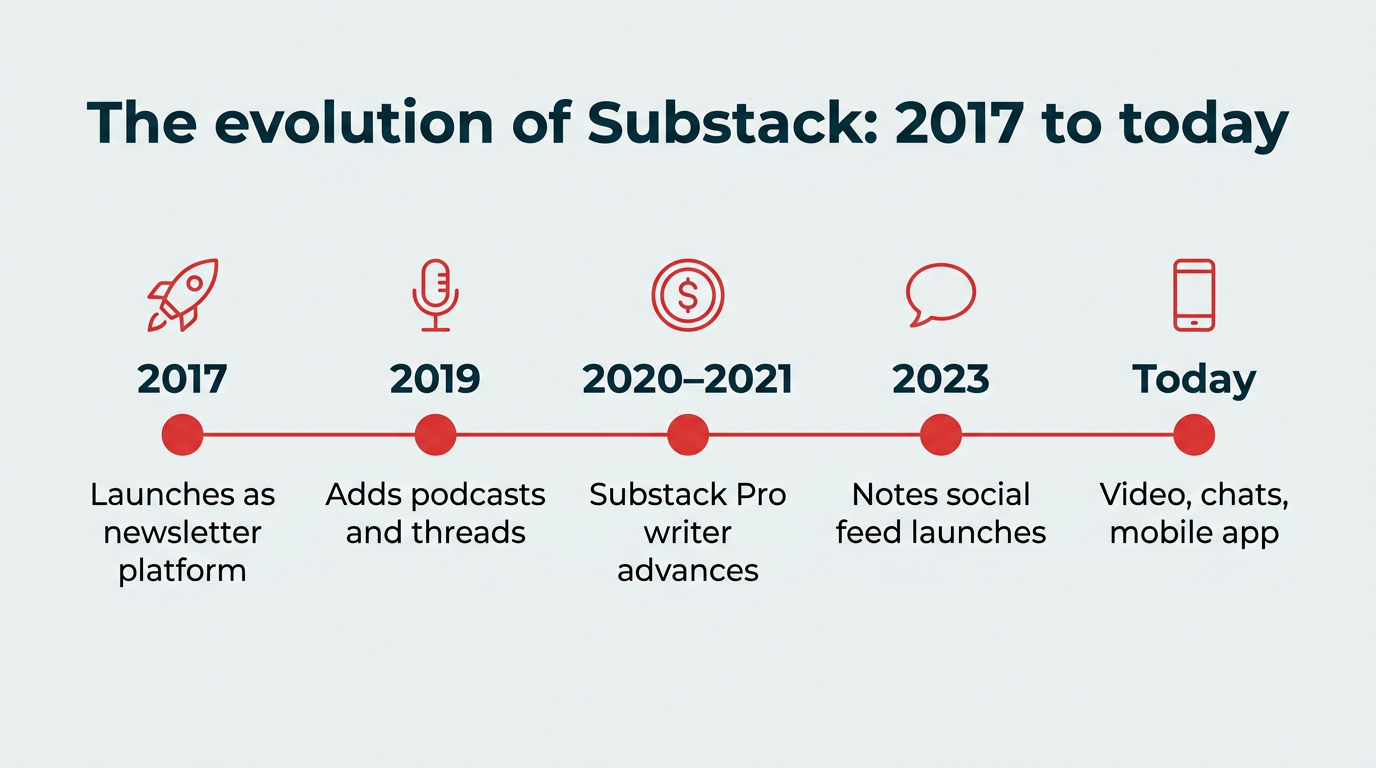
The platform’s growth trajectory reflects a continuous adaptation to creator needs and market trends. Key milestones illustrate this evolution:
- 2017 Launch: Substack debuted as a streamlined platform primarily focused on paid email newsletters, attracting early adopters among independent journalists seeking autonomy.
- 2019 Feature Expansion: Recognizing the demand for richer content experiences and community interaction, Substack introduced podcasts and "threads" (early forum-like features), expanding beyond purely text-based newsletters.
- 2020-2021 Growth Surge and Substack Pro: The platform experienced significant acceleration during the global pandemic, as more creators sought direct monetization channels. The introduction of the "Substack Pro" program, offering advances to select writers in exchange for a larger revenue share for an initial period, further fueled its growth and attracted high-profile talent, signaling its ambition to challenge traditional media outlets.
- 2023 Notes Launch: A significant development was the introduction of "Notes," a short-form social feed akin to X (formerly Twitter), allowing creators and readers to share brief posts, links, quotes, and images. This move blurred the lines between a publishing platform and a social network, aiming to enhance discovery and community interaction within the Substack ecosystem.
- Ongoing Innovations: More recently, Substack has continued to add features like integrated video hosting, real-time chat functionalities, and a dedicated mobile application, further solidifying its position as a comprehensive content platform. These additions underscore its commitment to supporting a wide array of multimedia creators and enhancing the user experience for readers who can now access all their subscribed publications in one centralized feed.
This chronological expansion highlights Substack’s strategic intent to build a robust creator ecosystem that supports diverse content formats and fosters direct engagement, moving well beyond its initial scope as a basic newsletter service.
How Substack Functions: An Integrated Creator Workflow
Substack operates as an all-in-one system, seamlessly merging publishing tools, email delivery services, and a payment infrastructure. For a creator, the process is designed for efficiency and direct audience connection:
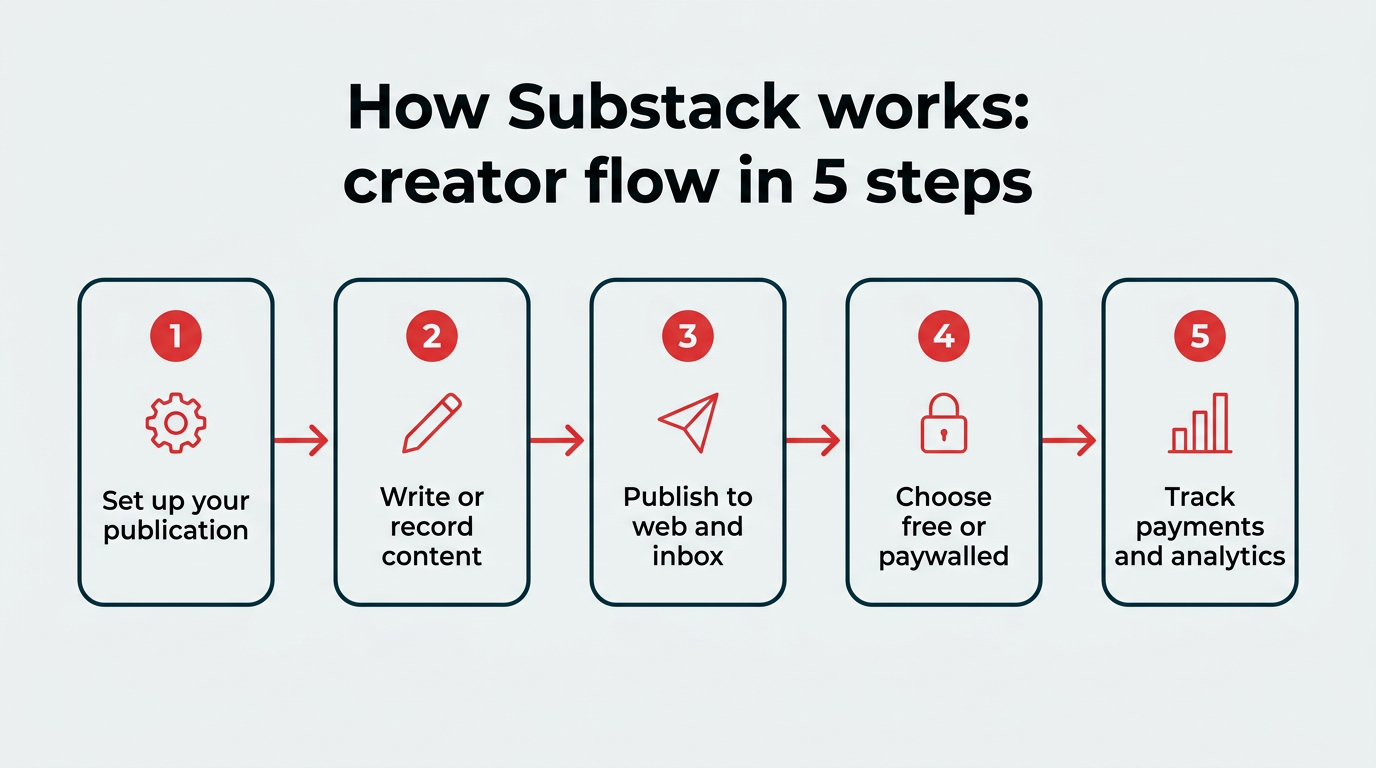
- Publication Setup: Creators begin by establishing their publication, choosing a name, description, and visual identity.
- Content Creation: Utilizing Substack’s intuitive editor, creators can produce various content types, including long-form articles, short posts, podcasts, videos, and audio clips. The platform’s multimedia support removes the need for creators to integrate disparate tools.
- Publishing and Distribution: Once content is ready, it can be published simultaneously to the creator’s dedicated web presence on Substack and delivered directly to subscribers’ email inboxes. This dual distribution ensures maximum reach.
- Monetization Strategy: Creators decide whether content is offered for free, behind a paywall, or a hybrid model. This flexibility allows for nurturing a free audience while rewarding paying subscribers with exclusive content.
- Payment and Analytics: Substack manages all payment processing through Stripe and provides creators with dashboards to track subscriber growth, engagement metrics (like open rates), and revenue.
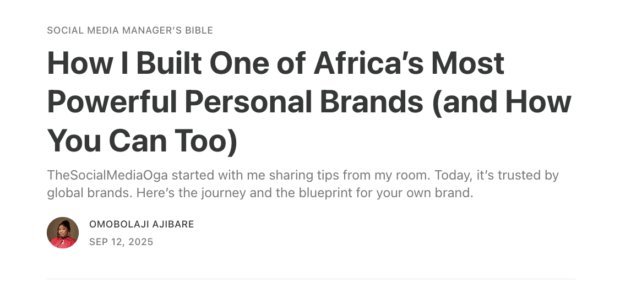
Omobolaji Ajibare, Chief Content Officer of TheSocialMediaOga, a prominent Substack creator with thousands of subscribers, emphasizes the platform’s utility: "I use Substack as an extension of my work as a Social Media Manager, Mentor, and Content Creator. My newsletter, The Social Media Manager Bible, is where I break down strategies, case studies, tools, and lessons that don’t always fit neatly into Instagram carousels or YouTube videos." This illustrates how Substack provides a valuable space for in-depth content that might be constrained by other platforms.
Key Features Driving Creator Success
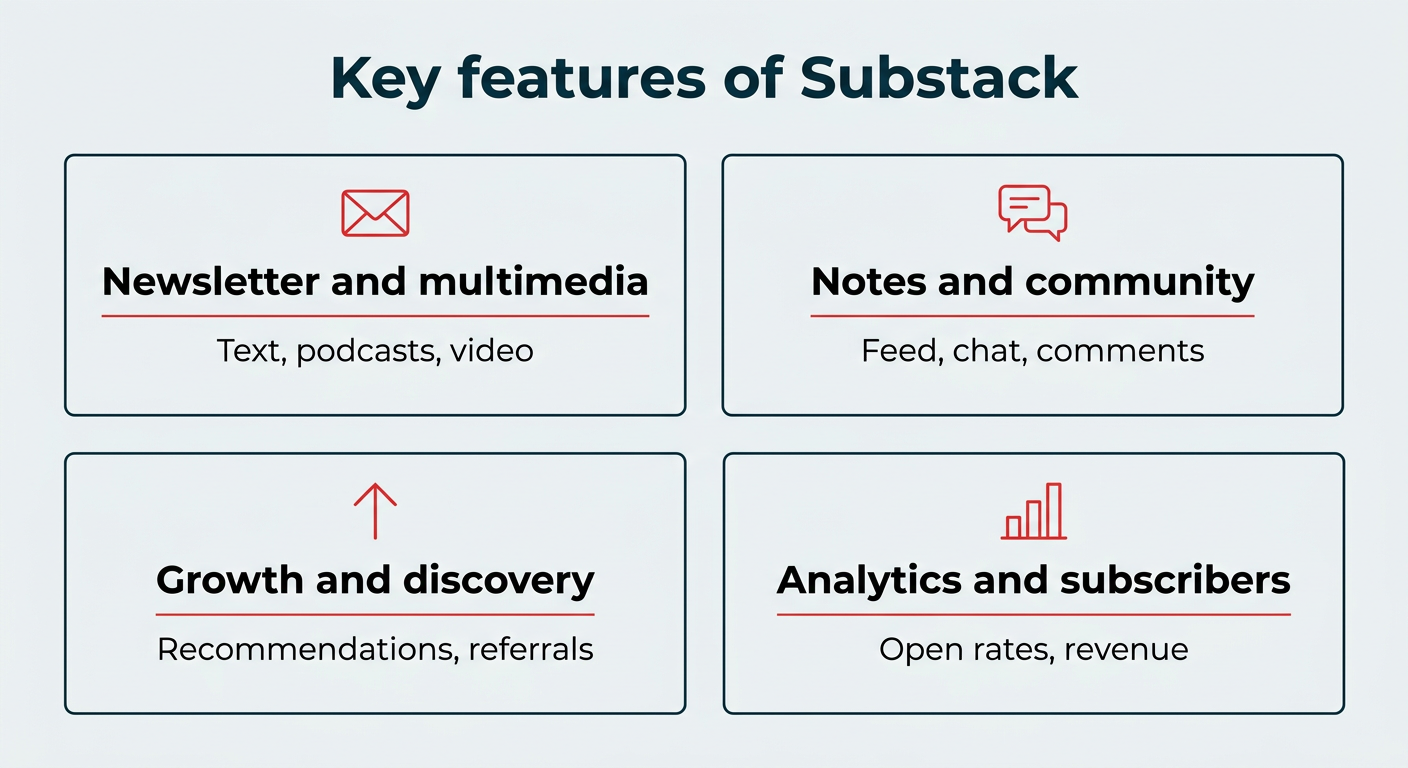
Substack’s comprehensive suite of features empowers creators across various dimensions:
- Newsletter Publishing and Multimedia Integration: At its core, Substack offers a user-friendly editor for text-based newsletters, complete with formatting and scheduling capabilities. Crucially, it extends beyond text to host podcasts, embed video, and share audio, allowing creators to choose the most appropriate medium for their storytelling without relying on external hosting services.
- Substack Notes and Robust Community Engagement: The introduction of Substack Notes transformed the platform by adding a short-form social feed, fostering quick interactions and content sharing among creators and readers, much like microblogging platforms. Complementing Notes are built-in comment sections for every post and Substack Chat for more intimate group conversations. A unique recommendation network also allows creators to cross-promote each other’s publications, fostering a collaborative ecosystem.
- Growth and Discovery Mechanisms: Substack has invested in features designed to help creators expand their audience. The platform’s recommendation engine, the "Substack Boost" program, and integrated referral tools aid in content discovery. Furthermore, the existence of millions of readers with payment information already on file within the Substack app significantly lowers the barrier for new subscriptions, creating a fertile ground for growth.
- Analytics and Subscriber Management: Creators gain access to essential analytics, including email open rates, subscriber growth trends, and revenue tracking. Basic tools for managing subscriber lists are also provided. While these analytics are foundational rather than exhaustive, they offer sufficient insights for independent creators. Ajibare highlights the value of structural features, noting, "The ability to create sections and series is a key feature for my brand. For example, I can run a series on analytics, then another on creator marketing, and readers can easily go back and binge everything. It’s like organizing my library of knowledge in public."
Understanding Substack’s Business Model and Cost Structure
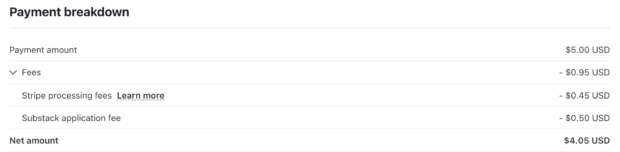
Substack operates on a freemium model that is highly attractive for creators looking to start without upfront investment. Publishing content on Substack is entirely free. The platform only generates revenue when creators opt to charge for paid subscriptions, taking a 10% cut of the generated income. For readers, accessing free content incurs no cost, and they only pay for the specific subscriptions they choose to sign up for.
However, creators must also account for payment processing fees charged by Stripe, Substack’s payment gateway partner. These fees vary by country and payment method. For instance, a typical U.S. card transaction incurs a Stripe fee of 2.9% + $0.30 per transaction, plus an additional 0.7% billing fee for recurring payments.
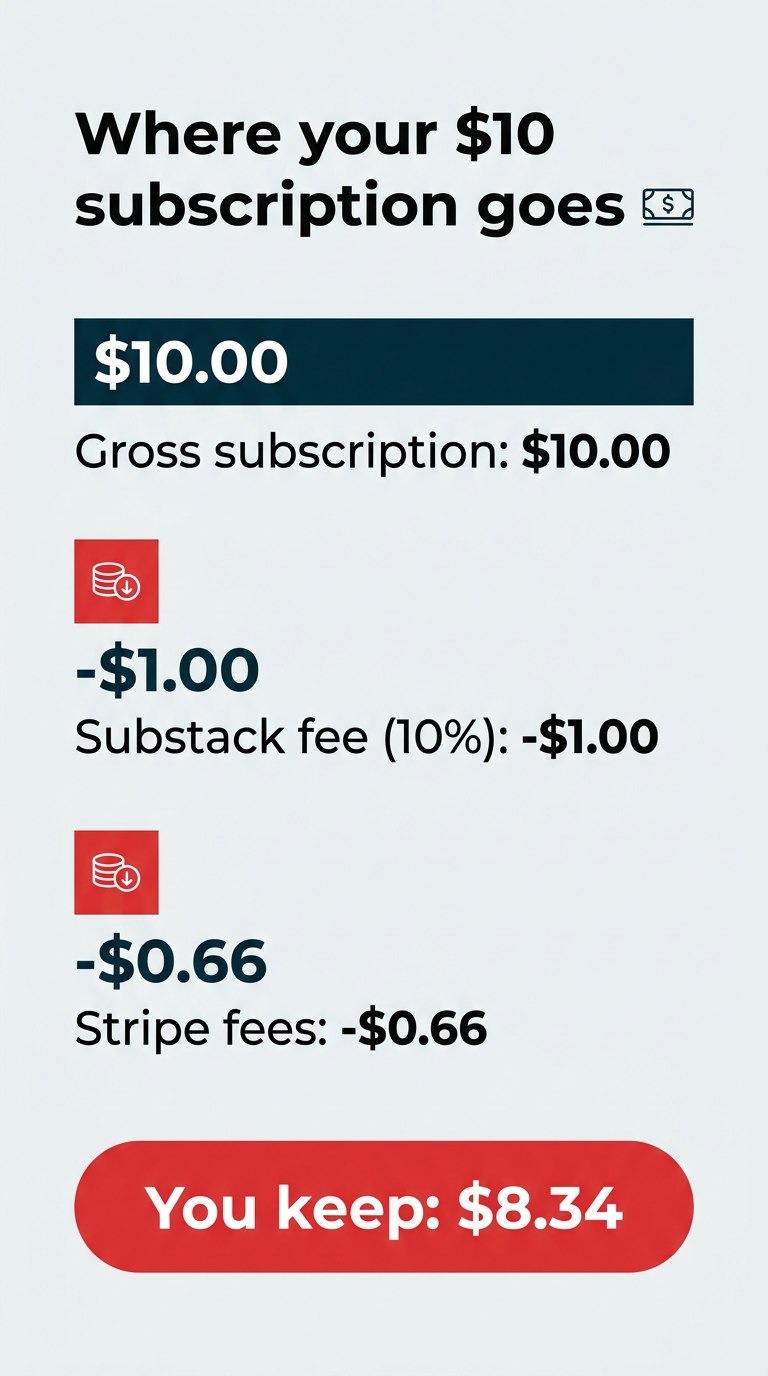
Consider a hypothetical paid newsletter subscription priced at $10 per month:
- Gross Revenue: $10.00
- Substack Fee (10%): $1.00
- Stripe Fees (approx.): (2.9% of $10) + $0.30 + (0.7% of $10) = $0.29 + $0.30 + $0.07 = $0.66
- Net Revenue for Creator: $10.00 – $1.00 – $0.66 = $8.34
This model means that for every $10 earned, a creator would retain $8.34. While the fees reduce the gross income, the integrated nature of the platform and the absence of upfront costs or complex technical setup make it an appealing option for many. It’s important to note that failed or disputed payments can incur additional costs, and other payment methods like iDEAL or SEPA have different fee structures.
Diverse User Base: From Independent Voices to Established Brands
Substack’s appeal extends to a wide array of users who benefit from direct communication and monetization with an audience.
- Writers, Journalists, and Independent Creators: This group forms the original core of Substack’s user base. Independent writers, journalists, podcasters, and video creators leverage the platform to publish their work and directly earn from their readers, circumventing traditional advertising models or complex platform payout structures. This allows for greater editorial independence and a stronger connection with their audience.
- Businesses and Brands: Increasingly, businesses are recognizing Substack’s potential to foster deep, engaged relationships. Data indicates that 35% of college graduates receive news from email newsletters, highlighting the channel’s efficacy. Brands use Substack to bypass algorithmic gatekeepers and send content directly to a self-owned subscriber list.
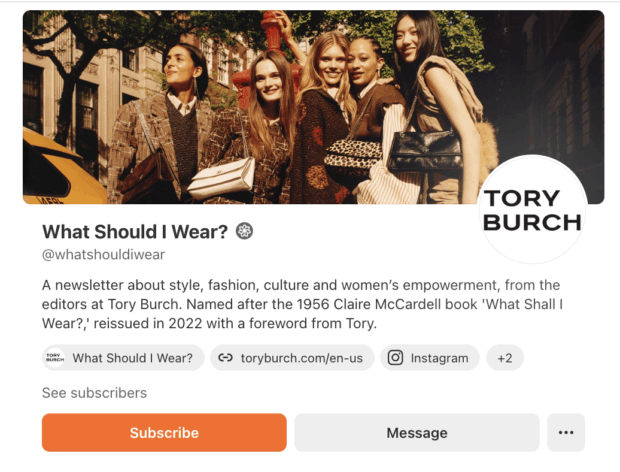
- Examples: Fashion brand Tory Burch runs "What should I wear?", offering readers a behind-the-scenes look into the fashion world. Aleen Dreksler, CEO of Betches, publishes "Please Advise," sharing relatable long-form business and life advice. These examples demonstrate how businesses can leverage Substack for thought leadership, customer education, and building community around their brand values.
- Ajibare underscores this advantage: "Unlike Instagram or TikTok, where I’m at the mercy of algorithms, Substack puts me directly into someone’s inbox. That intimacy matters when you’re teaching, because you’re not just chasing views; you’re nurturing a dedicated community of learners." Substack, in this context, complements rather than replaces existing social media marketing strategies. "Whether you’re a brand or an individual, Substack works when you stop thinking of it as content marketing and start thinking of it as community-building," Ajibare advises.
Strategic Value for Businesses on Substack
For businesses, Substack offers a unique opportunity to cultivate depth in audience relationships, moving beyond mere reach.

- Shift from Promotion to Thought Leadership: Many enterprise teams struggle with audience fatigue from constant marketing messages. Substack provides a valuable channel for "conversations, share insights, and position your brand as a trusted guide rather than just a seller," according to Ajibare. This aligns with the growing trend of niche marketing and authentic content that resonates deeply with specific segments.
- Building Direct Customer Relationships: By delivering content straight to subscribers’ inboxes, businesses forge a direct, high-value connection with their most loyal audience members. This bypasses the unpredictability of social media algorithms and allows for a more controlled communication channel, which can be further enhanced by social listening to tailor content to subscriber interests.
- Fostering Trust Through Dialogue: Newsletters can evolve into dynamic hubs for ideas, updates, and reflections. Brands can invite responses, stimulate discussions in comments or chats, and cultivate an informed community around their core values and mission.
- Embracing Authenticity and the "Unpolished": Substack rewards honesty and depth over highly polished, corporate communications. Sharing campaign lessons or leadership reflections in an authentic, perhaps even "unpolished," voice helps brands stand out and build genuine connections. This contrasts sharply with the often sterile environment of traditional corporate blogs.
Advantages and Disadvantages of the Substack Platform
Like any platform, Substack presents a unique set of pros and cons that creators and businesses must consider:
Pros:
- Accessibility: Free to publish, eliminating upfront costs for creators.
- Direct Audience Relationship: Creators own their subscriber lists, fostering a direct connection unmediated by algorithms.
- Multimedia Support: Accommodates diverse content formats, including text, podcasts, video, and audio.
- Community Features: Notes, Chat, and comments facilitate engagement and interaction.
- Built-in Discovery: Features like the recommendation network, Substack Boost, and an existing base of engaged readers with payment details on file aid in audience growth.
- User-Friendly App: Dedicated iOS and Android apps enhance the reading and subscription experience.
Cons:
- Limited Customization: Compared to self-hosted solutions like WordPress or Ghost, Substack offers less design flexibility for publications.
- Revenue Share: The 10% Substack fee plus Stripe processing fees reduce net earnings from paid subscriptions.
- Discovery Reliance: While internal discovery tools exist, external promotion is still crucial for significant growth.
- Basic Email Marketing & Analytics: Lacks advanced segmentation, automation, and detailed reporting features found in dedicated email marketing platforms.
- Content Moderation Concerns: Substack’s largely hands-off approach to content moderation has drawn criticism, meaning branded content could appear alongside controversial material, posing a potential brand safety risk.
- Platform Dependency: While creators own their subscriber data, the platform itself can change its rules or policies, impacting operations.
The most significant criticism often leveled at Substack pertains to its content moderation policies. The platform’s commitment to free speech, interpreted as a reluctance to remove certain controversial publications, has led to public departures by some creators concerned about brand association or the proliferation of what they deem harmful content. For brands, this implies a need to weigh the platform’s reach against the potential adjacency to content that might conflict with their values.
Substack in the Competitive Landscape
Substack is not alone in the content publishing and monetization space. It competes with various platforms, each with its own model:
| Criteria | Substack | Medium | WordPress | LinkedIn Newsletters | Ghost |
|---|---|---|---|---|---|
| Cost Model | Free to publish, 10% of paid subs | Free; paid membership option | Free software, paid hosting | Free | Paid hosting or self-host |
| Audience Ownership | You own the subscriber list | Medium controls reach | You own everything | LinkedIn owns the audience | You own the subscriber list |
| Monetization | Paid subscriptions built-in | Partner Program payouts | DIY via plugins | None native | Paid subscriptions built-in |
| Customization | Limited | Very limited | Extensive | Very limited | Extensive |
| Community Features | Notes, Chat, comments | Comments, claps | Via plugins | LinkedIn feed and comments | Comments, memberships |
| Multimedia | Podcasts, video, audio | Text-focused | Full support | Text and images | Full support |
Medium primarily surfaces content through its own algorithm and offers monetization via a partner program, where creators earn based on reader engagement from paid Medium members. However, creators do not own their audience list in the same direct way as on Substack. WordPress offers unparalleled customization and full ownership of content and data but requires technical setup and integration of third-party plugins for features like paid subscriptions and email delivery. LinkedIn Newsletters provide a free way to reach a professional audience but lack native monetization and advanced features, with LinkedIn retaining ultimate audience ownership. Ghost is a strong competitor to Substack, offering robust publishing tools, native paid subscriptions, and greater customization, but it typically involves a paid hosting plan or self-hosting, requiring more technical proficiency.
Substack distinguishes itself by offering a balance: a low-friction entry point with integrated monetization and community features, while still granting creators direct ownership of their subscriber lists, a crucial factor for long-term independence and value.
Establishing a Substack for Your Brand: A Step-by-Step Guide
Before embarking on a Substack journey, a clear content strategy is paramount. Defining whether the focus will be thought leadership, industry insights, or culture content will provide a roadmap for consistent, valuable publishing. Once this strategy is in place, the technical setup is straightforward:
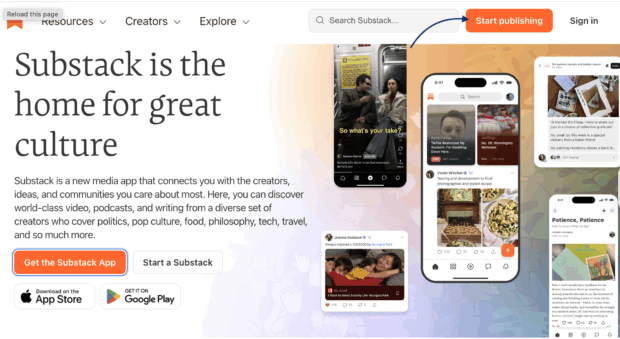
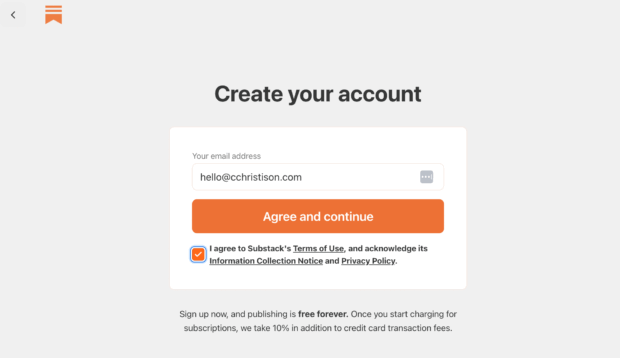
- Sign Up and Create a Publishing Profile: Begin by visiting the Substack website and signing up with an email address, then choosing a unique username.
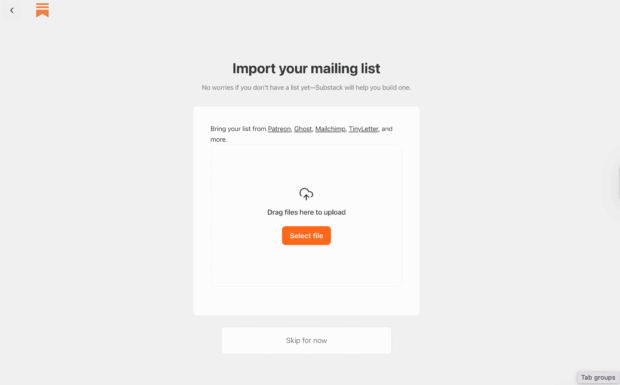
- Import Existing Mailing Lists: If an existing audience list from platforms like Mailchimp, Patreon, or Ghost is available, Substack provides tools to import these subscribers.
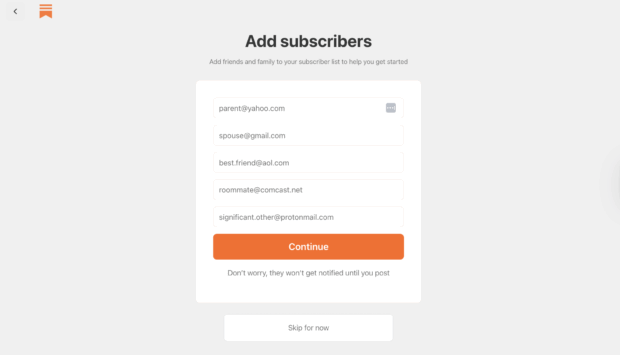
- Add Initial Subscribers: Manually invite individuals by adding their email addresses, kickstarting the subscriber base.
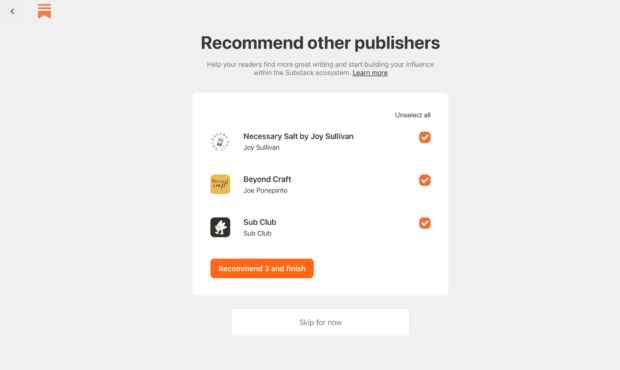
- Curate Recommendations: Enhance visibility by adding like-minded publishers to a recommendation list. This fosters cross-promotion within the Substack ecosystem.
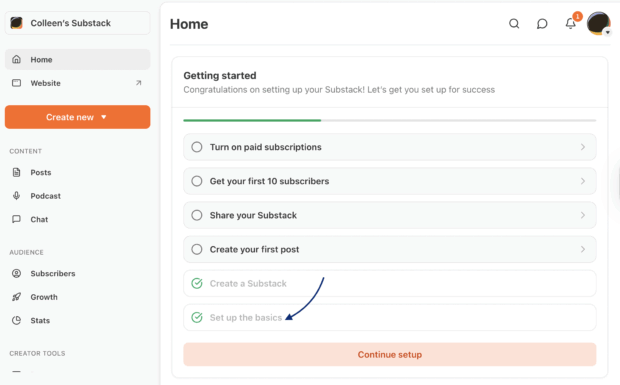
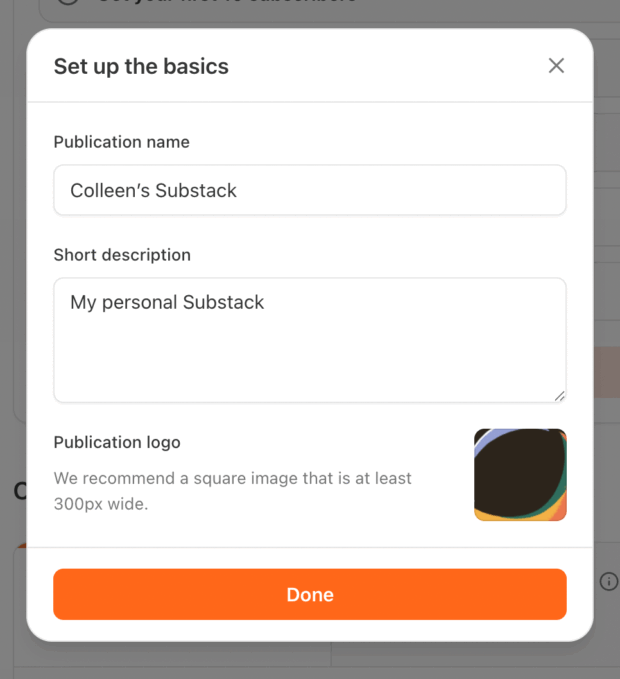
- Set Up Basic Information: Navigate to "Set up the basics" to input the brand name, a concise description, and upload the brand logo.
- Customize Settings: Access the "Settings" menu (typically on the left-hand sidebar) to fill in comprehensive information. Under "Appearance," tailor the visual aspects to align with brand guidelines. Within "Content," customize automated emails to reflect brand voice and values.
- Refine Branding and Homepage: Further visual customization options for brand colors, fonts, and overall homepage layout are available under "Creator Settings" > "Branding" and "Homepage" in the left menu.
- Configure Payments: Under "Creator Tools" > "Payments," link a Stripe account to enable paid subscriptions and receive earnings from subscribers.
- Publish Your First Post: Utilize the "Create new" button to draft and publish the inaugural post. Crucially, promote this launch across all existing social media channels to drive initial traffic.
- Track and Refine: Continuously monitor analytics provided by Substack to understand content performance, subscriber engagement, and growth. Use these insights to iteratively refine the content strategy.
Best Practices for Substack Success in the Evolving Digital Landscape
To maximize value from Substack, creators and brands should adhere to several best practices:
- Consistent Cadence: "Many creators launch a newsletter with excitement, post twice, then vanish. And readers notice," warns Ajibare. "Substack requires you to treat your audience like a relationship. If you only show up when you need something, the trust breaks." Establishing and adhering to a sustainable publishing schedule builds reliability and long-term loyalty.
- Niche Specificity: Generic content struggles to stand out. Focusing on highly specific, actionable content—such as detailed how-tos, in-depth case studies, or granular campaign breakdowns—provides tangible value that resonates with a targeted audience.
- Strategic Content Repurposing: Avoid reinventing the wheel. Transform high-performing social media posts, webinar content, or internal insights into expanded long-form newsletters. This efficiently leverages existing content assets and deepens their impact without excessive additional workload. Ajibare notes, "Substack doesn’t have to be extra work. You can take what’s already working for you on other platforms and expand it here."
- Value-First Approach, Minimizing Sales Pitches: Readers subscribe for insights, not advertisements. Prioritize useful stories and lessons, integrating promotional elements sparingly. "Substack readers are not looking for ads disguised as newsletters," Ajibare emphasizes. "They’re looking for insights, stories, and real value. If every post feels like a sales pitch, people unsubscribe. My advice is simple: give 80 percent value, 20 percent promotion."
- Define an Authentic Voice: "Substack works when you sound human. Don’t try to be overly formal or corporate," says Ajibare. Developing and maintaining a distinct, authentic voice—whether bold, conversational, or analytical—is crucial. Readers subscribe for a unique perspective, not just polished prose.
- Embrace the Long Game: Success on Substack is rarely instantaneous. "Substack isn’t about instant virality," Ajibare explains. "It’s about compounding trust. Even if you only have 50 subscribers at the start, that’s 50 people who gave you direct access to their inbox." Sustained effort builds a dedicated community over time.
- Structure and Organization: Implement series, recurring themes, or regular segments. This structural consistency makes content easier to follow, enhances reader engagement, and provides compelling reasons for subscribers to return.
The Future Implications of Substack
Substack has undeniably carved out a significant niche in the creator economy, empowering a new generation of independent voices and offering a fresh avenue for brands to connect with their audiences. Its blend of traditional publishing, modern email distribution, and social networking features positions it as a dynamic platform. While challenges like content moderation debates and competition from established and emerging platforms persist, Substack’s commitment to direct monetization and audience ownership ensures its continued relevance. As the digital landscape continues to fragment, platforms like Substack that prioritize direct creator-audience relationships and robust content monetization are likely to play an increasingly important role in shaping the future of media and brand communication.