rifanmuazin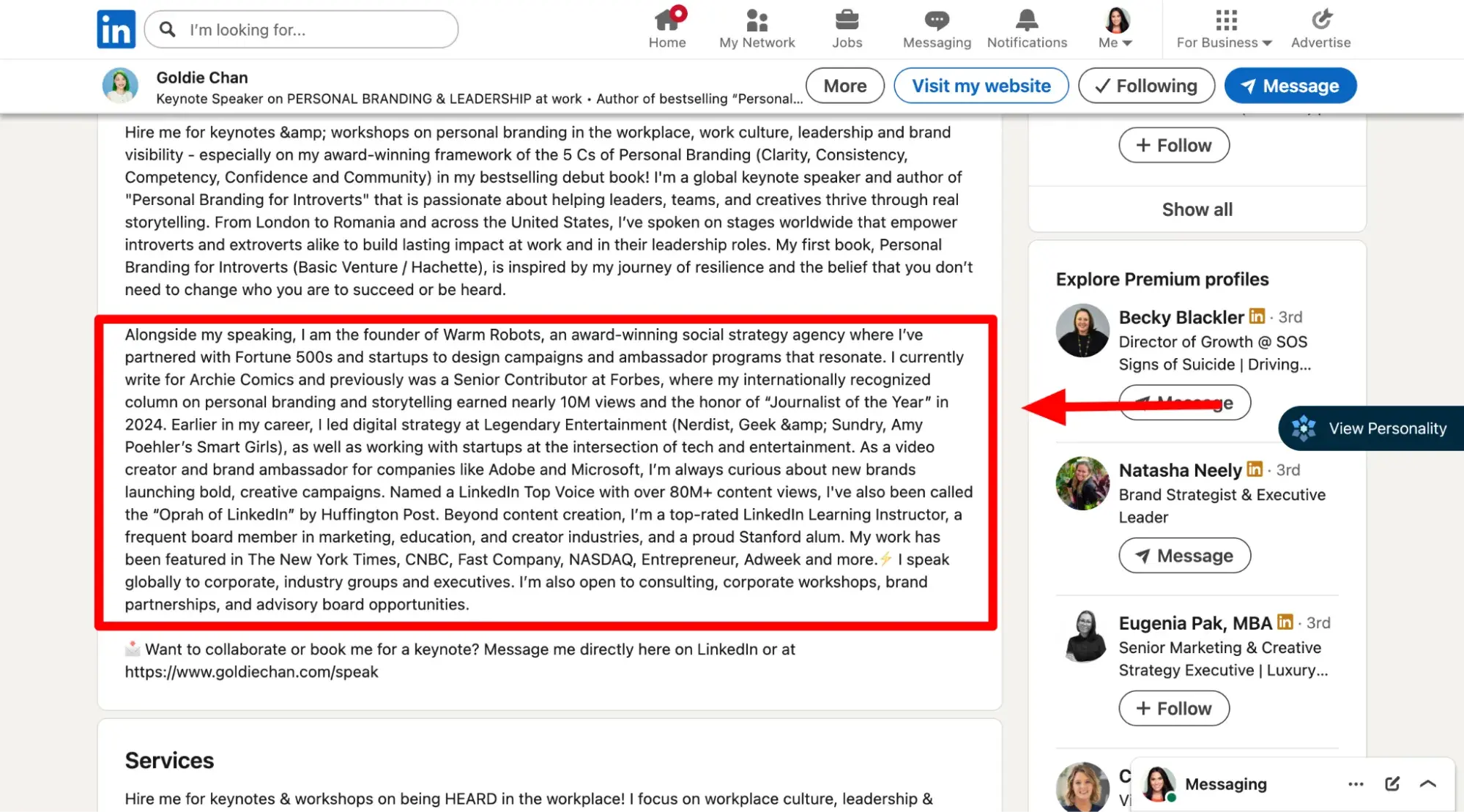
The global creator economy, often viewed with a degree of skepticism, is on an undeniable trajectory, projected to reach an impressive $1.18 trillion USD by 2032. This monumental growth heralds a particularly significant moment for minority creators and entrepreneurs from underrepresented groups, presenting both unprecedented opportunities and persistent challenges within a rapidly evolving digital landscape.
The Evolving Creator Economy Landscape

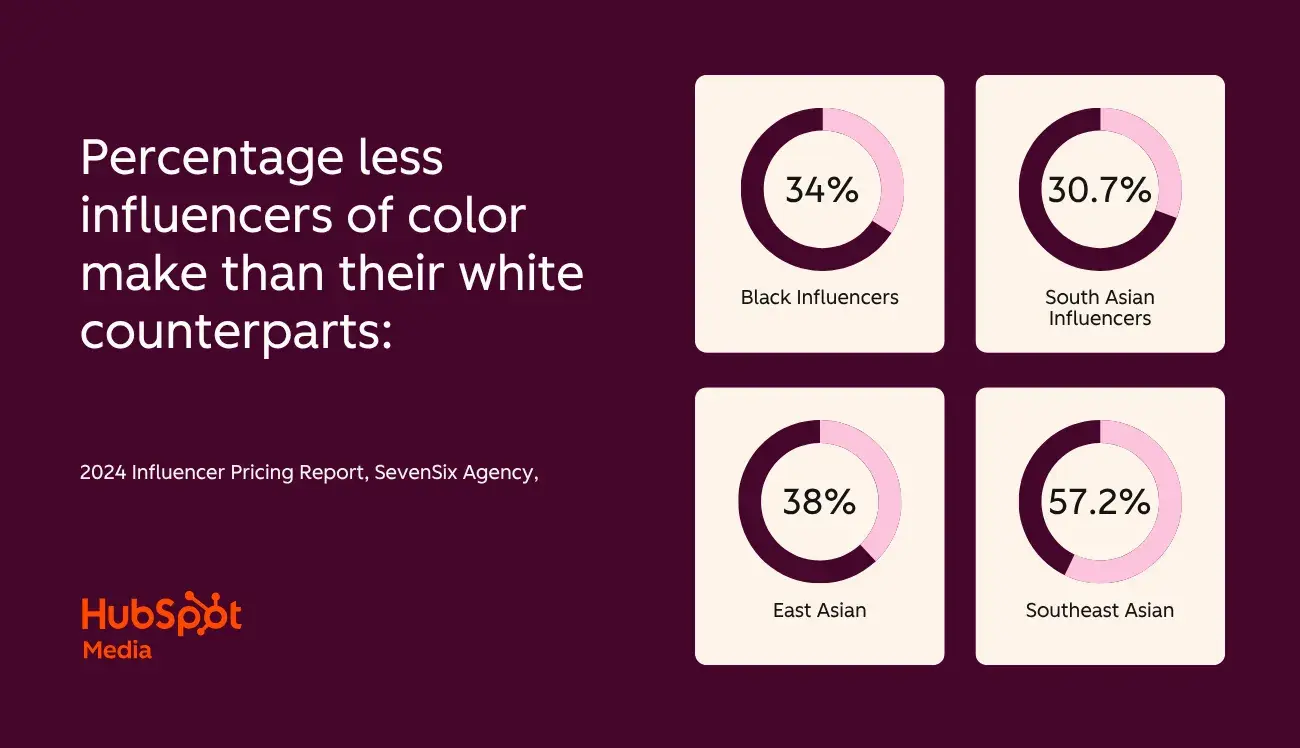
The digital age has democratized avenues for self-expression, fostering profound connections and building vibrant communities around niche interests. This shift has illuminated previously overlooked pain points and business opportunities, and creators from marginalized backgrounds are uniquely positioned to address these needs, leveraging their lived experiences and cultural insights. However, the path to success for minority creators remains significantly more arduous. Studies consistently reveal a stark pay disparity, with minority creators earning, on average, 50% less than their white counterparts. Specifically, Black influencers earn 34.04% less, South Asian influencers 30.70% less, East Asian influencers 38.40% less, and Southeast Asian influencers a staggering 57.22% less. This disparity underscores the critical need for strategic branding to bridge this economic gap.
The contemporary question is no longer about the inherent right of minority creators to occupy this space—a right that is unequivocal—but rather about the tactical development of brands that command genuine authority, cultivate a loyal audience, and build sustainable businesses amidst a challenging and increasingly consolidated environment. HubSpot research from 2025 indicates that 89% of companies engaged with content creators or influencers, with 77% planning increased investment in influencer marketing this year. Yet, despite this widespread corporate engagement, approximately 96% of creators still earn less than $100,000 annually, revealing a substantial divide between those achieving sustainable income and the vast majority who do not.
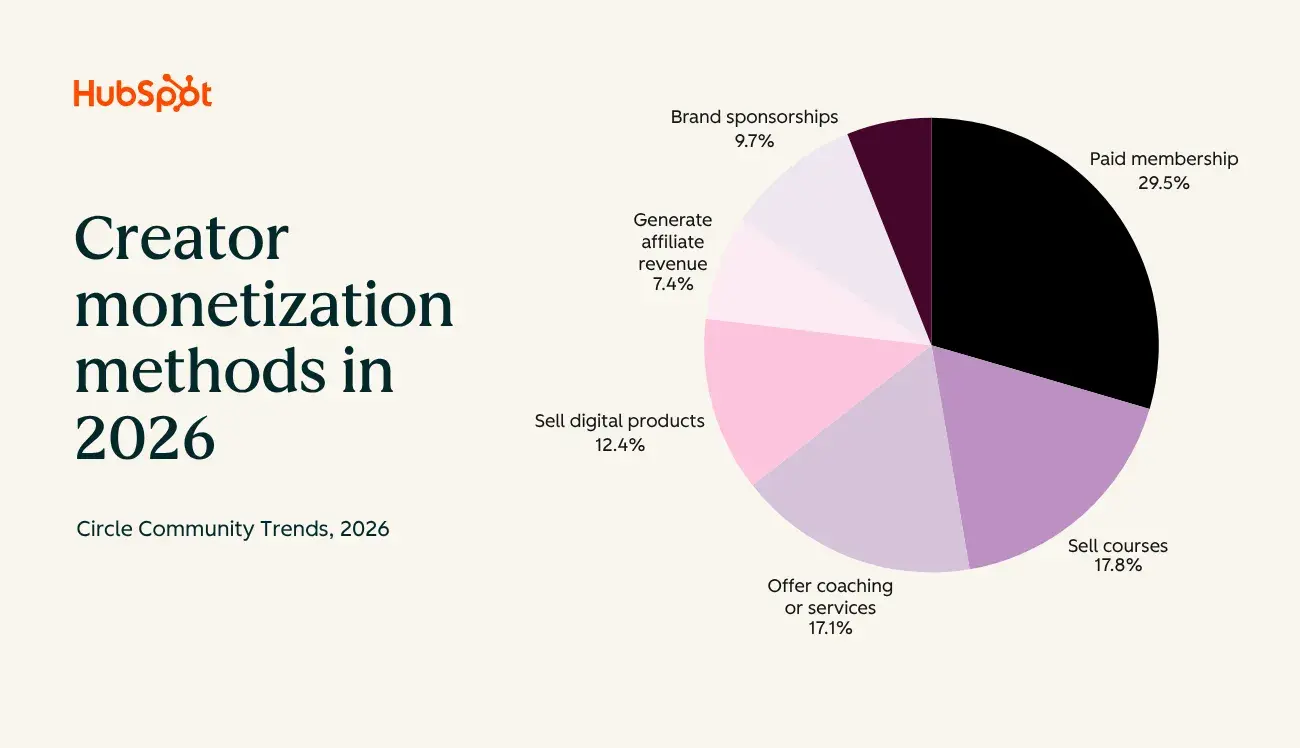
Forbes contributor Jason Davis posits that this phenomenon is a consequence of industry maturation, where brands are increasingly consolidating their investments into "proven" influencers. This leads to a concentration of wealth among fewer, established creators. Davis draws a compelling analogy: "Early stages reward experimentation and specialization. When search engines emerged, Archie and Ask Jeeves held the traffic, [but] Google took market share and was rewarded through integration, scale, and disciplined execution. The creator economy has reached that same point." With over 200 million creators globally, the highest earners distinguish themselves not merely by publishing more content, but by diversifying their revenue across five or more streams. Data from Circle further illustrates this, noting that only 22% of creators report earning from affiliate revenue, and a mere 18% from sponsorships, highlighting significant untapped potential in diversified monetization.

In this context, the following strategies offer actionable pathways for minority creators to elevate their brands, overcome systemic pay gaps, and forge resilient, impactful businesses.
Strategic Pillars for Elevating Minority Creator Brands
1. Cultivating Unique Authority and Niche Specialization
While personal identity and niche can open initial doors, it is demonstrable authority that sustains opportunities and scales a brand beyond mere novelty. Many marginalized entrepreneurs are often implicitly encouraged, or even expected, to center their personal narratives or backgrounds. However, without a clear foundation of expertise within their chosen niche, this attention frequently fails to translate into lasting business opportunities. Furthermore, there is a palpable risk of one’s identity being reduced to a "gimmick."
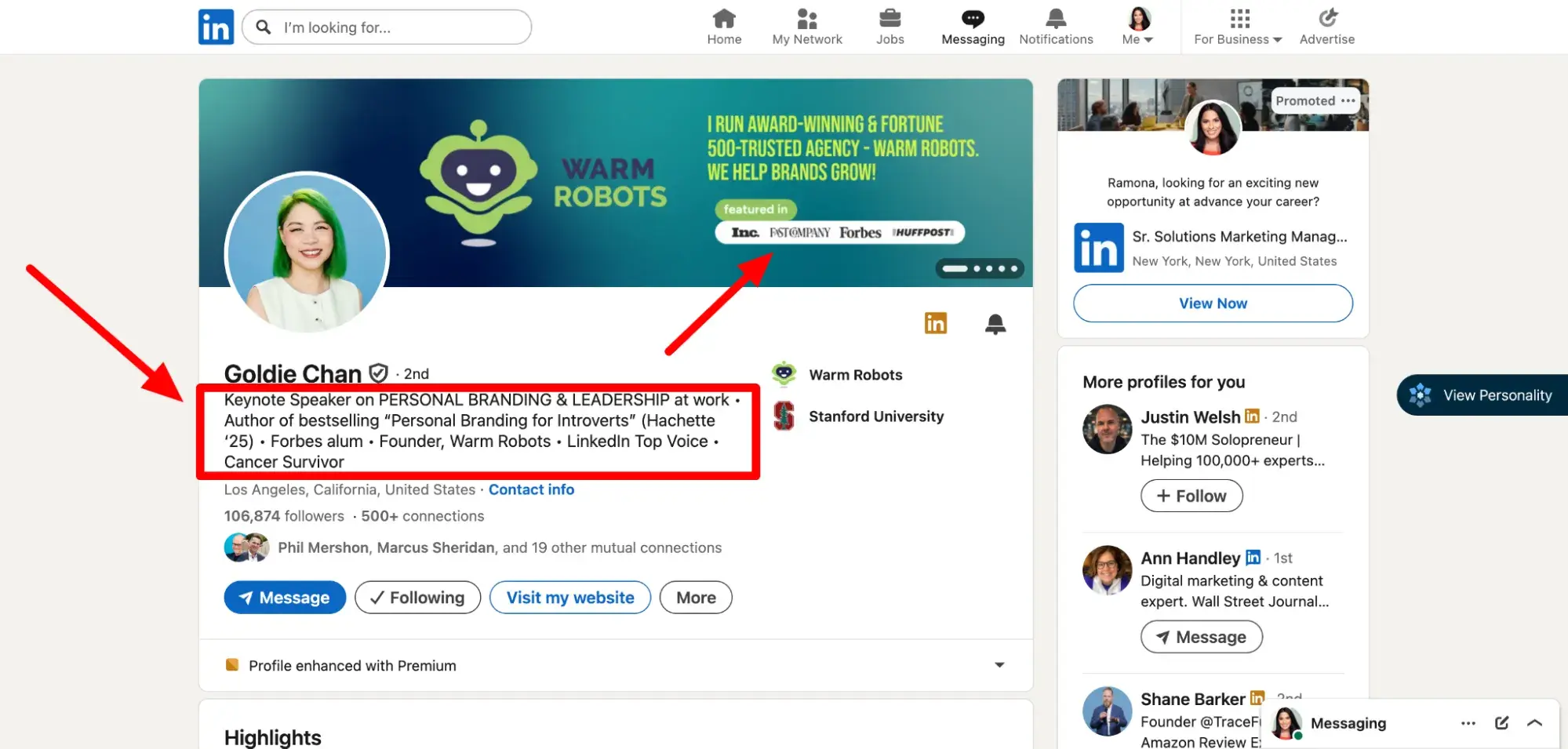
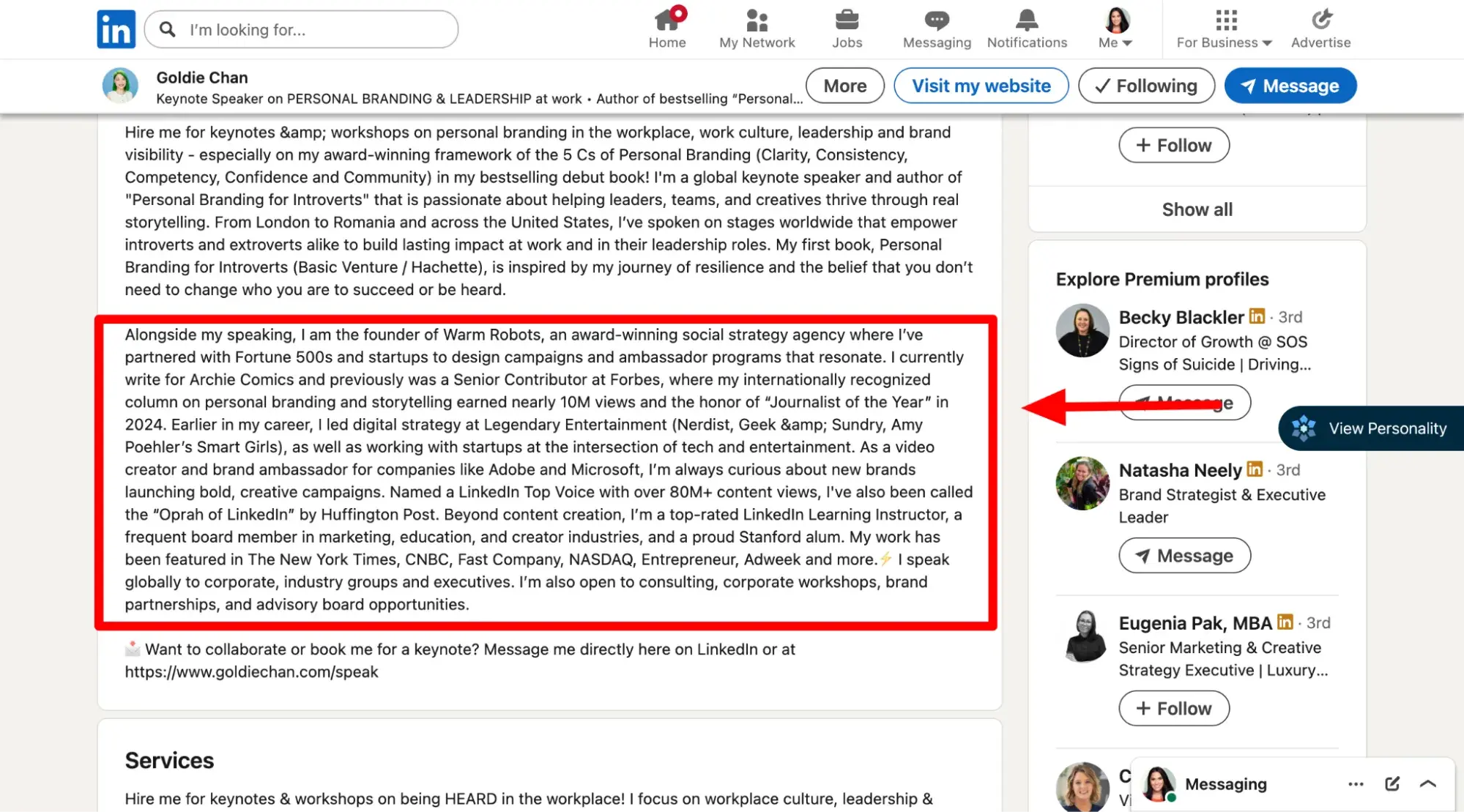
When confronted with potential bias, a brand’s value proposition must be communicated swiftly and unequivocally. The more specific and specialized a creator’s niche or focus, the more recognizable and in-demand they become. The objective is to narrow the focus sufficiently that no one else can genuinely replicate the unique value offered. This strategy positions creators as indispensable, making brands and audiences feel compelled to collaborate. Platforms should be utilized to showcase core competencies and unique experiences, speaking authoritatively on topics where genuine passion and distinct insights reside. This approach does not advocate for diminishing one’s identity; rather, it frames identity as vital context that deepens perspective and renders insights unique, rather than serving as the sole foundation of value. Over time, this strategic shift transforms a brand from merely "interesting" to unequivocally "indispensable." Goldie Chan, an author, speaker, and LinkedIn Top Voice in personal branding, exemplifies this by meticulously detailing her qualifications and achievements—founding an agency, working with Fortune 500 companies, and leading social strategy for diverse organizations—establishing her as an authority through demonstrated expertise, not just identity.
2. Articulating a Distinct and Bold Point of View
In a crowded creator economy, merely echoing existing narratives fails to differentiate. A bold point of view is essential, providing audiences with something unavailable elsewhere. This involves cultivating a sharp perspective, a distinctive opinion, or a unique strategy that challenges conventional wisdom and reframes how audiences perceive relatable problems, trending topics, or industry paradigms. This is the catalyst for being cited, quoted, invited, and, crucially, remembered.
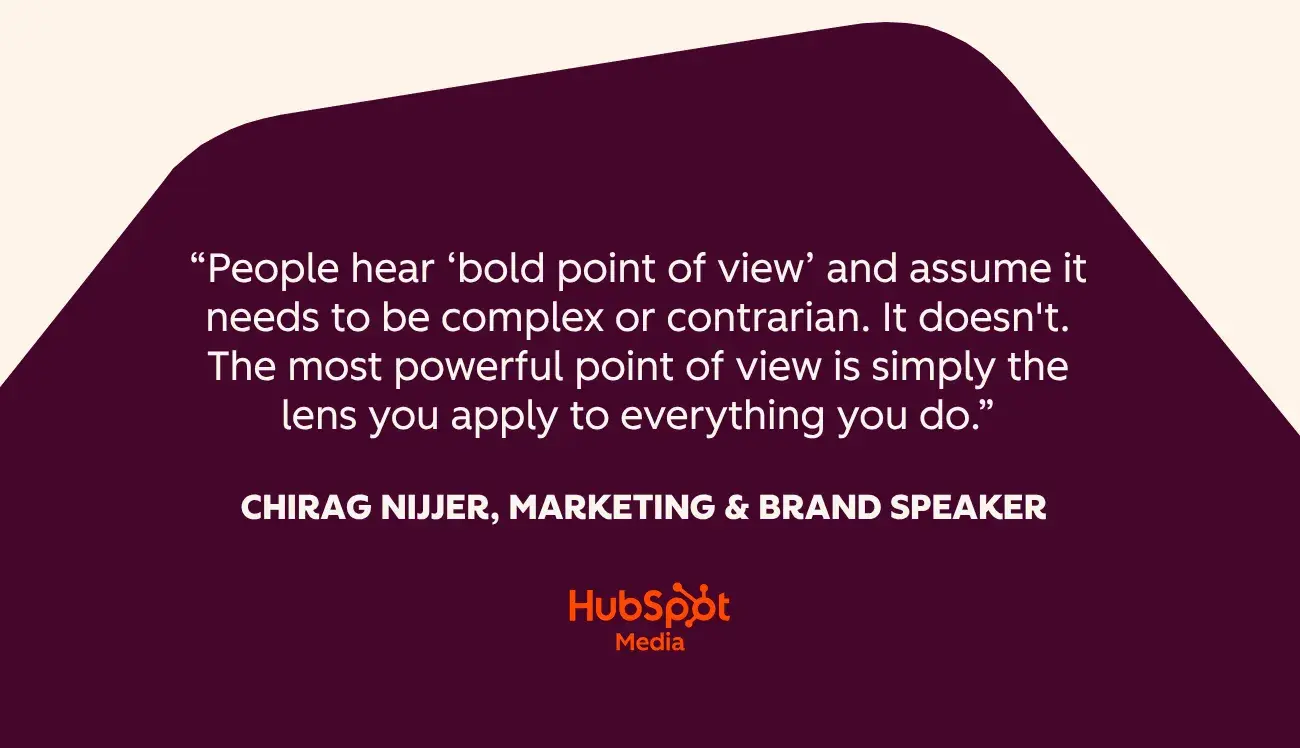
Instead of simply recounting experiences, creators should articulate common misconceptions and detail their alternative, successful approaches. However, a bold point of view need not be overtly controversial. Chirag Nijjer, a Marketing & Brand Speaker, emphasizes that "The most powerful point of view is simply the lens you apply to everything you do." Nijjer’s own lens, "What is the story you wish to tell?", emerged from studying how brands navigate periods of significant change, referencing Starbucks’ return to its "third place" narrative in 2008. This question forms the bedrock of his keynotes, videos, and consulting engagements, demonstrating that a powerful point of view is a consistent framework that guides all brand communication, ensuring coherence and resonance.
3. Building and Owning Distribution Channels
Dependence on third-party platforms for audience reach exposes creators to significant vulnerabilities. Research indicates that 42% of YouTube creators would face annual losses exceeding $50,000 if their account access were revoked, illustrating the immense power platforms wield over creators’ livelihoods and audience access. This makes owned distribution one of the most critical assets for any creator. Resilient brands do not rely solely on social media algorithms or external visibility, which are susceptible to arbitrary changes, shifting priorities, or even exclusion.
Instead, they cultivate direct relationships with their audience, maintaining control over content cadence, messaging, pricing, and monetization strategies. This can be achieved through building robust email lists, fostering private communities (e.g., via Discord, Mighty Networks, Circle), creating personal websites or blogs, and developing direct-to-consumer content sales. By owning distribution, creators mitigate dependence on gatekeepers, establish a more stable and scalable growth trajectory, and secure their long-term viability.
4. Early Productization and Monetization of Expertise
A common pitfall for many creators is consistently sharing valuable insights and expertise without adequately capturing its full economic value, often leading to burnout and undercompensation. Productizing knowledge early allows creators to scale their impact and income without a linear increase in workload. This can take various forms: digital products (eBooks, templates), online courses, paid workshops, exclusive communities, consulting services, or speaking engagements.
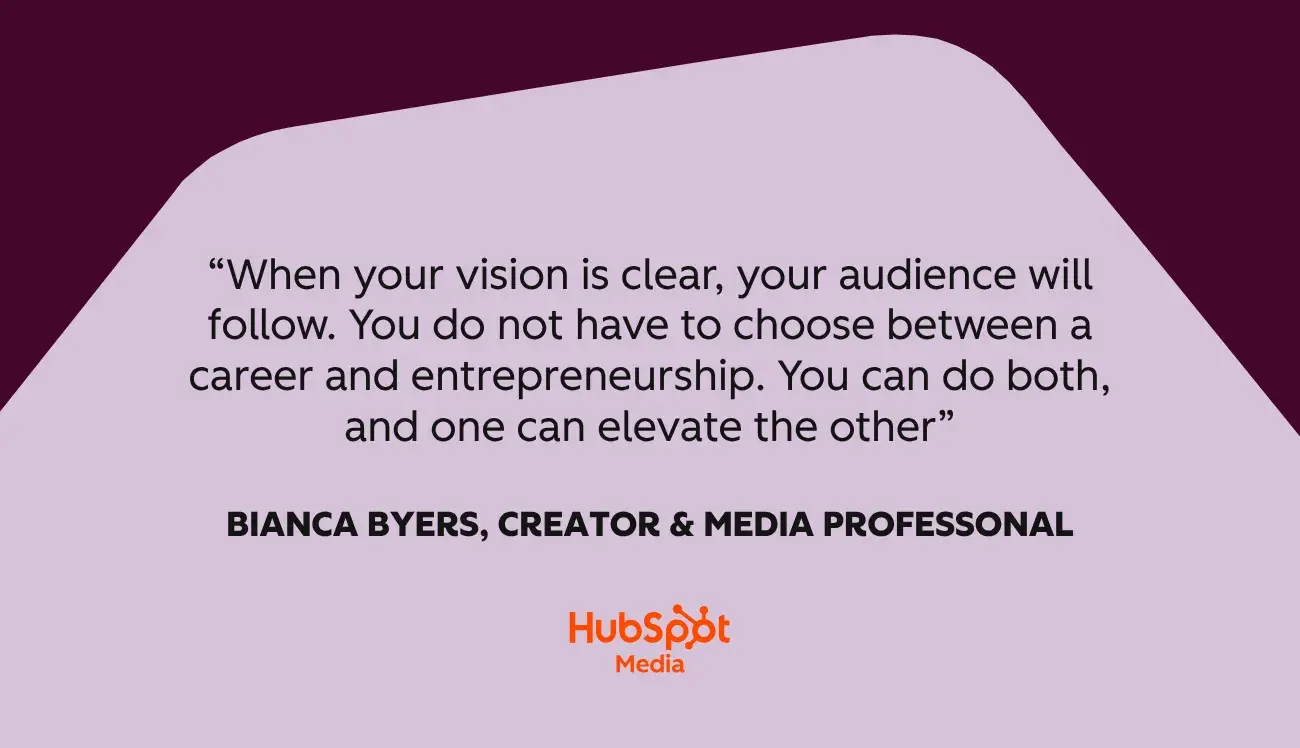
Bianca Byers, known as Bianca Bee, a seasoned media professional with experience across major networks like E!, Oprah Winfrey Network, and TMZ, exemplifies this multi-faceted approach. She has transformed her industry expertise into three books, a YouTube talk show, a cosmetic line, and various brand and media collaborations. Byers advocates for diversifying income streams alongside traditional careers, stating, "My advice to creators is to monetize your knowledge early in a way that feels aligned… You do not have to choose between a career and entrepreneurship. You can do both, and one can elevate the other." Chirag Nijjer reinforces this, noting that creators often delay charging for their knowledge, thereby inadvertently training their market to expect it for free. His own experience of packaging brand research from free videos into a paid keynote, which subsequently opened doors to platforms like Adobe and Shopify, underscores the power of early productization. The key is to identify recurring questions from the audience and package the answers into purchasable products, thereby teaching the market to value the creator not just as an expert, but as a valuable product provider.
5. Strategic Visibility and Lateral Collaboration
Momentum in brand building is generated by discerningly accepting the right opportunities, not by saying yes to everything. Before committing to any panel, partnership, or feature, creators must rigorously assess if the opportunity aligns with their brand goals, expands their desired network, and offers a favorable return on investment. Opportunities that strategically position a creator within relevant influential circles are worth pursuing. Those that do not compound value should be respectfully declined, irrespective of their initial allure.
Ariel Gonzalez, a HubSpot Content Marketing Manager, emphasizes the importance of goal clarity: "Gaining visibility for visibility’s sake puts you in a reactive position, leaving others to define your brand instead of you." This strategic selectivity extends to networking. While traditional advice often prioritizes upward networking, lateral collaboration with peers at a similar stage of growth can be significantly more accessible and effective for burgeoning entrepreneurs, particularly those from marginalized groups. These relationships, built on mutual respect, shared experiences, and aligned goals, enable creators to tap into common audiences, co-create valuable assets, and grow collectively without the need for hierarchical validation. Examples include co-hosting events, developing collaborative content (like Half-Pakistani, LGBTQ+ creators Taha Arshad and Shehzad Ali Khan), or launching joint products. Strategically, micro-creators with 10,000–100,000 followers consistently deliver higher engagement per dollar than larger accounts, making peer-to-peer collaboration both a community-building imperative and a smart business decision.
6. Actively Pursuing Grants and Minority-Focused Programs
Access to capital and robust support networks remains a significant impediment for new ventures, disproportionately affecting minority creators. While the landscape for grants and minority-focused funds has evolved, valuable opportunities persist. Creators should actively seek out programs designed to support underrepresented founders. Examples include the Adobeland Creator Residency, Lightspeed Fund for diverse founders, Black Ambition, and the Black Founders Fund. Additionally, federal resources through the Minority Business Development Agency offer a host of grants. These programs provide not only financial capital but also mentorship, networking opportunities, and structured curricula essential for scaling businesses.
7. Aligning with Brands Prioritizing Inclusion and Equity
The corporate commitment to Diversity, Equity, and Inclusion (DEI) faced scrutiny and adjustments in 2025 due to federal policy shifts. However, a meaningful segment of brands firmly maintained their DEI initiatives, actively building creator programs around these principles. Morning Consult’s 2025 tracking data revealed that brands upholding their DEI commitments saw net buzz scores rise by 3.2 points year-over-year, indicating market appreciation for inclusion. For minority creators, partnering with such brands is paramount. These partnerships are often more collaborative, equitable, and position creators as long-term partners rather than token gestures for diversity checkboxes.
Notable examples include Ulta Beauty’s MUSE Accelerator, which mandates BIPOC-founded eligibility, offering a 10-week curriculum, $50,000 in funding, and an additional $10,000 award in partnership with the Fifteen Percent Pledge. HubSpot’s creator program, which partners with podcasters, video creators, and media builders targeting business audiences, explicitly includes "belonging goals" in its selection criteria, ensuring intentional and structural inclusion. Spotify has also built one of the most substantive inclusion frameworks for creators through its Creator Equity Fund, which, despite an initial slow start, now backs multiple active programs like the NextGen Scholarship, SoundUp for podcasters, GLOW for LGBTQIA+ artists, and EQUAL for women in music. These partnerships offer amplification, resources, and alignment with values that strengthen a creator’s brand and reach.
8. Protecting and Shaping Your Narrative as Your Brand Grows
As a brand gains visibility, there is an inherent risk that media and audiences may attempt to simplify or reduce a creator’s multifaceted identity to a single narrative. This is particularly prevalent for entrepreneurs from marginalized backgrounds, whose work may be inadvertently framed through an identity-driven lens rather than being recognized for its full scope and expertise. Vigilance is crucial to prevent this narrative flattening.
This involves consistently publishing content that demonstrates intellectual depth, broad range, and strategic thinking, transcending mere personal experience. It also necessitates actively addressing any misrepresentation or misalignment when it occurs, rather than passively allowing external forces to define one’s narrative. Chirag Nijjer articulates this discipline: "Every collaboration, every press feature, every stage you stand on is someone else framing your story for their audience… Your story matters the most." He advises creators to develop a "confidence document"—a written articulation of key stories, origin, turning points, and thesis, crafted in the precise language one desires others to use. By consistently repeating these narratives across all platforms, creators build "Brand Echos," where the audience organically adopts and reiterates the creator’s ideas and language, thereby safeguarding and reinforcing the authentic brand narrative.
Challenges and Opportunities: A Deeper Dive
The most persistent barriers for creators and entrepreneurs from underrepresented backgrounds remain access to capital, robust networks, and equitable compensation. The documented pay disparities—Black influencers earning 34.04% less, South Asian 30.70% less, East Asian 38.40% less, and Southeast Asian 57.22% less—underscore a systemic issue. Compounded by algorithmic biases and the increasing concentration of brand spending, minority creators often face an uphill battle for visibility. Consequently, strategies such as building owned distribution channels, diversifying revenue streams, and forging alliances with genuinely inclusive partners are not merely beneficial, but represent strategic imperatives for survival and growth.
Personal branding, in this context, becomes an indispensable tool. It empowers underrepresented founders to bypass traditional gatekeepers, establish direct trust with their audiences, and cultivate independent revenue streams. A strong personal brand ensures that reputation and credibility speak volumes, even in the absence of conventional exposure or extensive resources. While no single "fastest way" exists to grow a brand, successful creators consistently demonstrate a few common traits: they lead with a specific, credible point of view; they maintain consistent presence on platforms where their target audience actively engages; and they monetize their expertise early, rather than deferring until an elusive sense of "readiness." Moreover, lateral collaboration with peer creators can significantly accelerate growth, particularly in the foundational stages, often proving more effective than solely pursuing top-down validation.
Conclusion: Forging a Resilient Future

The creator economy, while more accessible than ever, is also intensely competitive. For minority creators and entrepreneurs, this duality presents a unique landscape of both formidable barriers and immense potential. The strategies outlined—from cultivating unique authority and owning distribution to strategic monetization and narrative protection—are not merely about navigating an often unforgiving system. They are about constructing something inherently more durable: a brand rooted in genuine authority, supported by a directly owned audience, and underpinned by a business model resilient to the whims of any single platform, gatekeeper, or transient trend cycle.
The market, as evidenced by Morning Consult’s data on DEI-committed brands, is increasingly rewarding inclusion. Regardless of the prevailing hurdles, this is the environment in which forward-thinking creators are building. The creators who will define the next decade will not simply be the loudest or the most followed. They will be those who possess unwavering clarity about their purpose, exercise meticulous care in their strategic alignments, and demonstrate steadfast dedication to protecting and shaping the authentic narrative they are weaving. Minority creators possess an inherently unique perspective that no one else can replicate. The time has arrived to cultivate a brand that powerfully reflects that unparalleled vision and expertise.
Breaking the Blueprint is a HubSpot series dedicated to the unique challenges and experiences of minority-owned businesses and professionals from underrepresented backgrounds in the United States. These individuals bring unique skills and perspectives to the table as competitive advantages and Breaking the Blueprint shares insights for and from them. Here, we explore topics and stories to nurture these differentiators, elevate careers, grow businesses, and, overall, foster the success of everyone in a modern market, regardless of their background.