
 rifanmuazin
The digital marketing landscape has reached a critical inflection point where the sheer volume of available data has begun to outpace the ability of most organizations to derive actionable intelligence. As enterprises navigate an increasingly saturated online environment, the methodology behind Conversion Rate Optimization (CRO) is undergoing a fundamental shift from reactive testing to proactive, measurement-first strategic frameworks. Industry data now suggests that the most successful digital entities are those that establish rigorous analytics workflows before a single campaign goes live, moving away from the “afterthought” model of data analysis that has characterized the last decade of performance marketing.
The State of Conversion Metrics in the Current Economy
The current digital benchmark for success has become increasingly difficult to define as consumer behavior fragments across devices and platforms. According to the 2024 Conversion Benchmark Report, the median conversion rate across all industries currently stands at 6.6%. However, this figure masks significant volatility between different traffic channels and user intents. For instance, email marketing continues to demonstrate superior performance with an average conversion rate of 19.3%, vastly outperforming paid social media (12%) and paid search (10.9%).
This disparity highlights the necessity of what experts call “outcome-focused” goal setting. In the contemporary market, vague objectives such as “improving conversion rates” are being replaced by specific, revenue-aligned targets. Modern organizations are now prioritizing metrics such as increasing the free-to-paid trial conversion rate by specific percentage points or reducing the cost per lead (CPL) for specific high-value segments. This shift reflects a broader trend toward fiscal responsibility and measurable ROI in the tech and SaaS sectors.
A Chronological Approach to Strategic Measurement
The evolution of a sophisticated CRO program generally follows a structured five-step progression, moving from foundational definitions to the cultivation of a permanent organizational habit.

Phase I: Defining Success and Aligning Sales Stages
The initial stage of any modern CRO initiative involves a rigorous alignment of conversion goals with the various stages of the sales process. Analysts suggest that working backward from revenue targets is the only viable way to set lead generation quotas. For example, if an organization requires 50 new customers per month and maintains a 10% qualified lead-to-customer conversion rate, the measurement framework must be built to track the acquisition of 500 qualified leads as its primary macro-conversion.
Phase II: The Rise of Micro-Conversion Tracking
A significant trend in 2025 is the elevation of micro-conversions as leading indicators of long-term success. While macro-conversions—such as completed purchases or signed contracts—remain the ultimate goal, they often provide a lagging view of performance. Forward-thinking firms are now tracking smaller actions that signal intent, including:
- Email list sign-ups and newsletter subscriptions.
- Product demo video views and “Add to Cart” actions.
- Interaction with pricing pages or specific resource downloads.
- Time spent on high-value educational content.
By monitoring these “early intent” signals, marketers can identify friction points in the conversion funnel long before they manifest as a drop in total revenue.
Funnel Analysis and the Mitigation of Data Noise
The technical execution of CRO measurement has become more complex with the transition to advanced analytics platforms. One of the most critical components of the modern workflow is the use of funnel reports to identify “leaky buckets” in the customer journey. By examining step-by-step conversion rates—from the initial landing page view to the final confirmation screen—companies can pinpoint exactly where users are abandoning the process.
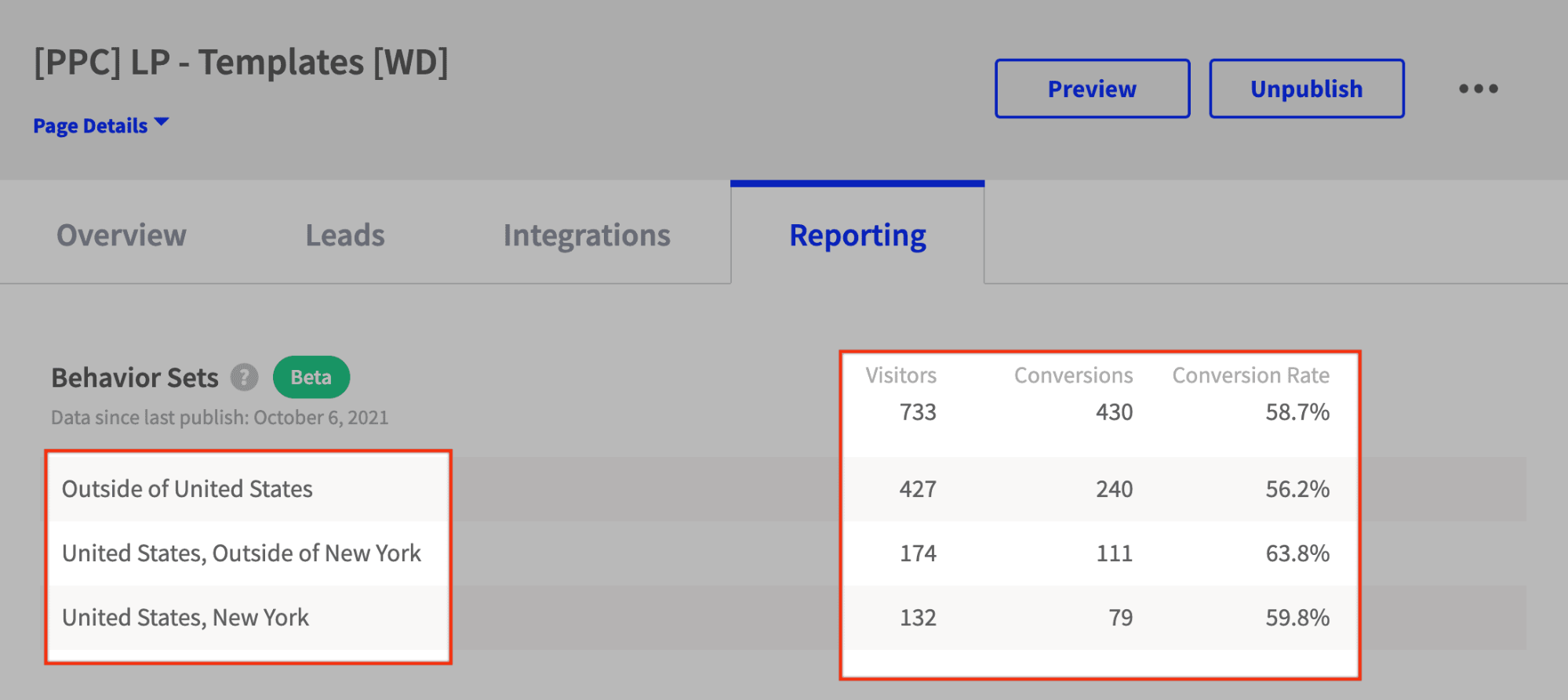
Recent case studies indicate that a common drop-off point occurs between the pricing page and the checkout screen. A 40% abandonment rate at this stage often signals a disconnect in price transparency or a lack of trust signals. Furthermore, experts emphasize the need for ruthless data segmentation. Aggregated data often hides critical insights; for example, while a landing page may appear to perform well on average, segmentation may reveal that mobile users are bouncing at twice the rate of desktop users.

Data hygiene has also emerged as a top priority. Analysts warn against “noisy” data traps, such as bot traffic, internal IP hits, and misleading bounce rates. In the context of modern SEO, a high bounce rate is not always a negative indicator; it may simply mean the user found the information they needed immediately. Therefore, metrics like “engaged sessions” and “scroll depth” are increasingly favored over traditional bounce metrics.
Integrating Qualitative Context: The “Why” Behind the “What”
While quantitative data provides the “what,” qualitative research has become the essential tool for understanding the “why.” The integration of heatmaps, session recordings, and user surveys has transformed from a luxury to a requirement for competitive optimization.
Visual behavior tools allow marketers to observe “rage clicks” (repeated clicking on a non-responsive element) or “dead clicks” (clicks on elements that are not interactive). These behaviors are often the root cause of conversion plateaus. Moreover, the “Mobile-First Paradox” continues to challenge the industry. Despite 83% of landing page visits occurring on mobile devices, desktop traffic still converts at an 8% higher rate on average. Qualitative analysis often reveals that this gap is due to mobile-specific friction, such as poorly sized call-to-action (CTA) buttons or complex forms that are difficult to navigate on smaller screens.
Voice-of-Customer (VoC) insights, gathered through on-page surveys and exit-intent polls, provide a direct line to consumer psychology. Questions regarding what nearly prevented a purchase or what information was missing from a page can lead to “quick wins” that quantitative data might never uncover.
The Scientific Method: Hypothesis and Statistical Rigor
The professionalization of CRO has led to the adoption of the scientific method in marketing departments. The standard for a valid test hypothesis has moved beyond simple aesthetic preferences to data-backed predictions. A modern hypothesis follows a strict formula: “Because we observed [specific data], if we [implement change], then [metric] will [improve].”
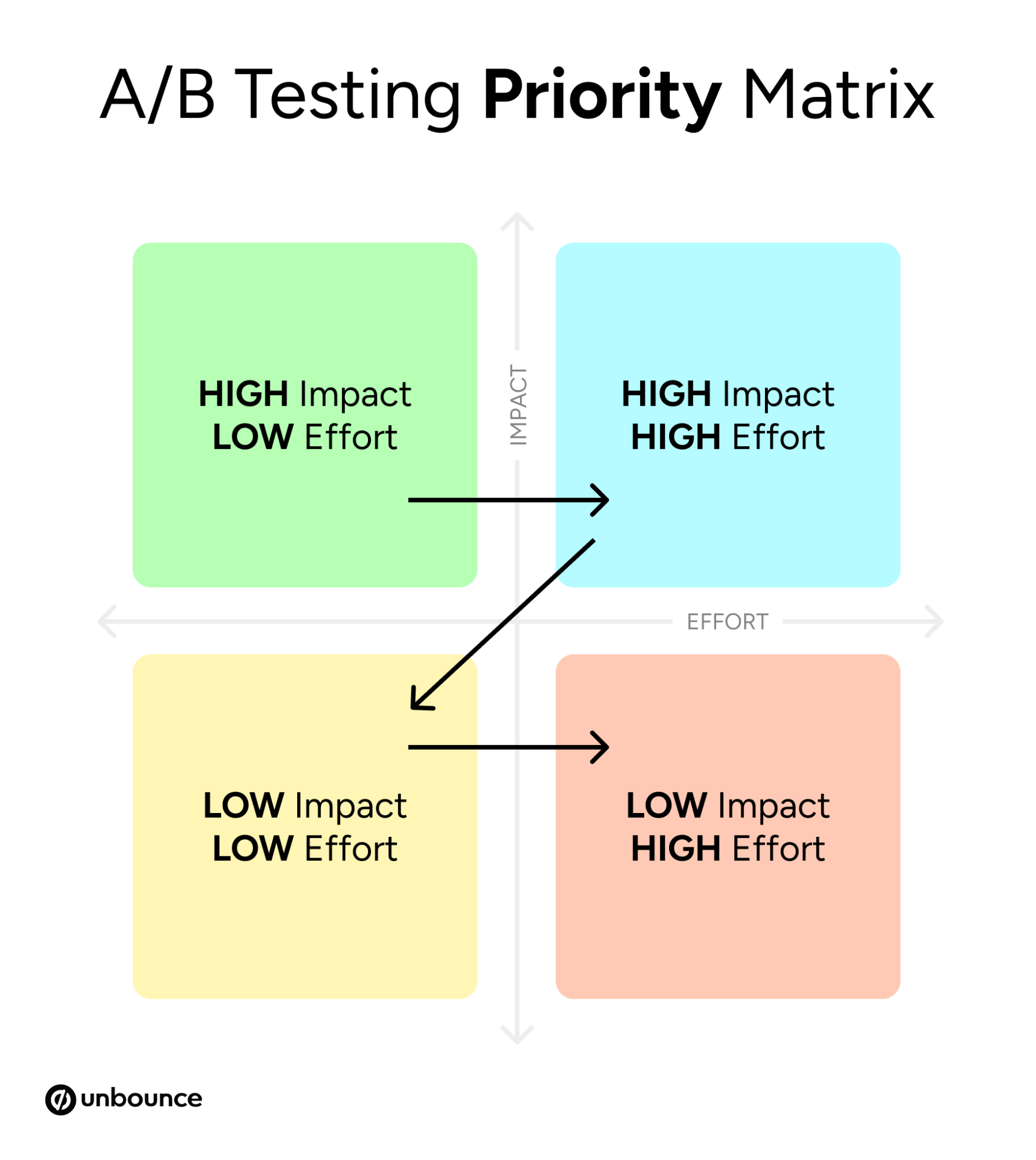
To manage limited resources, organizations are utilizing prioritization matrices, evaluating test ideas based on two primary variables:
- Potential Impact: How much will this change affect the bottom line?
- Ease of Implementation: How many technical or creative resources are required?
Perhaps the most critical advancement in the field is the insistence on statistical significance. In a climate where every marketing dollar is scrutinized, declaring a “winner” based on a 5% lift over three days is no longer acceptable. Rigorous testing now requires a 95% confidence interval and a sufficient sample size to ensure that results are not the product of random variance. This prevents companies from implementing “improvements” that are actually based on data noise.
Implications for the Future of Digital Commerce
The shift toward a culture of experimentation has profound implications for the broader economy. Companies that successfully embed CRO into their daily operations—treating it as a continuous habit rather than a one-off project—are seeing a compounding effect on their growth. A series of small, incremental gains (e.g., 5% lift in headline engagement followed by a 10% improvement in form completion) can result in a conversion rate that is multiples of the original baseline within a single fiscal year.
This systemic approach is also driving innovation in marketing technology. There is an increasing demand for integrated toolkits that combine landing page builders, A/B testing engines, and AI-driven optimization features. As the barrier to entry for launching tests lowers, the competitive advantage will shift from those who can build pages to those who can most effectively analyze and act on the resulting data.
Official Responses and Industry Sentiment
Leaders in the SaaS and E-commerce sectors have expressed a clear consensus: the era of “gut-feeling” marketing is over. Statements from chief marketing officers at top-tier firms suggest that budget allocations for 2025 are being heavily weighted toward analytics and optimization infrastructure. The general sentiment is that in a high-interest-rate environment where customer acquisition costs (CAC) are rising, the most efficient path to growth is the optimization of existing traffic.
“The difference between companies that scale and those that plateau is no longer about who has the biggest ad budget,” noted one industry analyst. “It’s about who has the most disciplined measurement framework. If you aren’t testing with statistical rigor, you aren’t optimizing—you’re just guessing.”
As digital maturity increases across all sectors, the standardization of CRO measurement will likely continue to evolve. The focus will move toward hyper-personalization and real-time optimization, but the foundational principles of defining success, tracking micro-intent, and maintaining data rigor will remain the bedrock of the discipline. For organizations looking to thrive in the 2025 digital economy, the message is clear: stop guessing, start measuring, and turn the science of conversion into a permanent organizational habit.








