
 rifanmuazin
The discipline of Conversion Rate Optimization (CRO) is undergoing a fundamental transformation, transitioning from a tactical toolkit focused on website-level adjustments to a sophisticated, experimentation-led framework for corporate decision-making. As businesses face increasingly volatile market conditions and shifting consumer behaviors, the focus is pivoting from what is being tested to how strategic decisions are formulated and validated. This evolution is the central theme of the 22nd installment of the CRO Perspectives series, featuring an in-depth dialogue with Andres Pinate, a prominent Marketing Director and Strategic Consultant in CRO and Growth based in Spain.
Pinate’s career, which spans diverse sectors including consumer electronics, Fast-Moving Consumer Goods (FMCG), mobility, and the automotive industry, provides a unique vantage point on the intersection of data-driven evidence and qualitative consumer psychology. His approach emphasizes the creation of "operating models" for experimentation—systems designed to compound organizational intelligence over time rather than merely seeking short-term incremental gains.
The Divergent Psychologies of B2B and B2C Experimentation
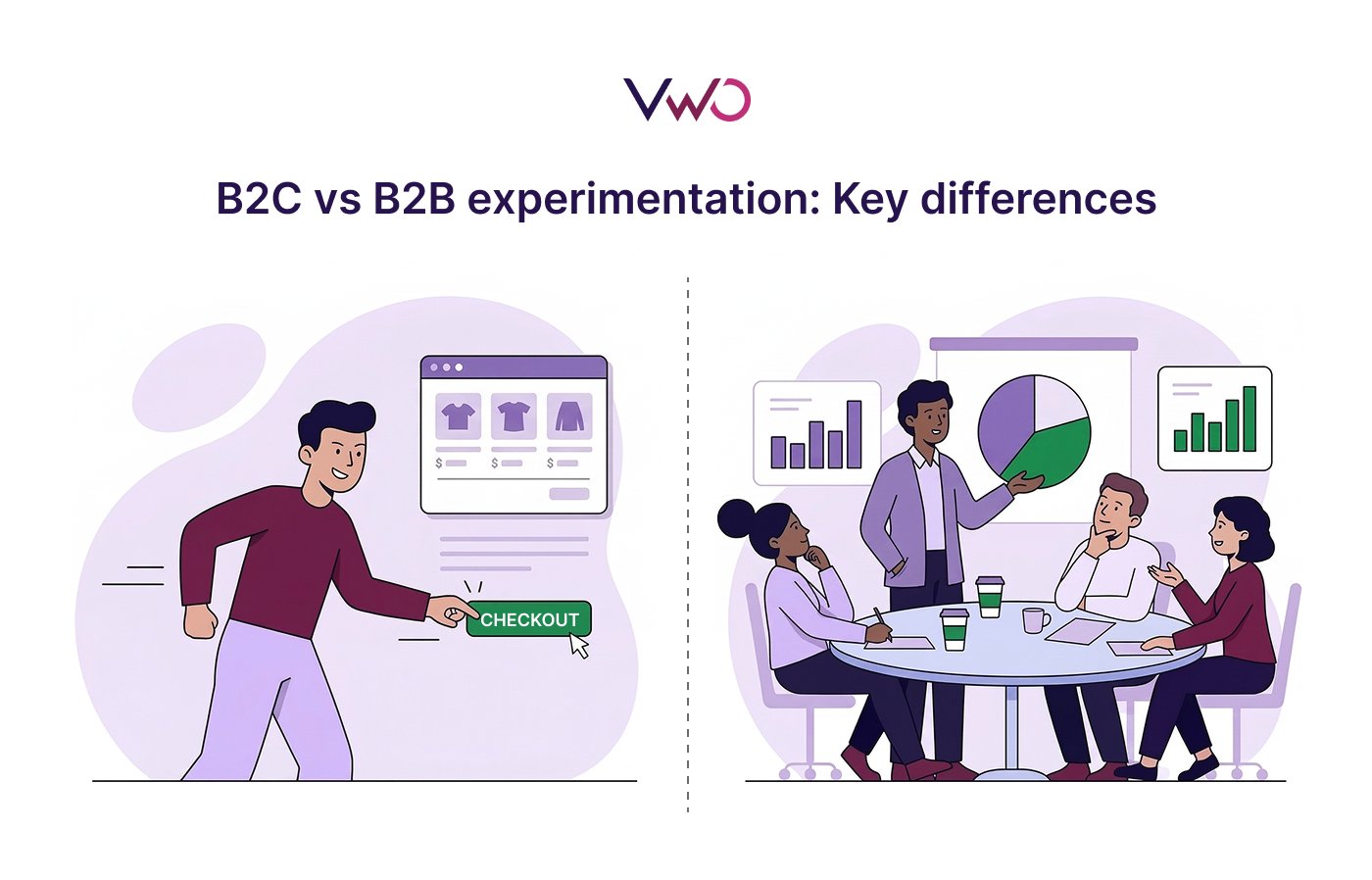
A critical component of modern experimentation strategy lies in recognizing the distinct decision-making architectures of Business-to-Business (B2B) and Business-to-Consumer (B2C) environments. According to Pinate, the distinction is not merely a matter of transaction volume or the speed of the feedback loop, but rather the underlying nature of the choice itself.

In the B2C sector, experimentation typically rewards emotional resonance, immediacy, and the seamless removal of friction. The objective is often to shorten the path to purchase by providing clarity and urgency. Conversely, B2B experimentation is governed by a complex matrix of trust, consensus-building, and risk mitigation. In a B2B context, the "buyer" is rarely a single individual; instead, decisions are shaped by multiple stakeholders, internal political dynamics, and a high tolerance for extensive research.
Pinate argues that the most effective B2B experiments do more than move a metric; they serve as a strategic lens that illuminates how organizational decisions are actually made. While B2C teams test for faster conversions, B2B teams must build frameworks that are more precise and patient, aligning closely with the commercial logic of long-cycle sales. In both sectors, however, the hallmark of a mature strategy is moving beyond a long list of variations to a deeper understanding of why a user chooses to engage or disengage.
Constructing a Structured Experimentation System
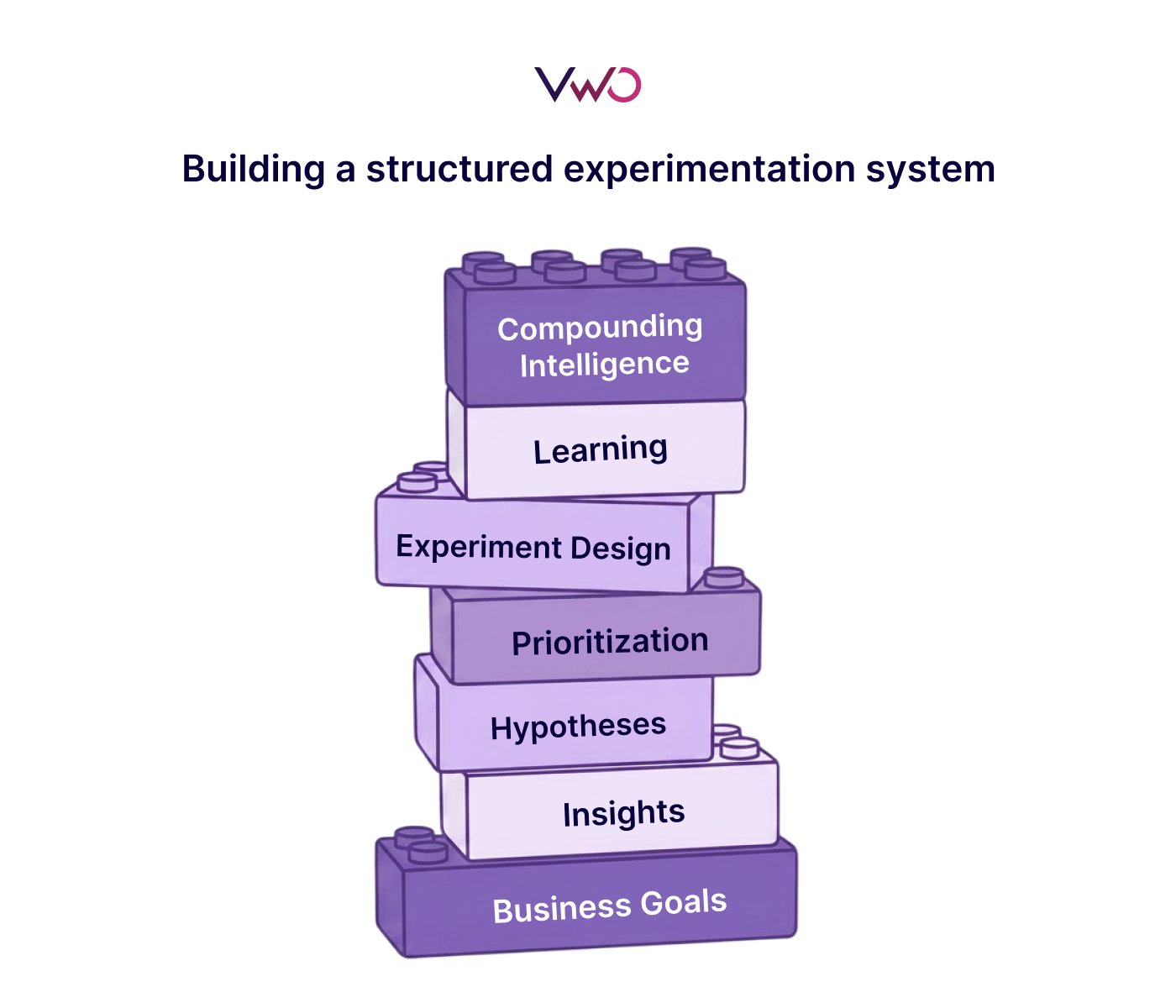
The shift toward a more mature CRO posture requires the implementation of a structured experimentation system—an operating model that treats learning as a reusable organizational asset. Pinate identifies several critical layers necessary for building such a system from the ground up:
- Strategic Alignment: The organization must first achieve consensus on the primary objective, whether it be revenue growth, customer retention, acquisition efficiency, or lifetime value.
- The Idea Intake Layer: This involves synthesizing insights from diverse sources, including web analytics, User Experience (UX) research, customer feedback, and frontline sales or support data, into testable hypotheses.
- Ruthless Prioritization: Because not all ideas carry equal weight, a disciplined framework is required to determine which tests deserve resources based on their potential to reshape business understanding.
- Knowledge Compounding: A successful system ensures that every test, regardless of its statistical outcome, contributes to a repository of intelligence that informs future decisions.
Industry data suggests that organizations with a highly structured approach to experimentation are twice as likely to report a significant impact on their bottom line compared to those that conduct ad hoc testing. Pinate posits that if an experimentation program does not improve the quality of future decision-making, it is merely "noise wrapped in process."

Prioritization and the Shift to Revenue-Driven KPIs
A recurring challenge for CRO leads is the prioritization of tests across the customer funnel. Pinate advocates for a model that intersects business impact, user friction, and strategic leverage. He notes that the most valuable experiments are often those that provide "strategic timing"—tests that may not move a metric immediately but offer critical insights at a specific juncture in the company’s growth trajectory.
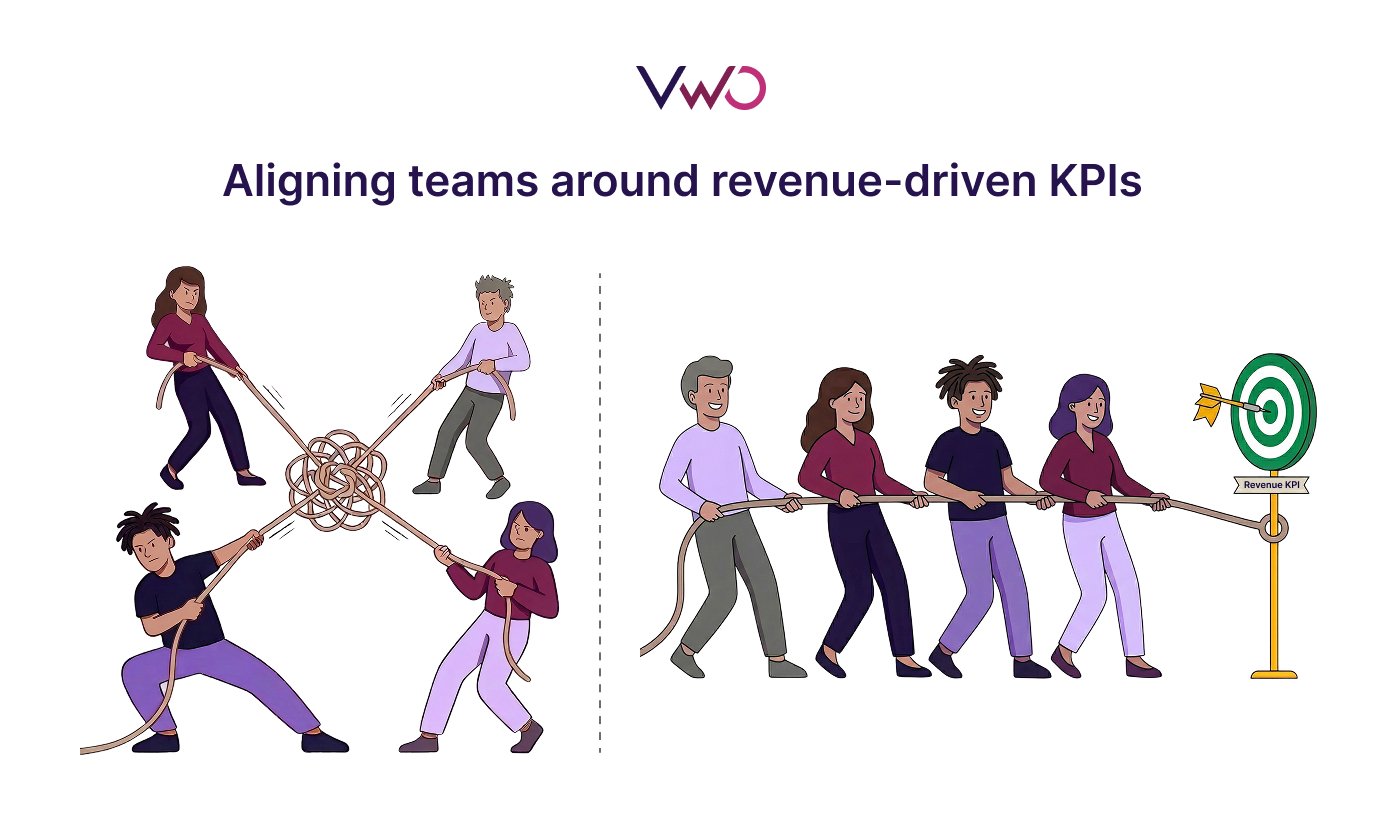
This strategic focus is closely tied to the alignment of teams around revenue-driven Key Performance Indicators (KPIs). The transition from traditional marketing metrics (such as clicks and impressions) to revenue ownership represents a significant cultural shift. When marketing is viewed as a support function, it often hides behind superficial engagement data. However, as it evolves into a core component of the company’s "economic engine," it must demonstrate accountability through a unified view of acquisition, activation, retention, and expansion.
This systemic view of revenue requires a "shared chain of causality." Teams must understand how acquisition quality influences churn rates and how activation strategies impact long-term lifetime value. By connecting these dots, performance transitions from a tactical activity to a strategic discipline.
Navigating the "Zero-Click" Reality and Behavioral Data
The digital landscape is currently being redefined by "zero-click" behavior, a phenomenon where users obtain the information they need directly from search engine results pages (SERPs) or AI-generated summaries without ever clicking through to a website. This trend has profound implications for user decision-making.
Pinate observes that users now arrive at a website with pre-formed context and sharper expectations. In this environment, the website’s role has shifted from being a primary information source to a "clarity engine" designed to reassure and differentiate. Brands no longer win by simply being clear; they must provide "trust density"—a combination of nuance, proof, and conviction that justifies why a user should choose them over a competitor.
To navigate this, Pinate emphasizes the need to turn behavioral data into actionable insights. While most organizations have access to quantitative data (heatmaps, funnel drop-offs), few successfully interpret the "story behind the numbers." Qualitative depth—understanding what a user was feeling or expecting at a moment of friction—is the human skill that differentiates successful brands in a data-flooded market.
The Role of AI and Personalization: Guardrails and Human Judgment
As Artificial Intelligence (AI) becomes integrated into experimentation workflows, its primary value lies in amplifying human intelligence rather than replacing it. AI excels at pattern recognition, rapid analysis of large datasets, and generating content variations. However, Pinate warns that "scale without judgment is dangerous."
The essential guardrails for AI in experimentation include human oversight, source traceability, and strategic accountability. The future, he suggests, belongs to organizations that can combine machine-driven scale with human intuition.
Similarly, the approach to personalization must be tempered with restraint. Personalization adds value when it reduces user effort and increases relevance. However, when it becomes excessively complex, it can erode trust and clarity. Pinate’s rule of thumb is simple: if personalization helps a user move forward with confidence, it is an asset; if it is used to mask a weak product-market fit, it becomes "decorative complexity."
The Maturing Landscape of CRO in Spain
The Spanish market serves as a microcosm for the broader global trends in CRO. Pinate notes that Spain is entering a more mature phase where the conversation is moving away from basic tactics toward "decision design." This shift is characterized by a growing integration of UX, analytics, and business strategy into a single, cohesive dialogue.
While many Spanish companies historically treated CRO as a project-based activity, the leading firms are now recognizing it as a permanent cultural capability. The competitive advantage in this market will increasingly be held by those who can reduce uncertainty and make high-quality decisions at a faster pace than their peers.
Chronology of the CRO Evolution
The insights shared by Pinate reflect a broader timeline of industry development:
- 2010-2015: The era of "A/B Testing" focused on cosmetic changes (button colors, headlines) and conversion lifts.
- 2016-2020: The rise of "Experimentation Culture," where testing expanded into product features and personalization.
- 2021-Present: The emergence of "Decision Design," where experimentation is used as a strategic tool to validate business models and navigate complex consumer psychological shifts like zero-click behavior.
Implications for Global Business Strategy
The implications of Pinate’s perspective are clear: experimentation is no longer a luxury for digital-native companies but a core requirement for any business seeking to maintain relevance. As the cost of customer acquisition continues to rise and consumer trust remains a fragile commodity, the ability to build a system that compounds intelligence is the ultimate competitive moat.
In conclusion, the evolution of CRO into a discipline of decision design marks a turning point in how businesses interact with their customers. By focusing on trust density, revenue-driven KPIs, and the strategic interpretation of behavioral data, organizations can move beyond the noise of performative testing and build a sustainable engine for growth. As Andres Pinate’s insights suggest, the goal of the modern experimenter is not just to run more tests, but to foster a culture where every decision is informed, validated, and aligned with the broader commercial logic of the enterprise.








