
 rifanmuazin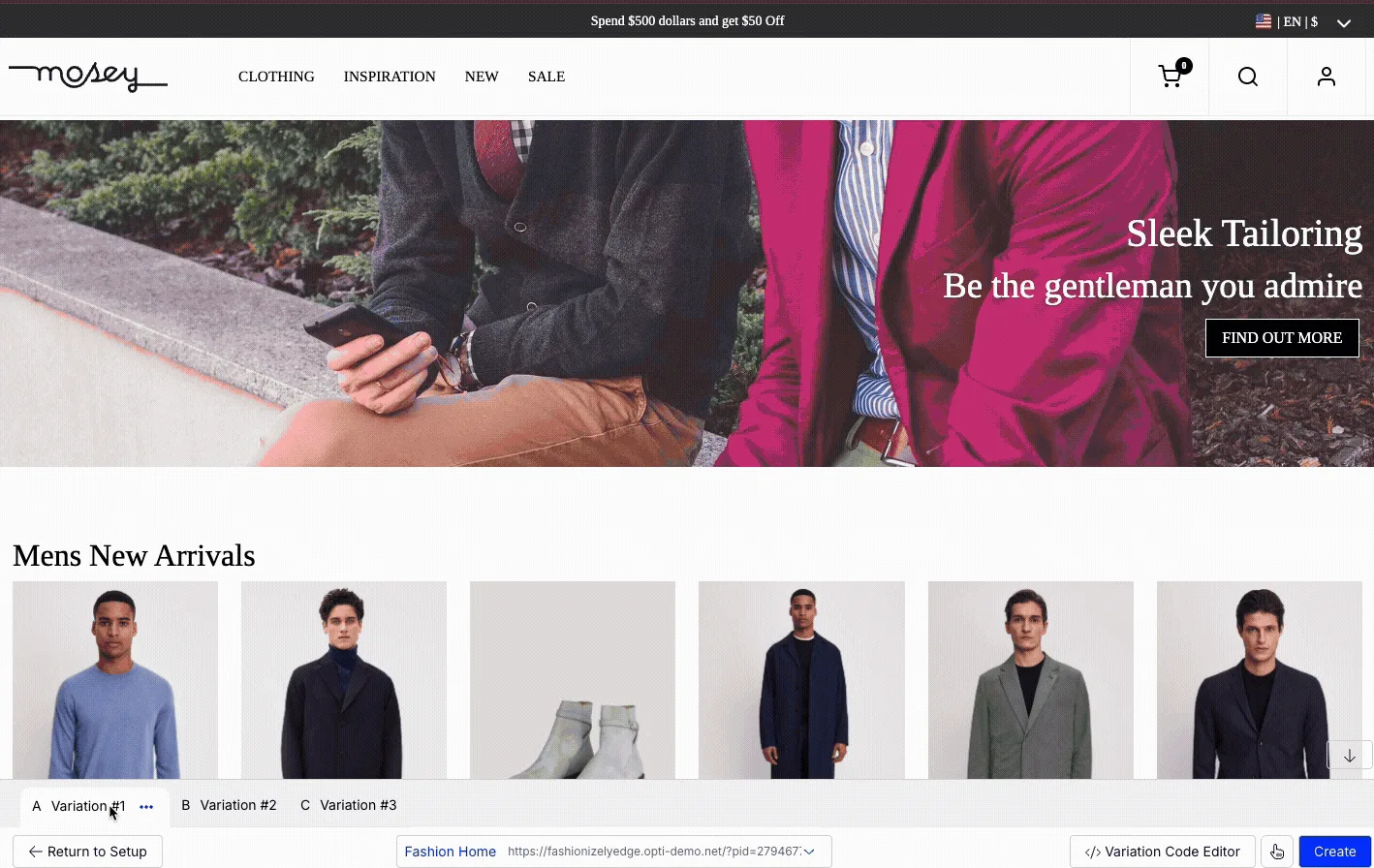
In the rapidly evolving landscape of digital marketing, the ability to transform website visitors into loyal customers has become the primary differentiator between high-growth enterprises and stagnating brands. As organizations navigate the complexities of user experience (UX) and conversion rate optimization (CRO), two platforms have historically dominated the conversation: Crazy Egg and Optimizely. While both tools aim to improve website performance, they represent fundamentally different philosophies in software design, technical implementation, and budgetary allocation. This analysis provides a deep dive into their respective capabilities, historical contexts, and strategic implications for businesses in 2025.
The Strategic Landscape of Web Optimization
The global conversion rate optimization software market is projected to reach significant valuations by the end of the decade, driven by the rising costs of customer acquisition (CAC). As digital advertising becomes more expensive across platforms like Meta and Google, companies are shifting their focus toward maximizing the value of existing traffic. Within this environment, the choice between an "all-in-one" behavioral suite and an "enterprise-grade" experimentation platform is a critical decision for Chief Marketing Officers (CMOs) and Product Leads.
Crazy Egg, founded in 2005 by Hiten Shah and Neil Patel, was a pioneer in the visual representation of data. Its introduction of "heatmaps" revolutionized how marketers understood user intent by providing a visual layer over traditional analytics. Conversely, Optimizely, founded in 2010 by Dan Siroker and Pete Koomen, rose to prominence following Siroker’s experience as the Director of Analytics for the 2008 Obama campaign. The platform was built on the premise that rigorous A/B testing could drive massive incremental gains in revenue and engagement.
Historical Context and Market Evolution
The trajectory of these two companies reflects the broader trend of market segmentation in the SaaS industry. Crazy Egg has remained true to its roots as a democratizing force, offering accessible, no-code tools for small to mid-sized businesses (SMBs) and marketing teams that require immediate insights without heavy engineering support.
Optimizely’s path has been one of consolidation and expansion. In 2020, the company was acquired by Episerver, a global provider of digital experience platform (DXP) software. This acquisition signaled a shift from being a standalone testing tool to becoming a comprehensive suite that includes content management (CMS), digital asset management (DAM), and customer data platforms (CDP). Today, Optimizely positions itself as a "Digital Experience Platform," competing with giants like Adobe Experience Cloud and Oracle Marketing Cloud.
Core Experimentation Capabilities: A Technical Comparison
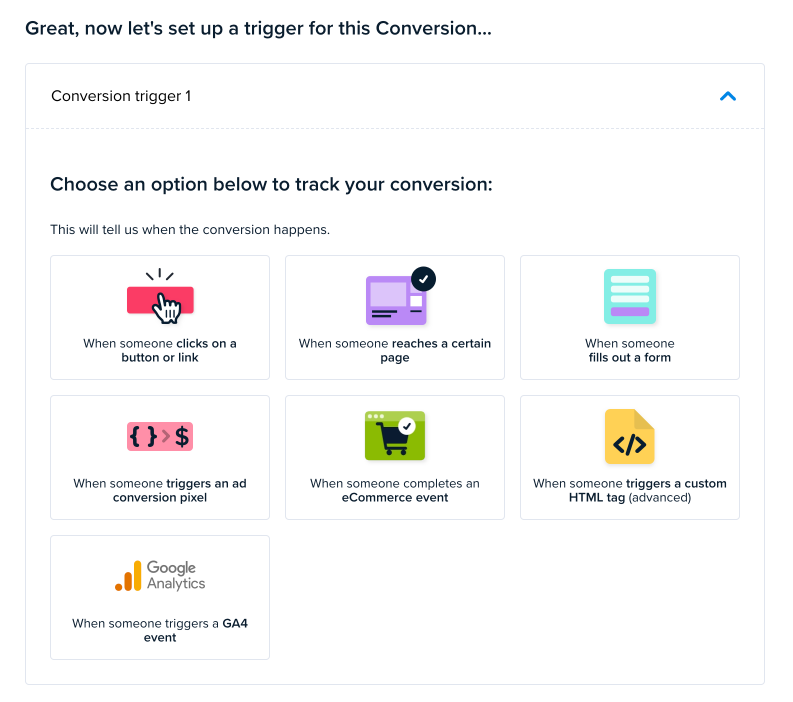
At the heart of both platforms is the ability to run experiments. However, the depth and technical requirements of these experiments vary significantly.
Crazy Egg’s Accessibility-First Model
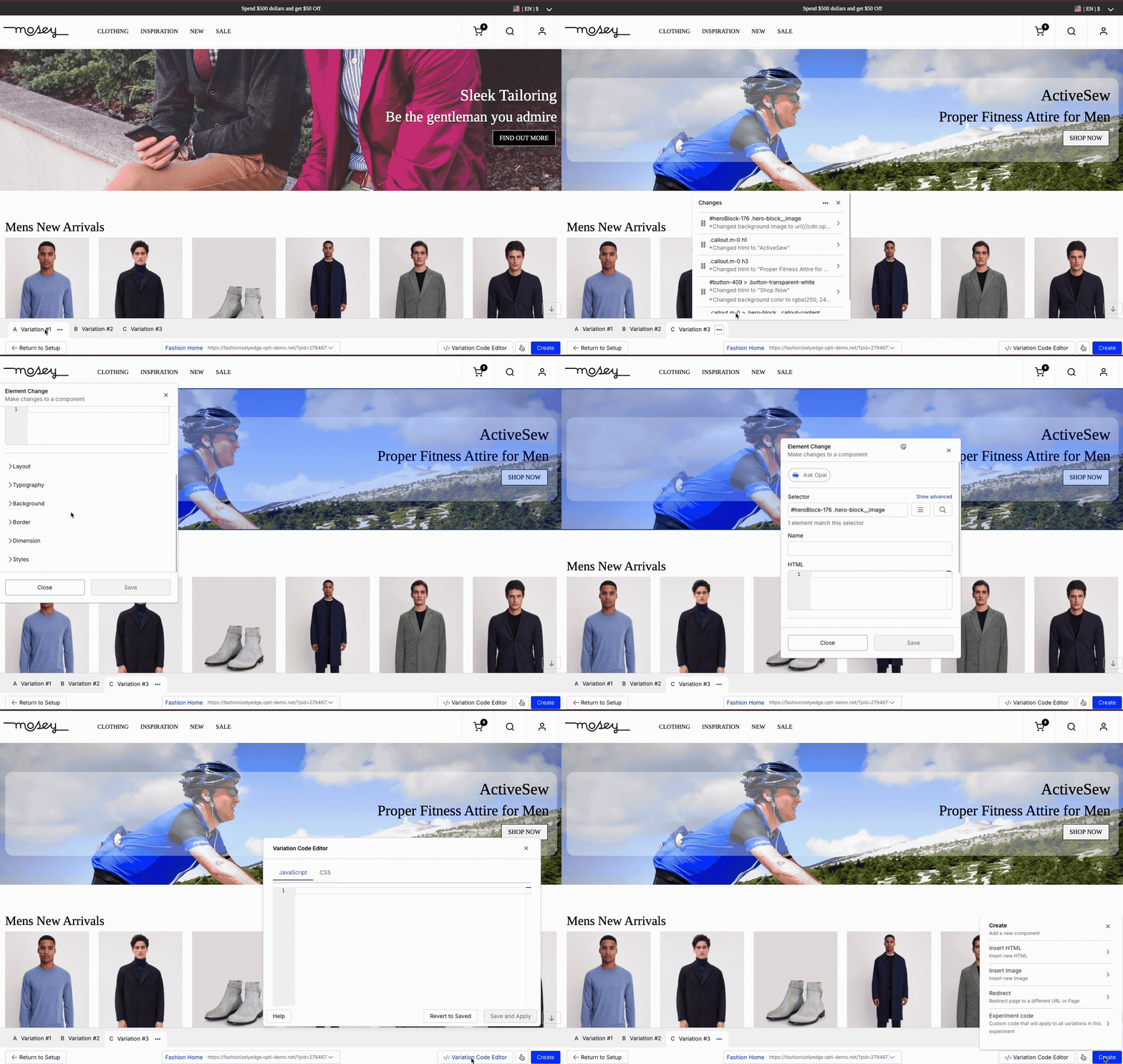
Crazy Egg’s A/B testing is designed for the "agile marketer." Its visual editor allows users to change headlines, images, and call-to-action (CTA) buttons without writing a single line of code. It utilizes a Multi-Arm Bandit (MAB) approach, which is an advanced machine learning algorithm that automatically redirects traffic to the winning variant in real-time. This minimizes "regret"—the loss of conversions that occurs when traffic is sent to an underperforming version of a page during a long test.
Optimizely’s Enterprise Rigor
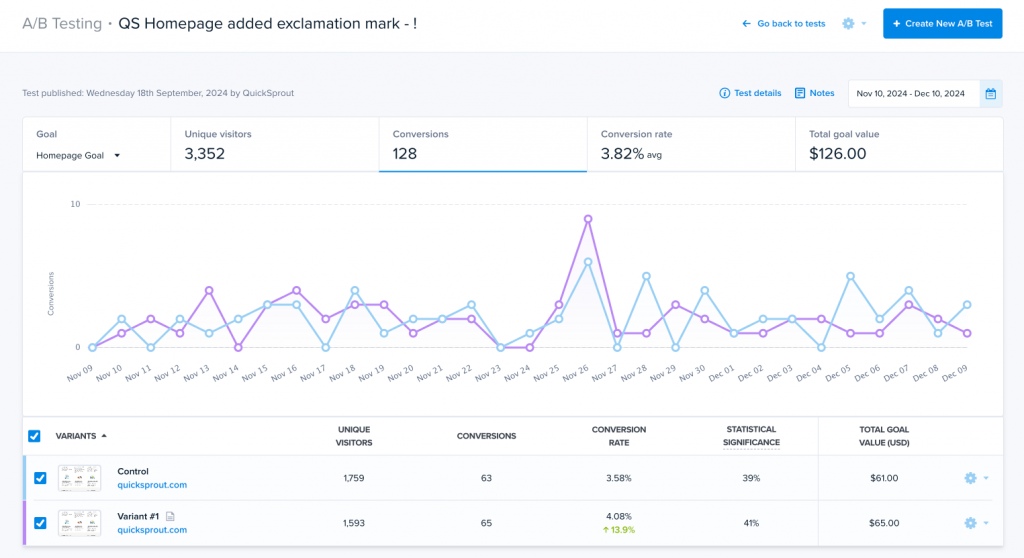
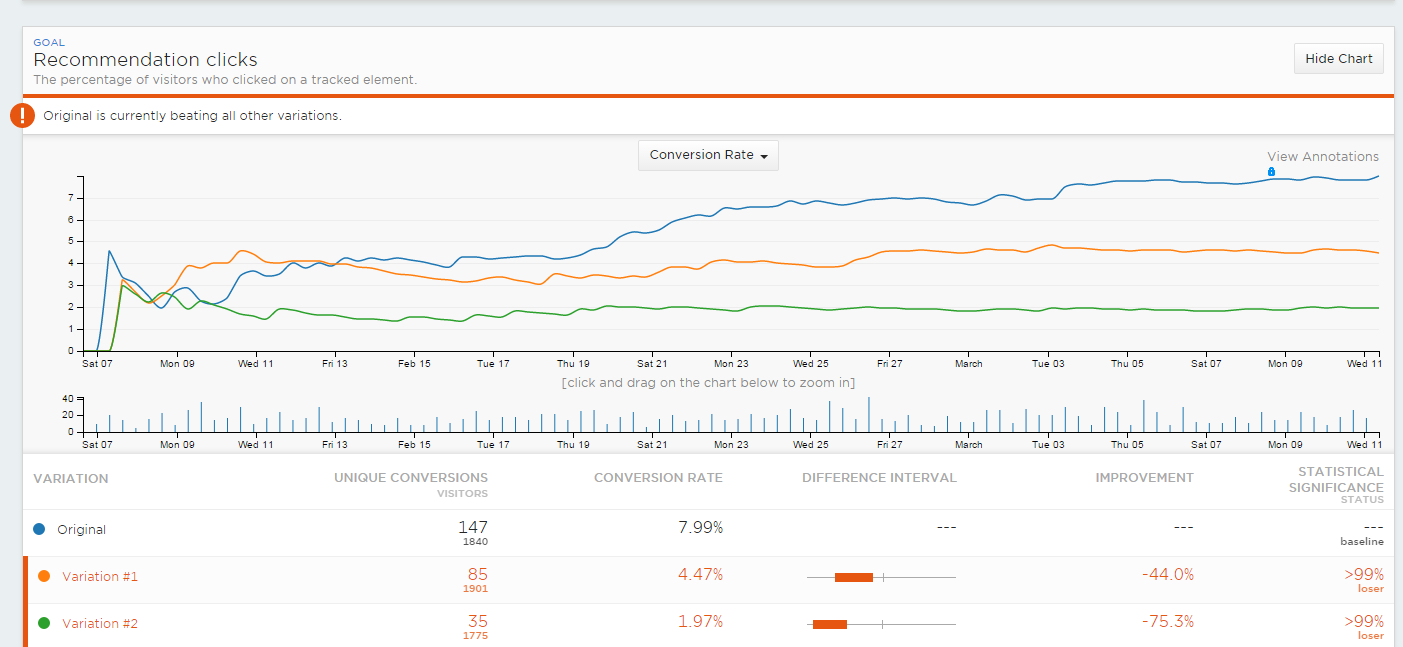
Optimizely offers a broader spectrum of testing, including multivariate testing (MVT), which allows teams to test multiple variables simultaneously to see how they interact. Furthermore, Optimizely provides "Feature Experimentation," which is essential for product teams. This allows for server-side testing, where new features can be toggled on or off for specific user segments at the backend level. This is critical for mobile applications and complex web architectures where client-side changes (like those in Crazy Egg) might negatively impact page load speeds or security.
Behavioral Analytics: Bridging the Gap Between Data and Empathy
While raw numbers tell you what is happening, behavioral analytics tell you why. This is the area where Crazy Egg has historically maintained a competitive edge for general marketing use.
The Visual Power of Crazy Egg
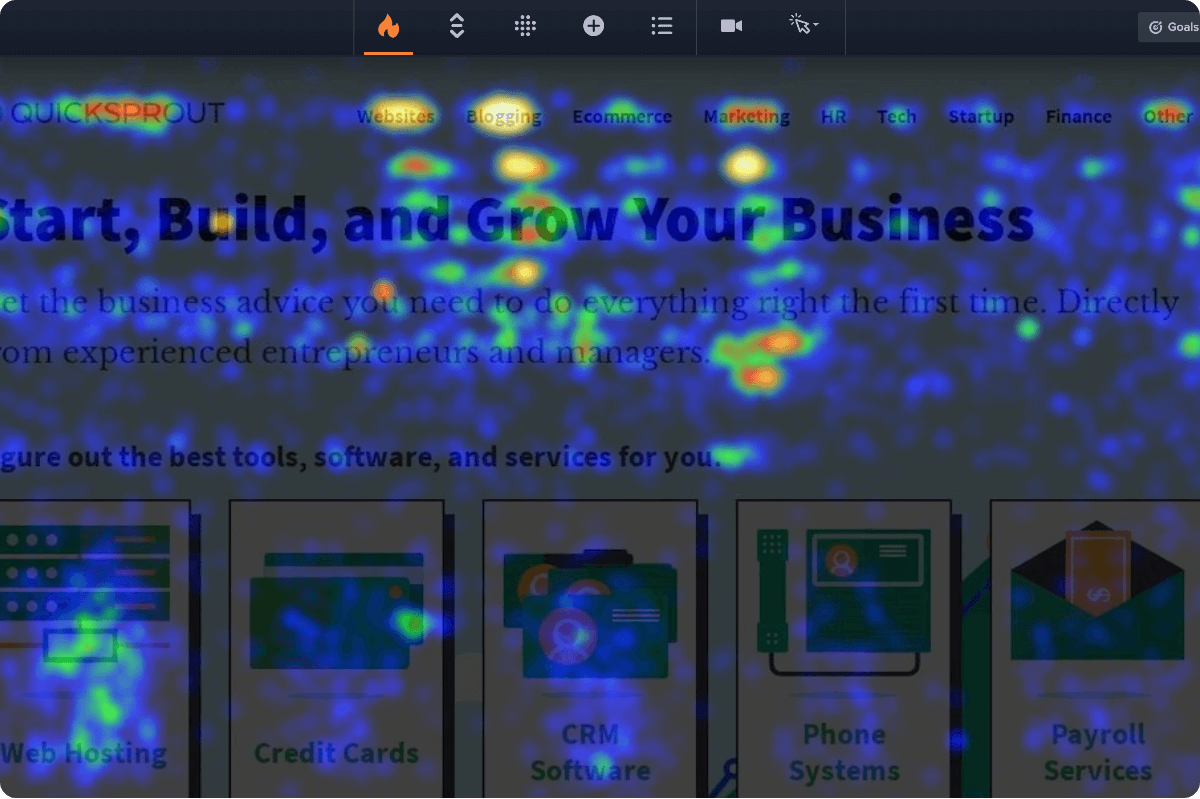
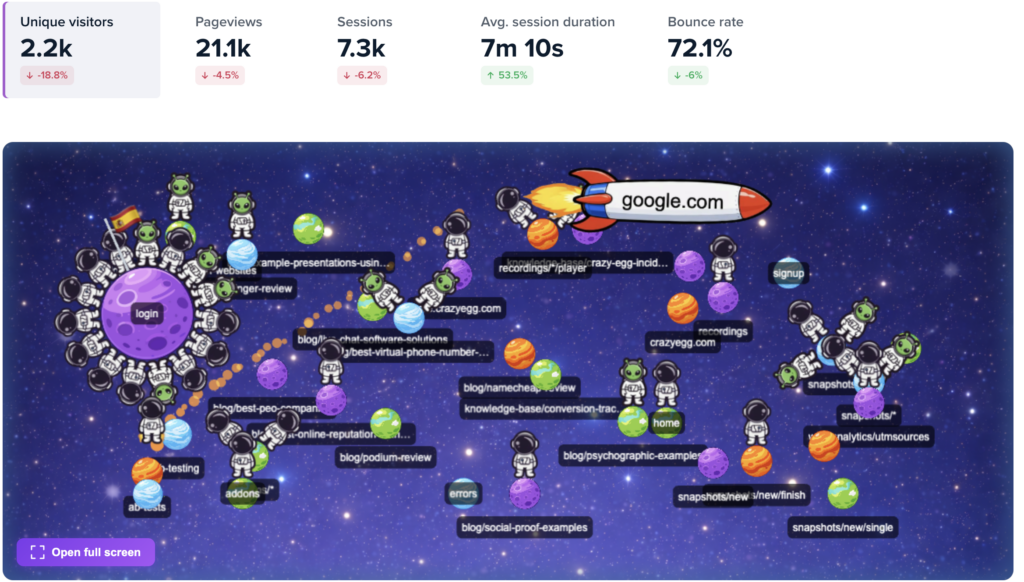
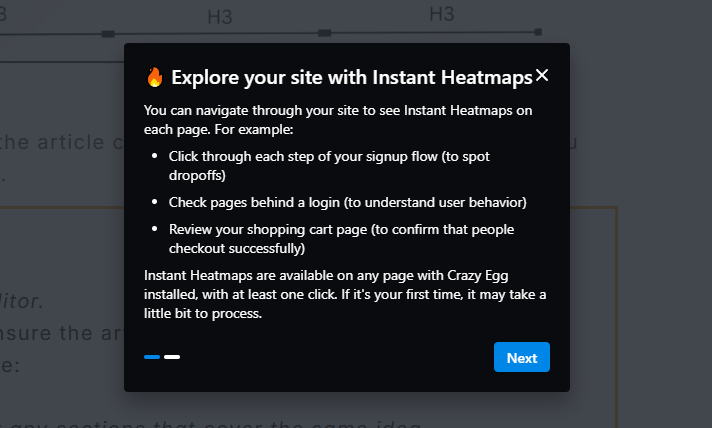
Crazy Egg offers five distinct types of heatmaps:
- Heatmaps: Showing where users click.
- Scrollmaps: Indicating how far down a page users travel.
- Confetti Reports: Segmenting clicks by referral source or search term.
- Overlay Reports: Showing the percentage of clicks on specific elements.
- List Reports: Providing a numerical breakdown of every element’s performance.
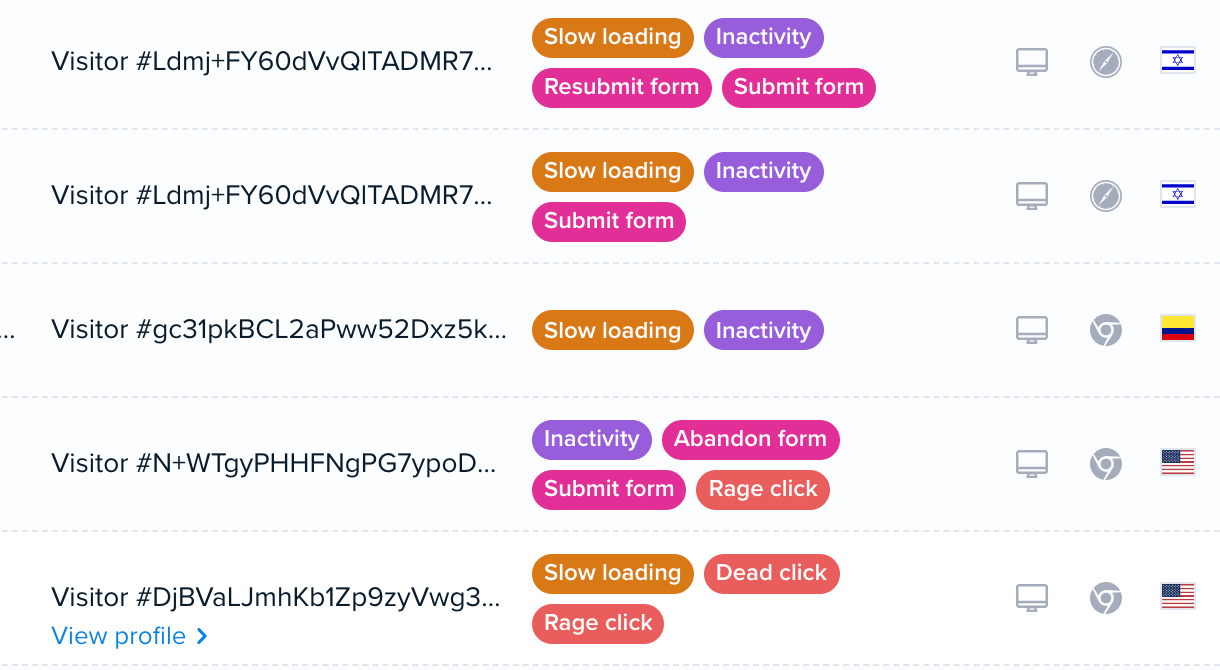
Combined with native session recordings, Crazy Egg allows a marketer to watch a user’s journey, identify "rage clicks" (repeatedly clicking an unresponsive element), and immediately implement a fix.
Optimizely’s Integrated Ecosystem
Optimizely does not offer native heatmaps or session recordings. Instead, it operates on a philosophy of "best-of-breed" integration. For an enterprise to get behavioral insights, they must integrate Optimizely with third-party tools like Hotjar, Contentsquare, or Microsoft Clarity. While this provides a more powerful data stack, it increases the total cost of ownership and requires data teams to manage multiple vendors and privacy compliance protocols.
The Rise of AI in Conversion Rate Optimization
In 2024 and 2025, both platforms have integrated Artificial Intelligence to handle the "heavy lifting" of data analysis.
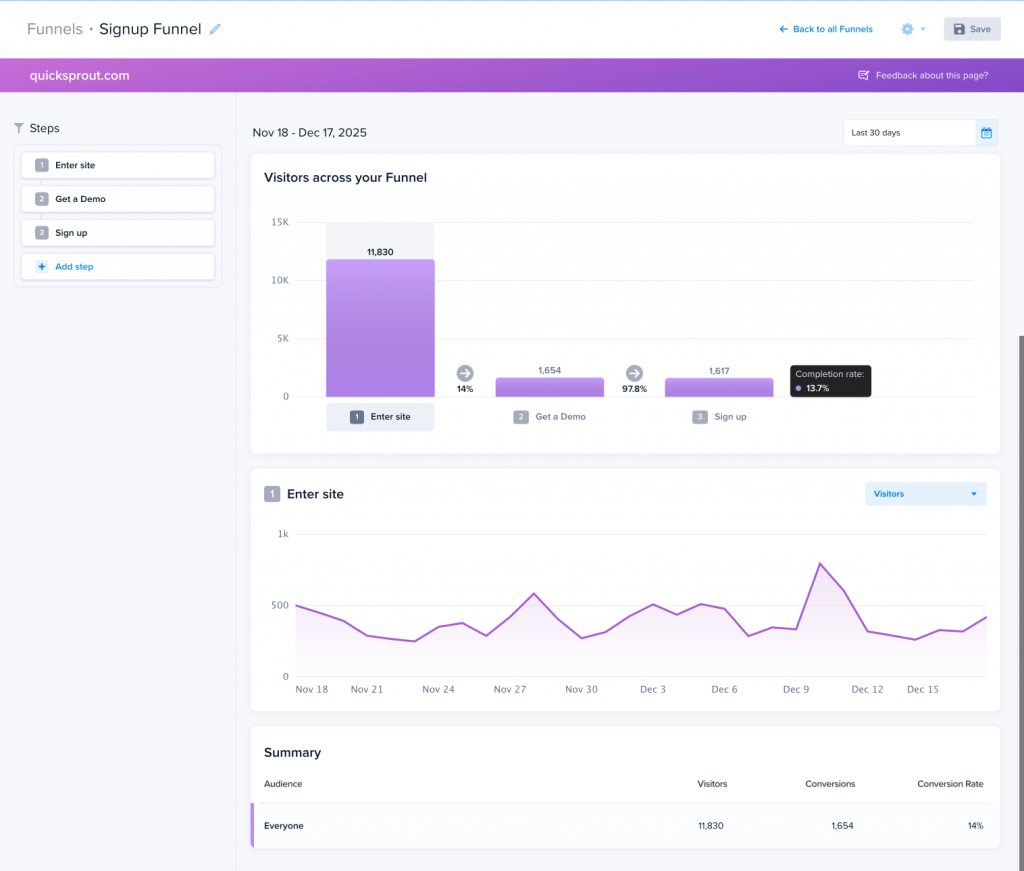
Crazy Egg’s AI focuses on "Top Insights." It scans thousands of hours of session recordings and heatmap data to provide plain-English recommendations. For example, it might alert a user: "Visitors from mobile devices are failing to see your primary CTA because it is below the fold on 80% of devices." This democratizes data science, allowing small teams to act on sophisticated observations.
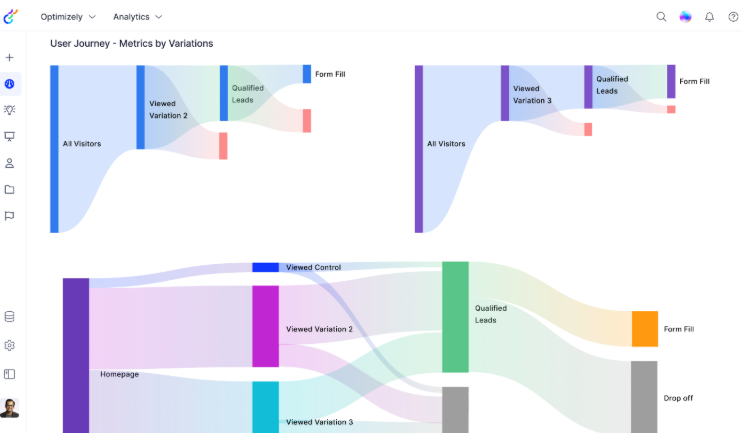
Optimizely has introduced "Opal," an AI-powered agent orchestration platform. Opal is designed for complex workflows. It can assist in experiment planning, generate GA4 reports via chat, and even connect to developer tools like VS Code Copilot. This reflects Optimizely’s focus on the "power user"—the data scientist or engineer who needs to automate complex, multi-stage digital workflows.
Total Cost of Ownership and Financial Implications
The financial commitment required for these tools creates a natural divide in the market.
The SMB and Mid-Market Value Proposition
Crazy Egg utilizes a transparent, self-serve pricing model. With plans starting as low as $29 per month and a robust "Plus" plan at $99 per month, it is accessible to startups and individual consultants. The primary billing metric is "tracked pageviews," meaning companies only pay for the specific pages they are actively optimizing. For a marketing team with a budget of $5,000 to $10,000 a year for CRO, Crazy Egg offers a high return on investment (ROI).
The Enterprise Investment
Optimizely operates on a "quote-only" basis, with reported annual contracts ranging from $36,000 to well over $100,000. This does not include the internal costs of hiring dedicated CRO managers, data analysts, and engineers required to run the platform effectively. For a Fortune 500 company, this investment is justified if a 0.5% increase in checkout conversion results in millions of dollars in additional revenue. However, for a smaller entity, industry analysts often describe Optimizely as "overkill."
Market Sentiment and Professional Reactions
Feedback from the digital marketing community highlights a clear distinction in user satisfaction based on company size.
Marketing agencies often favor Crazy Egg for its "speed to insight." As one agency director noted, "We can install Crazy Egg on a client’s site on Monday and have actionable data by Wednesday. There’s no friction."
On the other hand, IT and Product Security departments often prefer Optimizely. Its enterprise-grade security, mutually exclusive experiment groups (preventing two tests from interfering with each other), and robust API documentation make it the "safe" choice for organizations with strict governance requirements.
Broader Industry Impact and Strategic Implications
The choice between Crazy Egg and Optimizely is ultimately a choice of business strategy.
Organizations that prioritize agility, visual insights, and cost-efficiency will find Crazy Egg to be the superior partner. It empowers marketing teams to be self-sufficient, reducing the reliance on IT departments and allowing for a rapid "test and learn" culture.
Organizations that are undergoing large-scale digital transformation and require a unified stack for content, commerce, and experimentation will gravitate toward Optimizely. It is a tool for the "long game," where experimentation is baked into the product development lifecycle rather than just being a marketing tactic.
As the digital landscape becomes increasingly saturated, the "winners" will be those who best understand their users. Whether that understanding comes from Crazy Egg’s intuitive heatmaps or Optimizely’s rigorous server-side experiments, the goal remains the same: creating a digital experience that feels seamless, intuitive, and ultimately, indispensable to the end user. In the coming years, we expect to see further convergence of AI and behavioral data, making the barrier to entry for high-level optimization lower than ever before, regardless of which platform a company chooses to adopt.








