

The landscape of public relations and brand marketing is undergoing a fundamental shift, moving away from broad-spectrum messaging toward hyper-targeted, community-centric activations and data-driven visibility in the age of artificial intelligence. Recent campaigns from General Mills’ Lucky Charms and the personal care brand eos, alongside new research into AI search visibility, illustrate a new playbook for communicators. This strategy prioritizes "going deep" within specific subcultures to achieve organic virality and leveraging community-driven platforms like Reddit to secure relevance in an increasingly automated search environment. As traditional advertising faces diminishing returns, these case studies provide a roadmap for how brands can navigate the intersection of cultural trends, influencer partnerships, and the evolving technological landscape.
The RushTok Phenomenon: Lucky Charms and the Power of Niche Integration
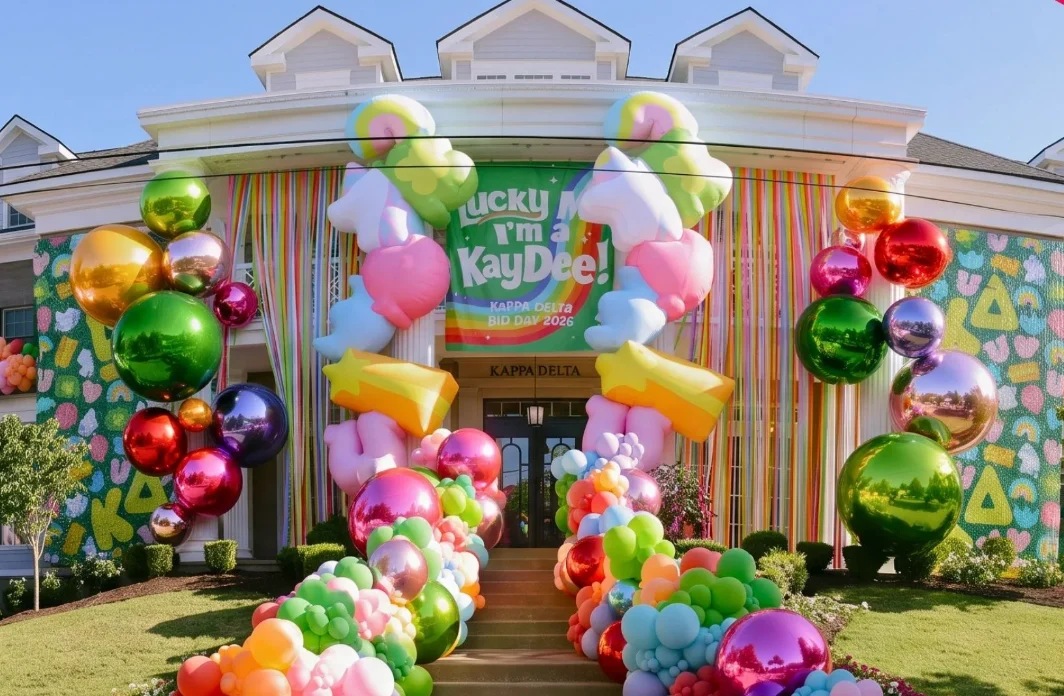
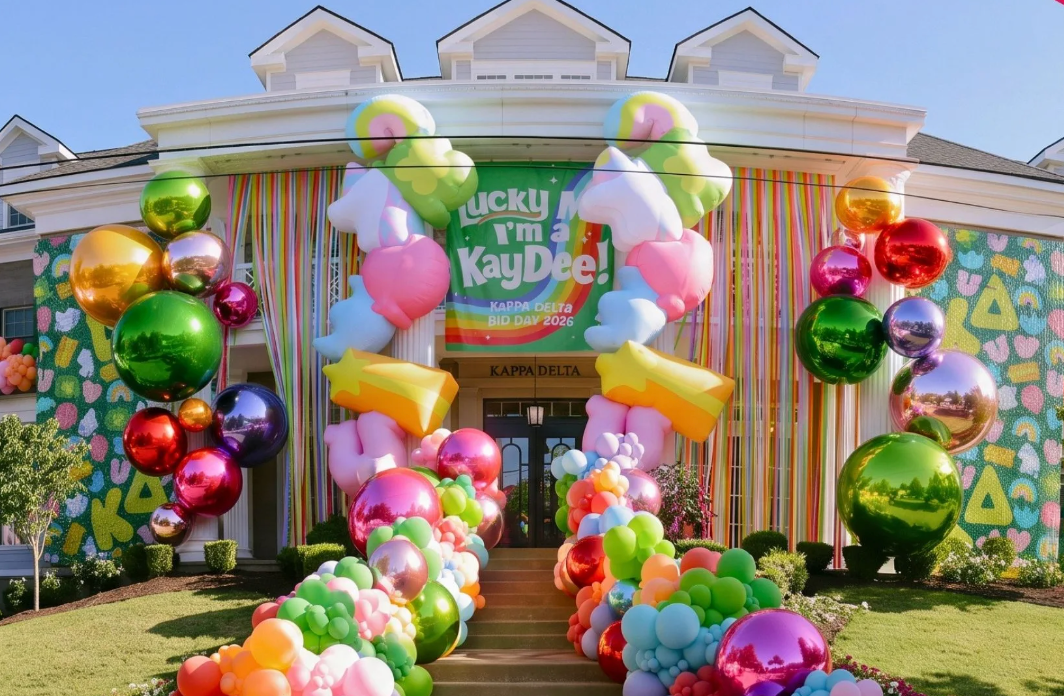
In the month of August, social media platforms—particularly TikTok—become dominated by the cultural juggernaut known as #RushTok. This digital phenomenon involves thousands of college women documenting the intensive sorority recruitment process at major American universities. The trend reaches its peak on "Bid Day," the highly emotional moment when prospective members receive invitations to join specific Greek organizations. This year, General Mills’ Lucky Charms transformed this organic social media moment into a high-impact brand activation by partnering with the Kappa Delta chapter at the University of Arkansas.
The activation was not a random sponsorship but a strategic response to an existing organic trend. Before General Mills intervened, the "Lucky Me" sentiment was already a recurring theme among sorority members on TikTok. Recognizing a natural alignment between the brand’s whimsical identity and the aspirational "vibe" of sorority life, Lucky Charms deployed a full-scale brand experience. The event featured elaborate marshmallow-themed balloon installations, DIY charm bracelet stations, custom-branded merchandise, and professional-grade photo booths, all bathed in the cereal’s iconic rainbow palette.
Megan Brooks, Business Unit Director for Family Favorite Cereals at General Mills, noted that the goal was to empower the community to make the brand their own. By focusing on a single chapter at a single university, the brand created a concentrated burst of high-quality, authentic content that resonated far beyond the campus of Fayetteville, Arkansas. This "narrow to go wide" strategy allowed the brand to tap into a multigenerational audience that follows #RushTok for its entertainment value, regardless of their personal affiliation with Greek life.
The broader implications for this type of collegiate marketing are significant. Emily Blair Marcus, CEO and founder of Emily Blair Media, suggests that the growth of collegiate influencers is transforming into a sophisticated sector of the creator economy. Beyond Name, Image, and Likeness (NIL) deals for athletes, brands are increasingly looking toward social organizations and campus chapters—such as REACH chapters—to represent them. However, Marcus cautions that these partnerships require rigorous vetting. Because college students are young and operating in a high-stakes digital environment, brands must ensure that the organizations they partner with align with their core values to avoid the pitfalls of "cancel culture."
The AI Visibility Gap: Why Target and IKEA Dominate the New Search Frontier
As the back-to-school season drives consumer behavior, a new battleground for brand visibility has emerged: the AI search engine. New data from The Pollack Group’s inaugural Brand Visibility Index reveals that traditional search engine optimization (SEO) is no longer sufficient. Brands must now consider Generative Engine Optimization (GEO) as families increasingly use tools like ChatGPT, Claude, and Gemini to curate shopping lists and product recommendations.
The study, which analyzed 335 AI-generated responses to common back-to-school queries across six major retailers, found a staggering disparity in visibility. Target and IKEA emerged as the clear winners, appearing in approximately 30% of all AI-generated recommendations. In contrast, Amazon, despite its massive market share and logistics dominance, appeared in only 8.7% of responses. This gap suggests that AI models prioritize specific types of data and community sentiment over mere scale.
A critical driver of this visibility is the influence of community-driven platforms, specifically Reddit. The study found that Reddit discussions were present in 32% of the AI responses analyzed. This underscores the reality that AI models are trained on human conversations and peer-to-peer recommendations. When users on Reddit consistently praise Target’s dorm decor or IKEA’s organizational solutions, the AI perceives these brands as more relevant and trustworthy than a brand that relies solely on algorithmic dominance.
Nicole Paleologus, Senior Managing Director at Next PR, emphasizes that Reddit should no longer be viewed as an outlier in a PR strategy. Because brands cannot "game" Reddit with traditional marketing whitepapers or polished ads, the platform requires a more authentic engagement strategy. While recent reports have shown fluctuations in how often AI models cite Reddit directly, the underlying data still suggests that the sentiment expressed on such platforms heavily informs the "decisions" made by generative AI. For communicators, the takeaway is clear: earned media, social presence, and purposeful content are the primary drivers of AI visibility.
Community-First Engagement: eos and the "Smooth Set" at the U.S. Open
While Lucky Charms focused on the collegiate market and retailers focused on AI search, the personal care brand eos utilized the U.S. Open season to demonstrate the power of inclusive, community-first engagement. Rather than purchasing traditional, high-cost tournament sponsorships or television spots, eos partnered with professional tennis player Ayan Broomfield and her "Ayan’s Aces" initiative.
The collaboration centered on "The eos Smooth Set," a day of tennis clinics and community building held in New York City on August 22. The event was specifically designed for 100 women of color, a demographic that has historically been underrepresented in the sport of tennis despite the global success of icons like Serena Williams and Coco Gauff. The activation combined athletic instruction with sensory brand experiences, including an eos scent bar and a product bedazzling station.
This approach reflects a shift from seeking "reach and impressions" to seeking "impact and representation." By facilitating access to the sport and providing a platform for an established community advocate like Broomfield, eos positioned itself as a supporter of meaningful action rather than just a commercial participant in the U.S. Open zeitgeist.
Carmella Glover, President and CEO of the Diversity Action Alliance, argues that the brilliance of this partnership lies in its cultural fluency. By supporting a credible community leader, eos avoided the common mistake of "brand-splaining" or exploiting a culture for aesthetic gain. Instead, the brand provided tangible value—access to tennis—while integrating its products in a way that felt additive to the experience. For women of color, who represent some of the most engaged consumers in the beauty and personal care industry, this type of intentional behavior builds long-term brand loyalty. Glover notes that the strategy successfully cuts across generations by being non-polarizing yet clearly defined in its mission.
Analysis of Implications: The New PR Playbook
The common thread connecting these three disparate examples is the prioritization of depth over breadth. In the case of Lucky Charms, a deep dive into a specific TikTok subculture yielded millions of organic views. For Target and IKEA, a deep presence in community discussions on Reddit translated into dominance in AI search results. For eos, a deep commitment to an underrepresented community within the tennis world created a high-value brand experience that resonated with a key consumer demographic.
This trend suggests several critical shifts for the future of public relations:
- The End of the General Audience: As digital spaces become more fragmented, the "general audience" is becoming a myth. Brands must identify specific "tribes" or subcultures and engage with them on their own terms.
- The Rise of GEO: Communicators must adapt to the reality that AI is the new gatekeeper of information. Visibility in 2025 and beyond will depend on a brand’s ability to generate positive, organic mentions in the "digital town squares" where AI models go to learn.
- Values as Action: Declarations of commitment to diversity or community are no longer enough. Consumers, particularly Gen Z and Millennials, expect brands to demonstrate their values through behavioral investments, such as the eos tennis clinics or the Lucky Charms Bid Day activation.
- The Strategic Use of Creators: The role of the influencer is evolving from a mere spokesperson to a community leader. Brands that empower these creators to "own" the brand experience within their niche will see higher levels of trust and engagement.
In conclusion, the success of these campaigns demonstrates that modern PR is less about the volume of the message and more about the resonance of the connection. Whether it is through a marshmallow-themed sorority party, a Reddit thread about college essentials, or a tennis clinic in the heart of New York City, the brands that "get it" are those that prioritize community, authenticity, and the subtle art of being in the right place at the right time. As the media landscape continues to evolve, the ability to go deep will be the ultimate competitive advantage.









