For a considerable period, social media departments were often perceived as the “fun” corner of a business, characterized by viral memes, casual banter, and the occasional attention-grabbing post. While these elements still hold a place in brand communication, the landscape has fundamentally shifted. Social media is no longer merely a hub for vanity metrics; it has evolved into a sophisticated, quantifiable driver of significant business growth and revenue. The imperative now is to transform social media operations into a performance-driven channel, directly demonstrating its tangible value to the broader organization.
The Evolution of Marketing: Understanding Performance Marketing

At its core, performance marketing represents a results-driven approach where businesses compensate marketing efforts only when a specific, desired action is taken. This contrasts sharply with traditional marketing, which often pays for mere visibility or exposure. In performance marketing, expenditures are directly tied to measurable outcomes such such as clicks, leads generated, or actual sales, thereby establishing a clear link between marketing spend and financial returns.
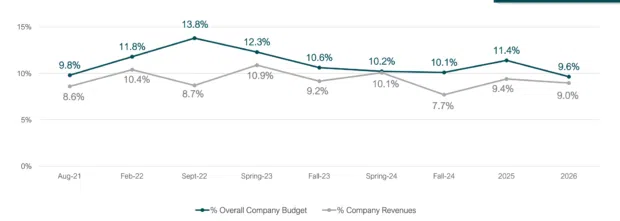
To fully grasp the significance of this shift, it’s crucial to examine the historical context of traditional marketing objectives. Goals like “brand awareness,” while inherently valuable, often presented challenges in directly correlating them with specific revenue targets. This disconnect frequently led to marketing being viewed as a cost center—an essential but nebulous expenditure with an unclear return on investment. This perception has real and severe consequences for marketing departments. Data from The CMO Survey’s 2026 report starkly illustrates this vulnerability, revealing that when company profits fall short of expectations, marketing expenses are cut in 45% of cases, a higher percentage than any other operational category.
Performance marketing fundamentally alters this paradigm. By focusing on measurable outcomes, marketing transforms from a perceived cost center into a high-ROI profit center. It directly supports critical business objectives, including increasing sales volumes, generating qualified leads, and significantly lowering customer acquisition costs (CAC). The advent of sophisticated modern marketing tools, offering advanced tracking, real-time analytics, in-depth market research, and granular attribution reporting, has empowered this transformation. This wealth of data turns the marketing department into an invaluable source of actionable insights, capable of elevating strategic decision-making across the entire company.

The Imperative for Social Media to Embrace Performance
While social media possesses the inherent potential to be a powerful performance marketing channel, this potential is only realized through the deliberate application of performance marketing tactics. Left unchecked, social media can indeed generate “vanity metrics” like likes, comments, and shares. While these metrics offer some indication of audience engagement, their direct business value is often difficult to quantify in terms of specific dollar-for-dollar ROI. It is precisely here that performance marketing principles become indispensable. By integrating these tactics and best practices into social media efforts, platforms can deliver concrete, measurable results that directly contribute to the bottom line.
The urgency for social marketers to adopt a performance-focused mindset is growing, driven by broader economic trends and evolving corporate expectations. The CMO Survey also indicated a concerning trend in 2026, with marketing budgets declining to 9.6% of overall company budgets—their lowest level since 2021. This tightening of resources means every marketing dollar must be justified and demonstrate clear value. Social marketers who proactively embrace a performance-based model are better positioned to secure and even expand their budgets, earning a crucial seat at the table during strategic business and financial discussions. Industry analysts consistently emphasize that demonstrating measurable ROI is no longer an optional best practice but a fundamental requirement for marketing teams to prove their strategic worth.
Seven Strategic Pillars for Performance-Driven Social Media
Transforming social media into a robust performance marketing channel requires a structured approach centered on goal alignment, data intelligence, and clear ROI reporting. The following seven strategies provide a comprehensive framework:
1. Align Social Goals with Overarching Business Objectives
The foundational step involves meticulously mapping social media goals to the broader objectives that truly matter to the business, such as revenue growth, market share expansion, or enhanced profitability. When social initiatives directly support these overarching corporate ambitions, their value becomes intrinsically linked and significantly easier to defend. This alignment, however, also brings increased accountability to demonstrate tangible value. For instance, an emerging brand might prioritize pure business growth, while a more mature enterprise may narrow its focus to profitable growth. These distinctions are reflected in the organization’s Key Performance Indicators (KPIs) and Objectives and Key Results (OKRs), which social goals must seamlessly integrate into.

Before setting specific targets for the social team, a thorough understanding of the organization’s existing KPI and OKR framework is essential. This research allows social media objectives to be articulated in a language that resonates with executive leadership. For example, instead of a vague goal like “increase followers,” a performance-driven social goal might be “increase qualified leads from social media by 20% in Q3, contributing to a 5% increase in quarterly sales revenue.” Given the dynamic nature of digital marketing, these goals should not be static. Regular quarterly check-ins with cross-functional teams are vital to allow for adjustments as business needs, market conditions, and social strategies evolve.
2. Implement Robust Data Tracking Mechanisms
Effective performance measurement hinges on establishing a comprehensive system for tracking social media data. This involves several critical components:
-
Track Performance-Oriented Social Media Metrics: Focus intently on metrics that directly correlate with business objectives. These will vary based on the specific goals set in the previous step. Generally, key metrics will be tied to sales, leads, and customer value. Examples include:

- Conversion Rate (CR): The percentage of social media interactions that result in a desired action (e.g., purchase, sign-up).
- Click-Through Rate (CTR): The percentage of users who click on a link in a social media post.
- Cost Per Acquisition (CPA): The cost incurred to acquire a new customer through social media.
- Return on Ad Spend (ROAS): Revenue generated for every dollar spent on social media advertising.
- Lead-to-Customer Rate: The percentage of leads from social media that convert into paying customers.
- Customer Lifetime Value (CLTV): The predicted net profit attributed to the entire future relationship with a customer acquired via social.
- Engagement Rate: A measure of interactions (likes, comments, shares) relative to reach or followers.
- Amplification Rate: The rate at which content is shared or retweeted.
- Conversation Rate: The number of comments or replies per post.
- Follower Growth Rate: The rate at which the audience base expands.
Tools like integrated social media management platforms allow for tracking content performance and selecting the most relevant metrics, facilitating the creation of custom, easily shareable reports.
-
Set Up Strategic Social Listening: Social listening is an invaluable source of real-time customer and industry insights, benefiting not only the social team but the entire organization. By actively monitoring conversations, keywords, and sentiment across social platforms, businesses can:
- Identify emerging market trends and opportunities.
- Uncover customer pain points and unmet needs, informing product development.
- Monitor competitor strategies and public perception.
- Detect and mitigate potential brand crises early.
- Gauge public sentiment toward products, campaigns, and the brand itself.
This intelligence impacts diverse value-generating departments, from product development and customer service to sales and public relations.
-
Clarify Audience Demographics and Psychographics: Social media offers unparalleled access to granular audience data. Analyzing audience demographics provides crucial information such as:
- Age and gender distribution.
- Geographic location and language preferences.
- Peak activity times on various platforms.
- Interests and online behaviors.
Combining this demographic data with insights gleaned from social listening allows for the creation of detailed customer personas. These personas sharpen targeting across all marketing channels, enabling more personalized and effective campaigns. Understanding not just who the audience is, but what drives their behavior and preferences (psychographics), is key to crafting compelling performance content.
-
Establish Advanced Attribution Models: Attribution models are critical for understanding how various social media touchpoints contribute to conversions, moving beyond simply crediting the last click. The customer journey is rarely linear; individuals often interact with multiple social posts, blog articles, ads, and website visits before converting. Attribution models capture this complex journey, assigning appropriate credit to each touchpoint.
Various models exist, including first-touch (crediting the initial interaction), last-touch (crediting the final interaction), linear (distributing credit evenly), time decay (giving more credit to recent interactions), and U-shaped or W-shaped models (emphasizing first and last touches, or multiple key interactions). Tools like Google Analytics can be integrated with social dashboards to track social media’s influence across the entire conversion funnel. This is particularly important for social media, which often acts as a top-of-funnel channel—the stage historically most challenging to track in terms of direct ROI. Implementing these models often requires collaboration with data analysts, marketing operations specialists, or external agencies, providing an opportunity to demonstrate social media’s comprehensive contributions to other teams.
3. Unpack and Benchmark Your Results Systematically
Once tracking is in place, the true work begins: regularly analyzing data and translating insights into actionable strategies.
-
Regular Dashboard Review: A performance report is only valuable if it’s consistently reviewed and acted upon. Establish a cadence for checking dashboards:
- Daily: For post-level metrics like engagement rate and click-through rate, enabling immediate content optimization or A/B test adjustments.
- Weekly/Monthly: For trend analysis on conversion rates, lead generation, and revenue.
- Immediate Alerts: For sudden shifts in social sentiment, which could signal an impending brand crisis requiring rapid response.
Develop a clear plan for responding to data changes, ensuring that insights sharpen strategy without consuming excessive time on reporting.
-
Benchmarking Performance: Performance data must be understood within a broader context.

- Internal Benchmarking: Establish a baseline using historical data. Even if social media performance wasn’t previously viewed through a performance lens, existing metrics can be re-evaluated to identify long-term trends against which current performance can be measured.
- Competitive Benchmarking: Analyze competitors’ social media performance to clarify industry expectations and identify areas for improvement or competitive advantage. This can reveal if current performance is exceeding or falling short of industry averages, providing crucial context for stakeholders.
4. Report on Quantifiable Return on Investment (ROI)
Reporting ROI is arguably the most critical component of a performance report, as it articulates social media’s value in financial terms.
- Direct Revenue Generation: Start by calculating the net revenue directly attributable to social media marketing campaigns, compared to the total cost incurred. This forms the fundamental foundation of ROI reporting.
- Cost Savings and Indirect Value: Expand the scope to include the cost savings and indirect value that social media brings to the organization. This might encompass:
- Reduced customer service costs through proactive social engagement and issue resolution.
- Savings in market research due to insights gleaned from social listening.
- Lower recruitment costs by leveraging social media for employer branding and talent acquisition.
- Reduced public relations expenditures through effective crisis management on social platforms.
- Improved brand reputation, which can indirectly lead to increased sales and customer loyalty.
By presenting a holistic view that includes both direct revenue and quantifiable cost savings, social media’s comprehensive contribution to the organizational picture becomes undeniable. Use benchmark data to illustrate how social marketing moves the needle on larger corporate objectives.
5. Leverage Proven Performance Marketing Tactics
Driving measurable results on social media doesn’t require reinventing the wheel. A selection of established performance marketing tactics can carry much of the heavy lifting.
- A/B Testing: Social media’s real-time feedback loop makes it an ideal channel for A/B testing, a critical tool for refining strategy. The cardinal rule is to test only one variable at a time (e.g., headline, visual, call-to-action, ad copy, audience segment, posting time). While this methodical approach may seem slow, it is the only reliable way to isolate and understand which elements truly drive performance. The need for numerous content variations makes AI copywriting tools increasingly valuable for efficiency.
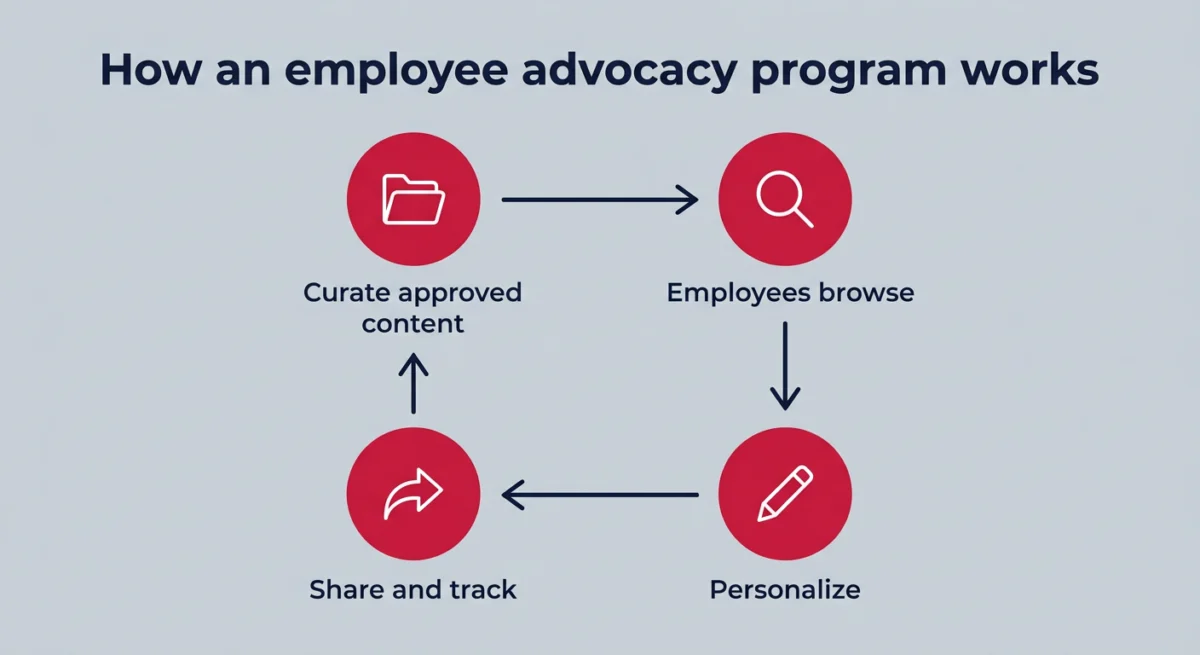
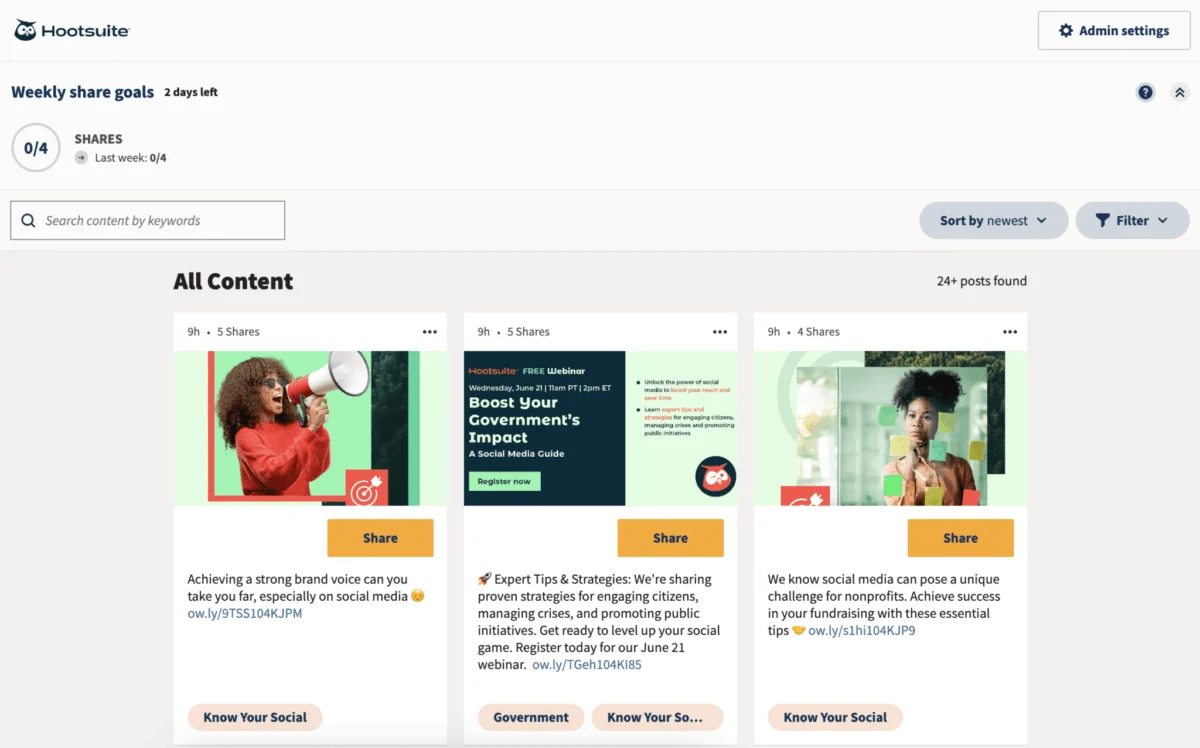
- Smart Content Distribution: Avoid the pitfall of “spray and pray” content distribution. Instead, maximize marketing assets by tailoring content to suit each platform’s unique audience and format. For example, a single blog post could be adapted into a short, engaging video for TikTok, an informative carousel for Instagram, a thought-provoking poll for X (formerly Twitter), and a professional thought leadership piece for LinkedIn. Conversely, amplify social content through traditional channels by including social handles in email signatures, on websites, and in offline collateral. Furthermore, establishing an employee advocacy program can significantly expand reach by empowering staff across all departments to share approved brand content with their personal social networks.
- Affiliate Marketing: This tactic rewards influencers, partners, or even loyal customers with a commission for sales or leads they generate. Affiliate marketing inherently offers a positive ROI because payment is only triggered upon a successful conversion. On social media, these affiliates often operate as brand ambassadors or associates, extending the reach of performance-driven content and amplifying the value of social media marketing campaigns.
- Conversion Rate Optimization (CRO): CRO focuses specifically on increasing the percentage of social media users who complete a desired action (e.g., purchase, download, sign-up) after clicking through to a landing page. It moves beyond merely driving clicks to ensuring that those clicks translate into valuable conversions. Effective CRO can significantly lower customer acquisition costs while boosting revenue and expanding the pool of qualified leads. This requires a shift in content creation, focusing on offering valuable resources (e.g., whitepapers, exclusive webinars, free trials) paired with clear, compelling calls to action (CTAs). Since these resources often reside outside social channels, collaboration with the broader marketing team is essential for their development and campaign integration.
6. Document and Articulate Success Stories
Even with an array of metrics at hand, compelling success stories are crucial for driving home the tangible value of social media as a performance marketing channel. Gartner research suggests that over half of non-marketing leaders believe marketing has an “inflated view of its importance in cross-functional initiatives.” Robust success stories serve as powerful counter-narratives.
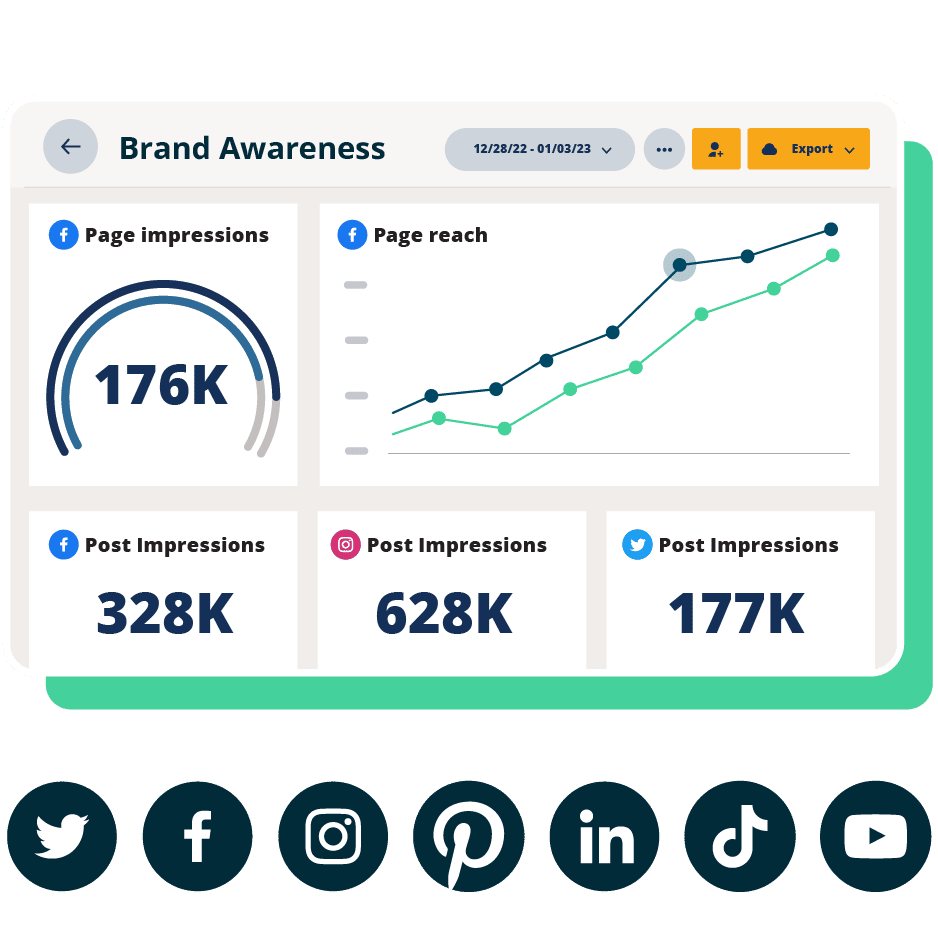
Regular dashboard reviews facilitate the identification of these stories. When a significant spike in conversions, revenue, or lead generation occurs, trace it back to the specific campaign or even a particular post responsible. Perhaps a high-profile collaboration with a recognized influencer or industry thought leader yielded exceptional results. Or maybe social content led to valuable earned media coverage in traditional outlets. This type of exposure carries substantial organizational value, and it is imperative that relevant stakeholders within the company are made aware of these achievements, presented with both the quantitative data and the qualitative narrative.
7. Make Strategic Recommendations Based on Insights
As performance measurement skills mature, the social media team transforms into a vital strategic resource for the entire organization, not merely a reporting function. A/B testing, detailed performance tracking, and continuous social listening generate unique intelligence that only the social team can access. However, raw data alone is insufficient. The crucial step is to parse this data, extract meaningful findings, and translate them into actionable strategic recommendations. This is where social marketers truly earn their seat at the executive table and build a compelling case for increased budget allocation.
The social media team possesses expert knowledge of platform dynamics, audience behavior, and content trends. When this existing expertise is combined with ongoing data collection and rigorous analysis, the team can identify emerging trends, pinpoint new opportunities, and anticipate potential threats. Developing comprehensive plans to capitalize on these insights—from launching targeted social media campaigns to advocating for major strategic shifts—will continuously improve social performance. This strategic contribution also profoundly enhances job satisfaction, positioning social media professionals as indispensable architects of business growth.

Prove (and Improve) Social Media Performance with Integrated Tools
Successfully implementing these strategies requires the right technological infrastructure. Integrated social media management platforms consolidate the entire workflow into a single, cohesive environment.
For instance, robust analytics and reporting features allow users to define and track key metrics. Customizable performance report templates facilitate the creation of professional, easy-to-read reports tailored for different stakeholder groups, with options for automated delivery on a chosen cadence. Advanced analytics capabilities often include competitive analysis (tracking up to 20 brands), share of voice monitoring, and benchmarking against industry averages, providing crucial external context. Critically, built-in ROI analysis features enable direct tracking of total spend against total return, based on factors like brand affinity, awareness, conversation, and purchase intent, eliminating guesswork from value calculations.

Powerful social listening tools provide real-time insights into trending hashtags, brands, and events globally. They allow for deep dives into personalized insights about a specific brand, tracking public sentiment, mentions of competitors, and discussions around products using customizable keywords. This capability extends to analyzing sentiment (positive, negative, neutral), volume of mentions, and key influencers driving conversations.
To amplify content reach, employee advocacy programs can be integrated. These platforms are designed to seamlessly bring the entire organization into the brand’s social sphere, making it effortless for employees to share brand-safe content. This not only extends organic reach but also fosters internal engagement and helps employees understand the value of social media efforts.
For paid social initiatives, unified social advertising solutions enable the management of both paid and organic campaigns from a single dashboard. This allows for cross-platform performance optimization, rapid budget reallocation based on real-time results, and the automated boosting of top-performing organic posts to maximize reach and conversions.
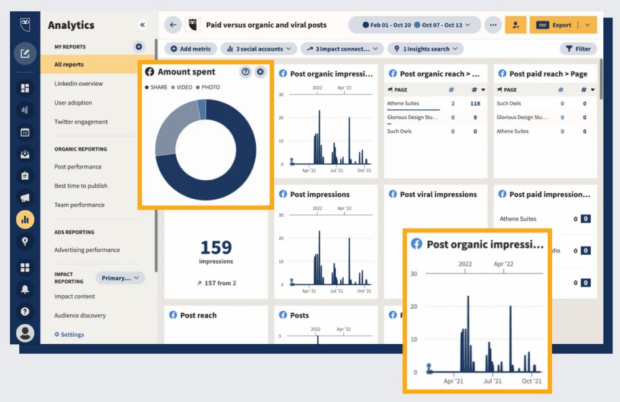
Finally, AI copywriting tools can significantly enhance team productivity. They can generate numerous content iterations for A/B testing, efficiently repurpose high-performing social media posts for multi-platform distribution, and assist in drafting compelling copy, freeing up creative resources for higher-level strategic tasks.
Conclusion
Social media has irrevocably moved beyond being a mere engagement platform. It is now a powerful, performance-driven engine capable of delivering significant, measurable business outcomes. By meticulously aligning social media goals with corporate objectives, implementing sophisticated data tracking and attribution models, rigorously analyzing results through benchmarking, and reporting quantifiable ROI, organizations can transform social media into a high-value profit center. Leveraging proven performance marketing tactics and integrated technological solutions empowers social teams to not only prove their value but also to become indispensable strategic advisors, driving continuous improvement and sustainable growth across the enterprise. The future of successful marketing is unequivocally data-driven and ROI-focused, with social media at its strategic core.