The Evolution and Imperative of Social Listening in the Digital Age
In the early days of social media, brands primarily focused on "social media monitoring," a reactive process of tracking mentions and direct feedback. However, the digital ecosystem has matured, demanding a more proactive and analytical approach: social listening. This involves not just tracking what is said, but why it is being said, who is saying it, and what the underlying sentiment and themes are. This shift from passive observation to active interpretation has become a cornerstone of modern marketing, customer service, and product development strategies.

The sheer volume of online discourse necessitates sophisticated tools and a clear understanding of which data points truly matter. Without a structured approach to metrics, the "internet chatter" can quickly become overwhelming noise. The goal is to distill this vast information into clear, actionable intelligence that informs strategic decisions across an organization. A metric, in essence, is any quantifiable measure. It transforms into a Key Performance Indicator (KPI) when it is directly linked to a specific business objective. For example, while "mention volume" is a metric, it becomes a KPI when the goal is to achieve a certain percentage increase in brand mentions to boost brand awareness. Similarly, "sentiment" transforms into a KPI when the objective is to improve brand perception by reducing negative mentions by a specific margin. This distinction is crucial for aligning social listening efforts with broader business goals.
Why Social Listening Metrics are Indispensable for Modern Businesses
The utility of social listening metrics extends far beyond the marketing department, offering profound insights that can shape an entire business.

1. Understanding Audience Perception: Social listening provides an unfiltered window into how consumers genuinely perceive a brand, product, or service. Unlike structured surveys, it captures spontaneous, authentic conversations. This can reveal unexpected delights customers have with a feature, or persistent misunderstandings that marketing messages fail to address. For instance, a brand might discover that customers consistently praise its product’s "durability," a trait underplayed in its official messaging, which focuses more on "innovation." This insight can guide future campaign development, ensuring marketing resonates more deeply with actual consumer values. According to a recent industry report, companies that actively engage in social listening are 60% more likely to improve customer satisfaction.
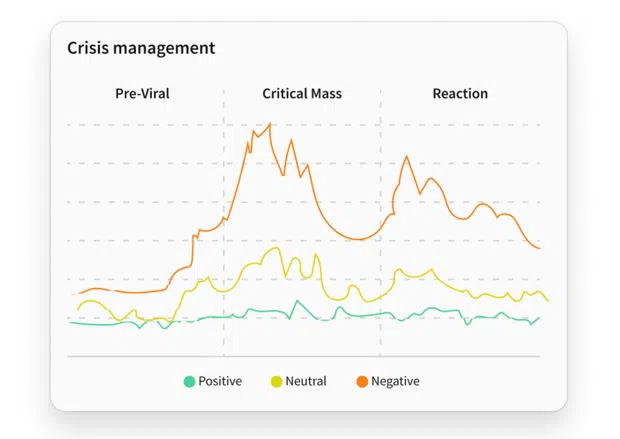
2. Protecting Brand Reputation: In the age of viral content, negative sentiment can escalate rapidly, posing significant risks to brand reputation. Social listening acts as an early warning system, detecting nascent issues before they spiral into full-blown crises. A sudden uptick in negative mentions or the widespread sharing of a critical review can signal an impending challenge. Early detection allows brands to formulate a considered response, whether it’s a direct public statement, a private outreach to affected customers, or a decision to monitor the situation further. This proactive crisis management can mitigate financial and reputational damage. For example, a global food chain once averted a major PR disaster by quickly identifying and addressing a localized product complaint that began gaining traction on social media, demonstrating the power of real-time vigilance.
3. Spotting Emerging Trends Early: The digital landscape is characterized by rapid shifts in trends and cultural conversations. Identifying these shifts early offers a significant competitive advantage. Social listening tools can pinpoint keywords, hashtags, and topics as they gain momentum, long before they become mainstream. This allows brands to determine if a trend aligns with their values and target audience, enabling them to strategically participate while the conversation is still fresh and authentic. This early engagement can position a brand as innovative and culturally relevant, fostering deeper connections with consumers. Data suggests that brands that successfully leverage trend spotting through social listening see a 15-20% increase in campaign effectiveness.

4. Improving Content and Messaging: Social listening provides invaluable linguistic insights, revealing the precise language customers use to describe products, express needs, and articulate pain points. This direct feedback can highlight discrepancies between a brand’s intended message and customer interpretation. If a product is consistently described as "user-friendly" by customers but marketed as "technologically advanced," there’s an opportunity to align the messaging more closely with customer perception. Tom Bukevicius, CEO and Founder of Scube Marketing, emphasizes this, stating, "In one campaign, we noticed that people weren’t really questioning the product itself – they were confused about what made it different from cheaper alternatives. We changed the campaign from feature-focused messaging to clearer comparison and positioning." This demonstrates how listening can pinpoint messaging gaps and guide corrective actions.
5. Powering Business-Wide Decisions: The insights gleaned from social listening extend beyond marketing to inform product development, sales, and customer support. A surge in mentions about a specific product feature could indicate a high-demand area for further development. Complaints about a competitor’s recent pricing change, highlighted on platforms like Reddit, can arm a sales team with sharper talking points for client pitches. These insights represent a rich vein of unsolicited customer research, often more candid and immediate than formal feedback channels, making social listening a cross-functional strategic asset.
The Seven Pivotal Social Listening Metrics

To harness the full power of social listening, attention must be directed towards specific, high-impact metrics. Here are the seven most important:
1. Mention Volume:
- Definition: The total count of times a specific brand, product, competitor, or topic is referenced across online platforms.
- Why it matters: Mention volume serves as a fundamental indicator of brand visibility and public discourse. A sudden spike can signify a successful campaign, a viral moment, or, conversely, a brewing crisis. A dip might suggest reduced relevance or decreased public interest. While volume alone doesn’t provide context, it acts as a crucial alert, prompting deeper investigation. For instance, a 20% increase in mention volume post-campaign launch could signal strong initial traction, necessitating a follow-up analysis of sentiment.
2. Sentiment:

- Definition: The prevailing emotional tone (positive, negative, or neutral) associated with online conversations about a given entity.
- Why it matters: Sentiment analysis provides the critical emotional layer to mention volume. A high mention volume is only truly beneficial if the sentiment is positive. Social listening tools typically categorize mentions to help understand the mood behind the numbers. Tracking sentiment helps in identifying what customers love, addressing recurring pain points, and evaluating the emotional impact of campaigns. If a product launch sees a 10% increase in negative sentiment, it’s a clear signal to investigate customer feedback related to product flaws or unmet expectations.
3. Share of Voice (SOV):
- Definition: The proportion of total online conversations within a specific industry or topic that a brand commands, relative to its competitors.
- Why it matters: SOV is a direct measure of competitive standing and market presence. It indicates who is capturing the most attention in a given space. A growing SOV suggests increasing brand prominence and influence. Conversely, a decline or a sudden surge from a competitor warrants immediate analysis to understand underlying causes, such as a competitor’s successful campaign or a shift in market dynamics. Tracking SOV before, during, and after marketing campaigns is a powerful way to gauge their effectiveness in shifting market perception.
4. Reach:
- Definition: An estimation of the potential audience size that could have been exposed to mentions or conversations about a brand.
- Why it matters: Reach quantifies the potential impact and spread of online discourse. Not all mentions carry equal weight; a mention from an influential personality with millions of followers has a significantly higher potential reach than a comment from a user with a small network. Understanding reach helps differentiate between widespread visibility and niche discussions, guiding decisions on which conversations warrant a response or amplification. This metric helps prioritize engagement based on potential audience exposure.
5. Engagement Rate:

- Definition: The level of interaction (likes, comments, shares, saves, retweets) generated by content related to a brand or topic.
- Why it matters: High engagement signifies resonance. It indicates that content or a topic is actively capturing audience interest and prompting interaction, rather than just passive consumption. Tracking engagement rate helps identify which messages, formats, or platforms are most effective in stimulating meaningful interactions. A post about a new product feature with a 5% engagement rate, compared to the average 1% for other posts, clearly indicates strong audience interest in that particular feature.
6. Trend and Topic Volume:
- Definition: The frequency and growth trajectory of specific keywords, themes, or trends over time.
- Why it matters: This metric is crucial for proactive strategy. By monitoring the volume of specific topics, brands can identify emerging trends early in their lifecycle, before they become saturated. This provides a critical window to decide whether to participate, how to tailor content, and potentially gain first-mover advantage. Catching a trend as its volume increases by 30% weekly, for example, allows a brand to develop relevant content and participate authentically before the trend peaks and starts to decline.
7. Conversation Themes:
- Definition: The recurring ideas, questions, complaints, or positive feedback that emerge from aggregated online conversations.
- Why it matters: While mention volume tells you how much, and sentiment how people feel, conversation themes tell you what people are actually talking about. This metric provides essential context, explaining the "why" behind other metrics. For instance, a surge in negative sentiment (mention volume) can be understood by identifying recurring conversation themes like "poor customer service" or "product malfunction." These themes are invaluable for generating content ideas, refining messaging, developing FAQs, and providing direct feedback to product development or customer support teams.
Bridging Metrics to Action: The Strategic Imperative

Collecting data is merely the first step. The true power of social listening metrics lies in their interpretation and subsequent action. As Tom Bukevicius aptly states, "The goal of social listening shouldn’t be to collect the biggest numbers, but to spot patterns early enough that marketing can respond before they become bigger opportunities or problems."
This involves digging deeper into the "why" behind the numbers. If sentiment turns negative, what specific themes or events are driving it? Is it a product bug, a misjudged marketing campaign, or a competitor’s move? The table below provides a quick guide:
| Social Listening Metric | What it tells you | What you can do with it |
| :———————- | :—————————————————— | :————————————————————————————————————————————————————————————————————————————————————————————————————————————————————————————————————————————————————————————————————————————————————————————————————————————————————————————————————————————————————————————————————————————————————————————————————————————————————————————————————————————————————————————————————————————————————————————————————————————————————————————————————————————————————————————————————————————————————————————————————————————————————————————————————————————————————————————————————————————————————————————————————————————————————————————————————————————————————————————————————————————————————————————————————————————————————————————————————————————————————————————————————————————————————————————————————————————————————————————————————————————————————————————————————————————————————————————————————————————————————————————————————————————————————————————————————————————————————————————————————————————————————————————————————————————————————————————————————————————————————————————————————————————————————————————————————————————————————————————————————————————————————————————————————————————————————————————————————————————————————————————————————————————————————————————————————————————————————————————————————————————————————————————————————————————————————————————————————————————————————————————————————————————————————————————————————————————————————————————————————————————————————————————————————————————————————————————————————————————————————————————————————————————————————————————————————————————————————————————————————————————————————————————————————————————————————————————————————————————————————————————————————————————————————————————————————————————————————————————————————————————————————————————————————————————————————————————————————————————————————————————————————————————————————————————————————————————————————————————————————————————————————————————————————————————————————————————————————————————————————————————————————————————————————————————————————————————————————————————————————————————————————————————————————————————————————————————————————————————————————————————————————————————————————————————————————————————————————————————————————————————————————————————————————————————————————————————————————————————————————————————————————————————————————————————————————————————————————————————————————————————————————————————————————————————————————————————————————————————————————————————————————————————————————————————————————————————————————————————————————————————————————————————————————————————————————————————————————————————————————————————————————————————————————————————————————————————————————————————————————————————————————————————————————————————————————————————————————————————————————————————————————————————————————————————————————————————————————————————————————————————————————————————————————————————————————————————————————————————————————————————————————————————————————————————————————————————————————————————————————————————————————————————————————————————————————————————————————————————————————————————————————————————————————————————————————————————————————————————————————————————————————————————————————————————————————————————————————————————————————————————————————————————————————————————————————————————————————————————————————————————————————————————————————————————————————————————————————————————————————————————————————————————————————————————————————————————————————————————————————————————————————————————————————————————————————————————————————————————————————————————————————————————————————————————————————————————————————————————————————————————————————————————————————————————————————————————————————————————————————————————————————————————————————————————————————————————————————————————————————————————————————————————————————————————————————————————————————————————————————————————————————————————————————————————————————————————————————————————————————————————————————————————————————————————————————————————————————————————————————————————————————————————————————————————————————————————————————————————————————————————————————————————————————————————————————————————————————————————————————————————————————————————————————————————————————————————————————————————————————————————————————————————————————————————————————————————————————————————————————————————————————————————————————————————————————————————————————————————————————————————————————————————————————————————————————————————————————————————————————————————————————————————————————————————————————————————————————————————————————————————————————————————————————————————————————————————————————————————————————————————————————————————————————————————————————————————————————————————————————————————————————————————————————————————————————————————————————————————————————————————————————————————————————————————————————————————————————————————————————————————————————————————————————————————————————————————————————————————————————————————————————————————————————————————————————————————————————————————————————————————————————————————————————————————————————————————————————————————————————————————————————————————————————————————————————————————————————————————————————————————————————————————————————————————————————————————————————————————————————————————————————————————————————————————————————————————————————————————————————————————————————————————————————————————————————————————————————————————————————————————————————————————————————————————————————————————————————————————————————————————————————————————————————————————————————————————————————————————————————————————————————————————————————————————————————————————————————————————————————————————————————————————————————————————————————————————————————————————————————————————————————————————————————————————————————————————————————————————————————————————————————————————————————————————————————————————————————————————————————————————————————————————————————————————————————————————————————————————————————————————————————————————————————————————————————————————————————————————————————————————————————————————————————————————————————————————————————————————————————————————————————————————————————————————————————————————————————————————————————————————————————————————————————————————————————————————————————————————————————————————————————————————————————————————————————————————————————————————————————————————————————————————————————————————————————————————————————————————————————————————————————————————————————————————————————————————————————————————————————————————————————————————————————————————————————————————————————————————————————————————————————————————————————————————————————————————————————————————————————————————————————————————————————————————————————————————————————————————————————————————————————————————————————————————————————————————————————————————————————————————————————————————————————————————————————————————————————————————————————————————————————————————————————————————————————————————————————————————————————————————————————————————————————————————————————————————————————————————————————————————————————————————————————————————————————————————————————————————————————————————————————————————————————————————————————————————————————————————————————————————————————————————————————————————————————————————————————————————————————————————————————————————————————————————————————————————————————————————————————————————————————————————————————————————————————————————————————————————————————————————————————————————————————————————————————————————————————————————————————————————————————————————————————————————————————————————————————————————————————————————————————————————————————————————————————————————————————————————————————————————————————————————————————————————————————————————————————————————————————————————————————————————————————————————————————————————————————————————————————————————————————————————————————————————————————————————————————————————————————————————————————————————————————————————————————————————————————————————————————————————————————————————————————————————————————————————————————————————————————————————————————————————————————————————————————————————————————————————————————————————————————————————————————————————————————————————————————————————————————————————————————————————————————————————————————————————————————————————————————————————————————————————————————————————————————————————————————————————————————————————————————————————————————————————————————————————————————————————————————————————————————————————————————————————————————————————————————————————————————————————————————————————————————————————————————————————————————————————————————————————————————————————————————————————————————————————————————————————————————————————————————————————————————————————————————————————————————————————————————————————————————————————————————————————————————————————————————————————————————————————————————————————————————————————————————————————————————————————————————————————————————————————————————————————————————————————————————————————————————————————————————————————————————————————————————————————————————————————————————————————————————————————————————————————————————————————————————————————————————————————————————————————————————————————————————————————————————————————————————————————————————————————————————————————————————————————————————————————————————————————————————————————————————————————————————————————————————————————————————————————————————————————————————————————————————————————————————————————————————————————————————————————————————————————————————————————————————————————————————————————————————————————————————————————————————————————————————————————————————————————————————————————————————————————————————————————————————————————————————————————————————————————————————————————————————————————————————————————————————————————————————————————————————————————————————————————————————————————————————————————————————————————————————————————————————————————————————————————————————————————————————————————————————————————————————————————————————————————————————————————————————————————————————————————————————————————————————————————————————————————————————————————————————————————————————————————————————————————————————————————————————————————————————————————————————————————————————————————————————————————————————————————————————————————————————————————————————————————————————————————————————————————————————————————————————————————————————————————————————————————————————————————————————————————————————————————————————————————————————————————————————————————————————————————————————————————————————————————————————————————————————————————————————————————————————————————————————————————————————————————————————————————————————————————————————————————————————————————————————————————————————————————————————————————————————————————————————————————————————————————————————————————————————————————————————————————————————————————————————————————————————————————————————————————————————————————————————————————————————————————————————————————————————————————————————————————————————————————————————————————————————————————————————————————————————————————————————————————————————————————————————————————————————————————————————————————————————————————————————————————————————————————————————————————————————————————————————————————————————————————————————————————————————————————————————————————————————————————————————————————————————————————————————————————————————————————————————————————————————————————————————————————————————————————————————————————————————————————————————————————————————————————————————————————————————————————————————————————————————————————————————————————————————————————————————————————————————————————————————————————————————————————————————————————————————————————————————————————————————————————————————————————————————————————————————————————————————————————————————————————————————————————————————————————————————————————————————————————————————————————————————————————————————————————————————————————————————————————————————————————————————————————————————————————————————————————————————————————————————————————————————————————————————————————————————————————————————————————————————————————————————————————————————————————————————————————————————————————————————————————————————————————————————————————————————————————————————————————————————————————————————————————————————————————————————————————————————————————————————————————————————————————————————————————————————————————————————————————————————————————————————————————————————————————————————————————————————————————————————————————————————————————————————————————————————————————————————————————————————————————————————————————————————————————————————————————————————————————————————————————————————————————————————————————————————————————————————————————————————————————————————————————————————————————————————————————————————————————————————————————————————————————————————————————————————————————————————————————————————————————————————————————————————————————————————————————————————————————————————————————————————————————————————————————————————————————————————————————————————————————————————————————————————————————————————————————————————————————————————————————————————————————————————————————————————————————————————————————————————————————————————————————————————————————————————————————————————————————————————————————————————————————————————————————————————————————————————————————————————————————————————————————————————————————————————————————————————————————————————————————————————————————————————————————————————————————————————————————————————————————————————————————————————————————————————————————————————————————————————————————————————————————————————————————————————————————————————————————————————————————————————————————————————————————————————————————————————————————————————————————————————————————————————————————————————————————————————————————————————————————————————————————————————————————————————————————————————————————————————————————————————————————————————————————————————————————————————————————————————————————————————————————————————————————————————————————————————————————————————————————————————————————————————————————————————————————————————————————————————————————————————————————————————————————————————————————————————————————————————————————————————————————————————————————————————————————————————————————————————————————————————————————————————————————————————————————————————————————————————————————————————————————————————————————————————————————————————————————————————————————————————————————————————————————————————————————————————————————————————————————————————————————————————————————————————————————————————————————————————————————————————————————————————————————————————————————————————————————————————————————————————————————————————————————————————————————————————————————————————————————————————————————————————————————————————————————————————————————————————————————————————————————————————————————————————————————————————————————————————————————————————————————————————————————————————————————————————————————————————————————————————————————————————————————————————————————————————————————————————————————————————————————————————————————————————————————————————————————————————————————————————————————————————————————————————————————————————————————————Timeline of Social Listening Evolution:

- Early 2000s: The Dawn of Monitoring. With the rise of early forums and blogs, rudimentary tools emerged to track mentions of keywords and brand names. This was largely a passive, quantitative exercise.
- Mid-2000s: Social Media Explosion. Platforms like MySpace and Facebook led to an exponential increase in user-generated content. Brands recognized the need for more systematic tracking, moving beyond manual searches to automated monitoring tools.
- Late 2000s – Early 2010s: Sentiment Analysis Emerges. As the volume of data grew, simple mention counts proved insufficient. Tools began incorporating sentiment analysis, attempting to classify mentions as positive, negative, or neutral, marking a significant leap towards qualitative understanding.
- Mid-2010s: Holistic Listening Platforms. The demand for deeper insights drove the development of comprehensive social listening platforms, offering features like trend detection, competitive analysis, and influencer identification. The focus shifted from just monitoring to understanding and strategizing.
- Late 2010s – Present: AI and Actionable Insights. The integration of Artificial Intelligence (AI) and Machine Learning (ML) has revolutionized social listening. These technologies enable more accurate sentiment analysis, sophisticated topic clustering, predictive analytics, and automated insight generation, transforming raw data into directly actionable recommendations. The emphasis is now firmly on converting insights into tangible business outcomes across all departments.
Technological Enablers: Hootsuite’s Integrated Approach
Leading platforms like Hootsuite exemplify how technology facilitates the entire social listening workflow—from monitoring conversations to analyzing their meaning, reporting performance, and translating insights into strategic action. Hootsuite’s suite of tools, including Lumen, Perch, and Wisdom, provides a comprehensive solution for modern businesses.
Real-time Listening with Lumen:
Lumen, Hootsuite’s dedicated social media monitoring and listening tool, tracks conversations across an expansive network of over 150 million sources. This real-time capability ensures brands are always abreast of discussions concerning their brand, competitors, and industry. Lumen allows users to:
- Monitor brand mentions and campaign performance instantly.
- Track competitor activity and benchmark performance.
- Identify emerging trends and hot topics as they gain traction.
- Measure shifts in audience sentiment over time.
- Pinpoint key influencers and engaged communities.
- Receive real-time alerts for critical mentions or sentiment changes, enabling swift responses to both opportunities and potential crises. This continuous vigilance is crucial for maintaining control of the brand narrative.
Faster Reporting with Perch:
Perch, Hootsuite’s social media management platform, complements Lumen by centralizing content performance data. After identifying trends and sentiments through listening, Perch helps answer crucial follow-up questions: Did the content capitalize on the right trend? Has our messaging effectively shifted public conversation? Did the audience engage as anticipated?
- Perch allows teams to compare campaign performance against social listening insights.
- It highlights top-performing posts and content types based on engagement metrics.
- Users can generate customizable, stakeholder-ready reports, easily translating complex data into clear, digestible insights for management and other departments. This streamlines the reporting process, ensuring insights are shared efficiently and effectively.
Next Steps with Wisdom:
Spotting a trend or understanding a sentiment shift is only half the battle; deciding what to do about it is the other. Wisdom, Hootsuite’s social-first AI, bridges this gap by transforming listening and performance data into actionable strategies. Wisdom allows users to ask plain-language questions like:
- "What are the top three customer complaints about our new product?"
- "How should we respond to the recent negative sentiment spike?"
- "What content ideas can we generate from this trending topic?"
- "Which influencer segment should we target for our next campaign?"
Wisdom processes these queries and provides intelligent recommendations, from suggesting optimal response strategies to generating ready-to-review content drafts based on trending topics. This AI-powered capability significantly accelerates the transition from insight to execution, enhancing strategic agility.
Broader Impact and Future Outlook

The comprehensive application of social listening metrics empowers businesses to become inherently more customer-centric and agile. By consistently tracking and acting upon these metrics, organizations can:
- Drive Product Innovation: Direct customer feedback from social channels can inform product roadmaps, prioritize feature development, and highlight unmet needs.
- Enhance Customer Service: Identifying common complaints or questions allows support teams to proactively address issues, refine FAQs, and improve overall service delivery.
- Optimize Marketing ROI: By understanding what resonates and what falls flat, marketing teams can create more effective campaigns, allocate budgets more efficiently, and achieve higher engagement rates.
- Maintain Competitive Edge: Continuous monitoring of competitors’ strategies, public perception, and market share enables brands to adapt quickly and identify new opportunities for differentiation.
As the digital landscape continues to evolve, social listening will only grow in importance. The future will likely see even more sophisticated AI-driven analysis, predictive modeling that anticipates trends, and deeper integration of social data with other business intelligence systems. For any organization striving for sustained growth and resilience in the modern marketplace, mastering social listening metrics is no longer optional—it is a strategic imperative.