

SMS marketing best practices represent the proven methodologies that e-commerce brands leverage to significantly enhance revenue generation through SMS marketing, all while strictly adhering to regulatory compliance. These essential strategies are systematically categorized into five core groups, encompassing critical areas such as explicit consent collection, robust subscriber list development, crafting compelling and effective copy, the strategic implementation of SMS automation flows, and meticulous performance tracking of SMS campaigns. Notably, data from Omnisend’s 2026 e-commerce marketing report highlights the superior performance of automated SMS, which yielded an average of $0.74 per send, starkly contrasting with the $0.15 generated by standard campaigns in the same year. This comprehensive guide delves into 20 fundamental text message marketing best practices, organized across these five pivotal groups, specifically tailored for Shopify and WooCommerce store owners aiming to mitigate unsubscribe rates, bolster brand trust, and maximize revenue from every message dispatched.
The Strategic Imperative of SMS Marketing in E-commerce
In the dynamic landscape of e-commerce, SMS marketing has solidified its position as an indispensable channel for direct customer engagement. Unlike other marketing avenues, SMS boasts exceptionally high open rates and immediate delivery, making it a powerful tool for time-sensitive promotions, critical updates, and personalized interactions. The foundational principles of SMS marketing best practices are designed to structure campaigns for optimal conversion, sitting atop the general principles outlined in broader SMS marketing guides. By adhering to these practices, businesses ensure not only legal compliance but also cultivate a positive customer experience that fosters loyalty and drives consistent sales.
Group 1: Compliance and Consent – Navigating the Legal Landscape and Building Trust
At the heart of any successful SMS marketing program lies a steadfast commitment to compliance and consent. This entails rigorously adhering to a complex web of SMS marketing rules and regulations and, crucially, securing explicit permission from subscribers before initiating any communication. This foundational step is paramount for establishing and maintaining customer trust, safeguarding against legal repercussions, and ensuring optimal message deliverability.
1. Collect Explicit Opt-in Consent Before Sending Anything
The cornerstone of compliant SMS marketing in the United States is the collection of explicit opt-in consent, as mandated by the Telephone Consumer Protection Act (TCPA) of 1991. Enacted to curb unsolicited telemarketing calls and faxes, the TCPA now broadly covers marketing texts. Explicit opt-in requires users to unequivocally agree in writing to receive SMS marketing messages. A TCPA violation occurs when messages are sent without this prior express consent, leading to severe penalties enforced by the Federal Communications Commission (FCC), with fines ranging from $500 to $1,500 per message. Landmark class-action lawsuits, such as Geaslin v. Colony Ridge Development LLC which resulted in a $1,994,123 settlement in 2025, underscore the significant financial risks of non-compliance. Consent can be collected via single opt-in (submitting a phone number through a form) or double opt-in (requiring an additional confirmation, e.g., replying "YES"). While platforms like Omnisend facilitate single opt-in, manual setup may be required for double opt-in within automation flows. A compliant opt-in confirmation message must clearly state the brand name, confirm subscription, inform about message and data rates, specify message frequency, and provide clear opt-out instructions.
2. Register Your 10DLC Number Before Launch
For businesses targeting US customers, registering a 10-digit long code (10DLC) number is a mandatory requirement. Major US carriers, including AT&T, Verizon, and T-Mobile, began enforcing A2P (Application-to-Person) messaging from registered 10DLC numbers in 2023. This measure was introduced to combat the proliferation of spam and enhance sender identity and trustworthiness. The registration process involves submitting business and campaign details through The Campaign Registry (TCR). Failure to register results in carrier filtering, where messages are either relegated to spam folders or blocked entirely, directly impacting SMS delivery, brand trust, and ultimately, revenue. For instance, a Shopify store’s flash sale campaign could fail to reach a significant portion of its audience if messages are filtered due to unregistered 10DLC, leading to substantial lost sales. The registration process involves submitting brand information, detailing campaign use cases, and obtaining approval, followed by linking the approved campaign to a 10DLC number within the Communication Service Provider (CSP) dashboard.
3. Honor Quiet Hours and Frequency Limits
Respecting quiet hours and frequency limits is crucial for maintaining customer goodwill and compliance. TCPA rules stipulate that promotional SMS must be sent between 8 AM and 9 PM in the recipient’s local time zone. The Florida Telephone Solicitation Act (FTSA) imposes even stricter limits, restricting messages to 8 AM to 8 PM and requiring prior written consent for marketing texts. Beyond legal mandates, controlling message frequency is vital for customer experience. Businesses typically send 2-4 promotional messages per month, with automated messages being event-triggered. During peak retail periods like Black Friday and Cyber Monday, increased sending volume (e.g., 6-7 messages) for early access, cart reminders, and final-hour promotions is generally acceptable due to heightened customer intent.
4. Handle GDPR and CASL for International Sales
For e-commerce brands operating internationally, adhering to the General Data Protection Regulation (GDPR) for EU/EEA/UK customers and Canada’s Anti-Spam Legislation (CASL) is non-negotiable. GDPR mandates a legal basis for processing customer data for SMS marketing, primarily explicit consent. Businesses must retain proof of consent and facilitate data subject rights, including the right to erasure. GDPR violations can incur fines of up to €10 million or 2% of global annual revenue. CASL requires consent for sending SMS to Canadian users, differentiating between express consent (direct opt-in) and implied consent (based on an existing relationship like a recent purchase or loyalty program membership). Implied consent under CASL has specific time limits (e.g., two years after a transaction). Both regulations emphasize transparency, clear opt-out mechanisms, and robust data protection practices.
Group 2: List Growth – Cultivating a High-Value Subscriber Base
Once compliance is assured, the next critical phase is to strategically build an engaged and high-intent SMS subscriber list. Beyond generic signup forms, integrating opt-in opportunities at key points in the customer journey significantly enhances list growth.
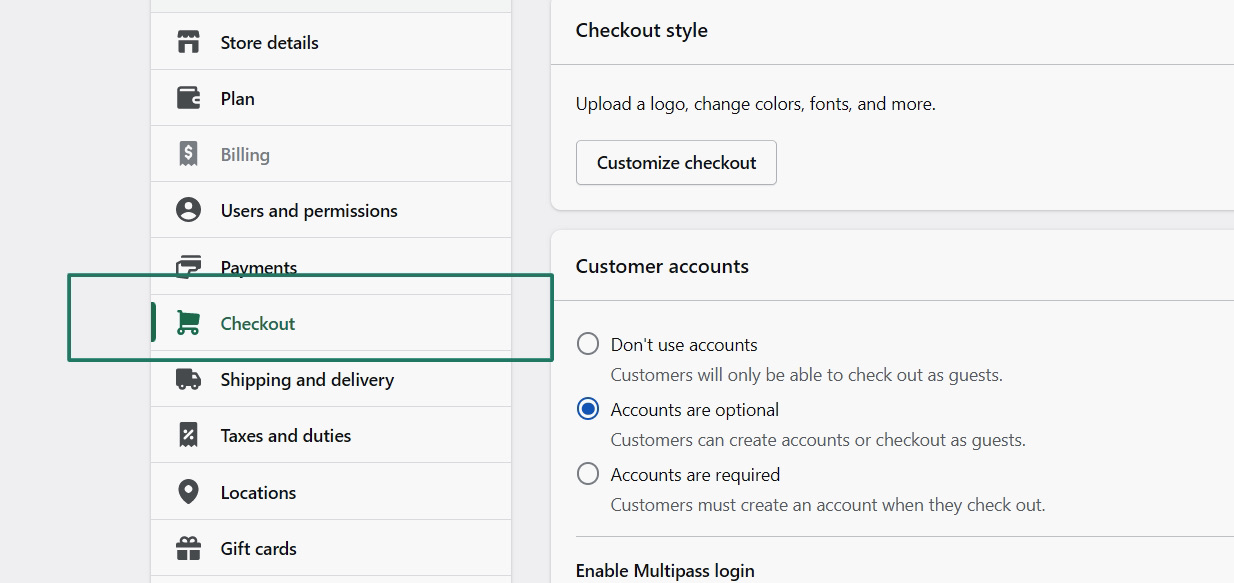
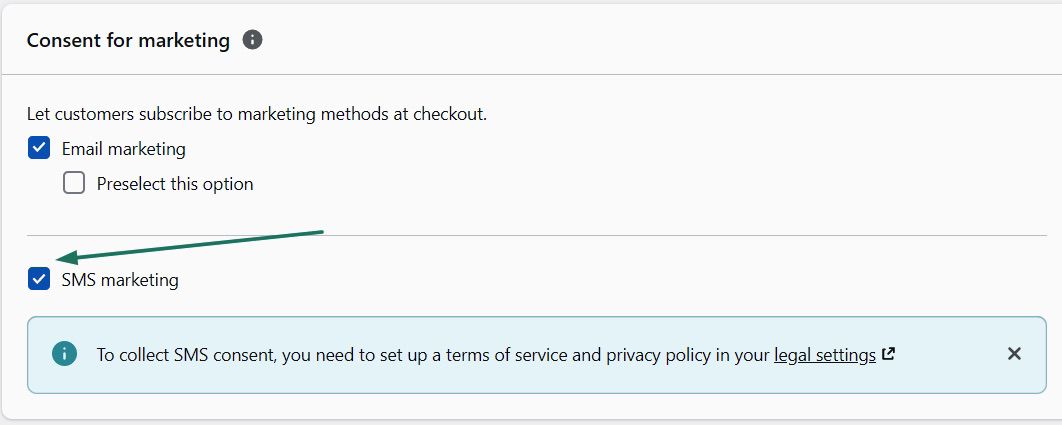
5. Utilize Checkout and Post-Purchase Opt-in for Shopify and WooCommerce
Capturing SMS subscribers at checkout and immediately post-purchase represents a golden opportunity. These are moments of peak customer intent, where individuals have already demonstrated interest in your brand by making a purchase. This strategy not only accelerates SMS list growth but also correlates with increased customer lifetime value (CLV), with SMS subscribers often showing a higher CLV than non-subscribers, as evidenced by Dataships’ analysis. Both Shopify and WooCommerce offer native or plugin-based solutions for integrating SMS opt-ins directly into the checkout flow. For Shopify, this involves enabling the SMS marketing checkbox in the store’s settings. WooCommerce users can leverage plugins like Omnisend to add an opt-in checkbox and customize the consent text. Post-purchase opt-in messages, sent immediately after a transaction, can further capitalize on this engagement, inviting customers to receive future offers and updates.
6. Integrate SMS into Your Popup and Loyalty Program Flows
Leveraging existing marketing assets like email popups for dual opt-in (email and SMS) is an efficient list growth tactic. This allows brands to collect contact information for both channels simultaneously, expanding marketing reach for diverse campaigns, from weekly product drops via email to flash sale alerts via SMS. Tools like Omnisend’s form builder facilitate the seamless integration of phone number fields into popups. Furthermore, incorporating SMS opt-ins into loyalty programs offers a powerful incentive. Loyalty Lion reports that 59% of consumers are more likely to join a loyalty program. By clearly offering loyalty rewards, such as "Join SMS & earn 100 points," alongside signup fields, brands can significantly boost subscription rates and foster deeper customer relationships.
7. Employ QR Codes on Packaging and In-store for Offline Growth
Bridging the gap between offline and online engagement, QR codes offer an underutilized yet highly effective method for SMS list growth. Placing QR codes on product packaging, shipping inserts, and in-store signage can seamlessly direct customers to SMS opt-in pages or initiate keyword opt-ins. Capri Sun’s successful use of QR codes on packaging, which generated over 28,000 entries for a prize draw, illustrates their potential for customer acquisition. Similarly, keyword opt-ins, where customers text a specific word (e.g., "JOIN") to a designated number, simplify the subscription process. Omnisend allows businesses to generate toll-free numbers and define default keywords. Crucially, all promotions featuring QR codes or keyword opt-ins must include TCPA disclosure text, detailing message types, frequency, and opt-out instructions.
Group 3: Copywriting – Crafting Messages That Drive Action
Effective SMS copywriting is about more than just words; it’s about precision, clarity, and persuasive communication within stringent constraints. This section focuses on best practices for creating high-converting SMS content that resonates with recipients.
8. Keep Every Message Under 160 Characters
The fundamental technical constraint for standard SMS messages is 160 characters. Exceeding this limit results in messages being split into multiple segments, each billed separately, thereby increasing costs. More importantly, fragmented messages can disrupt the customer experience, making the communication appear less professional and potentially confusing, especially with long URLs. DM text data indicates that messages between 120-160 characters achieve a higher Click-Through Rate (CTR) of 24.3% compared to 19.6% for messages between 160-320 characters. Adhering to a concise e-commerce SMS formula – Brand ID + Offer + CTA + Link + Opt-out – and aiming for approximately 155 characters ensures clarity, cost-efficiency, and better engagement.
9. Lead with Value, Not Your Brand Name
To immediately capture attention and drive engagement, SMS messages should lead with the value proposition rather than the brand name. Opening with a compelling offer, discount, or direct benefit immediately communicates relevance and incentivizes clicks. Personalization, such as including the recipient’s name or referencing previously viewed products, further enhances message relevance, making customers 37% more likely to purchase from brands employing personalization, according to Deloitte. This approach transforms a generic message into a direct, value-driven communication that resonates with individual customer interests.
10. Write One Clear and Specific Call-to-Action (CTA)
A single, unambiguous Call-to-Action (CTA) is paramount for effective SMS marketing. Providing multiple CTAs can overwhelm recipients, leading to inaction. A specific CTA, such as "Shop the sale" or "Claim your 20% off," outperforms generic prompts like "Click here" by clearly setting expectations about the immediate next step. The CTA must also align precisely with the message’s purpose, whether it’s for a flash sale, a new product launch, or a cart recovery. This directness guides the customer effortlessly towards the desired action, maximizing conversion potential.
11. Avoid Spam Triggers That Get Your Messages Filtered
Mobile carriers (e.g., Verizon, AT&T, T-Mobile) employ sophisticated filtering systems that analyze SMS content, links, sending volume, and complaint rates. Certain patterns or keywords can flag messages as spam, leading to throttling, blocking, or delivery failure. Common spam triggers include excessive use of ALL CAPS, abundant punctuation (e.g., "!!!"), suspicious or untracked links, keyword stuffing, and sudden, unexplained spikes in sending volume. Consistent filtering damages sender reputation, reduces SMS delivery, and erodes customer trust, ultimately leading to higher opt-out rates and lost revenue. Maintaining a clean sending history and avoiding these triggers is essential for long-term SMS program health.
12. Know When to Use MMS Instead of SMS
The choice between SMS (Short Message Service) and MMS (Multimedia Messaging Service) is strategic, driven by campaign objectives and cost-efficiency. MMS supports up to 1,600 characters and multimedia content (images, GIFs), but typically costs three times more than SMS. Therefore, MMS should be reserved for scenarios where visuals are critical for conversion, such as product launches, seasonal campaigns (e.g., Black Friday sales), or back-in-stock alerts where a compelling product image can significantly enhance appeal. SMS, being text-only and more economical, is ideal for concise reminders, transactional alerts (e.g., shipping confirmations), cart recovery messages, or win-back campaigns where a discount code suffices without visual accompaniment. A clear understanding of the comparative advantages and costs of each format is key to optimizing marketing spend and impact.
Group 4: Automation Flows – The SMS Sequences Driving E-commerce Revenue
SMS automation flows are the backbone of a scalable and personalized e-commerce SMS strategy, allowing businesses to send timely, relevant messages triggered by customer behavior. These "always-on" sequences significantly boost engagement and revenue.
13. Welcome Series: Set the Tone Within 15 Minutes
A welcome SMS series is crucial for new subscribers, initiated immediately or within 15 minutes of opt-in. This immediacy capitalizes on high initial interest. The typical sequence involves:
- Message 1 (Immediate/15 min): A warm welcome and an initial offer (e.g., discount) to encourage the first purchase.
- Message 2 (24 hours later): A brand story teaser or unique selling proposition to build trust and connection.
- Message 3 (72 hours later): A preference capture message (e.g., a quiz) to gather data for future personalization.
Omnisend data indicates that SMS automations, including welcome series, boast an average open rate of 98% and a conversion rate of 0.77%, significantly outperforming general campaigns.
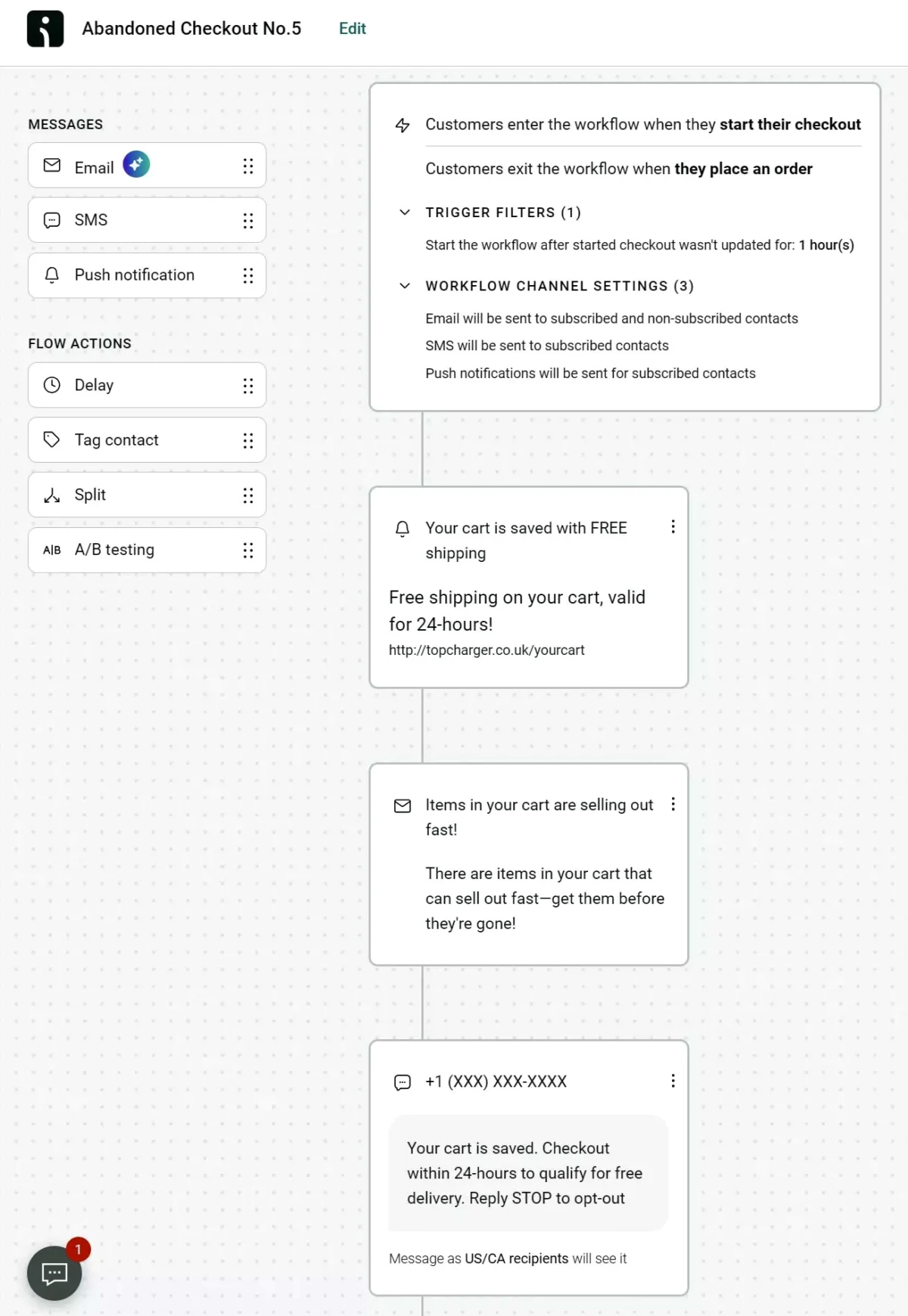
14. Abandoned Cart Recovery: The Highest-ROI Flow in E-commerce
Abandoned cart recovery is arguably the highest-revenue SMS automation, targeting shoppers who have demonstrated strong purchase intent.
- Message 1 (1 hour after abandonment): A concise reminder with product names and a direct checkout link.
- Message 2 (24 hours later): Social proof (customer reviews), product benefits, or information on free shipping.
- Message 3 (48 hours later): An urgency message (e.g., low stock) or a compelling incentive (e.g., a discount).
Combining email and SMS for abandoned carts is highly effective; emails can convey richer content (images, FAQs), while SMS provides urgent reminders. Vite Mobile reports an average conversion rate of 10.7% for cart abandonment SMS, potentially rising to 15-18% when sent within one hour, with an average revenue of $3.45 per message. Brands like Divatress have achieved conversion rates as high as 29% using Omnisend’s workflows.
15. Post-Purchase Flow: Reviews, Replenishment, and Loyalty
A well-structured post-purchase SMS flow transforms one-time buyers into loyal, repeat customers.
- Review Request (1-3 days after delivery): Prompting customers to leave product reviews.
- Replenishment Reminder (based on product usage cycle): For consumable goods, reminding customers to reorder before they run out, often with a limited-time offer.
- Loyalty Program Invitation (shortly after purchase/delivery): Encouraging enrollment in loyalty programs to earn points or access VIP benefits.
Post-purchase SMS, particularly for loyalty rewards, boasts a 7.9% conversion rate and $2.84 average revenue per SMS, according to Vite Mobile, underscoring its role in fostering customer retention.
16. Browse Abandonment and Back-in-Stock Alerts
- Browse Abandonment (30-60 minutes after viewing a product without adding to cart): These messages re-engage shoppers who showed interest but didn’t proceed to purchase. They typically include a product image/name, a link to the product page, and sometimes a discount. Postscript data indicates a CTR of 7.38-13.65% and average revenue of $0.93-$2.85 per message.
- Back-in-Stock Alerts (immediately when a previously unavailable item is restocked): These target customers who explicitly expressed interest in a sold-out item. Including the product name, creating urgency (e.g., "limited stock"), and providing a direct link is crucial for high conversions. These alerts have a high CTR of 58.70% and a 13.80% conversion rate.
17. Winback Flow: Re-engage Lapsed Customers
A winback flow targets "lapsed" customers – those who haven’t purchased or engaged in 90-180 days. This is a last-ditch effort to re-engage them before they are removed from the list.
- Message 1 (e.g., 90 days of inactivity): A higher incentive (e.g., 25%+ off) than standard promotions, acknowledging their absence.
- Message 2 (e.g., 120 days of inactivity): A final, compelling offer or a request for feedback to understand their disengagement.
While winback conversion rates are lower (0.4-1.6%) compared to other flows due to targeting inactive subscribers, they still recover lost revenue. Crucially, if these messages fail, removing truly inactive subscribers is vital to protect sender reputation and improve overall SMS delivery rates.
Group 5: Measurement – Tracking What Truly Matters
Effective SMS marketing is an iterative process, demanding continuous measurement and optimization. Tracking key metrics and A/B testing campaign elements are critical for sustained success.
18. The SMS Benchmarks Table: What Good Looks Like by Flow Type
Understanding industry benchmarks provides crucial context for evaluating campaign performance. Comparing your open rates, click-through rates (CTR), and conversion rates against these averages allows for informed optimization strategies. For instance, welcome series automations typically see a 98% open rate and 5.4% conversion rate, while abandoned cart messages boast 95-98% open rates and 10.7% conversion rates. Back-in-stock alerts, driven by high customer intent, show an impressive 58.70% CTR and 13.80% conversion rate. These benchmarks, sourced from Omnisend’s 2026 report, Postscript, and ViteMobile, serve as essential guideposts for e-commerce marketers.
19. The Four Metrics Every E-commerce SMS Program Must Track
To gauge and improve SMS marketing performance, four primary metrics are indispensable:
- Delivery Rate: The percentage of messages successfully reaching subscribers. A healthy rate is 98% or higher. Lower rates often signal poor list hygiene, necessitating regular removal of inactive subscribers to protect sender reputation.
- Click-Through Rate (CTR): The percentage of recipients who click links in your messages. Promotional SMS typically sees 3.8-6% CTR, while automated flows can achieve 10-14% CTR, indicating message relevance and offer attractiveness.
- Conversion Rate: The percentage of recipients who complete a purchase after clicking an SMS link. Omnisend reports 0.77% for automations and 0.12% for campaigns. Accurate revenue attribution is vital, crediting sales to SMS only when engagement (e.g., click) occurs within a designated window prior to purchase.
- Unsubscribe Rate: The percentage of subscribers who opt out. While under 3.5% is generally normal, lower is always better. Rates above 0.5% are warning signs, and 2%+ suggests a "segmentation crisis"—messages reaching the wrong audience.
20. A/B Test Send Time, Copy, and CTA – Beyond Just Subject Lines
A/B testing is a scientific approach to optimizing SMS campaigns, involving sending two variations of a message to different audience segments to determine which performs better. The cardinal rule is to test only one variable at a time to isolate its impact. Key variables to test include:
- Send Time: Different times of day or days of the week.
- Copy Variations: Tone, length, personalization elements, or use of emojis.
- Call-to-Action (CTA): Specific phrasing (e.g., "Shop now" vs. "Claim your discount").
- Offers/Incentives: Different discount percentages or free shipping offers.
- Message Type: SMS vs. MMS for specific content.
For example, testing two CTA variations in a flash sale campaign allows marketers to identify which phrasing drives more clicks and conversions, then applying the winning variation to the broader audience. This continuous testing cycle ensures ongoing optimization and enhanced campaign effectiveness.
Conclusion
SMS marketing best practices represent a robust framework for Shopify and WooCommerce store owners to execute compliant, high-performing SMS campaigns that consistently generate revenue. The 20 best practices outlined across consent collection, list growth, impactful copywriting, strategic automation flows, and diligent performance measurement form a holistic approach to maximizing this powerful channel. Ultimately, effective text marketing is not about volume but about delivering the right message to the right subscriber at the precise moment in their customer journey. In 2026, SMS marketing continues to offer a high return on investment; e-commerce brands leveraging integrated email and SMS tools like Omnisend report an impressive $79 ROI for every $1 spent, solidifying its status as a critical driver of e-commerce growth and customer loyalty.








