admin
admin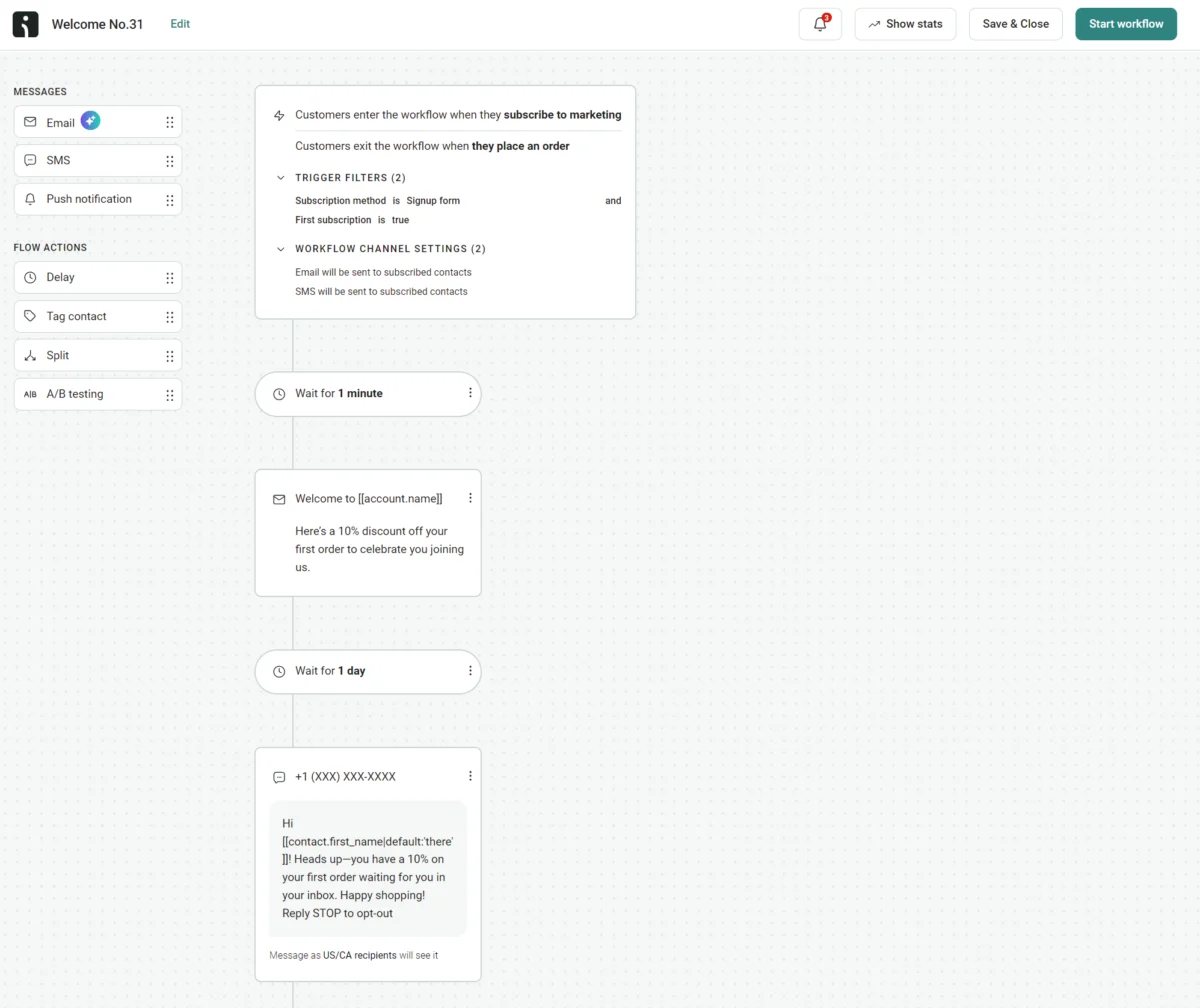
The travel industry stands at a pivotal juncture, navigating a complex landscape of evolving consumer behaviors, escalating digital advertising costs, and an urgent need for direct, impactful communication. In this environment, SMS marketing has emerged as an indispensable tool for travel agencies, boasting an extraordinary 98% open rate and facilitating timely engagement with customers at critical moments throughout their journey. This direct-to-consumer channel, often overlooked in favor of more visually rich platforms, is proving to be a powerhouse for customer acquisition, retention, and revenue generation, with automated SMS messages projected to yield an average return of $0.74 per send in 2025.
The Evolving Landscape of Travel Marketing: Why SMS is Now Indispensable
The digital transformation has profoundly reshaped how consumers research, book, and experience travel. Over the past decade, the internet has become the primary conduit for travel planning, with a significant shift towards mobile devices. Recent data indicates that a staggering 73% of travelers prefer using their smartphones for travel research and booking. This mobile-first inclination naturally positions SMS, a native mobile communication channel, as an incredibly effective medium. Furthermore, a decisive 72% of travelers now prefer booking online, compared to a mere 12% who opt for physical agencies, underscoring the necessity for robust digital engagement strategies.
Concurrently, travel agencies face an increasingly challenging economic environment characterized by rapidly escalating Customer Acquisition Costs (CAC). According to Adobe, these costs in the travel sector surged by 35% between 2022 and 2025, a trend showing no signs of abatement. This upward trajectory is largely driven by heightened competition on paid advertising platforms like Google, Meta, and TikTok, alongside evolving privacy regulations that make targeting more complex and expensive. In this context, owned channels such as SMS marketing offer a crucial reprieve. Unlike paid ads, which demand a per-click or per-impression fee, SMS operates on a subscription or credit basis, allowing agencies to nurture, retain, and cultivate a profitable marketing channel over time with significantly lower ongoing costs, potentially as low as $0.10 per message. This shift towards owned channels is not merely a cost-saving measure but a strategic realignment towards building more direct, resilient customer relationships.
Unpacking the Power of SMS: Unmatched Engagement and ROI
The efficacy of SMS marketing for travel businesses is rooted in its unparalleled engagement metrics. As reported by Optimonk, text messages achieve an astonishing 98% open rate, with 90% of recipients reading them within three minutes of receipt. This vastly outperforms email marketing, which, according to Omnisend’s 2025 report, had an average open rate of 30.7% in the same period. This high visibility makes SMS the ideal channel for time-sensitive, urgent, and critical communications that demand immediate attention.
Beyond mere open rates, SMS marketing also delivers substantial financial returns. Omnisend data from 2025 reveals that SMS click rates more than doubled year-over-year. Automated SMS messages, such as welcome texts or abandoned cart reminders, generated an impressive average of $0.74 per send, a five-fold increase compared to standard campaign sends, which yielded $0.15 per send. The overall return on investment (ROI) is even more compelling when SMS is integrated into a multichannel strategy. Omnisend customers utilizing a combination of SMS, email, and web push notifications reported a remarkable $79 ROI for every $1 spent in 2025. This underscores the channel’s capacity to not only engage but also to directly drive revenue. The hospitality industry has been quick to recognize this potential, demonstrating an 80% adoption rate of SMS marketing in 2025, a figure projected to grow further in 2026. This widespread adoption by industry peers serves as a strong indicator of SMS marketing’s proven value and growing strategic importance.

Strategic Applications: Tailoring SMS Across the Customer Journey
SMS marketing for travel agencies is far more nuanced than simple bulk messaging. Its strength lies in its versatility, allowing for targeted communication at every stage of the customer journey, from initial interest to post-trip feedback. The following categories illustrate the diverse applications of SMS in the travel sector:
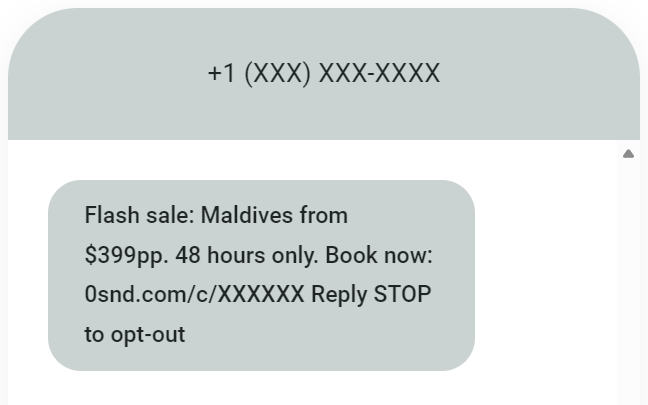
- Promotional SMS: Ideal for generating immediate interest and driving quick conversions. This includes flash sales, limited-time offers on specific travel packages, and exclusive early-bird pricing for upcoming destinations. The immediacy of SMS ensures that these time-sensitive offers reach customers before they expire, capitalizing on urgency.
- Social Proof SMS: While less common, SMS can be used to share compelling customer success stories or snippets of positive testimonials, building trust and credibility. This can be integrated into follow-up sequences for prospective clients.
- Recovery SMS: Crucial for mitigating lost revenue. Abandoned cart and checkout recovery messages remind customers about incomplete bookings, often providing a direct link back to their cart, and can include gentle nudges or limited-time incentives to complete the purchase.
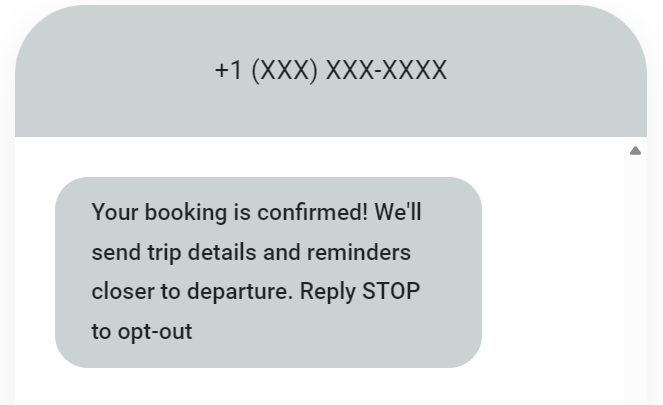
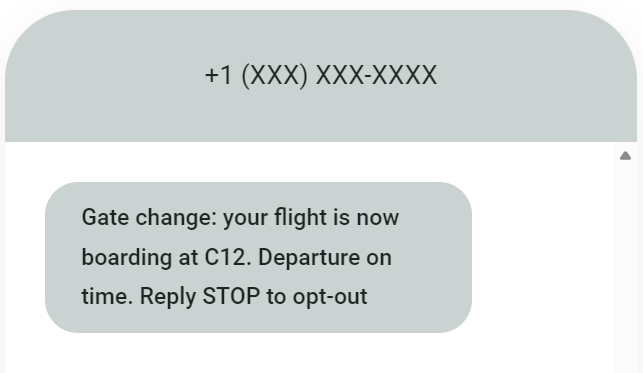
- Transactional SMS: These are non-marketing, essential communications. They include instant booking confirmations, itinerary updates, payment receipts, and critical real-time travel alerts regarding flight delays, gate changes, weather warnings, or unexpected itinerary modifications. These messages build immense trust and enhance the overall customer experience by providing crucial information proactively.
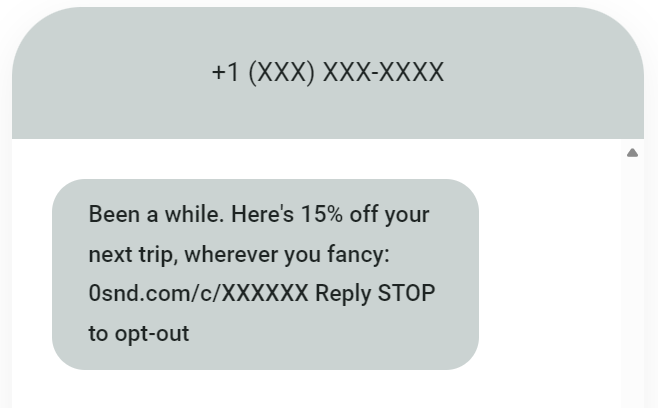
- Retention SMS: Focused on fostering long-term customer relationships. Re-engagement campaigns target dormant customers with personalized offers, while anniversary reminders acknowledge past bookings and encourage repeat business.
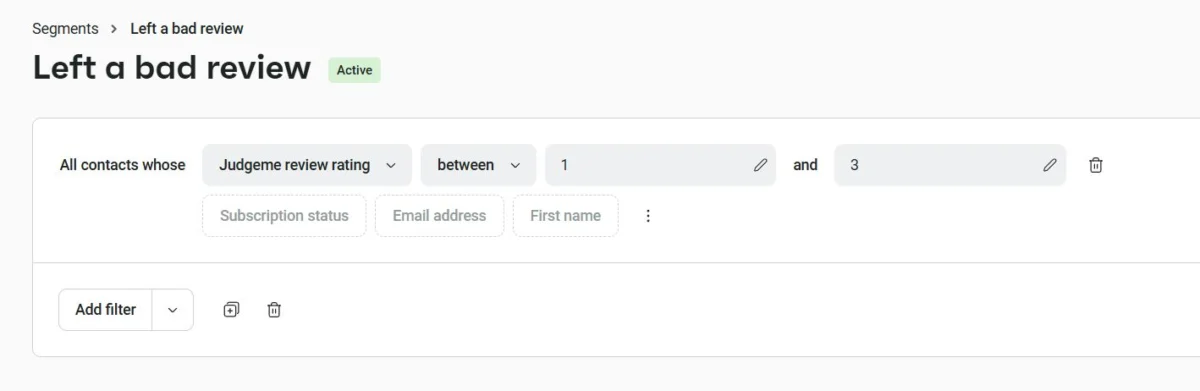
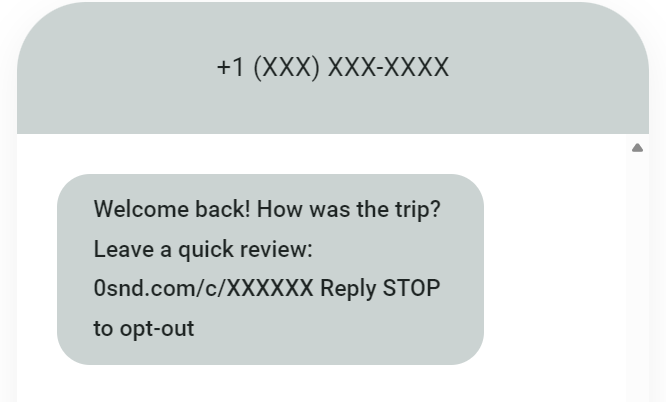
- Feedback SMS: Sent post-trip to gather valuable insights. These messages request reviews and satisfaction ratings, linking directly to feedback forms or review platforms. This not only helps improve services but also generates fresh social proof.
This comprehensive approach ensures that SMS touches every phase of the customer journey—pre-booking, booking, pre-trip, during trip, and post-trip—working in concert with other channels like email for maximum impact.
Automation: The Engine of Efficiency and Profitability
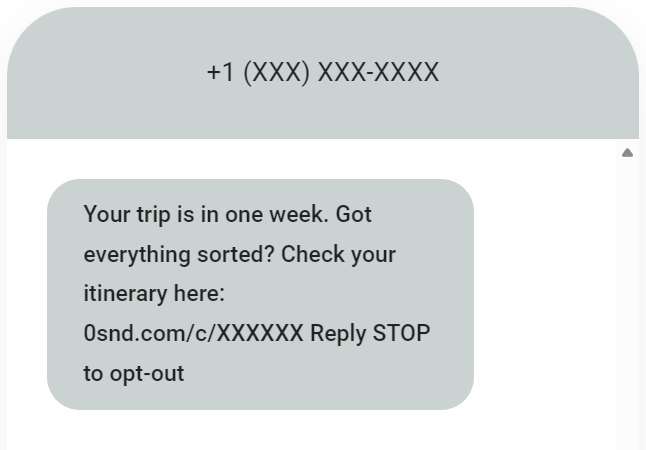
The true power of SMS marketing for travel agencies is unleashed through automation. Automated text messages are pivotal in enhancing customer experience, delivering on promises, appearing at high-intent moments, and providing crucial retention opportunities.
- Welcome Series for New Subscribers: This series triggers immediately upon a new SMS opt-in, welcoming the subscriber and delivering any promised incentives, such as a discount code or early access to deals. A well-designed welcome series, typically comprising two to three texts with strategic delays, fosters early engagement without causing fatigue. For instance, the first message confirms subscription and delivers the incentive, followed by a second message a day or two later highlighting popular destinations or unique offerings.
- Pre-trip and Post-trip Automation Flows: These flows are designed to be helpful, nurturing, and relationship-building, significantly improving the chances of repeat bookings and referrals.
- Pre-trip preparation updates: Triggered a week or days before departure, these texts can include links to packing tips, visa requirements, check-in instructions, or even subtle cross-sell opportunities for travel insurance or activity add-ons.
- Post-trip feedback and review requests: Sent 24-48 hours after the customer’s return, these messages capture fresh impressions, linking directly to review platforms. This timing is critical: too soon, and they’re still settling in; too late, and the experience isn’t vivid enough for a detailed response.
- Abandoned Booking Recovery: This is one of the most potent revenue-generating automations. When a customer adds travel packages or services to their cart but leaves without completing the booking, an automated SMS reminder can be sent. Given that these customers have already shown high intent, a timely text can recover otherwise lost revenue. According to Optimonk, abandoned cart texts boast conversion rates between 24.6% and 39.4%. A typical sequence might involve an initial reminder after a few hours, followed by a second reminder with a small incentive (e.g., "Last chance for this deal!") after 24 hours.
Platforms like Omnisend offer intuitive flow builders with pre-built automation templates that can be customized to combine SMS and email, allowing agencies to create sophisticated multichannel journeys tailored to customer behavior.
Building a Compliant and Engaged Subscriber List
The foundation of successful SMS marketing is a robust and compliantly built subscriber list. Every collection method must clearly communicate what subscribers will receive and offer a compelling reason to opt-in. Effective strategies include:
- Website Pop-ups and Embedded Forms: Prominently placed on high-traffic pages, offering discounts or exclusive content in exchange for an SMS opt-in.
- Dedicated Landing Pages: Specifically designed to capture SMS subscribers, often for targeted campaigns.
- Social Media Campaigns: Using lead generation ads that collect phone numbers with explicit consent.
- QR Codes: Placed in physical locations (e.g., brochures, storefronts) or digital ads, directing users to an SMS opt-in page.
- In-store Sign-ups: For agencies with physical locations, collecting phone numbers at the point of sale with clear consent.
- Spin-to-Win Wheels: Interactive pop-ups that gamify the opt-in process, offering a chance to win a discount in exchange for email and phone number.
A crucial consideration is the option for a double opt-in. While adding an extra step, double opt-in ensures higher list quality and compliance, as subscribers explicitly confirm their desire to receive messages, leading to more engaged contacts and fewer early unsubscribes.
SMS Compliance for Travel Agencies: TCPA and GDPR Rules
Compliance with SMS regulations is non-negotiable for travel agencies to avoid severe fines and reputational damage. The primary regulations governing SMS marketing are the Telephone Consumer Protection Act (TCPA) in the USA and the General Data Protection Regulation (GDPR) in the EU and UK.
- TCPA (USA): Requires "express written consent" for sending marketing texts, which can be obtained via a clear checkbox on an opt-in form. Every message must include clear opt-out instructions (e.g., "Reply STOP to unsubscribe"), and these requests must be honored within 10 business days. Messages should be sent during reasonable hours (typically 8 AM to 9 PM local time), and the business must be clearly identified. Non-compliance can result in exorbitant fines of up to $1,500 per message.
- GDPR (EU/UK): Demands "explicit consent" with a transparent explanation of what subscribers are signing up for. This applies to any business, regardless of its location, that processes data for individuals in the EU/UK. Subscribers have the right to withdraw consent at any time, and these requests must be processed "without undue delay." As with TCPA, businesses must identify themselves and maintain detailed consent records, documenting when and how each subscriber opted in and out. GDPR fines are substantial, reaching up to €20 million or 4% of annual global turnover, whichever is higher.
SMS marketing platforms like Omnisend are engineered to assist with compliance, automatically adding opt-out language, processing keywords like STOP/UNSUBSCRIBE, and flagging opted-out contacts in real-time to prevent further sends. Maintaining meticulous consent records is a shared responsibility between the platform and the agency.
The Synergy of Multichannel: SMS and Email Integration
SMS marketing reaches its full potential when integrated into a broader multichannel strategy that leverages email as a complementary channel. Email excels at delivering long-form content, detailed itineraries, inspirational travel guides, and general promotions, allowing for richer storytelling and more complex information dissemination. SMS, conversely, is best reserved for urgent notifications, time-sensitive offers, and essential confirmations that require immediate attention.
This strategic division of labor ensures that each channel is used for its optimal purpose, maximizing impact without overwhelming the customer. For example:
- Welcome Series: An initial email can introduce the brand and provide a detailed welcome guide, followed by an SMS within 24 hours offering a specific discount or highlighting a unique benefit.
- Abandoned Cart Recovery: A comprehensive email can be sent first, detailing the items left in the cart. If no action is taken, a concise SMS reminder with a direct link or a limited-time incentive can follow.
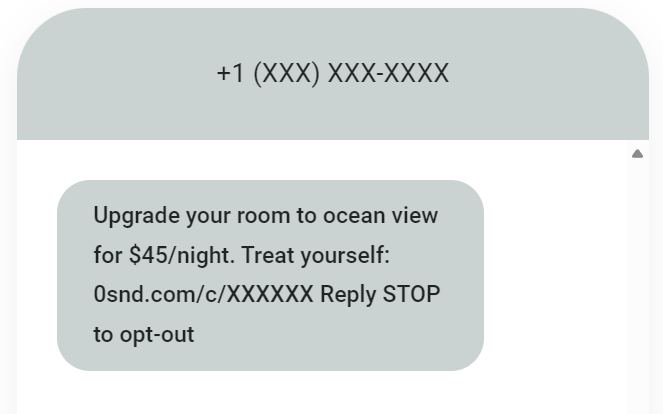
- Pre-trip Information: An email can deliver the full itinerary, packing list, and destination guide, while a subsequent SMS can serve as a quick reminder about check-in deadlines or essential documents a few days before departure.
This integrated approach not only improves visibility and engagement but also significantly boosts ROI, as demonstrated by the $79 return for every dollar spent by Omnisend customers employing a multichannel strategy. By treating SMS and email as complementary rather than competing channels, travel agencies can create a seamless, highly effective communication ecosystem that drives both immediate conversions and long-term customer loyalty.
Selecting the Right Platform: Key Considerations for Travel Agencies
Choosing the appropriate SMS marketing platform is crucial for success. Travel agencies should evaluate platforms based on several key criteria:
- Automation Capabilities: Look for robust flow builders that allow for complex, multi-step automations integrating SMS and email, triggered by specific customer behaviors (e.g., booking, abandonment, trip dates).
- Segmentation: The ability to segment audiences based on booking history, preferences, demographics, and engagement levels is vital for sending highly personalized and relevant messages.
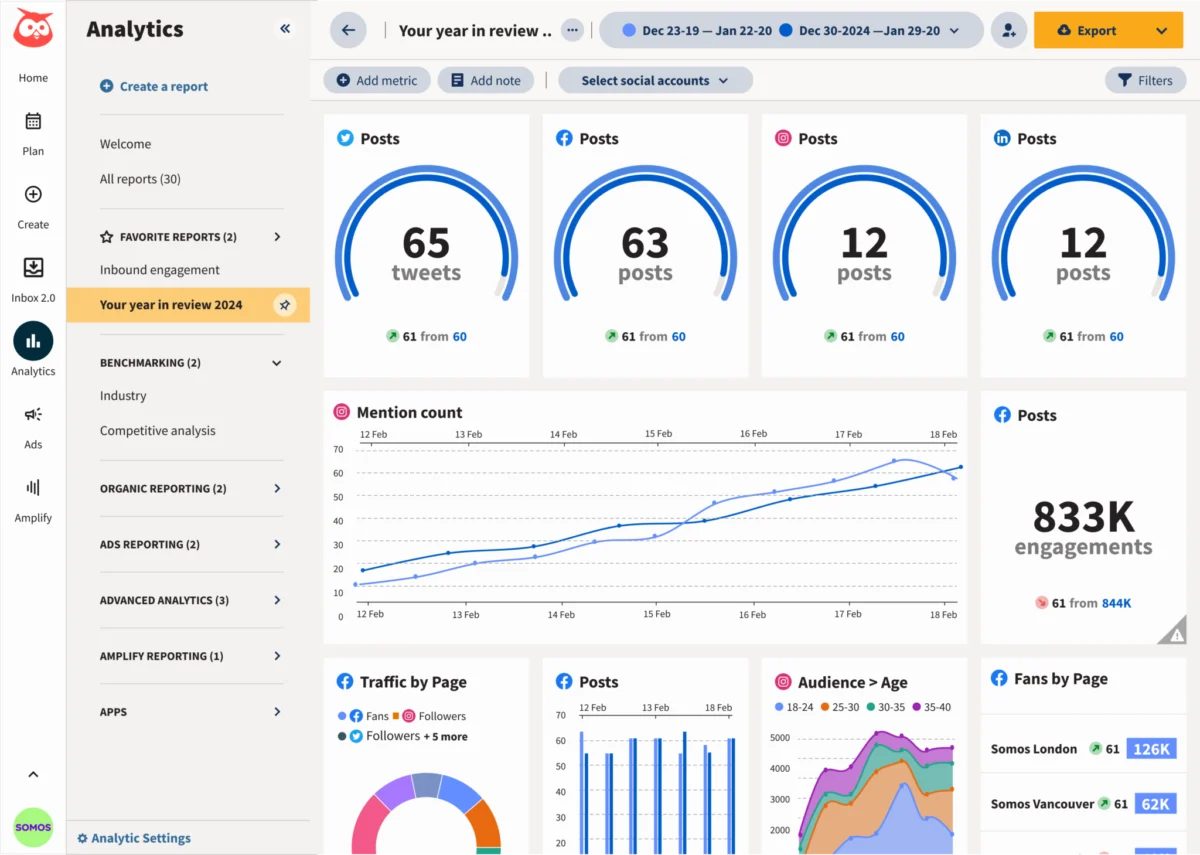
- Analytics and Reporting: Comprehensive dashboards that track open rates, click-through rates, conversions, and ROI are essential for optimizing campaigns.
- Integrations: Seamless integration with existing CRM systems, booking platforms, and other marketing tools (e.g., email marketing, loyalty programs) ensures a unified customer view.
- Compliance Features: The platform should offer built-in tools for consent management, automatic opt-out processing, and adherence to TCPA and GDPR regulations.
- Ease of Use: An intuitive interface and user-friendly tools reduce the learning curve and allow for efficient campaign creation and management.
- Pricing Structure: Transparent and scalable pricing that aligns with the agency’s sending volume and budget.
- Customer Support: Responsive and knowledgeable support is critical for troubleshooting and maximizing platform utility.
Conclusion
SMS marketing has firmly established itself as a critical, high-ROI channel for travel agencies in the modern digital age. Its unparalleled open rates, immediate delivery, and direct engagement capabilities make it ideal for urgent promotions, essential confirmations, and timely customer interactions. When strategically integrated with email in a multichannel approach, and leveraged through powerful automation, SMS marketing not only drives significant revenue but also fosters deep customer loyalty and reduces escalating customer acquisition costs. By prioritizing compliance, building engaged subscriber lists, and selecting platforms that offer robust automation and analytical tools, travel agencies can harness the full potential of SMS to create superior customer experiences and secure a competitive edge in a dynamic market. This owned, manageable channel offers greater visibility than any other openable communication method, making it an indispensable asset for future growth and retention.
FAQs
Is SMS marketing legal for travel agencies?
Yes, SMS marketing is legal for travel agencies, provided they adhere strictly to regulatory guidelines such as the TCPA in the USA and GDPR in the EU/UK. This primarily involves obtaining explicit opt-in consent from subscribers, clearly identifying the business in every message, providing a simple opt-out mechanism, and maintaining meticulous records of consent.
What is the best marketing strategy for a travel agency?
A multichannel marketing strategy that effectively combines owned channels like email and SMS, alongside targeted paid advertising, is generally considered the most effective. This approach allows agencies to leverage the strengths of each channel: email for detailed content and nurturing, SMS for urgency and time-sensitive alerts, and paid ads for initial customer acquisition. Building a high-quality subscriber list, segmenting it for personalization, and employing automated flows across these channels are key components.
How often should travel agencies send SMS messages?
The frequency of SMS messages should be carefully considered to avoid customer fatigue. Transactional messages (confirmations, alerts) are reactive and sent as needed. Marketing texts, however, should be sparse and highly relevant, typically no more than a few times a week, and ideally tied to specific customer actions or high-value offers. The goal is to provide value, not to overwhelm.
Does SMS marketing still work in 2026?
Yes, SMS marketing continues to be highly effective in 2026. Data from 2025, such as Omnisend’s report indicating automated texts earning $0.74 per send, confirms its strong performance. Its ability to reduce customer acquisition costs, drive immediate engagement, and support robust retention marketing strategies ensures its continued relevance and value in the evolving digital landscape.
What types of SMS messages drive the most bookings for travel agencies?
Automated SMS messages tied to customer behavior tend to drive the most bookings. This includes welcome messages (often with an incentive for new subscribers), abandoned cart/checkout recovery texts (targeting high-intent customers), and cross-sell/upsell messages (offering relevant upgrades or add-ons post-booking). Transactional alerts, while not directly booking-driven, build trust and positive sentiment that indirectly contributes to future bookings.