

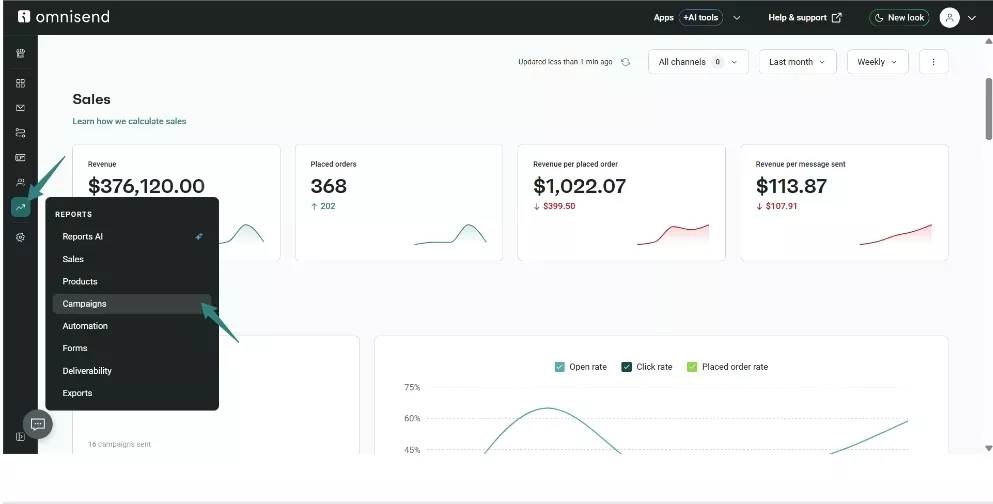
SMS analytics, traditionally viewed through the narrow lens of delivery rates, has evolved into a sophisticated process for monitoring critical metrics such as conversion rates and revenue per send, fundamentally shifting how marketers measure and enhance the efficacy of their text message campaigns. This strategic pivot from mere delivery confirmation to comprehensive revenue attribution is no longer optional but an imperative for businesses seeking to maximize their digital marketing investments and unlock the full potential of the SMS channel.
The Evolving Imperative of SMS Analytics in Digital Marketing
For too long, the assessment of SMS campaign success has been rudimentary, with many marketers halting their analysis at the delivery rate. However, the metrics that truly forecast and confirm revenue generation reside further down the marketing funnel, often obscured by platforms lacking advanced visibility. This analytical blind spot carries significant financial implications. Data from the Omnisend 2026 Ecommerce Marketing Report underscores this disparity, revealing that automated SMS messages generate an average of $0.74 per send, a stark contrast to the $0.15 achieved by broadcast campaigns. This fivefold difference in revenue per send highlights the profound impact of measuring the correct metrics, demonstrating that overlooking these deeper insights can lead to substantial lost earnings and an inaccurate understanding of campaign performance.
As the digital landscape continues its rapid transformation, understanding what SMS analytics entails, identifying the key metrics to track in the coming years, establishing performance benchmarks, and recognizing the essential features of a robust SMS analytics tool are crucial for competitive advantage. This guide delves into these aspects, providing a framework for marketers to navigate the complexities of SMS performance measurement and drive tangible business outcomes.
The Rise of SMS as a Core Marketing Channel: A Brief Chronology
The journey of SMS in marketing has seen a remarkable evolution, transitioning from basic transactional alerts to a dynamic, high-engagement channel. In its nascent stages, SMS marketing was primarily utilized for functional communications like order confirmations or appointment reminders. However, with the proliferation of smartphones and the increasing demand for instant gratification, its potential as a direct-to-consumer (DTC) marketing tool began to materialize.
The mid-2010s saw a gradual increase in businesses experimenting with promotional SMS, but often in isolation from their broader marketing strategies. The real inflection point arrived as e-commerce matured, necessitating more immediate and personalized communication channels to cut through digital noise. By the early 2020s, SMS had cemented its position as a vital component of an omnichannel marketing strategy. The Omnisend 2026 Ecommerce Marketing Report provides compelling evidence of this trajectory, noting that SMS volume experienced a substantial 40% growth in 2025 alone. This exponential growth signals a channel that is no longer supplementary but central to customer engagement and revenue generation for modern businesses. The increasing sophistication of consumer behavior and the competitive pressures within e-commerce have subsequently driven the demand for more advanced analytics, moving beyond rudimentary tracking to sophisticated attribution models.
Distinguishing SMS Analytics from Email Marketing Metrics
While both email and SMS are direct marketing channels, their inherent characteristics necessitate distinct analytical approaches. Email analytics often relies heavily on open rates, a metric that provides an initial gauge of attention but offers limited insight into actual engagement or conversion. Furthermore, email campaigns typically have longer engagement windows, allowing for delayed interactions.
SMS analytics, by contrast, operates in a real-time, high-urgency environment. Its metrics focus intently on immediate interaction and action. Key indicators include:
- Delivery Rates: While seemingly similar to email deliverability, SMS delivery is subject to unique challenges. SMS carriers employ proprietary filtering and blocking rules that are often unpublished, meaning a high reported delivery percentage can mask underlying issues of messages being blocked or filtered before reaching the intended recipient. Successful SMS delivery is defined by confirmed receipt on a phone, making this foundational metric crucial.
- Clicks and Replies: These metrics are direct indicators of immediate engagement, reflecting how recipients interact with messages in the moment. A click on an SMS link often signifies higher intent than an email click due to the brevity and directness of the channel.
- Conversions: The ultimate measure of success, linking SMS interactions directly to desired actions like purchases or sign-ups.
- Opt-Outs: Unlike email, where unsubscribes can be managed within the platform, SMS opt-outs are often carrier-enforced (e.g., replying “STOP”). This makes managing opt-out rates critically important, as irresponsible campaigns can not only reduce engagement but also permanently lose contacts and even attract carrier scrutiny, impacting overall deliverability.
The critical distinction lies in the nature of engagement. Email often seeks sustained attention and interaction within a broader content framework, whereas SMS demands immediate action and provides concise, high-value information. Consequently, SMS analytics must prioritize metrics that reflect this immediacy and direct call to action, with the closest equivalents to email’s attention metrics being click and conversion rates, which undeniably reflect action over mere attention. To accurately measure SMS revenue, integrating UTM parameters into links and connecting the SMS platform with an e-commerce platform for conversion tracking becomes indispensable. By focusing on metrics directly tied to revenue and conversions, marketers can gain a far clearer understanding of true campaign performance and strategic impact.
The Seven Pillars of SMS Performance: Key Metrics for 2026 and Beyond
A robust SMS analytics setup hinges on monitoring seven core metrics: revenue per send, revenue per subscriber, delivery rate, click-through rate, conversion rate, list growth rate, and opt-out rate. Each metric provides unique insights into campaign health and subscriber engagement.
Delivery Rate
The foundational metric, SMS delivery analytics, quantifies the proportion of sent messages that successfully reach a recipient’s phone. Its primacy stems from the fact that all subsequent SMS marketing analytics metrics are contingent upon successful delivery. The formula for calculation is straightforward: (Delivered messages ÷ sent messages) × 100.
Factors capable of lowering SMS delivery rates include invalid phone numbers, carrier filtering due to suspicious content or excessive sending, and recipients having opted out previously. A healthy SMS delivery rate typically hovers at 95% or higher, with Omnisend data suggesting top performers achieve 98%+. A consistent drop below 90% usually signals issues with list quality rather than campaign performance, such as outdated or incorrectly formatted phone numbers. Unlike many email deliverability challenges, low SMS delivery rates are often more straightforward to rectify through diligent list cleaning, real-time phone number validation at signup, and strict adherence to carrier regulations.
Click-Through Rate (CTR)
The click-through rate measures the percentage of recipients who engage with a text message by clicking an embedded link. This metric is a powerful indicator of message effectiveness, offer appeal, and the clarity of the call to action. The formula for CTR is: (Clicks ÷ delivered messages) × 100.
According to the 2026 Omnisend report, SMS click rates more than doubled year over year, signifying increased recipient receptiveness to engaging with SMS content. Brands like Vagari Bags maintain a steady 6-7% CTR by strategically leveraging SMS for direct, time-bound offers, while reserving email for more narrative-driven content. Four key factors significantly influence CTR:
- Message Relevancy: How well the message resonates with the recipient’s interests or recent behavior.
- Offer Appeal: The attractiveness and perceived value of the promotion or information presented.
- Call to Action (CTA) Clarity: The explicitness and urgency of the instruction for the recipient to click.
- Timing: Sending messages when recipients are most likely to engage, often tied to behavioral triggers.
CTR serves as a stronger engagement signal in SMS than in email, primarily because clicking a link in a concise text message typically requires a higher degree of intent and immediate interest.
Conversion Rate
Conversion rate quantifies the percentage of individuals who, after clicking a link in an SMS message, complete a desired action, such as making a purchase, signing up for a service, or downloading content. The calculation is: (Conversions ÷ clicks) × 100.
Accurate conversion tracking necessitates deliberate setup, including the implementation of UTM parameters on every SMS link and a seamless integration between the SMS platform and the e-commerce store. Geographic location can significantly impact conversion benchmarks; for instance, SMS campaigns in the UK achieved a 5.1% click-to-purchase conversion rate, substantially higher than the global average of 0.97% reported in the same 2026 study. Therefore, marketers should establish benchmarks tailored to their specific geographic markets and customer segments. Automated text messages consistently outperform broadcast campaigns in conversion rates due to their precise timing and behavioral targeting. Automated messages generate an average of $0.74 per send, compared to $0.15 for campaigns, underscoring the power of intent-driven communication.
Revenue Per Send
Revenue per send is widely regarded as the “north star” metric in SMS analytics, consolidating delivery, engagement, and conversion into a single, tangible business outcome. It measures the average revenue generated by each text message sent. The formula is: Total SMS-attributed revenue ÷ total messages sent.
The significant performance gap between automated messages and campaigns vividly illustrates this metric’s importance. The 2026 report indicates automated SMS messages generate $0.74 per send on average, whereas campaigns yield only $0.15 per send. This fivefold difference is largely attributable to superior behavioral targeting and optimal timing inherent in automated flows. Top-performing agencies, as per Omnisend’s Top Agencies research, generate an impressive $16.70 in annual revenue per subscriber, highlighting the long-term value of a meticulously optimized SMS program. To enhance revenue per send, marketers should prioritize audience segmentation, develop sophisticated behavior-based automations, and commit to continuous A/B testing. Agencies that regularly test their campaigns achieve 192% more revenue on average than those that do not, demonstrating the direct correlation between experimentation and profitability. For example, Kate Backdrop achieved a remarkable 1:300 return on investment through an optimized omnichannel SMS campaign program.
Opt-Out/Unsubscribe Rate
The opt-out rate indicates the percentage of recipients who choose to unsubscribe after receiving SMS messages. This metric is crucial for gauging the relevance of content, the precision of targeting, and the appropriateness of sending frequency relative to subscriber expectations. The formula is: (Opt-outs ÷ delivered) × 100.
This metric holds greater significance in SMS than in email due to the carrier-enforced nature of SMS opt-outs. When a subscriber replies “STOP,” they are immediately and permanently removed from the list, unable to receive future messages unless they actively re-opt-in. High opt-out rates can also trigger carrier scrutiny, potentially impacting deliverability across an entire SMS program. Marketers should aim for an opt-out rate below 0.3% per send. Rates exceeding 0.5% signal issues with message relevance, excessive frequency, or misaligned subscriber expectations. Campaigns should be analyzed individually, as a single poorly targeted blast can inflate the monthly average. Common drivers of increased SMS opt-out rates include irrelevant content, overly frequent messages, poor segmentation, and unclear value propositions.
List Growth Rate
The list growth rate assesses the net change in subscribers, indicating whether new acquisitions are successfully outweighing unsubscribes. The formula is: ((New subscribers – opt-outs) ÷ subscribers at period start) × 100.
A stagnant or declining list growth rate signals a strategic issue requiring immediate attention, indicating either insufficient new subscriber acquisition or an unacceptably high churn rate. Implementing effective signup processes can significantly accelerate SMS list growth. Divatress, for instance, built an SMS list of nearly 70,000 subscribers within eight months through a well-executed strategy. Conversely, a steady, deliberate growth strategy can also yield substantial results, as demonstrated by Headbanger Sports, which grew its SMS list from zero to 30,000 in two years with the assistance of Vyber Media. Key drivers of list growth include website pop-ups, dedicated landing pages, in-store promotions, and cross-channel promotions (e.g., email to SMS). Tracking this metric monthly and by signup source provides granular insights into which strategies are most effective.
Revenue Per Subscriber
Revenue per subscriber measures the average revenue generated from each individual contact on an SMS list over a specific period. The formula is: Total SMS revenue ÷ total SMS subscribers.
This metric emphasizes the principle of quality over quantity; a smaller, highly engaged subscriber list can often outperform a much larger list of poorly segmented or disengaged contacts. For example, 10,000 engaged subscribers may generate significantly more revenue than 100,000 low-quality contacts. Omnisend’s Top Agencies research highlights that top agencies earn an average of $16.70 per subscriber annually, and agencies utilizing SMS generate 202% more revenue than those that do not. This disparity underscores that the true value lies in subscriber engagement and quality, not merely list size.
Campaign vs. Automation Analytics: Tailored Measurement Strategies
The effectiveness of SMS marketing is profoundly influenced by whether messages are sent as planned campaigns or triggered automations, necessitating distinct analytical frameworks.
SMS Campaign Analytics: These involve planned, one-time broadcasts sent to a large segment of an audience simultaneously. Given their less targeted nature compared to automations, slightly lower benchmarks for engagement are generally expected. For campaigns, marketers should primarily track:
- Delivery Rate: To ensure messages reach their intended recipients.
- Click-Through Rate (CTR): To gauge immediate engagement with the message and offer.
- Revenue Per Send: To quantify the direct financial return of the broadcast.
- Opt-Out Rate: To monitor subscriber satisfaction and content relevance.
SMS Automation Analytics: These encompass messages automatically triggered by specific user actions or behaviors (e.g., abandoned cart reminders, welcome series, post-purchase follow-ups). Because automations intercept customers at moments of high intent, they are expected to yield significantly higher engagement and conversion rates. Key metrics for automations include:
- Conversion Rate: The paramount metric, reflecting the direct impact on desired actions.
- Revenue Per Send: To measure the financial efficiency of each automated message.
- Click-Through Rate (CTR): To assess the effectiveness of the trigger-based message and offer.
- Opt-Out Rate: To ensure the automation remains relevant and non-intrusive.
The performance gap between these two approaches is substantial. Automated SMS messages generate an average of $0.74 per send, dwarfing the $0.15 per send from campaigns. This difference is a direct result of precise timing and hyper-targeting, which cultivate stronger buying intent. Consequently, automation analytics should be held to a higher standard. If an automated flow performs at the level of a typical broadcast campaign, it signals an immediate need to review the trigger conditions, timing, and audience segmentation to optimize its effectiveness.
Establishing Performance Baselines: SMS Analytics Benchmarks
SMS analytics benchmarks provide critical reference points for evaluating campaign performance, distinguishing strong results from areas requiring improvement. The data below, derived from Omnisend’s 2026 Ecommerce Marketing Report and Top Agencies research, offers a comprehensive overview of healthy versus warning signals for key metrics:
| Metric | Healthy Benchmark | Warning Signal |
|---|---|---|
| Delivery rate | 95%+ (98%+ for top performers) | Below 90% signals list-quality problems |
| Click-through rate | 3–7% | Below 2% |
| Opt-out rate | Below 0.3% per send | Above 0.5% flags relevance or frequency issues |
| Revenue per send (campaigns) | Around $0.15 per message | Below $0.10, indicating low engagement/conversion |
| Revenue per send (automations) | Around $0.74 per message | Below $0.30, suggesting weak triggers/targeting |
| List growth rate | Positive month-over-month growth | Remains flat or declines over time |
It is crucial to view these benchmarks as guides rather than rigid targets, as actual performance can vary significantly based on industry, audience demographics, message type, and sending frequency. Geographical differences also play a role; for example, UK SMS campaigns boast a 5.1% click-to-conversion rate, significantly higher than the global average of 0.97%. The primary objective of SMS analytics is to identify trends, pinpoint weak areas, and implement iterative improvements to enhance results over time.
Implementing Robust Conversion Tracking: A Technical Imperative
Accurate SMS conversion tracking is non-negotiable for understanding the true financial impact of text message marketing. This process involves three essential steps: adding UTM parameters, integrating with an e-commerce platform, and segmenting tracking for campaigns versus automations. Without this foundational setup, SMS analytics cannot reliably attribute revenue to specific messages or strategies.
- UTM Parameters on Every Link: Universal Tracking Module (UTM) tags are vital for attributing traffic and sales. Marketers must append tags such as
utm_source=sms,utm_medium=text, andutm_campaign=[campaign name]to every link embedded in an SMS message. These tags enable platforms like Google Analytics and e-commerce dashboards to precisely track the origin and performance of traffic driven by SMS. - E-commerce Platform Integration: A seamless connection between the SMS platform and the e-commerce store is paramount. This integration allows for the direct linking of SMS performance data with actual sales figures, providing a clear line of sight from message send to revenue generated. Platforms like Omnisend offer native integrations with leading e-commerce solutions such as Shopify, WooCommerce, and BigCommerce, streamlining the flow of sales data into comprehensive reports.
- Separate Tracking for Campaigns vs. Automations: To gain nuanced insights, it is imperative to use distinct UTM campaign values for broadcast campaigns and automated flows. This segregation ensures that performance data from one-time sends and behavior-triggered messages are not commingled, allowing for accurate comparative analysis and clearer understanding of each strategy’s effectiveness.
This meticulous tracking setup provides an unparalleled view of what truly drives SMS performance. With the right configuration, SMS analytics transforms into a powerful engine for campaign optimization and sustained revenue growth.
Selecting the Right Tools: Essential Features of an SMS Analytics Platform
Choosing an effective SMS analytics tool requires focusing on capabilities that move beyond basic metrics to provide actionable insights. Five key features are paramount:
- Revenue Attribution: The ability to directly link SMS messages to actual purchases and revenue generated. This feature is fundamental for proving ROI and optimizing budget allocation.
- Campaign vs. Automation Reporting: Granular reporting that clearly distinguishes the performance of broadcast campaigns from automated workflows, allowing for targeted optimization strategies for each.
- Segment-Level Analytics: The capacity to analyze SMS performance across different audience segments. This enables marketers to tailor messages and offers more effectively, improving relevance and engagement.
- A/B Test Reporting: Built-in tools to conduct and analyze A/B tests on message content, offers, CTAs, and timing. This iterative testing is crucial for continuous improvement and maximizing performance.
- Comprehensive Delivery Analytics: Detailed insights into message delivery status, including reasons for non-delivery, allowing for proactive list hygiene and troubleshooting of deliverability issues.
An integrated platform like Omnisend consolidates these capabilities, offering a single dashboard for monitoring revenue, campaign results, automation performance, delivery rates, and A/B test outcomes. By connecting SMS and sales data, such platforms simplify the process of identifying which messages drive clicks, conversions, and, ultimately, revenue.
Strategic Implications and Future Outlook
The shift towards advanced, revenue-centric SMS analytics carries profound strategic implications for businesses. It moves marketing teams beyond vanity metrics, empowering them with the data necessary to make informed decisions that directly impact the bottom line. This analytical rigor fosters a culture of continuous optimization, where every message is evaluated for its contribution to overall business objectives.
The future of SMS marketing is inextricably linked to the sophistication of its analytics. As consumer expectations for personalization continue to rise, marketers will rely even more heavily on granular data to craft hyper-relevant messages triggered at precisely the right moments. This evolution will further cement SMS as a critical channel for fostering deep customer relationships and driving significant ROI, moving beyond generic blasts to highly personalized, data-driven interactions. The ongoing development of AI and machine learning will likely enhance these capabilities, offering predictive analytics and automated optimization, further solidifying SMS analytics as a cornerstone of modern digital marketing strategy.
Conclusion: The Mandate for Data-Driven SMS Marketing
The modern marketing landscape demands a departure from rudimentary SMS tracking. As evidenced by the significant performance disparities between automated and broadcast messages, and the substantial revenue potential of optimized SMS programs, embracing comprehensive SMS analytics is no longer a luxury but a strategic imperative. Platforms like Omnisend offer the necessary tools to monitor revenue, campaign and automation results, delivery rates, and A/B test outcomes from a unified dashboard.
The experience of Divatress, which leveraged such a structure to build an SMS list of nearly 70,000 subscribers and witness automated messages drive 54% of its Omnisend-powered revenue, exemplifies the power of granular attribution. Without proper reporting, the subtle yet impactful differences in campaign performance—such as the $0.74 per send from an optimized automation versus $0.15 from a less targeted campaign—are easily overlooked. For businesses aiming to enhance their digital marketing efficacy and secure a competitive edge, commencing the measurement of SMS performance against established benchmarks is a critical first step towards unlocking greater revenue and fostering stronger customer engagement.
FAQ
-
What is SMS analytics?
SMS analytics is the systematic process of tracking and evaluating the performance of text message campaigns. It involves monitoring key metrics such as delivery rates, clicks, conversions, and revenue generated, providing crucial insights into what strategies are effective and where improvements are needed. -
What metrics should I track for SMS marketing?
Marketers should track seven core metrics for SMS marketing:- Revenue per send: The primary “north star” metric.
- Revenue per subscriber: For long-term list value.
- Delivery rate: The foundational metric for message reach.
- Click-through rate (CTR): To measure immediate engagement.
- Conversion rate: To track desired actions and sales.
- List growth rate: To monitor the health and expansion of your subscriber base.
- Opt-out/unsubscribe rate: To assess content relevance and sending frequency.
Revenue per send is particularly crucial as it combines delivery, engagement, and conversion into a single, actionable financial metric.
-
What is a good SMS click-through rate?
While an “ideal” CTR can vary by industry, audience, and message type, active e-commerce lists can achieve click-through rates between 3-7%. Some top performers, like Vagari Bags, consistently achieve 6-7%. Benchmarks are dynamic; the Omnisend 2026 Ecommerce Marketing Report noted that SMS click rates more than doubled year over year, meaning a rate considered strong in 2024 might now be considered average. -
How do I track conversions from SMS campaigns?
To accurately track SMS conversions, you must implement UTM parameters on every link within your text messages, integrate your SMS analytics platform with your e-commerce store, and ensure separate tracking mechanisms are in place for broadcast campaigns versus automated messages. -
What is the difference between SMS campaign analytics and SMS automation analytics?
SMS campaign analytics focuses on the performance of one-time, planned broadcasts, primarily assessing delivery, click-through, and revenue per send. SMS automation analytics, conversely, tracks trigger-based messages that respond to specific user actions, with a primary emphasis on conversion rate and revenue per send, given their high-intent nature. Automated messages typically exhibit significantly higher performance benchmarks due to their precise timing and targeting.








