
 rifanmuazin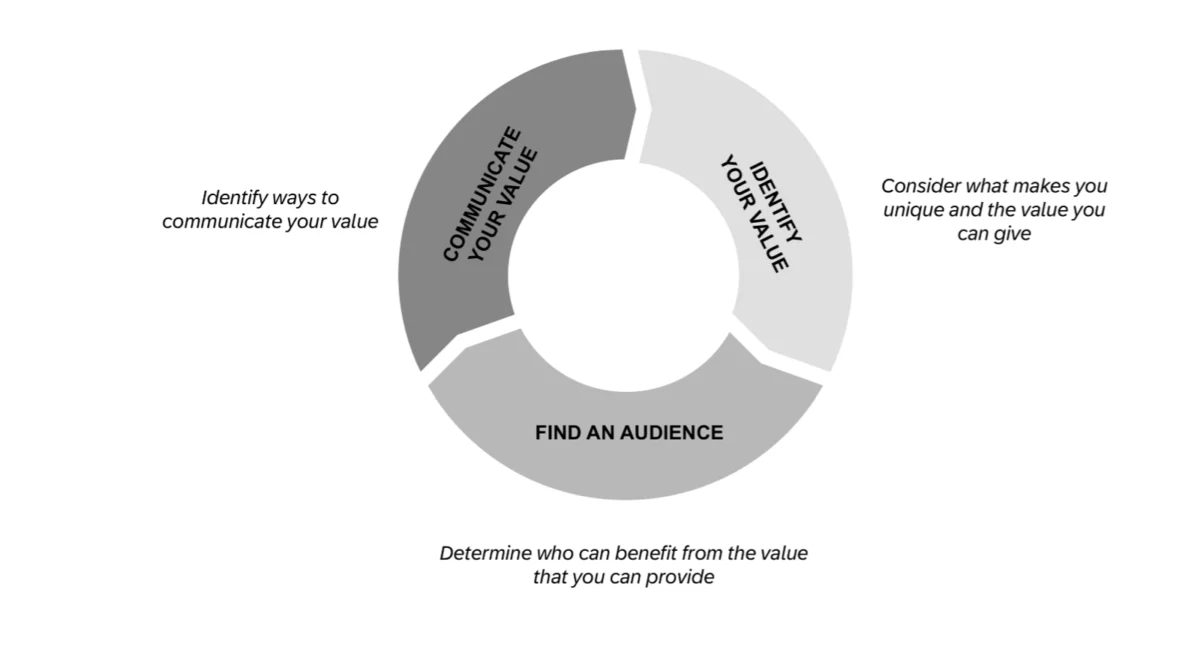
The landscape of professional public relations and internal communications is undergoing a significant transformation, driven by a shifting labor market and the rise of digital-first work environments. A recent analysis published by Forbes identified networking as one of the top 20 essential skills that public relations (PR) professionals must master to remain effective in internal communications. However, industry experts and educators are increasingly sounding the alarm that networking remains a misunderstood and underutilized tool, particularly among the next generation of communication professionals. While often viewed as a means to secure an initial job, networking is a foundational business function that dictates the trajectory of a career long after the first contract is signed.
The Economic Reality of the Hidden Job Market
The urgency for networking proficiency is underscored by data from the U.S. Department of Labor, which estimates that approximately 80% of available jobs are never publicly advertised. These roles constitute what economists call the "hidden job market," where vacancies are filled through internal referrals, professional connections, and industry pipelines. Despite this overwhelming statistical reality, a significant gap remains between the necessity of networking and the actual behavior of job seekers.
For many college students entering the fields of advertising, journalism, media science, and film and television, the concept of networking remains abstract and intimidating. At Boston University’s College of Communication (COM), the first PR school in the United States, faculty members have observed a consistent pattern of confusion among students regarding how to navigate professional circles. Monique Kelley, an Associate Professor of the Practice at BU and author of "Redefining Networking: How to Lead with Your Unique Value," has spearheaded efforts to bridge this gap through a specialized Career Readiness course.
The course, which is open to all communication majors, addresses a critical disconnect: students are often surprised by the 80% "hidden job" statistic, yet they lack the tactical knowledge to engage in the very activity that would grant them access to those opportunities. This phenomenon is not limited to students; it extends into the professional world, where the perception of networking as a transactional burden prevents many from maintaining their professional circles.
Psychological and Structural Barriers to Connection
The reluctance to network is frequently rooted in psychological barriers. According to a global survey conducted by LinkedIn, while 80% of professionals consider networking vital to career success, only 48% maintain contact with their network when they are not actively looking for work. The survey identified three primary deterrents: a perceived lack of time, a reluctance to ask strangers for favors, and the challenges faced by introverted or shy professionals who feel ill-equipped for social navigation.
Furthermore, definitions of networking often reinforce these barriers by framing the practice as a series of "goal-directed behaviors" aimed at utilizing interpersonal relationships. This transactional perspective can make the process feel opportunistic rather than authentic. Academic research published in Career Development International suggests that when networking is viewed solely as a means to an end, it becomes a chore that is easily postponed during periods of employment stability.

However, the modern communications industry requires a more nuanced approach. Networking is not merely about finding the next job; it is about knowing who to connect with internally to advance business priorities and establishing long-term external relationships that provide industry-wide perspective. In a field as interconnected as PR, the ability to move a project forward often depends on the strength of one’s internal organizational capital.
The Evolution of the Networking Process: From Transaction to Contribution
To combat the "transactional" stigma, educators like Kelley are advocating for a paradigm shift: viewing networking as a method of contributing value rather than extracting it. This "contribution model" encourages young professionals to identify their unique skills and communicate how those skills can benefit an organization or an individual.
The proposed evolution of networking follows a structured three-step process:
- Self-Assessment of Value: Identifying specific, unique skills and the value one brings to a potential collaboration.
- Targeted Communication: Articulating that value to immediate circles, including professors, guest lecturers, faculty advisors, and mentors.
- Mutual Support: Cultivating relationships that are mutually beneficial over the long term, rather than reaching out only in times of need.
For Gen Z professionals entering the workforce, this process starts in the classroom. Many students fail to recognize that their professors and guest lecturers are the first nodes in their professional network. By communicating their career aspirations and specific skill sets to these individuals, students engage in an early form of networking that often leads to internships and entry-level placements.
The Impact of Virtual and Hybrid Work Environments
The rise of virtual and hybrid work models has added a layer of complexity to professional relationship-building. In traditional office settings, junior employees often benefited from "accidental networking"—the informal conversations that occur in hallways or common areas. In a remote environment, these opportunities are largely eliminated, placing the burden of connection entirely on the individual.
This shift has created a "visibility crisis" for talented young professionals. Seasoned industry veterans now face an increased responsibility to "pay it forward" by intentionally introducing junior staff to key players within the company and the broader industry. Without these deliberate introductions, even the most skilled individuals may find their career growth stalled by a lack of organizational awareness.
Industry analysts suggest that the lack of physical presence in the office makes internal networking even more critical than external networking for those in the early stages of their careers. Understanding the internal power dynamics of a firm and identifying who can help move priorities forward is essential for surviving the first few years of a communications role.

Chronology of Professional Development in Communications
The development of networking as a core competency has evolved through several distinct phases over the last two decades:
- The Pre-Digital Era: Networking was largely reliant on physical events, business card exchanges, and local industry associations. Job hunting was dominated by newspaper classifieds and direct mail applications.
- The Rise of Professional Social Media (2003–2010): The launch of platforms like LinkedIn began to digitize professional networks, making it easier to track connections but also introducing the "transactional" fatigue seen today.
- The Content-Driven Era (2011–2019): Networking expanded to include personal branding. Professionals began using blogs and social media to demonstrate value before ever meeting a contact in person.
- The Post-Pandemic Reality (2020–Present): The shift to remote work has made networking a deliberate, scheduled activity. The focus has moved toward "sponsorship"—where senior leaders actively use their social capital to promote junior talent in virtual spaces.
Analysis of Implications for the PR Industry
The implications of this networking shift are profound for the future of the PR and communications industry. As firms move toward more agile, project-based structures, the ability to quickly assemble teams based on trusted connections becomes a competitive advantage.
From an organizational standpoint, a culture that encourages internal networking leads to higher employee retention and better cross-departmental collaboration. When employees understand the skills and priorities of their colleagues, they are more likely to find synergies that drive business results. For the individual, a robust network acts as a form of "career insurance" in an era of frequent industry disruptions and layoffs.
Furthermore, redefining networking as a value-based contribution helps level the playing field for diverse candidates. When the emphasis is placed on what a person can contribute rather than who they already know, it opens doors for individuals who may not have traditional "legacy" connections in the industry.
Conclusion
Networking is no longer a peripheral activity reserved for the extroverted or the job-seeking; it is a central pillar of professional efficacy in the 21st-century communications landscape. As the U.S. Department of Labor’s statistics suggest, the vast majority of professional movement happens beneath the surface of public job boards. For students and seasoned professionals alike, the challenge lies in moving past the discomfort of the "ask" and embracing a model of continuous, value-driven engagement.
By integrating career readiness into the academic curriculum and fostering a culture of mentorship and sponsorship within agencies and corporations, the communications industry can ensure that its most talented individuals are not just skilled, but also visible. As Monique Kelley’s work at Boston University demonstrates, the future of PR depends on the ability of the next generation to articulate their unique value and build the relationships necessary to deliver it.










