
 rifanmuazin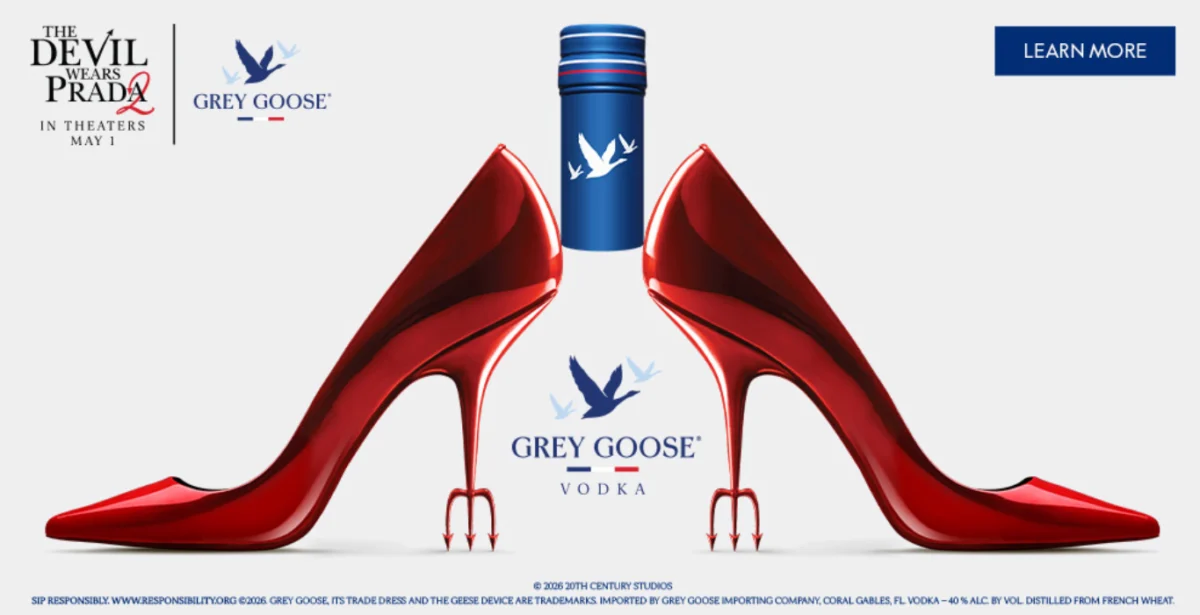
The landscape of modern strategic communications is currently undergoing a period of profound transformation, characterized by a dual focus on high-stakes commercial partnerships and the increasingly urgent need for institutional transparency. This week, the industry witnessed three distinct but interconnected developments that highlight how corporations are attempting to bridge the gap between public perception and operational reality. From the highly curated brand ecosystem surrounding the release of "The Devil Wears Prada 2" to Meta’s strategic pivot toward infrastructure transparency, and finally, a sobering report from the Institute for Public Relations regarding the industry’s role in the disinformation crisis, the current climate demands a sophisticated approach to earned and paid media.
The Evolution of Cinematic Marketing: The Case of The Devil Wears Prada 2
In the original 2006 film "The Devil Wears Prada," Meryl Streep’s character, Miranda Priestly, delivered an iconic monologue regarding the trickle-down effect of high fashion, explaining how a specific shade of "cerulean" moved from the runways of Oscar de la Renta to the bargain bins of casual retailers. Twenty years later, Disney is leveraging that exact cultural shorthand to launch what is being described as the most ambitious brand marketing partnership program in the history of the studio.
The strategy for "The Devil Wears Prada 2" represents a significant shift from the "mass-licensing" model recently seen with films like "Wicked." While Universal’s "Wicked" boasted over 400 licensing partners—ranging from high-end Le Creuset cookware to mass-market apparel—Disney has opted for a strategy of "intentional curation." According to Lylle Breier, Disney’s Executive Vice President of Partnerships, the studio selected roughly 20 brands, ensuring each partner "owned" a specific category.
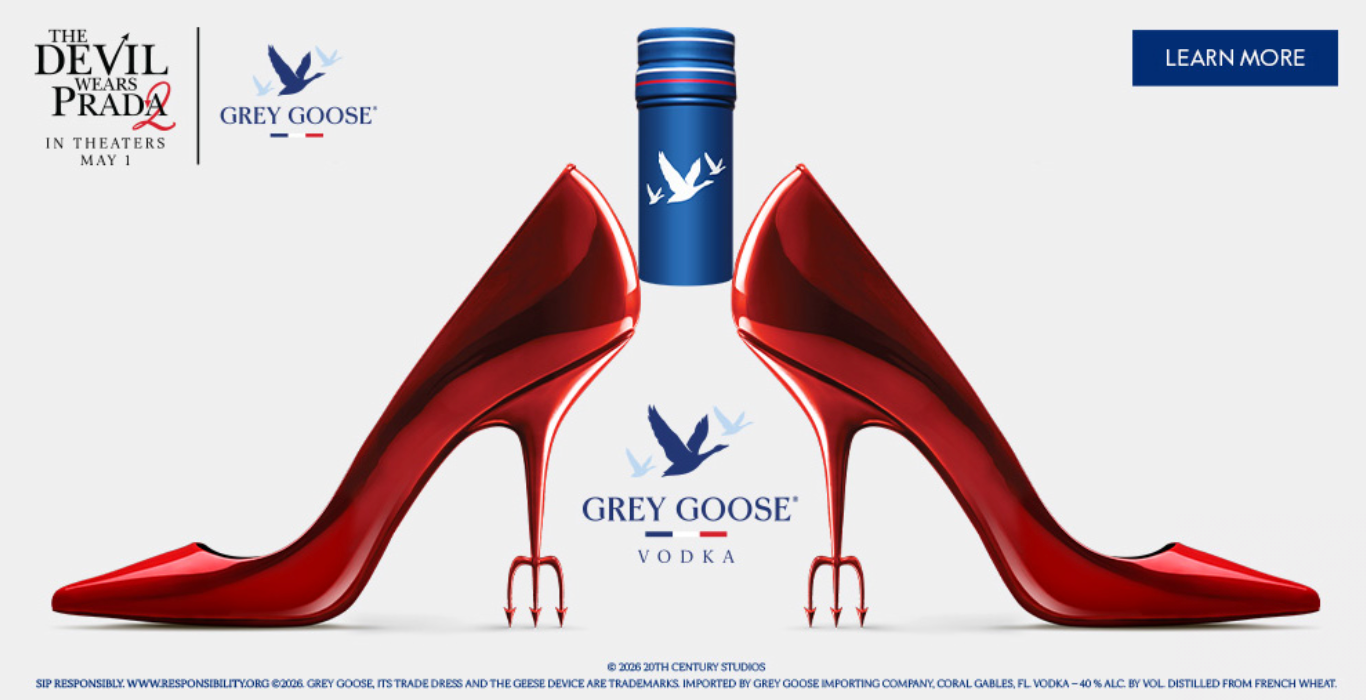
This curated list includes global giants such as L’Oréal Paris, Smartwater, Diet Coke, Starbucks, Samsung Galaxy, Lancôme, TRESemmé, Havaianas, Grey Goose, Google, Mercedes-Benz, and Tiffany & Co. These are classified as official collaborations, which differ significantly from standard licensing deals with retailers like Walmart, Old Navy, and Lulus. The distinction is critical: official partners are integrated into the film’s narrative or promotional DNA, whereas licensing partners primarily use the film’s intellectual property to sell consumer goods.
The financial logic behind these partnerships is undeniable. Historical data from Launchmetrics indicates that film collaborations are high-yield investments; for example, the "Barbie" movie’s collaboration with Zara generated an estimated $11 million in media impact value (MIV), while "Wicked’s" partnership with Ariana Grande’s r.e.m. beauty drove $15 million in MIV. The demand for a slot in the "Prada 2" ecosystem was so high that agencies, such as those representing TRESemmé, reportedly began lobbying Disney as early as late 2024 to secure category exclusivity.
However, industry experts warn that the success of these campaigns hinges on authenticity. Cristian Gonzalez, Vice President of Earned Media at RUTH, notes that consumers are increasingly adept at identifying "forced" virality. The goal for modern PR professionals is no longer just to react to culture, but to move with it. This was evidenced by the viral success of a $49.99 cerulean sweater sold by Old Navy, a replica of the J.Crew piece worn by Meryl Streep during a promotional appearance on "The Late Show with Stephen Colbert." The item sold out almost immediately, demonstrating the power of a well-timed, culturally resonant product tie-in.
Meta’s Transparency Initiative Amid Infrastructure Opposition
While Hollywood focuses on consumer aesthetics, the technology sector is grappling with the physical realities of the digital age. On April 28, Meta Platforms took a rare step toward transparency by publishing a comprehensive guide to its data center operations. This move comes at a time when data centers—the backbone of the artificial intelligence revolution—are facing unprecedented local opposition. A report from Data Center Watch revealed that litigation and community pushback delayed or blocked an estimated $156 billion in projects throughout 2025.
Meta’s new "infrastructure primer" aims to demystify the technical components of these facilities, explaining everything from server architecture and cooling systems to the installation of fiber optic cables. The company currently owns and operates 32 facilities and has broken ground on 10 new AI-optimized data centers in the last two years. Several of these sites, located in Louisiana, Indiana, Texas, and Ohio, are designed to reach a capacity of 1 gigawatt (GW) or more.
Parallel to this educational effort, Meta announced a groundbreaking partnership with Overview Energy to address the primary criticism of data centers: their massive energy consumption. The company plans to use satellites in orbit 22,000 miles above the equator to beam solar energy down to Earth using near-infrared light. This technology would allow ground-based solar farms to generate power 24 hours a day, bypassing the limitations of the traditional day-night cycle. Additionally, a partnership with Noon Energy will facilitate ultra-long-duration energy storage, capable of holding power for over 100 hours.
Strategic communications counselors, however, argue that technical explanations are only the first step. Dan Rene of Dan Rene Communications suggests that while Meta deserves credit for moving away from an opaque operating model, true transparency must address the "pain points" of the community, such as land use, noise pollution, and the strain on local power grids. Rene likens the current strategy to a dentist explaining how a drill works; while the information is educational, it does not necessarily alleviate the patient’s fear of the pain. For Meta and other tech giants, the challenge remains to prove that their massive physical footprint provides a net benefit to the local communities they inhabit.
The Disinformation Crisis: A Mandate for the PR Industry
As corporations navigate brand building and infrastructure challenges, they face a broader, more existential threat: the erosion of truth. The Institute for Public Relations (IPR), in collaboration with Leger, recently released its sixth annual Disinformation in Society Report. The findings present a stark challenge to the communications industry.
According to the survey of 2,000 U.S. adults, 76% of Americans believe that PR and marketing professionals have a moral and professional obligation to combat disinformation. However, only 28% of the public believes that these professionals are actually doing so. This "trust gap" suggests that while the industry is perceived as having the tools to fight falsehoods, it is viewed as either indifferent or complicit.
The report highlights several critical trends in the disinformation landscape:
- The Source of the Problem: For the sixth consecutive year, Facebook was identified as the platform where Americans encounter the most disinformation.
- Declining Concern Over AI: Interestingly, despite the proliferation of deepfakes and generative AI, public concern regarding AI’s role in spreading disinformation has actually decreased. This suggests that the public may be becoming desensitized to the technology or is shifting its focus toward the human actors behind the content.
- Institutional Distrust: Trust in traditional information gatekeepers remains low, placing a higher burden of proof on corporate communications.
Tina McCorkindale, President and CEO of the IPR, emphasizes that disinformation is no longer just a social issue; it is a significant business risk. She argues that communicators must move beyond simple monitoring and take proactive steps to protect their stakeholders. McCorkindale recommends a three-pronged approach: the development of internal disinformation response plans, the investment in employee "information literacy" training, and a broader commitment to media literacy for the general public.
Broader Impact and Industry Implications
The convergence of these three developments—the "Prada 2" marketing blitz, Meta’s infrastructure PR, and the IPR disinformation report—points toward a new era of "Radical Responsibility" in public relations. The days of siloed marketing campaigns are over. Today, a brand’s fashion partnership is inextricably linked to its corporate ethics, and its technical infrastructure is a matter of public debate.
The success of Disney’s "Prada 2" campaign demonstrates that consumers still crave high-quality, curated experiences, but the IPR report serves as a reminder that this excitement exists alongside deep skepticism. If the communications industry is to bridge the trust gap, it must apply the same level of strategic rigor to combating disinformation as it does to securing a product placement in a summer blockbuster.
As the world marks World Press Freedom Day on May 3, the role of the PR professional is being redefined. No longer just "storytellers" or "spin doctors," modern communicators are increasingly expected to act as the guardians of corporate and social truth. Whether they are explaining the science of space-based solar energy or ensuring that a brand partnership feels "authentic" rather than "forced," the underlying requirement remains the same: the cultivation of trust through transparency, consistency, and a commitment to the public interest.
The next twelve months will be a testing ground for these strategies. As "The Devil Wears Prada 2" hits theaters and Meta’s 1 GW data centers come online, the industry will see whether these efforts at engagement and transparency are enough to satisfy an increasingly vigilant and skeptical public. For now, the message is clear: in the modern media environment, "cerulean" is not just a color—it is a symbol of how carefully curated and communicated a brand’s identity must be to survive.










