
 rifanmuazin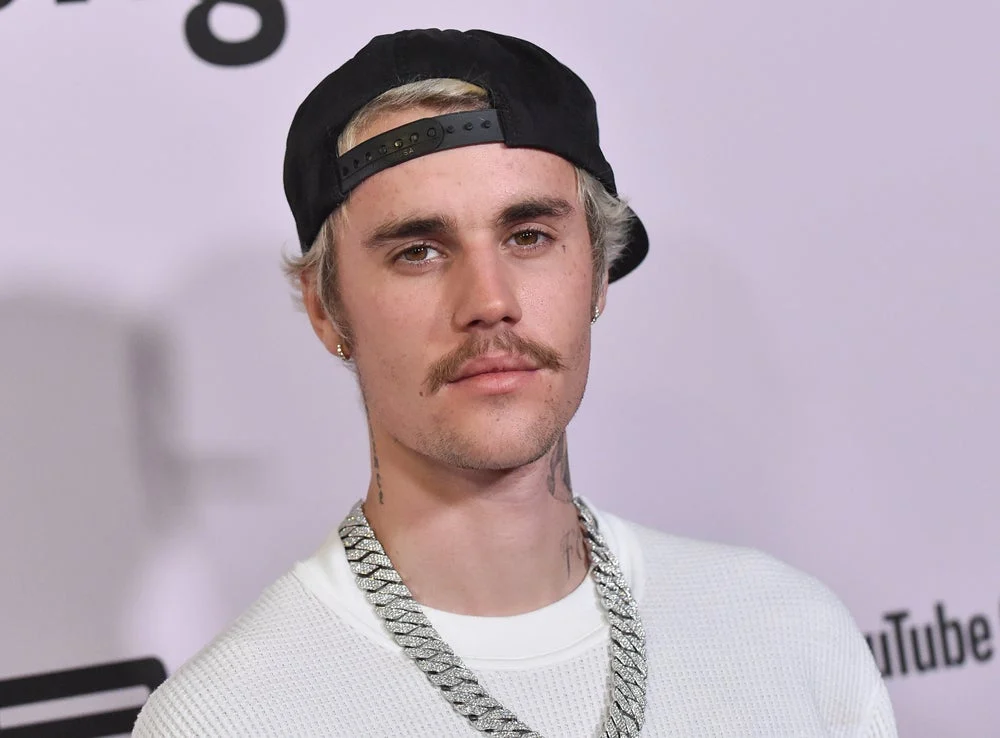
The landscape of public relations and strategic communications is undergoing a period of rapid transformation, driven by the dual forces of technological advancement and shifting consumer expectations. This week’s developments highlight three distinct but interconnected trends: the formalization of the creator economy through new certification standards, the enduring power of celebrity-driven nostalgia in digital discourse, and the mounting reputational risks facing the philanthropic sector in an era of political polarization and artificial intelligence. These shifts suggest a broader movement toward accountability, transparency, and emotional resonance as the primary pillars of modern brand management.
The Institutionalization of the Creator Economy
As influencer marketing evolves from a niche experimental tactic into a $37 billion global industry, the need for standardized professional ethics has become a central concern for brands and regulators alike. In response to this demand, the Institute for Responsible Influence (IRI) has officially launched its Responsible Influence Certification Program. This initiative marks a significant milestone in the professionalization of the creator economy, providing a formal mechanism for creators to demonstrate their commitment to transparency and legal compliance.
The program arrives at a critical juncture. While the majority of U.S. marketers now utilize paid creator partnerships, consumer trust remains a volatile commodity. Recent data indicates that while creator recommendations significantly influence purchasing decisions, a lack of clear disclosure often leads to skepticism and brand erosion. The IRI certification seeks to bridge this trust gap by offering a 90-minute, video-based curriculum focused on the Federal Trade Commission (FTC) Endorsement Guides, truth-in-advertising practices, and responsible brand partnership protocols.
Francis Stones, Global Head of Brand Safety at TikTok, emphasized that the initiative is a reflection of the industry’s maturation. According to Stones, the training provides brands with the necessary confidence that their partners understand the complex regulatory environment of digital advertising. By completing the assessment, creators receive a Certification Seal and entry into a searchable database, effectively creating a "vetted" tier of talent for risk-averse corporations.
However, the program has met with a nuanced reception from industry veterans. Priscila Martinez, Founder of The Brand Agency, suggests that while the certification is a boon for micro-influencers and User-Generated Content (UGC) providers, it may struggle to gain traction among top-tier talent. Martinez notes that established creators, often backed by robust legal and management teams, may perceive a 90-minute course as redundant or unnecessary. For these high-follower individuals, the incentive to participate is low unless major brands begin to mandate the certification as a prerequisite for contracts. Conversely, for emerging creators, the seal serves as a professional differentiator, signaling to smaller brands and agencies that they are a "safe" and compliant investment.
Coachella and the Strategic Use of Emotional Memory
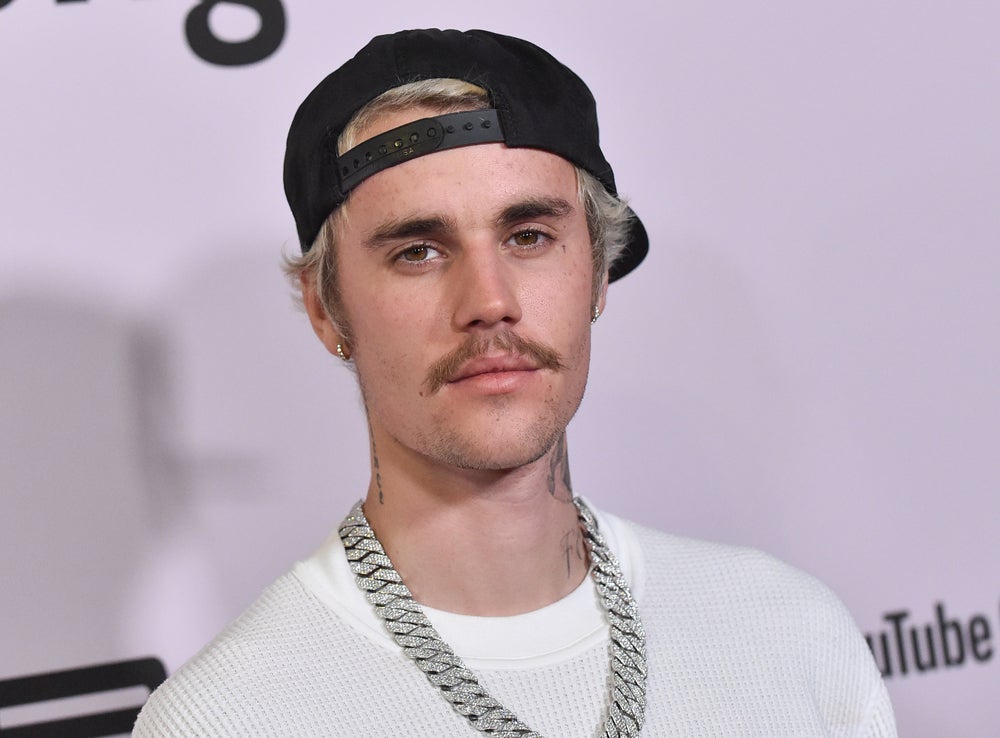
The power of cultural moments to drive massive digital engagement was on full display during the first weekend of the Coachella Valley Music and Arts Festival. While the event featured a diverse array of global headliners, it was a surprise appearance by Justin Bieber that dominated the global conversation. According to data released by Meltwater, Bieber’s presence generated 486,000 total posts and an extraordinary 340 million engagements, accounting for nearly one-third of all social media chatter surrounding the festival’s opening weekend.
The phenomenon, dubbed "Bieb-chella" by fans, underscores a critical shift in how audiences consume live events. The data suggests that the surge was fueled not by high-concept production, but by a powerful wave of nostalgia. Fans utilized the moment to reconnect with Bieber’s early career hits, framing his appearance as a significant comeback narrative. This emotional connection proved more potent than the polished, manufactured spectacles often associated with major music festivals.
The Meltwater analysis revealed that Bieber’s impact was highly polarized, sparking intense debate and sentimental reflection in equal measure. This stands in contrast to other performers like Karol G, who made history as the first Latina woman to headline the event. While Karol G enjoyed the highest positive sentiment across social platforms, the sheer volume of engagement surrounding Bieber highlights a fundamental truth for PR professionals: emotional resonance often outweighs positive sentiment in terms of pure reach and visibility.
Alexandra Bjertnæs, Chief Strategy Officer at Meltwater, noted that the success of the Bieber narrative lies in its perceived authenticity. For brands looking to capitalize on similar cultural waves, the lesson is that "spectacle" is no longer enough. The most effective strategies involve tapping into "emotional memory," allowing audiences to feel a genuine connection to an origin story or a shared cultural history. This approach requires a departure from rigid corporate messaging in favor of raw, real-time engagement that prioritizes the fan experience over brand-centric promotion.
Philanthropy Under Pressure: The Reputation Risk Index
While the entertainment and creator sectors grapple with issues of transparency and engagement, the philanthropic sector is facing a more existential crisis. The latest Reputation Risk Index from the Global Situation Room indicates that philanthropy is struggling to maintain its standing amid intensifying political pressure and the emergence of sophisticated technological threats.
The report highlights a growing perception among global public affairs leaders that philanthropic organizations are becoming increasingly vulnerable to external influence. More than 50% of respondents suggested that foundations and non-profits have made excessive concessions to political critics in recent months, potentially compromising their long-term missions and credibility. This trend is particularly evident in the "weaponization" of core values; programs related to climate change and Diversity, Equity, and Inclusion (DEI) are frequently targeted by political actors, forcing organizations into defensive postures.
A significant portion of this risk is tied to a "communications gap." Historically, many foundations have operated under a "quiet giving" philosophy, maintaining a low profile to keep the focus on their beneficiaries. However, in the current media environment, silence is increasingly interpreted as weakness or complicity. Isabel Guzman, former Administrator of the U.S. Small Business Administration and Chair of the Global Risk Advisory Council, argues that organizations must now bridge the gap between their stated values and the realities of a highly politicized world.
The rise of artificial intelligence has added a new layer of complexity to this landscape. The Reputation Risk Index identified several AI-related threats, including:
- Fraudulent Fundraising: The proliferation of fake charity websites that use AI-generated content to siphon donations during humanitarian disasters.
- Ethical Storytelling: Criticism regarding "AI-generated poverty porn," where synthetic images of suffering are used to solicit donations, a practice many decry as an ethical violation of the subjects’ dignity.
- Deepfake Disinformation: The potential for AI-generated media to misrepresent the statements or actions of foundation leaders, leading to rapid-fire reputational damage.
Analysis of Broader Implications
The developments across these three sectors point to a unified conclusion for the future of public relations: the "trust economy" is becoming the primary battlefield for brand survival. Whether it is a creator seeking a certification seal to prove their honesty, a pop star leveraging nostalgia to bypass traditional media gates, or a foundation fighting to protect its mission from political interference, the common thread is the necessity of proactive narrative management.
For influencer marketing, the IRI certification is likely only the beginning. As regulatory bodies like the FTC and the UK’s Competition and Markets Authority (CMA) tighten their grip on digital disclosures, the industry will move toward a standardized "license to operate." Brands that fail to vet their partners through these emerging frameworks risk not only legal penalties but also the long-term alienation of a consumer base that is increasingly savvy about identifying "shilling."
In the realm of cultural events, the Coachella data serves as a reminder that "virality" is not a random occurrence but the result of deep emotional triggers. Brands must shift their focus from being "present" at events to being "meaningful." Visibility without resonance is a wasted investment in an era where audiences have the tools to ignore anything that feels inauthentic.
Finally, the philanthropic sector serves as a cautionary tale for any industry that believes it can remain "above the fray." The transition from passive storytelling to active narrative defense is now a requirement for any organization with a public profile. In 2024 and beyond, a brand’s reputation will not be defined by what it says about itself in its annual report, but by how it defends its values when they are under fire in the digital town square.
The convergence of these trends suggests that the role of the PR professional is shifting from that of a "gatekeeper" to that of a "steward." Navigating this new reality requires a sophisticated understanding of data, a commitment to ethical standards, and, most importantly, the ability to foster genuine human connection in an increasingly automated world.










