

The landscape of modern public relations is undergoing a fundamental shift, moving away from broad-spectrum messaging toward hyper-targeted, community-first activations that leverage organic cultural momentum. As digital platforms become increasingly fragmented and consumer skepticism toward traditional advertising grows, major brands like General Mills and eos, alongside retail giants like Target and IKEA, are redefining how they secure visibility. By analyzing recent developments in collegiate social media trends, the emerging field of Generative Engine Optimization (GEO), and purposeful community sports partnerships, it becomes clear that the most successful communication strategies today are those that prioritize authenticity and niche engagement over mere reach.
The RushTok Phenomenon: Lucky Charms and the Collegiate Creator Economy
Every August, the digital world witnesses the resurgence of #RushTok, a viral social media phenomenon where tens of thousands of college women document the intensive process of sorority recruitment. While the trend gained mainstream notoriety through the University of Alabama, it has since evolved into a high-stakes marketing arena. This year, General Mills’ Lucky Charms brand demonstrated a masterclass in trend-jacking by transforming a localized moment at the University of Arkansas into a national content milestone.
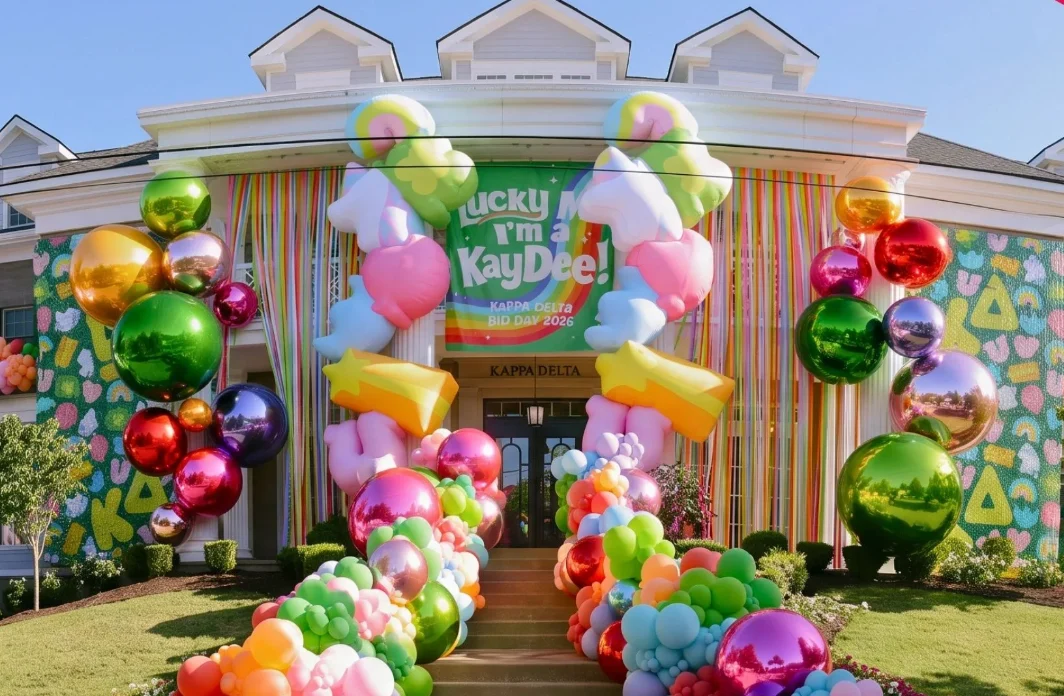
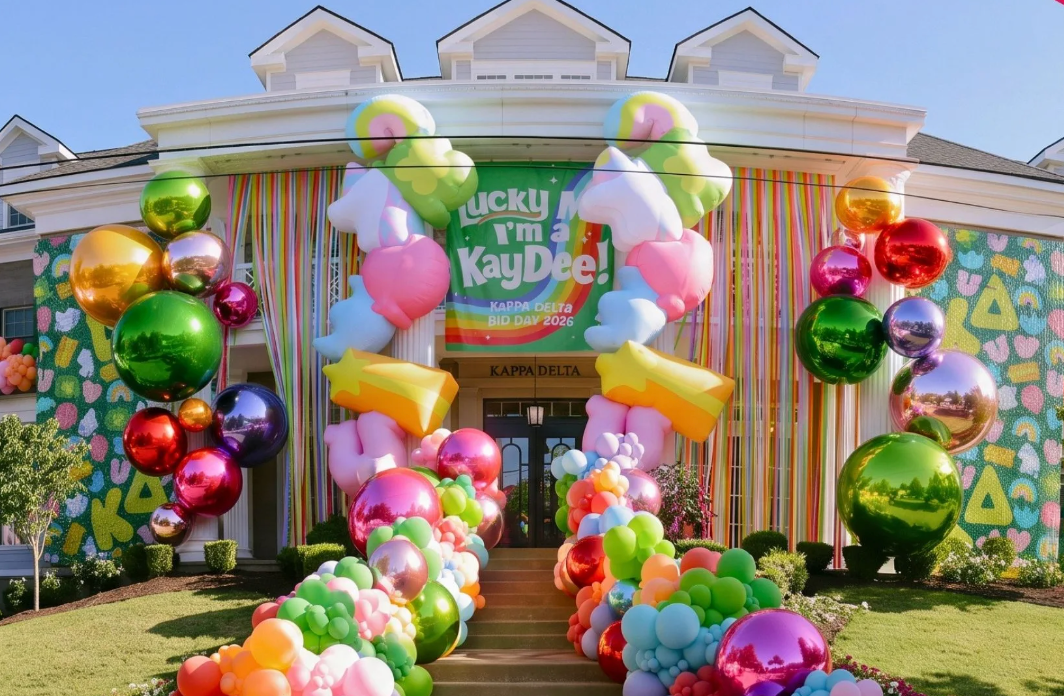
The activation centered on the Kappa Delta chapter at the University of Arkansas, which had already begun using the "Lucky Me" sentiment—a play on the cereal’s iconic branding—to describe their recruitment experience. Recognizing the organic alignment, General Mills transitioned from a passive observer to an active participant. On "Bid Day," the climactic final day of recruitment, the brand provided a full-scale activation featuring marshmallow-themed balloon installations, DIY charm bracelet stations, custom merchandise, and photo booths.
This strategy, described by communications experts as "going narrow to go wide," focuses on dominating a specific, highly engaged community to generate ripples of organic content that reach a global audience. Megan Brooks, Business Unit Director for Family Favorite Cereals at General Mills, noted that by empowering the students to make the brand their own, the content traveled far beyond the Greek Life bubble, reaching millions of viewers across multiple generations.
However, the rise of collegiate partnerships brings new complexities to PR management. Emily Blair Marcus, CEO of Emily Blair Media, suggests that the growth of student-led organizations like REACH—which acts as a social media management pipeline for student creators—indicates that college-level marketing is now a sophisticated business vertical. For brands, the takeaway is clear: while student partnerships offer unparalleled authenticity, they require rigorous due diligence. Because student ambassadors effectively become the face of the brand, companies must ensure that the organization’s values align with their own to avoid the pitfalls of "cancel culture" in an era where brand representatives are under constant scrutiny.
Navigating the "Black Box" of AI Search Visibility
While social media remains a primary driver of brand awareness, the way consumers discover products is being revolutionized by Artificial Intelligence. As the "Back-to-School" shopping season commenced, a new variable entered the PR equation: visibility within AI-generated responses from platforms like ChatGPT, Claude, and Gemini. The Pollack Group’s inaugural Brand Visibility Index has shed light on which retailers are winning this new "Generative Engine Optimization" (GEO) battle.
The study, which analyzed 335 AI-generated answers across six major retailers, revealed a significant disparity in visibility. Target and IKEA emerged as the leaders, each appearing in approximately 30% of AI recommendations. In contrast, Amazon—the world’s largest e-commerce platform—appeared in only 8.7% of responses. This data suggests that sheer scale and market dominance do not automatically translate to AI visibility. Instead, the AI models seem to favor brands that possess strong earned media profiles, consistent social presence, and purposeful, high-quality content.
A critical component of this visibility is the role of community-driven platforms like Reddit. Despite recent fluctuations in how often AI models cite Reddit directly, the platform remains a cornerstone for LLM (Large Language Model) training. Nicole Paleologus, Senior Managing Director at Next PR, emphasizes that Reddit’s community-driven discussions carry significant weight because they are perceived as more authentic than traditional marketing collateral. The study found that Reddit was a factor in 32% of the AI responses, highlighting the need for brands to cultivate a presence in spaces where real-world peer recommendations occur.
For PR professionals, these findings underscore a shift in priorities. Traditional SEO (Search Engine Optimization) is no longer sufficient. To remain relevant in an AI-driven search environment, brands must focus on "relevance" over "reach." This involves a multi-channel strategy where earned media, owned content, and community engagement work in tandem to feed the data sets that AI models use to make recommendations.
Community-First Engagement: eos and the "Tenniscore" Aesthetic
The third pillar of modern PR success is the move toward purposeful, action-oriented partnerships. As the U.S. Open captures the public’s attention, personal care brand eos has opted for a community-centric approach rather than a traditional, high-cost tournament sponsorship. By partnering with professional tennis player Ayan Broomfield and her "Ayan’s Aces" initiative, eos hosted "The eos Smooth Set," a day of tennis clinics and community building specifically for women of color in New York City.
This activation tapped into the "Tenniscore" trend—a fashion and lifestyle movement celebrating the aesthetic of the sport—but did so with a focus on representation and access. Historically, while athletes like Serena Williams, Naomi Osaka, and Coco Gauff have reached the pinnacle of the sport, broad representation in amateur and community tennis has lagged. By funding clinics and providing a platform for an underrepresented audience, eos moved beyond a simple brand declaration of diversity and into the realm of tangible action.
Carmella Glover, President and CEO of the Diversity Action Alliance, points out that this partnership works because it is additive rather than exploitative. The brand didn’t attempt to center itself; instead, it supported an established advocate (Broomfield) and provided a "supporting role" through product experiences like scent bars and bedazzling stations. This strategy resonates particularly well with women of color, who represent some of the most engaged and discerning consumers in the beauty and personal care sectors.
The "Smooth Set" activation serves as a case study for brands looking to engage with cultural moments without appearing opportunistic. By investing in community leadership and creating entry points for new participants, eos has built a brand association that is "moisturized, hydrated, and unbothered"—a sentiment that aligns perfectly with their product line while addressing a social gap in the sports world.
Strategic Analysis: The Interconnected Future of PR
When viewing these three developments—Lucky Charms’ #RushTok activation, the AI Visibility Index, and eos’s tennis partnership—a cohesive narrative emerges about the future of public relations. The common thread is the abandonment of the "one-size-fits-all" broadcast model in favor of a "deep-dive" community model.
- Authenticity as Currency: In the case of Lucky Charms, the brand succeeded because it didn’t force a trend; it amplified one that was already happening. Authenticity is no longer a buzzword; it is a prerequisite for engagement.
- The Data-Driven Reputation: The AI search data proves that a brand’s digital reputation is now being synthesized by machines. PR is no longer just about convincing a human editor to write a story; it is about ensuring that the brand’s "digital footprint" is rich enough in quality data to be picked up by an algorithm.
- Action Over Advocacy: The eos activation demonstrates that consumers, particularly Gen Z and Millennials, expect brands to act on their values. A sponsorship banner at a stadium is less impactful than a community clinic that provides actual value to a specific demographic.
Timeline of Key Events and Brand Responses
The convergence of these marketing milestones follows a specific seasonal chronology that PR teams can use as a blueprint for future planning:
- Early August: The "RushTok" cycle begins. Brands must have their monitoring tools in place to identify organic trends (like "Lucky Me") before the Bid Day climax.
- Mid-August: Back-to-School shopping peaks. This is the critical window for GEO (Generative Engine Optimization) visibility, where previous months of earned media and Reddit engagement begin to pay off in AI recommendations.
- Late August: The U.S. Open and other end-of-summer cultural events provide a platform for community-centric activations. This is the time for brands to transition from "selling" to "serving" specific communities.
In conclusion, the modern PR professional must act as a hybrid of a data scientist, a community manager, and a cultural anthropologist. Whether it is navigating the complexities of collegiate influencers, optimizing for the next generation of AI search, or building inclusive sporting communities, the goal remains the same: to create meaningful connections in a world that is increasingly crowded with noise. The success of Lucky Charms, Target, and eos provides a clear roadmap—go deep, stay authentic, and let the community lead the way.









