

The persistent question for email marketers worldwide — "What is the optimal time to dispatch my newsletter?" — remains central to effective digital communication strategies. In an increasingly competitive digital landscape, the precise timing of an email campaign is not merely a logistical detail but a critical determinant of its success, directly influencing key performance indicators such as open rates and click-through rates (CTR). As the volume of daily digital correspondence continues to swell, ensuring a message lands in the recipient’s inbox at a moment conducive to engagement has become an art form backed by robust data analytics. This article delves into the intricate factors at play, offering insights gleaned from recent research and practical recommendations to enhance overall email marketing efficacy.
The Elusive "Optimal Time": A Global Perspective
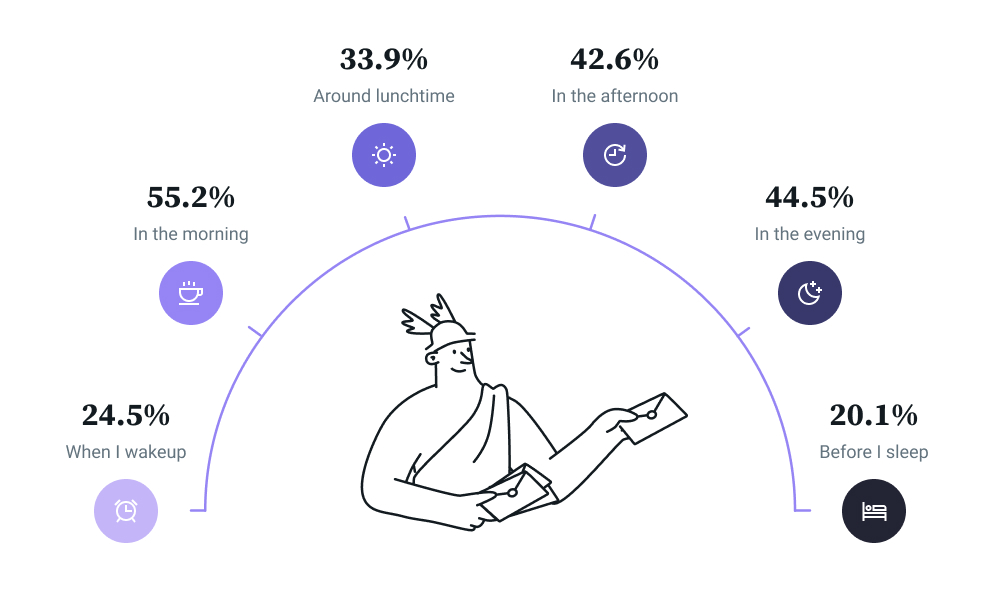
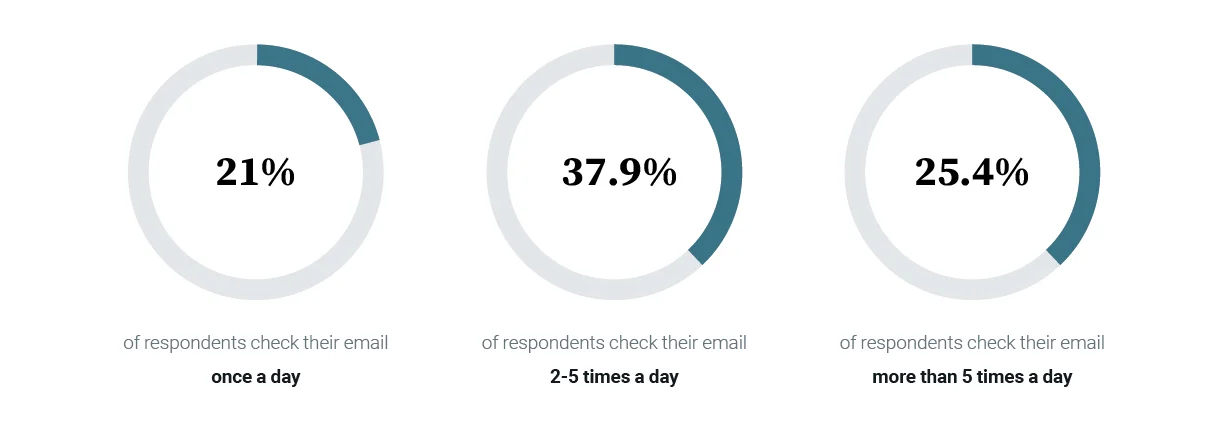
While a simplistic guideline might suggest sending emails between 9 AM and 12 PM, contemporary research indicates a far more nuanced reality. User behavior regarding email consumption is dynamic and influenced by a multitude of factors, including geographic location, cultural norms, and the type of email account (personal vs. professional). According to Mailjet’s Email Engagement Report 2024, a significant 63.3% of users interact with their personal mailboxes at various points throughout the day. This highlights that while people frequently check their emails, their capacity to act on them varies considerably, making precise timing paramount for driving meaningful engagement.
Further in-depth analysis conducted by Sinch Mailgun, leveraging data from billions of emails sent by its customers, provides a more granular understanding of global engagement patterns. Their study identified 15:00 Coordinated Universal Time (UTC) as a peak hour for email engagement, particularly in click-to-open ratios. This signifies a global average where opens and clicks are most concentrated. However, it is crucial for marketers to convert this UTC benchmark to their target audience’s local time zone. For instance, during summer months, 15:00 UTC translates to 11 AM Eastern Standard Time (EST) in North America, 4 PM Greenwich Mean Time (GMT) in the UK, and 5 PM Central European Time (CET). This conversion underscores the imperative of localized scheduling to align with recipient availability.
The implication of this global peak is not a universal send time, but rather an indicator of a broadly active window across major time zones when people are generally engaged with their digital devices, often during mid-morning or early afternoon in their respective local times. This mid-day window often represents a lull in primary work tasks or a pre-lunch checking habit, where individuals might be more receptive to marketing messages that are neither urgent work-related nor purely recreational.
Beyond the Clock: The Daily Rhythm of Engagement
The notion that email checking is a singular event is outdated. Users often engage in multiple ‘micro-interactions’ with their inboxes throughout the day. Early morning checks might be quick scans to triage urgent matters, while mid-morning periods, often characterized by a settled work routine, could facilitate deeper engagement with more substantial content. Similarly, lunch breaks offer a window for personal email consumption, and evening hours might be dedicated to leisure-oriented content. The challenge for marketers is to identify when their specific content aligns best with these varied states of recipient readiness.
While an email might be opened during a quick morning scan, the capacity to act on a call-to-action, such as making a purchase or signing up for a webinar, often requires more dedicated attention. This capacity is typically higher during periods of lower cognitive load, such as mid-morning or early afternoon, when individuals are neither overwhelmed by the start of the workday nor winding down from it.
Geographical and Cultural Nuances in Email Consumption
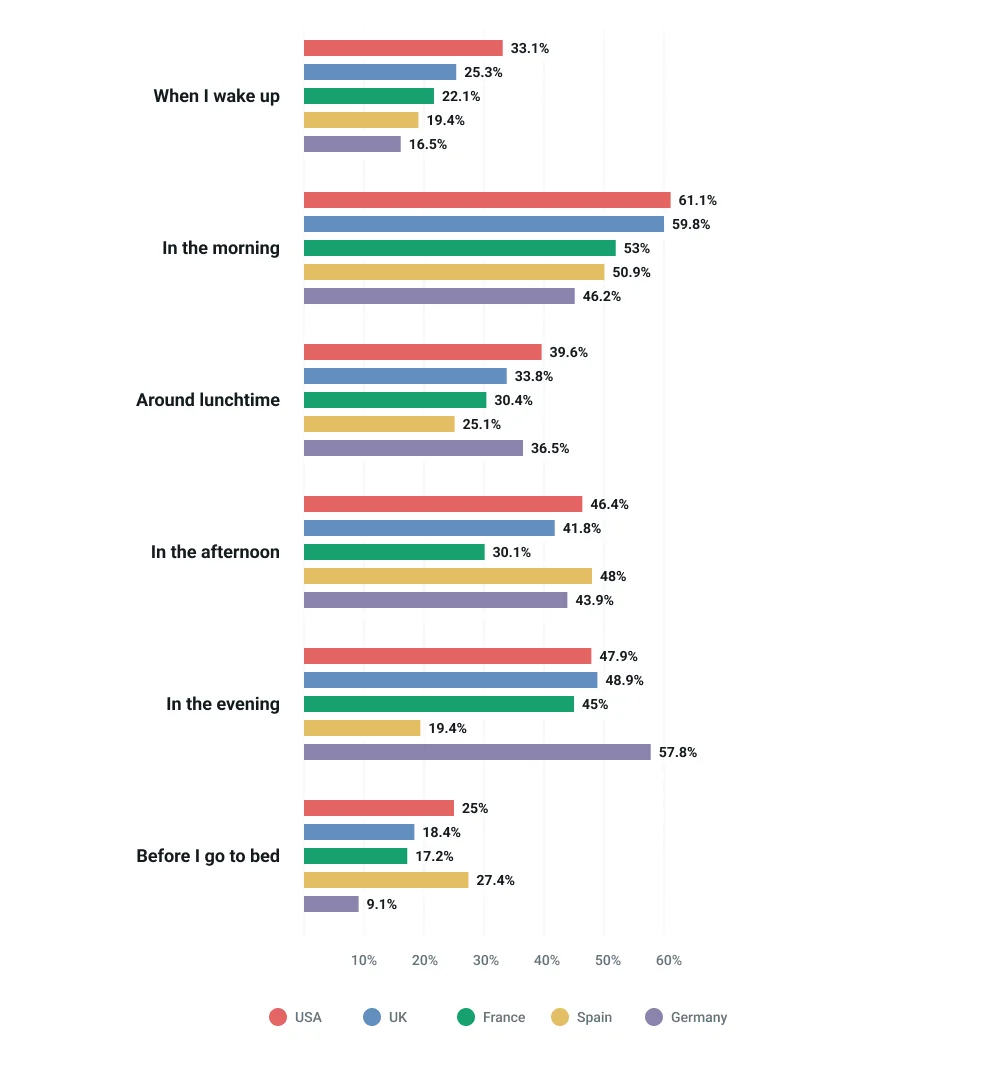
Email habits are profoundly shaped by national culture, daily routines, and work-life balance. The Email Engagement Report highlights significant differences across countries, necessitating a segmented approach. For example, German customers show a strong propensity for engaging with emails in the early evening, with 57.8% opening messages at this time. In contrast, only 19.4% of Spanish recipients demonstrate similar behavior during the same period. Conversely, a notable 27.4% of Spanish participants reported checking emails late in the evening before bed, a time when only 9.1% of German users are receptive.
These disparities underscore that a "one-size-fits-all" global send strategy is inherently inefficient. Markets in Asia, for instance, might exhibit earlier morning engagement peaks due to different working hours and commuting patterns, while North American markets often show sustained mid-morning to early afternoon activity. Such cultural variations demand sophisticated audience segmentation based on geographical location, allowing marketers to tailor send times to local customs and daily schedules. Ignoring these nuances can lead to reduced engagement, diminished campaign ROI, and a fragmented brand experience.
The Weekly Cadence: Best and Worst Days for Campaigns
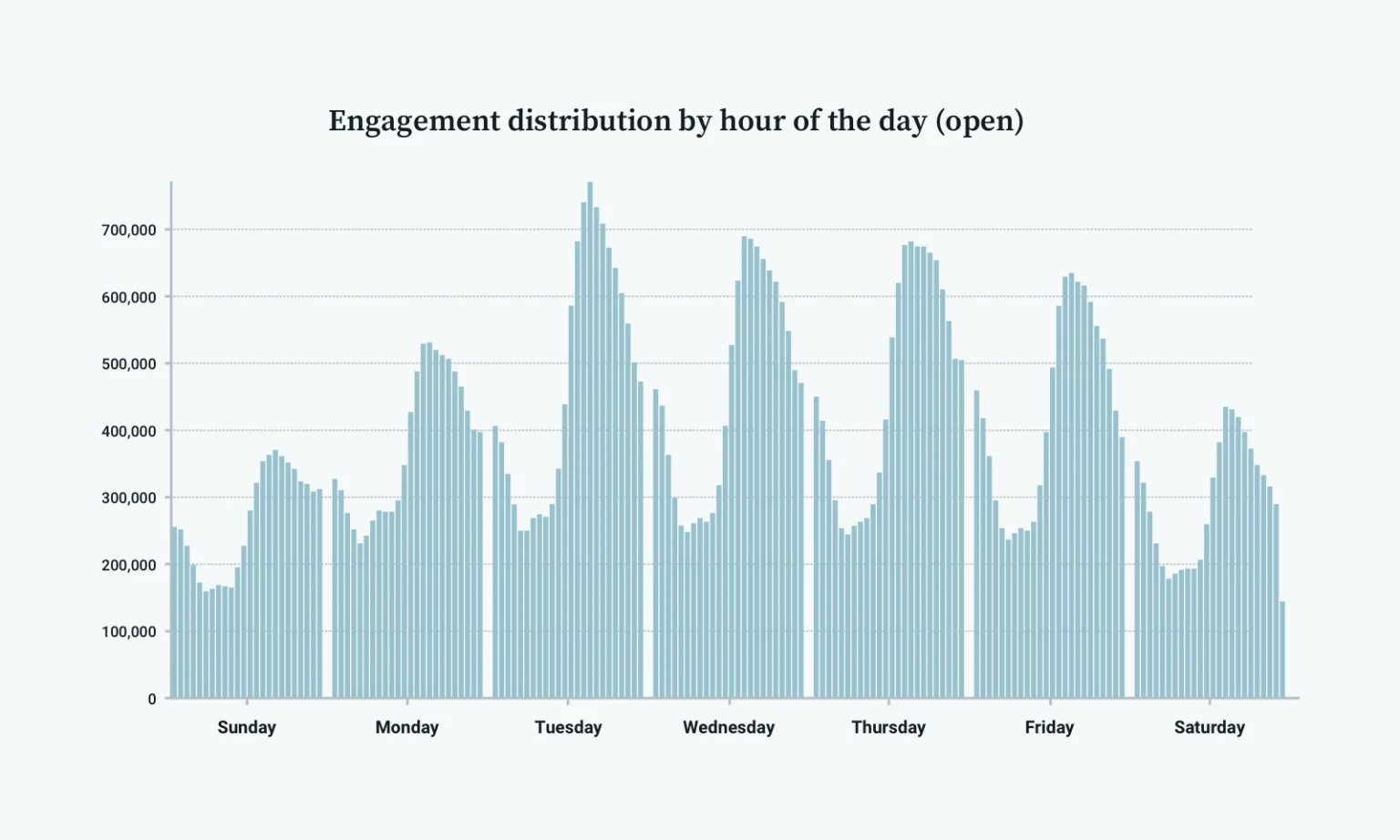
Beyond the hour of the day, the day of the week plays a crucial role in email campaign performance. Data consistently points to certain days as more favorable for engagement, largely influenced by professional and personal rhythms.
The Best Days of the Week for Email Engagement:
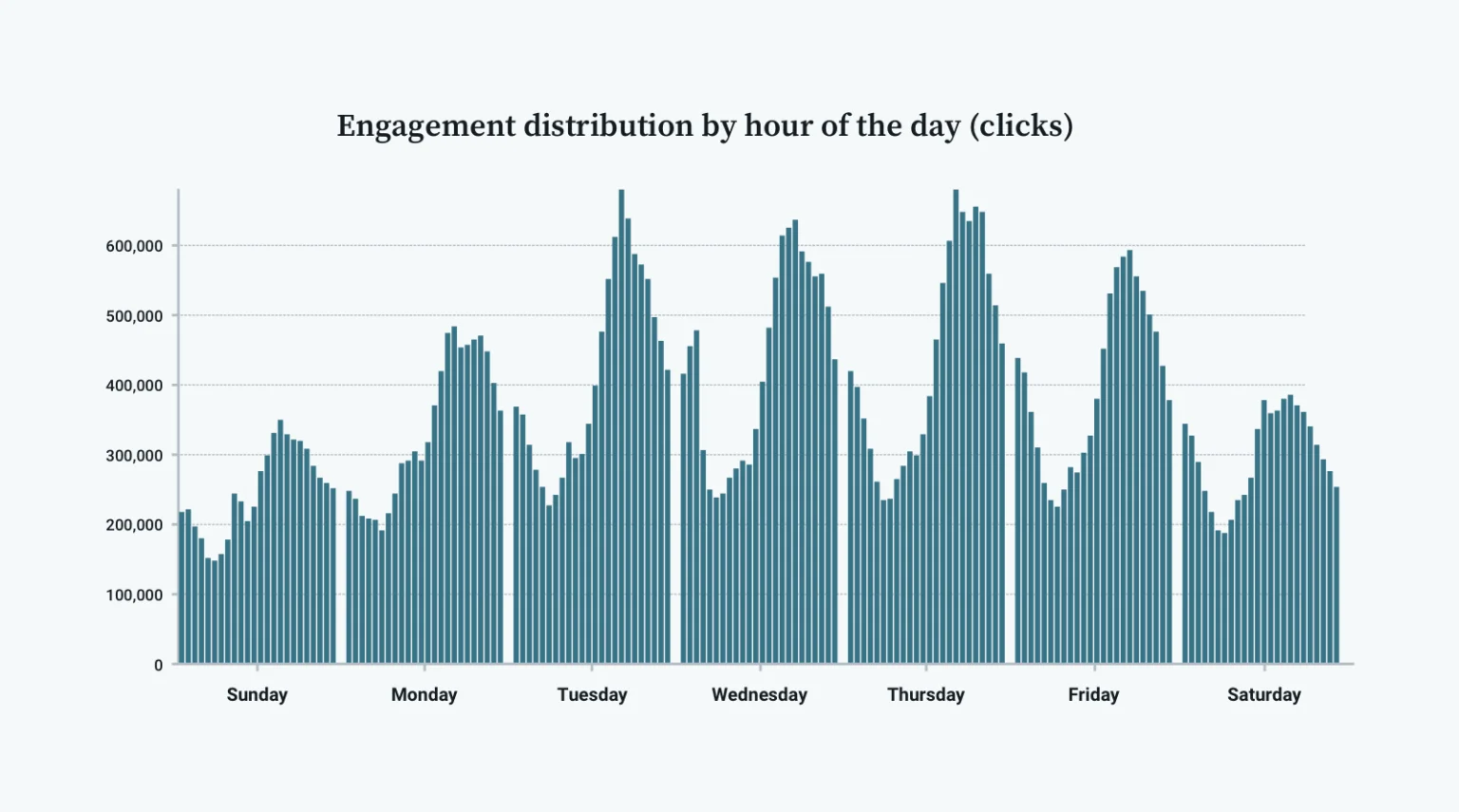
Analysis from the Sinch Mailgun study reveals that Tuesdays through Thursdays generally yield the highest open and click-through rates. This mid-week window aligns with peak productivity for many professionals, when they are settled into their workweek but not yet distracted by impending weekend plans. Tuesdays often see recipients clearing out accumulated Monday emails and settling into their tasks, making them receptive. Wednesdays serve as a solid second option, while Thursdays maintain strong engagement as individuals plan for the week’s close.
For marketers aiming for optimal reach, a strategic combination of Tuesdays and Thursdays for sending multiple campaigns within a week can be highly effective. Sending emails on consecutive days like Tuesday and Wednesday, or Wednesday and Thursday, might lead to audience fatigue and lower engagement with subsequent messages. It’s also worth noting that while mid-week days have higher engagement, they also experience increased inbox competition. Some marketers strategically opt for slightly less competitive days like Friday to stand out, provided their content is appropriately tailored.
The Worst Days of the Week for Email Engagement:
Conversely, Saturdays and Sundays consistently rank as the weakest days for email engagement. During weekends, people are typically engaged in personal activities, socializing, family time, or errands, rendering marketing emails a low priority. The exception to this rule often involves highly specific, leisure-oriented content, such as travel deals, event promotions, or hobby-related newsletters, which might find a receptive audience during downtime.
The debate between sending on a Monday versus a Friday has evolved. Traditionally, both were considered suboptimal. However, recent data suggests that Fridays often outperform Mondays in terms of open and click-through rates. Mondays are frequently characterized by inbox overload from weekend accumulations and the demands of planning the week ahead, making recipients less receptive to new marketing messages. Fridays, while signaling the approach of the weekend, can still capture attention, particularly for content that offers weekend inspiration or timely promotions.
B2B vs. B2C: A Tale of Two Inboxes
The fundamental distinction between Business-to-Business (B2B) and Business-to-Consumer (B2C) email marketing lies in the recipient’s context and intent. People use their professional and personal inboxes differently, and understanding this divergence is critical for optimizing send times.
B2B Email Campaigns:
For B2B communications, timing should align with typical business hours. Engagement is generally highest during the workweek, from Monday to Friday, often peaking during mid-morning (e.g., 10 AM – 12 PM local time) after initial morning tasks are handled, and mid-afternoon (e.g., 2 PM – 4 PM local time) before the end-of-day rush. Content for B2B audiences needs to be relevant, actionable, and contribute to professional goals. Sending B2B emails during weekends or late evenings is usually ineffective, as recipients are unlikely to engage with work-related content outside of professional hours. Industries with specific cycles, such as financial news or tech updates, might have slightly different optimal windows within the workday.
B2C Email Campaigns:
B2C emails cater to personal interests, purchases, and leisure. Engagement patterns are therefore broader and more flexible. While mid-week mid-day can still be effective, B2C campaigns often see good performance during lunch breaks, early evenings (when people are unwinding), and potentially even on weekends for specific types of content (e.g., entertainment, retail sales, travel offers). Mobile device usage plays a significant role in B2C engagement, as people often check personal emails on their phones during commutes or downtime. Marketers must consider their target demographic’s lifestyle and how they typically spend their non-working hours.
The creation of detailed marketing personas, encompassing not just demographics but also daily routines, pain points, and digital habits, becomes invaluable in distinguishing these behaviors. Marketing strategists consistently advise against a "set-it-and-forget-it" approach, emphasizing continuous testing and adaptation to evolving subscriber behaviors, especially when navigating the B2B/B2C divide.
The Strategic Imperative: Why Timing Elevates Email Marketing
The strategic importance of email sending time cannot be overstated. In an inbox saturated with messages, visibility is paramount. Emails that appear at the top of the inbox upon a recipient’s checking tend to garner significantly higher engagement than those buried beneath dozens of other messages. This prime real estate is fleeting, underscoring why timing is a cornerstone of effective email marketing campaigns.
Optimizing send times translates into several critical advantages:
- Enhanced Visibility: Ensures emails are seen when recipients are actively checking their inbox, increasing the likelihood of opening.
- Improved Open Rates: Directly contributes to higher engagement, as timely delivery means the message is more likely to capture attention.
- Higher Click-Through Rates (CTR): When an email is opened at an opportune moment, recipients are more likely to have the capacity and inclination to interact with its content and calls-to-action.
- Increased Conversions: Higher engagement naturally leads to better conversion rates, whether it’s a purchase, a download, a registration, or any other desired action.
- Strengthened Brand Perception: Delivering relevant content at a convenient time demonstrates an understanding of the customer, fostering a positive brand experience and building trust.
- Maximized Return on Investment (ROI): By ensuring messages reach the right audience at the right time, marketers can significantly improve the efficiency and profitability of their email campaigns.
The sentiment that "86.4% of respondents say having time to read an email is an important factor in determining whether to open it" (Source: The Path to Email Engagement) succinctly encapsulates this strategic imperative. It’s not just about what you send, but when you enable your audience to truly engage with it.
Mastering the Art of Optimal Timing: A Data-Driven Approach
Finding the sweet spot for email engagement is a continuous process that hinges on data analysis and iterative testing. While general guidelines provide a starting point, true optimization comes from understanding one’s unique audience.
Leveraging Existing Data:
Most Email Service Providers (ESPs) offer robust analytics dashboards that are treasure troves of time-related data. Marketers should regularly delve into these statistics, examining past campaign performance to identify peak days and hours for opens and clicks. This historical data provides a solid foundation for formulating hypotheses about optimal send times for specific subscriber segments. Analyzing trends over several months can reveal consistent patterns that might be obscured by weekly fluctuations.
The Power of A/B Testing:
A/B testing is indispensable for refining send times. This scientific approach involves sending variations of a campaign to different segments of an audience and comparing their performance. For instance, a marketer could test sending a newsletter at 10 AM to half their list and at 2 PM to the other half, analyzing which segment yielded better open and click rates. Key considerations for A/B testing include:
- Single Variable Testing: Focus on testing one variable at a time (e.g., only the send time, keeping content and subject line consistent) to accurately attribute performance differences.
- Sufficient Sample Size: Ensure test groups are large enough to yield statistically significant results.
- Duration: Conduct tests over several weeks or months to account for weekly variations and build a reliable dataset.
- Segmentation: Test different times for different audience segments (e.g., geographic regions, customer types, engagement levels) as their optimal times may vary.
Audience Segmentation and Persona Development:
Beyond A/B testing, granular audience segmentation is crucial. Dividing subscribers based on geography, demographics, past purchase behavior, engagement history, and lifecycle stage allows for highly personalized send schedules. For example, a global e-commerce brand might segment its list by continent, ensuring that a promotional email is delivered during prime shopping hours in each region. Developing detailed marketing personas helps marketers empathize with their audience’s daily routines and predict when they are most likely to engage with specific content.
Consistency vs. Flexibility:
While consistency in send schedules builds trust and anticipation, marketers must also be flexible. During holidays, major events, or periods of significant news, deviating from the usual schedule might be necessary to capture attention or avoid being overlooked. A thoughtful marketer understands when to adhere to routine and when to adapt for optimal impact.
Leveraging Technology for Precision Sending
Modern email marketing platforms are equipped with sophisticated features designed to empower marketers in their quest for optimal timing. Mailjet, for example, offers a comprehensive suite of tools that facilitate the creation, delivery, and tracking of email campaigns. Its intuitive Email Editor and responsive templates simplify content creation, while features such as:
- Segmentation: Enables marketers to divide their audience into highly targeted groups based on various criteria, allowing for customized send times.
- A/B Testing: Provides the framework for scientific experimentation, allowing marketers to test different send times and other variables to identify what resonates best.
- Campaign Comparison: Offers analytical tools to compare the performance of various campaigns over time, highlighting successful strategies and areas for improvement.
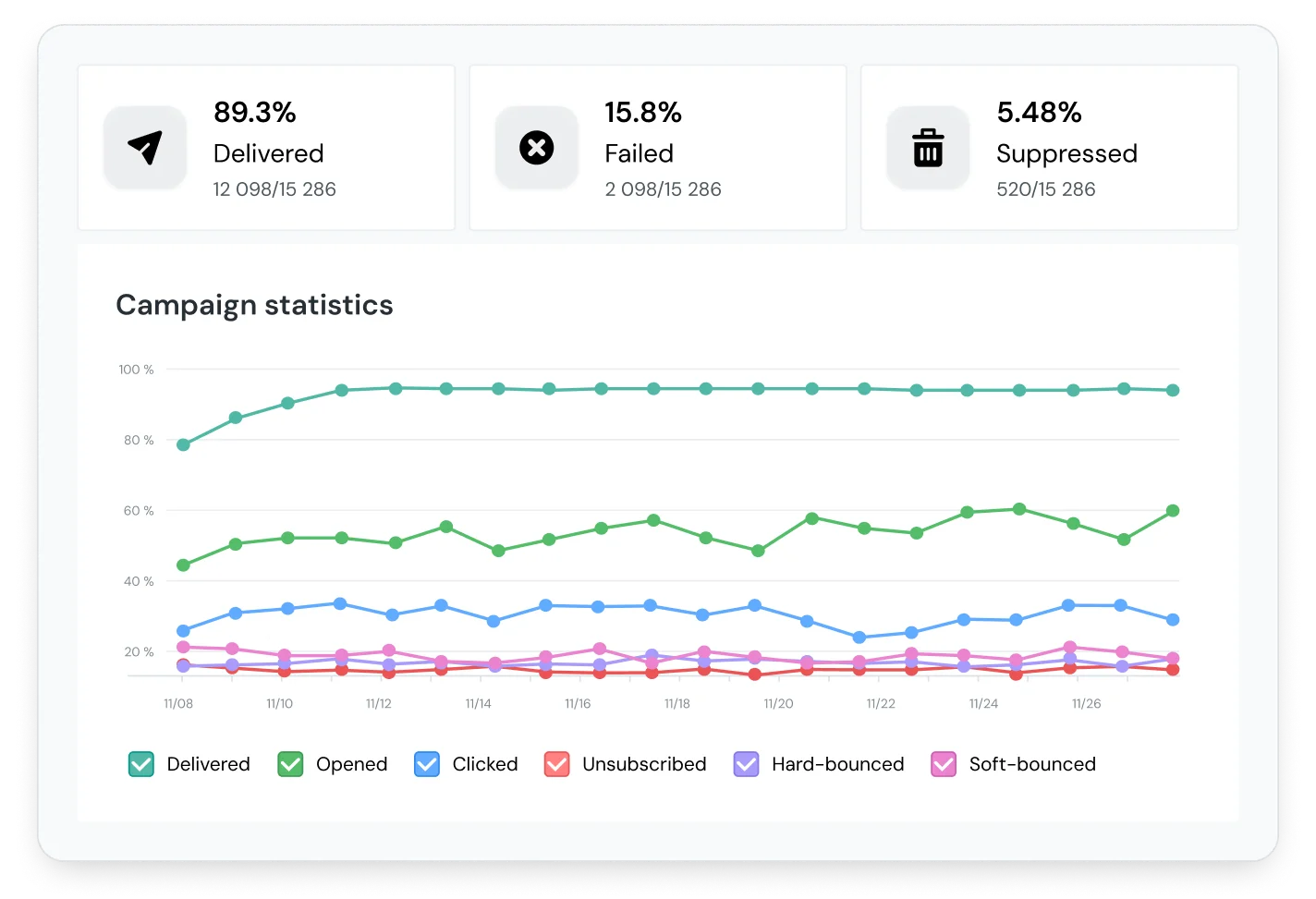
- Email Statistics: Delivers granular data on opens, clicks, unsubscribes, and more, providing the insights necessary to refine sending strategies continuously.
These technological capabilities transform the complex task of timing optimization into an achievable, data-driven process, allowing marketers to move beyond guesswork and implement strategies that genuinely enhance digital marketing results.
In conclusion, the pursuit of the "best time to send an email" is not about discovering a universal magic hour, but rather about embracing a strategic, data-centric, and adaptive approach. The type of business, the characteristics of its customers, the nature and volume of emails dispatched, and specific campaign objectives all converge to define the unique optimal schedule. By meticulously analyzing engagement data, employing rigorous A/B testing, segmenting audiences intelligently, and leveraging advanced email marketing technologies, brands can ensure their messages land at precisely the right moment, maximizing visibility, fostering deeper engagement, and ultimately driving superior business outcomes in the ever-evolving digital landscape. This dynamic optimization is not just a best practice; it is a competitive imperative.








